

Why did the US impose new tariffs on Vietnam?
On April 2, 2025, US President Donald Trump announced a new tariff policy, applying a basic tariff of 10% to all goods imported from all countries starting April 5, and different reciprocal tariffs for each trading partner starting April 9. Vietnam will face a 46% tariff on goods exported to the US.
Affected sectors in Vietnam
The countries primarily affected are those with trade surpluses with the US, with the Asian region bearing the brunt of the impact, experiencing the highest tariffs. Specifically:
The imposition of symmetrical tariffs will significantly impact five key export sectors of Vietnam, accounting for 64.3% of Vietnam's total exports to the US. The sectors most heavily affected include electronics (computers, phones, and components), textiles, footwear, wood, agricultural and aquatic products, steel, and aluminum. Specifically, electronics and textiles will face the highest tariffs, putting pressure on Vietnam's profits and export market share.
Reasons for the US tariff increase and its political and economic consequences.
President Trump's new tax policy could have numerous impacts, not only on individual countries but also on the US economy. One of the reasons Trump gives for imposing tariffs is to reduce the US trade deficit and restore domestic production. Accordingly, countries with large trade surpluses with the US will have to balance their trade to reduce tariffs.
The US wants to protect domestic production.
The U.S. government expects that this tariff policy will encourage the shift of manufacturing back to the U.S., creating jobs for American workers and enhancing the nation's economic standing. However, this could disrupt international supply chains, impact global production, and cause shortages of raw materials and components, increasing costs for American companies and their partners.
Impact on other countries
Countries such as China, Japan, and the European Union have strongly opposed the new US tariff policy. China argues that the decision violates international trade rules and could escalate trade tensions. Japan fears that tariffs will make it difficult for companies to invest in the US, while the European Union has voiced its criticism of the policy.
Impact on the global economy
The new US tax policy not only affects direct trading partners but could also impact the global economy. Experts warn that increased tariffs will lead to higher costs of goods, reduced consumption, and negatively affect global economic growth. Developing countries, in particular, will be significantly impacted, losing export markets and facing economic crises.
The impact of US tariff increases andflexible responses
Following the announcement of the new US tax policy, US stock futures fell by as much as 3%; Apple shares dropped by 7.9% on April 3rd; Amazon shares fell 6% and Tesla shares fell 8% in after-hours trading; oil prices dropped by more than $2 per barrel and bitcoin fell 4.4%.
Asian stock markets fell sharply across the board on April 3, 2025. A widespread sell-off caused major stock market indices in the Asian region to plummet.
The United States is currently Vietnam's second-largest trading partner, its number one export market, and one of its most important export markets and leading investment partners. It is gradually becoming a major source of machinery, equipment, science and technology, and energy products, providing a strong impetus for Vietnam's economic development. Bilateral trade between Vietnam and the United States is projected to reach nearly US$150 billion in 2024, a 20.5% increase compared to the previous year, with a trade surplus of US$123.5 billion.
The US tariff policy is projected to significantly impact five key sectors that account for 64.3% of Vietnam's total exports to the US in 2024: electronics (computers, electronic products and components; telephones and components; cameras, camcorders and components) accounting for 28.6% of total exports to the US; textiles and footwear accounting for 21.9%; wood and wood products accounting for 7.6%; agricultural, aquatic and seafood products accounting for 3.5%; and steel and aluminum accounting for 2.7%.
Specifically, computer components (US$23.2 billion), machinery and equipment (US$22 billion), and textiles (US$16.2 billion) contributed significantly; telephones, wood, and footwear also made substantial contributions with export values ranging from US$8.3 to US$9.8 billion. Cashew exports reached US$1.15 billion, seafood US$1.83 billion, and coffee US$323 million. It is projected that Vietnam's seafood exports to the US in 2025 could exceed US$2 billion, a 10-12% increase compared to the previous year. With a 46% tariff, Vietnamese seafood exports to the US could face an additional US$0.92 billion in tariffs in 2025.
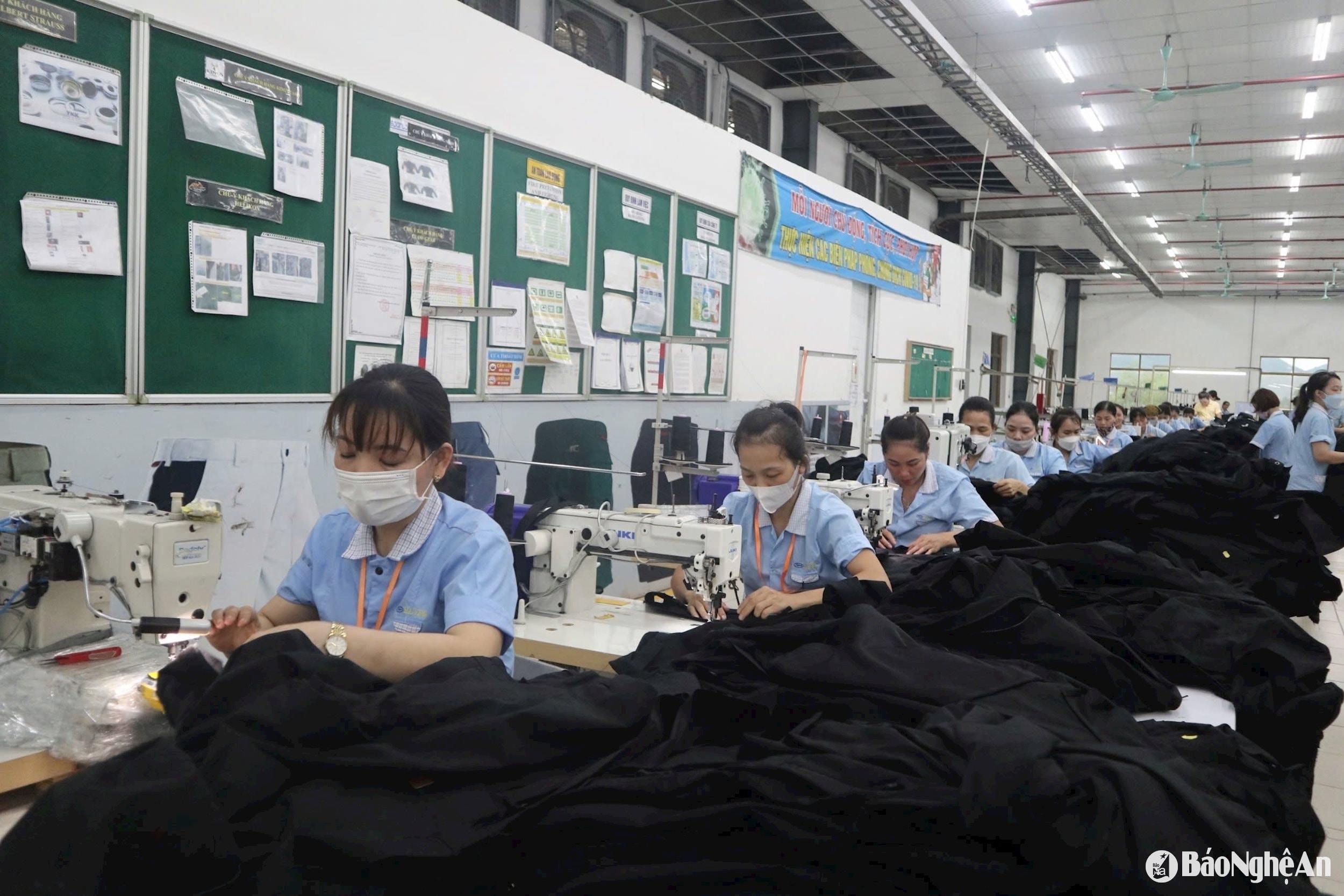
The fact that Vietnam is subject to a high symmetrical tariff of up to 46% on 90% of the total value of its exports to the US is putting significant pressure and causing concern for the Vietnamese export community (especially in key export sectors such as electronics, textiles and footwear, wood and furniture, and seafood) regarding the potential for reduced profits, shrinking orders and export market share, as well as supply chain disruptions and increased inventory, as US partners may seek alternative sources from countries not subject to high tariffs. The high tariff could also lead FDI businesses (especially from the US, China, and South Korea) to reconsider their investment strategies in Vietnam…
According to Bloomberg forecasts, the aforementioned new US tax policy will reduce Vietnam's GDP by approximately 8.9% by 2030, or an average of 1.5-2% per year, from the projected 7-8% GDP growth in 2025 to around 5-6.5% GDP or lower.
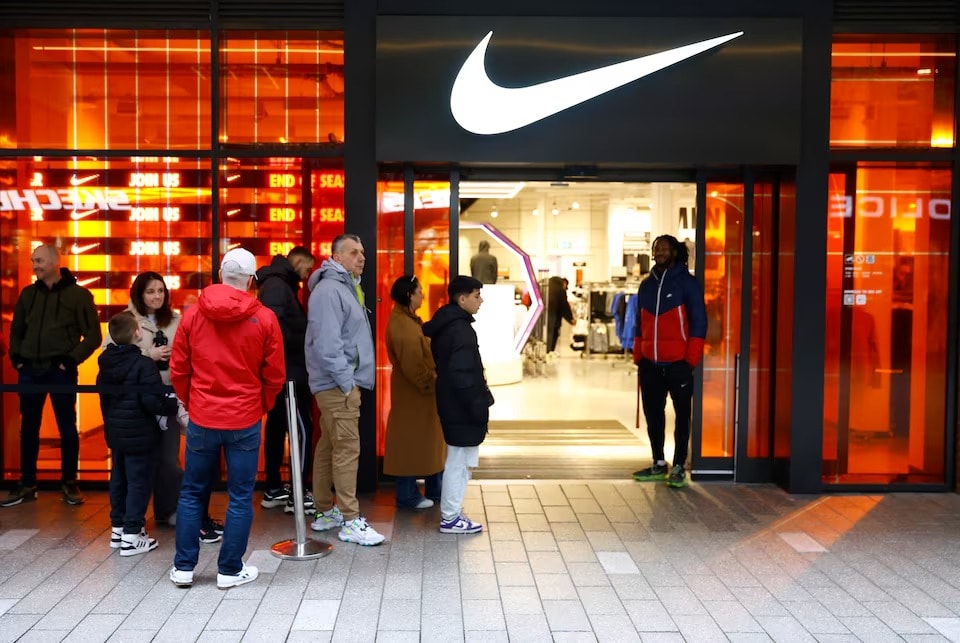
Furthermore, a decrease in exports to the US could put pressure on the trade surplus, reduce export earnings, and increase pressure on exchange rates, employment, income, and social security in the short term. This depends on the ability to negotiate, stimulate domestic consumption and public investment, and the flexible and effective policy and market response capabilities of the government and businesses.
Immediately after the US announced its new tariff policy, the Government Standing Committee met with ministries and agencies to assess the situation and discuss immediate solutions. The Prime Minister requested the immediate establishment of a rapid response team to listen to feedback from export businesses, proactively respond to minimize impacts, and promote economic restructuring towards sustainability, innovation, increased localization, and expansion of global supply chains, while remaining committed to achieving GDP growth of 8% or higher by 2025.
On the evening of April 4th, General Secretary To Lam held a telephone conversation with US President Donald J. Trump regarding Vietnam-US relations. Both leaders assessed that bilateral relations are developing well in various fields.
Regarding bilateral trade relations, the two leaders exchanged views on measures to further promote trade. General Secretary To Lam affirmed Vietnam's readiness to discuss with the US side to reduce import tariffs to 0% on goods imported from the US, and requested the US to apply similar tariffs to goods imported from Vietnam. He also encouraged continued imports of goods from the US that Vietnam needs and urged the US to create favorable conditions for increased investment in Vietnam.
The US tariff policy is creating significant challenges for exporting countries, especially Vietnam. However, with appropriate countermeasures and a sustainable economic development strategy, Vietnam can minimize negative impacts and maintain stable trade relations with the US. Although this policy creates difficulties, it also presents opportunities for Vietnamese businesses and the government to restructure the economy, adapt flexibly, enhance competitiveness, and seek new markets in the context of globalization.