

Europol warns of risks from biometric identification systems.
Biometric identification technology, which was once thought to be absolutely secure, actually harbors many security risks. In its latest report, the European Union's Law Enforcement Cooperation Agency (Europol) highlighted the growing threats to this technology.
Biometric identification technologies, including fingerprint scanning, facial recognition, iris recognition, and voice recognition, are becoming an essential part of modern identity authentication systems.
With its ability to provide a fast, convenient, and tamper-proof method of personal verification, biometrics is increasingly being used to protect electronic devices, online accounts, and even financial transactions.
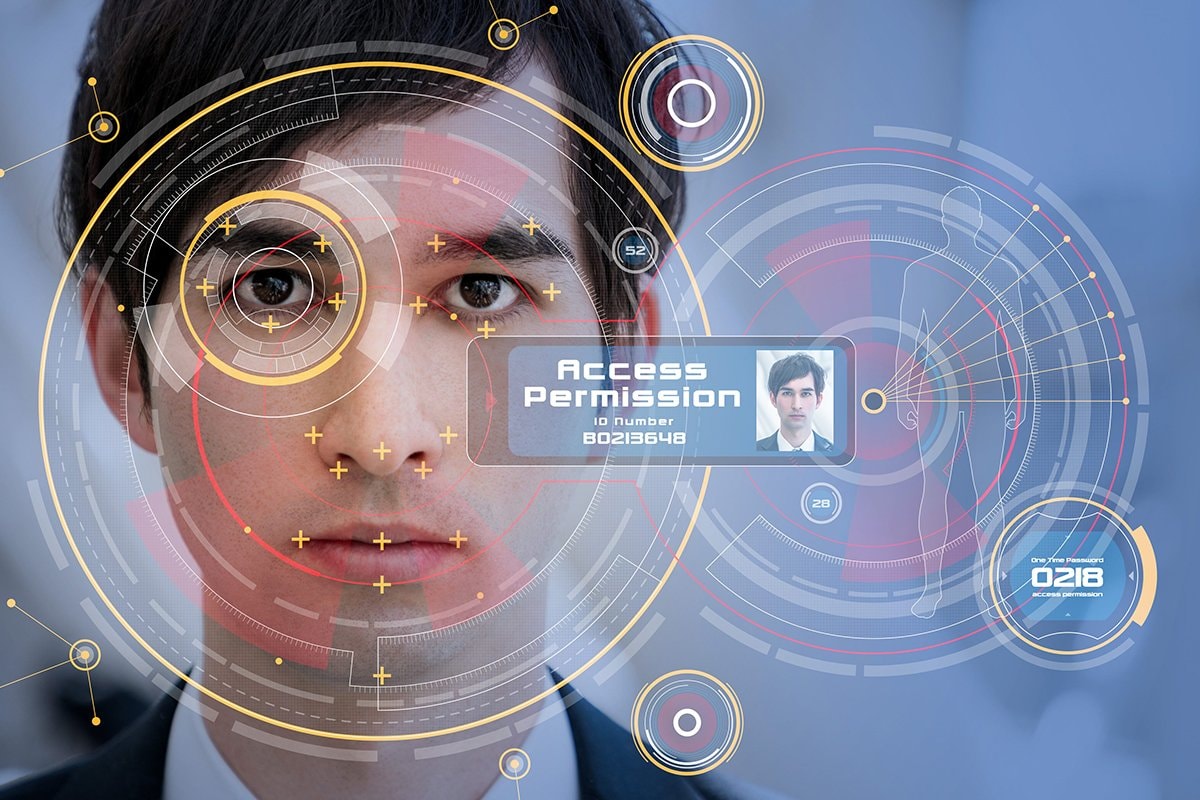
Thanks to the uniqueness and stability of biological features like fingerprints or faces, this technology is often considered a stronger layer of security than traditional passwords.
However, alongside these benefits, biometrics also poses significant risks. Europol recently published an in-depth report warning about the security threats associated with this technology.
The report indicates that biometric identification systems can be exploited by cybercriminals through sophisticated techniques such as impersonating legitimate users or evading detection by security systems.
One notable attack method is the biometric presentation attack, which is on the rise.
This is a form of attack on biometric identification systems, in which the attacker presents (displays) a forged biometric feature such as a fake fingerprint, a face mask, or a voice recording to deceive the system and impersonate a legitimate user.
For example, fingerprints can be copied using silicone molds that mimic the surface of human skin. Furthermore, digital copies of fingerprints can be printed in 2D, 2.5D, or 3D thanks to advancements in printing technology and digital modeling.
Furthermore, facial recognition systems can be fooled by sophisticated silicone masks, specialized makeup, or even real-time facial editing software and deepfake technology, which has been used to create extremely indistinguishable fake voices or images.
Europol's Executive Director, Catherine De Bolle, stressed: "The misuse of biometric technology demands a suitable response from law enforcement agencies. We need to ensure we remain at the forefront of the fight against crime and maintain the resilience of our security systems."
To proactively address these threats, Europol is urging law enforcement agencies to strengthen cooperation with technology experts to analyze, predict, and prevent new forms of attacks that may arise.
Investing in training, raising awareness, monitoring threats, and developing effective countermeasures is essential. Additionally, monitoring biometric-related security incidents should be prioritized to provide timely alerts and system adjustments.
The Europol report also highlighted the crucial role of biometric tracking in criminal investigations, from data extraction to suspect profiling.
The report states: “This information allows investigators to accurately assess any data related to identity verification and access control they encounter during the investigation.”
Clearly, while biometrics offers many breakthroughs in security and identity verification, ensuring system safety and protection against attacks is becoming a top priority for authorities worldwide.