

Nghe An strives to vaccinate 80% of its livestock.
Twice a year, during the spring and autumn seasons, veterinary workers in Nghe An province are busy traveling to individual households to vaccinate livestock. The work may seem simple, but in reality, it's a challenging journey requiring great patience.
The vaccination team went to each small village.
One day in mid-April, we followed the team vaccinating dogs against rabies and cattle against diseases in Block 5, Dung Town, Thanh Chuong District. At 7:30 a.m., the five-person vaccination team, including Ms. Nguyen Thi Hang Mo – Head of the Block's Front Committee, along with members such as the block leader, security officer, head of the farmers' association branch, and veterinary officer, had prepared all the necessary equipment and vaccines… and began their work.
Each person has a clear task, and the work is not easy, because giving injections to aggressive dogs or large, strong buffaloes and cows requires a well-coordinated team.
"Since the day before, we have posted the vaccination plan for livestock on social media groups and broadcast announcements through the public address system, reminding households to proactively chain and confine their animals. Thanks to this, the implementation went more smoothly this morning," said Mr. Nguyen Tien Ai, Head of Block 5.
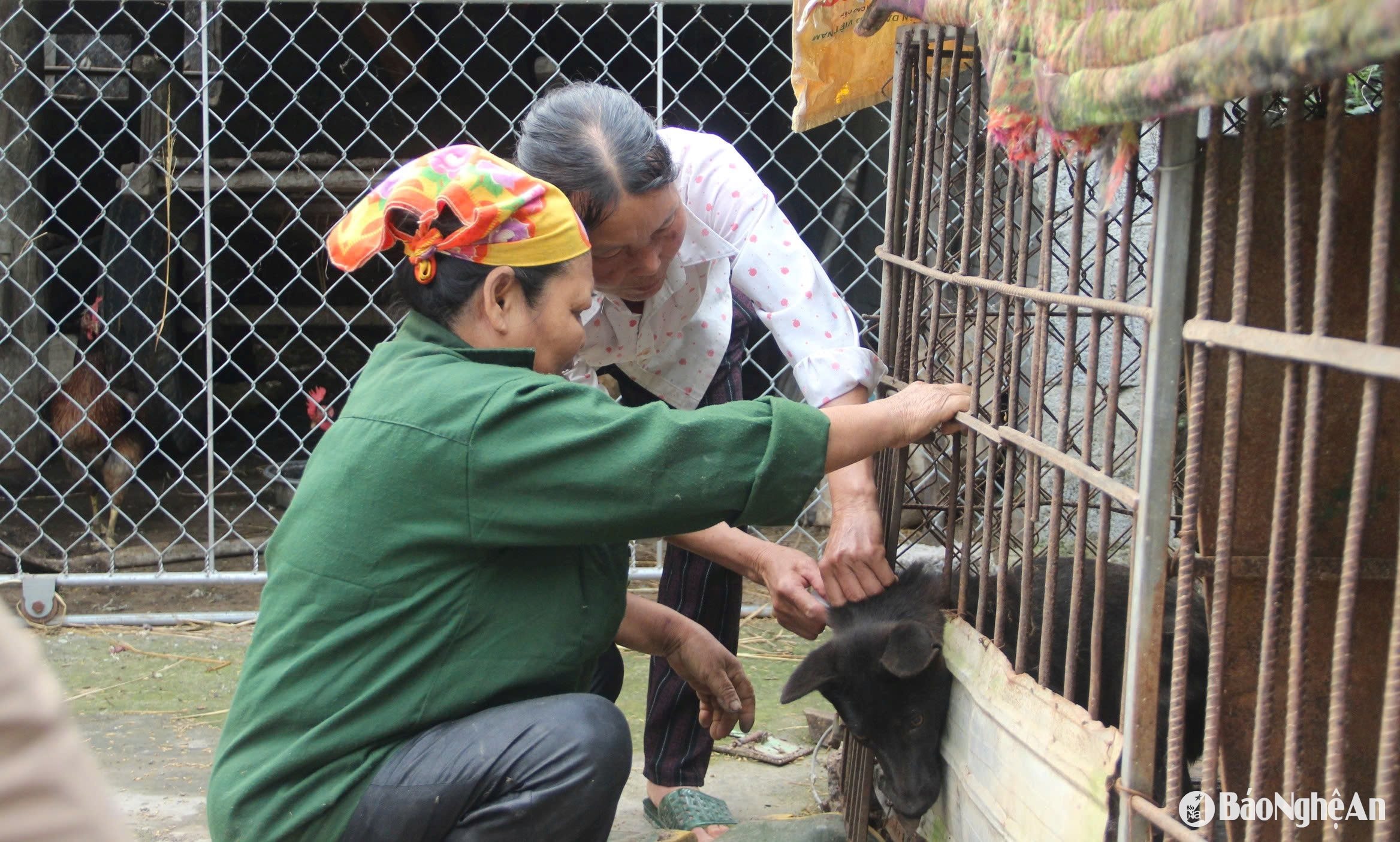
At Mr. Hoang Van Hai's home, two dogs and one buffalo were already confined in their pens. After receiving the vaccinations, he paid the required fees and received his certificate.
It's not just Mr. Hai; many households in Block 5 also have a high level of compliance. "Livestock farming is our family's source of income, so we are always ready to cooperate with vaccination efforts to avoid future risks. Not just this time, but in previous years, our family has proactively cooperated with the local authorities to vaccinate our livestock, so our animals rarely get sick," Mr. Hai explained.
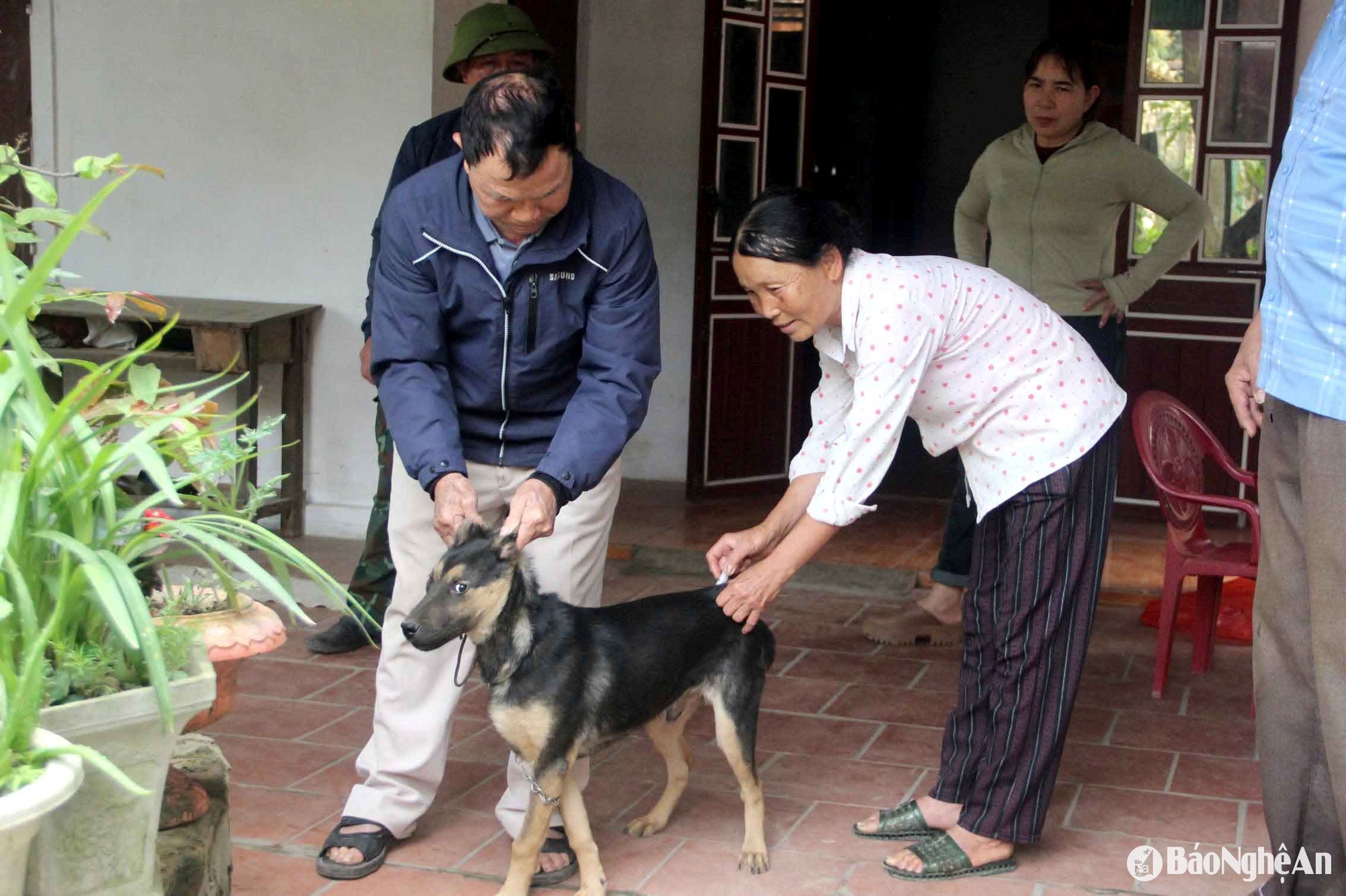
Following the vaccination team all morning revealed just how arduous their work was. There were numerous instances of aggressive animals, and the vaccinators faced unexpected attacks or minor bites. Despite this, the staff remained persistent, carefully administering each injection and meticulously recording the names of absent households so they could return the next day to complete the necessary paperwork.
Mr. Nguyen Huu Hien, Vice Chairman of the People's Committee of Dung Town, said: "Dung Town has 18 blocks. We have developed a specific vaccination schedule for each block, with three blocks vaccinated each day, and veterinary officers and commune officials closely supervising the process. The motto is to ensure no household is left out."
Statistics show that the town has 785 buffaloes and cows, and nearly 2,000 dogs and cats. According to the plan, the entire commune will complete the spring vaccination by April 13th. During the vaccination process, the town hired 3 veterinarians at a rate of 300,000 VND per person per day, and provided support staff in each neighborhood with 150,000 VND per person per day.
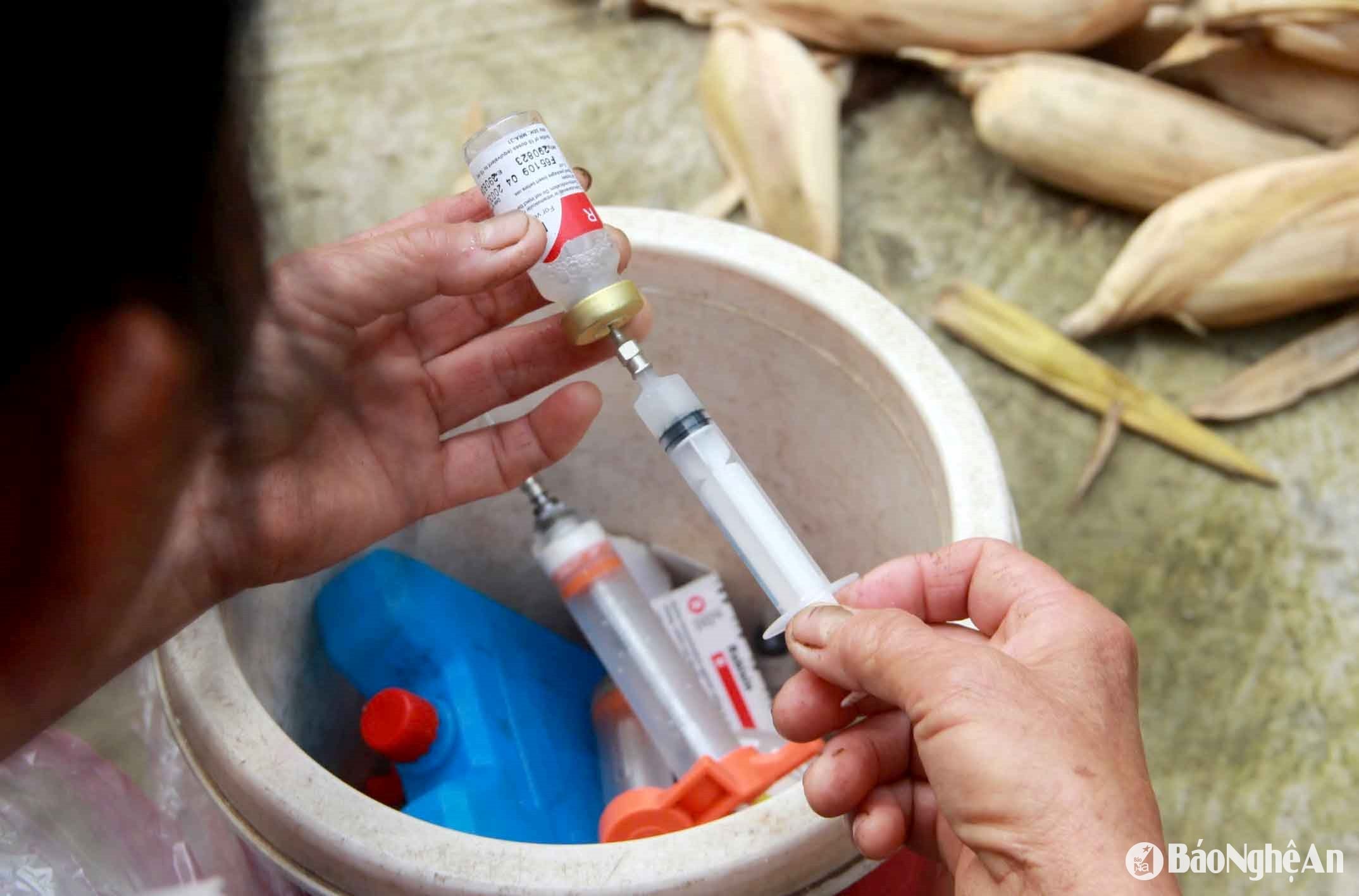
Thanh Chuong district has 28,857 buffaloes and cows; 80,161 pigs; and 29,208 dogs. As of April 11th, all 29 communes and towns have implemented vaccination programs for livestock. The district has administered 10,415 doses of hemorrhagic septicemia vaccine for buffaloes and cows, reaching 45% of the plan; 8,900 doses of foot-and-mouth disease vaccine for buffaloes and cows, reaching 39% of the plan; and 15,440 doses of rabies vaccine for dogs, reaching 53% of the plan. Regarding pigs, most farms and households have fully vaccinated their animals upon receiving new pigs.
Localities with high vaccination rates in the spring of 2025 include: Thanh Xuan, Dung town, Thanh Qua, Thanh An, Thanh Tien, Thanh Thuy, Hanh Lam…
The goal is to vaccinate 80% of the total herd.
Nghe An currently has nearly 800,000 buffaloes and cows; over 1 million pigs and nearly 400,000 dogs. Ensuring a vaccination rate of 80% or more of the total herd, as stipulated in Decision No. 3669/QD-UBND dated December 30, 2024, on the plan for preventing and controlling livestock, poultry, and aquatic animal diseases in the province in 2025, is a mandatory requirement to prevent major outbreaks similar to those that have occurred in the past. Since the beginning of the year, the province has experienced 8 outbreaks of African swine fever in 4 districts; 2 outbreaks of rabies; 1 outbreak of foot-and-mouth disease; and 1 outbreak of avian influenza.
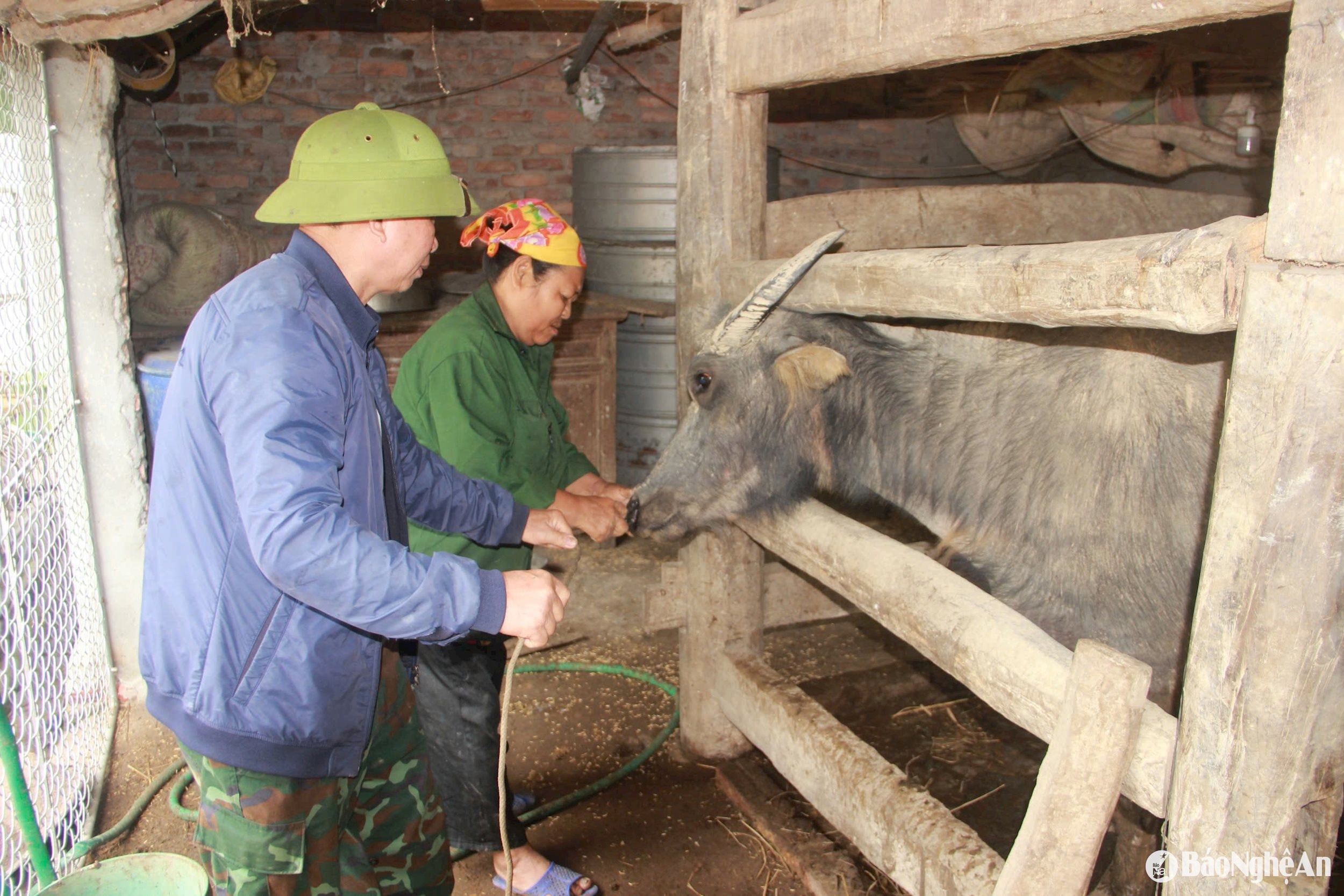
In 2024, some districts such as Do Luong, Nam Dan, and Hung Nguyen... did well in vaccination. However, many localities still had low vaccination rates, in some places only 20-50%. This poses a significant risk of disease outbreaks.
In light of this situation, at the end of February 2025, the Provincial People's Committee issued Official Document No. 1365/UBND-NN requesting localities to decisively direct and strictly implement the 2025 vaccination plan. Accordingly, the spring vaccination campaign will take place from March 15th to April 15th, with vaccines such as: foot-and-mouth disease, hemorrhagic septicemia, and lumpy skin disease for buffaloes and cattle; swine fever and hemorrhagic septicemia for pigs; and rabies for dogs and cats. Regarding African swine fever, it is necessary to strengthen propaganda, mobilization, and recommendations to livestock farmers to proactively purchase vaccines to vaccinate their pig herds, limiting the outbreak and spread of the disease.
Specifically, rabies vaccine for dogs and cats, and lumpy skin disease vaccine for buffaloes and cattle, only requires one dose per year. Districts receiving vaccine support under the national target program must administer all allocated doses. If there is a shortage, the locality must encourage people to pay for the vaccines themselves or allocate budget for support.
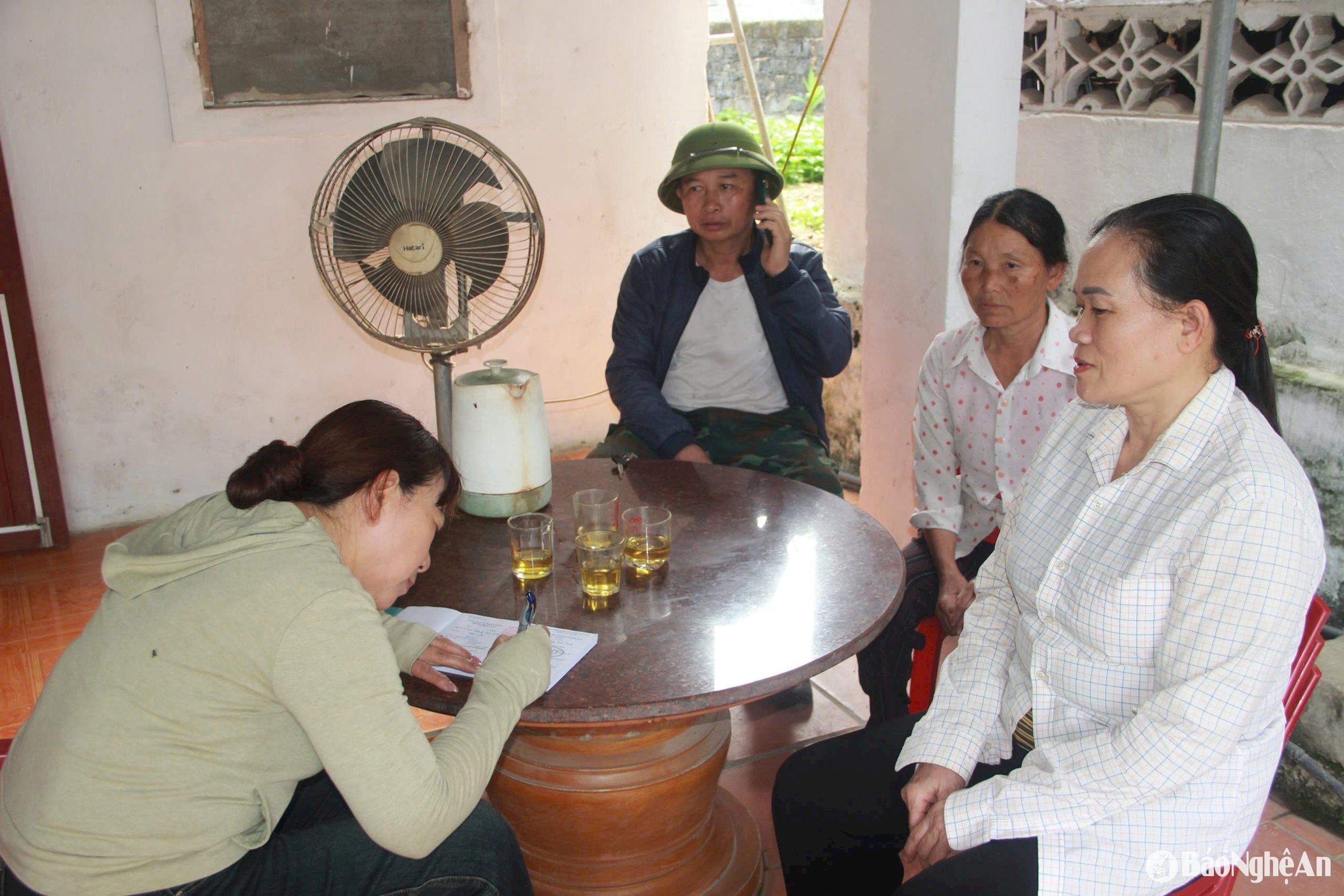
The observations in Thanh Chuong demonstrate the sense of responsibility of local officials, but also raise the question: How can we ensure that every household voluntarily cooperates? Practical experience shows that only when community awareness is raised and the role of vaccines is clearly understood will vaccination efforts be truly effective and sustainable.