

Identifying the methods and tactics used by individuals posing as delivery drivers to commit fraud.
Recently, many cases of fraud involving the appropriation of property by impersonating delivery drivers have occurred in various localities. In response to this, the Ministry of Public Security has outlined the tactics and methods used by this type of crime and advised the public on how to recognize and proactively prevent being scammed by these individuals.
Common methods and tactics
According to the Ministry of Public Security, individuals currently impersonating delivery drivers to defraud and steal property use the following methods and tactics:
- Scammers collect and trade data on frequent online shoppers, then impersonate delivery drivers, calling victims at times when they are usually not home to inform them of deliveries, and sending bank transfer information requesting payment.
Afterward, they notify the victim that the money has not been received, tricking them into transferring more money or sending messages informing the victim that they have subscribed to a service package with a fee of 2-10 million VND/month and instructing the victim to transfer more money to cancel the service package... in order to steal the money.
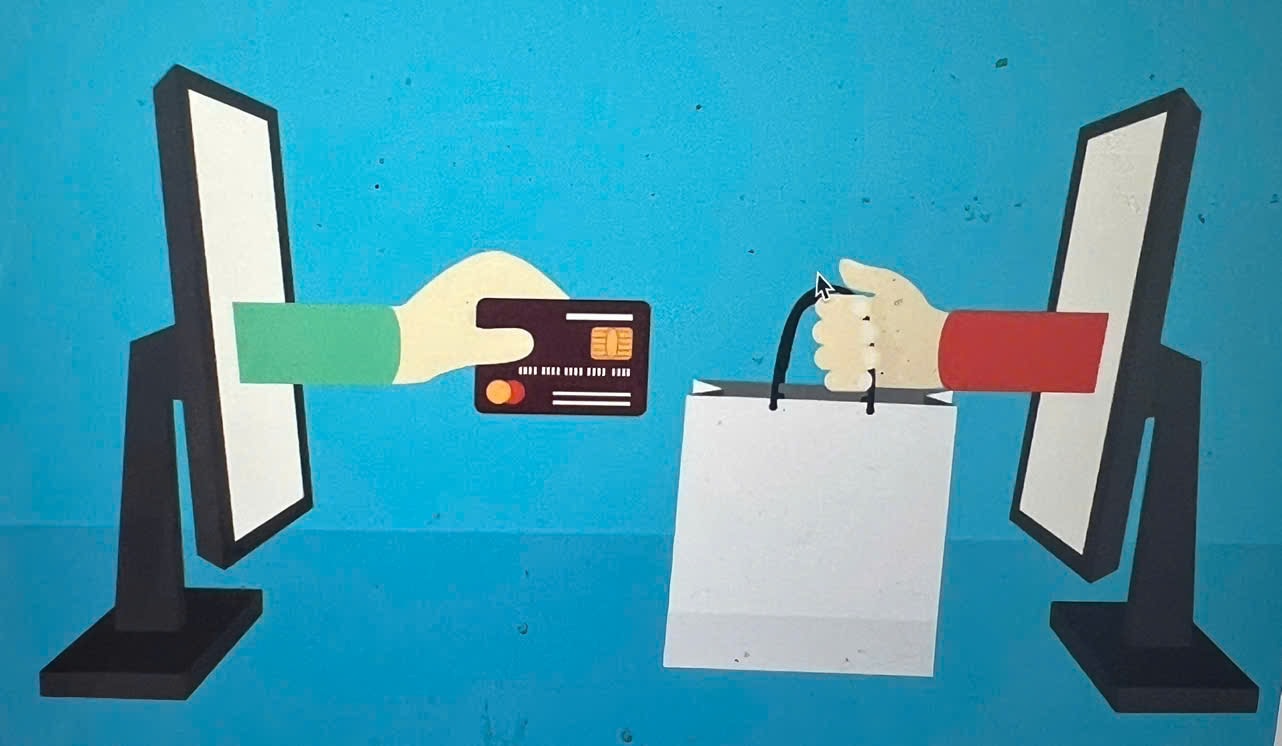
- Scammers impersonate delivery drivers to deliver packages (mostly containing counterfeit, cheap, or worthless goods), requesting payment in advance or upon delivery but refusing to allow inspection of the goods.
- Scammers target customers who place online orders via livestreaming, requesting order verification on fake websites or asking them to download delivery tracking apps in order to gain control of their phones and steal money from their bank accounts.
- Individuals impersonating delivery drivers make phone calls to collect people's personal information, which they then use for other fraudulent schemes.
How to avoid falling into the trap of fake delivery drivers:
To help people be more vigilant and avoid falling victim to the fraudulent methods and tricks of individuals posing as delivery drivers, the Ministry of Public Security advises frequent online shoppers:
- Always carefully check your order and confirm with the sender before making payment. If you did not order this item, refuse to accept it and do not pay.
- Request to inspect the goods before payment. If the shipper refuses, contact the seller or the shipping company's customer service immediately.
- Only pay when the goods match your order, check the goods to ensure quality, and pay directly to the seller or through e-commerce platforms. Carefully check account information before transferring money. Do not scan QR codes from unknown sources.
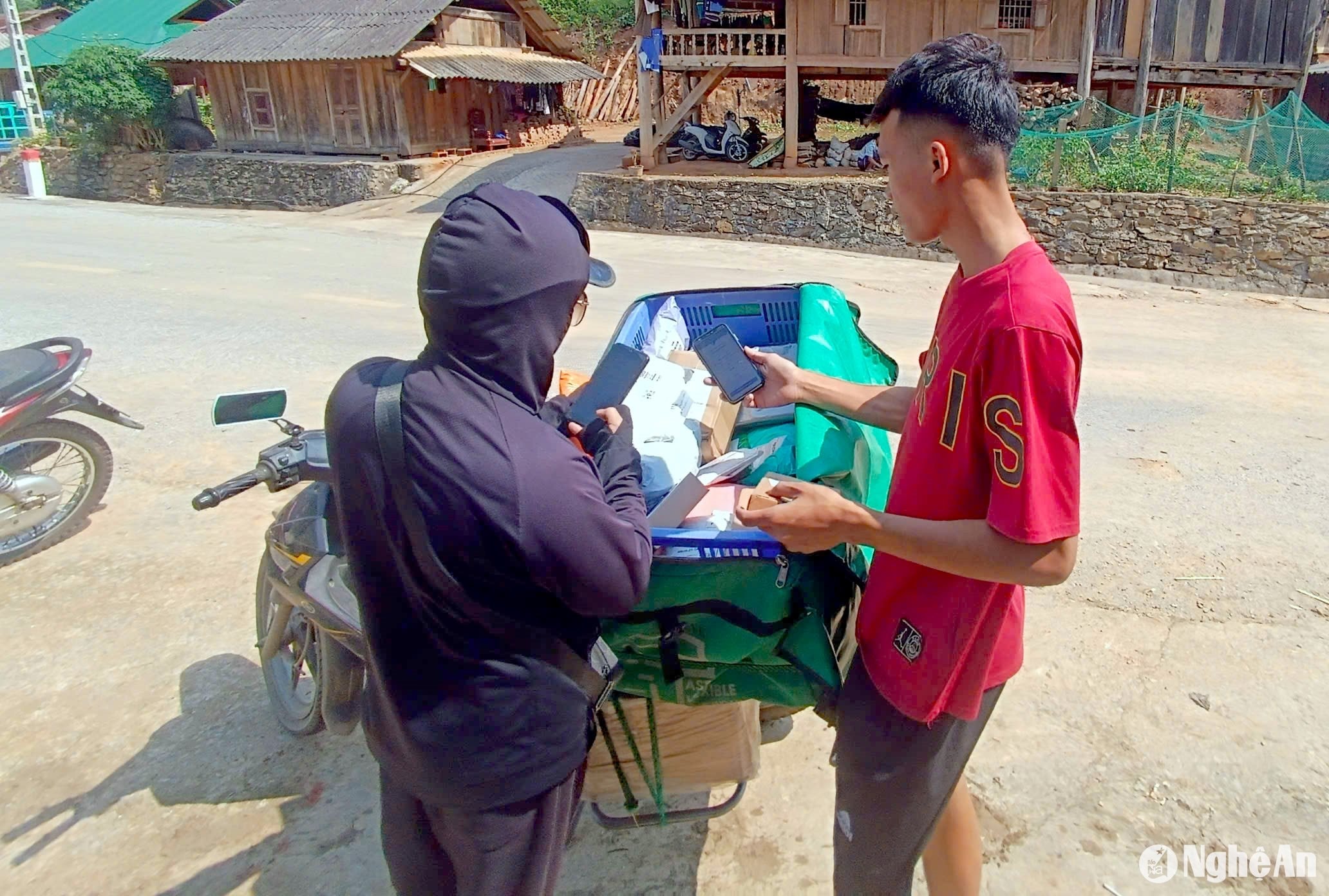
- Absolutely do not provide personal information or bank account information to strangers or individuals impersonating delivery drivers (legitimate delivery drivers always have customer information on the order).
- If you suspect fraudulent activity involving the misappropriation of property, promptly report it to the nearest police station for investigation. Simultaneously, proactively retain records of exchanges between yourself and the fraudsters to provide to the police for investigation purposes. (Take photos of text messages, record phone calls, transfer statements, etc.).