

Lesson 2: Benefits of interconnected administrative procedures
The Nghe An Department of Justice has been coordinating with relevant departments to accelerate the digitalization of administrative procedures, especially in key areas such as birth registration, permanent residence registration, issuance of health insurance cards for children, death registration, and funeral expense settlement. Electronic interoperability not only reduces paperwork but also helps people save time and effort when dealing with essential procedures.

15/04/2025
.png)
We are in Ta Ca commune, Ky Son district – an area with over 6 km of border shared with Laos, comprising 11 villages and 1,149 households belonging to 5 ethnic groups. This is also a locality with particularly difficult socio-economic conditions, with a poverty rate of 36.9%; the education level and legal awareness of the people are still limited.
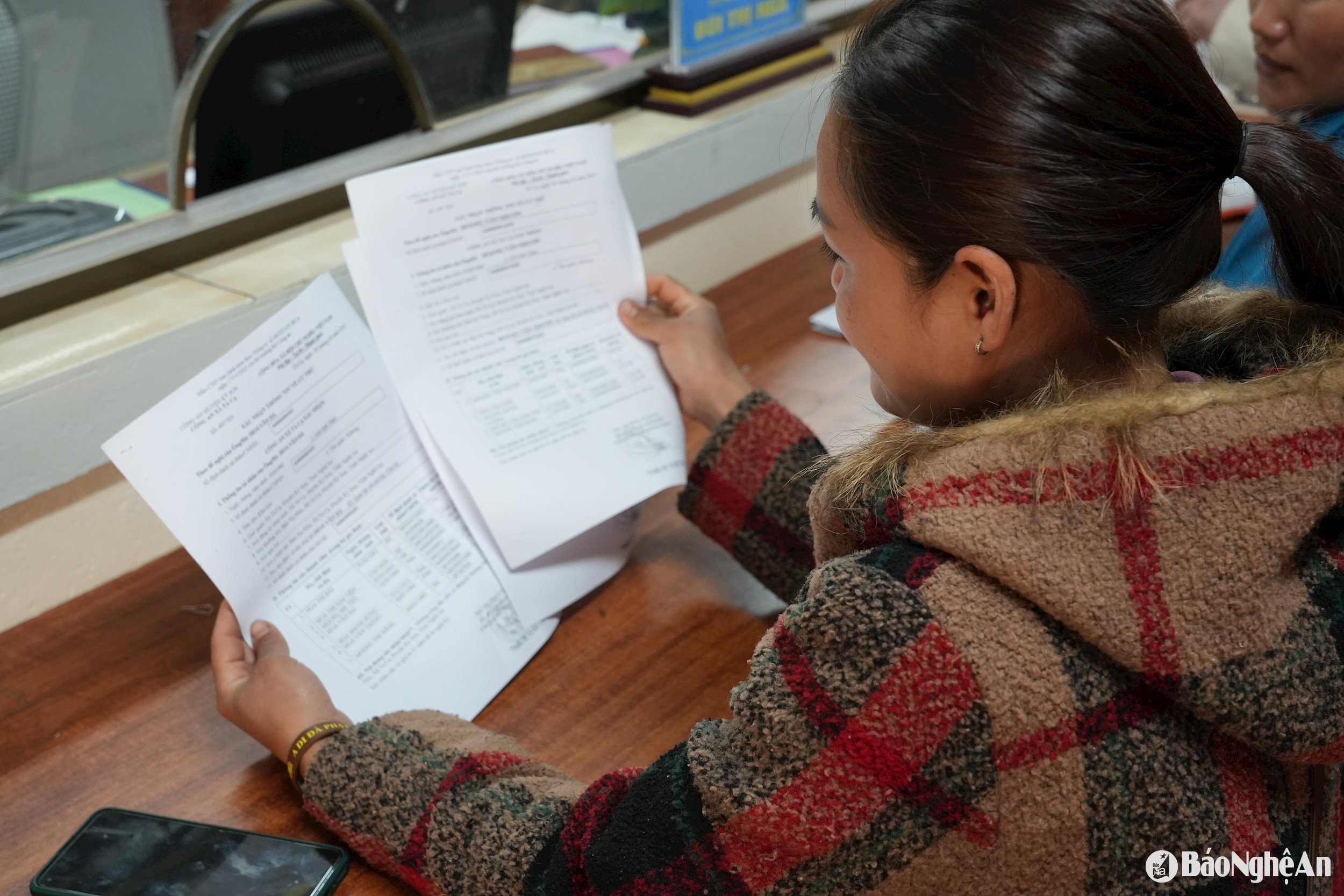
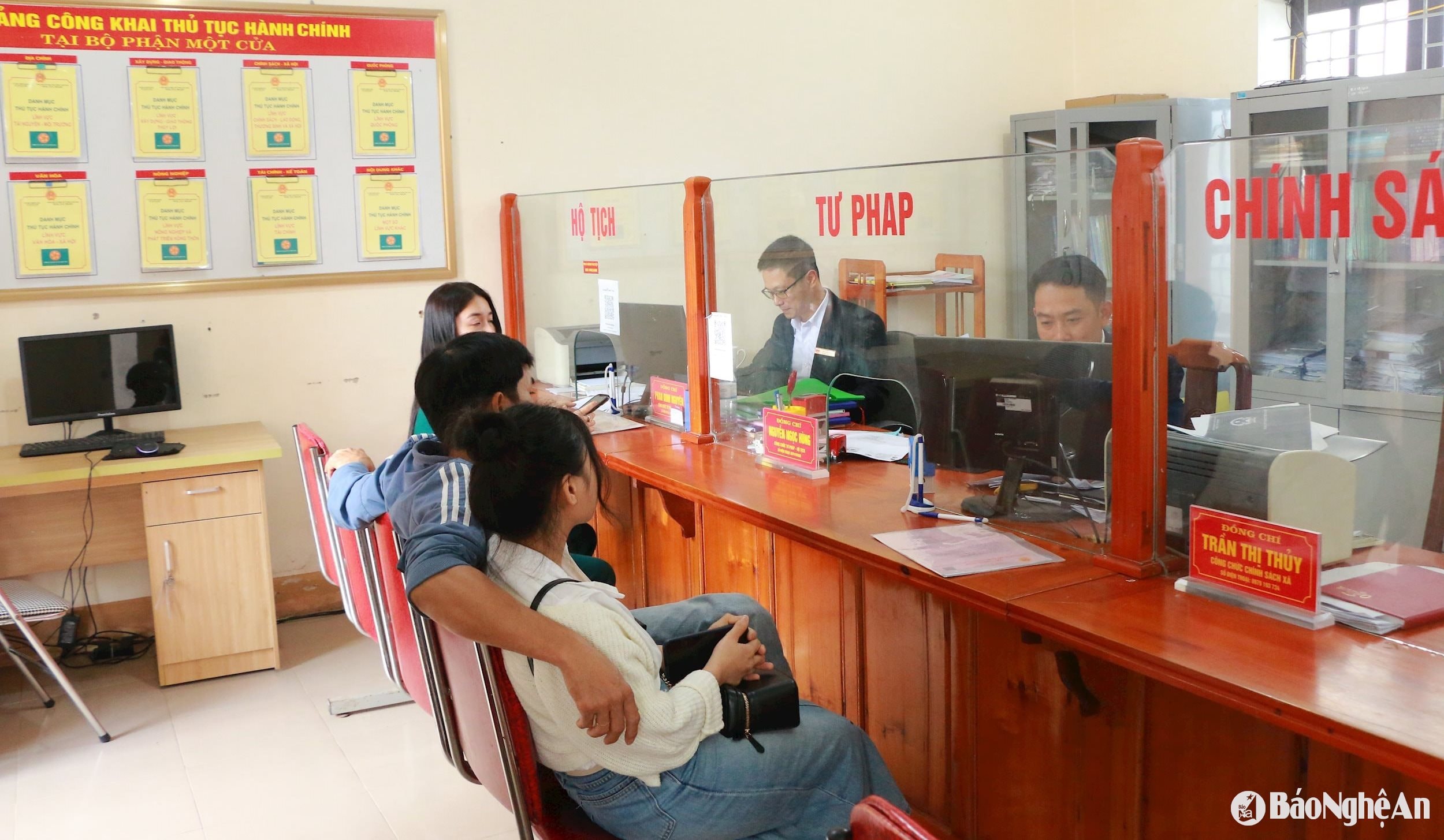
Meeting Mr. Moong Van Nhuon, residing in Na Vang village, Ta Ca commune, and his wife at the One-Stop Service Department of the Ta Ca Commune People's Committee to complete procedures for verifying residency information, he said: "Since the State implemented administrative procedures through the electronic environment, people have found it much more convenient to complete the verification procedures. It doesn't take as much time to submit documents and wait for results as before."
-47951edd6428b593f9e3d753945b0c82.png)
Ky Son district shared with the reporter. Photo: Tien Dong
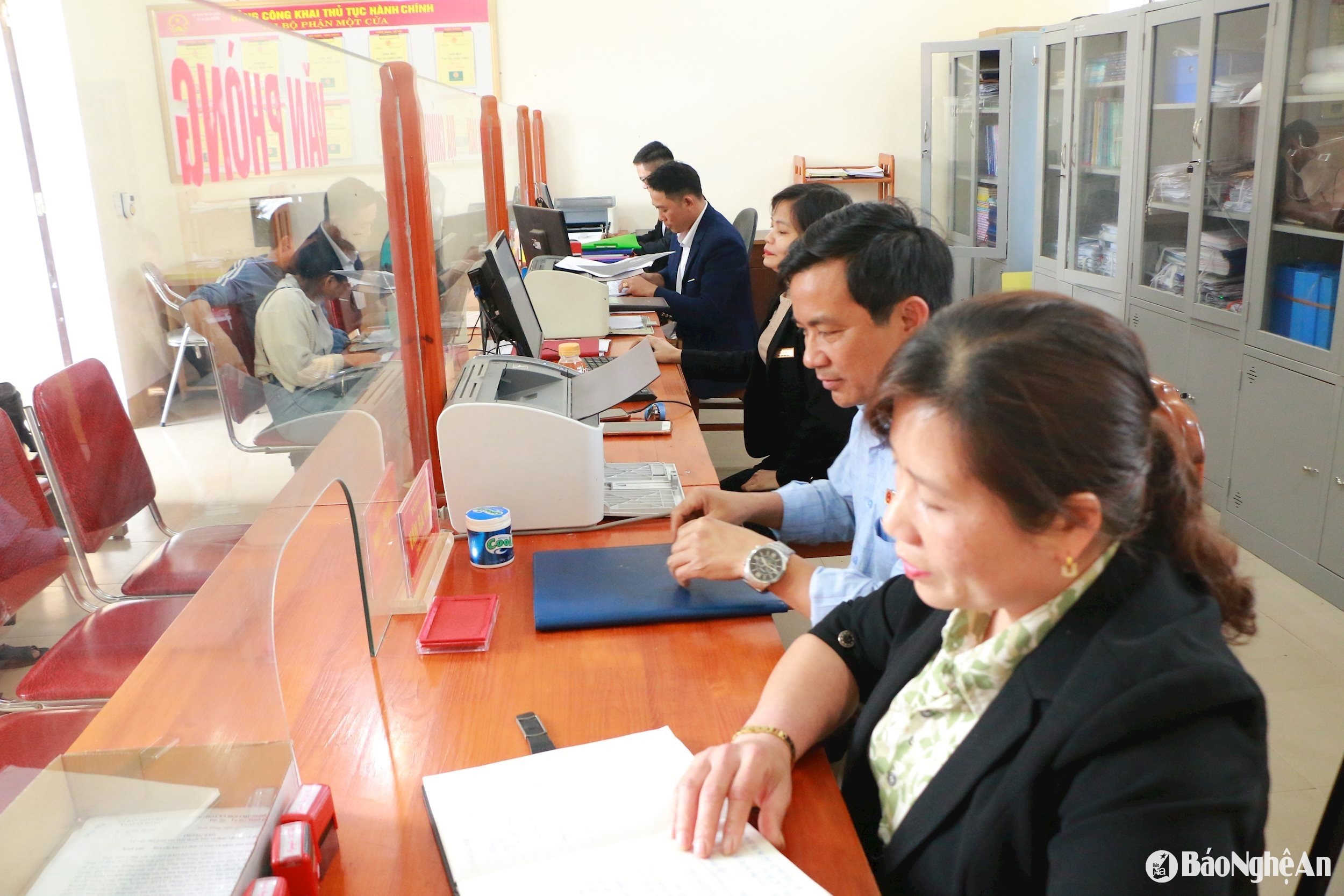
Ms. Bui Thi Nga, a civil servant in the Justice and Civil Registry Department of Ta Ca Commune People's Committee, stated: "The application of 'digital technology' at the Commune People's Committee has brought about significant positive changes. People can now easily access online public services, saving time and effort on travel. Administrative agencies have also improved management efficiency, increased transparency of information, and created favorable conditions for socio-economic development."
However, there are still some limitations that need to be overcome, such as people's access to information technology, the quality of internet connectivity, and the capacity of officials. To maximize the effectiveness of digital tools, continued investment in infrastructure, human resource training, and information security is necessary.
Ms. La Thi Hong Van, Vice Chairman of the People's Committee of Ta Ca commune, shared: After a period of implementation, the locality has collected, updated, edited, and synchronized 100% of permanent residents into the national database system, adding parent identification to serve the issuance of identity cards for citizens, as well as those eligible for social welfare policies.
Currently, the National Population Database system of the Ministry of Public Security is linked to the one-stop system, making its use very convenient. In particular, the operational procedures for coordination between the Justice, Police, and Social Insurance agencies have been implemented effectively.
After the commune-level Justice-Civil Registry official registers the birth and issues the birth certificate for the child, they simultaneously guide the citizen in preparing the permanent residence registration file along with the fee and submit it to the competent police agency.
The child databases are also fully updated on the system; vaccination data is cleaned, updated, verified, and synchronized with the National Population Database.
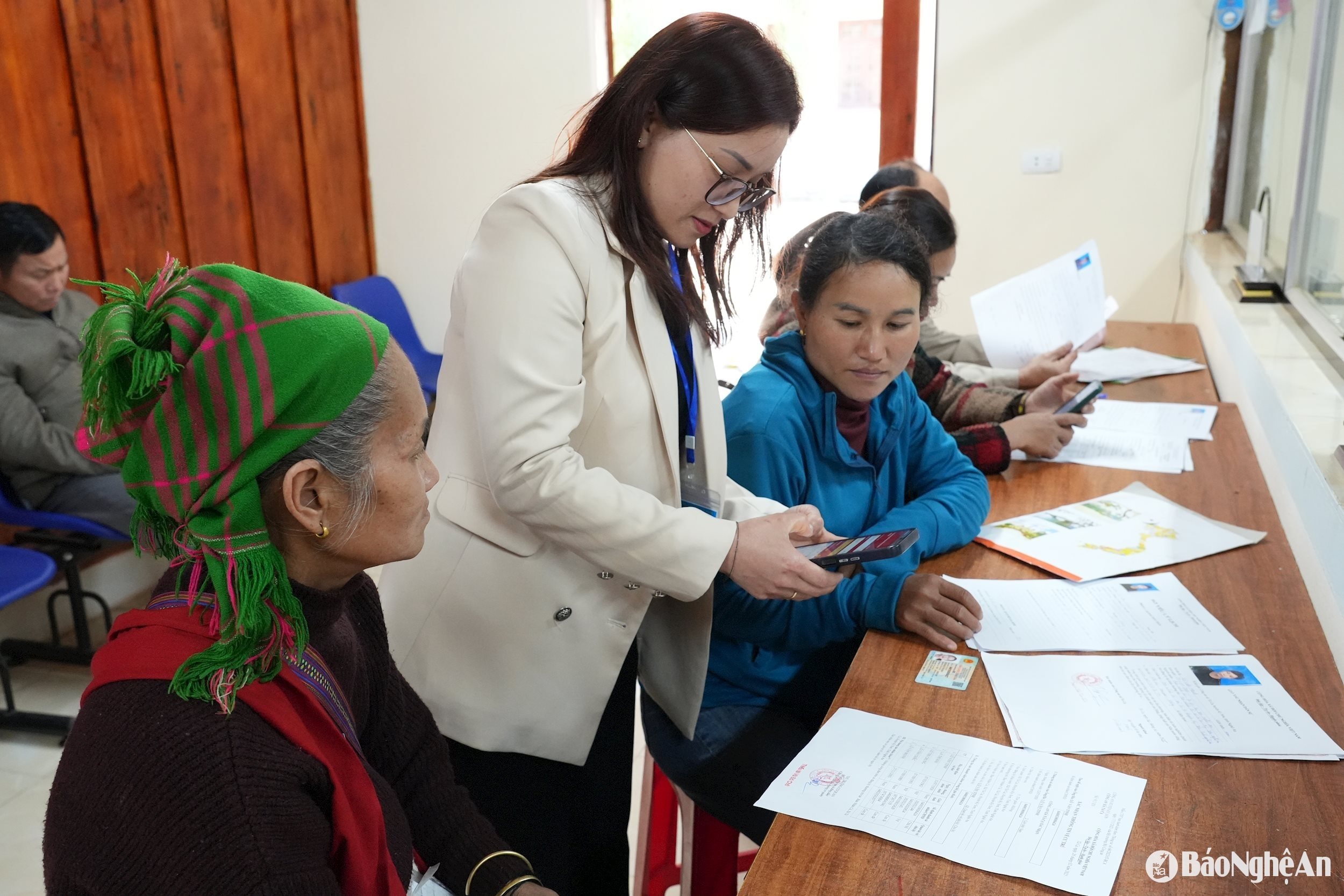
Furthermore, 100% of citizen applications received through the one-stop service center have been digitized. The locality also strictly adheres to the policy of not requiring citizens and businesses to provide documents and information that have already been digitized and are available in the National Population Database as stipulated; and processes 100% of applications online, with no cases of delayed or slow processing of administrative procedures for citizens.
In Ta Ca commune, thanks to synchronized and decisive implementation, in 2024 the One-Stop Service Center of the Commune People's Committee received 588 online applications, including 106 birth registration applications; 22 death registration applications; 39 marriage registration applications; and 233 applications for certified copies and signature authentication. Through the electronic interlinking of two groups of administrative procedures (birth registration and death registration), the entire commune received 70 interlinked applications.
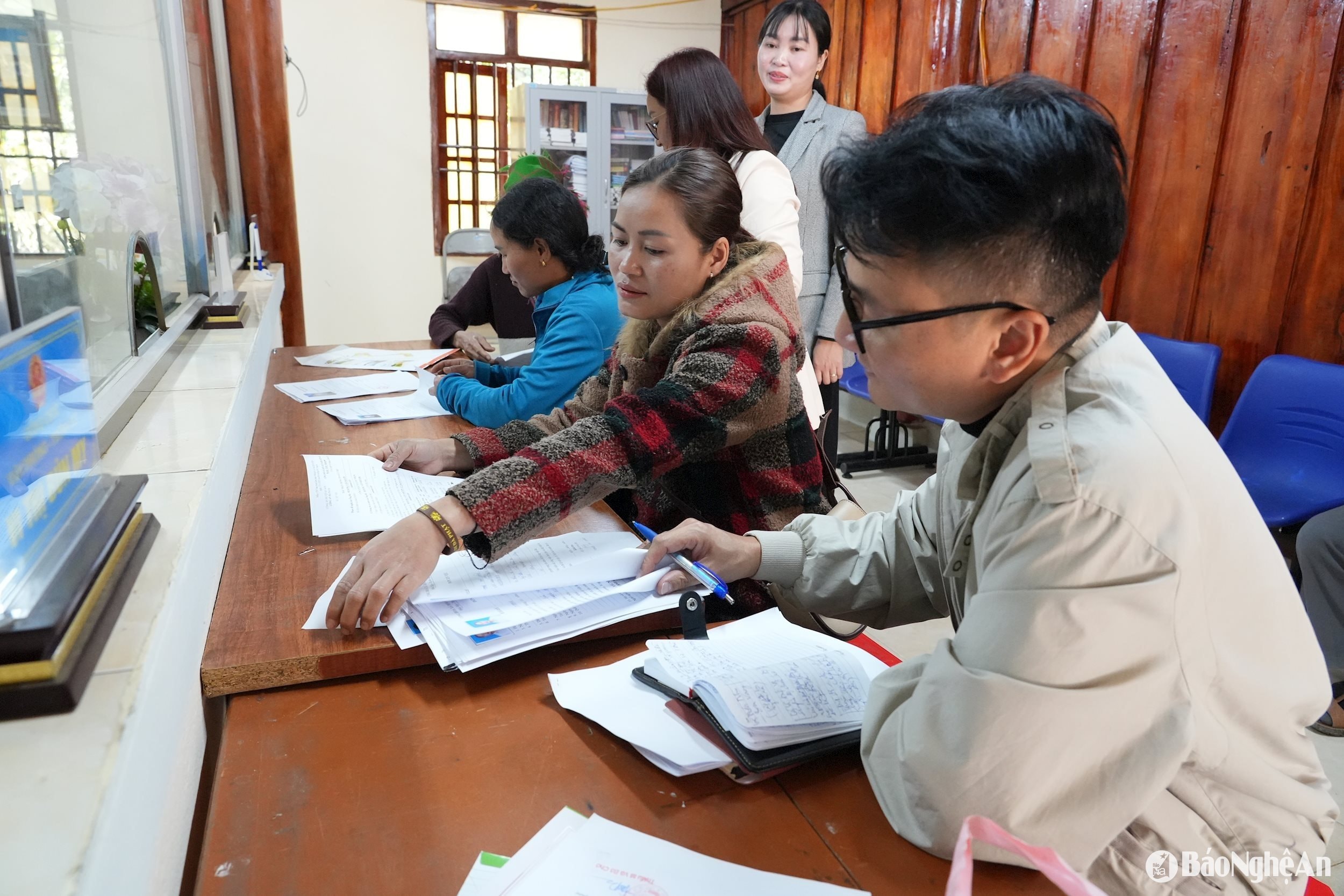
Ms. La Thi Hong Van also stated that the locality has fully and publicly posted administrative procedures as required; provided sufficient waiting chairs, desks for writing, and computers with internet access for organizations and individuals coming to conduct transactions; and installed cameras to monitor the entire working area of the One-Stop Service Department of the Commune People's Committee.
According to Mr. Lau Ba Cho, Head of the Justice Department of Ky Son District People's Committee: In implementing Project 06, the department has regularly monitored and supervised the receipt and processing of administrative procedures electronically by Justice and Civil Registry officials in communes and towns. Through this, timely solutions have been provided to guide communes and towns in implementing the project, ensuring that the set timeframe and progress are met.
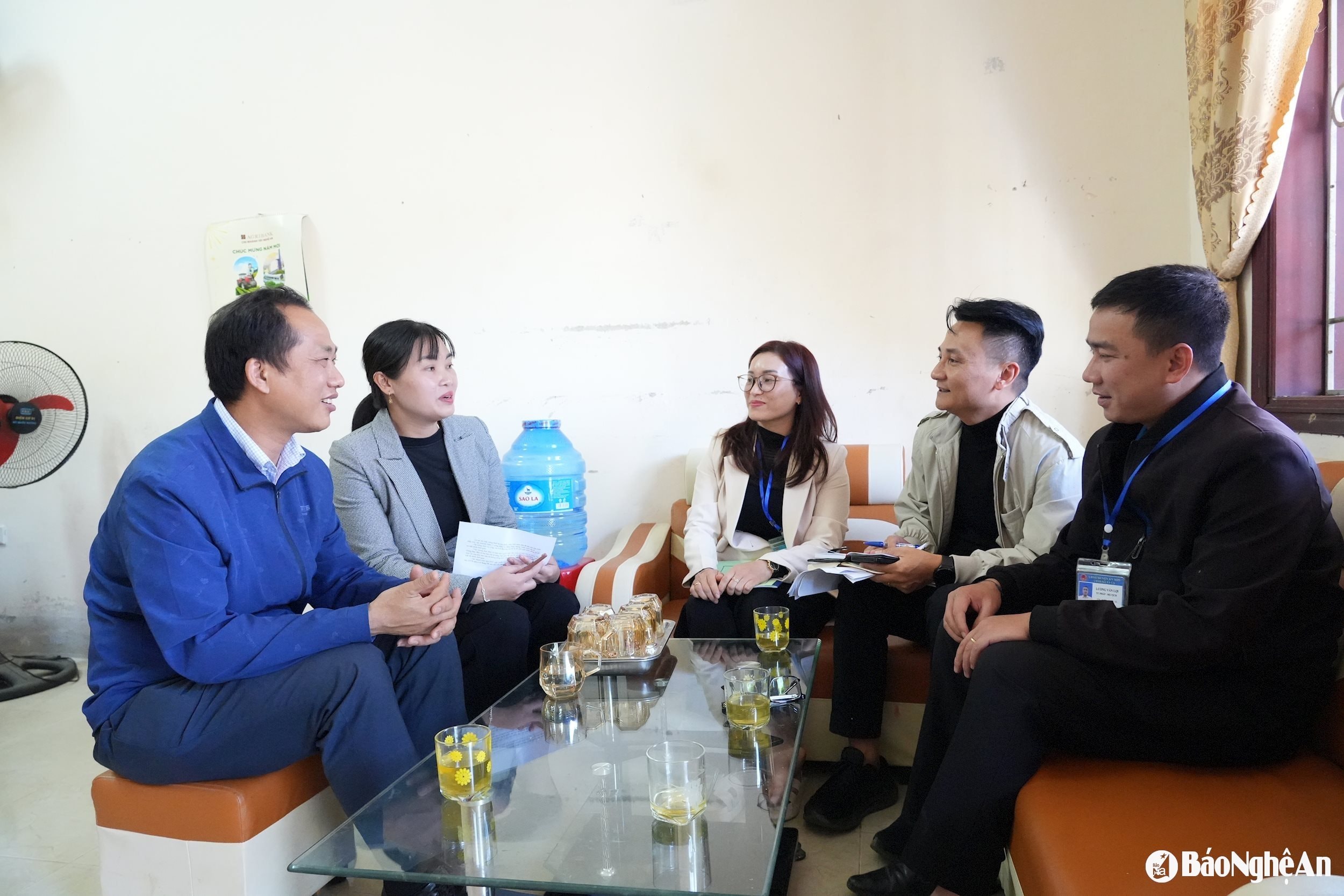
In 2024, the Department of Justice advised the People's Committee of Ky Son district to direct the effective implementation of three essential public services. These included 218 birth registration applications, 255 marriage registration applications, and 39 death registration applications. The department also implemented integrated processing for two groups of administrative procedures: 563 birth registration applications and 67 death registration applications.
.png)
Previously, people had to travel multiple times between different agencies to complete procedures such as birth registration. However, with the electronic interconnected system, this process has been optimized.
With just one application submitted to the commune-level People's Committee, all data will be simultaneously updated at relevant agencies such as the Police and Social Insurance. For procedures related to death registration and steps such as removing permanent residence registration and settling funeral expenses, the interconnected system significantly reduces processing time.
Instead of having to visit multiple agencies, citizens only need to submit a declaration once, and government agencies will automatically coordinate and process the application quickly. The application processing procedure is digitized, preventing the loss of documents or delays in processing time. Management agencies can easily search and verify information, reducing duplicate applications or data errors.
Specifically, following the directive of the Nghe An Provincial People's Committee and the guidance document from the Department of Justice regarding the implementation of online marriage registration and confirmation of marital status under the jurisdiction of the commune-level People's Committees, as stipulated in Decision No. 309/QD-BTP dated March 10, 2023, of the Ministry of Justice, citizens wishing to perform these procedures can access the Nghe An Public Service Portal at https://dichvucong.nghean.gov.vn.
After logging in, users select the competent civil registration authority and proceed to submit their application online according to the instructions. Alternatively, according to Decree No. 07/2025/ND-CP (effective from January 9, 2025), citizens do not need to submit a Certificate of Marital Status when registering a marriage. Instead, the civil registration authority will automatically search the system for information to process the application.
The implementation of online marriage registration and marital status verification in Nghe An marks an important step in administrative reform, helping people save time and effort, while improving the efficiency of state management in the field of civil registration.
In Nam Dan district, the dissemination of information regarding the integrated processing of two groups of administrative procedures—marriage registration and issuance of certificates of marital status, electronic authentication, and guidance for people on how to submit applications online—is carried out through various forms (radio system, charts, leaflets, posters, social media, etc.).

According to Ms. Le Thi Phuong Thao, Head of the Justice Department of the Nam Dan District People's Committee: Many localities have implemented effective methods such as launching the "Youth Pioneers in Digital Transformation" movement, assigning Youth Union members to be on duty at the One-Stop Service Centers at the district and commune levels to support and guide people in submitting online applications; and posting QR codes at One-Stop Service Centers at all levels so that people can easily log in to online applications…
In addition, the district also directed officials and civil servants of the Justice Department in the area to ensure that 100% of administrative procedures are handled through online public services.

In addition to implementing electronic data exchange for key administrative procedures in localities throughout Nghe An province, the sharing of death data between the Justice and Health sectors has also been seriously implemented, saving resources and effort for specialized staff, as well as ensuring the accuracy, consistency, and timeliness of data between the two sides. By the end of 2024, the entire province had registered 11,084 deaths, and the rate of timely death registration had increased from 55% (April) to 64% (December)...
According to the Head of the Department of Justice: Following successful pilot programs in Hanoi and Ha Nam province, from July 10, 2023, along with the rest of the country, Nghe An province will implement electronic integration for two groups of administrative procedures related to birth registration, permanent residence registration, issuance of health insurance cards for children under 6 years old, and death registration, removal of permanent residence registration, funeral allowance, and funeral cost support, in accordance with Resolution No. 97/NQ-CP dated July 8, 2023 of the Government.
To ensure synchronized implementation across the province, the Department of Justice has created over 1,000 electronic civil registration accounts for leaders and officials of the Office of Statistics under the People's Committees at the commune level; organized numerous in-person and online training courses for civil registration officials in the province; and coordinated with other sectors to establish support groups for the interconnected implementation of Justice-Civil Registration services at the commune level.
.jpg)
The Justice Departments of the districts also regularly urge and support local authorities in strengthening propaganda work on the benefits of linking the two groups of administrative procedures. At the same time, they advise the People's Committees of districts, cities, and towns to direct the arrangement of equipment and technical infrastructure to serve the resolution of administrative procedures in the electronic environment, such as scanners, digital signature devices for electronic birth certificates, death certificate extracts, etc.
On the very first day of implementation, Nghe An province received applications for integrated registration of birth certificates, permanent residence registration, and issuance of health insurance cards for children under 6 years old in Tan Huong commune, Tan Ky district. To mark this important milestone, the Provincial Project 06 Support Team, in coordination with the Tan Ky District Project 06 Task Force, organized a ceremony to present the results of the integrated administrative procedures to the first citizen of Nghe An province.
The event has had a widespread impact on localities throughout the province. Subsequently, many communes, wards, and towns in the province have successfully implemented the integrated system of the two groups of administrative procedures and organized the first delivery of results to citizens in their areas.

With decisive action and smooth, urgent coordination among the sectors of Justice, Public Security, and Social Insurance, after more than a year of implementation, the integrated processing of the two groups of administrative procedures has gradually become systematic, with 100% of commune-level units in the province implementing it synchronously; the operational procedures of judicial officials (digital signature, issuance of electronic copies of birth certificates, death certificate extracts, etc.) are basically proficient and systematic.
By the end of 2024, the entire province had received 95,279 applications, continuing to maintain its position as one of the provinces with the largest number of applications processed across two groups of administrative procedures nationwide.
Ms. Bui Thi Thu Hien, a specialist in the Administrative and Judicial Affairs Department (Nghe An Department of Justice), stated: "Implementing the electronic linkage of two groups of administrative procedures not only helps reduce travel time and costs for citizens but also helps state agencies manage personal and residential information more effectively. This addresses situations where children have been registered at birth but have not yet been registered in the household registry or issued health insurance cards, and where deceased individuals are not removed from the household registry and receive benefits as prescribed."
The implementation of this integrated model has also created a connection between relevant agencies in handling administrative procedures (the Justice and Civil Registry Department of the commune, the commune/ward police, and the Social Insurance agency). This contributes to simplifying procedures and improving the quality of service provided to citizens by state administrative agencies.