

Lesson 4: Opportunities and Challenges
Digital transformation is key to unlocking great opportunities for the judicial sector, helping to reform processes, improve management efficiency, and better serve the people. However, this process also faces difficulties and challenges in infrastructure, human resources, and the legal framework. To create a breakthrough, comprehensive and synchronized solutions and close cooperation among relevant agencies are needed.
15/04/2025
.png)
Despite achieving very positive results, the implementation of Project 06 in the field of justice is currently facing many obstacles and shortcomings: The technical infrastructure does not meet the requirements (software frequently malfunctions; data connection and sharing are sometimes slow in some places...).
There is still a situation at the commune level where dedicated equipment for civil registration and management has not been provided, and printers and scanners have to be shared with other departments.
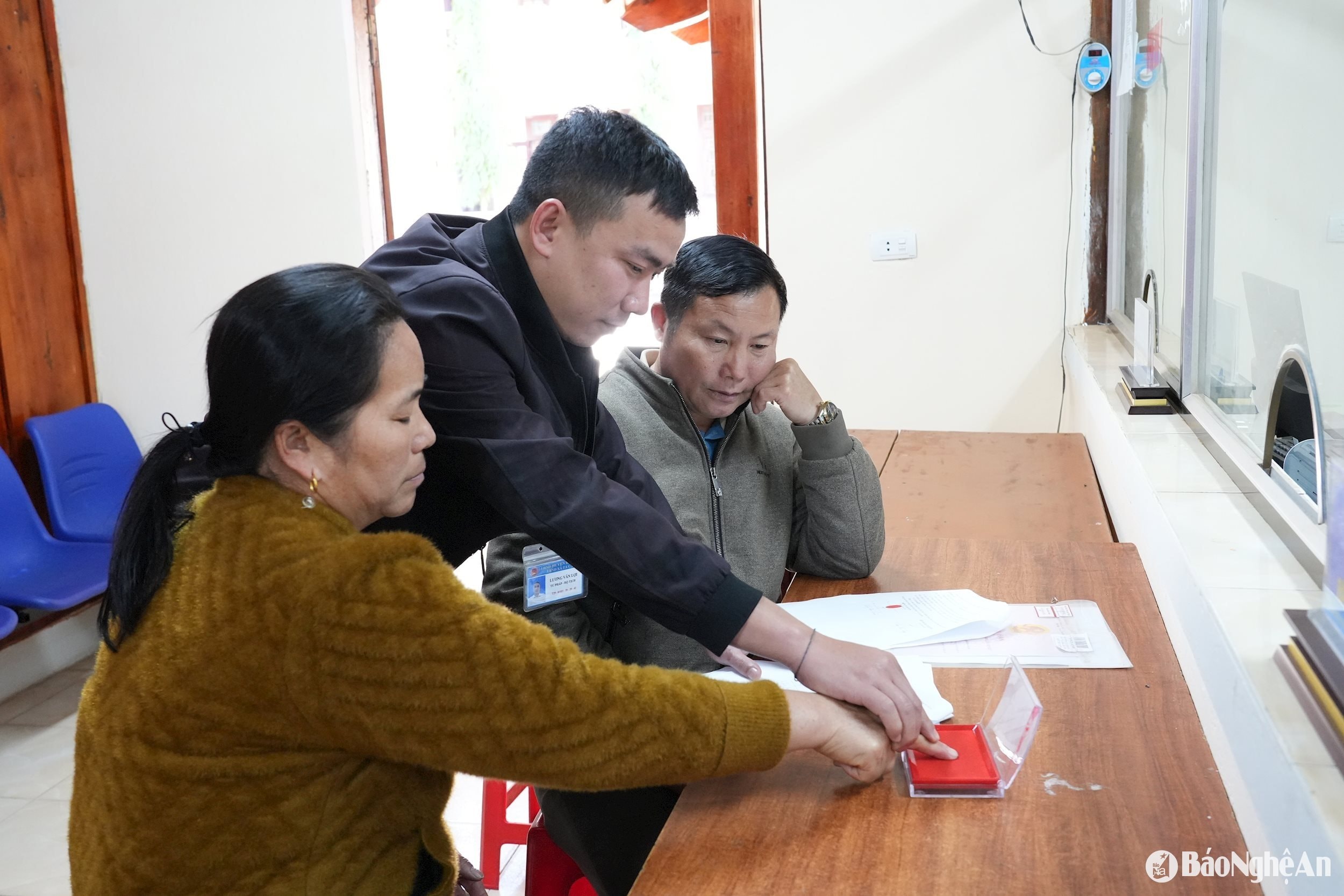
Some localities are using outdated computers with low specifications, and the internet connection is slow and unstable, leading to operational problems; population data is not synchronized with specialized data, and changes in citizens' civil registration information are not updated in a timely manner; digitized civil registration records contain errors and missing information. Most localities have not allocated funds for the implementation of Project 06...
.jpg)
Mr. Lau Ba Cho, Head of the Justice Department of Ky Son District, said: The connection and sharing of data between the National Population Database and the databases of the Justice sector (such as the civil registration database, nationality database, criminal record database, legal aid database, civil enforcement database, etc.) has not been fully utilized. Some software is currently undergoing upgrades and improvements, resulting in untimely connection and data sharing.
Particularly in mountainous districts like Ky Son, the majority of residents currently do not have VNeID accounts to carry out administrative procedures through online public services (they do not have registered SIM cards, and their communication mainly relies on mobile network SIM cards...). Therefore, when conducting transactions, many people have to ask officials to do it for them.
.jpg)
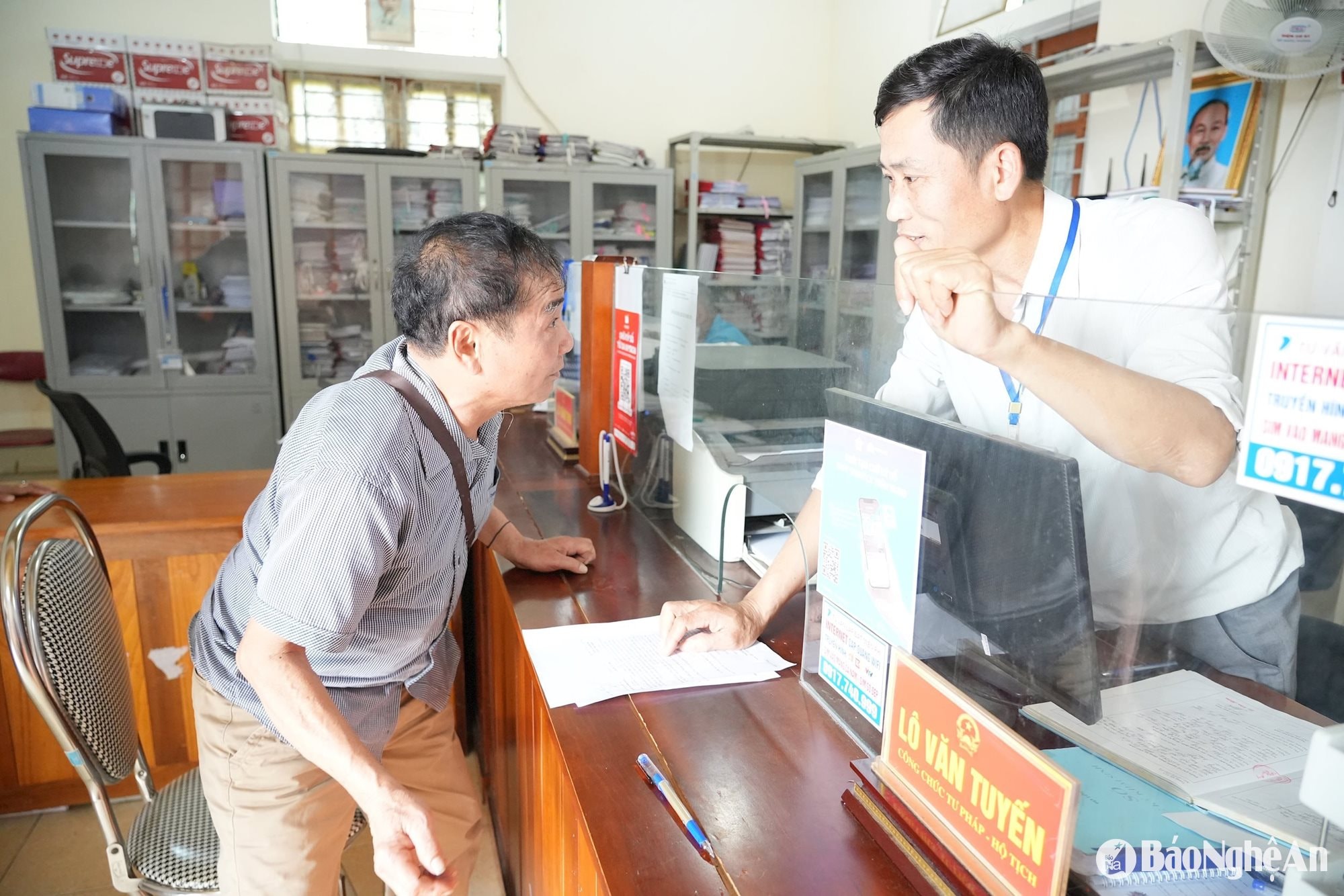
Meanwhile, Mr. Lo Van Tuyen, a civil servant in the judicial and civil registration department of Ngoc Lam commune (Thanh Chuong district), expressed: "The biggest difficulty currently is the limited connectivity equipment for conducting electronic transactions. The internet connection is not strong enough when handling many transactions, leading to slow processing of documents. While young people can quickly adapt to electronic transactions, older people, especially ethnic minorities, find it very difficult. Therefore, it is unavoidable that officials have to do the work for them. Not to mention, many data discrepancies and inconsistencies also cause considerable difficulties in conducting transactions."
For example, Mr. Luong Van Nhat (born in 1988), residing in Tan Hop village, whom the reporter met at the one-stop service center of Ngoc Lam Commune, came to complete the death registration procedures for his older brother, Luong Van Thin (born in 1976), who passed away in 2011, in order to carry out the procedures for dividing the inheritance of land.
However, Mr. Nhat said that because Mr. Thin passed away in 2011 before he obtained his citizen identity card, retrieving his information and records has been difficult, and therefore the transaction has not been completed.
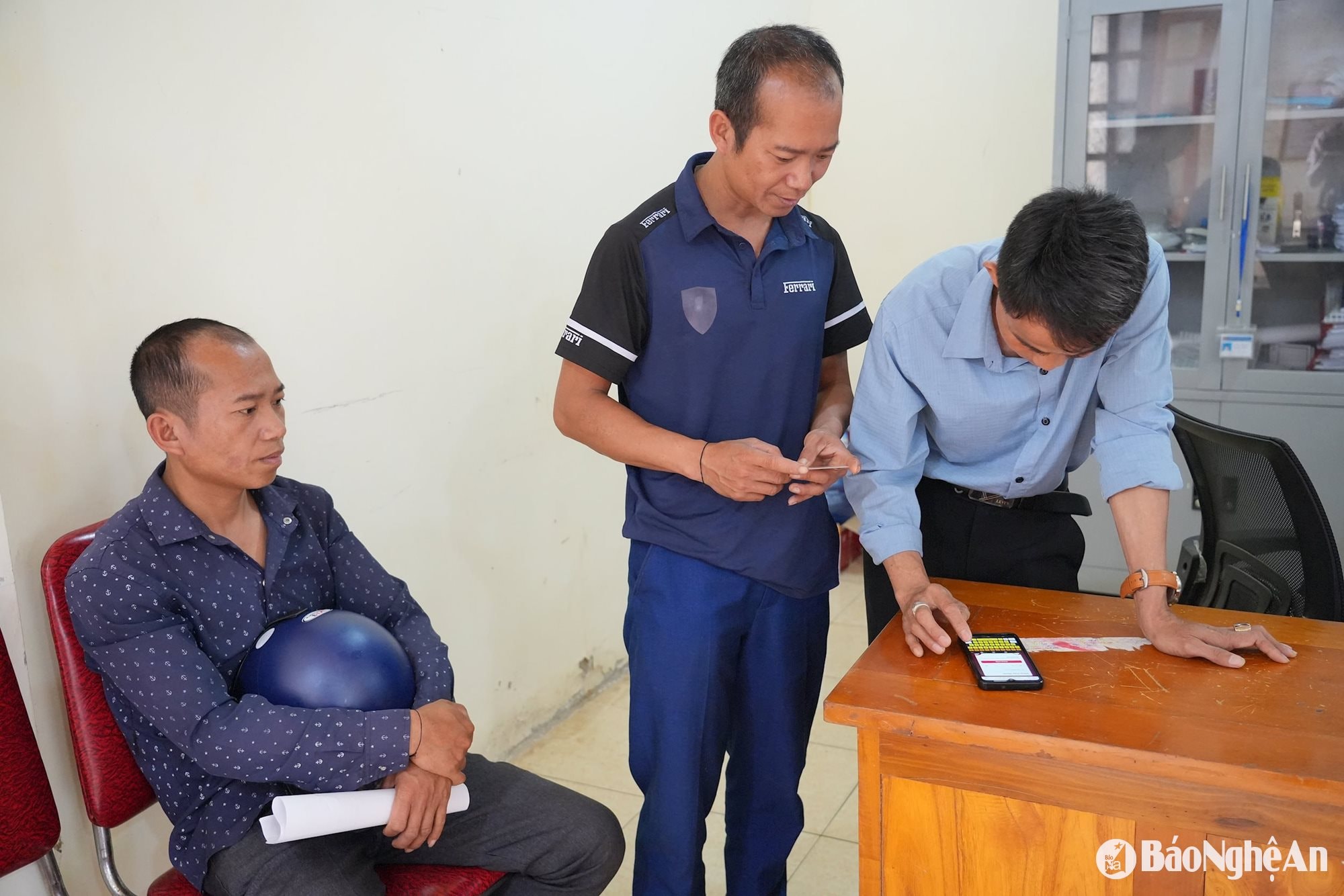
According to Mr. Vi Hoang Ha, Head of the Justice Department of Quy Hop District: To conduct transactions in the electronic environment, the most important thing is to ensure that the infrastructure and equipment are adequate.
However, Quy Hop is a mountainous district, with 14 out of 21 communes classified as particularly disadvantaged. In reality, the current internet connection speed is sometimes slow, network interruptions are frequent, and the processing time for applications is long, significantly affecting the handling of procedures for citizens.

Some localities also pointed out the reality that the level of information technology literacy and technology application skills of some officials, civil servants, and citizens are still limited, leading to many difficulties in the process of receiving and resolving administrative procedures in the electronic environment.
The issuance of personal identification numbers is sometimes delayed, and the process of canceling/deleting these numbers on the Ministry of Justice's shared electronic civil registration and management software is slow, significantly affecting the time taken to complete birth registration procedures and the rights of citizens.

The number of applications submitted electronically for administrative procedures in the field of authentication is still limited in some units, with low rates, such as: Que Phong district received 189 out of 31,645 applications, only reaching 0.59%; Do Luong district received 635 out of 11,231 applications, reaching 5.6%; Thai Hoa town received 1,159 out of 8,040 applications, reaching 14.41%...
.png)
According to the Department of Justice's assessment, the implementation of electronic interlinking of two groups of administrative procedures (birth registration, permanent residence registration, issuance of health insurance cards for children under 6 years old and death registration, removal of permanent residence registration, funeral allowance, funeral cost support) still has some shortcomings such as: Digital signing of electronic birth certificates and death certificates is still confusing; the transfer of files and synchronization of status between specialized software and public service software is slow; the public service software frequently encounters errors (unable to access the portal, authentication errors from the national public service website, etc.).
In addition, the electronic civil registration and management software is sometimes not timely; there are still delays in issuing identification codes when registering births…
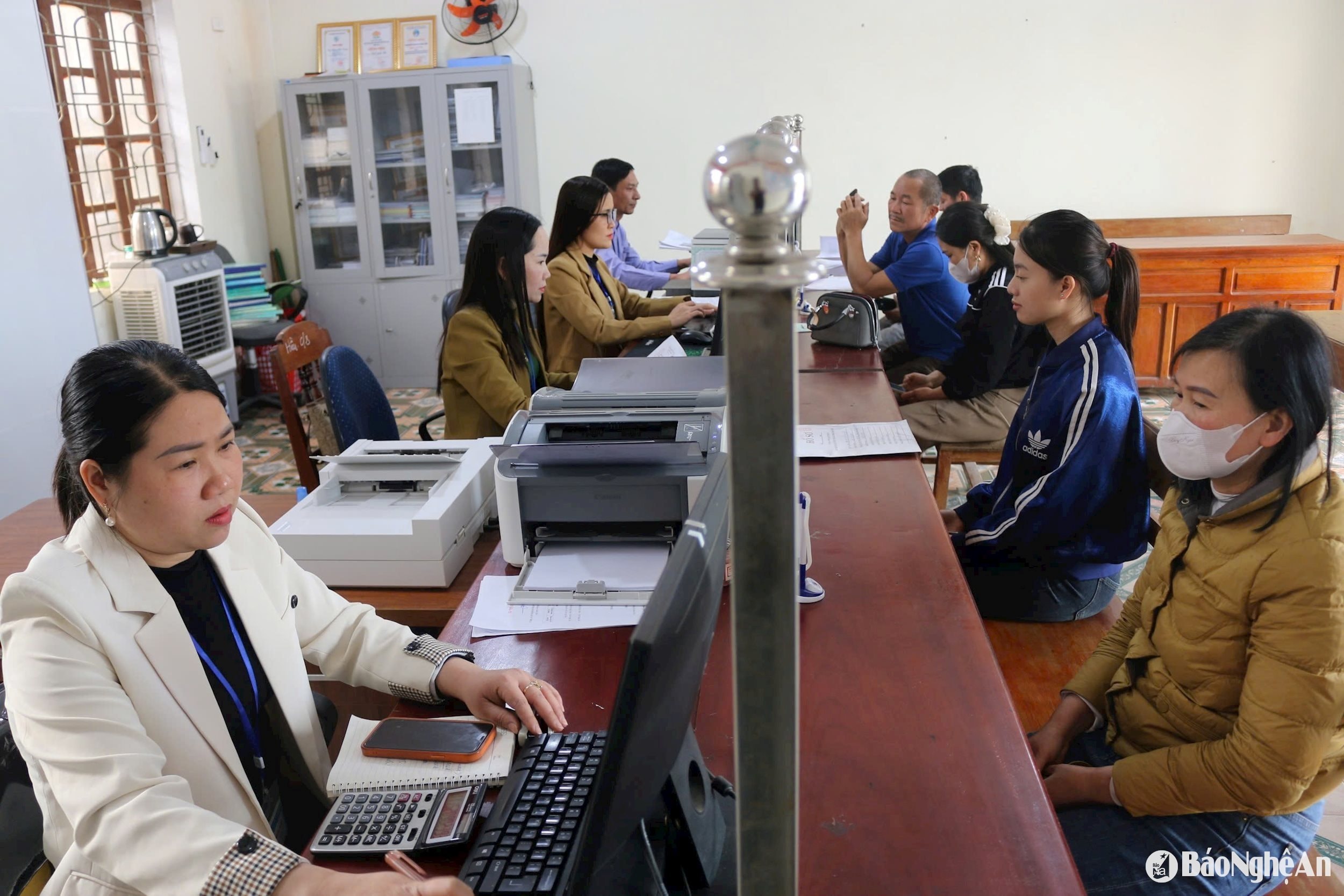
According to Ms. Hoang Thi Nga, Head of the Justice Department of Thanh Chuong District: The key tasks in the field of justice regarding digital transformation are electronic authentication and civil registration. To effectively carry out these two tasks, the Justice Department has coordinated with the Police and Social Insurance agencies to implement interconnected administrative procedures on the national public service portal: birth registration, permanent residence registration, and issuance of health insurance cards for children under 6 years old.
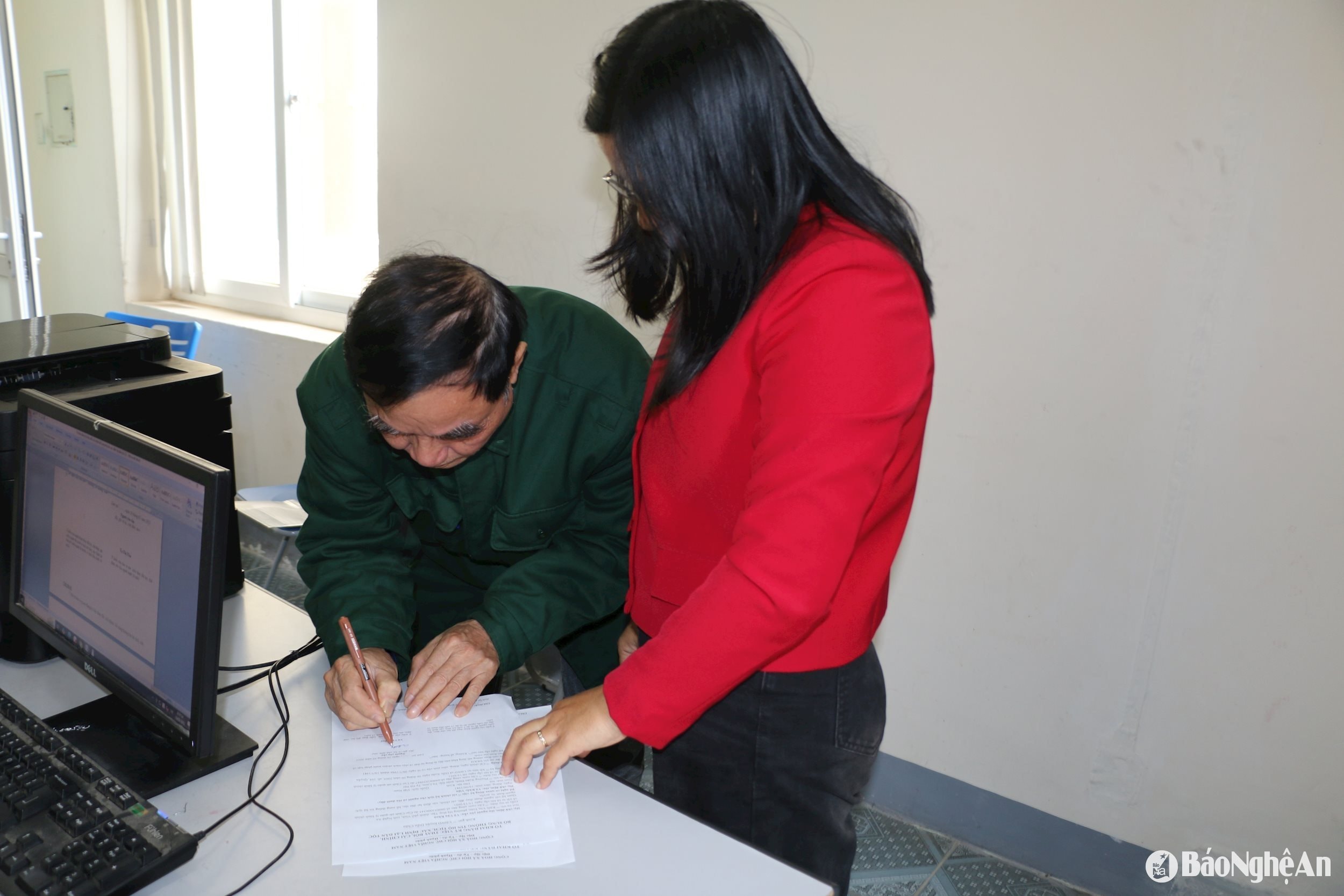
This program has been implemented in Thanh Chuong district since May 2020, with close coordination between the Justice Department, the Police, and the Social Insurance agency to ensure that birth registration, permanent residence registration, and insurance card issuance for children under 6 years old are carried out quickly and promptly.
However, the implementation process in Thanh Chuong district also faced certain difficulties because, when implementing the integrated system, administrative procedures that were previously handled by three different departments were now all handled by judicial officials, while the workload of commune-level judicial officials was large and the number of personnel was limited (some communes only had one judicial and civil registry officer).
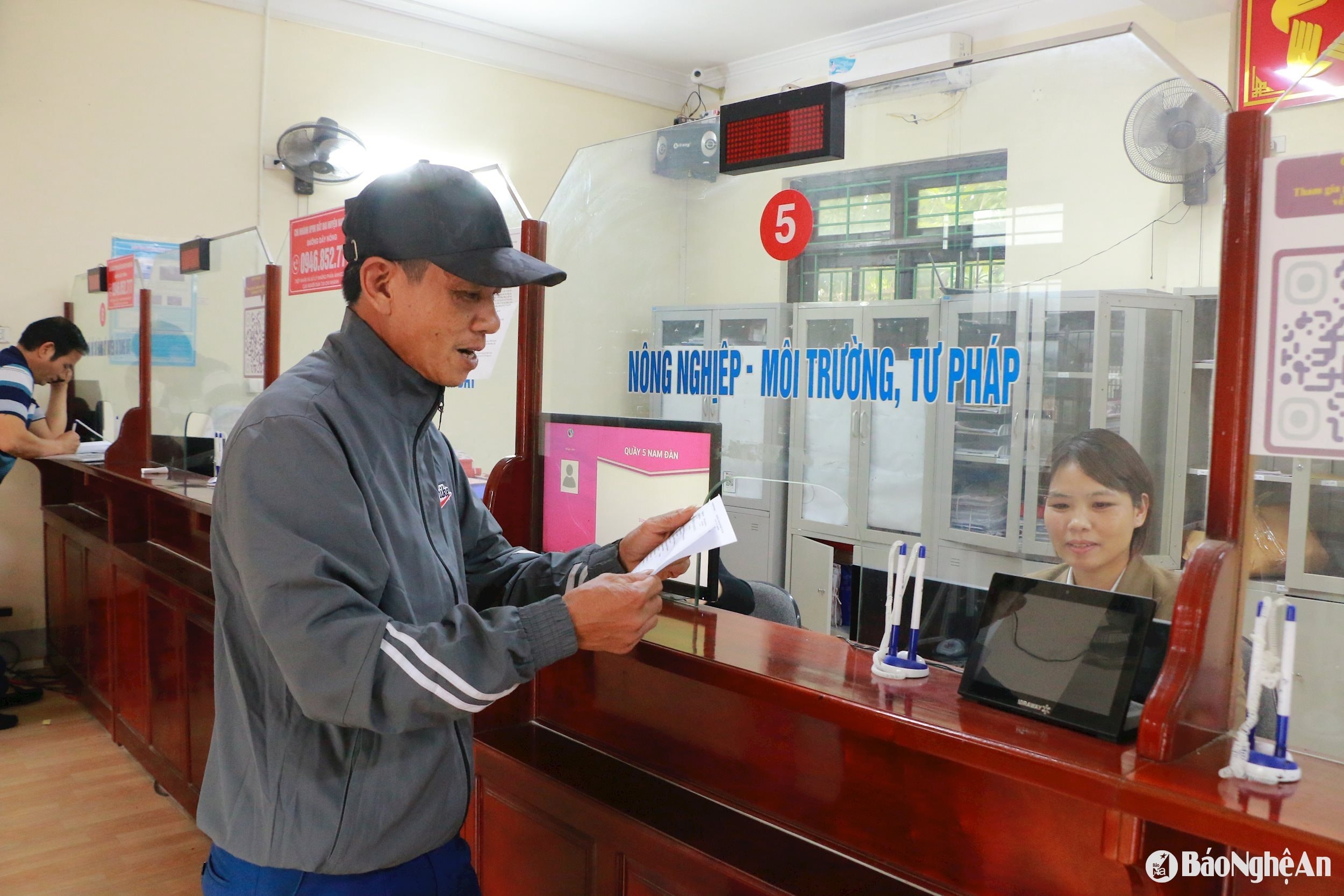
Furthermore, in reality, the software system only integrates the birth registration software with the insurance card issuance software; it does not yet integrate the permanent residence registration software.
The process of delivering results is also facing certain difficulties (for example, citizens want their cards delivered to their homes, but currently, card delivery is still done through judicial officials, especially in remote areas). The time limit for delivering results of procedures, especially the issuance of health insurance cards, is still slow and does not meet regulations.

In the context of an increasingly rapidly transforming digital economy, the application of information technology to various aspects of social life has become an inevitable trend, including notarization activities in general and electronic notarization in particular.

However, according to Mr. Nguyen Canh Toan - Head of Notary Office No. 1 - Department of Justice: Currently, there are no specific guidelines from the Ministry of Justice on cross-checking and cleaning up the criminal record database with the national population database.
Therefore, the implementation of Model 8 regarding the use of authentication devices in notarization activities faces many limitations. Specifically, the information that can be extracted from authentication devices is very limited (identity cards only contain full name, date of birth, and place of residence), and there is no information about personal relationships, which makes it difficult for notarization organizations.
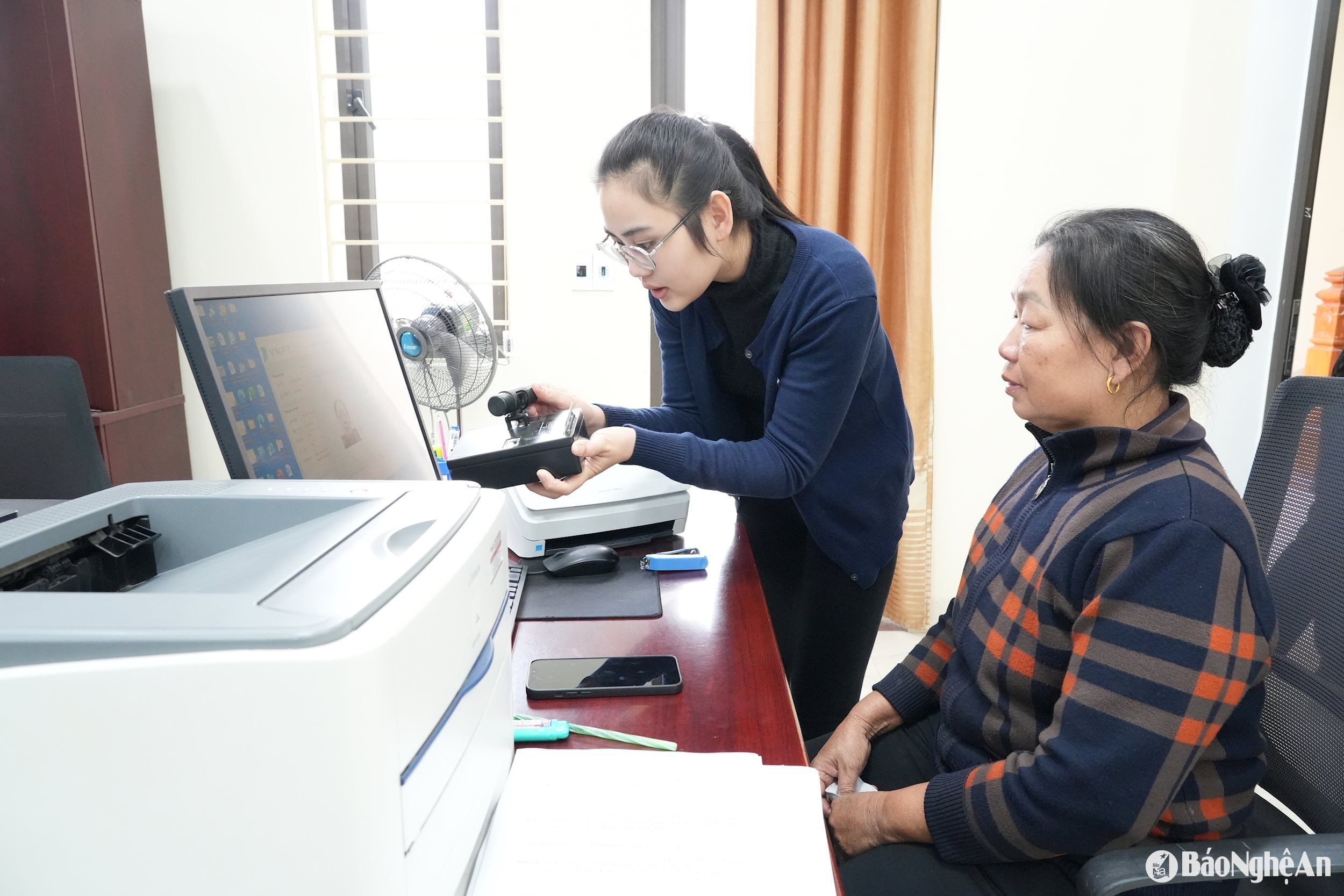
Furthermore, the QR code readers and chip readers currently provided by various units can only read some basic information fields such as: comparing the photograph with the citizen ID card photo (verifying its validity); card information such as citizen ID number, validity date, old ID card number and expiration date; personal information: full name, date of birth, gender, nationality, place of birth, permanent residence, religion, ethnicity, characteristics; information about relatives, father's name, mother's name, spouse's name.
As for the new type of identity card, it has fewer fields of information and does not have fingerprint recognition capabilities…
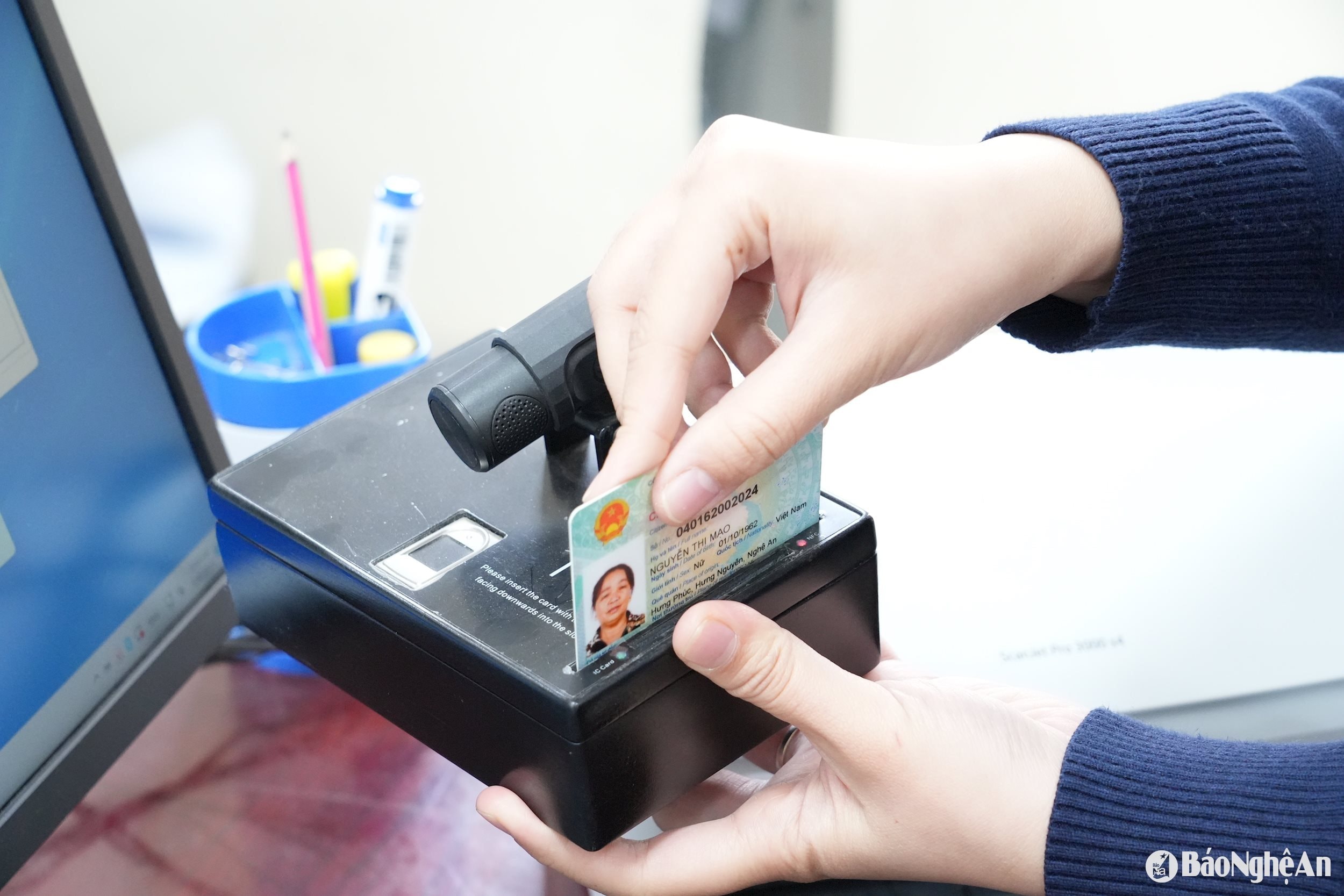
Mr. Nguyen Canh Toan also stated that Government Resolution 172/NQ-CP dated November 19, 2020, on policies for developing the notary profession, has identified the task of promoting the application of information technology in notary activities, meeting the requirements of building an e-government and the Fourth Industrial Revolution.
This includes completing the construction of the notarization database according to regulations; developing an implementation plan and guidelines for connecting and sharing data on land, housing, businesses, and residents with the notarization database, ensuring interconnectedness between relevant departments and agencies and notarization organizations…
However, to date, the relationship between notary offices, tax authorities, and land use right certificate issuing agencies has not been interconnected. Therefore, after notarizing land transaction contracts at a notary office, people still have to bring their documents to the land use right certificate issuing agency to wait for the procedures to be completed, which is very time-consuming and often causes congestion.

Ms. Nguyen Thi Uyen, Head of Notary Office No. 2 (located in Dien Chau district), pointed out another important issue related to the accuracy of facial recognition technology. The software sometimes successfully verifies people with similar faces, which poses a risk of misidentification.
There are cases where the person requesting notarization is correct, but facial verification yields invalid results if there are changes in hairstyle. Furthermore, the information on current citizen identity cards is still limited, only including full name, date of birth, and place of residence, without fingerprints or information related to personal relationships. This makes accurately identifying the subject in notarized transactions more difficult.
Ms. Nguyen Thi Uyen suggested that, in order to make the use of citizen identity card readers in notarization work more effective, support from the Ministry of Public Security is needed in sharing fingerprints and adding information about personal relationships to citizen identity cards.
The Ministry of Justice needs to coordinate closely with the Ministry of Public Security to connect and share data between the national population database and other databases of the Justice sector, such as the electronic civil registry database and the nationality database. This will facilitate notary offices' direct access to data from national databases, thereby improving the quality and efficiency of their work and ensuring accuracy in notarized transactions.

In addition, according to many notaries, one of the major problems is the high cost of citizen identity card readers, as the application is usually purchased in packages with a limited number of accesses.
However, the volume of notarized transactions is very large; a single notarized document can involve from one to more than ten people, and each person needs to access the software at least twice: once to verify their citizen identity and once to verify their face. This leads to the rapid depletion of access attempts, causing disruptions to work.
These are the difficulties and shortcomings in the digitalization process, requiring comprehensive solutions to overcome them…