

Milestone Zero – The starting point of the legendary journey.
Nestled in the heart of Nghe An province, where the Con River flows silently, lies a small town called Lat – a place where, more than six decades ago, history marked a momentous national event: the starting point of the Truong Son Road – the legendary Ho Chi Minh Trail.
Historical symbol
On September 9, 1964, at the foot of Dong Mountain, the 98th Engineering Regiment struck the first shovelfuls of earth, marking the opening of one of the most important strategic routes in the history of the resistance war against the US. At that spot, a large tree was felled and erected as a simple marker called "Km 0" – the starting point of the supply route connecting North and South Vietnam.
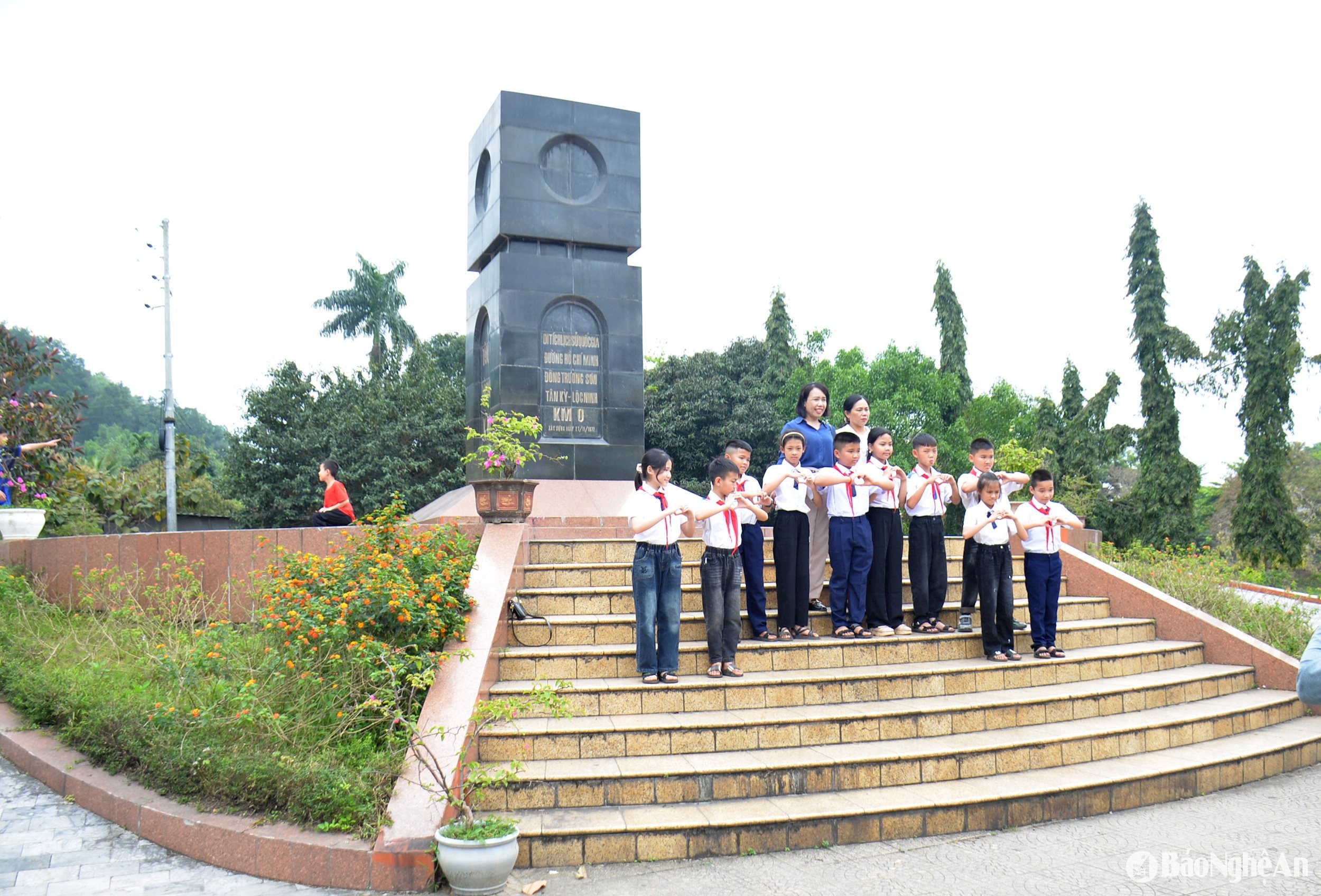
From Kilometer Zero, the Ho Chi Minh Trail stretched along the Truong Son mountain range. The Eastern Truong Son route alone was 1,920 km long, divided into 5 longitudinal systems and 21 transverse axes, connecting battlefields from North to South. Along this route, the Truong Son troops transported nearly 455 million tons of military supplies and 58 million tons of gasoline and oil, making a significant contribution to the Great Victory of Spring 1975, the complete liberation of the South, and the reunification of the country.
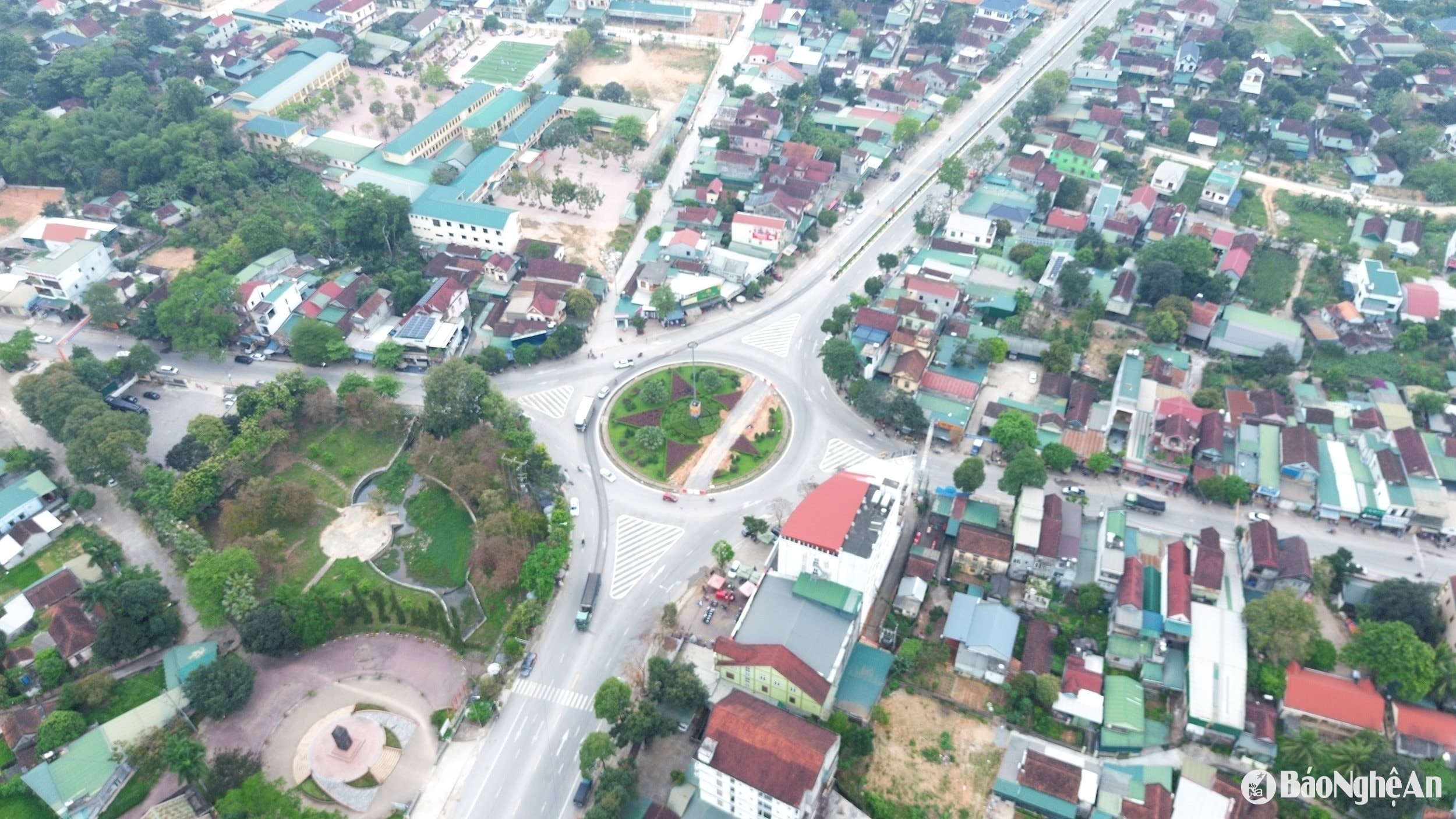
Tan Ky – with its Kilometer Zero marker – was the starting point of that bloodshed, the place where vehicles traveled, people arrived, goods were transported to the battlefield, and documents and information from the South were sent to the North. The stories of the bustling transport vehicles at night, of the soldiers silently carrying out their duties under bombardment and gunfire… remain vivid in the memories of the Trường Sơn veterans.
Mr. Doan Quang Trung, a former soldier of the 559th Vehicle Division and now the Chairman of the Truong Son Association in Tan Ky district, emotionally recounted: “I was truly honored to fight and serve on the legendary Truong Son road. I was unafraid of hardship or death, only hoping that supplies would arrive on time for the battlefield. This road not only carried goods, but also carried hope and faith in the day of victory. Milestone Zero is not only the starting point of the road but also a place for educating the younger generation about our traditions.”
Choosing Tan Ky district as the starting point was no coincidence. This land possessed all the strategic elements: the 15A and 15B highways running through it; key strategic high points such as Len Roi, Bo Bo mountain range, and Bu Loi guarding the entire region; and it was the assembly point for numerous main divisions before advancing south. Throughout the fierce years of the resistance war, Tan Ky became a target of intense enemy attacks, with over 1,000 civilians killed and nearly 1,500 suffering lifelong injuries.
But it was amidst the gunfire that the human qualities of Tan Ky shone brightly. More than 20,000 people were mobilized to join the army, the youth volunteer corps, and the civilian labor force on the front lines. They dug tunnels, camouflaged, and protected convoys and artillery pieces. They shot down planes, defused unexploded bombs, repaired bridges and culverts, and kept over 100 km of transport routes open amidst bombing and shelling.
From historical memory to modern vitality
It was also here that tens of thousands of people from Vinh Linh, Gio Linh, and Cam Lo who evacuated to the North were sheltered and cared for by the people of Tan Ky throughout the most brutal years of the war. "Sharing a bowl of rice in half, dividing a grain of salt in two" – these simple images have become an enduring symbol of the unwavering spirit of the home front supporting the front lines.
After completing its historical mission, in 1989, the Truong Son Road was rebuilt, becoming the Ho Chi Minh Trail – one of the vital transportation routes connecting North and South Vietnam. On April 27, 1990, Kilometer Zero was recognized as a National Historical Monument. To this day, it has become an important cultural and tourist destination in Nghe An province and throughout the country.
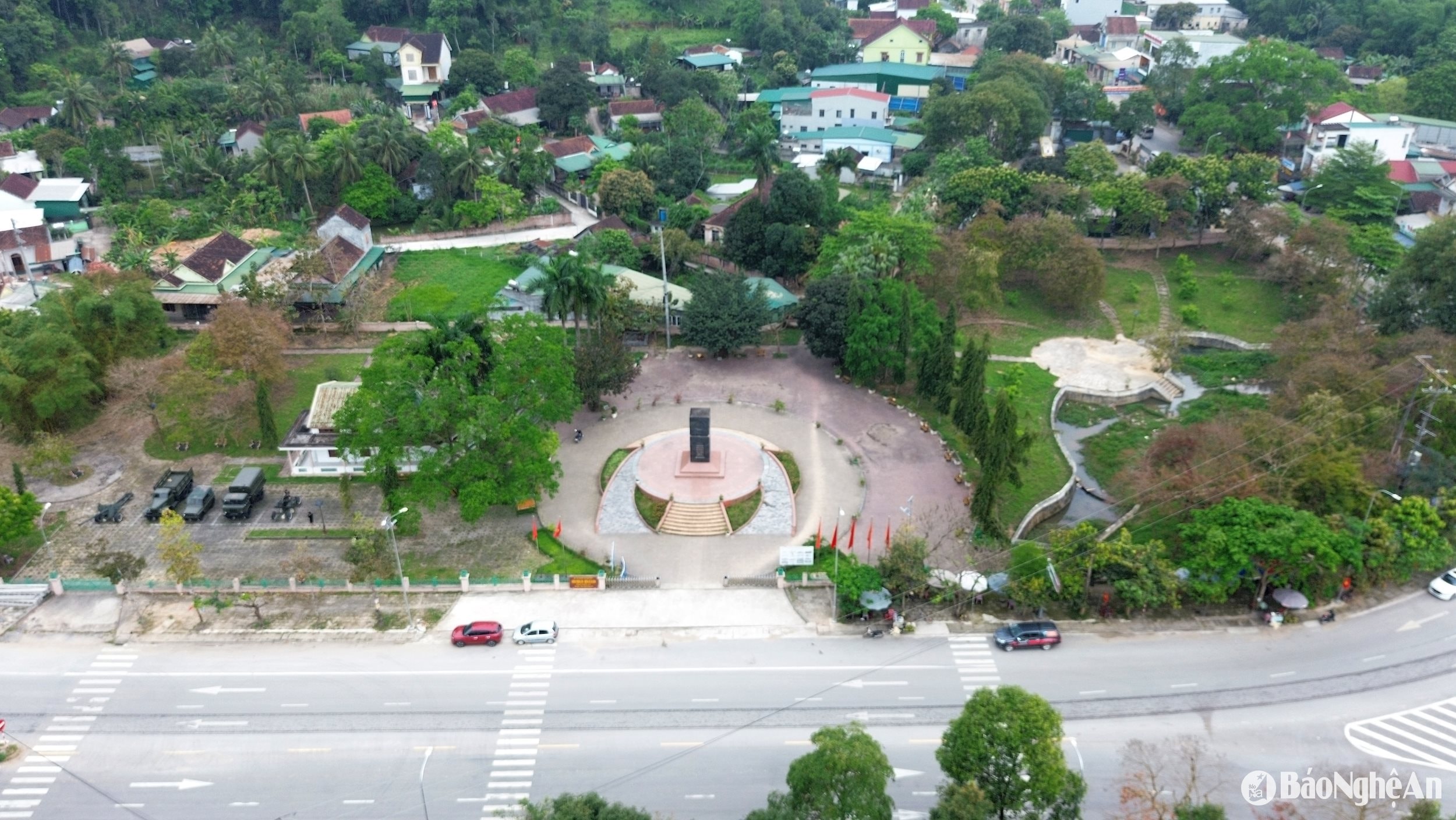
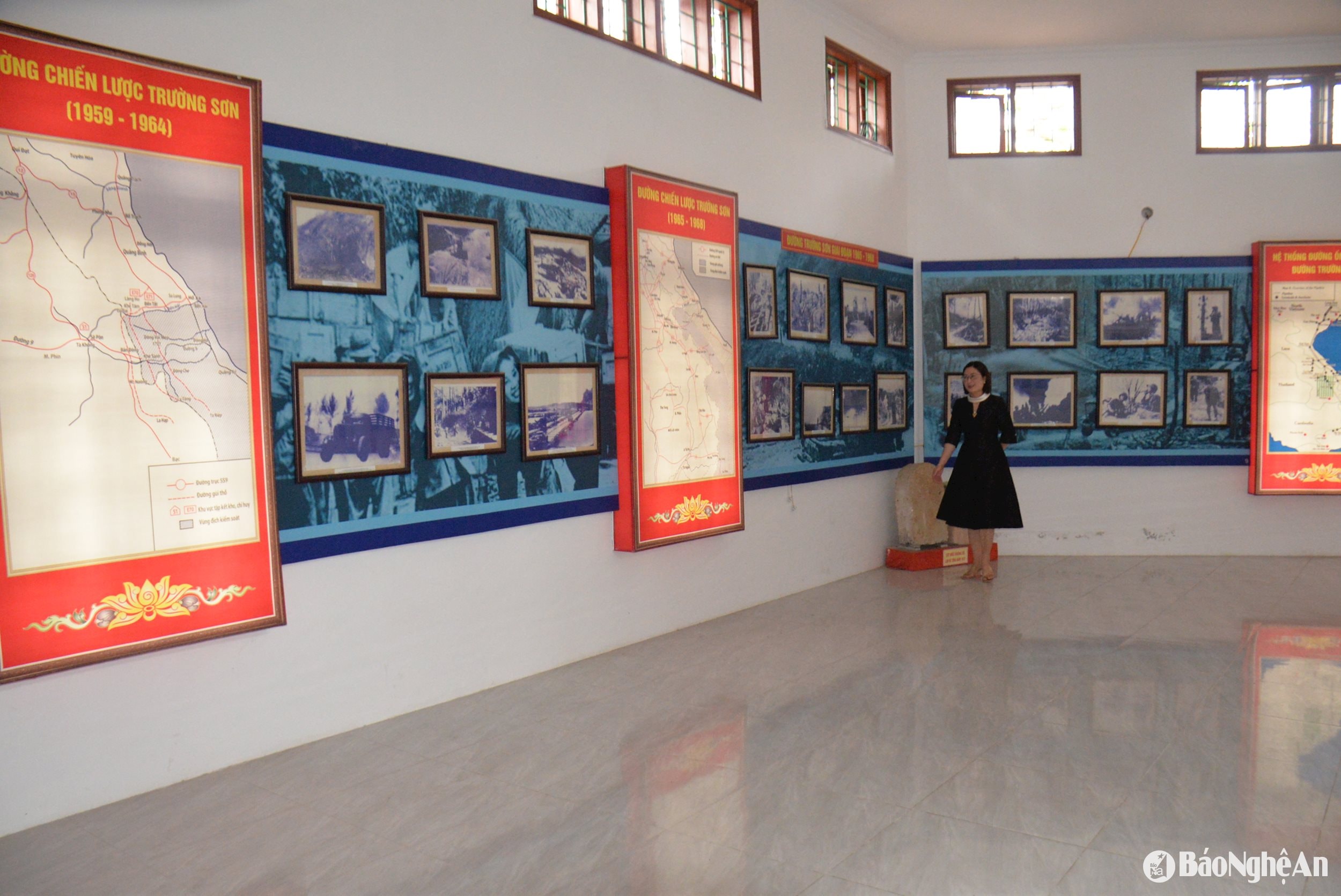
Ms. Pham Thu Hang, a manager at the Kilometer Zero Historical Monument on the Ho Chi Minh Trail, shared: "The Kilometer Zero Monument is now well-built, with a traditional house displaying hundreds of war artifacts, from transport vehicles and weapons to valuable documents. Recently, we also received a large flag measuring 75 square meters that flew over the Hien Luong flagpole on April 30, 2023, as a vivid testament to that historic moment."
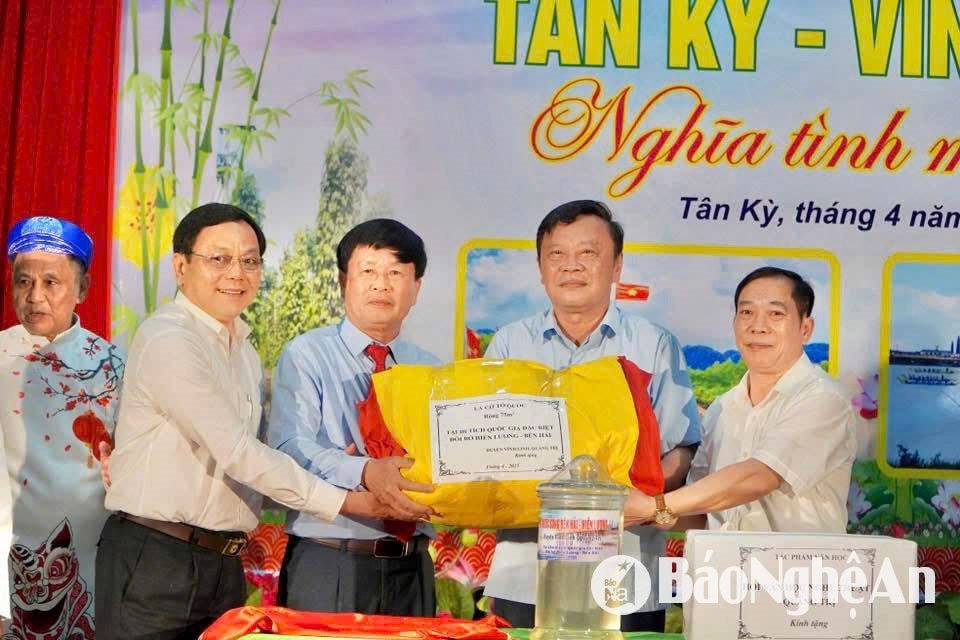
The Ho Chi Minh Trail of yesteryear is no longer just a memory. It is a bridge connecting the glorious past with the developing present and the integrated future. Every stone, every inch of land at Kilometer Zero is a living testament to patriotism, unwavering will, and the spirit of national unity.
In the tranquil space of the traditional house, amidst the vintage vehicles, mortars, and supply crates weathered by time, immortal stories still quietly resonate. Stories of a road that not only connected the two regions of the country, but also linked millions of Vietnamese hearts in a shared aspiration for independence and reunification.
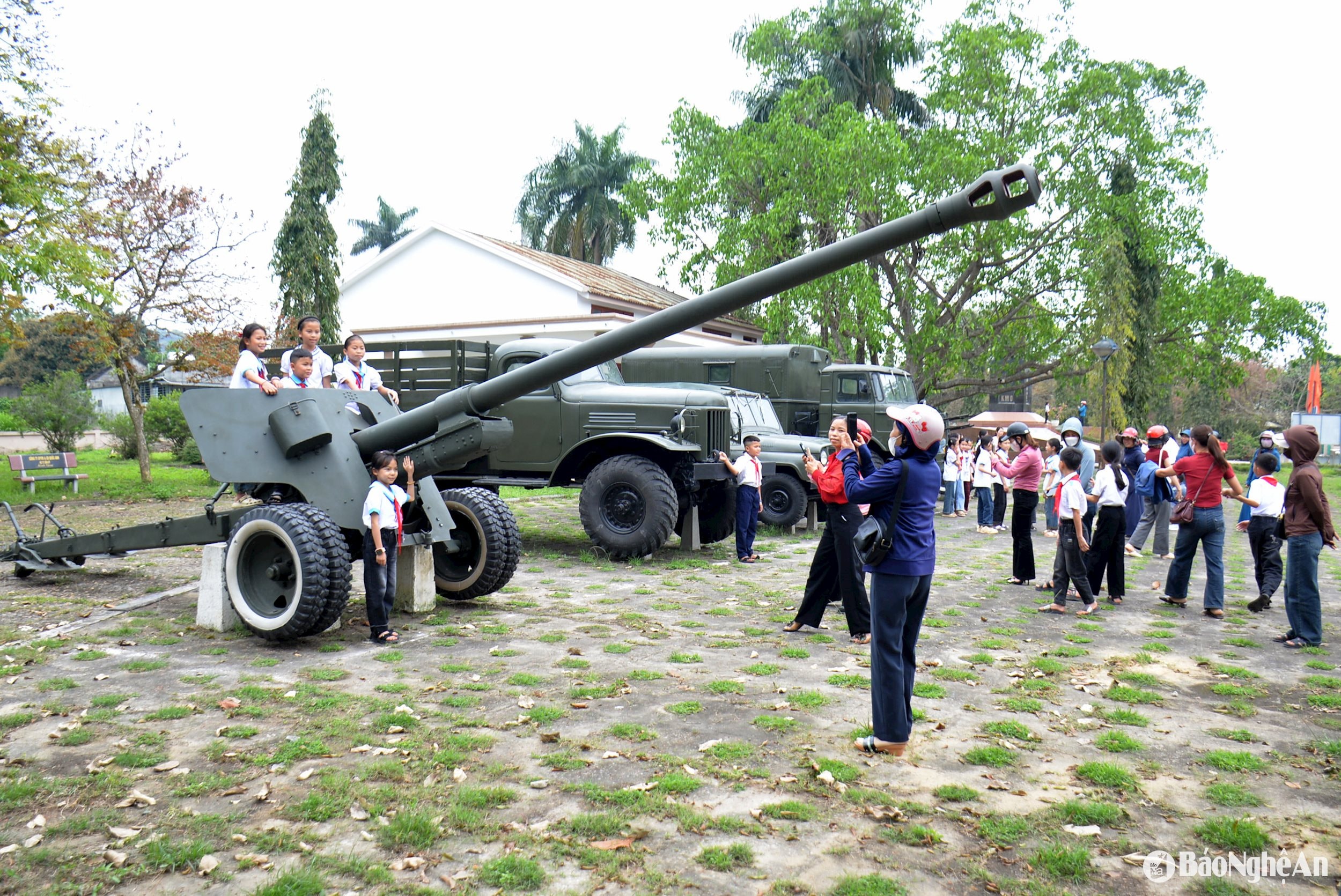
Every year, tens of thousands of people come here – not just to visit, but to pay their respects. Students, veteran groups, and even overseas Vietnamese… they all find a part of the nation's soul here.
Ms. Pham Thu Hang - officer in charge of the Historical Monument at Milestone Zero - Ho Chi Minh Trail
Give yourself more willpower today.
Thanks to the legendary route, the more than 38 km stretch across six communes of Tan Ky district has become a new driving force for development. Over the years, the "herringbone" transportation system along the Ho Chi Minh Highway has helped expand production, trade, and tourism. In particular, the N5 route connecting Do Luong to Ky Tan commune has strengthened regional connectivity and expanded investment and trade opportunities.
In 2024, Tan Ky district achieved and surpassed all 25/25 socio-economic targets. The total value of production is estimated at 8,800 billion VND, an increase of 10.1% compared to the previous year. To date, the district has 18 communes that have met the standards for new rural areas, of which 3 communes have met the advanced standards. Hundreds of farm and household economic models combining forestry and sugarcane cultivation have contributed to improving the lives of the people.
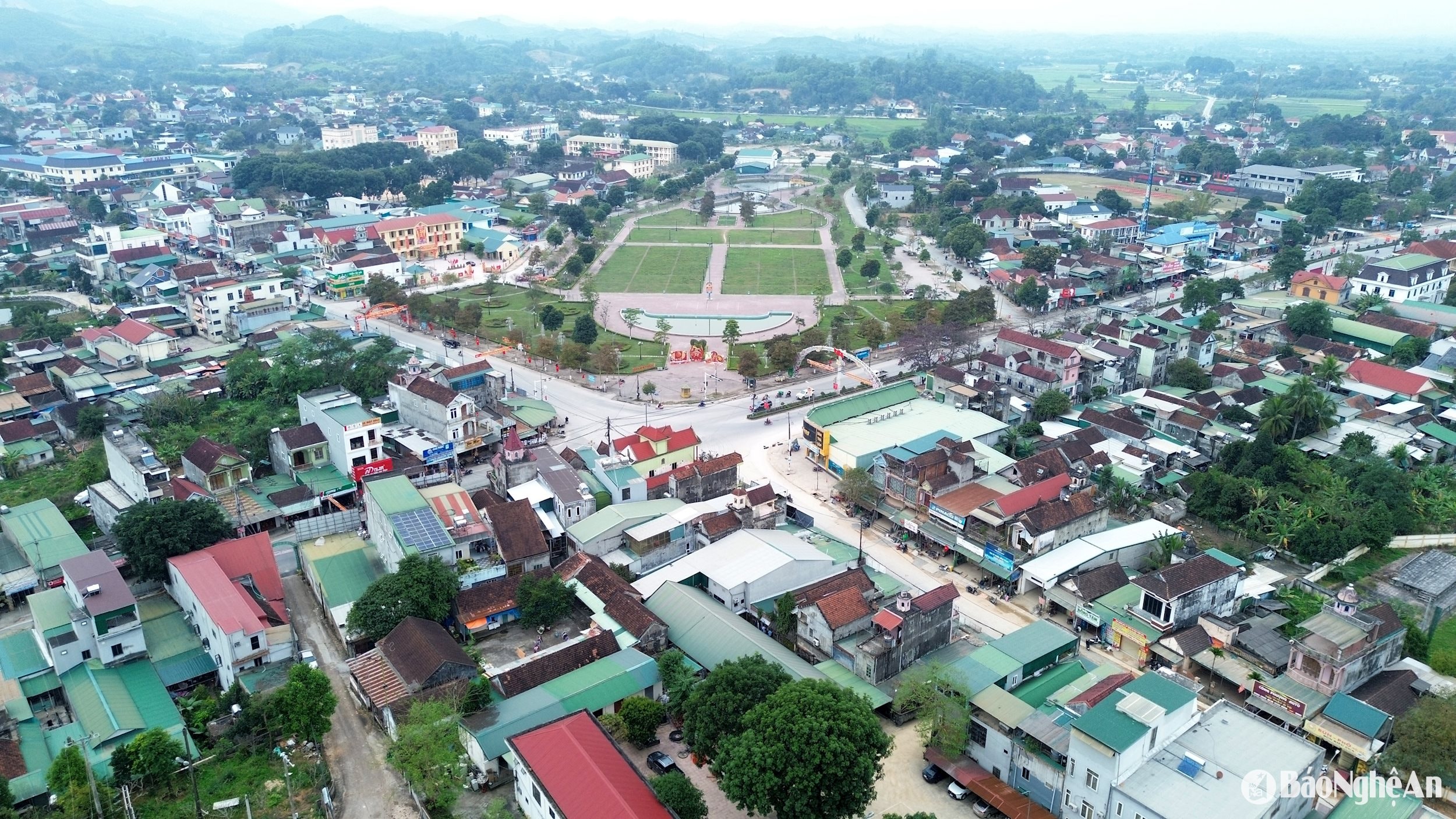
Besides economic development, the district also focuses on exploiting its tourism potential. From Milestone Zero, tourists can easily travel to community tourism destinations such as Thai Minh brocade weaving village, Mo Cave (Tien Ky), Bon Waterfall (Tan Hop), and the thousand-year-old banyan tree (Giai Xuan)... Tan Ky is gradually establishing itself as a cultural, historical, and ecological tourism center of western Nghe An province.
The legendary Ho Chi Minh Trail is not only a symbol of the aspiration for reunification and an immortal epic of the resistance war against the US, but today it also serves as a foundation for the socio-economic, cultural, and tourism development of Tan Ky in particular and Western Nghe An in general.