

Young acacia trees are being harvested excessively, leaving processing plants short of raw materials.
With the price of raw acacia wood continuously rising to over 1.2 million VND/ton, many farmers in Nghe An province are harvesting young acacia trees on a massive scale. This not only affects long-term economic efficiency but also causes wood processing factories to face a serious shortage of raw materials.
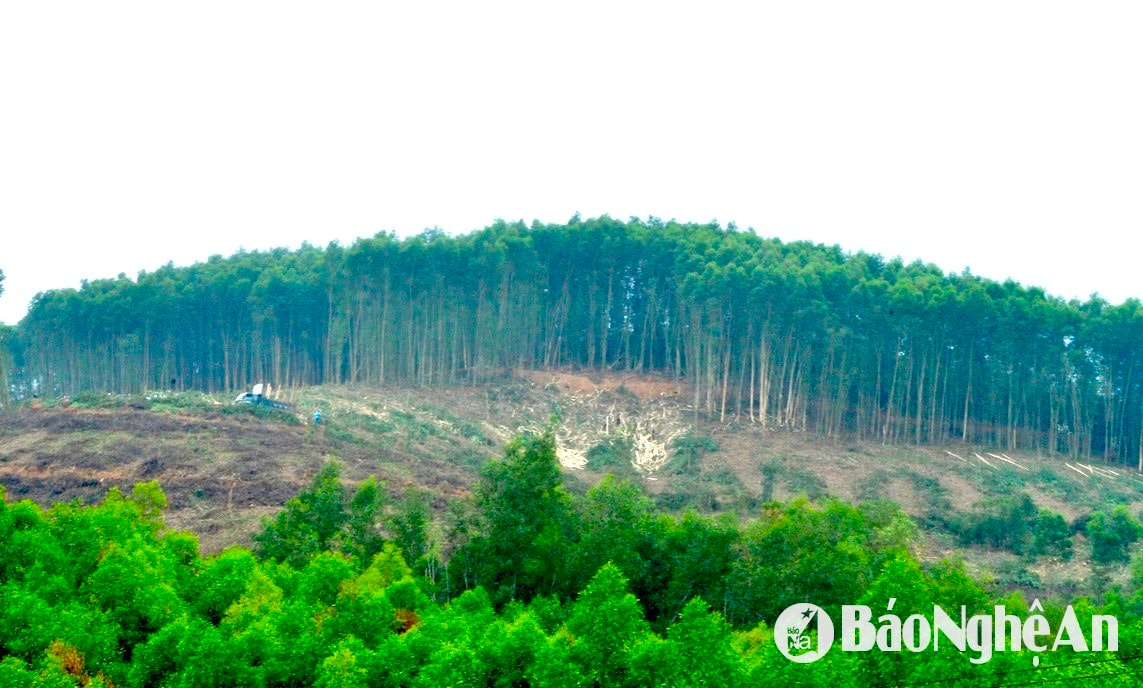
Massive harvesting of young acacia trees.
In Con Cuong district, along the roads, people are busy harvesting acacia trees at this time. Many acacia hills, planted just over 3 years ago, have young trees that are still being cut down and sold.
Mr. Vi Van Nam, a resident of Thach Ngan commune, said that his family owns more than 2.5 hectares of acacia trees. Although they are only 3 years old, they decided to harvest them early because of the high price, in order to have capital for replanting and for living expenses.
Mr. Lo Thanh Huan, Chairman of the People's Committee of Thach Ngan commune, said: The entire commune has about 3,800 hectares of acacia trees, with about 300 hectares harvested each year. However, this year, due to a sudden price increase, the area of acacia trees harvested prematurely has increased rapidly. Supply is scarce from other regions, while wood processing factories are raising the price of raw materials, leading to the massive felling of young acacia trees.
.jpg)
Mr. Luong Thanh Hai, Head of the Agriculture and Environment Department of Con Cuong District, said: The entire district has more than 12,000 hectares of timber forests, with over 3,000 hectares harvested annually. However, recently, the practice of many households cutting down and selling young acacia trees has reduced the quality and economic value of planted forests. To overcome this situation, the district is calling on wood processing businesses to sign long-term contracts to guarantee the purchase of timber, creating confidence for people to plant and harvest forests according to the correct cycle.
Not only in Con Cuong district, but also in Quy Chau district, the harvesting of young acacia trees is widespread. Numerous trucks are constantly moving in and out of the forests, transporting acacia from hillsides where the trees are still young and not yet ready for harvest, but have already been felled and lie scattered around. The district currently has over 23,000 hectares of acacia forest, with approximately 3,000 hectares harvested annually.
Mr. Nguyen Van Dung, Vice Chairman of the Quy Chau District People's Committee, stated: If this premature exploitation continues, the economic efficiency of planted forests will significantly decline, affecting the sustainable development of the local forestry sector.
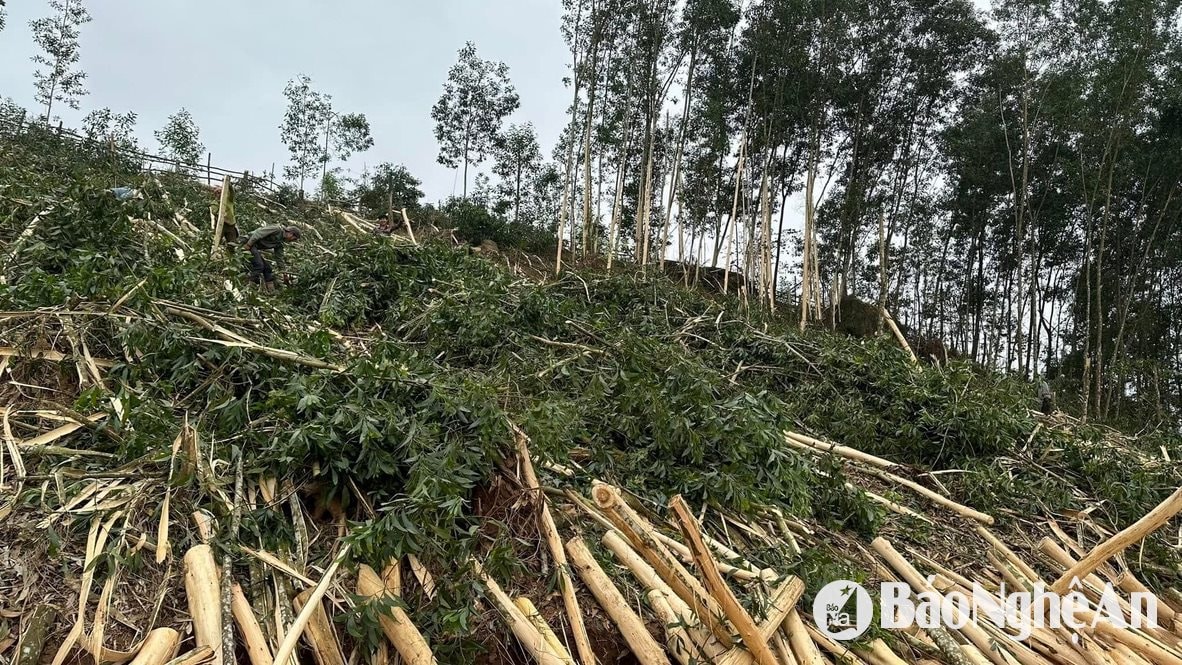
Over the past year, due to the strong increase in demand for wood chips for export to major markets such as China, Japan, and Europe, biomass pellet and laminated wood processing plants in the area have been operating stably, contributing to the rise in acacia prices. This is also the reason why many households are taking advantage of harvesting acacia trees before they are mature, leading to the widespread harvesting of immature acacia trees in many localities.
The factory is facing a severe shortage of raw materials.
The rampant harvesting of young acacia trees by local people in many areas of Nghe An province has been causing immediate consequences, with numerous wood processing factories, especially those producing laminated wood, facing severe raw material shortages. This directly impacts production schedules and the ability to fulfill export orders.
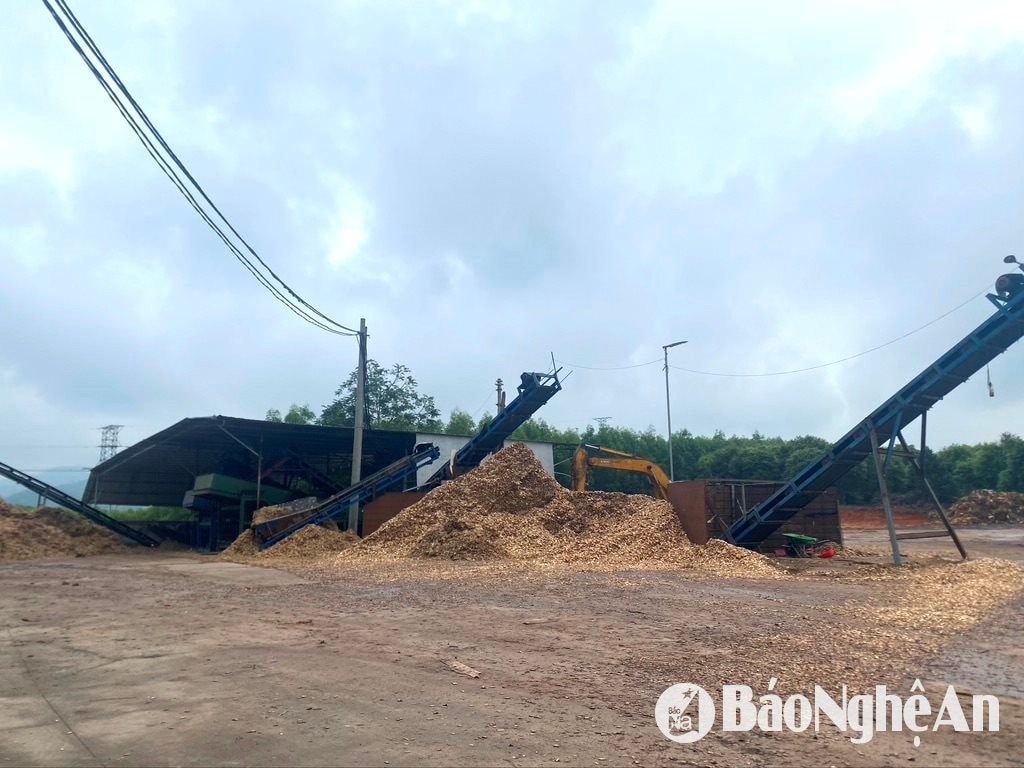
One of the units severely affected is the Thang Nam Forestry Joint Stock Company located in Nghia Hoi commune, Nghia Dan district. Mr. Nguyen The Mai, the company's director, said: This is one of the most modern wood processing and MDF fiberboard factories in the Central region, with a total investment of over 300 million USD. Each year, the company's production line requires 250,000 m³ of raw wood to operate stably. However, the company is currently facing a serious shortage of processing materials because the acacia harvested from the plantations is mainly young acacia, not yet of sufficient size and biomass to produce standard-quality lumber.
Due to a shortage of large timber, the company has to source raw timber from northern provinces such as Quang Ninh, Lang Son, and Yen Bai, increasing operating costs and reducing control over production planning. This situation also disrupts the timber supply chain, causing many export orders to be delayed and not completed on schedule with foreign partners.
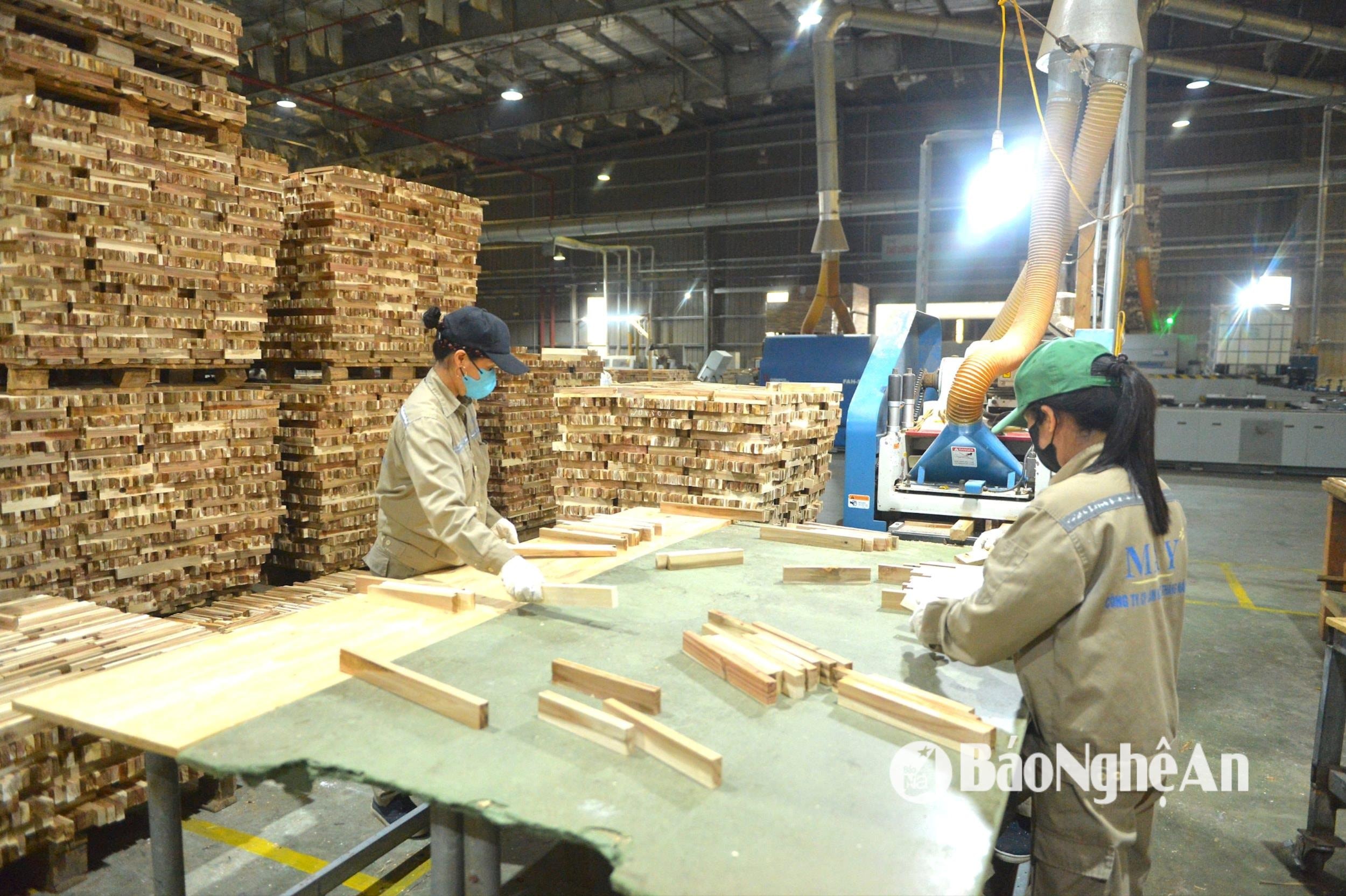
Not only Thang Nam Forestry Joint Stock Company, but also Song Hieu Forestry and Agriculture Company Limited - a well-known unit in the laminated wood processing industry - is facing a major challenge regarding supply. Mr. Nguyen Ngoc Hoang - Chairman of the Board of Members of the company - said: Each month, the unit produces and sells more than 150m³ of laminated wood, mainly for export to the US market.
However, the shortage of large timber is making it difficult for the company to maintain stable productivity. Although the company manages over 1,700 hectares of large timber plantations and harvests approximately 200 hectares annually, production is still insufficient to meet demand.
According to statistics, Nghe An province currently has over 548,423 hectares of production forest, of which 204,000 hectares are planted forest and only about 32,000 hectares are large timber forest. This figure is insufficient to meet the needs of the increasingly developing wood processing industry. The main reasons are the lack of close cooperation between forest owners and businesses, as well as an inadequate understanding of the long-term benefits of developing large timber forests.
.jpg)
Mr. Nguyen Danh Hung, Deputy Director of the Department of Agriculture and Environment of Nghe An province, said: Given this situation, relevant sectors and localities need to strengthen propaganda efforts and raise awareness among people and businesses about the importance of developing large-timber forests and implementing sustainable forest management. Restricting the exploitation of young forests and encouraging linkages between forest owners and businesses in the forestry production chain will help create a stable source of raw materials, protect the ecological environment, and enhance the value of exported timber products.
Furthermore, wood processing associations and businesses need to proactively coordinate with forest owners in planting and caring for large timber forests, aiming to achieve international sustainable forest management certifications. This is not only a short-term solution but also a long-term strategic direction for the sustainable and efficient development of the wood processing industry.