

Why do you need to turn on your headlights when driving in a tunnel?
Not only in road tunnels, but also in apartment building or shopping mall basements, turning on your vehicle's headlights while driving is mandatory to ensure your safety and the safety of those around you.
Headlights are one of the most important and indispensable parts of cars and motorcycles. Not only do they help drivers see better at night or in bad weather conditions, but headlights also contribute to traffic safety and reduce the risk of accidents.
In particular, when driving in road tunnels, turning on headlights is a mandatory requirement according to the law. Specifically, Article 26 of the Law on Road Traffic Order and Safety states: "Drivers of motor vehicles and specialized vehicles must turn on low beam headlights; drivers of non-motorized vehicles must turn on lights or have a light source to signal...".
Complying with this regulation not only helps drivers see more clearly but also makes it easier for other vehicles to identify them, contributing to the safety of everyone when traveling in narrow and poorly lit spaces such as road tunnels.
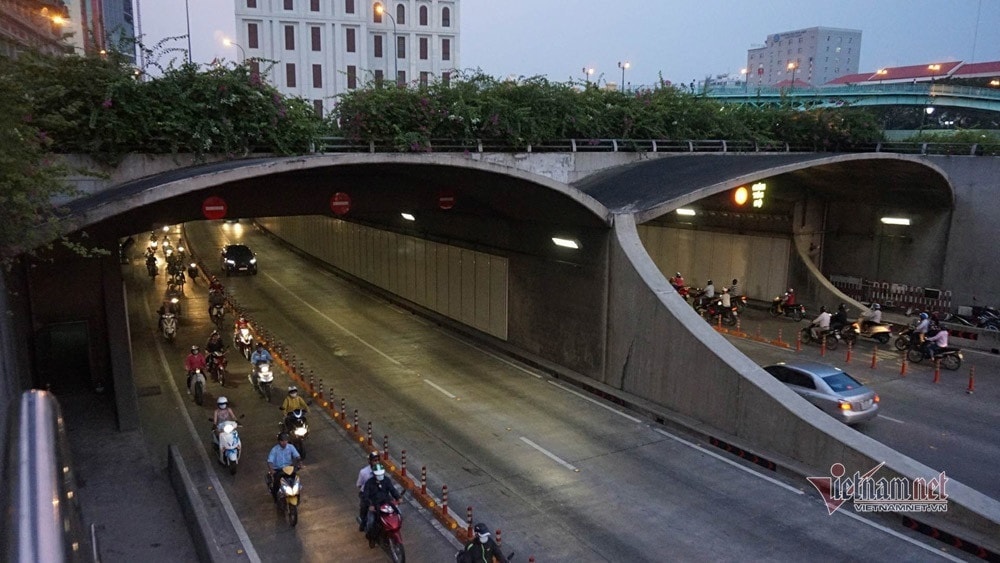
According to Clause 3, Article 6 of Decree 168/2024/ND-CP, drivers of automobiles will be fined from 800,000 to 1,000,000 VND for driving in road tunnels without using low beam headlights.
Therefore, when driving in road tunnels, if drivers do not turn on their low beam headlights, they may be fined up to 1 million VND. However, many people still view turning on the headlights only as a way to avoid being fined by traffic police, without fully understanding the true importance of this action.
According to traffic experts, using headlights correctly is a key factor in ensuring safety for yourself and those around you. Not only in road tunnels, but also in dimly lit areas such as apartment building parking garages and shopping malls, turning on your headlights improves visibility and makes your vehicle more easily identifiable, thereby effectively reducing the risk of collisions.
When entering a tunnel, the lighting conditions change abruptly, making it difficult for the human eye to adapt. Without headlights, vehicles have difficulty identifying each other in the dark and poorly lit space, which can easily lead to collisions, especially when traveling at high speeds in long tunnels or through sharp turns in parking garages.
Furthermore, tunnels often have cramped spaces, limited visibility, along with dust and smoke, and lighting systems that are not always adequate. Vehicle lights, especially headlights and parking lights, help vehicles easily identify each other's positions, thereby maintaining a safe distance. Turning on lights is not only for "seeing the road" but also for "being seen"—an important principle in traffic.
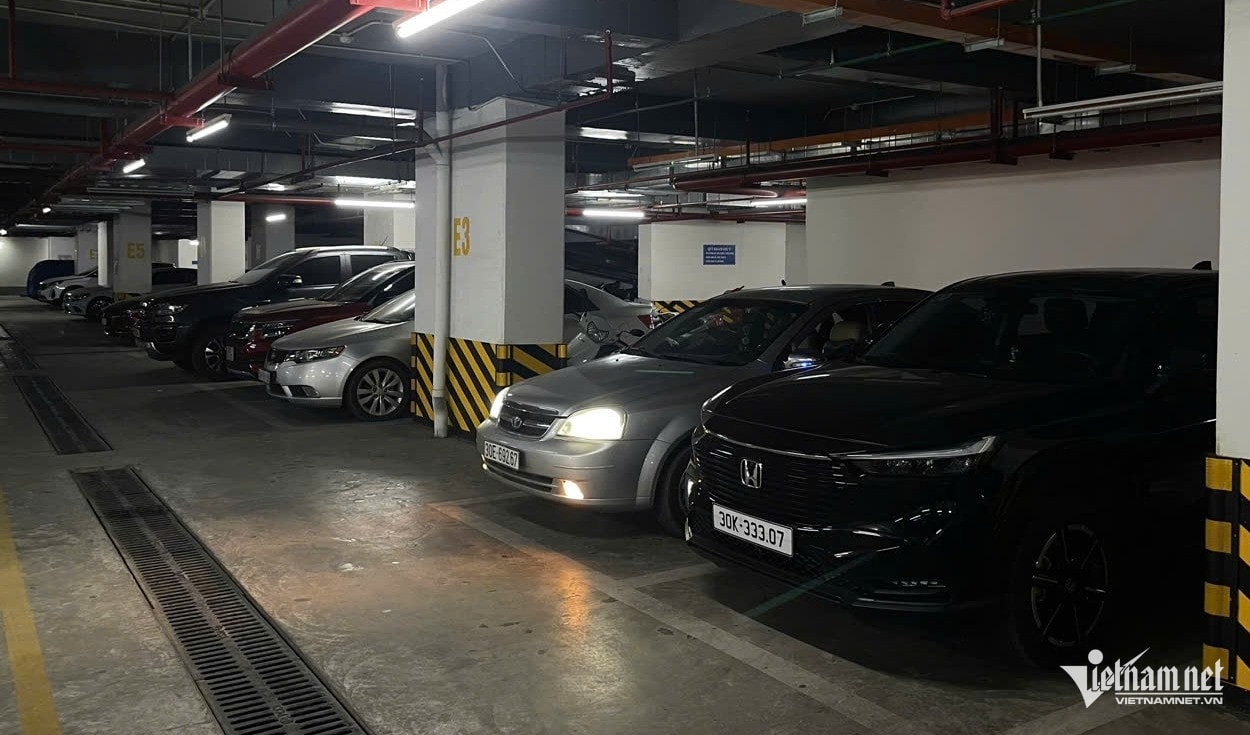
Furthermore, in some apartment building parking garages, due to the design of the terrain with slopes or curves, drivers' visibility may be limited. When vehicles move up or down slopes without headlights on, the risk of collision with oncoming vehicles is very high. Many accidents in parking garages stem from vehicles moving in the dark without any lighting signals.
Furthermore, when driving in tunnels, using the horn to warn others is often ineffective because the sound from the horn is reflected in the confined space; in fact, many tunnels prohibit drivers from honking.
In this case, light becomes the primary means of communication between vehicles. A vehicle turning on its lights remotely helps other drivers to recognize and prepare in time, proactively handling the situation.
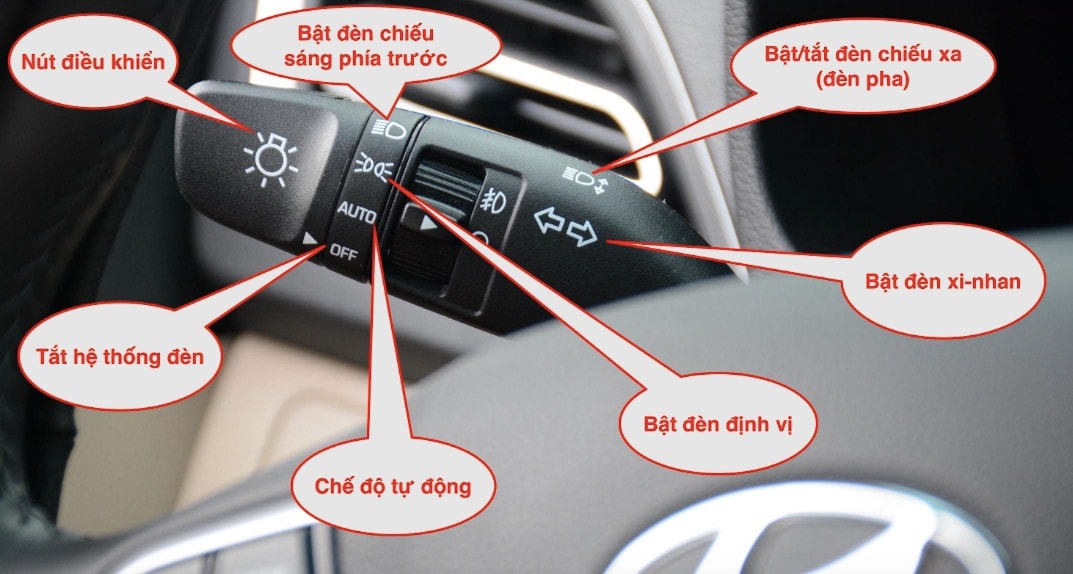
Therefore, turning on your headlights when entering a tunnel is not just a regulation, but also demonstrates civilized traffic awareness and responsibility for your own safety and the safety of the community.
In the context of increasingly developed urban areas with numerous complex road tunnels and parking garages, forming the habit of turning on headlights when entering tunnels has become essential to minimize accidents and protect the safety of everyone.