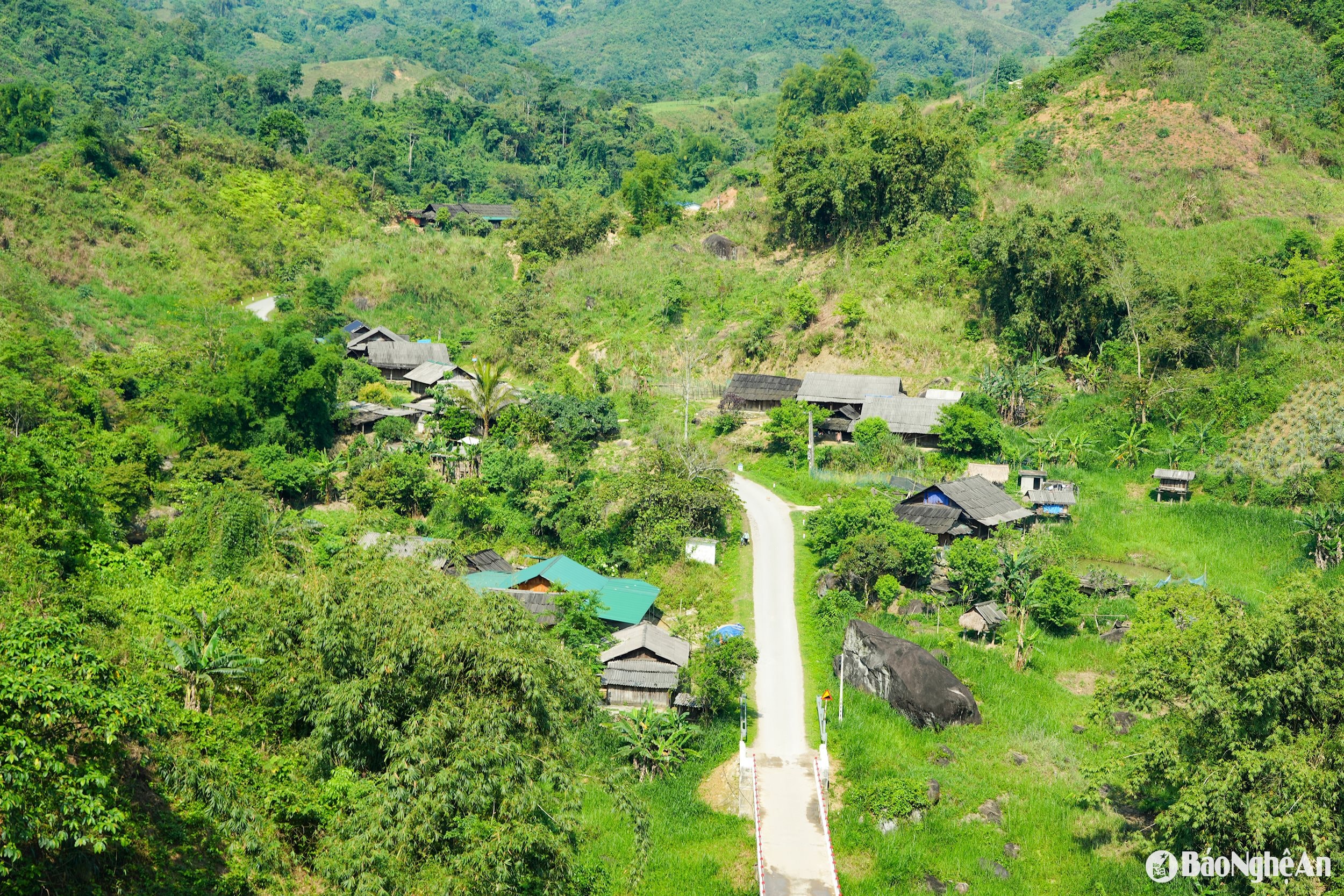
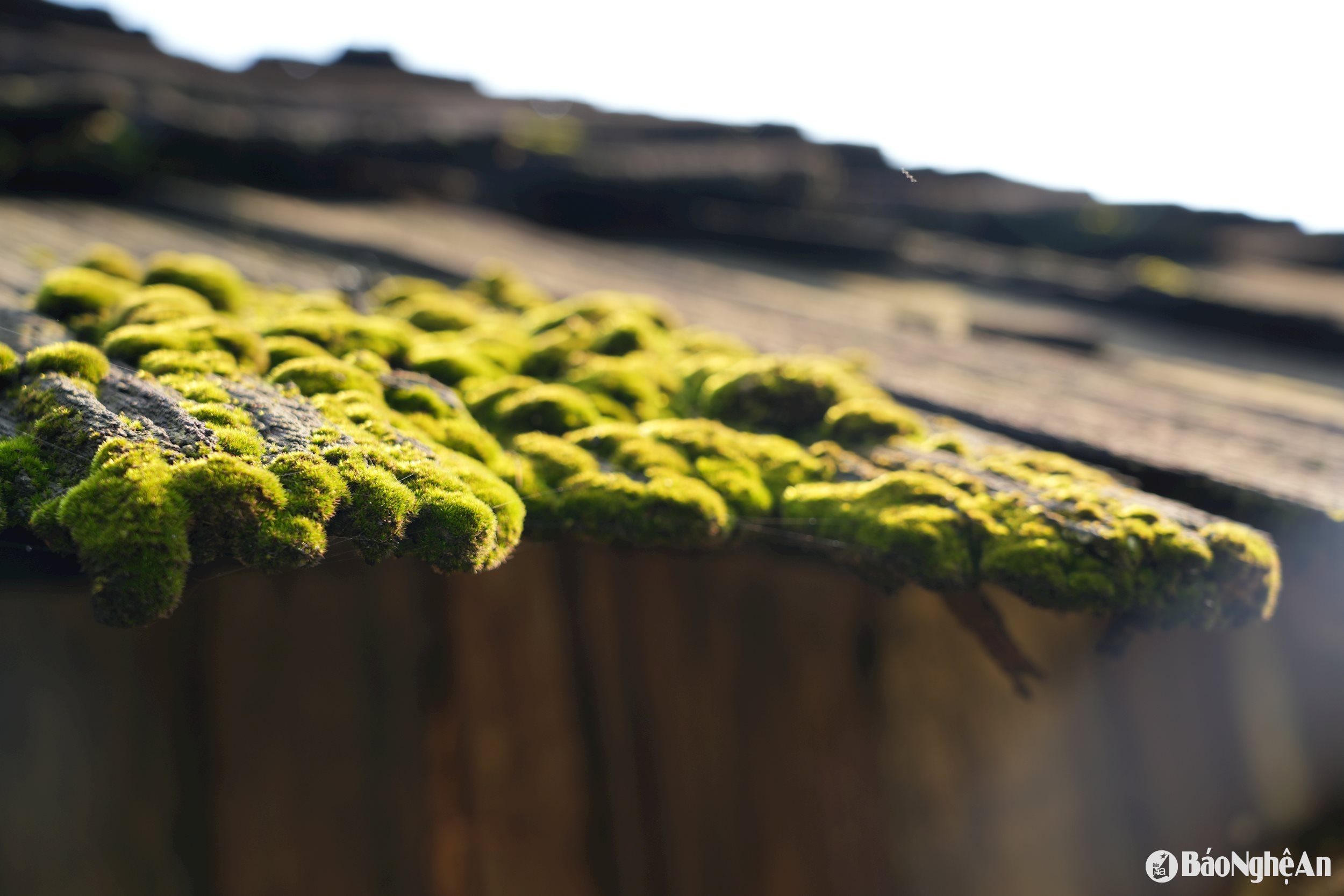
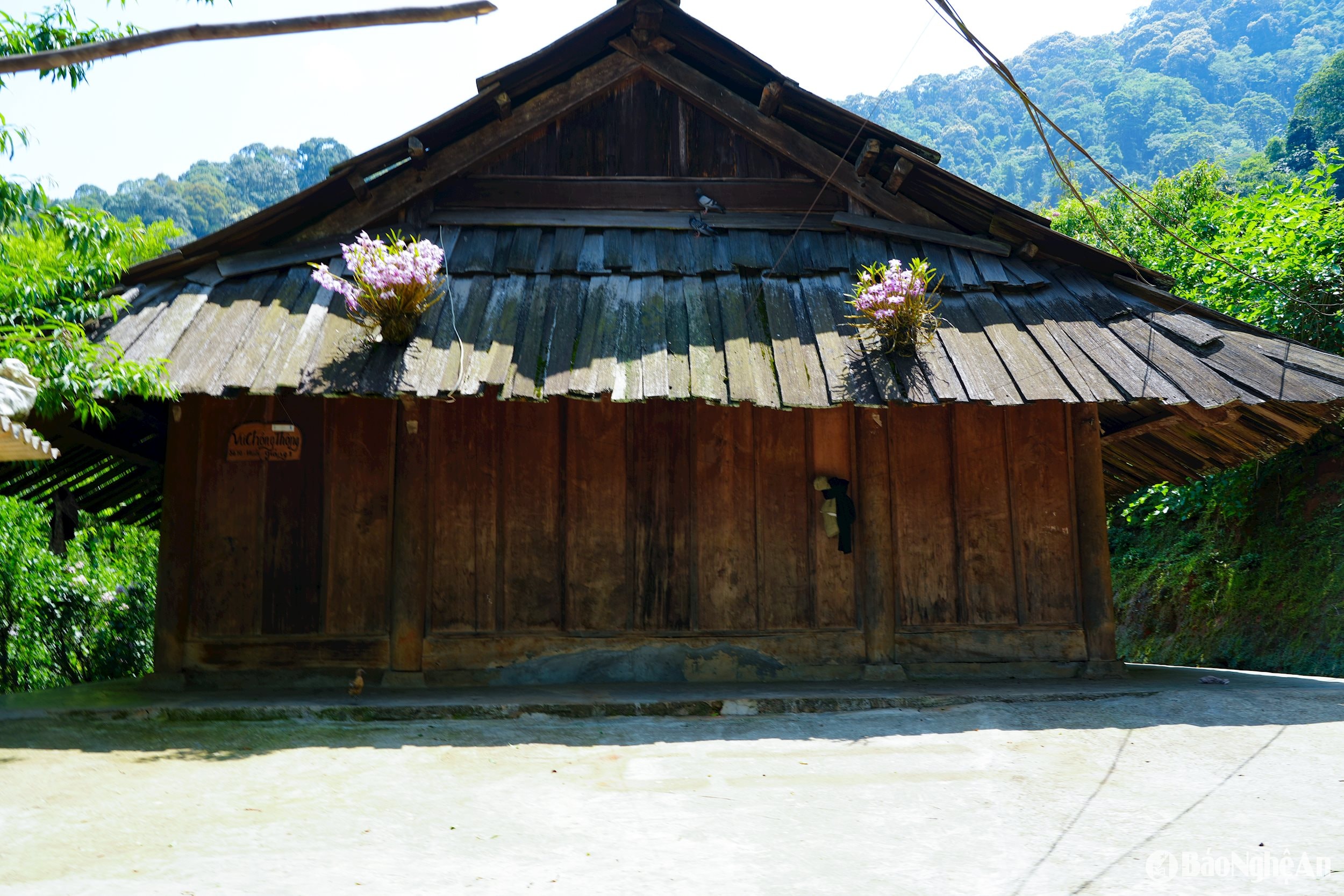
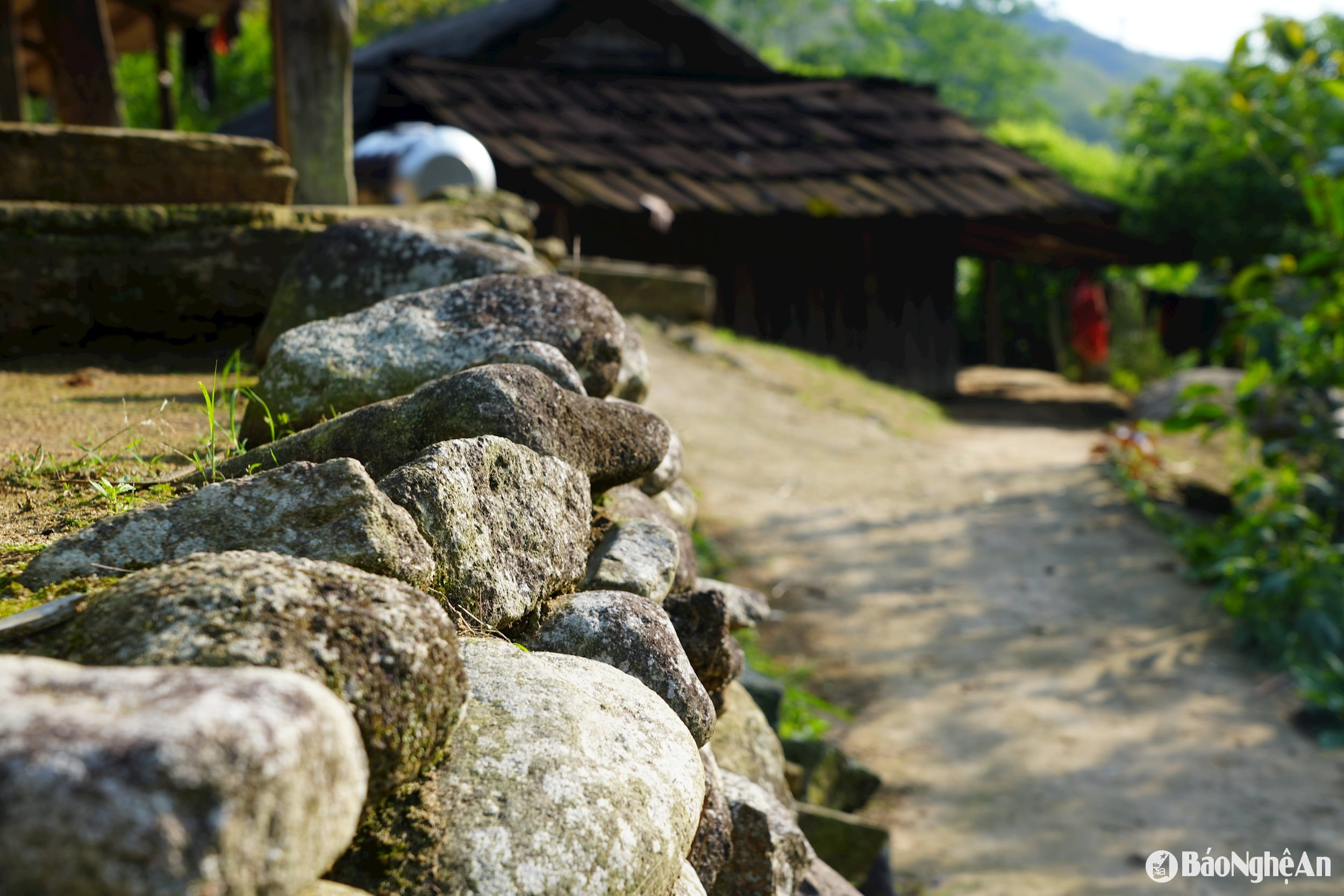
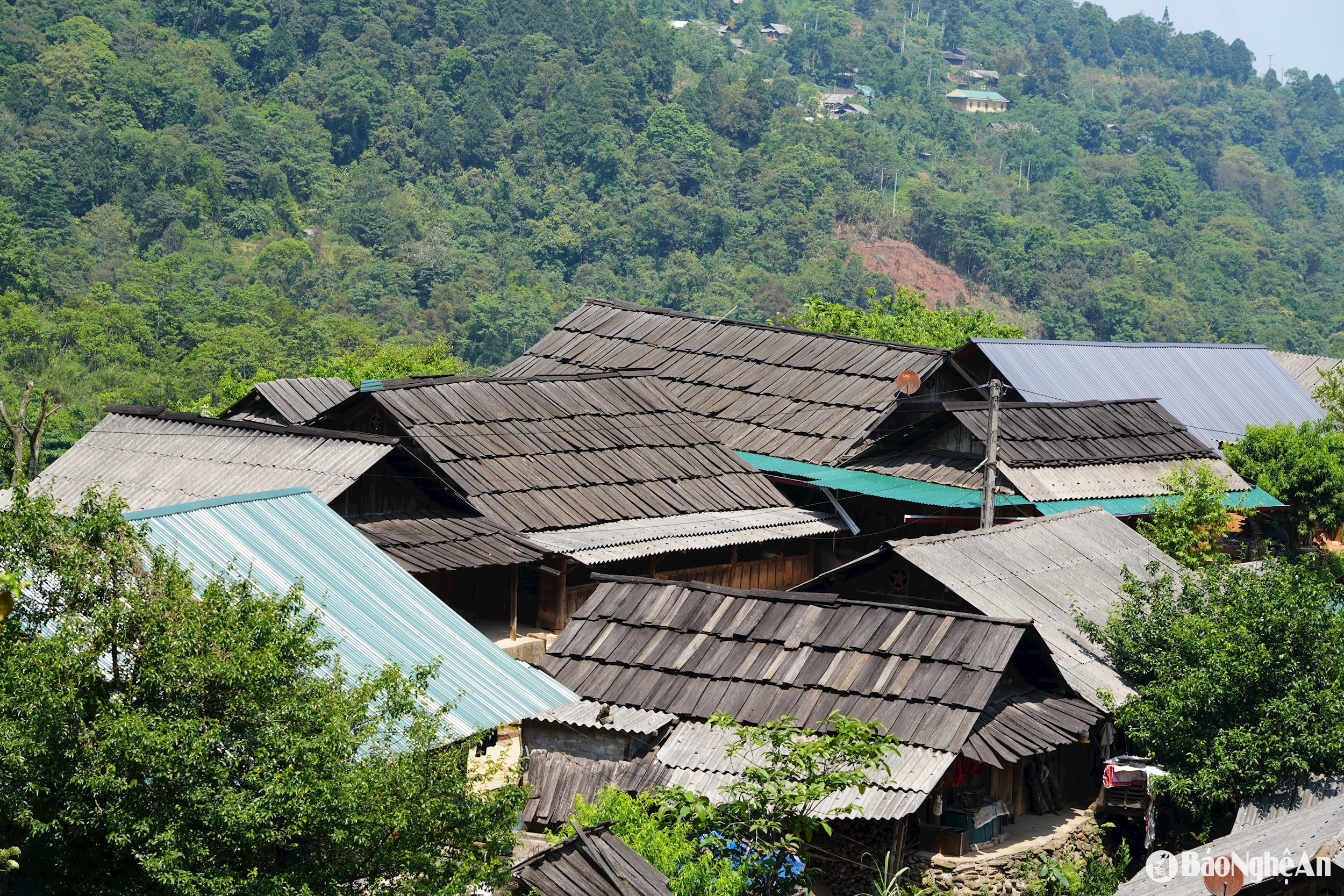
In the cloud-covered villages of Ky Son (Nghe An province), the thatched roofs of houses made of samu wood, blanketed in green moss, silently embrace the villages like a tranquil melody. Amidst the whirlwind of change, the people and authorities here are carefully preserving each samu roof as if preserving the very soul of the mountains and forests.
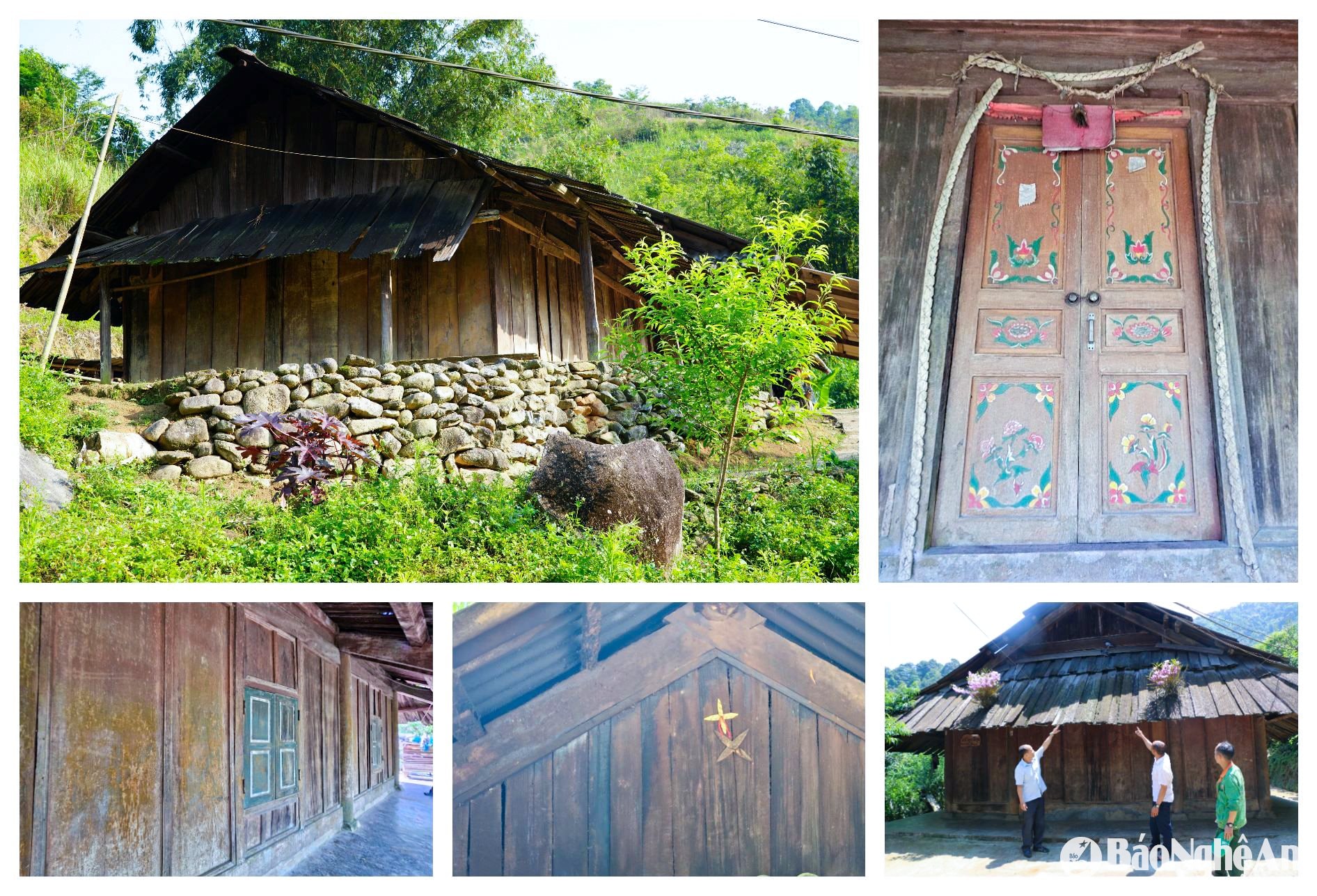
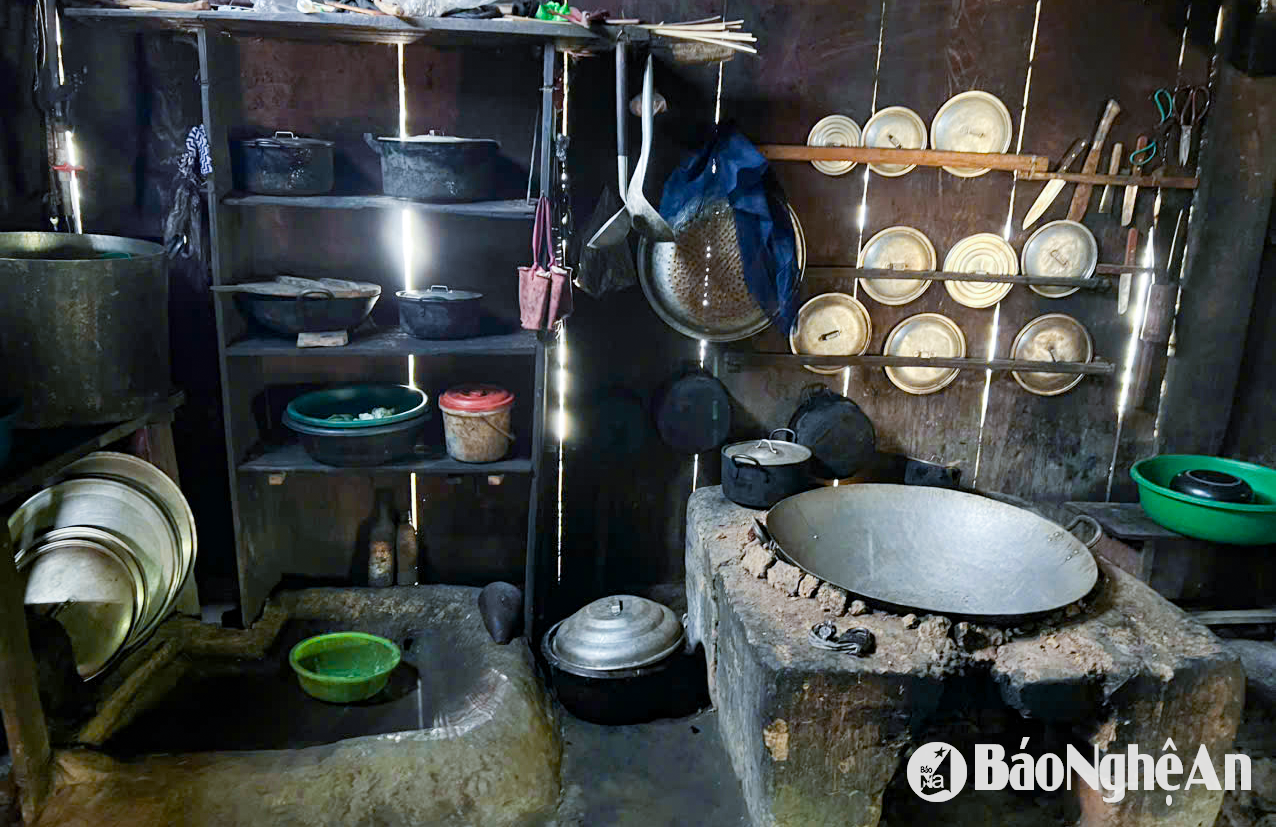
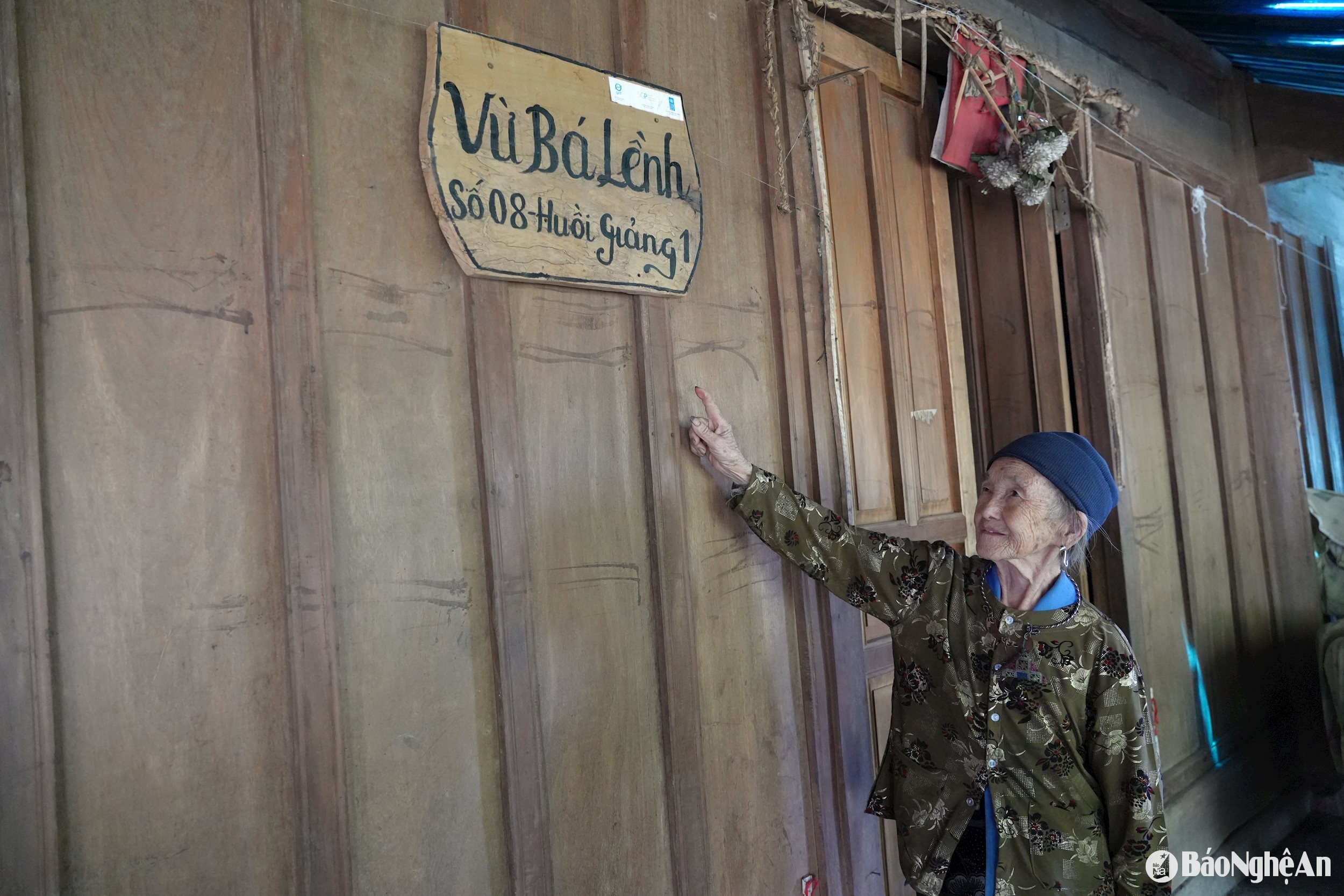
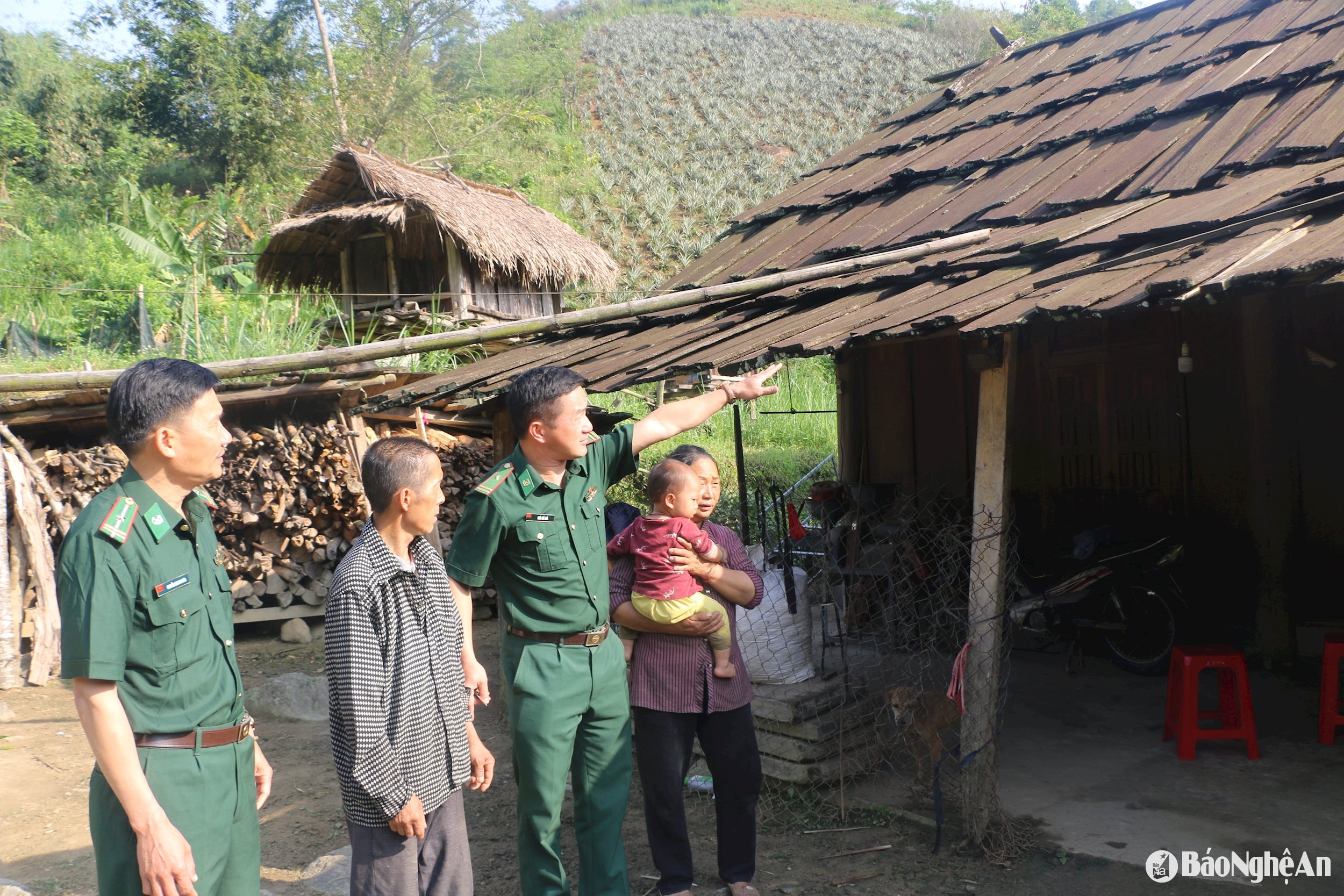
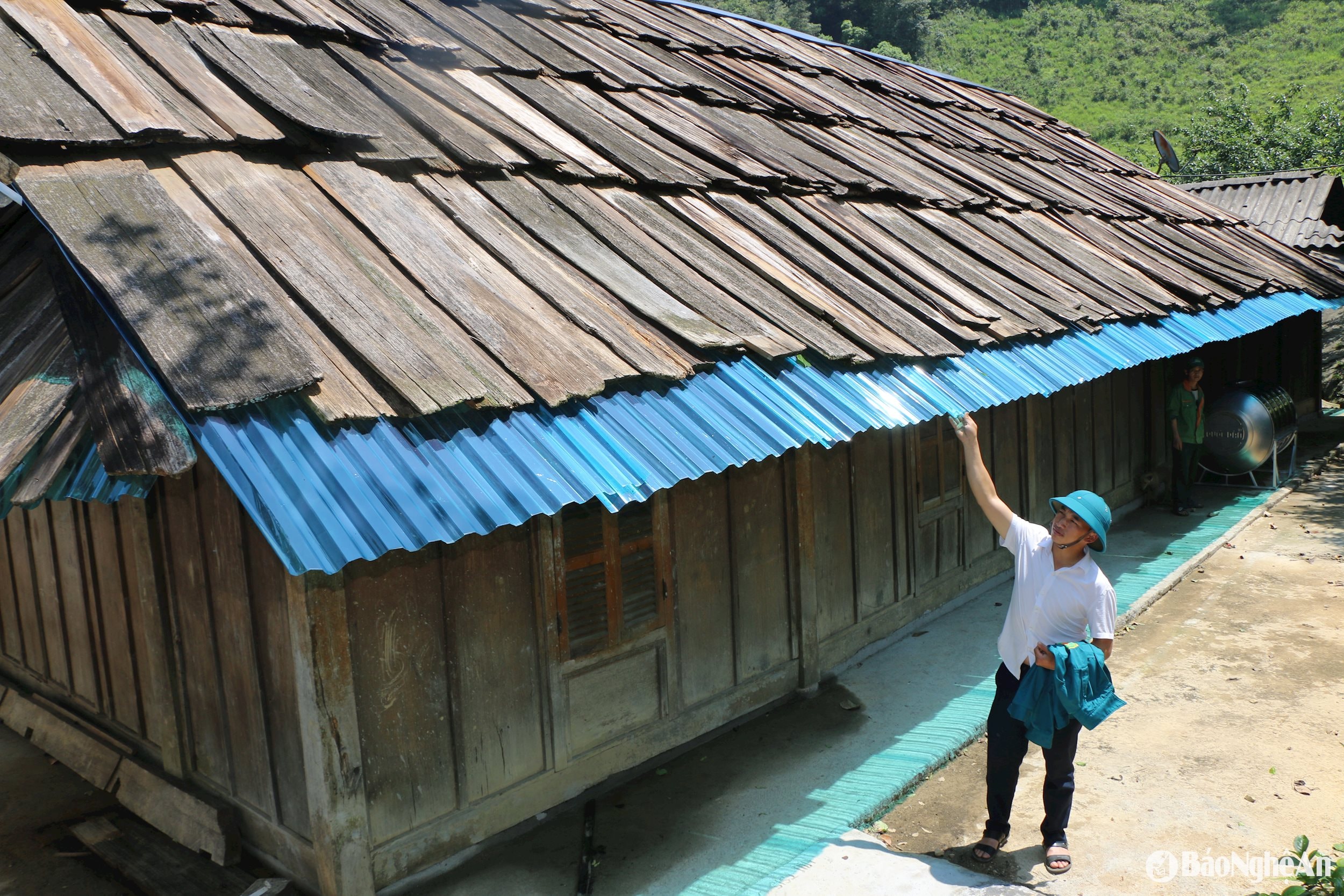
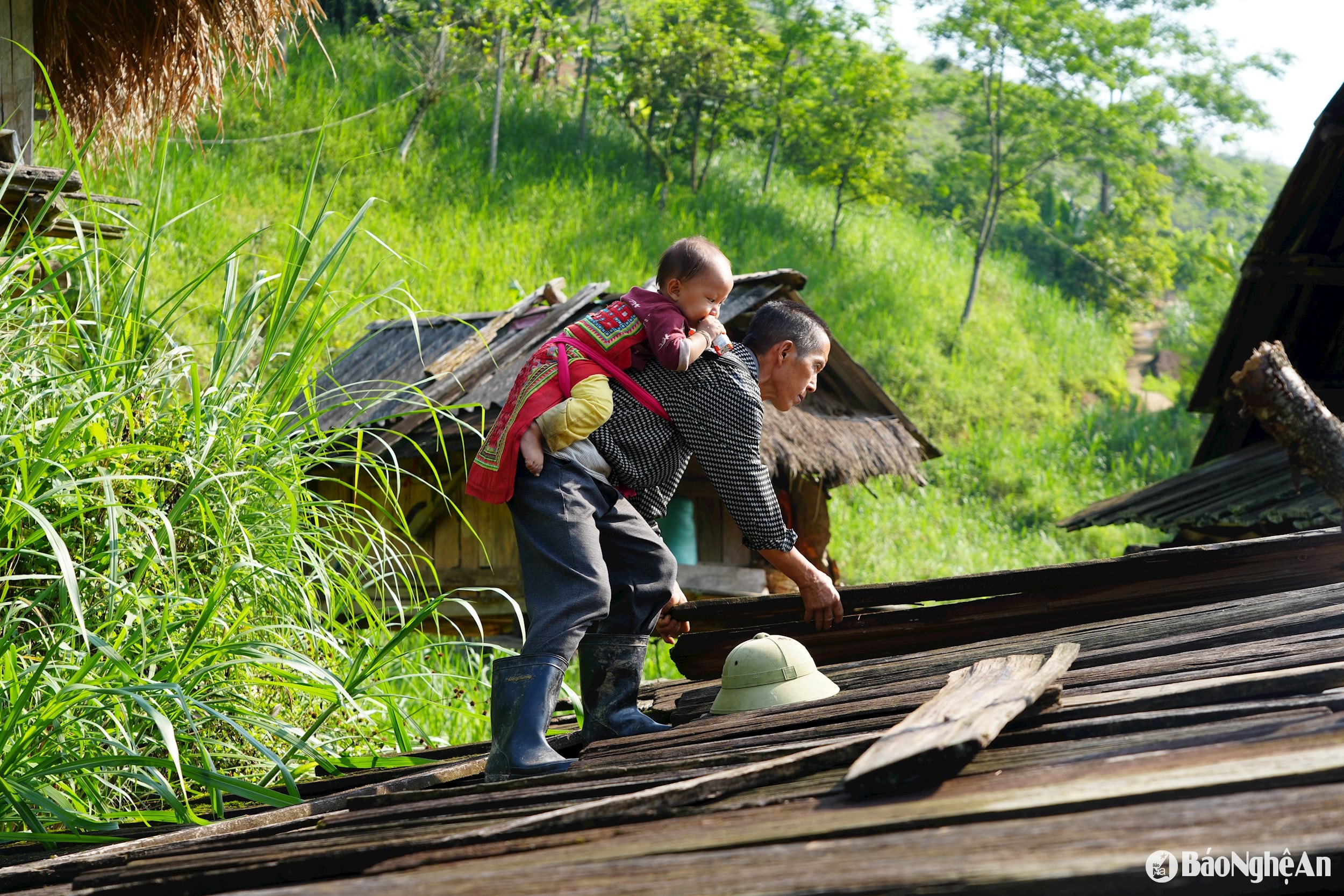
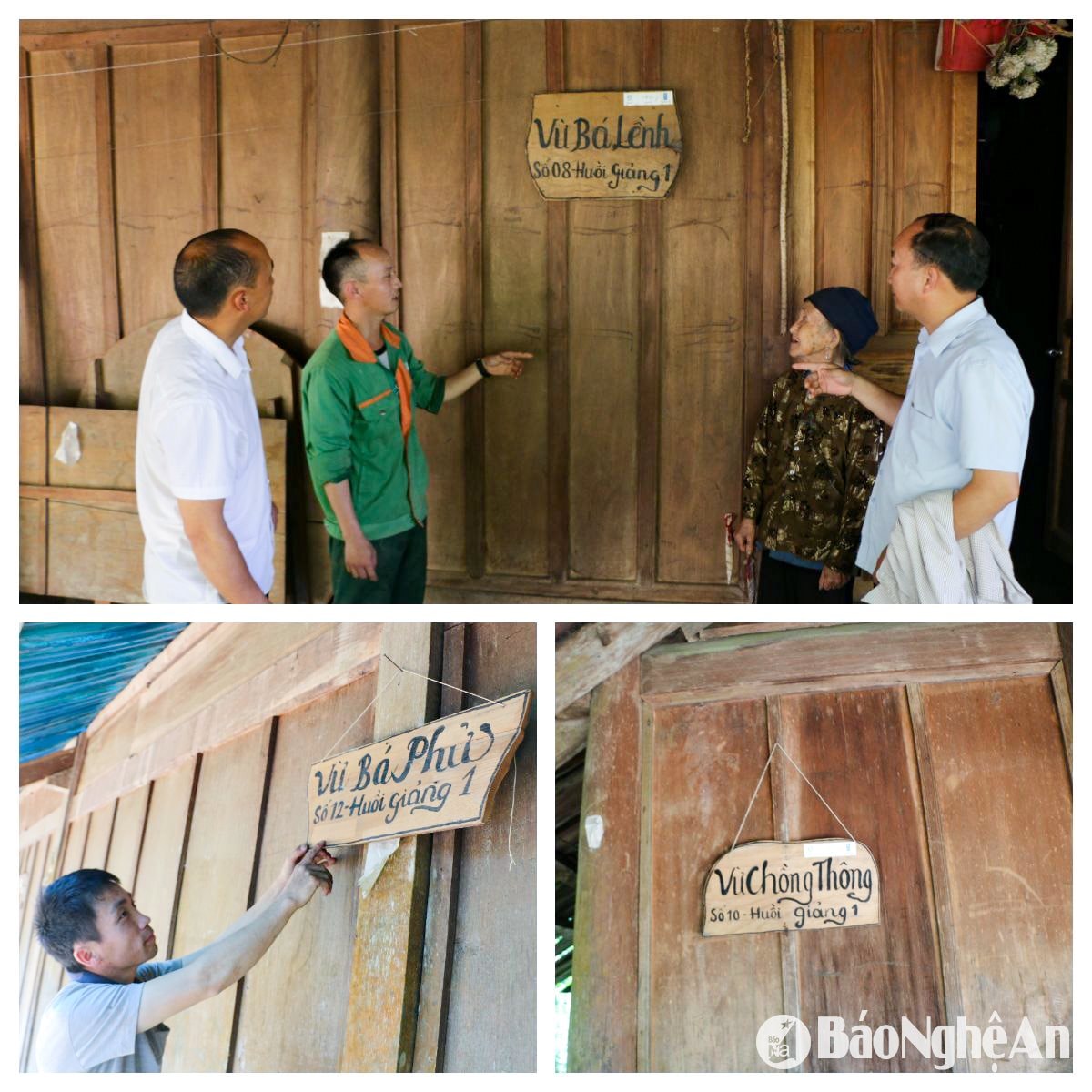
Nestled amidst the mountains and mountain passes, the moss-covered samu wood roofs stand out as serene brushstrokes in the vast wilderness. In the photo: The road leading to Buoc Mu 2 village (Na Ngoi commune, Ky Son district) is dotted with houses thatched with samu wood. Photo: Thanh Phuc The sturdy samu wood planks, standing firm for centuries, are covered in green moss, stained with the passage of time and bearing the marks of nature's harshness. Photo: Thanh PhucEach samu plank is handcrafted and interwoven, embracing the rainy and sunny seasons of the border region. Photo: Khanh LyThe skillfully arranged stone fences, also tinged with the patina of time, further enhance the ancient beauty of each Hmong house. Photo: Thanh PhucThe patterns and carvings vividly reflect the unique characteristics of Hmong architecture. Photo: Thanh PhucThe interior of the old house, where all the furnishings still retain the rustic, original charm of the Hmong people. Photo: Khanh Ly"This house, this samu roof, has been here since my grandfather's and father's time. It's been a hundred years. The samu roof is like a close friend, witnessing countless generations in this house," said Mr. Lau Y Ia (96 years old, Huoi Giang 1 village, Tay Son commune). Photo: Thanh PhucThrough generations, the traditional house has remained a warm home, the birthplace of simple dreams. In the photo: The half-century-old samu-roofed house of Mr. Gia Phai Chia's family, Buoc Mu 2 village, Na Ngoi commune. Photo: Khanh Ly To date, Ky Son district has nearly 100 houses with samu-roofed roofs. The highest concentration is in Tay Son commune. Mr. Vu Ba Re, Vice Chairman of the Tay Son Commune People's Committee, said: “Tay Son has 6 villages, 100% of which are inhabited by the Mong ethnic group. Currently, the people still preserve 85% of the traditional house structures. However, over time, many houses hundreds of years old with samu-roofed roofs are at risk of disappearing due to various factors. We hope that specialized agencies will have a plan to support the people in preserving the traditional houses in the commune, to maintain the architecture of Mong houses, and at the same time serve tourism.” Photo: Thanh Phuc In the whirlwind of time, the traditional samu tile roofs are gradually disappearing. While some households use corrugated iron or fired clay tiles for convenience, others still strive to preserve the old houses, as if holding onto the memories of their village. In the photo: Due to the passage of time, the samu wooden planks have cracked, causing leaks. The family of Mr. Vu Ba Phu has had to use transparent plastic sheets as a lining underneath the samu wood. Photo: Khanh LyMr. Già Xái Phia's household (Bước Mú 2 village, Na Ngoi commune) stockpiles samu wood planks to replace cracked or leaking ones. Photo: Khánh Ly Besides the efforts of the people, the Ky Son district government actively supports and accompanies the people in preserving the ancient house heritage. In the photo: The samu roofs are numbered to facilitate inventory and preservation work. Photo: Thanh Phuc Implementing the Project on Preserving, Promoting, and Maintaining the Cultural Identity of Ethnic Minorities in Ky Son District, the local authorities are initially continuing to mobilize and educate the people to preserve their cultural identity, especially the traditional houses made of samu wood. In the photo: Officers from the community mobilization team of Na Ngoi Border Guard Post (Nghe An Border Guard Command) visit and encourage people in Buoc Mu village to preserve their traditional houses. Photo: Khanh LyClip: Thanh Phúc - Khánh Ly