Unlocking tourism potential from local products.Uncle Ho's hometown
Thanh Phuc•May 16, 2025 14:26
In the midst of May, surrounded by the fragrant scent of lotus flowers, pilgrims flock to Nam Dan – the birthplace of President Ho Chi Minh, a shared homeland in their journey of gratitude. Beyond the historical sites associated with the great leader, visitors are now captivated by the local products embodying the soul of Nam Dan's land and people. Simple, traditional OCOP (One Commune One Product) products like rose wine, kudzu root, lotus tea, and soy sauce are gradually becoming highlights on the map of heritage tourism, if properly elevated and promoted.
Local products that attract tourists.
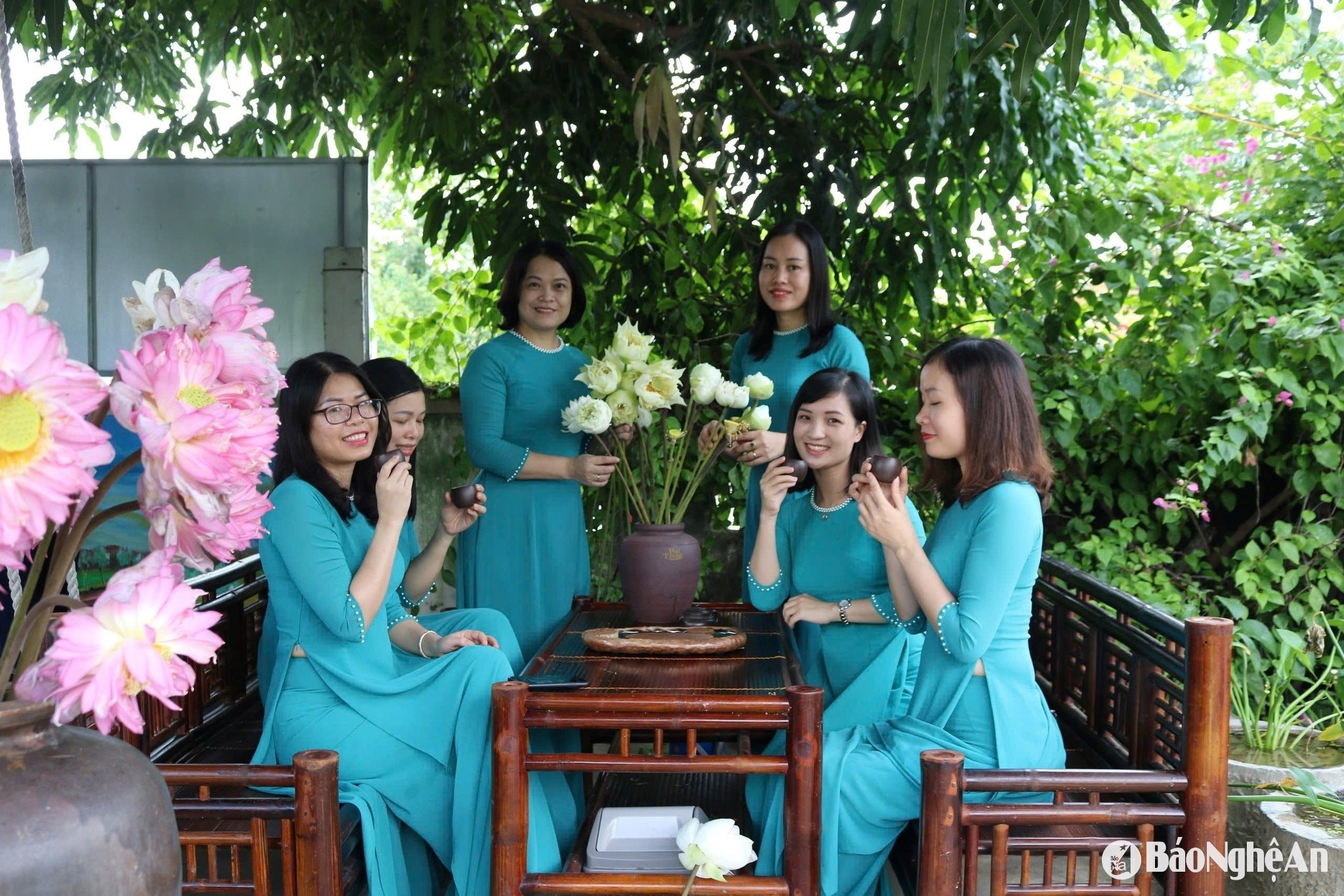
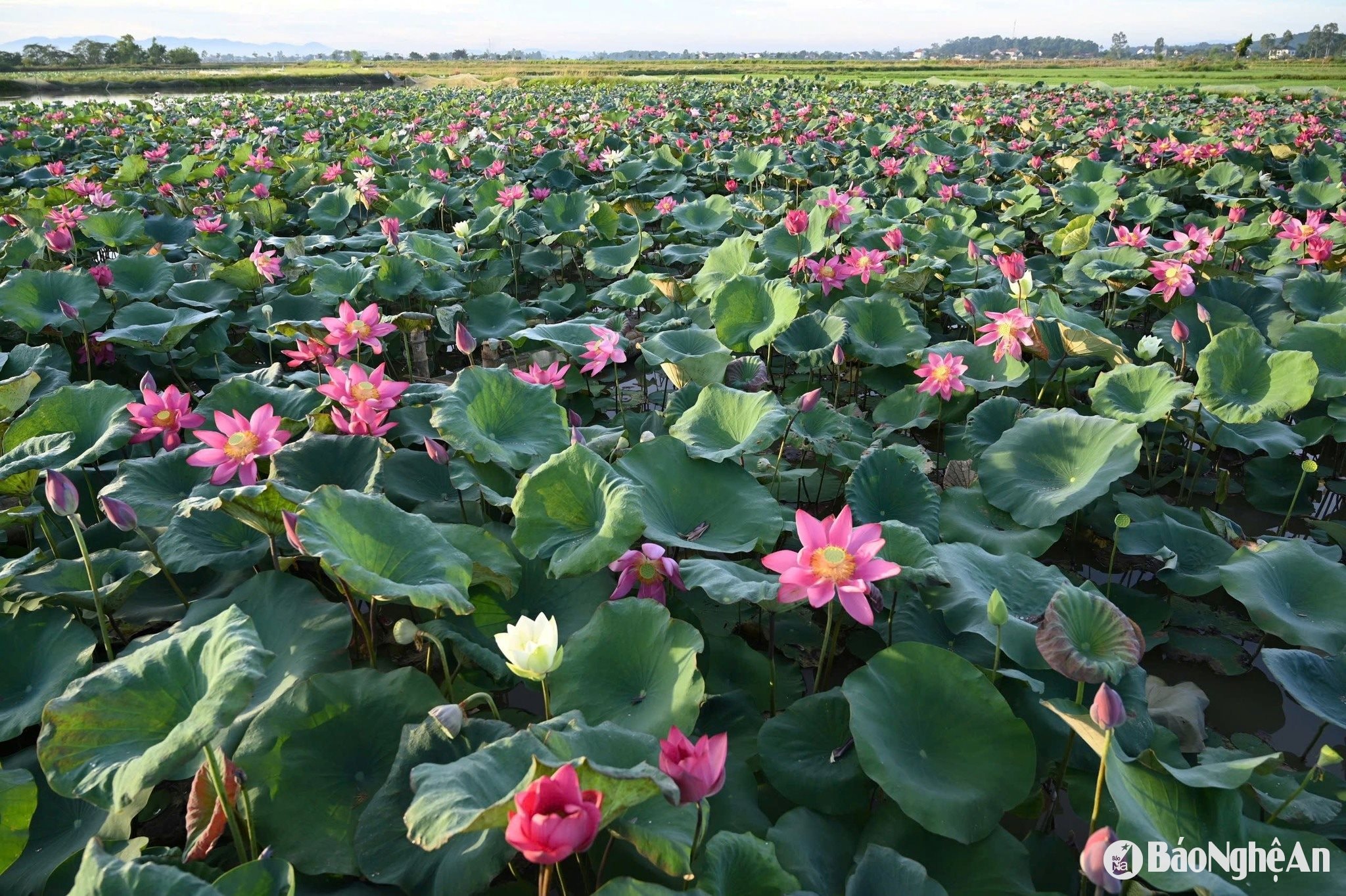
In May, the lotus season arrives, and pilgrims from all over the country make a pilgrimage to President Ho Chi Minh's birthplace – our shared homeland. Photo: TP
“On my first visit to Nam Dan, I was not only moved by visiting President Ho Chi Minh's birthplace, but also surprised by the local specialties. I bought some cassava starch and rose wine to take home as gifts. They were both delicious treats and evoked memories of a journey back to my roots filled with emotion,” shared Ms. Nguyen Huong Ly, a tourist from Lam Dong, after her visit to Nam Dan last April.
In recent years, Nam Dan has made a mark on tourists not only because of its historical sites such as the Kim Lien historical site, the birthplace of President Ho Chi Minh's paternal and maternal families, but also thanks to its authentic local products, meticulously processed, closely linked to local life, and certified under the OCOP program.
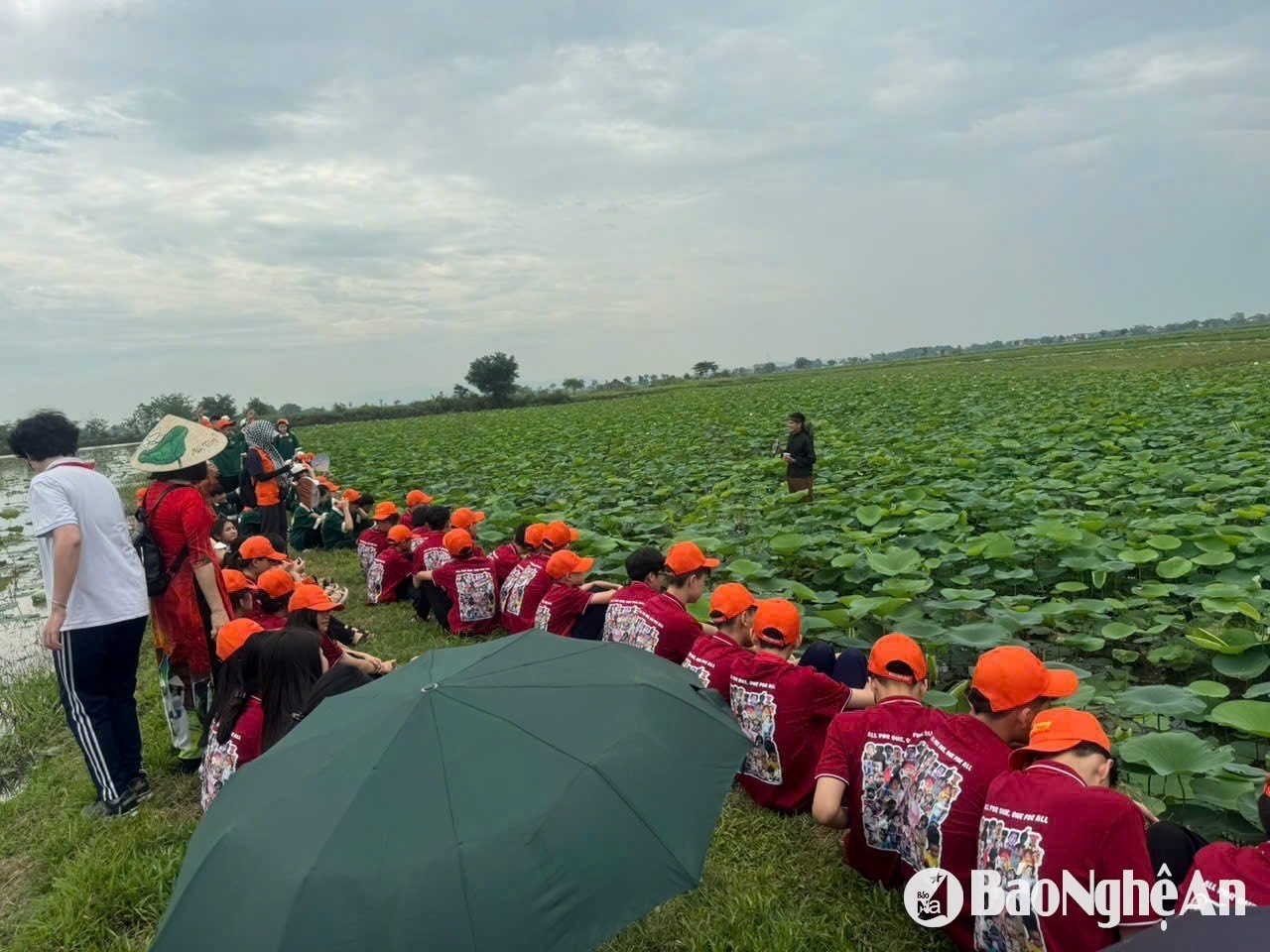
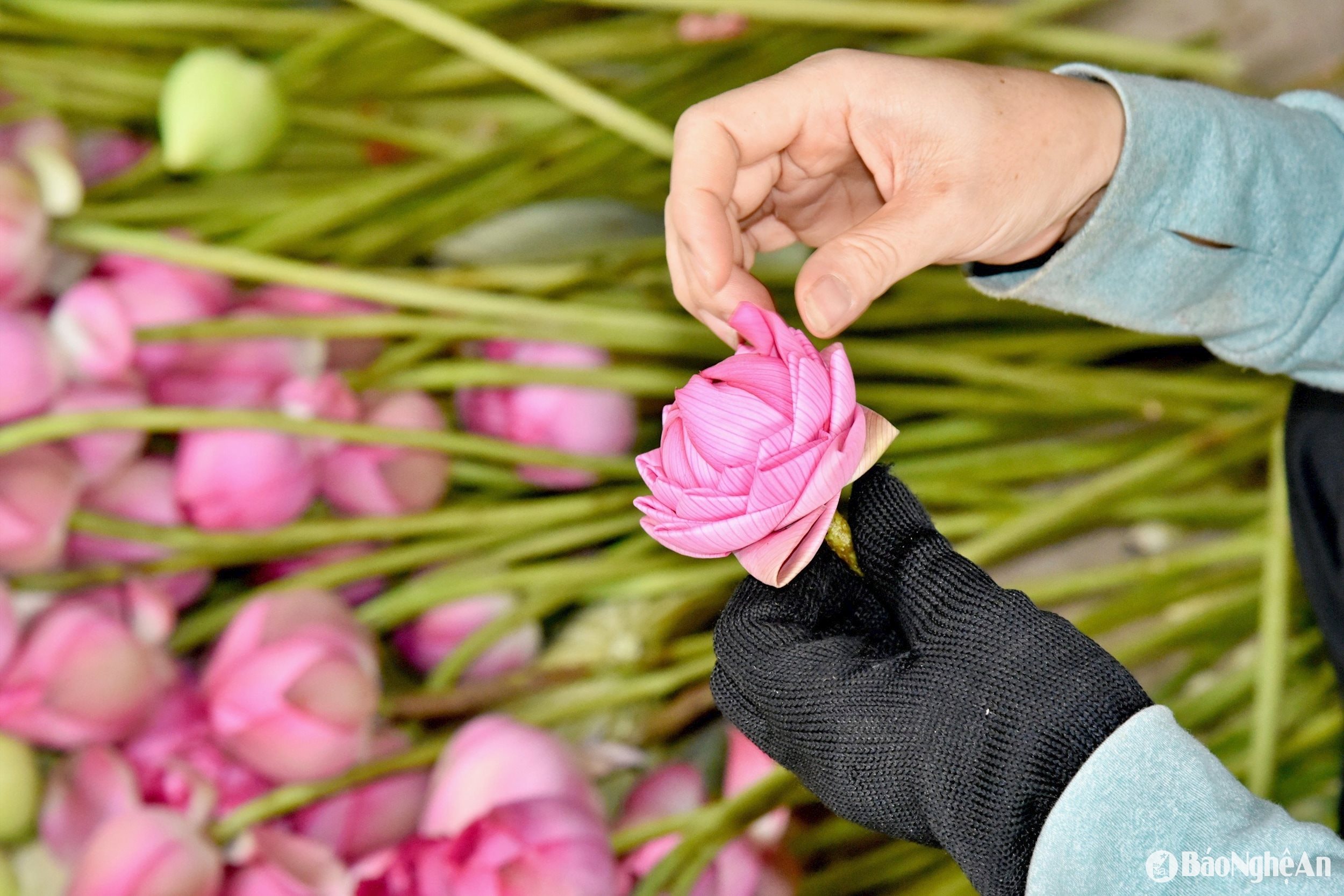
Tourists experience the process of planting, caring for, and harvesting lotus flowers. Photo: TP.
After more than 5 years of implementing the One Commune One Product Program, Nam Dan has now affirmed its leading position in the province in terms of the number of products achieving OCOP star ratings. To date, the entire district has 81 products recognized as OCOP 3-star or higher, accounting for more than 20% of the total number of products achieving OCOP stars in the province.
Of these, 72 products belong to the food group, 5 to the herbal group, and 4 to the beverage group. This not only demonstrates the efforts of the businesses involved but also reveals great potential for developing tourism linked to local products.
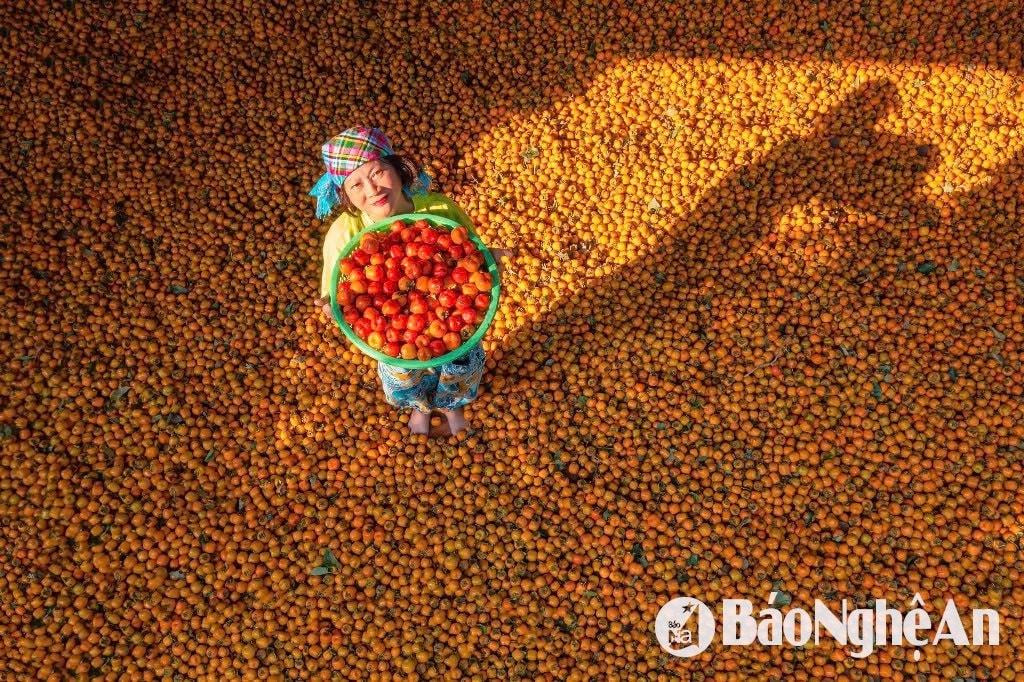
Persimmon trees - the king of persimmons - are selected for making OCOP-certified persimmon wine. Photo: Quoc Dan
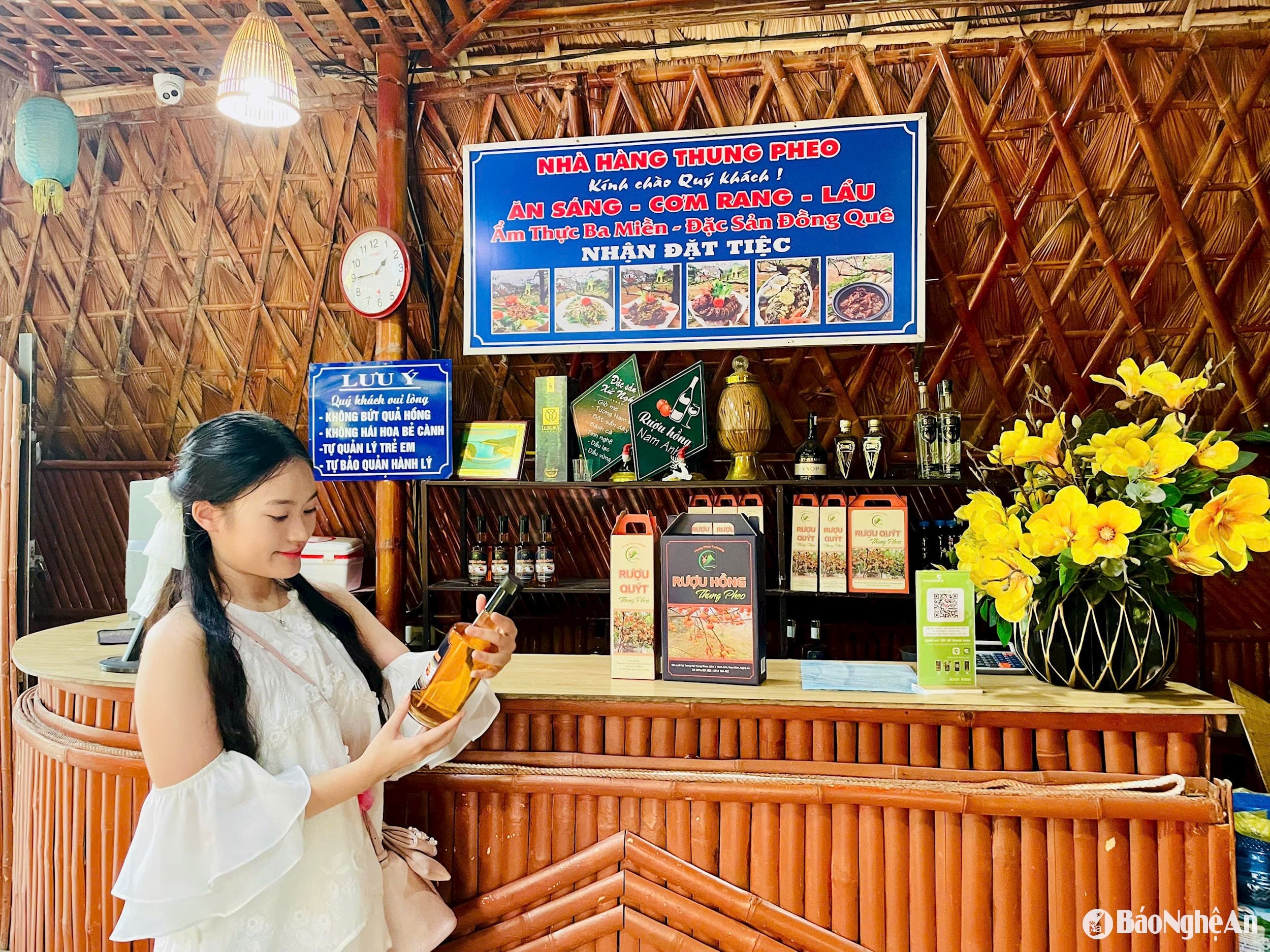
Among them, the fruit wine products from the production facility in Thung Pheo Ecological Zone (Nam Anh commune) stand out. The persimmon and tangerine wines are made using traditional methods, employing distilled white rice wine from local glutinous rice, and carefully selected persimmons and tangerines grown on the hillsides at the foot of Dai Hue mountain.
The product has a golden yellow color, a light aroma, and a mild sweet taste. It is highly valued for its medicinal properties, supporting digestion, blood pressure, and boosting immunity. The product was awarded a 3-star OCOP rating in 2024, is luxuriously packaged, and includes complete labeling information and a product story.
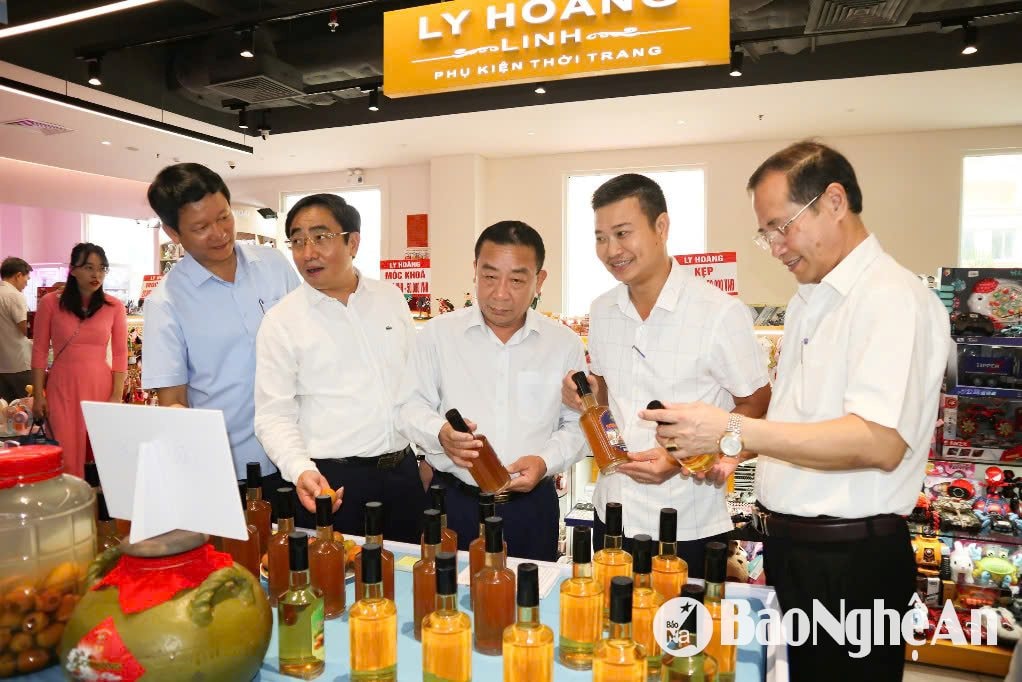
Rosé wine is being widely introduced to the market. Photo: TP
"
As a native of President Ho Chi Minh's homeland, my greatest joy is contributing to promoting the image of Nam Dan to friends both domestically and internationally through local products.
Mr. Nguyen Van Tuyen, the owner of two OCOP products, rose wine and tangerine wine, shared:
“Visitors can tour the rose garden, experience the production process, and taste the wine on-site. We have built a farmstay model, with a relaxing space and welcome guests on tours to the historical roots. As a son of President Ho Chi Minh's homeland, my greatest joy is contributing to promoting the image of my hometown, Nam Dan, to friends at home and abroad through local products,” shared Mr. Nguyen Van Tuyen, the owner of two OCOP products: rose wine and tangerine wine.
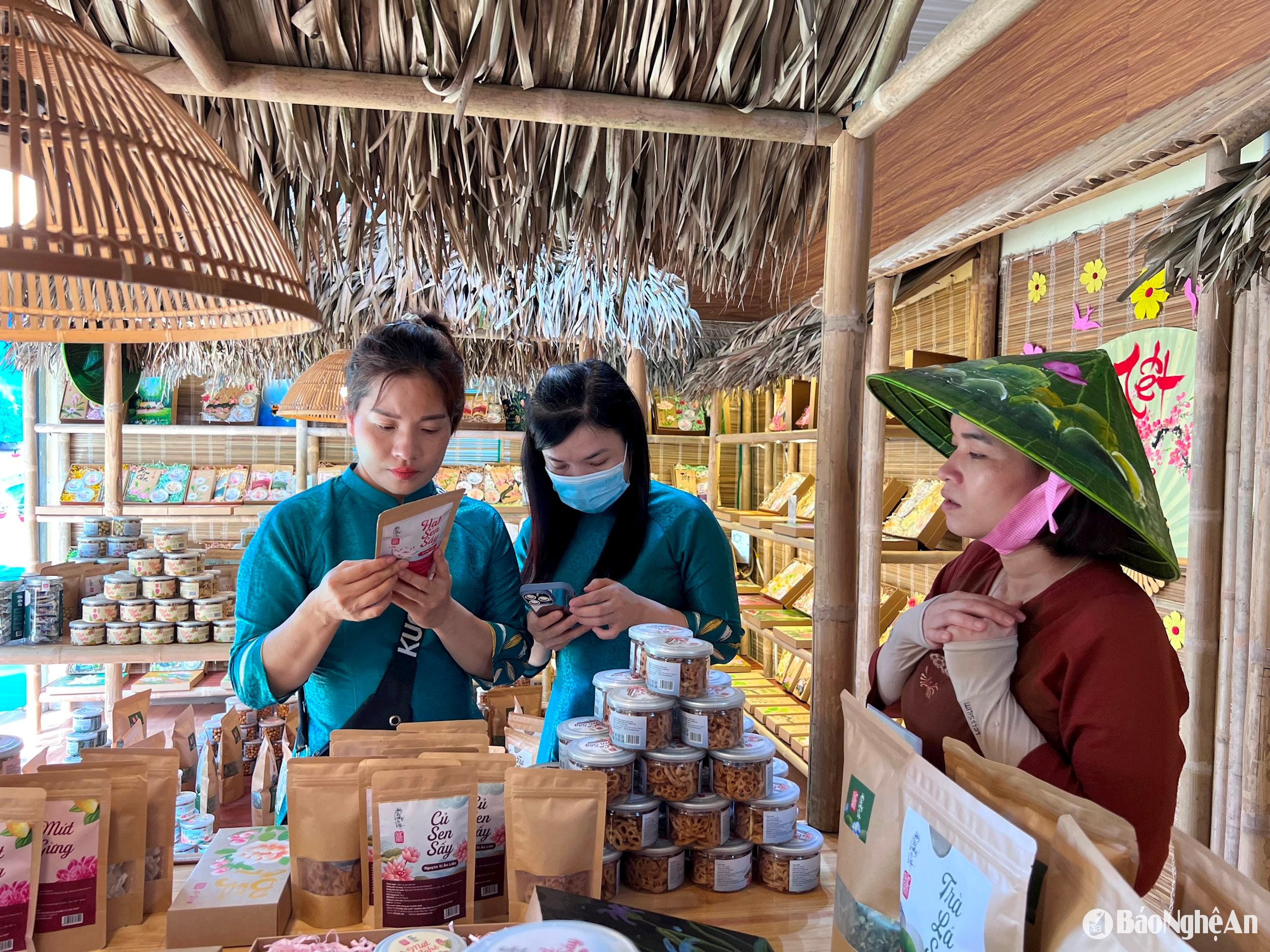
In May, Nam Dan is infused with the fragrant scent of lotus flowers. Visiting Kim Lien, tourists can immerse themselves in this pure aroma, pick lotus flowers themselves, fold the petals, infuse them into tea, and enjoy cups of pure lotus tea in the peaceful atmosphere of a local cooperative. They can also freely choose unique lotus-based products such as lotus tea, dried lotus seeds, lotus cakes, etc., from the OCOP (One Commune One Product) stalls.
nh
"
"The feeling of sipping lotus tea and personally folding lotus petals in a peaceful countryside setting is truly an unforgettable experience."
Mr. Pham Van Quy, a tourist from Ho Chi Minh City, explained express
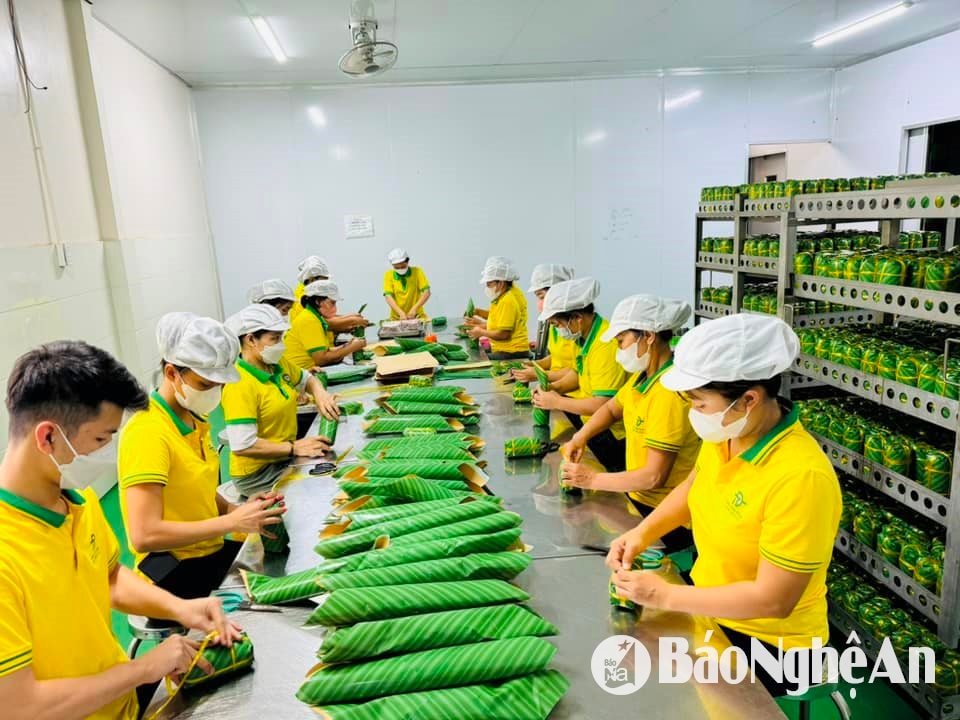
Another noteworthy OCOP destination is the Dai Hue Green Agricultural Cooperative, which preserves and develops the traditional craft of making cassava starch. Nam Anh cassava starch has long been considered a valuable medicine in traditional medicine, with effects such as cooling and detoxifying the body. From a few initial individual products, the cooperative has now upgraded to a diverse range of products such as lemon-flavored cassava starch, passion fruit-flavored cassava starch, etc., all beautifully packaged, clearly labeled, and guaranteed to be safe and hygienic.
The cassava starch production space at the cooperative is designed to be open, welcoming visitors to observe the clean and safe processing procedures. Many tourist groups - especially young people - have chosen to visit the cooperative to experience this when they come to President Ho Chi Minh's hometown.
A traditional soy sauce production facility in Nam Dan. Photo: TP
Furthermore, traditional soy sauce production facilities have also become cultural discovery destinations. Tourists can experience each step of the soy sauce making process, hear stories about this humble condiment steeped in human kindness, and thus develop a greater appreciation for this hardworking yet hospitable land.
The "boost" to turn OCOP into a tourism product.
Despite noticeable improvements, the reality is that most OCOP products in Nam Dan remain high-quality agricultural products and have not truly developed into products serving tourism. This somewhat detracts from the complete experience of tourists visiting President Ho Chi Minh's hometown.
OCOP products are not yet widely available at accommodation establishments, tourist areas, and rest stops in Nam Dan. Photo: TP
One of the first obstacles is the lack of distinctiveness and brand recognition. Many products still have similar designs, lacking easily recognizable individuality. Even with good quality, if they fail to create a visual and emotional impression on customers, their potential as tourist gifts will be limited. Some OCOP products lack packaging designs that meet gift standards; they haven't been packaged into convenient and luxurious tourist product sets.
The promotion and market connection aspect is also a bottleneck. Although there are display booths at some eco-tourism areas and many OCOP (One Commune One Product) booths in the province, there is still no OCOP display booth for Nam Dan at the Kim Lien historical site system...
More open space is needed for tourists to experience Nam Dan's OCOP products. Photo: TP.
Tourists come and go, with few opportunities to learn about and access local OCOP products. This reduces the chances of commercializing these products and misses out on a significant revenue stream from tourism.
Mr. Nguyen Xuan Huong, a representative of a travel company, shared: "The Nam Dan heritage tour is very attractive, but the connection between destinations and OCOP experiences is still fragmented. If there were a system of OCOP products designed as tourist gifts, served right at the destination, the effect would be very different."
Some producers also lack formal training in tourism product development, market access skills, e-commerce, or brand storytelling. This is why, despite having quality products and traditional value, they haven't yet been able to "upgrade" to become truly valuable tourist souvenirs.
Nam Dan's OCOP (One Commune One Product) products are a popular choice for tourists to buy as souvenirs. Photo: TP.
For Nam Dan's OCOP products to truly become an integral part of the heritage tourism journey, a synchronized and systematic approach is needed from many sides – from the government and supporting organizations to the OCOP producers themselves.
First, focus on developing OCOP products to serve tourism: attractive designs, elegant packaging, easy to carry, and easy to promote. Thematic product "combos" should be created, such as "Gifts from Uncle Ho's Hometown," "Flavors of Nam Dan," or "Health and Wellness from Sen Village," to make it easier for customers to choose. At the same time, each product should be linked to a story – a cultural or historical snapshot, or a specific person – to create emotional depth for buyers.
The focus should be on developing OCOP products in a way that serves tourism: attractive designs, elegant packaging, easy to carry, and easy to promote. Photo: TP
In addition, it is necessary to organize permanent or rotating OCOP (One Commune One Product) stalls at major tourist destinations in the district, especially during events and festivals related to the origins of Vietnam. Simultaneously, the locality should collaborate with travel agencies and accommodation establishments to integrate OCOP products into the visitor experience and reception areas.
In parallel, it is necessary to strengthen skills training for OCOP producers, build brands, communicate products, sell online, and participate in trade fairs and product exhibitions in a professional manner. At the same time, a long-term, systematic, multi-channel communication strategy is needed to tell the stories of Nam Dan's OCOP products in a more engaging and vivid way.
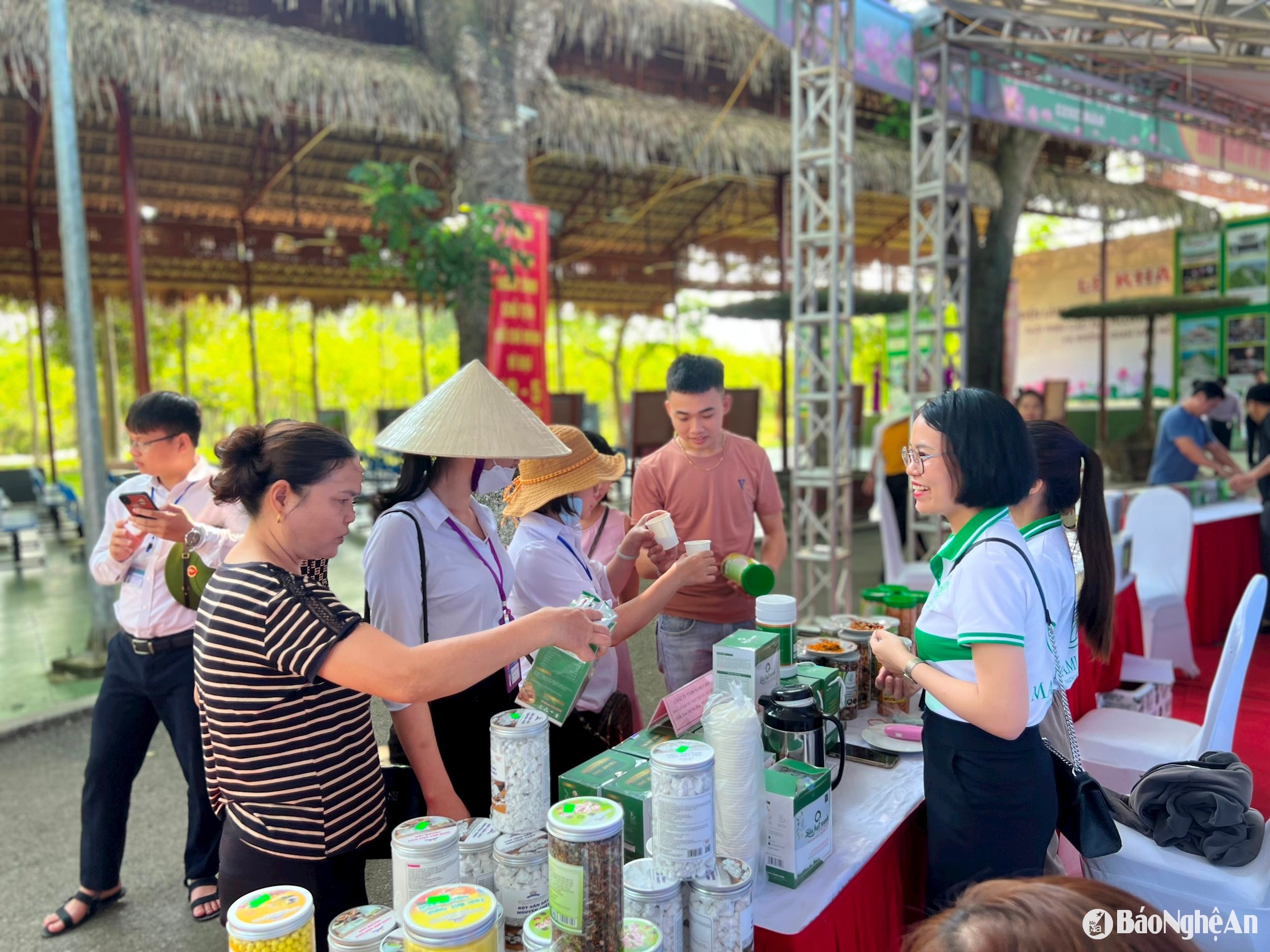
Displaying OCOP products in President Ho Chi Minh's hometown at the 2024 Sen Village Festival. Photo: TP
Today's journey to President Ho Chi Minh's hometown is not only a trip to our roots, but also a journey to experience the spirit of the countryside through simple, heartfelt OCOP products. For each gift brought back from Nam Dan to be not just a specialty, but also a cultural message, a "mark of President Ho Chi Minh's hometown" in the hearts of visitors from all over the world, requires collaboration between the government, producers, tourism businesses, and the entire community.


.jpg)