

Reasons why spending too much time in air-conditioned rooms is harmful to your health.
Recently, an article about how sleeping in a closed, air-conditioned room can cause CO₂ buildup, leading to fatigue, headaches, and reduced alertness, has attracted tens of thousands of comments and shares. Let's explore why sleeping in a closed, air-conditioned room for extended periods is harmful to health and some solutions to mitigate the problem.
Modern life, with its air conditioning, has become an indispensable part of it, especially for housewives, students, office workers, and even businesses.
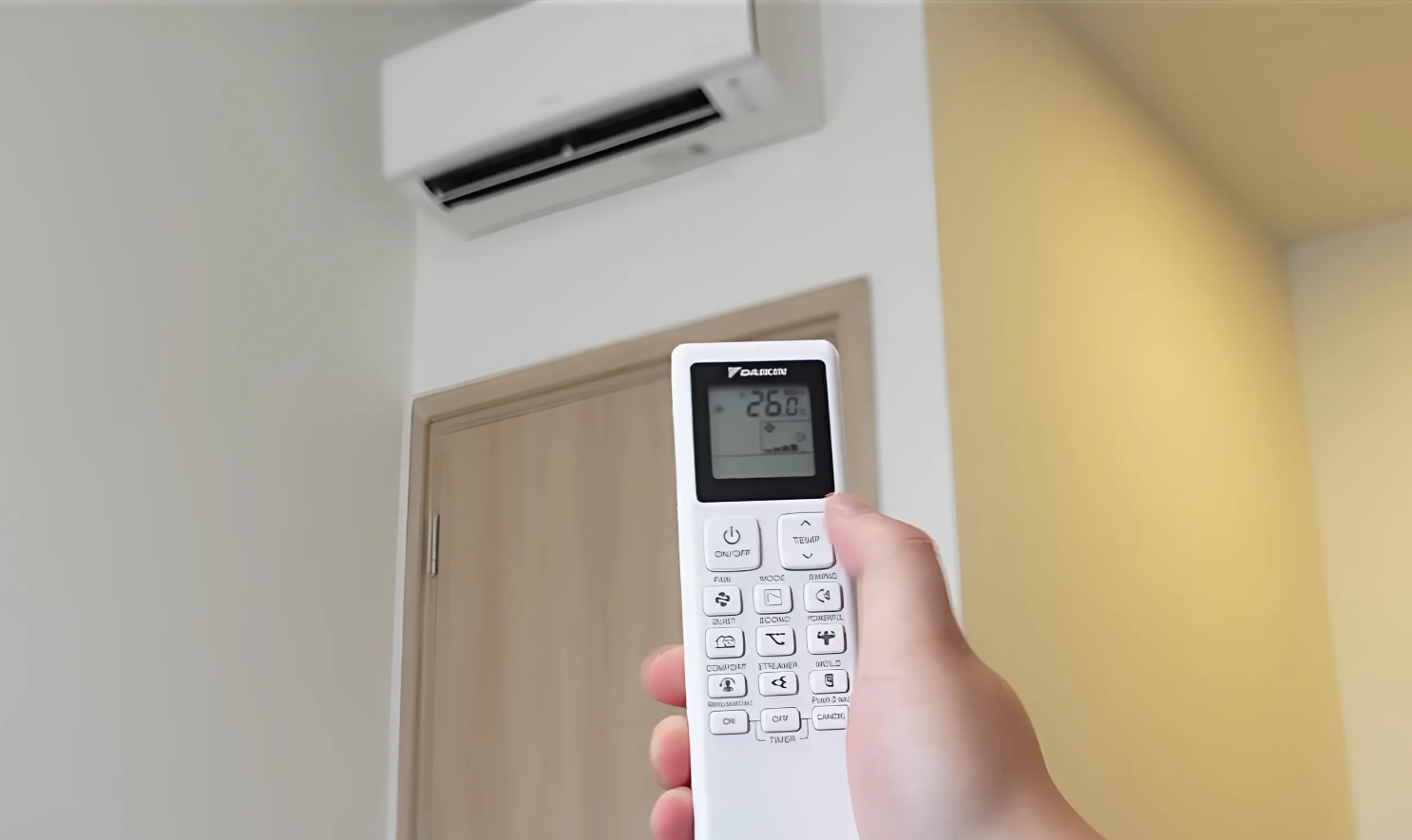
However, excessive use of air conditioning in enclosed rooms, especially for extended periods, can have negative health effects, ranging from minor issues like dry skin and dry eyes to more serious conditions such as respiratory illnesses, weakened immune systems, and even cardiovascular problems.
1. Loss of moisture in the air causes dry skin and dry eyes.
Air conditioners work by removing moisture from the air. When you're in a closed room with an air conditioner, the humidity in the room decreases significantly. This leads to skin dehydration, causing it to become dry, rough, flaky, and even itchy and uncomfortable.
Similarly, dry eyes can cause a gritty, burning, and tired feeling, especially for those who frequently use computers or electronic devices.

Solution:
Use a humidifier to maintain ideal humidity levels in the room (around 40-60%).
Drink enough water every day (2-3 liters).
Use a moisturizer for the skin and eye drops to keep the eyes hydrated.
2. Lack of air circulation creates an ideal environment for bacteria to thrive.
When sleeping in an air-conditioned room, the air doesn't circulate, creating ideal conditions for bacteria, viruses, mold, and other pathogens to thrive.
In particular, if air conditioners are not cleaned regularly, these pathogens will accumulate in the filter and be blown out into the air, causing respiratory illnesses such as rhinitis, pharyngitis, sinusitis, and even pneumonia.

Solution:
Clean your air conditioner regularly (at least every 3-6 months).
Open the windows for natural ventilation for at least 15-30 minutes each day.
Use an air purifier to remove dust and airborne pathogens.
3. Subcutaneous heat shock weakens the immune system, making one more susceptible to illness.
The sudden temperature change when we move from an air-conditioned room to the hot outdoors can cause "thermal shock," weakening the immune system and making the body more susceptible to pathogens. This is especially true for the elderly and children, whose immune systems are still weak, making them even more vulnerable to illness when frequently staying in air-conditioned rooms.
Solution:
Adjust the air conditioner temperature to a moderate level (around 25-27 degrees Celsius).
Turn off the air conditioner about 15-30 minutes before going outside to allow your body time to adapt to the outside temperature.
Dress appropriately when going out in hot weather.
4. Sick building syndrome
For office workers, spending eight hours a day in an air-conditioned, enclosed room can lead to Sick Building Syndrome, with symptoms such as headaches, fatigue, difficulty concentrating, nausea, dizziness, and skin and eye problems. The main causes are air pollution, lack of ventilation, and other environmental factors in the office.

Solution:
Ensure the office is adequately ventilated.
Planting greenery in the office can improve air quality.
Regularly stand up and move around to improve blood circulation.
Use eye protection when working with computers.
5. Risk of cardiovascular effects
Several studies have shown that spending long periods in air-conditioned rooms can affect the cardiovascular system, especially for those with a history of cardiovascular disease. Sudden temperature changes can cause vasoconstriction, increase blood pressure, and raise the risk of cardiovascular disease.
Solution:
Consult your doctor if you have a history of cardiovascular disease.
Adjust the air conditioner temperature to a stable level, avoiding sudden changes.
Exercise regularly to improve cardiovascular health.
Sleeping in an air-conditioned room isn't always harmful; the important thing is to use it wisely and appropriately.
By applying the solutions and advice above, you can enjoy the coolness that air conditioning provides without worrying about negative health effects.
Remember, health is our most precious asset, and taking care of our health is our responsibility!