

8 most easily recognizable signs of weak kidneys
Kidney weakness (chronic kidney disease) is a condition where one or both kidneys are not functioning properly. Below are eight of the most easily recognizable signs of kidney weakness.
What is kidney weakness?
An article on the Tam Anh General Hospital website, with expert advice from Dr. Nguyen Huu Nhat, states that weak kidneys (chronic kidney disease) is a condition where one or both kidneys do not perform their main functions properly, such as removing toxins, filtering blood, and eliminating waste products from the body through urine.
The disease can occur in anyone, especially older adults.
If kidney failure is not detected and treated early, it will cause the body to accumulate waste products and lead to many serious health complications for the patient.
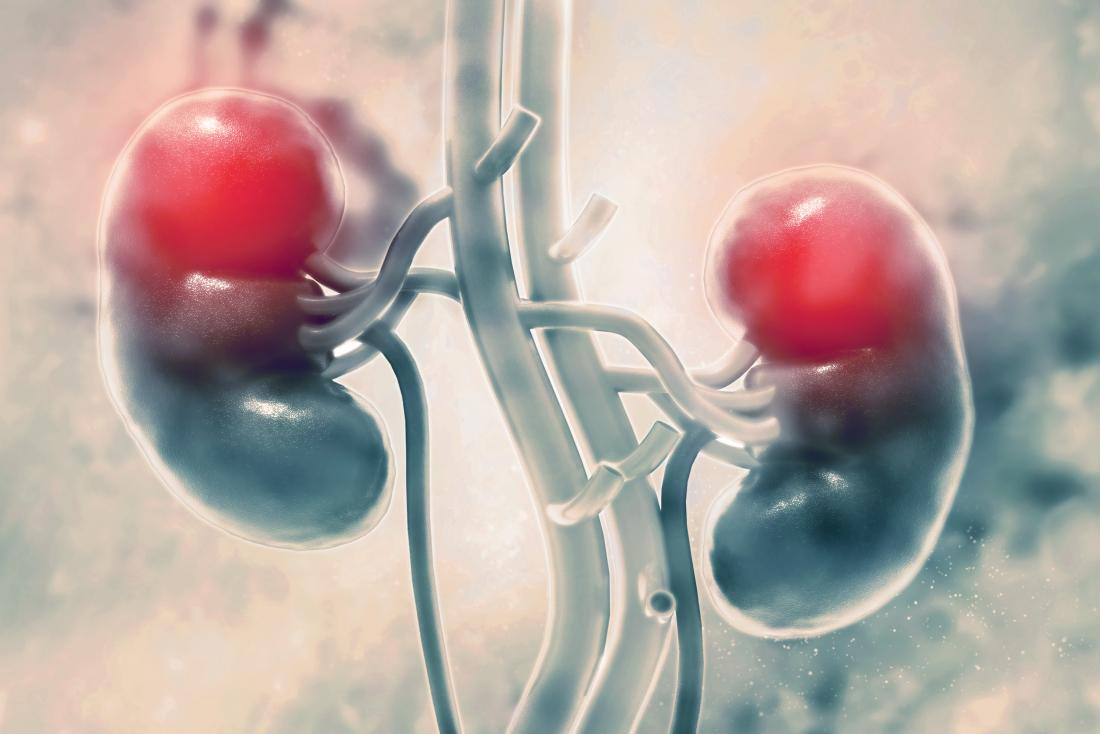
10 most easily recognizable signs of weak kidneys
The most easily recognizable signs of weak kidneys are those you should pay attention to in order to detect them early and seek timely medical attention.
Frequent nighttime urination
According to Healthline, as reported by Lao Dong newspaper, normally, the kidneys reduce their activity at night to allow the body to rest, resulting in more concentrated and less urine. However, when the kidneys are weak, their ability to concentrate urine decreases, leading to more diluted and more frequent urination, causing you to wake up to urinate more often.
Additionally, reduced production of antidiuretic hormone (ADH) also contributes to increased nighttime urination. Kidney damage can cause protein to leak into the urine, drawing in more water and leading to nighttime urination even without drinking a lot of water before bed.
Swelling of the feet or face in the early morning.
When the kidneys are not functioning properly, water and salt are not filtered out effectively and accumulate in the tissues. While sleeping, water easily accumulates in the face and lower extremities, causing you to wake up with swollen eyelids, mild facial puffiness, or heavy legs.
Kidney damage reduces albumin levels in the blood, leading to fluid leakage into the interstitial tissue, causing edema, especially in soft areas like the eyelids and feet. Unlike edema caused by heart or liver problems, kidney-related edema is usually mild during the day but more pronounced in the morning. When pressed, the edematous area will indent and return to its normal position slowly.
Insomnia, difficulty falling asleep, or waking up in the middle of the night.
Weak kidneys cause waste products like urea, creatinine, and uric acid to accumulate in the blood, leading to feelings of restlessness, discomfort, and fatigue. This results in difficulty falling asleep, poor sleep quality, and frequent awakenings during the night.
Mineral imbalances such as calcium, magnesium, and potassium also affect nerve function, causing cramps, numbness in the limbs, and difficulty sleeping. A decrease in erythropoietin hormone due to weak kidneys can also lead to anemia, causing prolonged fatigue and sleep disturbances.
Frequent itching
According to the Health & Life newspaper, Dr. Nguyen Thi Thuy said that the accumulation of waste products in the blood can irritate the skin, leading to itching and even rashes.
If you've tried various creams and haven't seen any improvement in your skin, you should immediately consider that the problem might be internal. In that case, you should see a doctor for an accurate diagnosis.
Frequently experiencing back pain or pain in the lower back area.
The kidneys function to filter and eliminate all harmful substances and impurities from the body through urine. When kidney function declines, it disrupts the body's electrolyte balance, causing fluid retention that leads to pain in the kidney area or lower back pain.
Symptoms include shallow breathing and shortness of breath.
This is due to excess fluid in the body accumulating in the lungs, coupled with anemia (a deficiency of oxygen-carrying red blood cells), resulting in shallow breathing.
Nausea and vomiting
Kidney failure causes symptoms such as persistent nausea and vomiting. This is because waste products accumulate in the body and need to be eliminated. When the kidneys fail and are unable to function properly, vomiting will occur frequently.
Breath smells like ammonia.
The kidneys function to remove harmful substances from the blood through urine. When a patient suffers from kidney failure, the kidneys are damaged and no longer able to filter waste products and toxic chemicals from the blood. These accumulate in the body over time, affecting almost all parts of the body. Bad breath can occur when kidney failure affects the respiratory system.