Part 1: The "gaps" in worker security
With numerous opportunities and challenges in the new situation, the working class, laborers, and trade union organizations in Vietnam need more attention, support, consolidation, and improvement than ever before. As the main labor and production force of the entire society, the issue of worker security not only affects the economy but also directly impacts many other aspects.
Authors: Diep Thanh - Thanh Chung - Phan Trang
Technical: Diep Thanh
.png)
Vietnamese workers, the main labor and production force of society, are increasingly asserting their role and making significant contributions to the country's development process in the context of deep integration. In Nghe An, with nearly 400,000 workers in a total of approximately 16,930 operating businesses, the role of the workforce is becoming even more crucial. However, alongside this increase in scale are challenging issues related to worker security, as many legitimate needs of workers remain unaddressed. These "gaps" pose a potential risk of labor disputes, illegal strikes, and unforeseen consequences, directly affecting the stability and sustainable development of the locality as well as society as a whole.

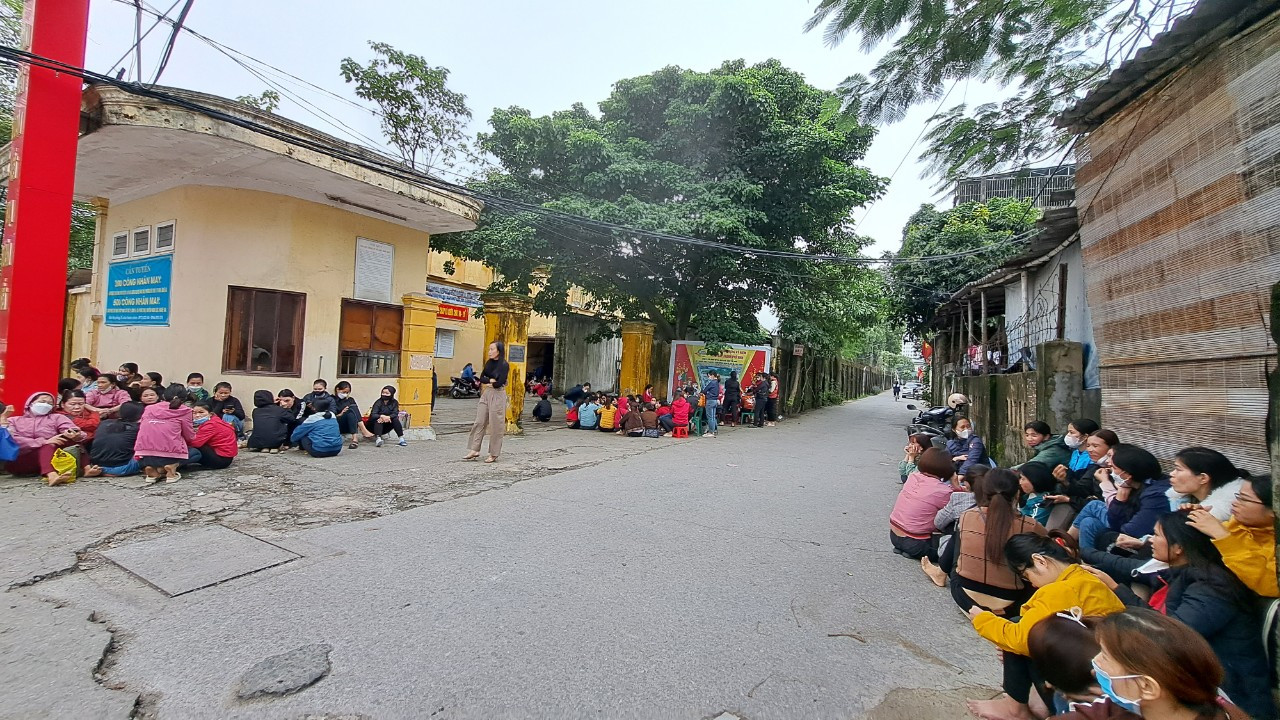
The situation of workers' strikes not following legal procedures is a worrying reality, and is becoming increasingly complex in Nghe An province in particular and the whole country in general. According to the preliminary report on the 6-year implementation of Directive No. 37-CT/TW of the Central Party Secretariat, from 2019 to the present, Nghe An has recorded 25 strikes with the participation of 50 to 4,000 workers in many localities such as Quynh Luu, Dien Chau, Nghi Loc, Nam Dan, Thanh Chuong, Hoang Mai town and Vinh city.
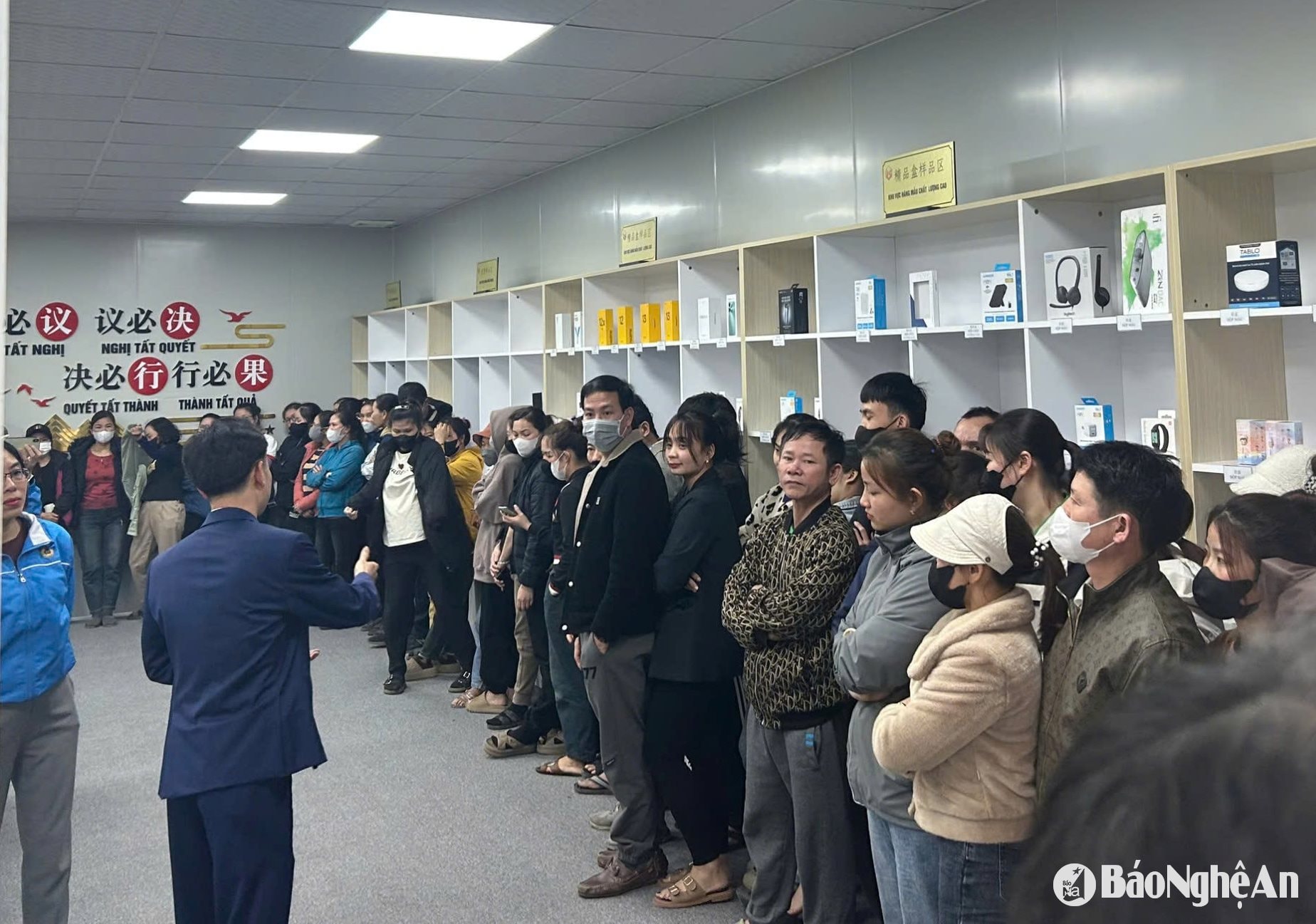
This situation continued into the early months of 2025. Most recently, on March 21, 2025, a collective work stoppage occurred at Zonsen International Packaging Co., Ltd. - Nghe An Branch (Nam Cam Industrial Park), an event considered predictable. The cause stemmed from shortcomings in labor management and a lack of listening from the company's leadership in labor relations. After accepting the workers' request for a basic wage increase, the workers returned to work. However, this was not the first work stoppage at this company. Previously, the company established a grassroots trade union in 2024, at the suggestion of the workers after the second collective work stoppage.
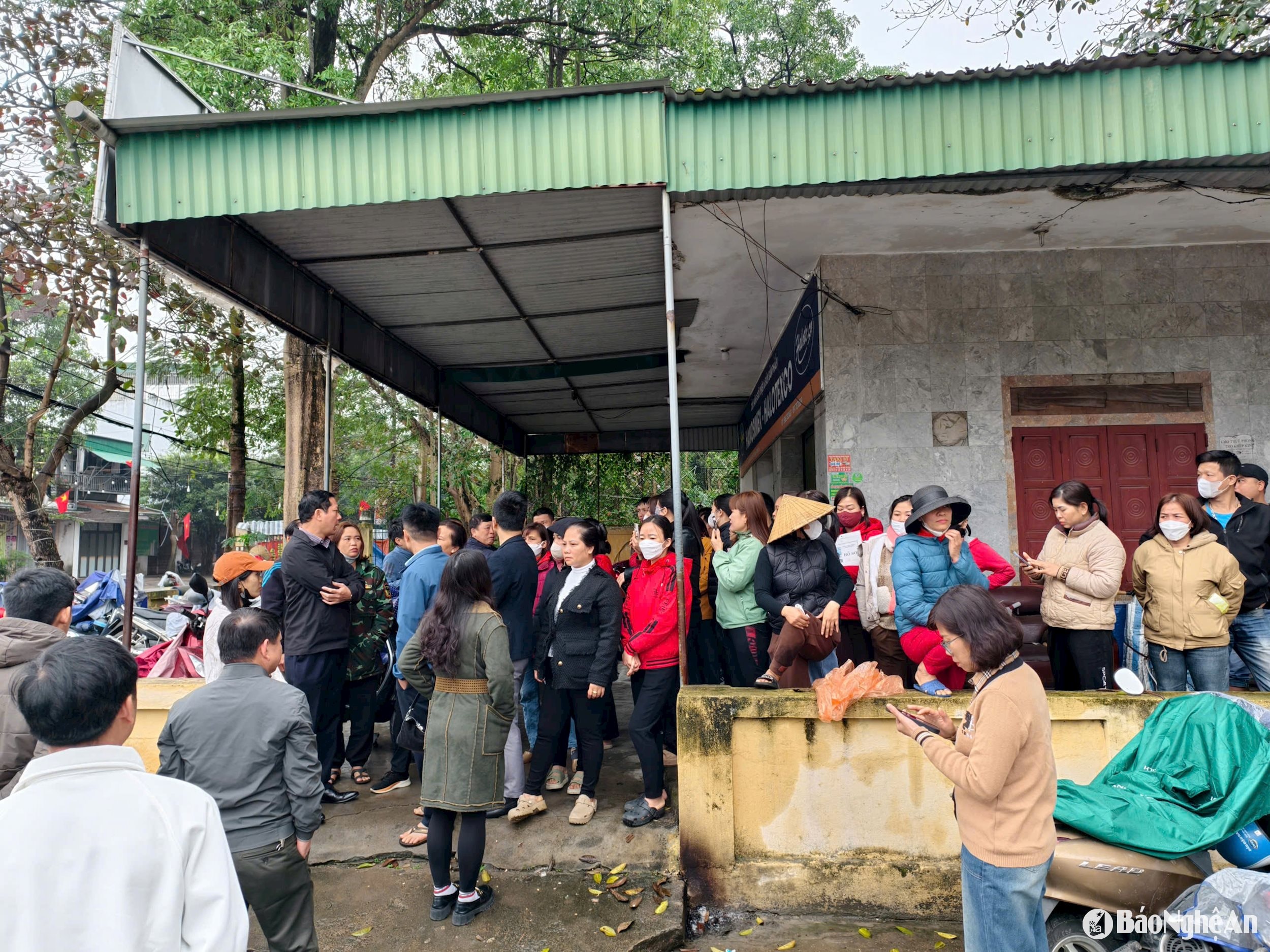
Previously, a more complex situation occurred at Hoang Thi Loan Textile and Garment Joint Stock Company (Halotexco) in Ben Thuy Ward, Vinh City. On the morning of February 17, 2025, many workers gathered to protest after the company announced the termination of employment contracts for 119 out of 387 employees effective December 13, 2024, citing business difficulties. Claiming that the company had not adequately addressed the issue and was slow in paying benefits as stipulated by law, the workers repeatedly petitioned but received no timely response. The conflict escalated during a dialogue on February 20, 2025, when company leaders asserted they lacked the financial capacity to pay the lump-sum severance pay, only being able to pay it gradually on a monthly basis. They also proposed rehiring the workers – an option rejected by the employee representatives.
The incident clearly reflects the helplessness of workers when fighting for their legitimate rights, especially in the context of a grassroots trade union affiliated with a central industry trade union – which is often far away and unable to closely monitor the actual situation. This is also not the first time that Hoang Thi Loan Textile and Garment Joint Stock Company has experienced collective work stoppages; similar incidents were recorded in 2023 and 2024.
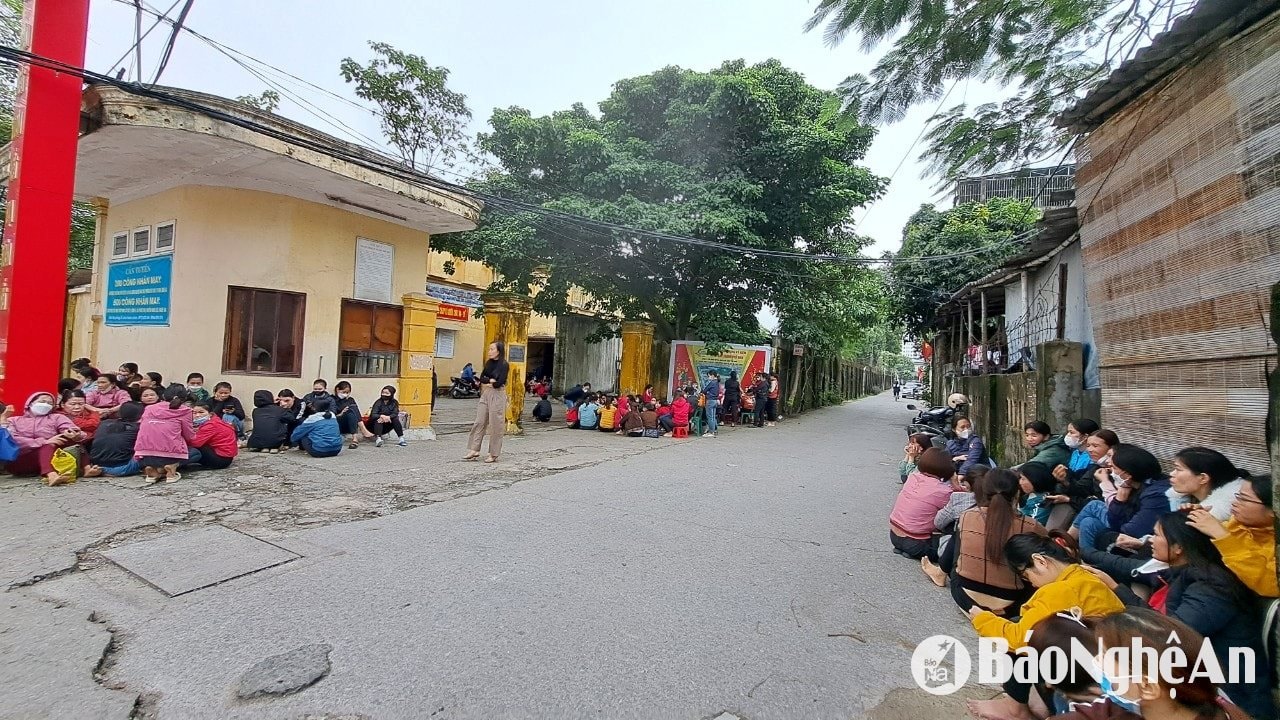
Not only Halotexco, but these "bad precedents" are also clearly demonstrated by Viet Glory Co., Ltd. (Dien Chau), which has experienced three collective work stoppages in just three years of operation. Most recently, on October 2nd, 2023, nearly 6,000 workers simultaneously stopped working, presenting eight groups of demands regarding basic wages, piece-rate pay, and welfare benefits such as hazardous work allowances, maternity leave, attendance fines, and management attitudes. Company leaders expressed concern about losses due to order disruptions and lamented that workers could make their requests directly instead of resorting to strikes.

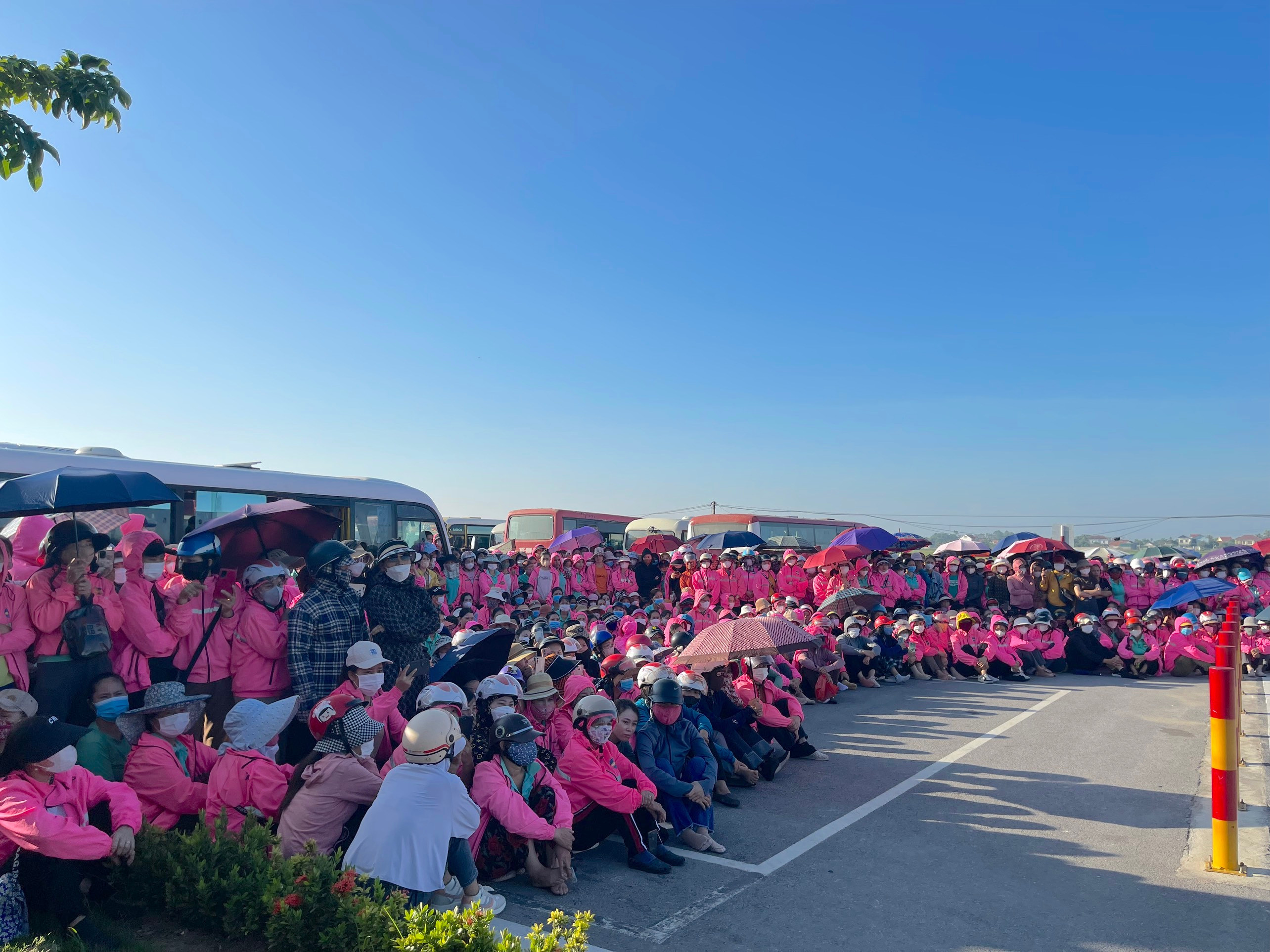
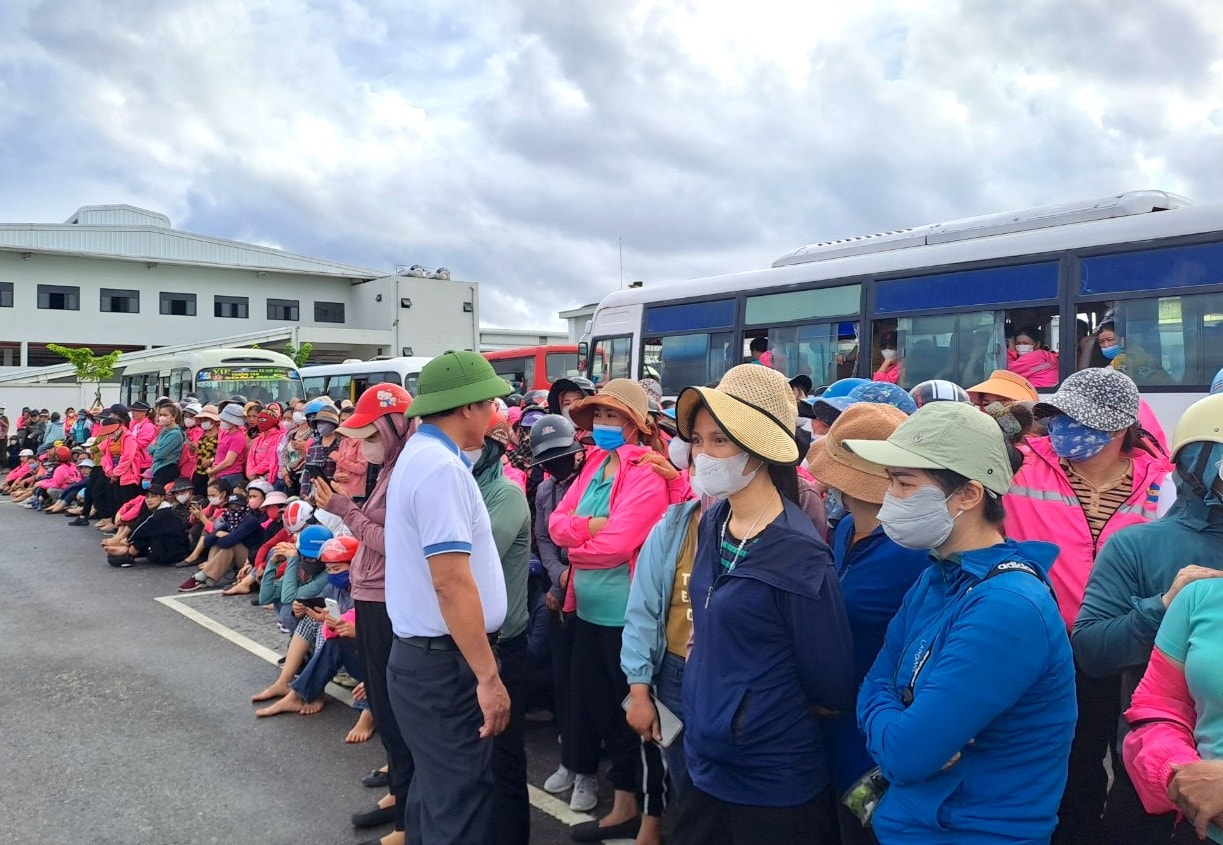
Strikes often occur at sensitive times, such as after the Lunar New Year, after payday, or after a new company announcement. Responding to demands after a strike inadvertently creates a "bad precedent," easily spreading and fostering a comparative mindset regarding working conditions among businesses in the same industry, locality, or even within the same group. Typical examples include the simultaneous work stoppages at Em-tech Vietnam Co., Ltd., Nam Thuan Nghe An Joint Stock Company, and Haivina Hong Linh Company (Ha Tinh) in 2022. Statistics show that the number of strikes from 2018 to 2022 nearly doubled compared to the 2013-2017 period. Most cases did not follow proper legal procedures, with increasingly complex content, large numbers of participants, and prolonged resolution times.

Illegal collective work stoppages and strikes cause multifaceted damage. For businesses, it disrupts production, affects revenue, reduces reputation, and hinders market expansion. For workers, it results in lost income, the risk of job loss, and strained labor relations. Mr. Nguyen Chi Cong, Vice Chairman of the Provincial Labor Union, shared: "If workers think 'any conflict can lead to a work stoppage, and all demands will be met,' then there will be many negative consequences. At the societal level, prolonged strikes can cause instability, affect security and order, reduce budget revenue, weaken the competitiveness of the economy, and negatively impact the image of the locality in the eyes of international investors."

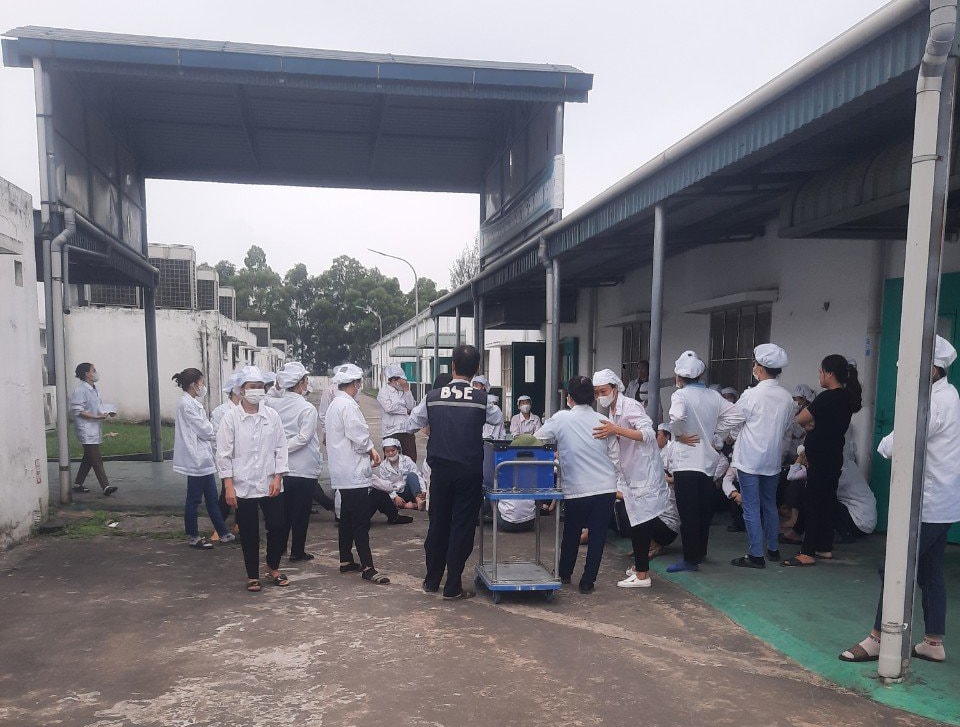
Following a survey of provinces and cities with the highest number of strikes nationwide, the Nghe An Provincial Labor Federation concluded that the main causes were workplace conflicts, businesses failing to comply with labor laws, a lack of transparency regarding wages, bonuses, and benefits, and a lack of democratic dialogue mechanisms. In addition, some strikes showed signs of workers being manipulated and incited by reactionary forces, and local unions lacked timely and thorough understanding of the workers' concerns and aspirations.
These conflicts could be resolved promptly through dialogue. However, the "gap" in dialogue within businesses has led to instability in labor relations and worker security. Although many businesses have established feedback channels such as suggestion boxes or hotlines, information exchange between workers and businesses remains weak. Many workers' requests arise simply because they are unclear about or do not understand the regulations. Halotexco's leadership complained that workers don't necessarily have to resort to strikes, but in reality, they feel "helpless" when demanding their legitimate rights.
The problem also lies in the limitations of the grassroots trade union. The Executive Committee of the Viet Glory Company Limited Trade Union admitted to lacking experience and skills in resolving conflicts promptly, despite having established a trade union. Worker Bui Thi Vinh (Em-tech Vietnam Company Limited) affirmed: "If the company's leadership had listened to the workers' aspirations in a timely manner and received feedback from the trade union officials, strikes could have been avoided."
Ms. Tran Thi Nguyet, Vice President of the Trade Union of the Southeast Economic Zone, pointed out: "Many strikes originate from labor disputes at a single factory, but because there is no forum for workers to exchange views and make requests, they are incited... then the strike spreads throughout the entire enterprise, becoming tense and very complicated."
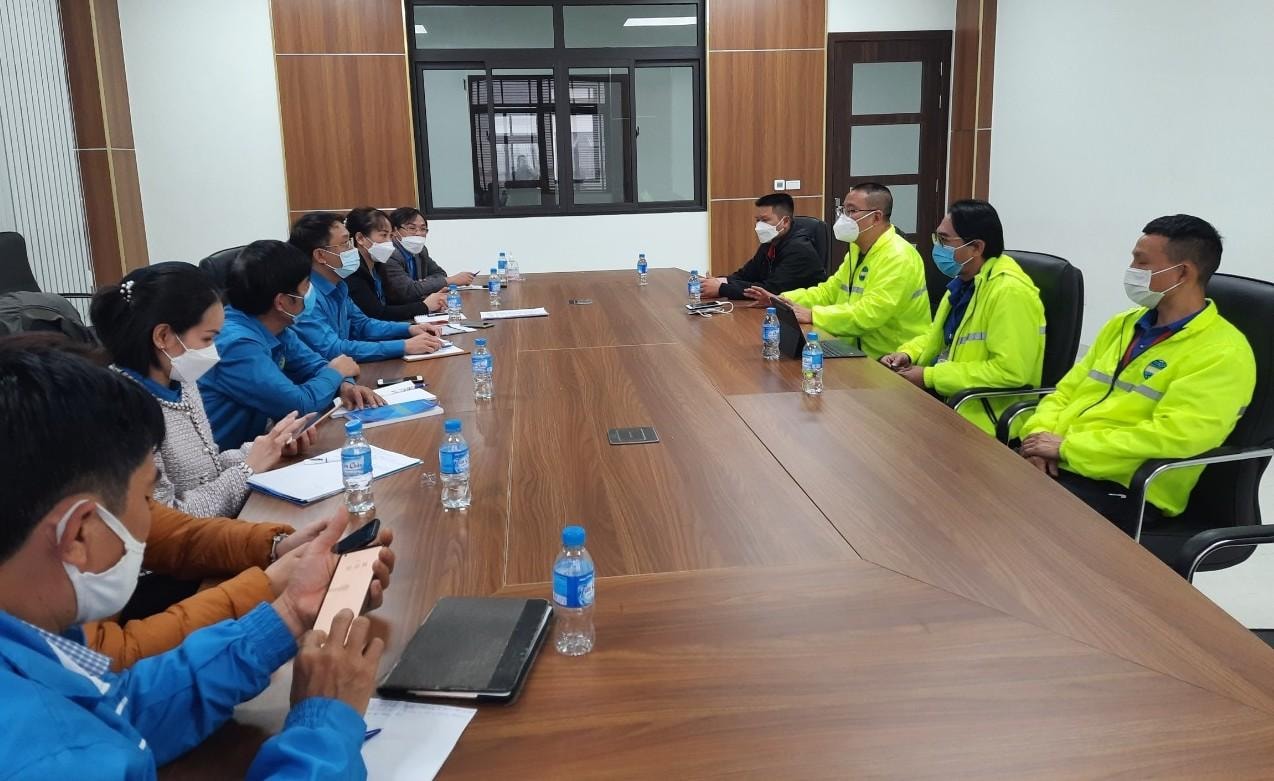
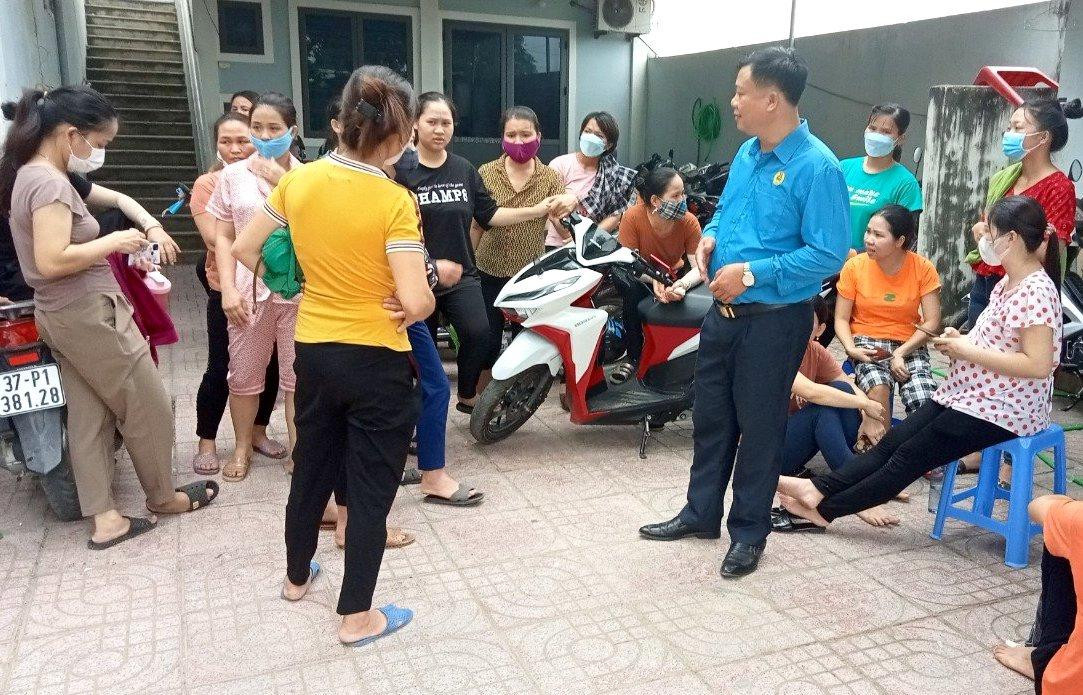
Ms. Nguyet also argued that many business owners deliberately misinterpret, lack goodwill, or even avoid dialogue, claiming it wastes time and that workers are demanding. Furthermore, grassroots trade unions are limited in capacity and experience, lacking the boldness to propose dialogue. In some businesses, trade unions are either not established or are merely "established for show," failing to be given their proper role and position. When conflicts arise, workers are forced to resort to the final solution of conflict and strikes, causing significant losses to both sides.