

PRACTICING SAVINGS
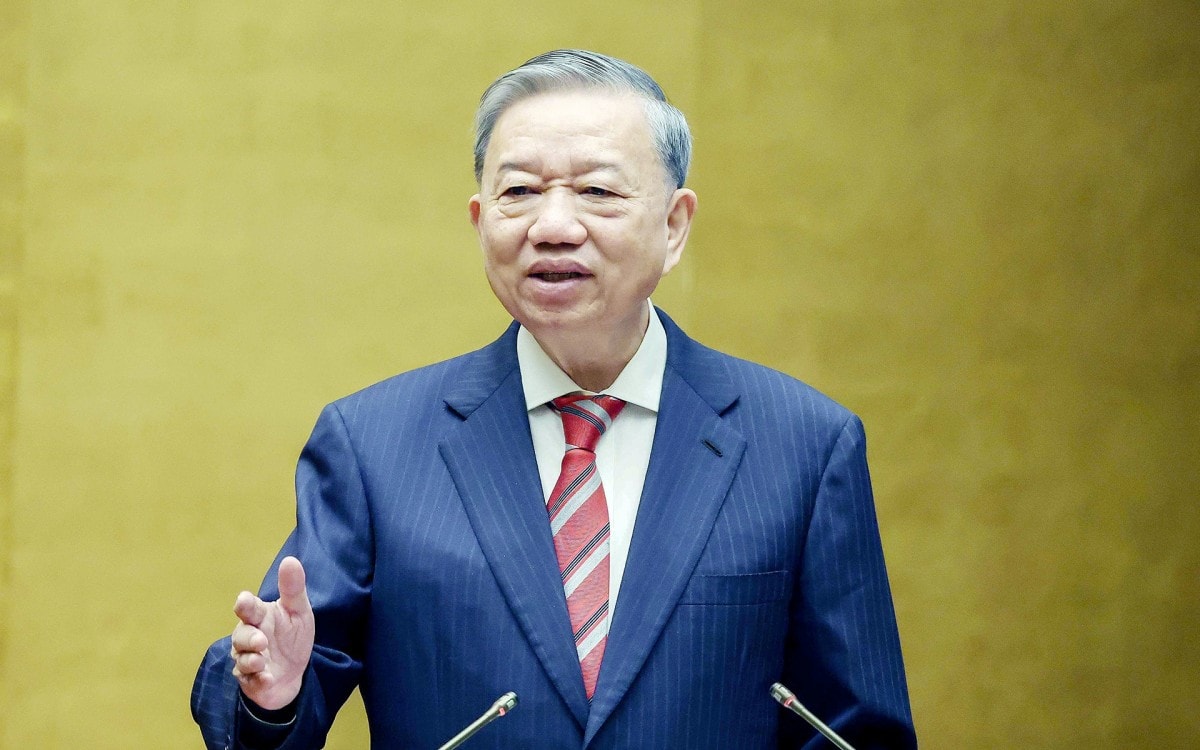
We are pleased to present the article "PRACTICING ECONOMY" by Comrade To Lam - General Secretary of the Central Committee of the Communist Party of Vietnam.
Saving and combating waste are two organically linked elements, two pillars leading to prosperity and wealth for the family, the country, and society as a whole. Practicing saving and combating waste is essential in the lives of each individual and society as a whole, serving as a "cornerstone" contributing to the building of a civilized and sustainably developed society. It must be a shared responsibility and should become a way of life, a daily culture for each of us.
Vietnamese culture is a culture closely associated with the emphasis on a thrifty and simple lifestyle. From there, the practice of thriftiness by Vietnamese people has been summarized in folk songs and proverbs, passed down orally from generation to generation[1], such as ""A skillful eater will be full, a skillful saver will be warm," "A little saving is better than a lot of extravagance.", ""Oh, don't leave your fields fallow/Every inch of land is worth its weight in gold";"When the harvest is good, don't neglect corn and potatoes/When the crop fails, who will be your friend?"; "Eat in moderation, consume in moderation";"Save money so you have some left over/In case of need, you won't be a burden to anyone."...
President Ho Chi Minh – the mentor of the Vietnamese revolution – was a shining example of practicing frugality. Immediately after leading the successful August Revolution, facing the threats of famine, illiteracy, and foreign invasion, at the first meeting of the Provisional Government of the Democratic Republic of Vietnam on September 3, 1945, President Ho Chi Minh raised six urgent issues, in which he particularly emphasized launching a movement to increase production and save to combat famine and build the country. Uncle Ho repeatedly explained the meaning of frugality so that everyone could understand it correctly and implement it effectively."What does frugality mean? It means saving, not being extravagant, wasteful, or reckless…; Frugality is not stinginess. When there is no need to spend, not even a single penny should be spent. When there is something worthwhile to do, something beneficial to our compatriots and our country, then no matter how much effort or expense is required, we should do it willingly. That is true frugality. Frugality must resolutely oppose extravagance… Therefore, extravagance is a crime against the country and our compatriots."[2]Uncle Ho considered thrift to be an important art of social life. He emphasized the need to conserve labor:"One person does the work of two or three people."[3]; save time:Work must be done on time; do not be late or leave early. Work quickly and thoroughly. Complete tasks on the same day they are completed; do not leave them for tomorrow. Remember: The people have paid your wages with their sweat and tears during those working hours. Anyone who is lazy is deceiving the people."[4]Uncle Ho demanded that the Government save money, conserve the people's energy, and conserve the blood and lives of soldiers, fighters, and the people."We must cherish human resources as our most valuable asset. We need to wholeheartedly care for the health and make rational use of the labor force of our people."[5]"Wealth can be replenished; time passes, but time comes again. However, the sacrifice of soldiers is the sacrifice of their blood and bones, sometimes even their lives."[6]Therefore, "we must preserve every drop of blood of our compatriots to build the future of our nation."[7]. Well, let's save words:"Speak less, do more"[8]"Start with action"[9].
Throughout the revolutionary periods, the Party and State of Vietnam have paid special attention to the practice of thrift, considering it a top national priority. During the war, under the leadership of the Party and President Ho Chi Minh, with the exemplary leadership of Uncle Ho and Party members, rational spending and thrift were practiced. Every citizen tightened their belts, abstained from food and clothing, and sacrificed all personal material interests to focus resources on the front lines, helping to concentrate resources for the liberation of the country. Entering the period of reform, the Party has issued many policies and directives on this issue, such as Directive No. 21-CT/TW, dated December 21, 2012, of the Secretariat of the 11th Party Congress on promoting thrift and combating waste; and Directive No. 27-CT/TW, dated December 25, 2023, of the Politburo of the 13th Party Congress on strengthening the Party's leadership over the work of practicing thrift and combating waste. Directive No. 42-CT/TW dated January 16, 2025, of the Politburo of the 13th Party Congress on strengthening the Party's leadership over the work of educating on diligence, thrift, integrity, impartiality, and selflessness; and Directive No. 05-CT/TW dated May 15, 2016, of the Politburo on promoting the study and emulation of Ho Chi Minh's thought, morality, and style clearly define these principles."Organize extensive study, understanding, and dissemination of information…"Ho Chi Minh's views and moral examples on: ... diligence, frugality, integrity, righteousness, and selfless dedication to the public good."Regulation No. 37-QD/TW, dated October 25, 2021, of the Central Committee on things that Party members are not allowed to do or are prohibited from doing."Organizing lavish or wasteful weddings, funerals, and other personal or family events, or events for personal gain."To institutionalize the Party's policy, the Standing Committee of the 10th National Assembly issued the Ordinance on Practicing Thrift and Combating Waste in 1998; this was elevated to the Law on Practicing Thrift and Combating Waste in 2005 by the 11th National Assembly and amended and supplemented by the 13th National Assembly in 2013; the 2013 Constitution also enshrines it."Agencies, organizations, and individuals must practice thrift, combat waste, and prevent and fight corruption in socio-economic activities and state management."(Article 56); annually and periodically, the Government issues a comprehensive program on practicing thrift and combating waste.
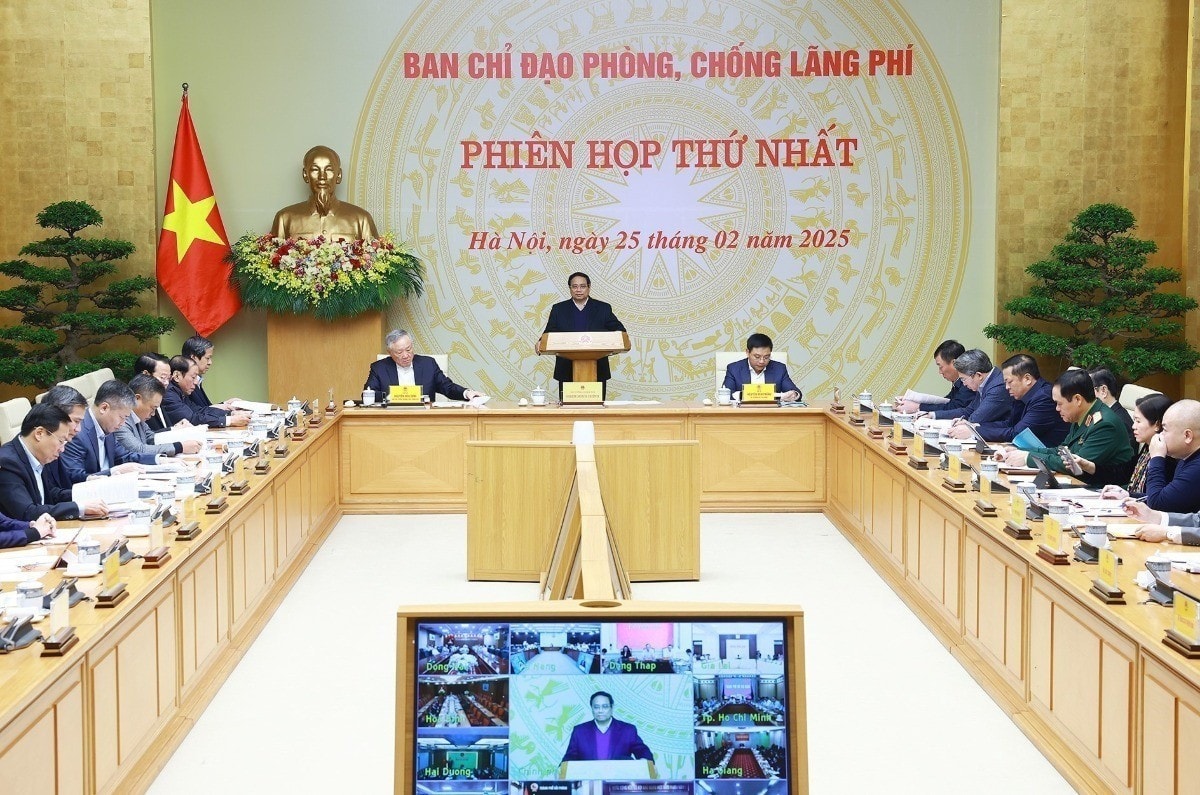
Implementing the Party's guidelines and the State's policies and laws, and practicing thrift throughout the Party, the people, and the armed forces, we have achieved many positive results. Organizations and individuals, especially cadres and Party members, have focused on saving on recurrent expenditures and enhancing the role of leaders in practicing thrift. Some agencies and units have issued written notices when organizing congresses or commemorating their founding anniversaries."Practice frugality, do not accept congratulatory flowers."Many review and summary conferences have been organized by various levels and sectors in a concise, simple, and time-saving manner, avoiding paper documents and using online meetings to save costs. The use of shared vehicles for high-ranking officials on business trips has also been implemented in many places. The problem of abandoned land and stalled development plans is being gradually addressed. The management and use of office buildings have generally been carried out according to purpose, standards, and norms. Many businesses have strengthened the management of norms related to production costs, especially indirect costs, to reduce product prices; cut production and business expenses, and strengthened the management of consumption norms to improve production and business efficiency. In particular, from the end of 2024 to the present, implementing the conclusions of the Central Committee, the Politburo, and the Secretariat, the leadership has basically completed the restructuring and streamlining of the organizational apparatus of Party, Government, National Assembly, and Fatherland Front agencies at the central and local levels; thereby reducing the number of administrative units, saving costs, and creating conditions for the immediate implementation of the policy of tuition fee exemption and reduction for students. In addition, according to preliminary calculations, when implementing the policy agreed upon by the 11th Central Committee Conference of the 13th Party Congress on merging provinces, eliminating district-level organizations, and merging commune-level organizations, the annual savings in recurrent expenditure are estimated to be over 20,000 billion VND per year for the period 2025-2030; and over 30,000 billion VND per year from 2030 onwards. That's without even considering the specific value of over 18,500 offices of agencies and units that no longer function as "government offices" when implementing the two-tiered local government model.
Despite the positive results, the practice of saving still faces many shortcomings and limitations, achieving very low effectiveness. Policies and strategies for saving have not been truly effective; waste and loss of state assets and budgets have been occurring on a wide scale, causing many serious consequences. Saving has not become a regular practice; it has not become a permanent awareness among a segment of cadres, Party members, civil servants, and the people. Wastefulness exists not only in state agencies but also in the social activities of the people. The trend of favoring foreign goods, luxury goods, and branded items, giving expensive gifts; the hedonistic mentality of a segment of the population, especially the younger generation, while the national average income has only just surpassed the middle-income threshold and labor productivity is low… are worrying manifestations of the failure to practice saving. Alongside those officials and Party members who consistently uphold Party principles, set a good example, take the lead in practicing thrift and combating waste, and demonstrate a high sense of responsibility in managing, using, and saving public assets, avoiding the "vortex" of power, money, extravagance, and indulgence... there is still a significant number of officials and Party members, including some leaders, who lack a sense of responsibility, prefer enjoyment and material possessions, causing financial and asset losses, and wasting public funds for personal spending and group interests.
The main reasons for the aforementioned shortcomings and limitations are the low level of responsibility and determination of some agencies, organizations, and individuals; the lack of consistent and decisive action; and the incomplete, unclear, and loophole-ridden mechanisms, policies, regulations, and rules. The practice of saving and combating waste is sometimes merely superficial and perfunctory. Some ministries, sectors, and localities have not been truly proactive in developing solutions to implement the practice of saving and combating waste within their assigned areas of management. The Law on Practicing Saving and Combating Waste has not truly been put into practice; its regulations remain general, leading to a lack of effective mechanisms and measures for implementation. The program for practicing saving and combating waste remains largely formalistic, failing to reflect the realities of each agency, unit, locality, family, and individual; and lacking specific goals, targets, and evaluation criteria. Many instances of waste and violations have been discovered but have been slow to be addressed. The failure to promptly commend and reward those who practice thrift or detect waste has resulted in lax compliance with the law. Inspection and monitoring of thrift and waste prevention at all levels and in all sectors have not been highly effective.
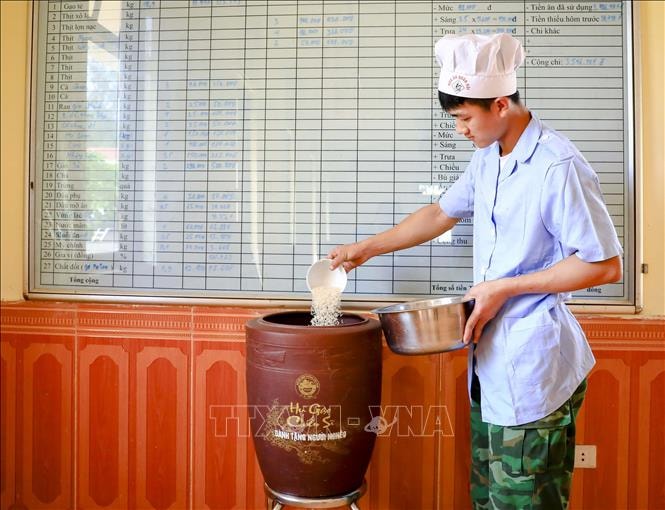
The 11th Central Committee Conference of the 13th Party Congress reached a high level of consensus on historic decisions, including continuing to reorganize the political system's apparatus, merging some provinces, abolishing district-level organizations, merging communes, and creating the foundation for fundamental changes in the practice of thrift in our country in the new period. To achieve the highest requirements in the new revolutionary period as agreed upon by the 11th Central Committee Conference, these are:"High-quality development, rapid development, and sustainable development," "Proactive, self-reliant, and independent in development"aiming to achieve the highest goal.to stabilize, develop, and improve the lives of the people."To successfully achieve the two centenary goals, along with streamlining and reorganizing the administrative apparatus to be lean, efficient, effective, and effective, it is necessary to focus on effectively implementing the following issues:
The first,Unifying understanding and practicing thrift and combating waste is one of the most fundamental solutions for the country to overcome all storms in the context of a volatile international situation that directly and multifacetedly impacts socio-economic development and ensures social security.Historical reality has proven that saving is one of the key factors creating immense potential for the entire Party, people, and army. Even in a country with a poor economy and difficult living conditions, even during times of famine, we still tightened our belts, concentrated our efforts on the resistance, and dedicated food to the battlefield, ultimately defeating powerful colonial and imperialist invaders, liberating the nation, and unifying the country. Facing new difficulties and challenges, with our tradition of unwavering resilience and the concerted efforts of the entire political system and the people, maximizing the practice of saving and combating waste will create a tremendous source of internal strength and power to promote sustainable economic development, helping the country steadily advance, achieve strategic goals, and better care for the people's lives. Therefore, all citizens and agencies, units, organizations, and businesses need to have specific plans and implement rational revenue and expenditure; cadres and Party members, especially leading and managerial cadres, must set an example and encourage their families and the people to actively participate; all sectors, professions, households, and individuals should boost production and business, improve productivity, quality, and efficiency of labor and production, thoroughly practice thrift, and minimize waste of time, money, resources, and effort.
Monday,Implement fundamental solutions vigorously to create substantive changes in the practice of saving and combating waste..The focus is:(i)Focus on perfecting institutions, creating a basis for thoroughly overcoming institutional waste, eliminating barriers, difficulties, and obstacles hindering development, and removing bottlenecks to create a foundation for development, especially issues related to bidding, budget, public investment, private economy, science and technology, innovation, digital transformation, and the revolution in restructuring and streamlining the organizational apparatus of the political system. Promptly research and amend the Law on Practicing Thrift and Combating Waste, creating a comprehensive and solid political and legal basis for practicing thrift in all sectors, professions, among all officials, Party members, and citizens.(ii)Minimize administrative procedures and compliance costs, creating the greatest possible convenience for citizens and businesses; shift from pre-approval to post-approval, eliminating the "request-and-grant" mechanism; decentralize and delegate authority to competent agencies and localities to resolve and take responsibility. By 2025, ensure that 100% of administrative procedures related to businesses are implemented online, smoothly, and efficiently; and that 100% of administrative procedures are not limited by provincial administrative boundaries.(iii)After streamlining and reorganizing the political system to be efficient, effective, and effective, a crucial factor is focusing on building a team of officials with the right knowledge, skills, and work attitude to achieve the highest efficiency in each area they are responsible for. This includes management and task execution skills; passion, enthusiasm, and responsibility in each job and assigned task; a culture of ethical conduct in communication and behavior; and a proactive sense of frugality… all of which are requirements for officials in the new organizational structure.(iv)Strengthen discipline and order in the management and use of finance and budget; practice thrift, combat waste, and effectively utilize state financial resources while mobilizing social resources and streamlining the administrative apparatus. Enhance the management and use of public assets, ensuring compliance with standards, norms, regulations, and task requirements, focusing on the arrangement and handling of assets, especially land and buildings, in conjunction with the streamlining of the administrative apparatus. Resolutely and thoroughly economize on non-essential expenditures to ensure resources for disaster and disease prevention and control, supplement investment capital for development, and economic development; strive to further increase the proportion of breakthrough spending on science and technology development, innovation, national digital transformation, and support for the development of the private economy.(v)Creating a legal framework and resources for the development of the private economy, promoting entrepreneurship and innovation throughout society, and creating conditions for all citizens to have the opportunity to contribute, increase labor productivity, and enrich themselves, their families, and society.
Tuesday,Building a culture of frugality; making the practice of saving and combating waste "conscious," "voluntary," and "everyday necessities like food, water, and clothing."The study recommends launching and maintaining the annual "National Day for Practicing Thrift" to promote and spread the nationwide movement to raise awareness of practicing thrift. It also emphasizes the campaign "Studying and following the thoughts, ethics, and style of Ho Chi Minh"; promptly rewarding and commending exemplary cadres, soldiers, and citizens who have innovative ideas in their work and economic development that bring practical results in practicing thrift; and strictly dealing with collectives and individuals, especially the heads of agencies and units in the political system and Party members, who have not fully implemented the Law on Practicing Thrift and Combating Waste. Furthermore, it calls for continued efforts to combat corruption, waste, and negative practices, considering this as one of the fundamental solutions contributing to building a culture of thrift.
In his report to the Fourth Congress of the Communist International, VI Lenin emphasized"Anyway, we have to streamline that state apparatus, we have to be as economical as possible. We are saving on...""In every aspect, even the costs of education. We had to do this because we knew that if we couldn't save heavy industry, if we couldn't restore heavy industry, then we wouldn't be able to build any industry at all, and without industry, we would generally perish, no longer an independent country."[10]; Beloved President Ho Chi Minh emphasized"In the construction of socialism, thrift is a major policy, a great moral, a way of working and living that must never be neglected."[11];To lead the country into a new era of success, the entire Party, the entire people, and the entire army must strive to practice thrift and combat waste.
[1] See also: Vu Ngoc Phan, Vietnamese proverbs, folk songs, folk music, Literature Publishing House, 1996; Phuc Hai, Selection of Vietnamese proverbs, folk songs, folk music, Thoi Dai Publishing House, 2014; Mai Khanh, Idioms - proverbs, folk songs - folk music, Literature Publishing House, 2022…
[2] Ibid, Ho Chi Minh, Complete Works, Volume 6, pp. 122-124
[3] Ibid, Ho Chi Minh, Complete Works, Volume 4, p. 181
[4] Ibid, Ho Chi Minh, Complete Works, Volume 5, p.122
[5] Ibid, Ho Chi Minh, Complete Works, volume 13, p.70
[6] Ibid, Ho Chi Minh, Complete Works, Volume 7, p. 335
[7] Ibid, volume 4, Ho Chi Minh, Complete Works, p.229
[8] Ibid, volume 5, Ho Chi Minh, Complete Works, p.217
[9] Ibid, volume 3, Ho Chi Minh, Complete Works, p. 457
[10] Ibid, VI Lenin, Complete Works, National Political Publishing House - ST, Hanoi 2005, volume 45, pp. 333-334
[11] Nhan Dan Newspaper, No. 2149, February 5, 1950, p. 2