Great opportunities for the traditional brocade weaving craft of the Thai ethnic group in Nghe An.
Thanh Phuc•June 17, 2025 09:27
Once teetering on the brink of extinction and revival, the traditional brocade weaving craft of the Thai ethnic group in western Nghe An province has now been revitalized by its recognition as a National Intangible Cultural Heritage.
More than just a source of cultural pride, this also opens up new livelihood opportunities for the local people, from stilt houses to cooperatives, from traditional looms to modern products, all in harmony with community tourism.
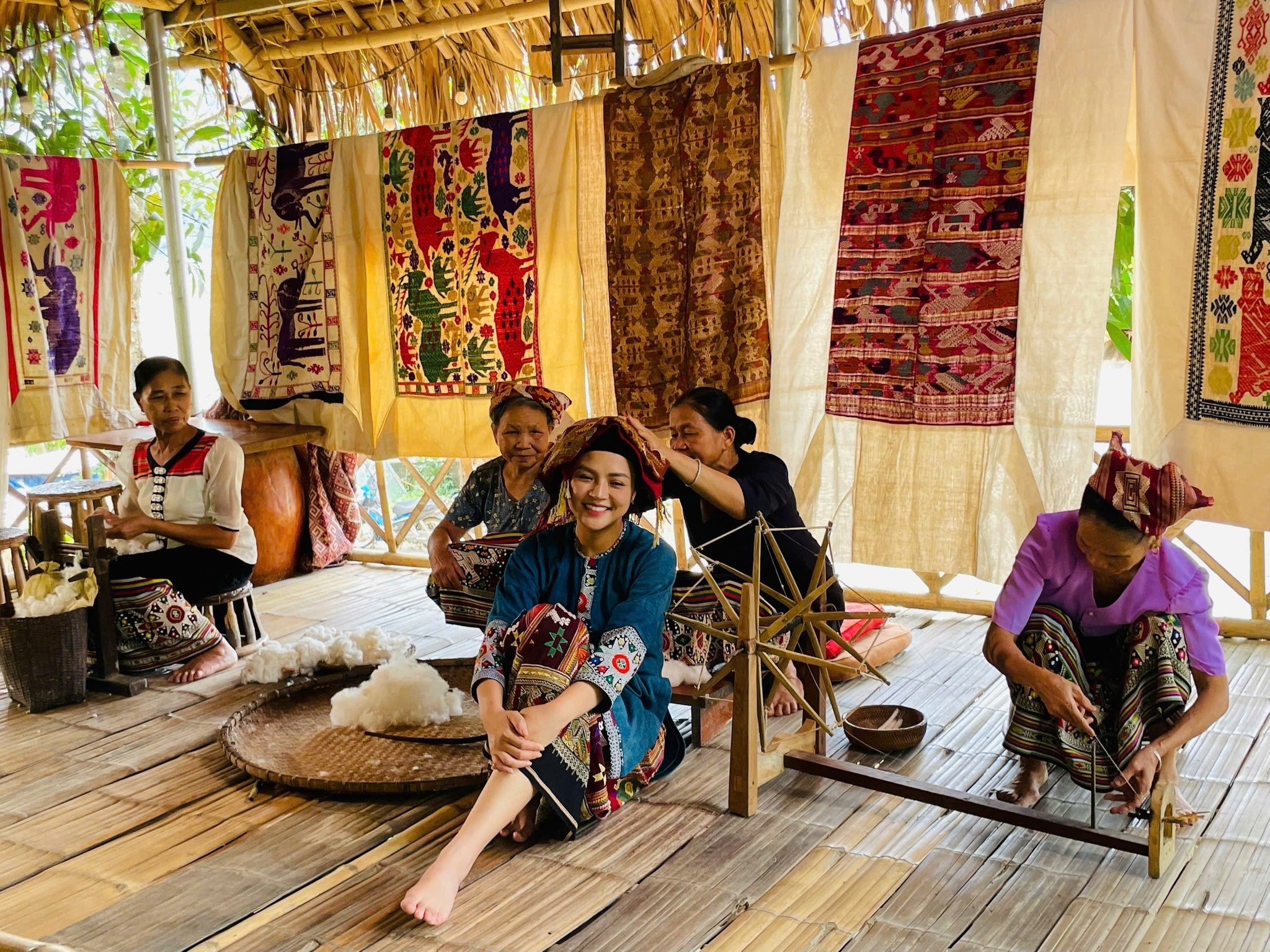
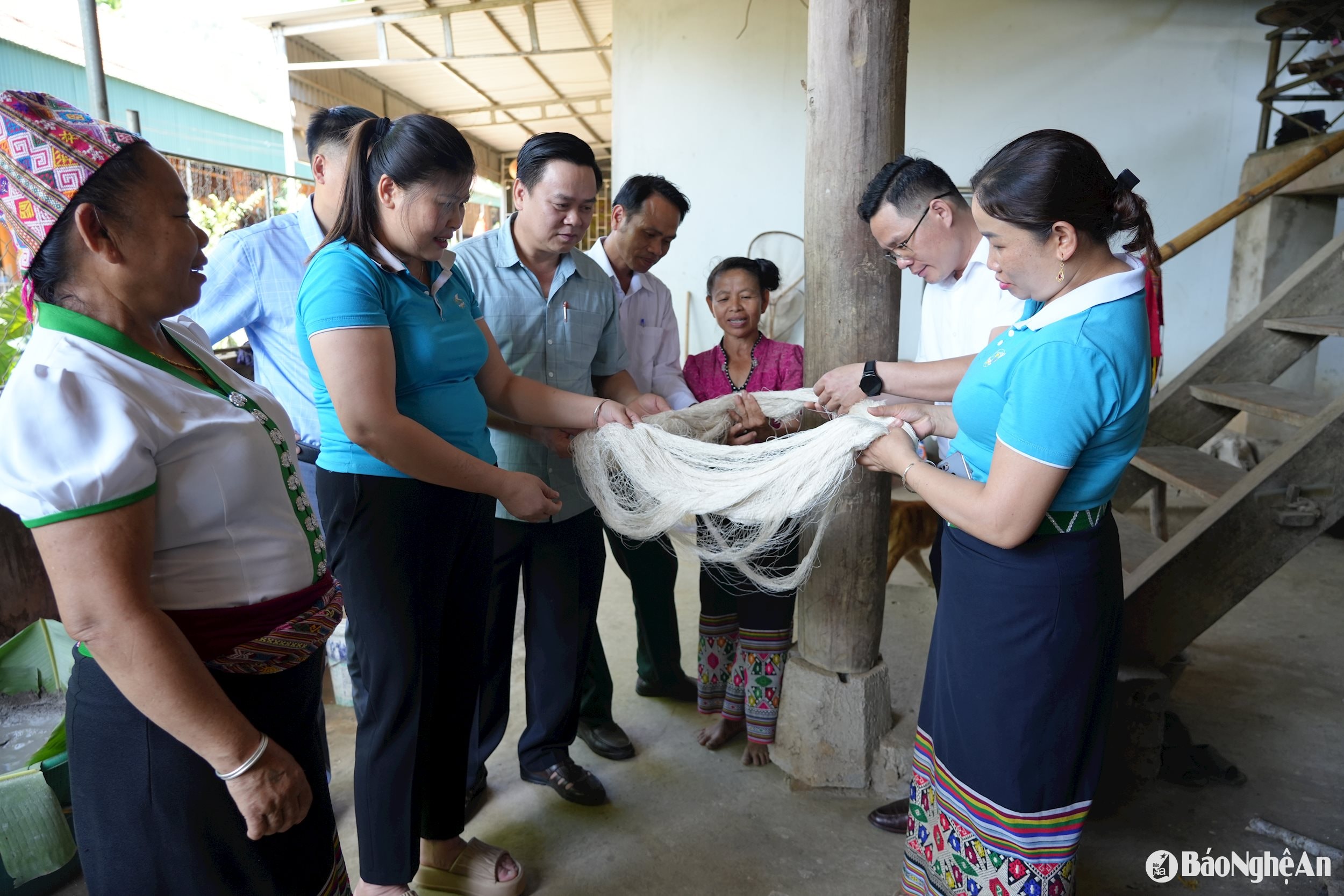
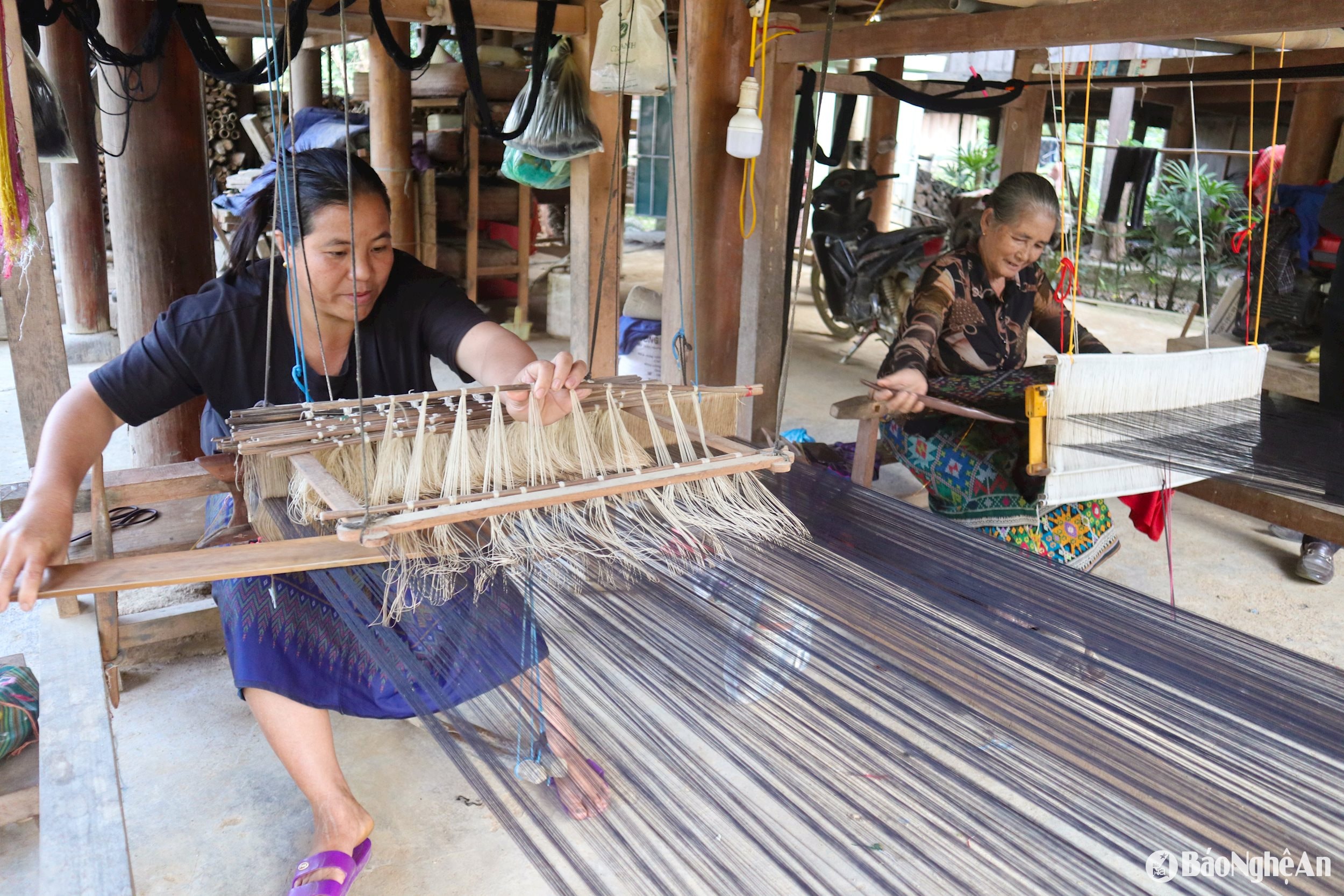
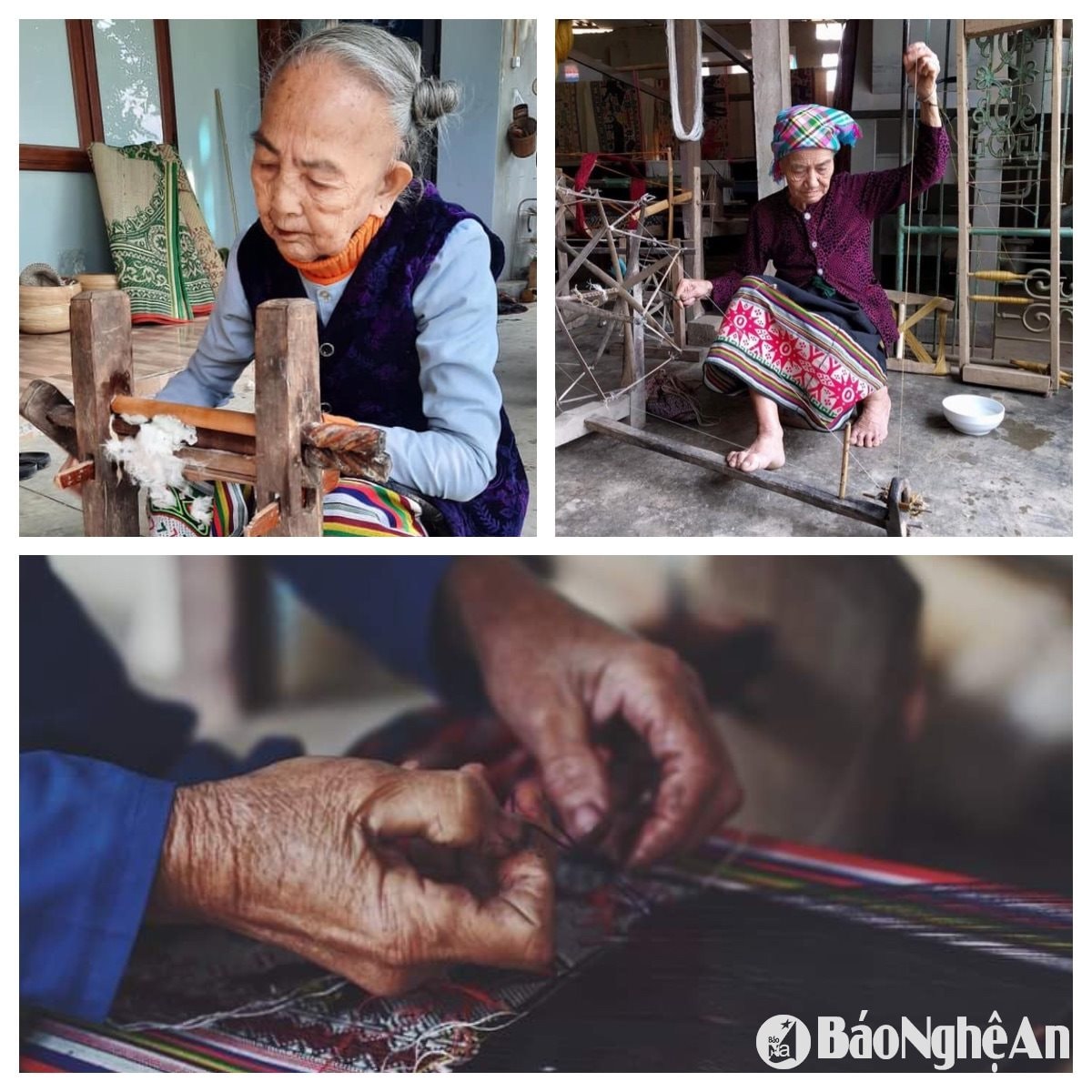
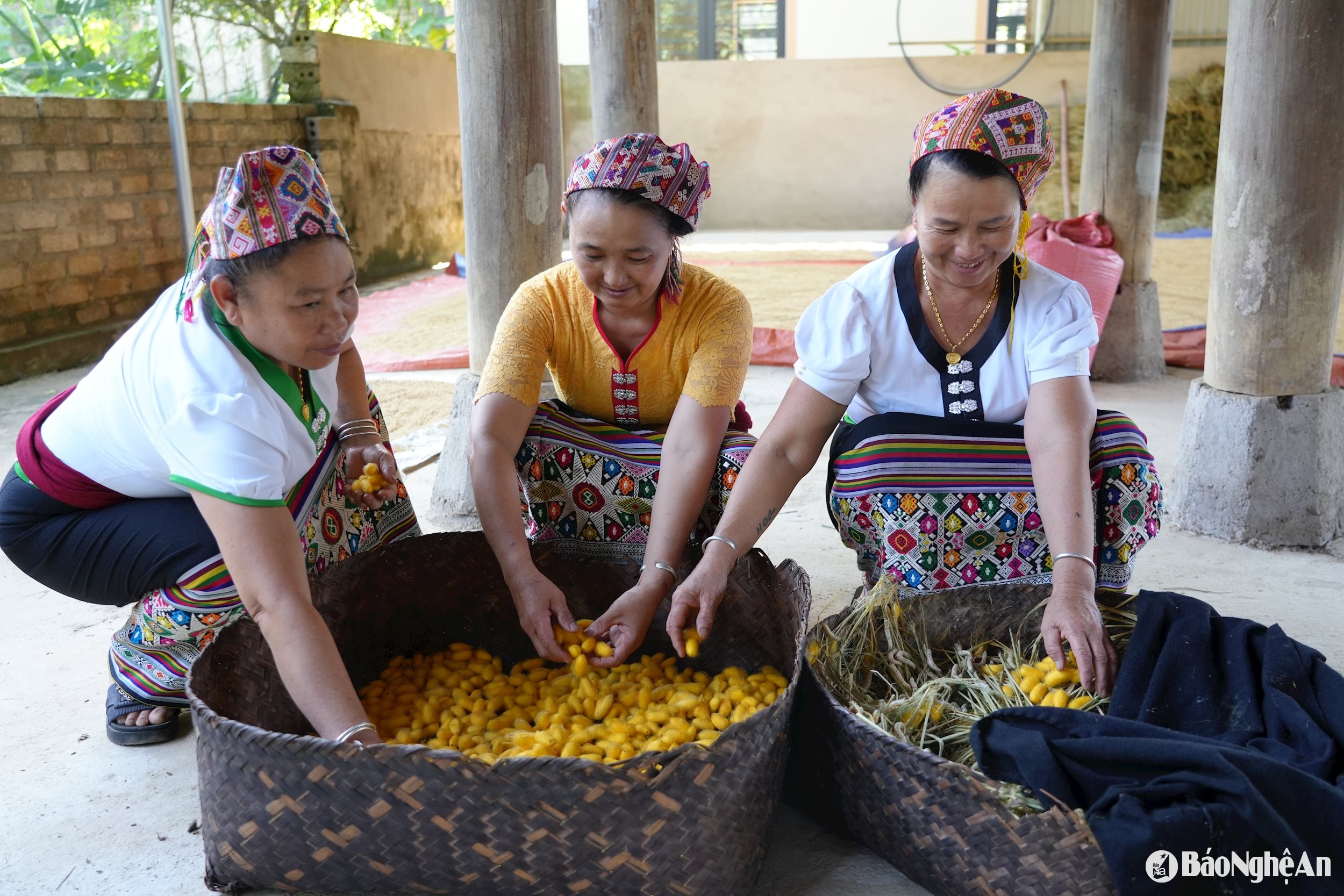
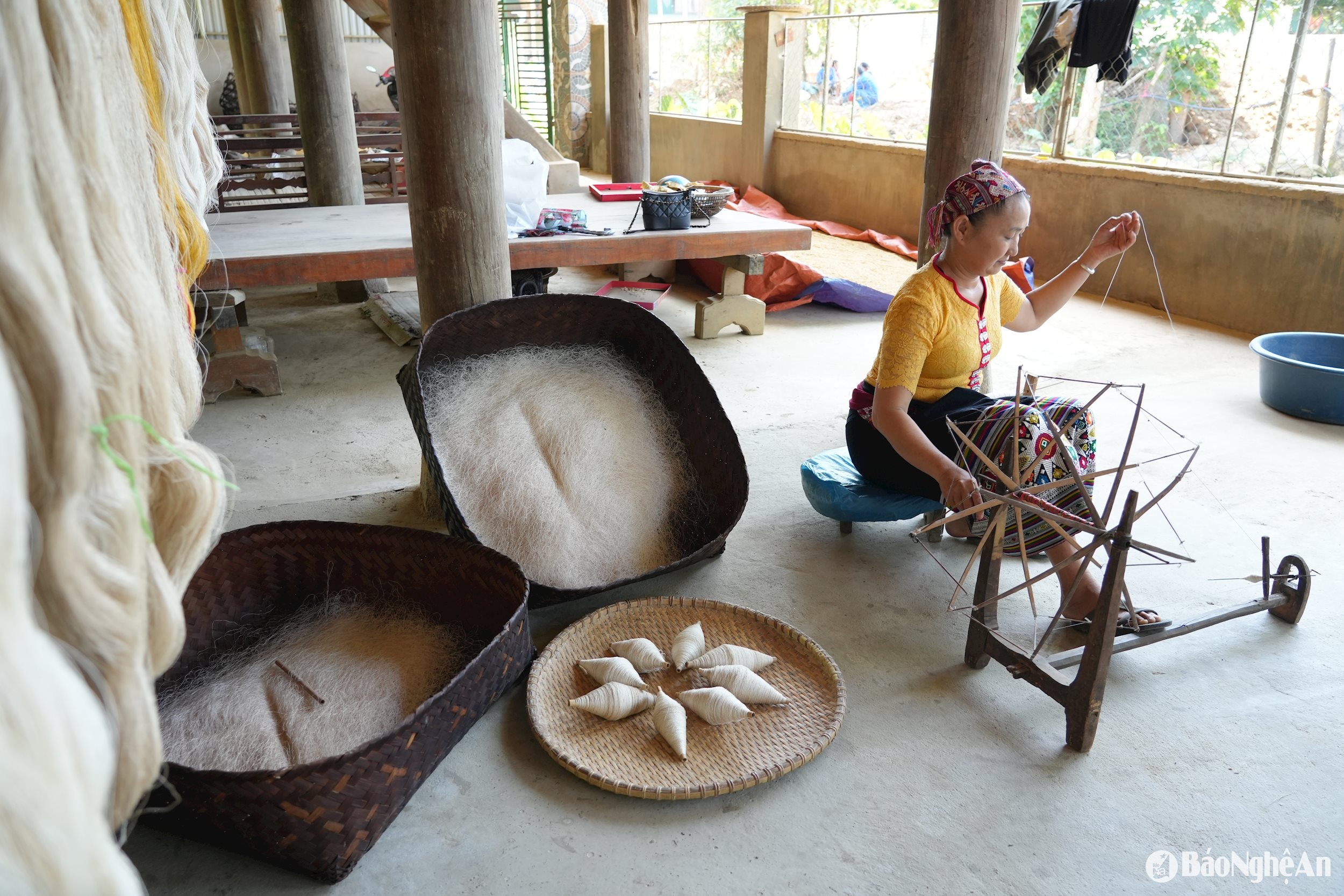
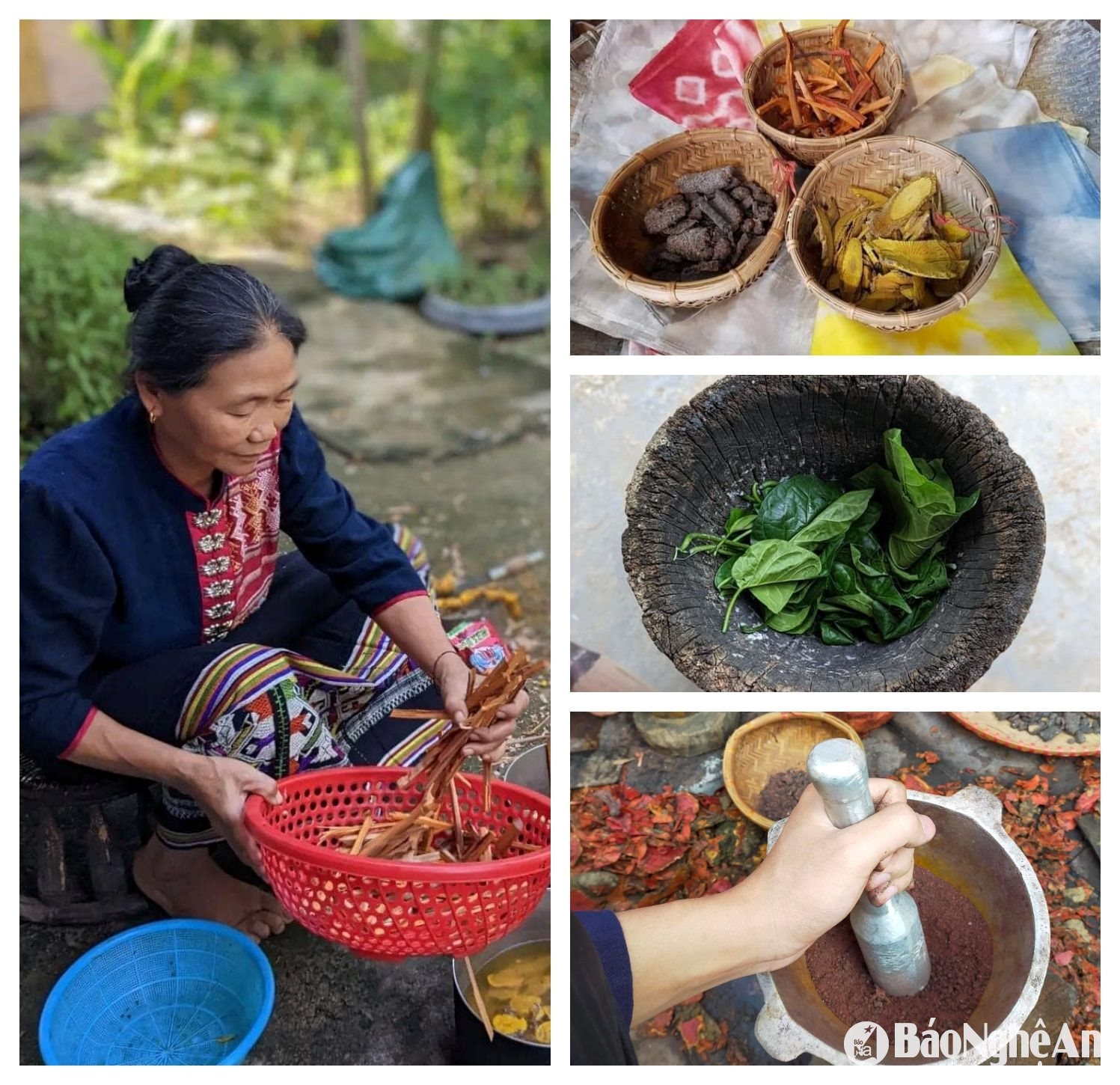
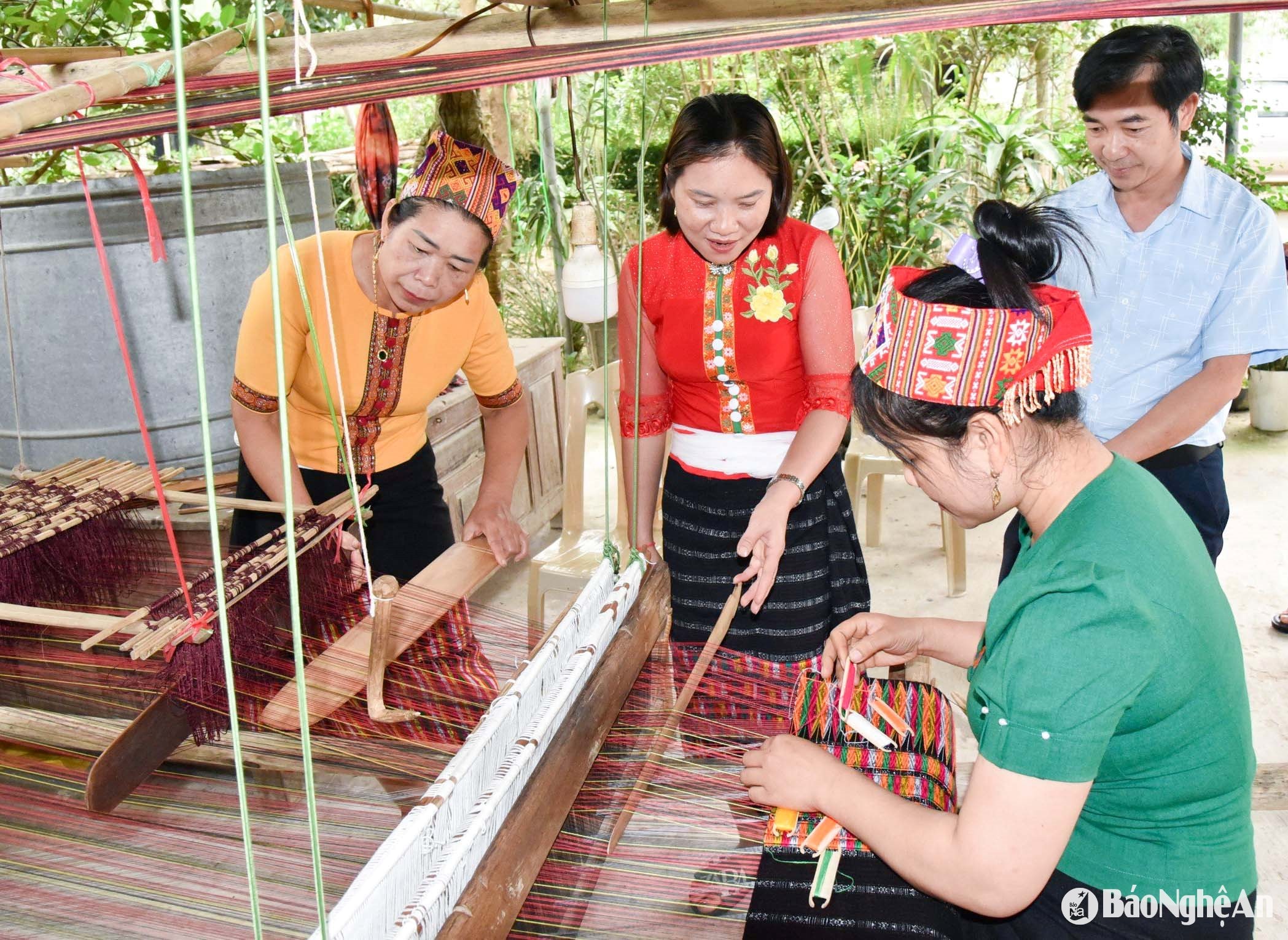
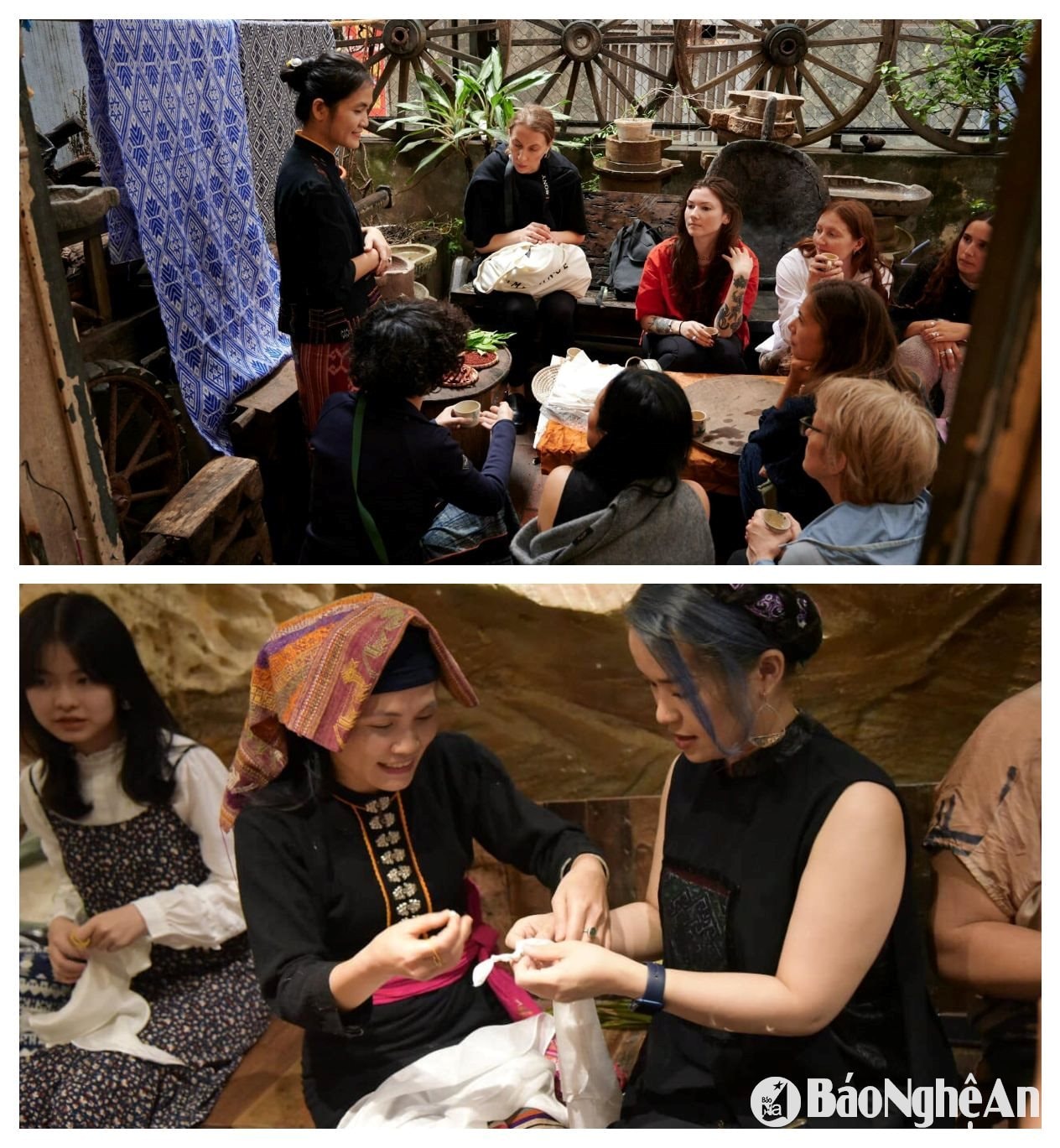
Under the roof of a traditional stilt house in Bac Ly commune, two generations of Thai women, one old and one young, diligently work at their looms, keeping the flame of brocade weaving alive amidst modern life. Photo: TPThe wrinkled, dark hands of the nearly hundred-year-old woman diligently working with each thread and stitch is a vivid testament to the perseverance and dedication of Thai women in preserving traditional crafts through the ups and downs of history. (Photo: TP)Beside trays of golden cocoons, Thai women prepare for the silk reeling process, the beginning of a unique handcrafted brocade weaving process. Photo: TPSpinning silk is one of the processes that requires skill and patience. Each rotation represents a life cycle of silk thread, carefully nurtured from nature. Photo: TPBrown roots, perilla leaves, and the stems of the *Cynodon dactylon* tree are traditional dyeing materials. The colors of the forests and mountains of western Nghe An create durable fabrics that do not fade over time. Photo: TPEach pattern on the brocade fabric is a slice of culture: images of houses, deer, streams… embodying the beliefs, philosophy of life, and soul of the Thai people. Photo: TPElderly people are diligently passing on the craft of weaving to the younger generation, a crucial link in the chain of preserving and promoting cultural heritage amidst the flow of integration. Photo: TPFor traditional crafts to thrive not only in memory but also in contemporary life, the key is to have a succeeding generation—young people who are not only skilled but also dare to innovate in their methods, market thinking, and communication. A prime example is Ms. Sam Thi Tinh, daughter of the Distinguished Artisan Sam Thi Bich from Hoa Tien village, Chau Tien commune (Quy Chau district), who has boldly brought brocade fabrics to e-commerce platforms, opened stores in Hanoi, and showcased her products at international trade fairs. (Photo: Provided by the interviewee) With a youthful mindset, the traditional brocade weaving craft has now produced a diverse range of products: bags, wallets, stuffed animals, blankets, bedsheets, tablecloths – all highly practical and catering to consumer tastes. Photo: TPAt community homestays in Hoa Tien village, Chau Tien commune (Quy Chau district), Bong village, Thanh Son commune (Anh Son district), or Xieng village, Mon Son commune, Nua village, Yen Khe commune (Con Cuong district), looms are placed in the guest reception area as a "living museum," helping tourists experience and gain a deeper understanding of brocade weaving culture. Photo: CSCCMany cooperatives and weaving groups in mountainous districts such as Quy Chau, Que Phong, Con Cuong, Anh Son… have been established and operate effectively, bringing products to a wider market and creating more jobs and income for many local workers. Photo: TP
On June 10th, Minister of Culture, Sports and Tourism Nguyen Van Hung signed Decision No. 1657/QD-BVHTTDL on including the brocade weaving craft of the Thai people in Nghe An into the National List of Intangible Cultural Heritage, under the category of traditional handicrafts.
According to the Decision, the People's Committees at all levels in areas where the heritage is located are responsible for State management in accordance with the Law on Cultural Heritage, ensuring the promotion and preservation of the value of this traditional craft in contemporary life.
The recognition of brocade weaving as a national intangible cultural heritage is not only a well-deserved acknowledgment of the Thai ethnic people's contributions to cultural preservation, but also an opportunity to develop community tourism, create livelihoods, and enhance the status of local culture in the context of integration.


.jpg)
.jpg)