

Two-tiered local government in Nghe An: A perspective from the grassroots to the people's trust.
Today, the Standing Committee of the Nghe An Provincial Party Committee held a conference to pilot the operation of the Party Committees, People's Councils, and People's Committees of the new communes and wards under the two-tiered local government model in the province. This activity was highly appreciated by officials and people in the province, who expressed many expectations for the new commune-level apparatus. Nghe An Newspaper has recorded some opinions from various localities.
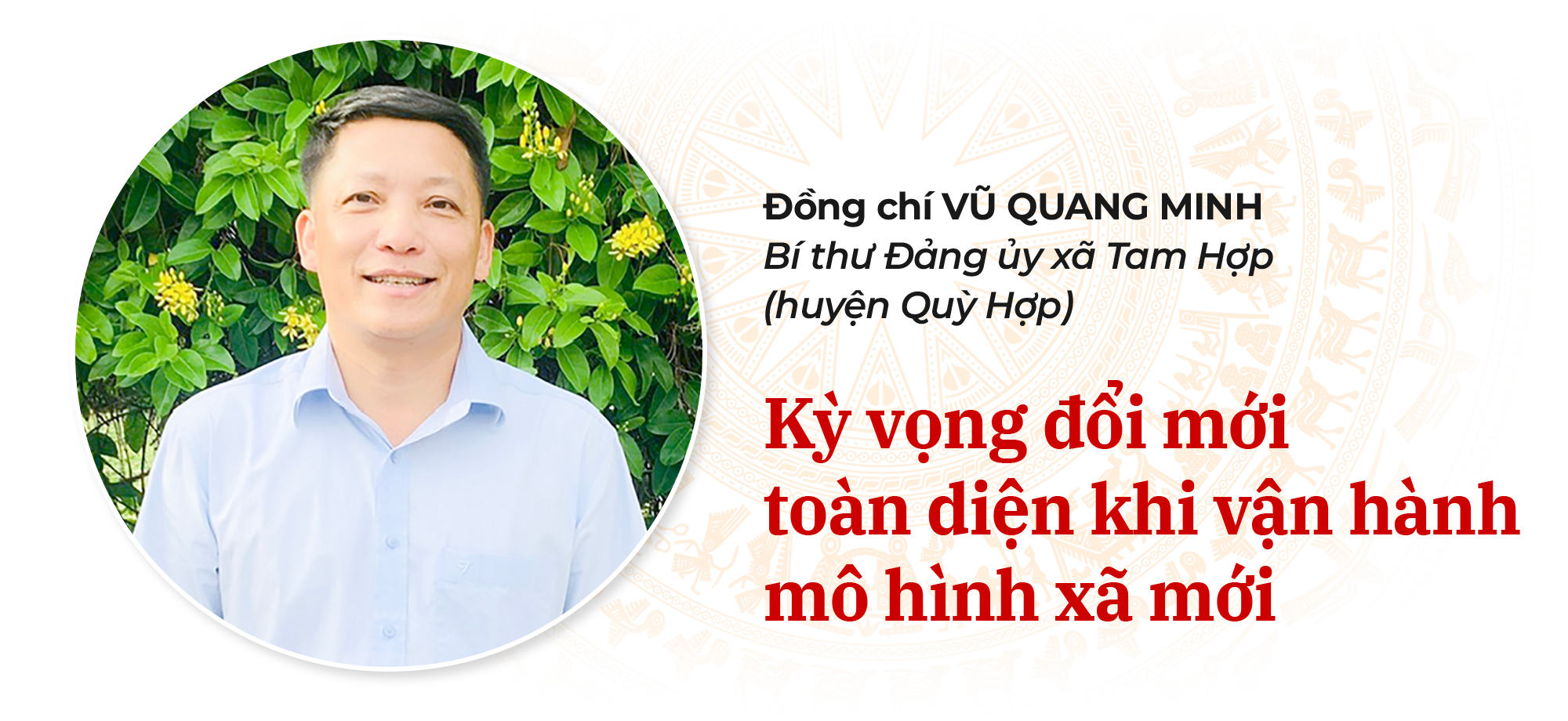
Tam Hop commune was recently merged from four administrative units: Nghia Xuan, Tam Hop, Dong Hop, and Yen Hop (Quy Hop district). Its geographical space and development conditions have expanded, diversifying into agriculture, medicinal plants, and livestock farming. In particular, there is significant potential for developing small-scale industries, commerce, services, healthcare, and education, given that the commune has over 20 km of National Highway 48A running through it.
This area also has a large population, with a total of nearly 43,000 people belonging to three ethnic groups: Kinh, Thai, and Tho, with a diverse and distinctive culture, which is an important resource for the locality to innovate its thinking and accelerate development in the coming period.
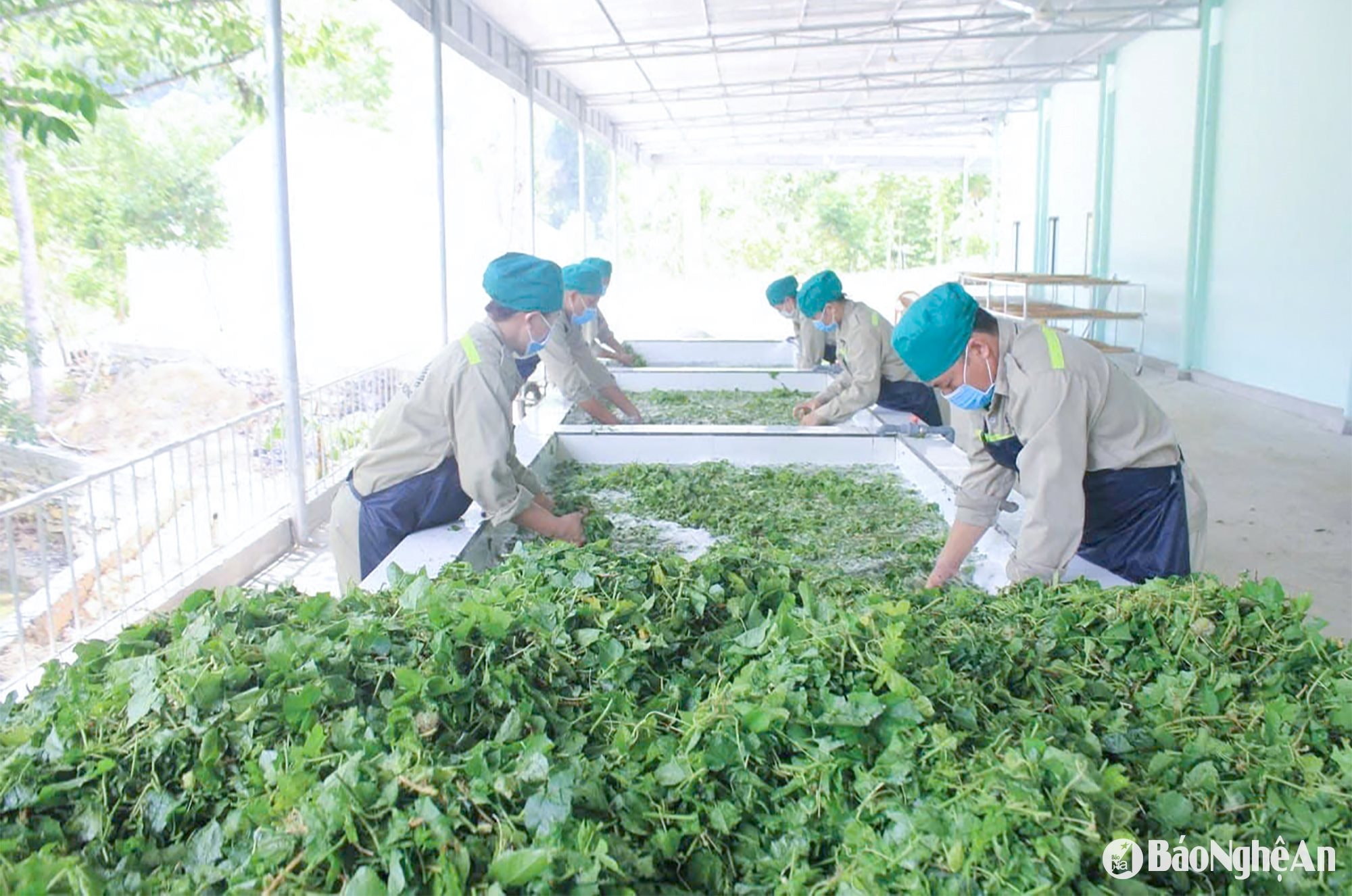
However, when the four administrative systems are merged into one, the pressure on the new system is immense: from organizational tasks, personnel placement, and addressing old problems, to establishing a new, unified political system that prevents the "old village - new village" mentality from affecting national unity. In particular, the lingering apprehension and anxiety among some citizens demand that those working in the new system take the lead in resolving these concerns through concrete actions, impartiality, transparency, and closeness to the people.
The new commune Party committee and government face numerous challenges, not only in effectively leading, directing, and managing a large area, but also in maintaining and fostering unity and solidarity among officials and the people, enabling the locality to progress alongside the overall development of the province and the country in the new era.
I believe and expect that the two-tiered government model will create a truly strong commune – strong in its administrative structure, strong in the capacity of its officials, and strong in approaching and handling development issues. Currently, the province carefully considers and selects officials based on their competence, reputation, experience, and sense of responsibility, including current provincial, district, and commune officials, to hold key positions in the new communes. The clear decentralization of authority to communes in land management, infrastructure planning, environmental protection, etc., is something we highly appreciate, because for a long time, many tasks directly related to the people have only had the role of making recommendations and proposals at the commune level.
.jpg)
For the new administrative apparatus to operate efficiently, effectively, and efficiently, in addition to the responsibility of the political system to strive for innovation and creativity to ensure it is appropriate for the new scale of the commune and the new and higher demands of the tasks, it is also essential to have the attention and support of the province through budgetary support policies in the first 3-5 years of operation, especially resources for building infrastructure and a synchronized administrative center. At the same time, the province also needs to have training programs for officials tailored to the specific characteristics of each locality and region to ensure content that closely matches practical needs, from land management, forest management, budget management, strategic development planning knowledge, to skills in mobilizing people in ethnic minority areas, and implementing digital government…
*****
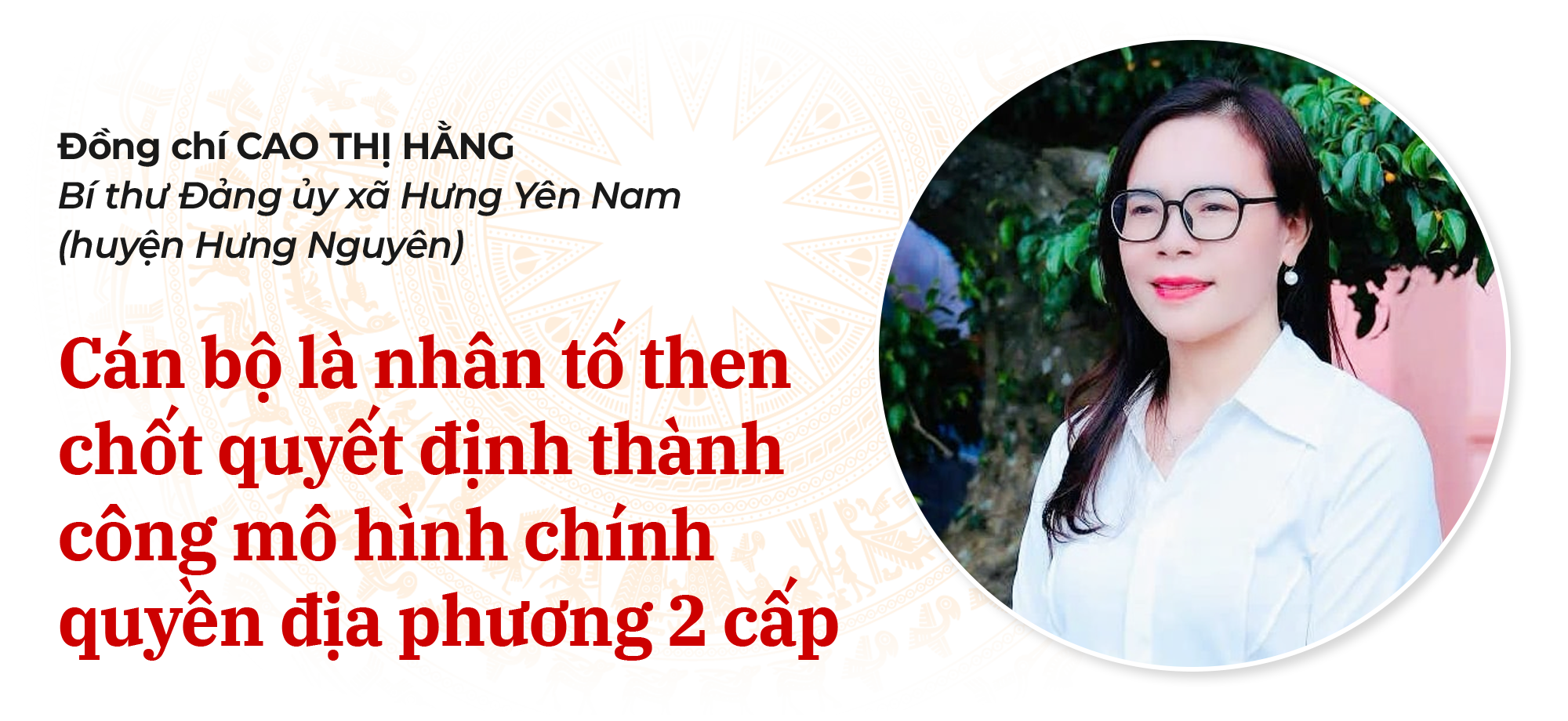
Implementing a two-tiered local government model is a major policy that will propel the country into a new era. However, the initial implementation of this model will face certain difficulties, especially in disadvantaged areas where the existing equipment and machinery are not yet sufficient to support the new operational system.
In many communes, the Party Committee and People's Committee are not located in the same area and must be separated into individual former communes. This creates obstacles and inconsistencies in the work process. In particular, the excessive number of powers delegated to the commune level, coupled with limited staff capacity, easily leads to difficulties in handling tasks.
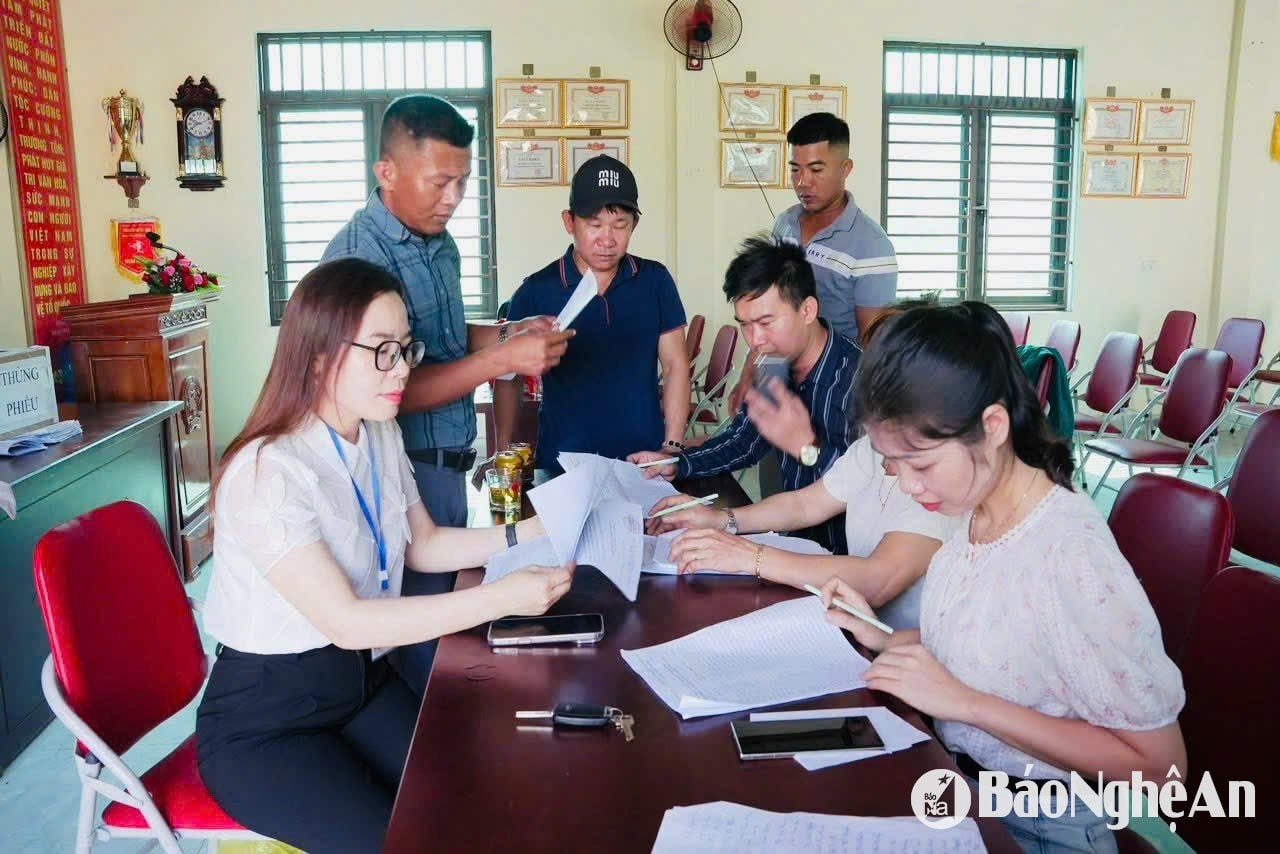
When implementing a two-tiered local government model, the team of officials and civil servants will be the key factor determining the success of this new model, because implementing a two-tiered local government requires a significant increase in responsibility, a very large workload, and very high task demands.
I believe that regardless of their position or role, every official and public employee must strive and work hard to improve their knowledge, and in doing so, they will be valued. However, to secure their job, each official and public employee needs to make a much greater effort.
I believe that with the proactive approach of local authorities, along with the determination and efforts of the staff and civil servants, the "revolution" to streamline the administrative apparatus will succeed, thereby serving the people even better. This will lay a solid foundation for a modern, effective, and truly people-oriented administrative system.
*****
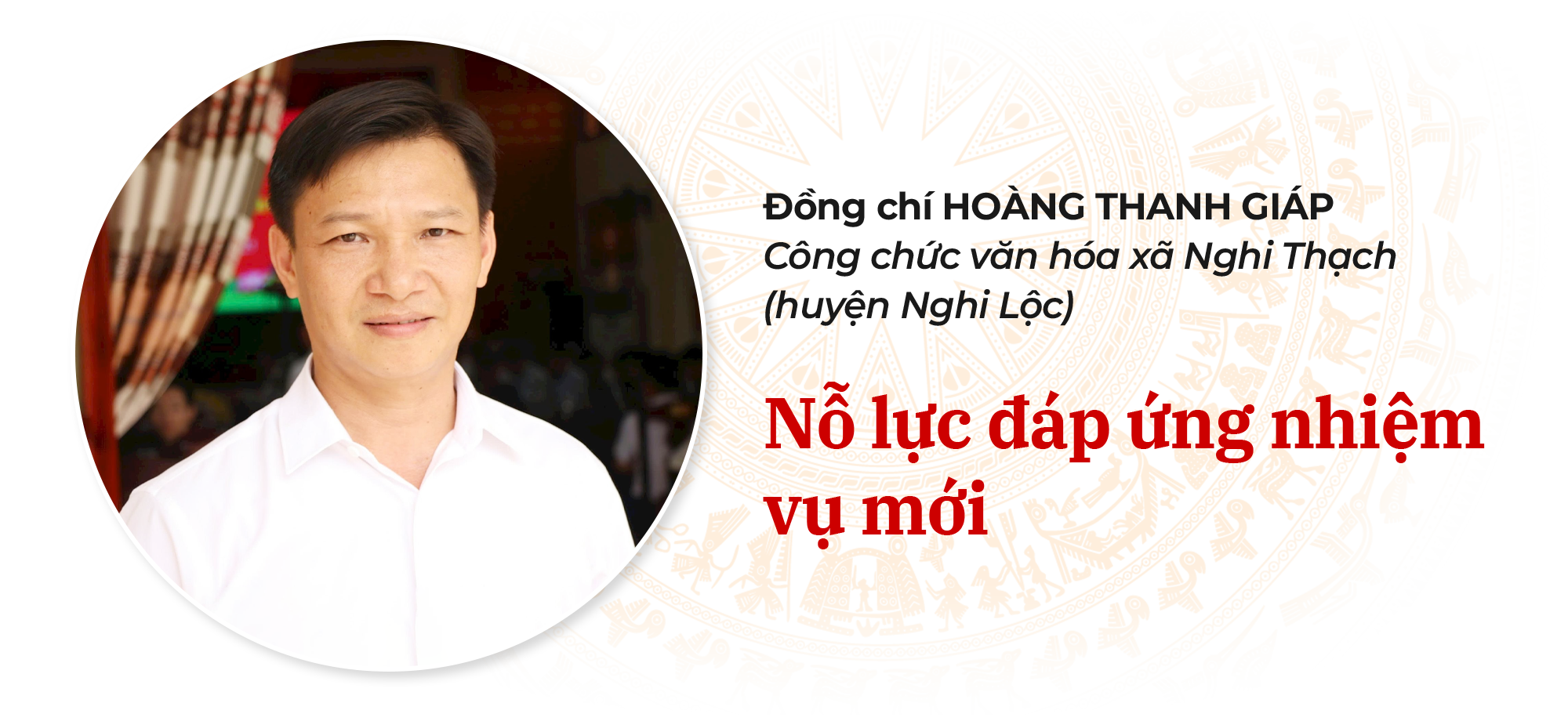
The implementation of the two-tiered local government model is a major reform, creating an urgent need to restructure and improve the quality of the staff and civil servants. For myself, having worked as a cultural civil servant in Nghi Thach commune, Nghi Loc district, after the implementation of the two-tiered local government model according to the plan, I became a specialist in the cultural department of Dong Loc commune – a commune formed by rearranging the entire natural area and population of Khanh Hop, Nghi Thach, and Thinh Truong communes. Notably, Dong Loc was chosen by Nghe An province as a pilot location for the two-tiered local government model.
Working in a newly established commune with a large area and a large population means a heavy workload and greater work pressure. This requires each of us specialists to constantly strive to improve our theoretical knowledge and professional skills. First and foremost, we must keep abreast of legal documents on the organization of the two-tiered local government; at the same time, we must self-study to acquire additional knowledge and expertise in the field assigned to us by the Party committee, and promote the application of information technology to meet the requirements of digital transformation when implementing the two-tiered local government model.
Like many cadres, Party members, civil servants, and public employees, I am very reassured and confident in the two-tier model. I acknowledge that taking on this new role will be challenging, but it requires great effort to learn, accumulate experience, and work together with the local Party committee and government to successfully carry out the assigned tasks.
*****
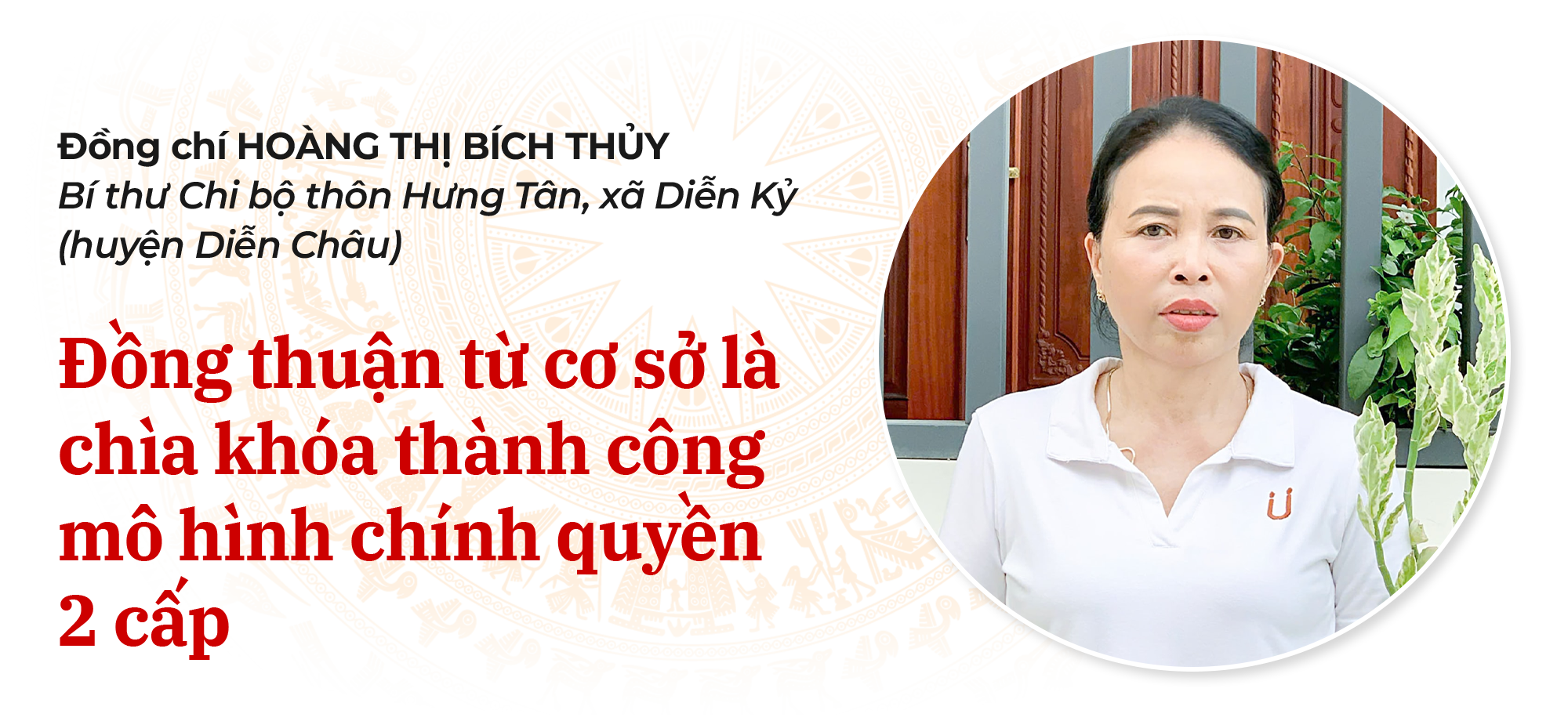
Today, I had the opportunity to attend an online conference organized by the Standing Committee of the Nghe An Provincial Party Committee on the pilot operation of the two-tiered local government model. This is not only an adjustment to the organizational structure but also opens up a new direction in leadership and management methods at the grassroots level, helping to improve the efficiency of the organizational structure.
I was impressed with the well-organized structure and practical content, which closely reflected local realities. The comprehensive simulation of the operational processes of the Party Committee, People's Council, and People's Committee of the commune helped localities easily visualize the process, thereby enabling them to be more proactive in implementation.
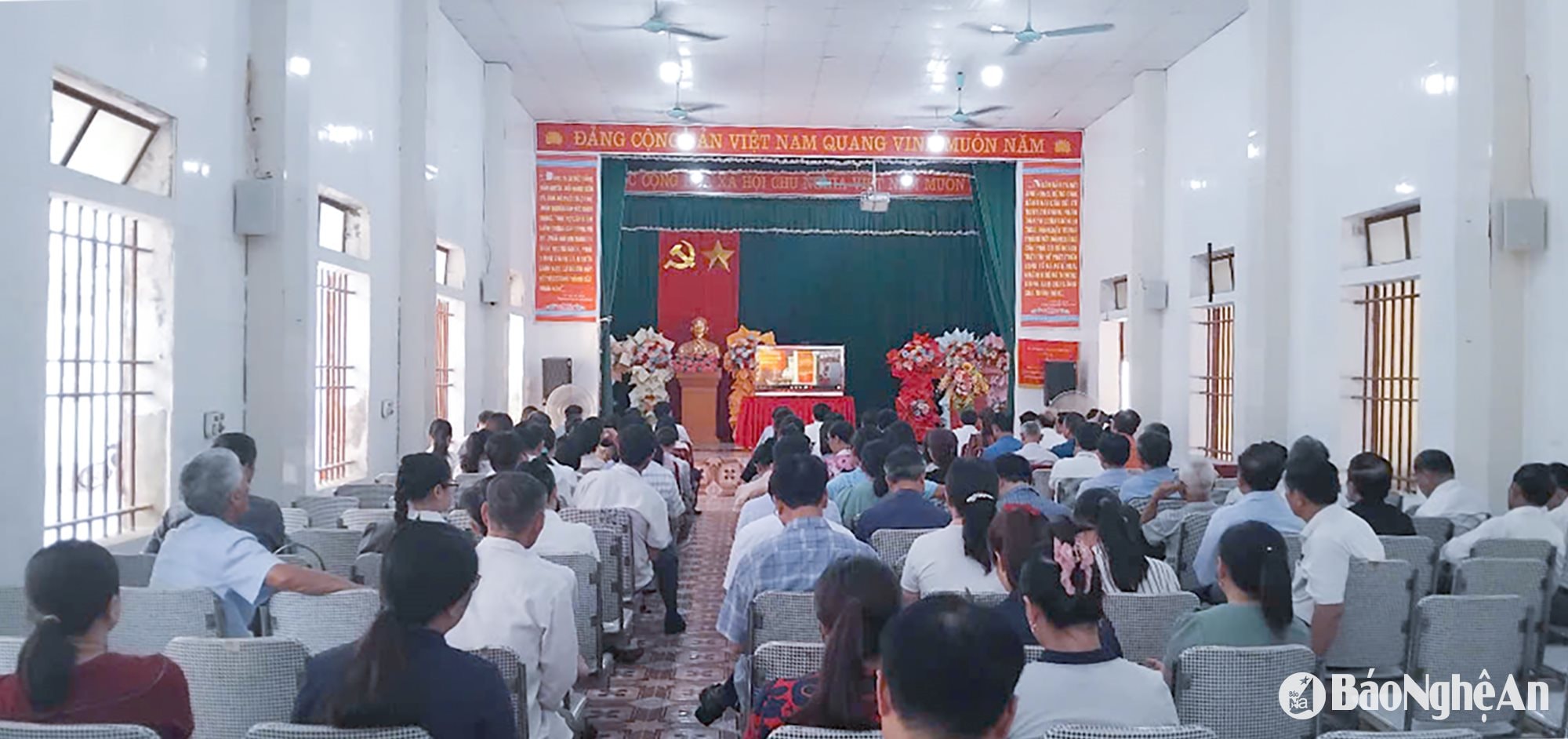
As the Party Branch Secretary, having early access to information, I am fully aware of my responsibility to disseminate the conference's content to cadres and Party members; and to coordinate with the village committee and socio-political organizations to widely publicize the new model to create consensus among the people. This is considered a crucial "key" to ensuring the model's success. At the same time, I will strengthen coordination between the village and commune political systems to effectively carry out tasks and serve the people more efficiently.
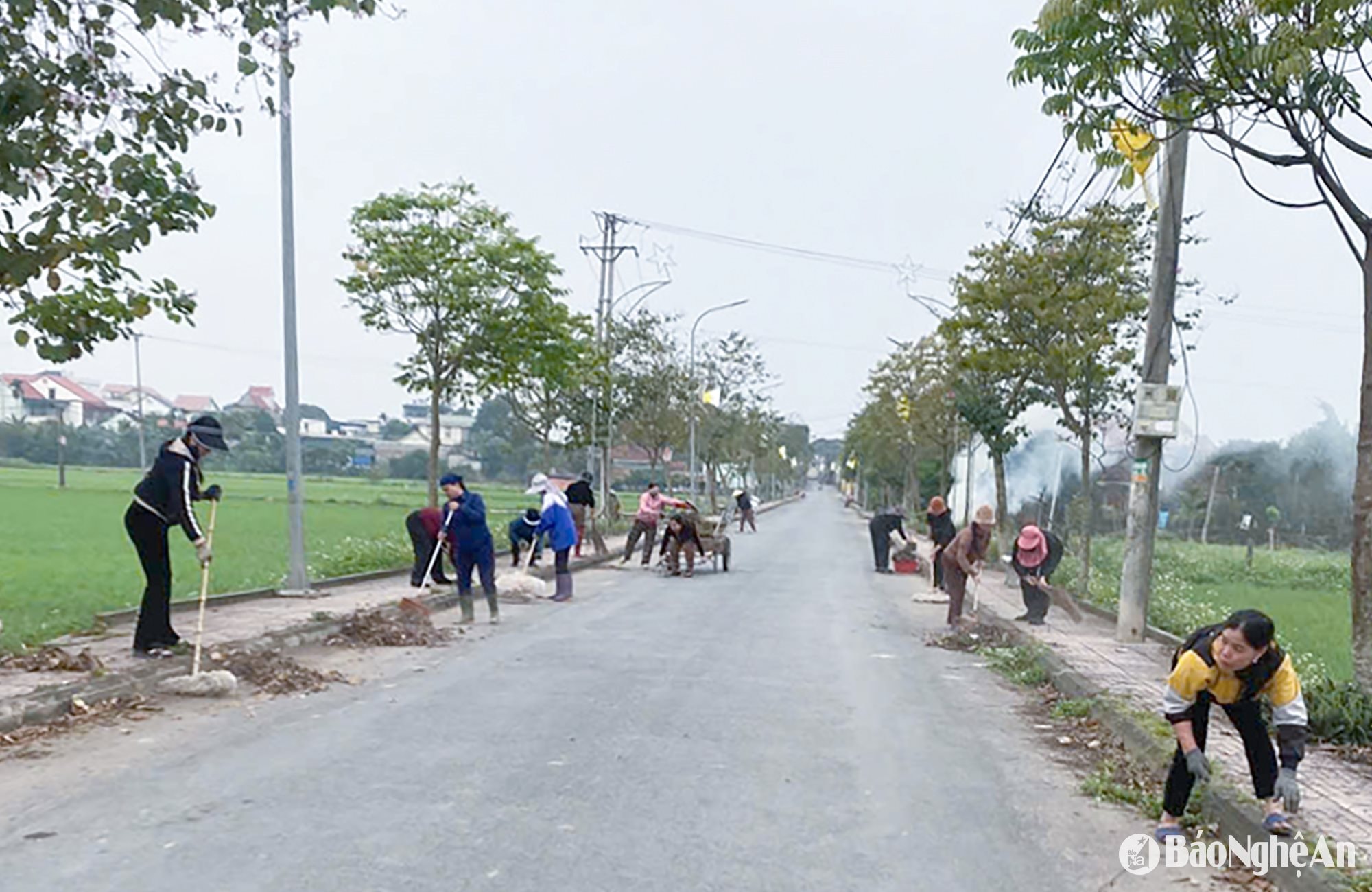
I expect the two-tiered local government model to be effective thanks to its streamlined structure, clear decentralization, and high sense of responsibility among grassroots officials. However, given the large size of the commune and its dense population, I worry whether people will face difficulties accessing policies, public services, and administrative procedures. Although digital transformation will be promoted, many people still have limited digital skills. Therefore, it is necessary to promote "digital literacy" – opening training classes with specific guidance in hamlets and villages. I hope the province will have easily understandable and memorable forms of communication and continue to invest in and improve the quality of the non-professional community workers in hamlets – the important "bridges" between the Party and the people.
*****
.png)
The implementation of a two-tiered local government model will reduce intermediate layers and streamline the administrative apparatus, a powerful impetus paving the way for a new phase of national development. A two-tiered local government model that is closer to the people will improve services for citizens and businesses. Therefore, I strongly support the policy of implementing a two-tiered local government.
The implementation of a two-tiered local government system may initially cause some inconvenience due to changes in habits and the apprehension of citizens and businesses regarding administrative procedures. There are concerns about whether larger wards can handle administrative procedures as efficiently as before. However, this issue has been resolved as the Prime Minister has directed localities to ensure smooth and uninterrupted administrative procedures.
Citizens and businesses desire a two-tiered local government system that is truly close to the people and serves them better. To achieve this, higher levels of government need to select competent and ethical individuals who can meet the demands of the new job and avoid creating difficulties for the people.
Furthermore, people hope that cumbersome administrative procedures will continue to be reviewed and abolished, which will both facilitate citizens and reduce pressure on officials, increasing transparency in handling documents and paperwork. I believe that streamlining the administrative apparatus will help ensure that policies are implemented more promptly, realistically, and reach the people faster.