
Part 2: 'Building Bridges' from Understanding
The role of trade unions is not only demonstrated in resolving strikes and work stoppages. In Nghe An, through a systematic approach, focusing on the interests of businesses and striving to "upgrade" workers, the trade union is asserting itself as an indispensable partner, contributing to the creation of a sustainable investment environment.
Part 2:
Reliable companions
The role of trade unions is not only demonstrated in resolving strikes and work stoppages. In Nghe An, through a systematic approach, focusing on the interests of businesses and striving to "upgrade" workers, the trade union is asserting itself as an indispensable partner, contributing to the creation of a sustainable investment environment.
Change the business perspective.
For most FDI businesses, establishing a trade union within the enterprise is often merely a formality, a requirement, because their primary concern is business and production. However, thanks to the dedication and sincerity of the trade union officials, this perception has changed.
Initially, being refused a meeting by FDI enterprises, even after scheduling an appointment, was a "daily occurrence" for trade union officials approaching and persuading them to establish grassroots organizations. Faced with this reality, the Trade Union of the Southeast Economic Zone – the unit that once managed the most FDI enterprises in Nghe An province – developed a systematic approach strategy, guided by persistence and the philosophy of "bringing benefits to the enterprise." This perseverance is demonstrated through real-life stories, where trade union officials had to make up to five visits to some enterprises before finally securing a meeting.
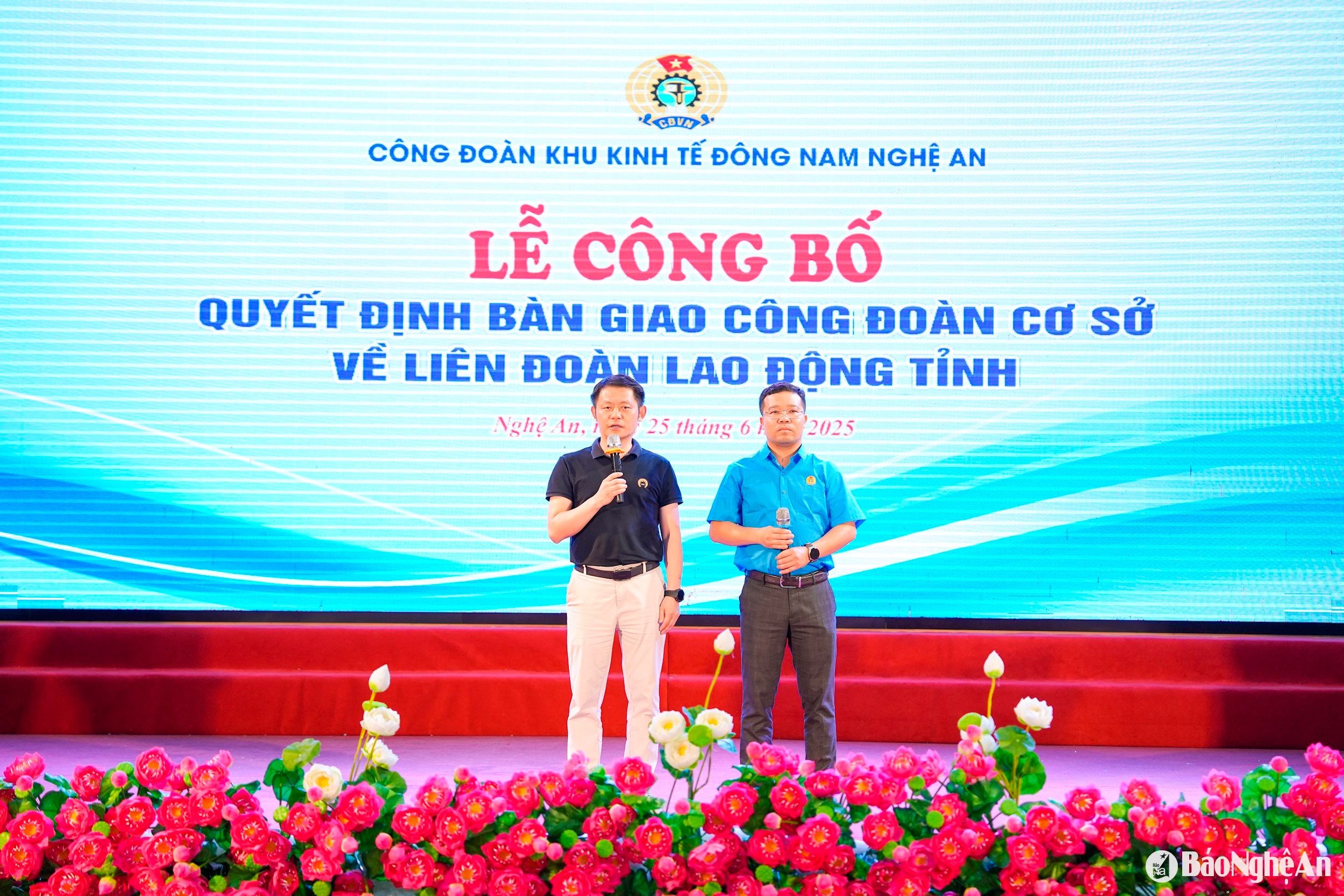
From the outset, they leveraged the support of the Southeast Economic Zone Management Board, while also assigning dedicated staff to closely monitor each area. "Instead of demanding, we proactively sought to understand the difficulties faced by businesses to resolve them together, building close relationships with the human resources department and providing timely legal advice. Although businesses have their own teams of experts and lawyers, they don't always understand Vietnamese legal regulations. Especially in the initial stages of establishment, the young human resources and administrative departments will encounter many difficulties. During the development phase, the trade union can support businesses in recruiting labor… This 'giving first' approach has gradually built the reputation of the trade union staff. When businesses realize that the trade union is a reliable partner helping to stabilize production and develop the business, they are willing to cooperate, completely changing their initial perspective," said Mr. Vuong An Nguyen, a trade union official in the Southeast Economic Zone.
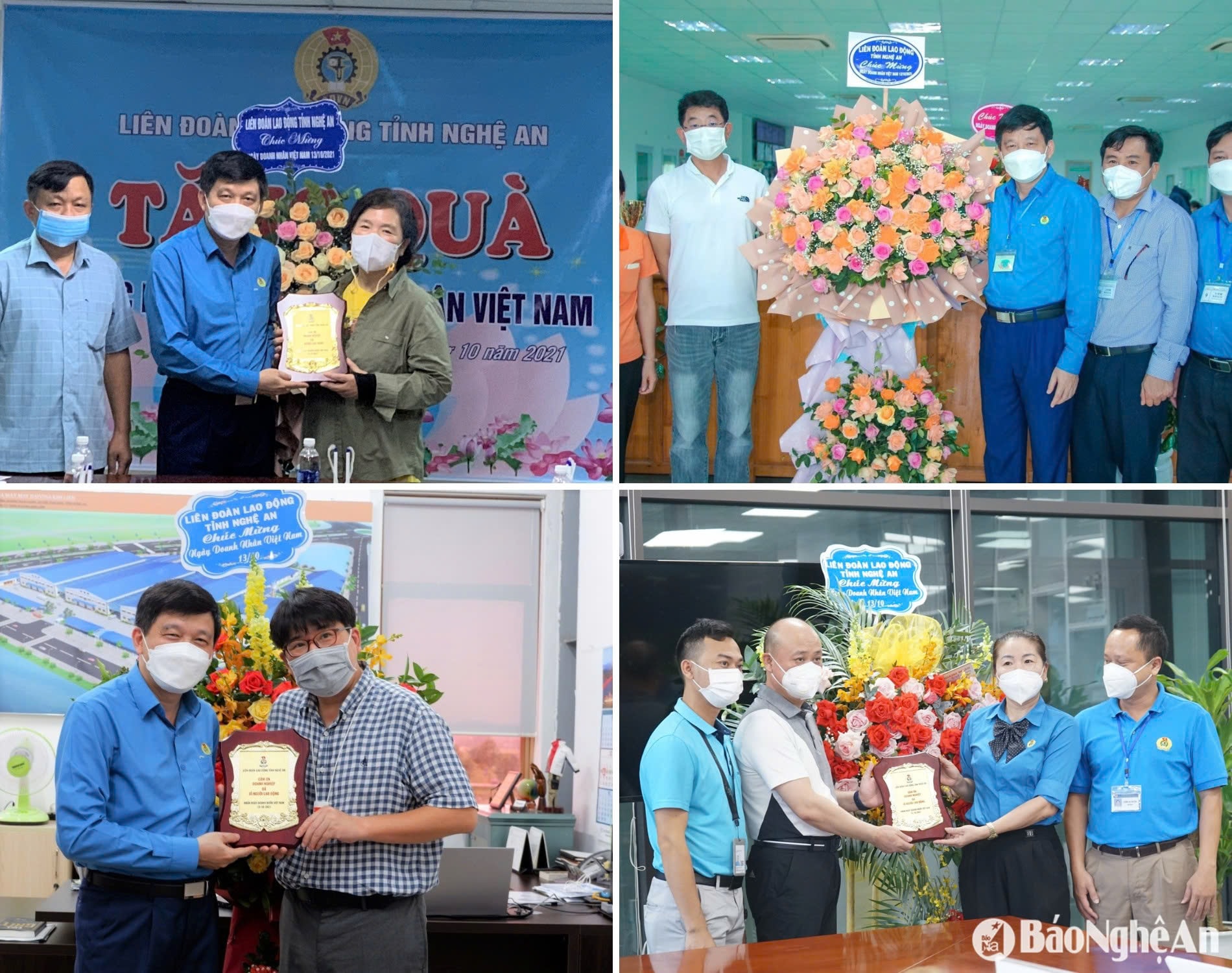
Based on his experience, Mr. Le Van Lai, Vice Chairman of the Do Luong Labor Union, shared: "When FDI companies first come in, they implement a fairly good labor regime, but it's simply minimal. They don't care about the workers' well-being, recreational activities, holidays, or even the traditional Vietnamese New Year. They don't even share or create opportunities for the workers… They won't listen to what the union says; they only look at what the union does. Therefore, union officials must operate professionally, organize systematically, and deliver real value to gain the trust and recognition of the enterprise. This is how we gained the trust of the leadership of Kido Vinh Co., Ltd. (100% Korean-owned) and received their support in all our activities."
Recognizing this, not only in Do Luong, but also in many units with numerous FDI enterprises such as the Southeast Economic Zone Trade Union, Dien Chau District Labor Federation, Vinh City Labor Federation, Thai Hoa Town Labor Federation, Nghi Loc District Labor Federation, etc., the trade union activities have been recognized for their meticulousness, professionalism, and practicality, creating a positive impact and being maintained annually.
.png)
Ms. Anna Jung, Director of Wooin Vina Co., Ltd., shared: “I support the trade union because I understand that the union always cares about the workers, regularly understands their thoughts and aspirations, and works with the company to promptly resolve difficulties and grievances, avoiding unnecessary misunderstandings. Only then can the business be stable and develop sustainably.” Ms. Anna Jung's respect for the trade union is also demonstrated in the company's facilities. At Wooin Vina Co., Ltd., the union has its own spacious and well-equipped office, even though all members of the executive committee hold dual roles.
Sharing the same view as Ms. Anna Jung, Mr. Tat Da Nhat - Senior Director of Administration and Human Resources at Luxshare ICT Nghe An Co., Ltd. said: "We have had the support of trade union officials since the early days of the company's establishment, 5 years ago. During the Covid-19 outbreak, the trade union officials did not hesitate to work hard, mobilizing workers to implement the '3 on-site' principle, thanks to which we did not stop production for a single day. In 2020, we started as a company with 1,000 workers, and now we have 7 companies with 25,000 workers. That success is largely due to the significant contributions of the trade union officials in the Southeast Economic Zone."
Recognizing that the quality of its staff is a key factor in meeting the demands of the new situation, the Nghe An Provincial Trade Union has always considered training and professional development a central task. This proactive and innovative approach is evident in Nghe An's pioneering role in implementing Resolution 02 of the Politburo through innovative online examinations, instead of traditional propaganda. "Backbone" skills such as negotiation, dialogue, communication, and strike resolution are regularly honed. Particularly, in light of the influx of FDI, a recent strategic step was the Provincial Federation of Labor's organization of free Chinese language classes for key officials. This is not just a language course, but also a tool to enhance influence, helping trade union officials confidently and proactively work directly with businesses, affirming the organization's position in the integration period.
Elevating the workforce
In the competition to attract FDI, Nghe An's abundant workforce has always been an advantage. However, to truly become an attractive destination for high-tech industries, the issue of human resource quality remains a major challenge. The Nghe An Trade Union has implemented innovative and effective methods to improve the skills of its workers.
From a human resources manager's perspective, this picture presents many contrasting colors. "Workers in Nghe An possess the distinctive characteristics of people from Central Vietnam: diligence, hard work, a spirit of learning, and quick adaptation," frankly acknowledges Mr. Ta Kim Cuong, Human Resources Director of Luxshare ICT Nghe An Co., Ltd. "However, the overall quality of the workforce is still low, mainly consisting of unskilled laborers from agriculture. Therefore, their capabilities and work style in line with the demands of industrialization and modernization are limited."
Understanding this limitation, the Nghe An Trade Union organization has implemented a clever two-pronged strategy: simultaneously elevating workers from within and changing the perspective of managers from the outside.
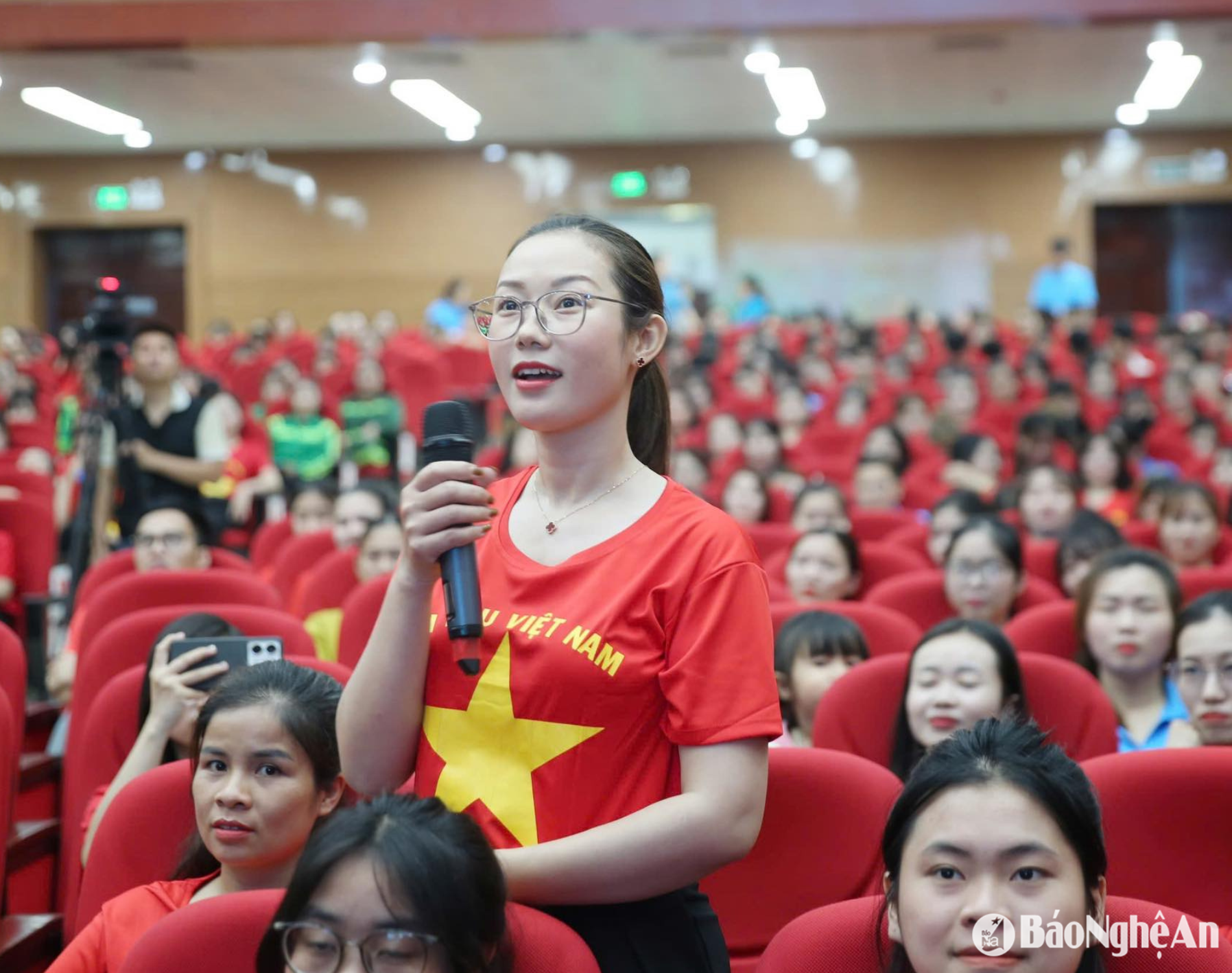
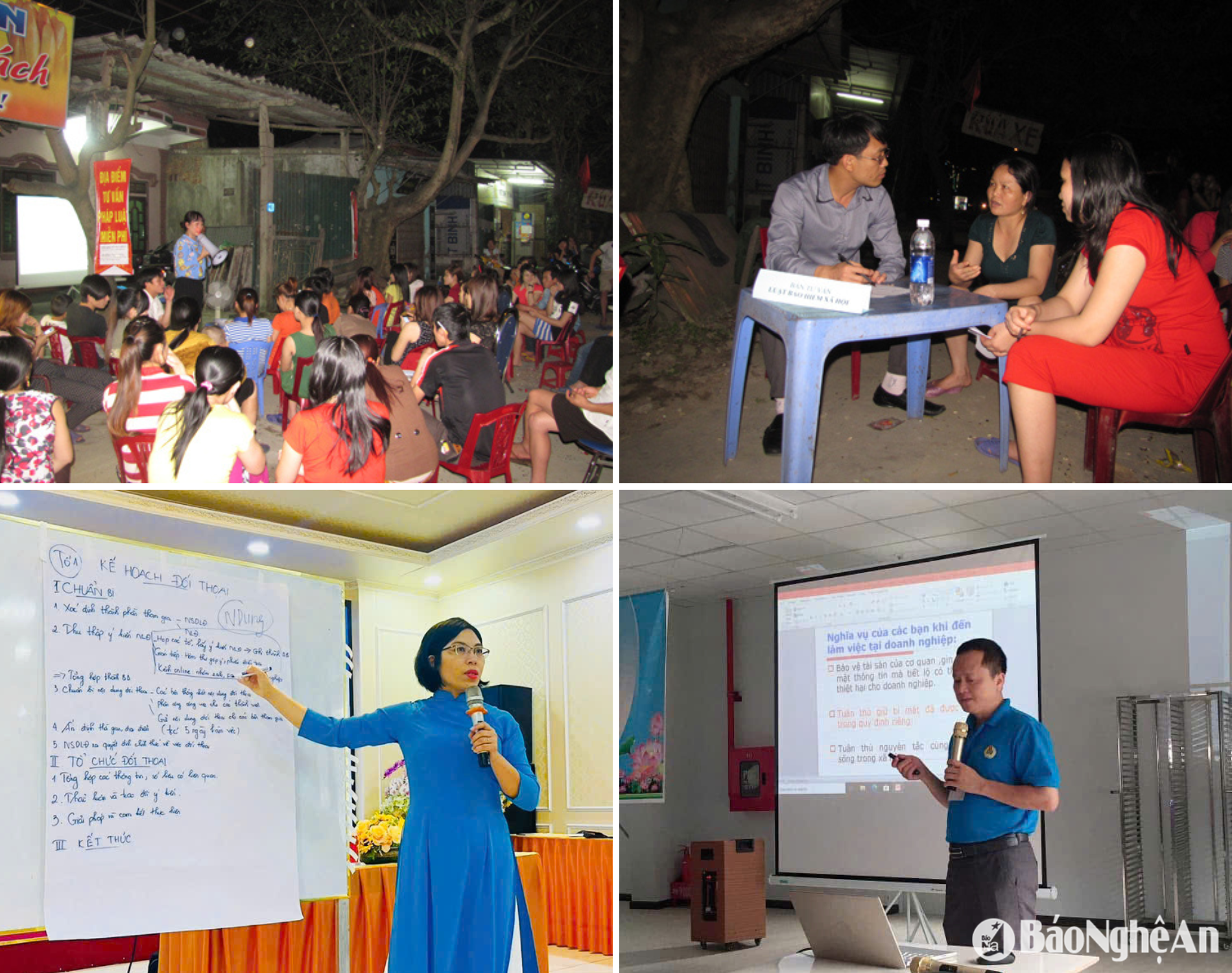
Beyond simply protecting workers' legitimate rights, the Trade Union has proactively become a "great school" for workers. Instead of one-way propaganda sessions, in recent years, training in labor law, soft skills, and industrial work ethics has been completely reformed. Classes are designed for two-way interaction, drawing on practical experience to create engaging and effective learning experiences.
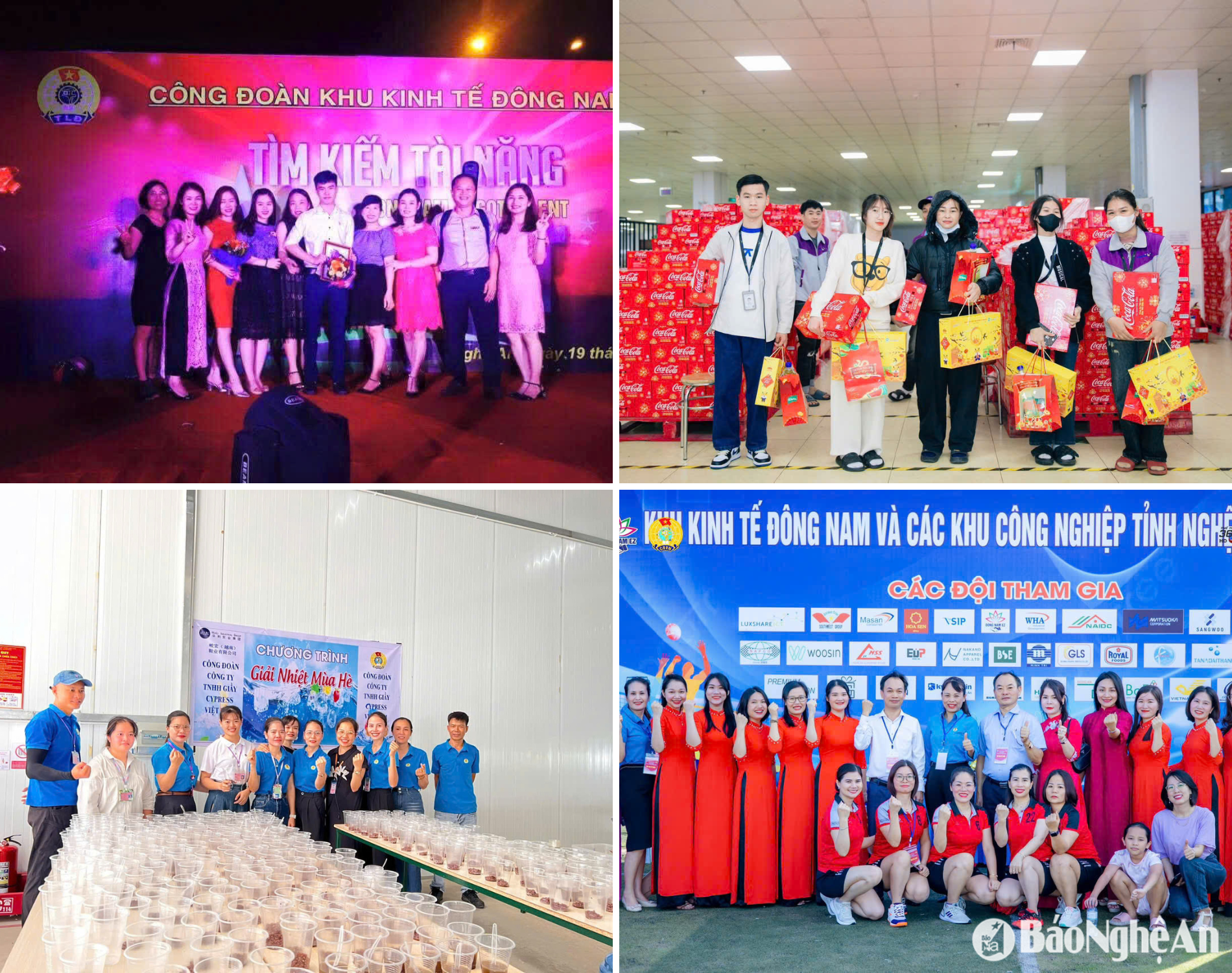
Simultaneously, a series of high-quality forums and platforms were organized to help workers shine, express themselves, and be honored. Programs such as Workers' Day, arts and sports competitions, creative labor movements, and the "Nghe An Workers Following Uncle Ho's Teachings" award... are not just superficial activities. These are spaces where workers can connect, be recognized, and thereby cultivate self-confidence, self-respect, and a desire for self-improvement. They gradually shed the mindset of farmers, embracing professionalism and the pride of the modern working class.
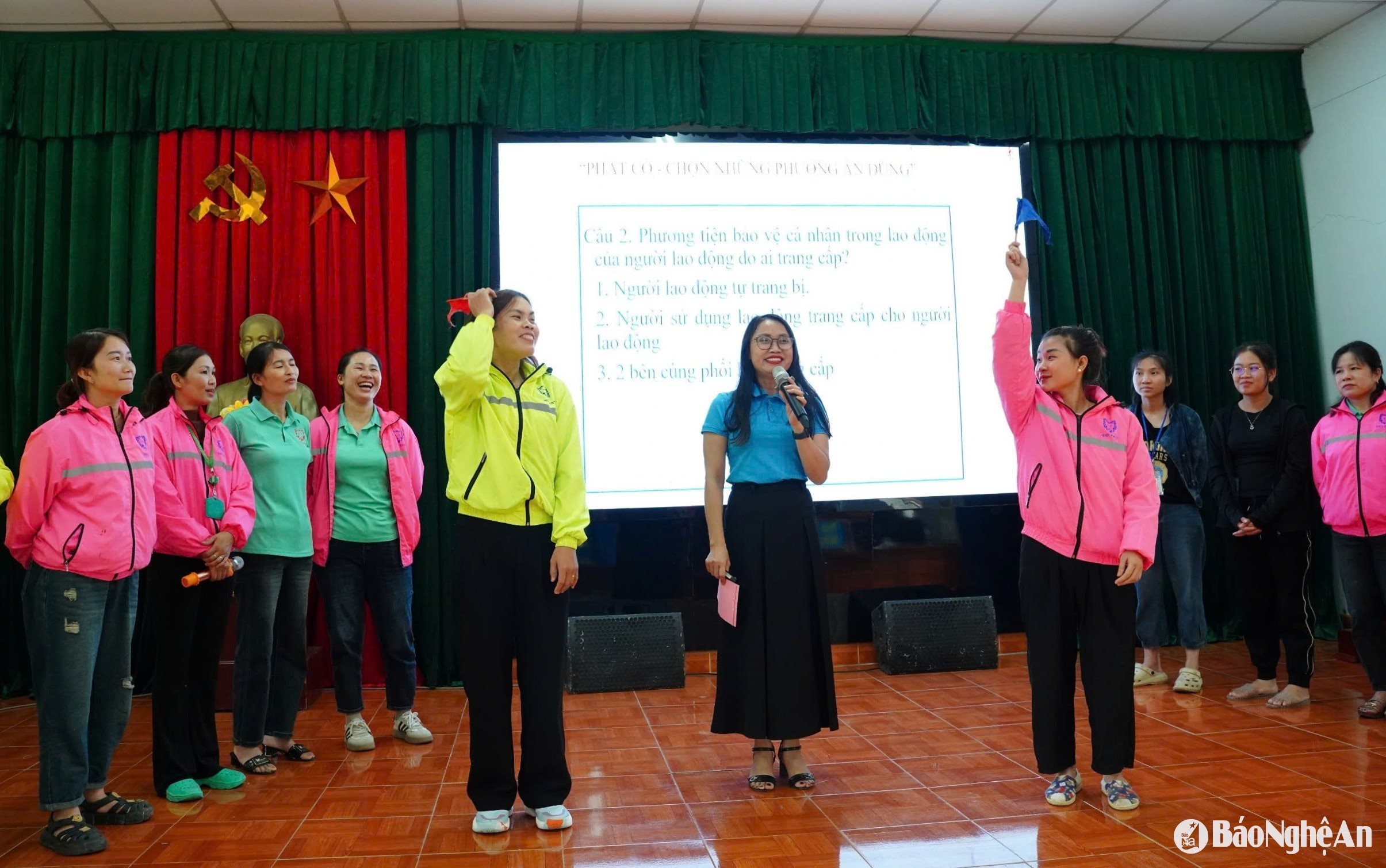
For quality improvement efforts to be truly valuable, it is equally important to make FDI managers aware of this change. Nghe An's trade union officials have strived to "draw" foreign directors and managers into the lives of workers more deeply. They are not only invited to welfare events such as Tet Reunion or Workers' Month, but are also encouraged to participate in skills competitions, movements, and open playgrounds. This gives them the opportunity to see a "different side" of their employees: a young, dynamic worker on the cultural stage; a passionate craftsman in a skills competition; a team full of community responsibility in charitable activities…
When managers witness firsthand the strength, talent, and progress of their team, their perceptions gradually change. They understand that workers are not a production cost, but a valuable asset that needs to be preserved, cherished, and developed.
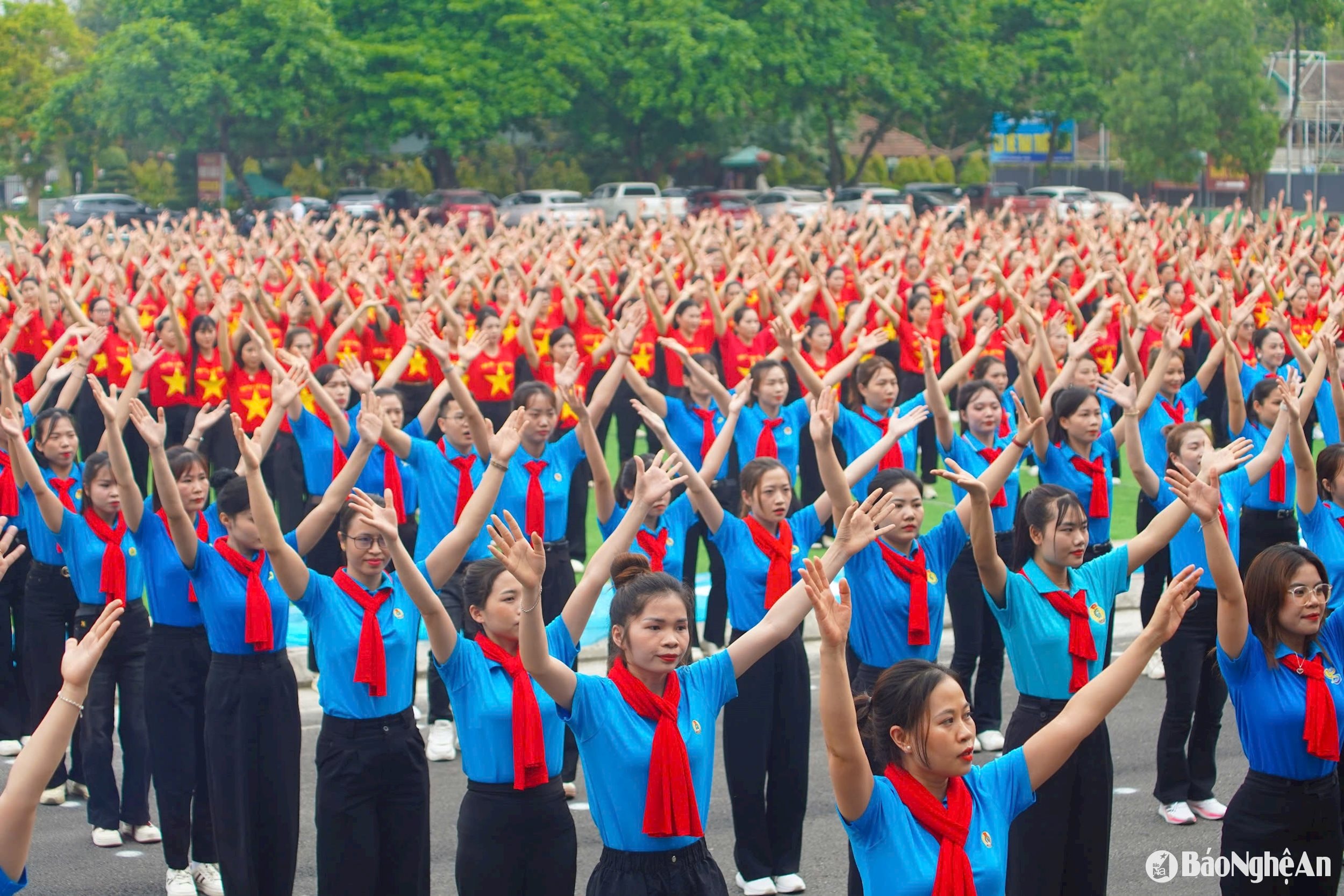
This two-way interaction creates a positive cycle. When employees feel respected and cared for, they respond with effort. When businesses see the dedication and value that employees bring, they have a basis to continue to care for and support them even better.
Ms. Dao Anh Nguyet, a union official at MLB Yen Thanh Co., Ltd. (100% Japanese-owned), affirmed: “We always tell our union members and workers that since the company has done so much for them, they should acknowledge it. They should demonstrate that after each act of care, they will reciprocate with greater effort, diligence, and dedication to their work. Only then will the company believe that its employees deserve better care and continue to show concern and support.”
.png)
That is the most sustainable path to building a harmonious labor relationship, where the interests of the business and the rights of the workers go hand in hand and develop together.
Thanh Thủy - Diệp Thanh