

Hungary opposes turning EU budgets into Ukrainian funds.
The Hungarian Foreign Minister emphasized that Budapest opposes turning the EU budget into Ukraine's own budget.
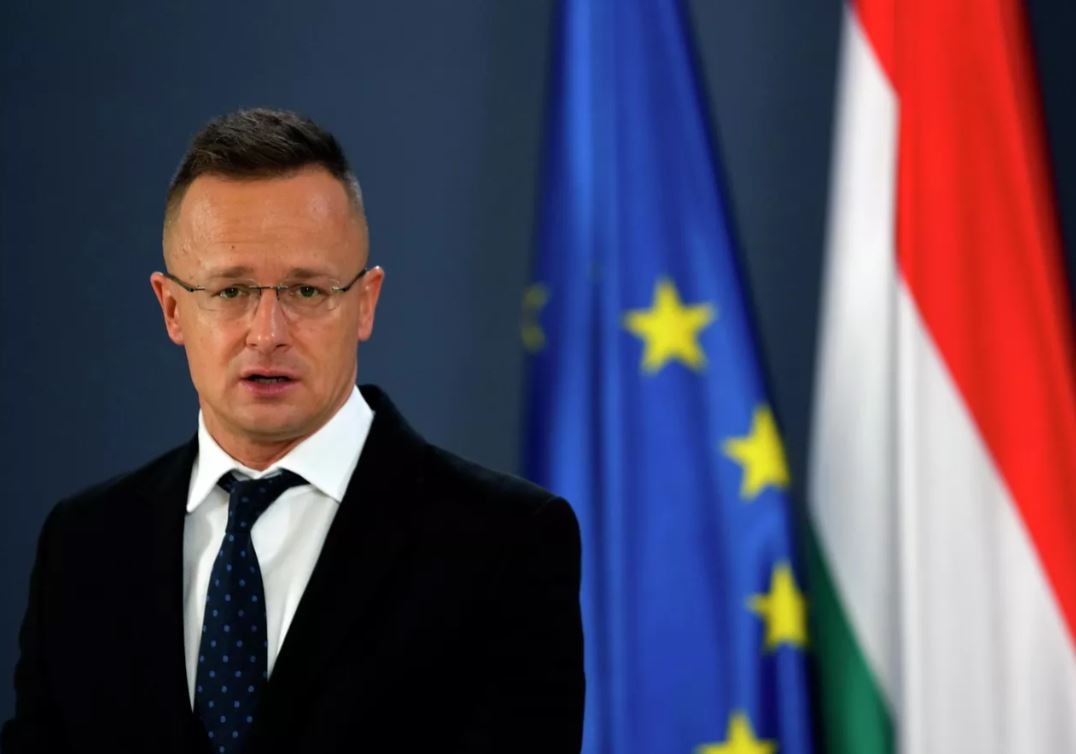
According to RIA Novosti on July 25, in an interview with the agency, Hungarian Foreign Minister Peter Szijjarto stated that Budapest firmly opposes turning the European Union budget into "Ukrainian budget".
"The proposed budget for the next seven years for the European Union is completely unacceptable to us. We will neither support nor agree to this proposal. This is not a budget for the European Union at all – it is a budget for Ukraine," Foreign Minister Szijjártó stated, in response to a question about funding for Ukraine in the EU budget for the period 2028-2034.
On July 16, European Commission President Ursula von der Leyen presented a proposal on the size and spending categories of the European Union's next multi-year budget (MFF) for the period 2028-2034, which experts had previously called "unacceptable".
According to the EC's proposal, the budget would amount to approximately 2 trillion euros. Around 100 billion euros are proposed to be allocated to support Ukraine. However, Budapest, citing numerous experts, claims that the actual proportion of support for Ukraine in the European budget could reach 25%.
This is not the first time Hungarian leaders have spoken out about EU spending, particularly on Ukraine.
Earlier, Hungarian Prime Minister Orban criticized the allocation of resources in the European Commission's draft budget for the period 2028-2034. According to Orban, the EU's plan to allocate approximately 20-25% of its budget to Ukraine, even though the country has not officially become an EU member, means transferring 20% of Hungarian taxpayers' money to a non-EU country. This is unfair to EU countries.
The Hungarian leader also expressed disappointment that the draft budget lacked a long-term economic vision, and warned that diverting resources intended to support European farmers to other goals would negatively impact the European economy as a whole.