

8 smartphone marketing tricks that mislead many users.
In the world of smartphones, not all advertised specifications or features are as truthful as you might think. Phone manufacturers are becoming increasingly sophisticated in persuading users to spend money, even through misleading tactics.
Despite the abundance of quality smartphones on the market, manufacturers often resort to sophisticated tactics—from exaggerating features to distorting facts—to make their products stand out from the competition.
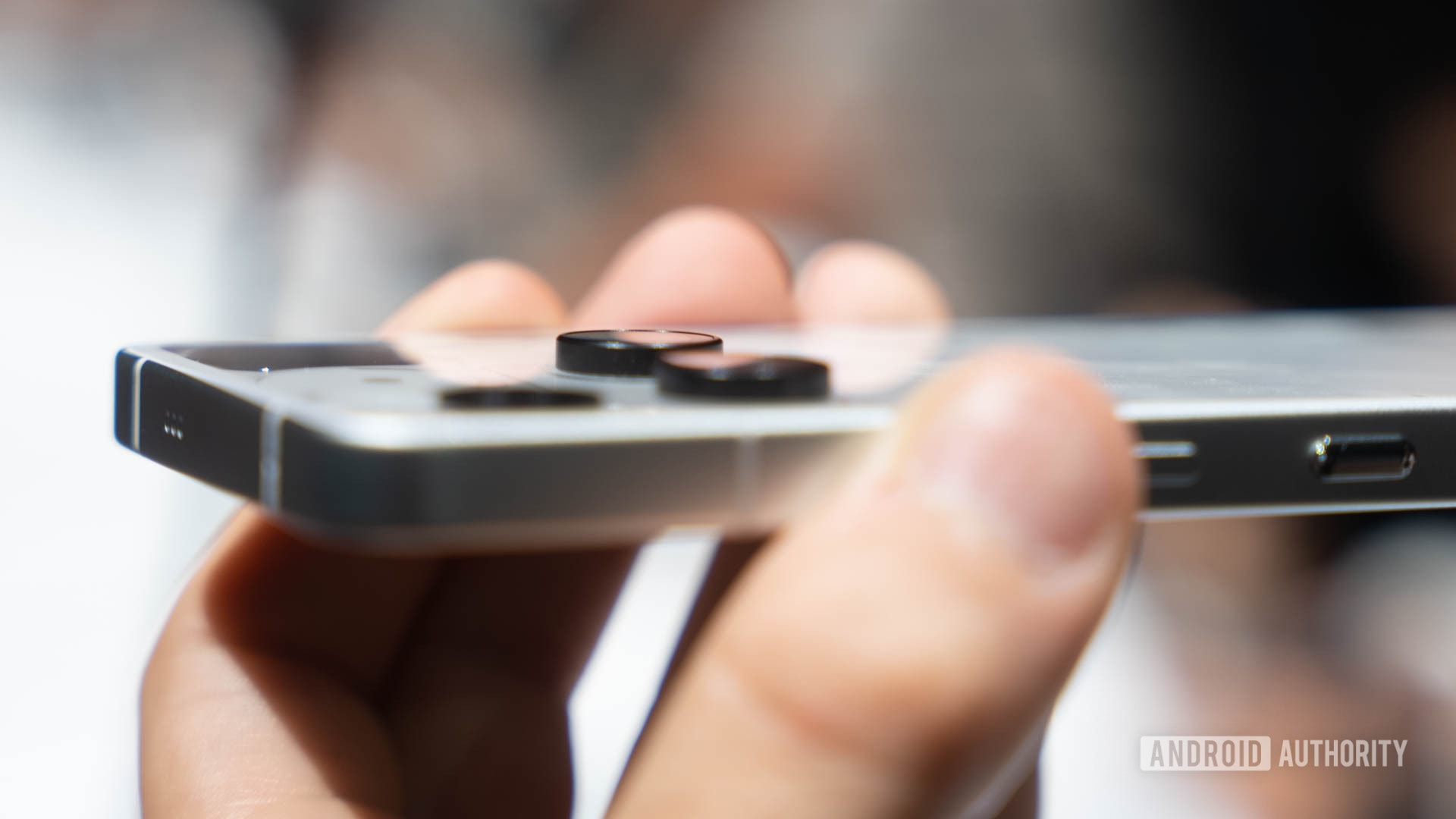
It may sound unbelievable, but these kinds of marketing tricks have actually existed for years and are becoming increasingly sophisticated. This article will review some common tactics companies use to trick you into spending money and why you should be wary.
1. Tricks used to measure the thickness and weight of foldable phones.
Some manufacturers of foldable phones are "bending the rules" when announcing the thickness and weight of their products. Instead of measuring the entire device, they exclude details such as the protective film inside, which cannot be removed. This makes the numbers look more impressive but doesn't accurately reflect reality.
.jpg)
Photo: Internet
Smartphone manufacturers like HONOR, OPPO, and Vivo have been found to use this measurement method, while Google and Samsung adhere to a more common standard. Therefore, when a company claims to have launched the "world's thinnest or lightest phone," look for real-world reviews, including videos from reputable tech experts.
2. Optical zoom - the truth is not what you think?
Many phone manufacturers are misleading users when talking about camera zoom capabilities. A prime example is the HUAWEI Pura 80 Ultra, with its 50MP camera advertised as supporting optical zoom from 3.7x to 9.4x. However, closer inspection reveals that the 9.4x zoom is actually just cropped images from 4.7x zoom – not true optical zoom.
Google and Samsung are equally ambiguous when they call cropped and enlarged images, designed to create a double zoom effect (2x crop) from the main camera, "2x optical quality zoom".
It sounds high-end, but this image actually lacks the benefits of true optical zoom, such as noise reduction or increased brightness. The term "optical quality" is just vague marketing jargon, without a specific definition.
Apple even calls the 2x crop on the iPhone 16 a "2x telephoto lens," even though the phone doesn't have a real telephoto camera. So, when you see advertisements about zoom, be wary because "optical quality" doesn't equate to "true optical zoom."
3. AI features: Smooth performance, but the real-world experience is not as good as expected.
More and more phone manufacturers are launching attractive artificial intelligence (AI) features such as Circle to Search, live voice chat with AI assistants in real time (Gemini Live), or AI-powered texting assistants (Magic Compose), accompanied by smooth demo videos that impress users with their speed and convenience. However, don't expect too much.
Many of the real-world demonstration clips posted by companies like Samsung and OnePlus are actually shortened or simulated. In the small captions, these companies often note that the video is for illustrative purposes only and does not reflect the actual performance of the device. In other words, AI operations may be slower, less smooth, or sometimes not perform as expected in real life.
While this isn't a deceptive tactic, over-hyping AI performance can lead to false expectations. This isn't the first time AI demos, especially those from Google, have been criticized for not being realistic. The lesson here is to always carefully read the documentation and experience the product firsthand before evaluating new AI features on smartphones.
4. Ultra-durable phone screen protector
More and more smartphone manufacturers are trying to create their own protective glass solutions to replace Gorilla Glass – Corning's renowned tempered glass, which is considered the gold standard in the mobile display industry.
However, instead of directly comparing it to premium Gorilla Glass versions like Victus or Victus 2, some brands choose to compare it to regular tempered glass, a type of glass that is outdated and rarely used on mid-range and higher-end devices.
Some manufacturers even claim their glass is “5 or 10 times more durable than tempered glass,” which sounds impressive but doesn’t really mean much. Instead of comparing it to the weakest glass on the market, consumers should be given clearer information such as whether the solution is more durable than the latest Gorilla Glass.
HONOR is one of the few smartphone manufacturers to be transparent when announcing NanoCrystal Shield, a ceramic glass developed by the company, which boasts superior durability compared to Gorilla Glass Victus.
This helps users visualize and provides a basis for comparison. While many companies may be wary of their relationship with Corning, it's clear that users should be the top priority in claims about the durability of protective visors.
5. Maximum brightness on smartphones: Is it really just a marketing gimmick?
Recently, many smartphone manufacturers have been boasting about their incredibly bright screens as a marketing highlight. For example, the Galaxy S25 Ultra has a maximum brightness of 2,600 nits, while the OnePlus 13 reaches 4,500 nits. While impressive, these numbers don't accurately reflect the user experience.
Maximum brightness is usually only applied to a very small area of the screen when displaying HDR content, and only lasts for a short time. Meanwhile, what's really important is the full-screen brightness (often called HBM – High Brightness Mode). This is the brightness level you'll see when using your phone outdoors in bright sunlight and is a much more important parameter to consider.
.jpg)
Some brands like Apple, Google, Motorola, and OnePlus transparently disclose the full-screen brightness. In contrast, Samsung often only provides the maximum brightness figure, which can easily mislead consumers.
Therefore, before believing those "dazzling" numbers in advertisements, you should check reputable reviews or third-party specifications pages to find out the actual brightness of the phone under everyday use conditions.
6. Deceptive tactics in battery charging time advertising.
Some smartphone manufacturers are using sophisticated "tricks" to make battery charging times appear more impressive than they actually are. For example, a phone might show 100% charged, but in reality, it continues charging for a few more minutes to reach a full charge. This helps protect the battery, but it's also exploited to advertise that the phone takes less than 30 minutes to fully charge, when in fact it takes longer.
Furthermore, instead of measuring from 0% battery level, many manufacturers start calculating charging time from 1%. This sounds reasonable because users usually don't let their devices completely drain, but it's still a clever way to "shorten" charging time. Because going from 0% to 1% can take a few minutes, and if you include that, the total charging time will be longer than officially stated.
Therefore, don't put too much faith in advertised specifications. If you're interested in actual charging speeds, check out independent reviews for a more accurate picture.
7. When groundbreaking features remain just promises.
A growing marketing tactic is to heavily promote new features even when they aren't ready for use. A prime example is Apple's upgraded Siri, announced in June 2024, but instead of launching it sooner, the virtual assistant was delayed until 2026. Nearly two years of waiting for an unfinished feature.
Google is no exception. At the Pixel 8 launch event in October 2023, the company introduced Zoom Enhance – a highlight of its intelligent photo editing capabilities. Google promised to update this feature through a future Pixel Drop. However, it wasn't until August 2024, almost a year later, that Pixel 8 Pro users got to experience Zoom Enhance, right around the time the Pixel 9 was about to be launched.
While previews are meant to generate buzz, when a feature is delayed for too long, users have every right to feel cheated. Therefore, before buying a product based on a particular feature, double-check whether it's actually ready.
8. Water resistant but not covered by warranty.
Many phone manufacturers advertise their devices as having water resistance ratings such as IP67, IP68, or even IP69. This sounds impressive, but if you carefully read the warranty information, you'll find that water damage is often not covered under warranty.
This was controversial, especially with Sony in the mid-2010s, when the company described Xperia phones as "waterproof" but refused to provide warranty coverage if the device was damaged by water.
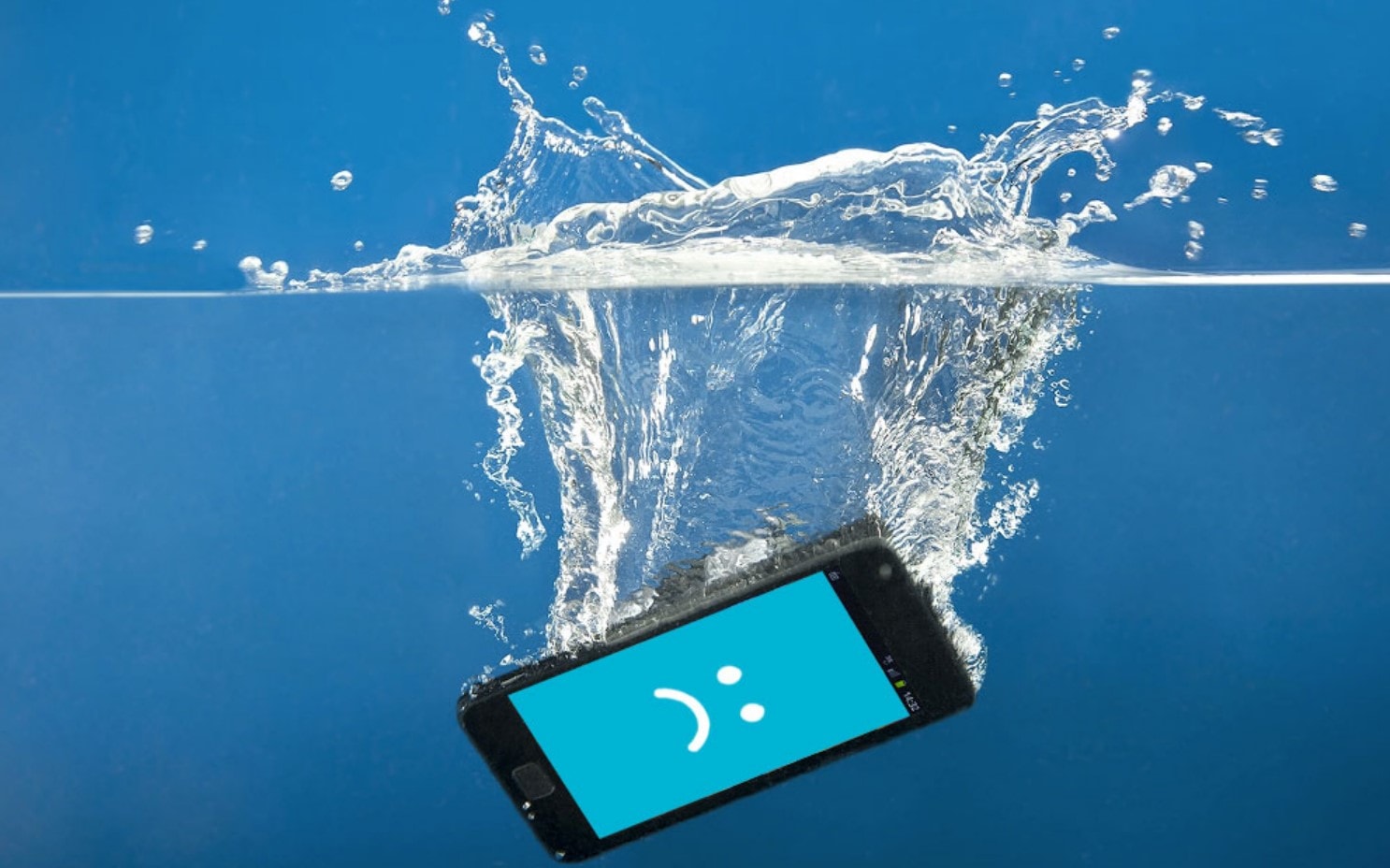
In theory, manufacturers have grounds to refuse warranty coverage because water resistance gradually decreases over time due to worn rubber seals and protective coatings, or due to impacts causing cracks in the device. However, the aggressive advertising of water resistance followed by the quiet exclusion of responsibility in case of problems still leaves consumers feeling misled.
Therefore, even if your phone is waterproof, be cautious and don't blindly trust the advertisements if you don't want to lose money due to an accident that's not covered by warranty.
In short, behind the polished advertisements, many smartphone manufacturers are cleverly "bending the rules" to attract users, from exaggerating screen brightness and charging times to promising unfinished features or promoting water resistance while refusing to provide warranty service.
These tricks are not new, but they are becoming increasingly sophisticated. Consumers therefore need to be vigilant and not just trust numbers or promises from manufacturers. Instead, they should thoroughly research the actual information, read independent reviews, and make choices based on their real needs.