

5 things you should do right after buying a new iPhone.
When you get a new iPhone, don't just explore the camera or the screen right away. There are 5 important things you should do immediately to increase security, personalize your experience, and get the most out of your device.
Despite the considerable debate surrounding the iPhone, it's undeniable that the device remains one of the most popular smartphones in the world thanks to its overall smooth and stable user experience.
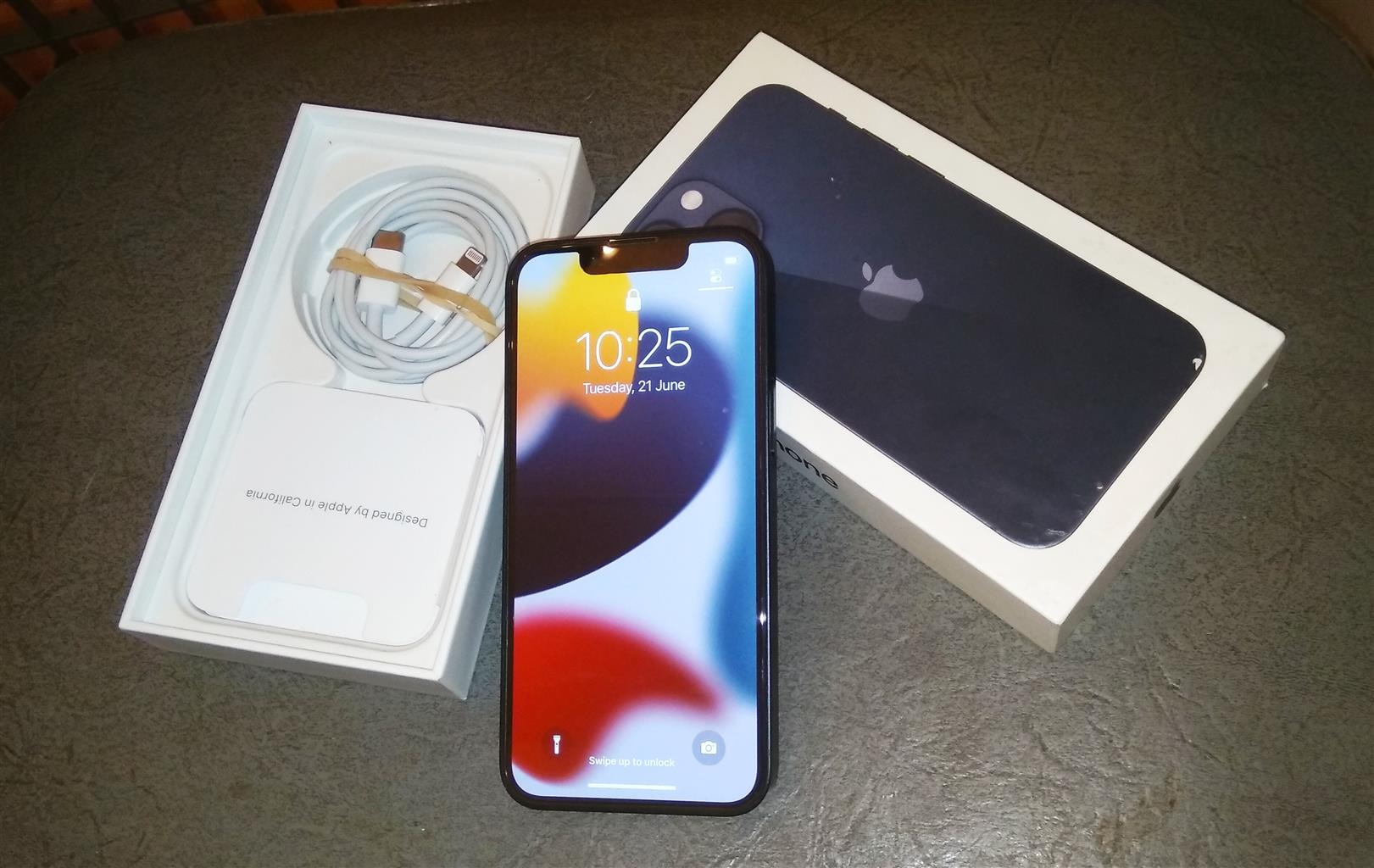
Apple is known for its minimalist design and privacy protection – factors that lead many tech professionals to choose iPhones for daily work, as they know the device offers high security.
Here are five things you should do right after unboxing your new iPhone to have a truly fulfilling experience.
1. Turn on the "Protect your device from theft" feature: The first step to keeping your iPhone safe.
iPhones are not only popular with users but also attractive to thieves due to their high resale value. To combat this, Apple introduced the "Stolen Device Protection" feature. However, this feature is not enabled by default, so you should proactively activate it when you buy a new iPhone.
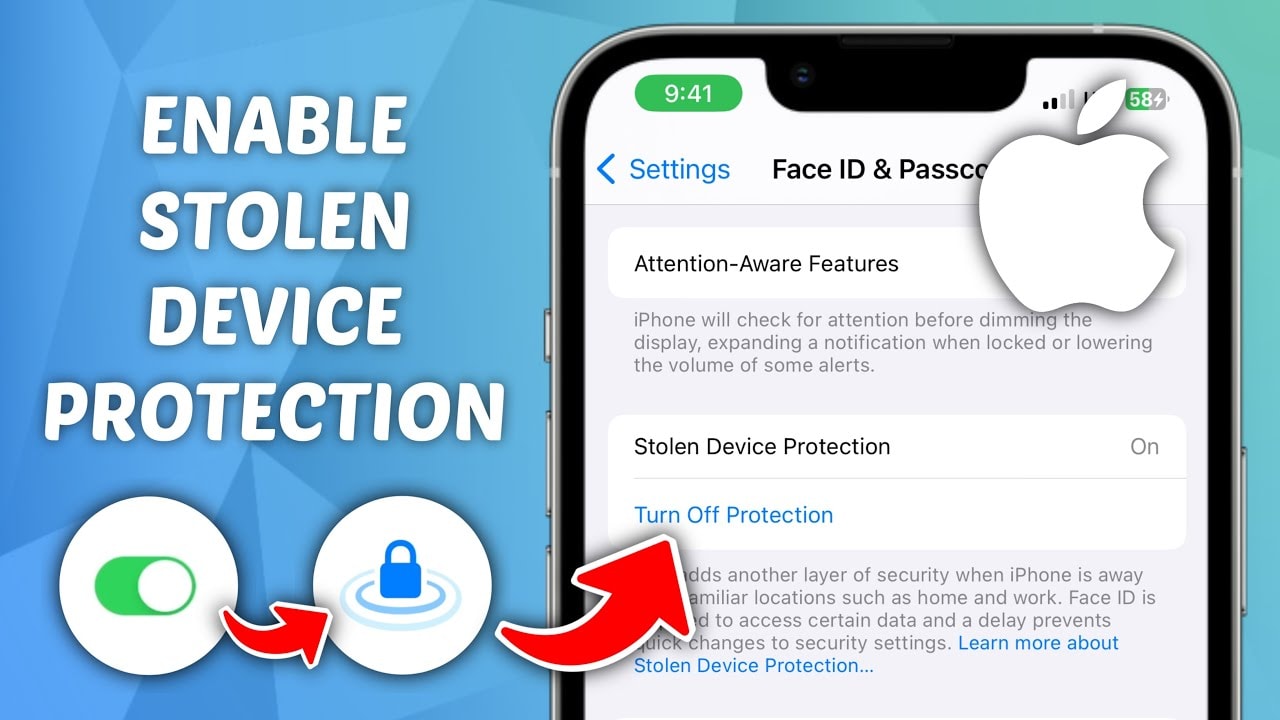
This feature has two important layers of protection:
- Face ID (or Touch ID) must be used for sensitive actions, even if you have a password. For example: accessing locked apps, changing account settings, etc.
- There will be a one-hour delay for any changes related to your Apple account, and even then, biometric verification will still be required to complete the process.
This feature only works in "familiar locations" such as home or work. For added security, you can set it to always be on, regardless of location.
To enable this feature, go toSettingnewsFace ID & PasscodenewsProtect your device from theft.and pressTurn onIt only takes less than a minute, but you've added a solid layer of protection to keep your device safe in the unfortunate event it falls into the hands of thieves, who are always looking to wipe iPhones clean and resell them at a high price on the black market.
2. Discover the Action Button: A small feature, a big experience on the new iPhone.
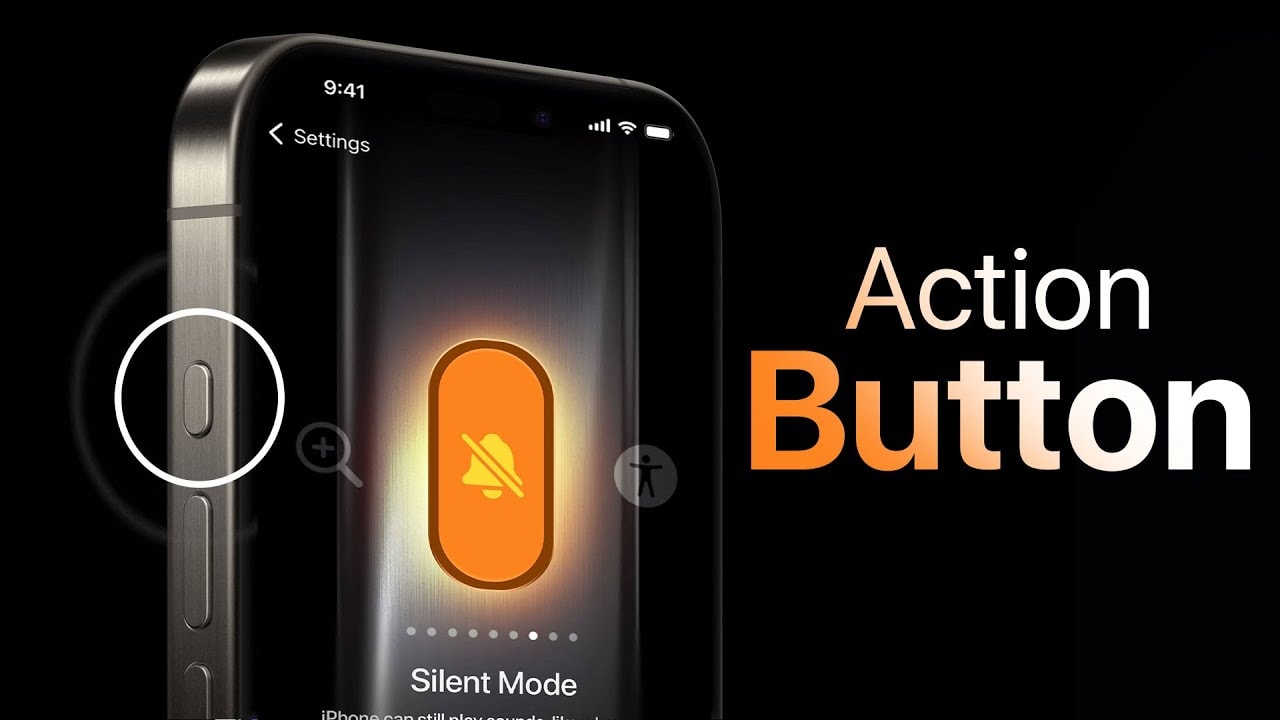
If you own an iPhone 15 Pro or newer models, be aware of a notable change: the traditional Ring/Silent toggle switch has been replaced by an Action Button – a versatile physical button that allows you to customize it to your needs.
By default, this button is used to turn silent mode on/off. But what's really interesting is that you can change its function inSettingnewsAction Button, and turn it into a shortcut for tasks you frequently use every day, such as quickly opening the camera, turning on the flashlight, voice notes, translation, switching Focus mode, or launching any shortcut you create.
Shortcuts on an iPhone can be very simple, such as opening an app, setting a timer, scanning a document, or more complex and clever, depending on your imagination. You can set up an Action button to instantly call a loved one, get directions to the nearest restaurant, check product prices on Amazon, or quickly activate a custom battery saver mode.
3. Customize default apps: iPhone allows you to choose your preferred default apps.
If this is your first time using an iPhone, you might think you've stepped into Apple's "walled garden," where everything is confined within its own ecosystem. But that's gradually changing. Pressure from regulators, particularly in Europe, is forcing Apple to open up its iOS operating system. Now, you no longer have to stick with Safari or Mail if you don't like them; iPhones now support changing default apps for many important functions.
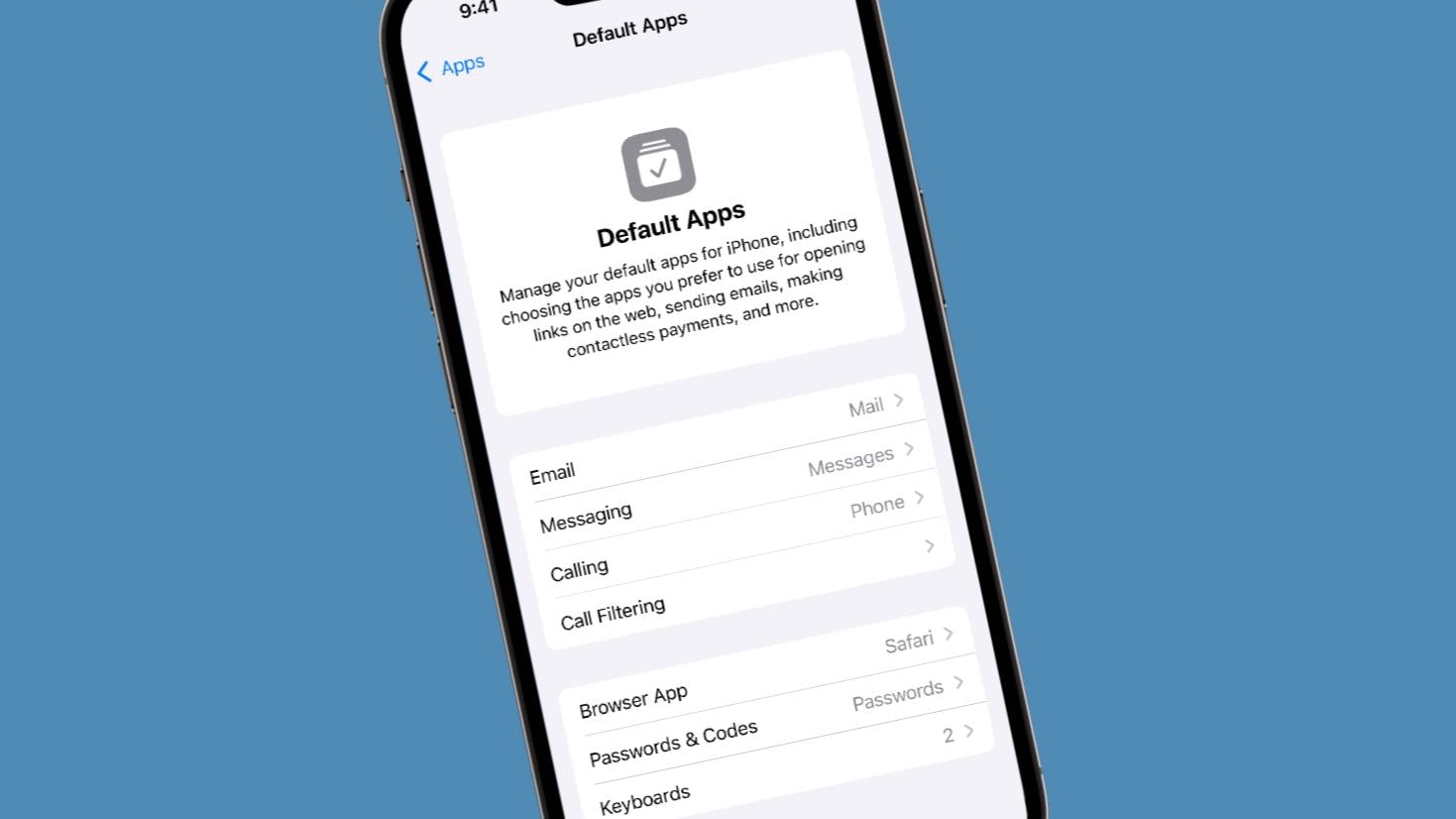
Just go inSettingnewsApplication > Default applicationYou can choose your default browser, calling app, email app, messaging app, keyboard, password, and even translation app. This allows you to personalize your experience more flexibly, no longer being restricted by Apple's "forced" choices as before.
4. Completely disable Apple's data collection features.
Apple has long been lauded as the "gatekeeper" of privacy in the tech world. The company has publicly refused to create "backdoors" for governments to access users' iPhones, and is also known for keeping features like Face ID and Siri running directly on the device instead of sending data to the cloud. But make no mistake, Apple still collects a significant amount of user data, under the guise of product improvement.
Although most of this data is supposed to be anonymized, some studies suggest that it is still possible to trace and identify users in certain cases. If you are truly concerned about your privacy, disabling all data collection features is a necessary and easily implemented step.
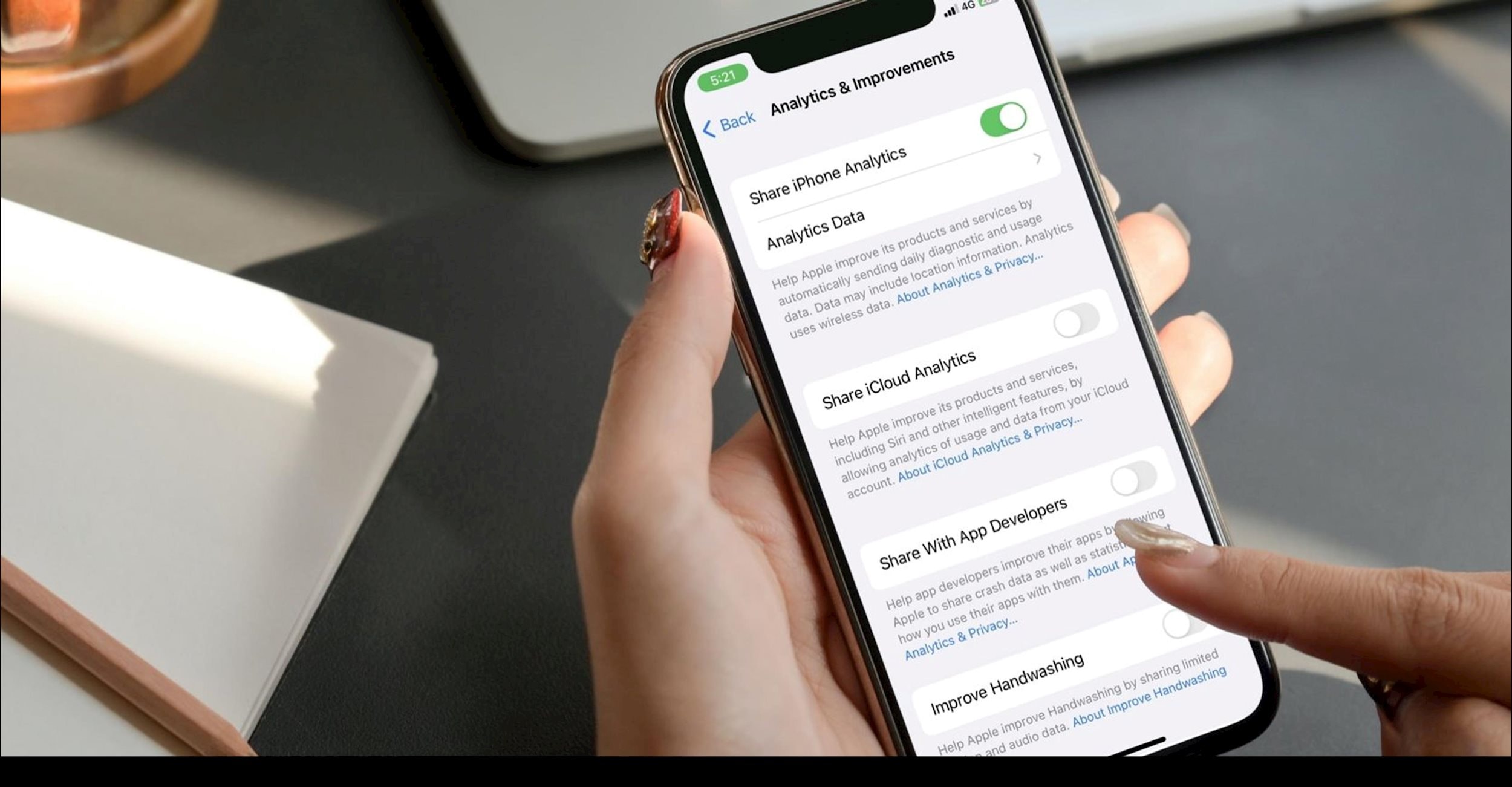
Start by enteringSettingnewsPrivacy & SecuritynewsAnalysis & ImprovementHere, you'll see six toggle switches related to sending data to Apple. Turn them all off. Unless you're participating in the iOS beta program or encountering bugs that need reporting, you don't need to re-enable these features.
Next, turn back.Privacy & Security, select the itemApple Adsand turn offPersonalized advertisingThis step prevents Apple from tracking usage habits to serve ads.
Finally, intoSettingnewsSearch, turn off the itemHelp Apple improve search.This helps keep what you type in Safari, Siri, or Spotlight private – places that should ideally be completely private.
5. Turn on accessibility settings on your iPhone.
Accessibility features on the iPhone aren't just for people with disabilities; they can actually help everyone use their device more conveniently, quickly, and intelligently. Apple has equipped iOS with a range of advanced accessibility features, and some of them are well worth enabling, even if you don't have any particular needs.
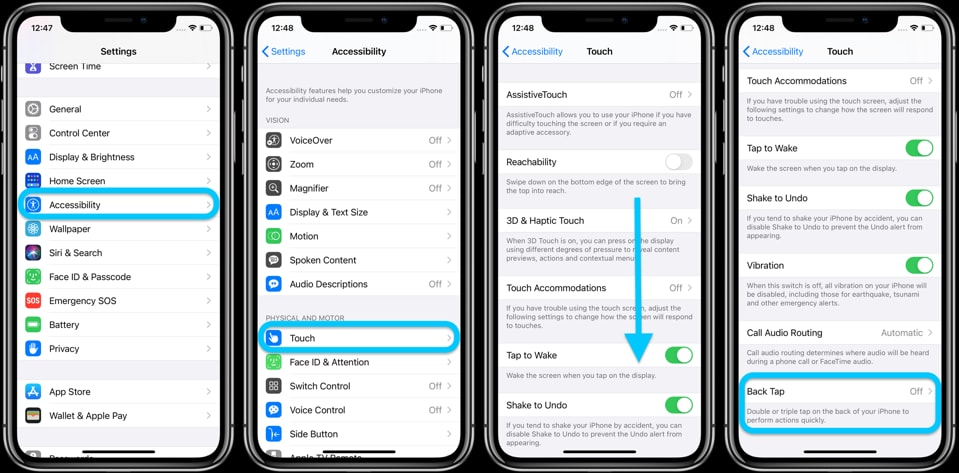
One of the most handy features is Back Tap. You can tap the back of your iPhone two or three times to quickly perform familiar actions such as opening the camera, taking a screenshot, turning on the flashlight, or running any shortcut.
To set it up, go toSettingnewsAccessibilitynewsTouchscreennewsTouch the backThen, choose the action you want for each action. For example, double-tap to open the Notification Center, triple-tap to open the Control Center—this is much faster than swiping the screen in the traditional way. If you don't want to be disturbed, you can turn off notifications that pop up with each action.
Another notable feature is Sound Recognition. The iPhone will listen for specific sounds such as doorbells, smoke alarms, or crying babies and notify you when it detects them. This is very useful if you are wearing headphones or in a noisy environment.
Finally, try Voice Control Shortcuts. You can teach your iPhone to respond to a custom phrase, for example, say "battery saver mode," and your iPhone will immediately activate the corresponding shortcut.