

Urgent repairs needed to reservoirs, dams, and water pipelines in Piêng Cu village.
Following two consecutive flash floods, the Huoi Muong dam and the entire water pipeline system in Pieng Cu village, Tien Phong commune (formerly Que Phong district) were severely damaged. 142 households are facing a shortage of clean water, 7.5 hectares of rice fields are at risk of total loss, and livelihoods and production have been disrupted.
Tien Phong commune is located in the mountainous northwestern region of Nghe An province, along National Highway 48, with a border of over 13 km bordering Laos. It covers a natural area of over 319 km², comprising 18 villages and hamlets with nearly 14,500 people of various ethnic groups. Due to its unique topography, the area frequently experiences natural disasters, storms, and strong winds every year.
On the evening of May 30, 2025, heavy rain and flash floods on the Nam Nien River caused severe damage. Before repairs could be made, in early July, further major floods struck, causing serious deterioration of many infrastructure facilities.
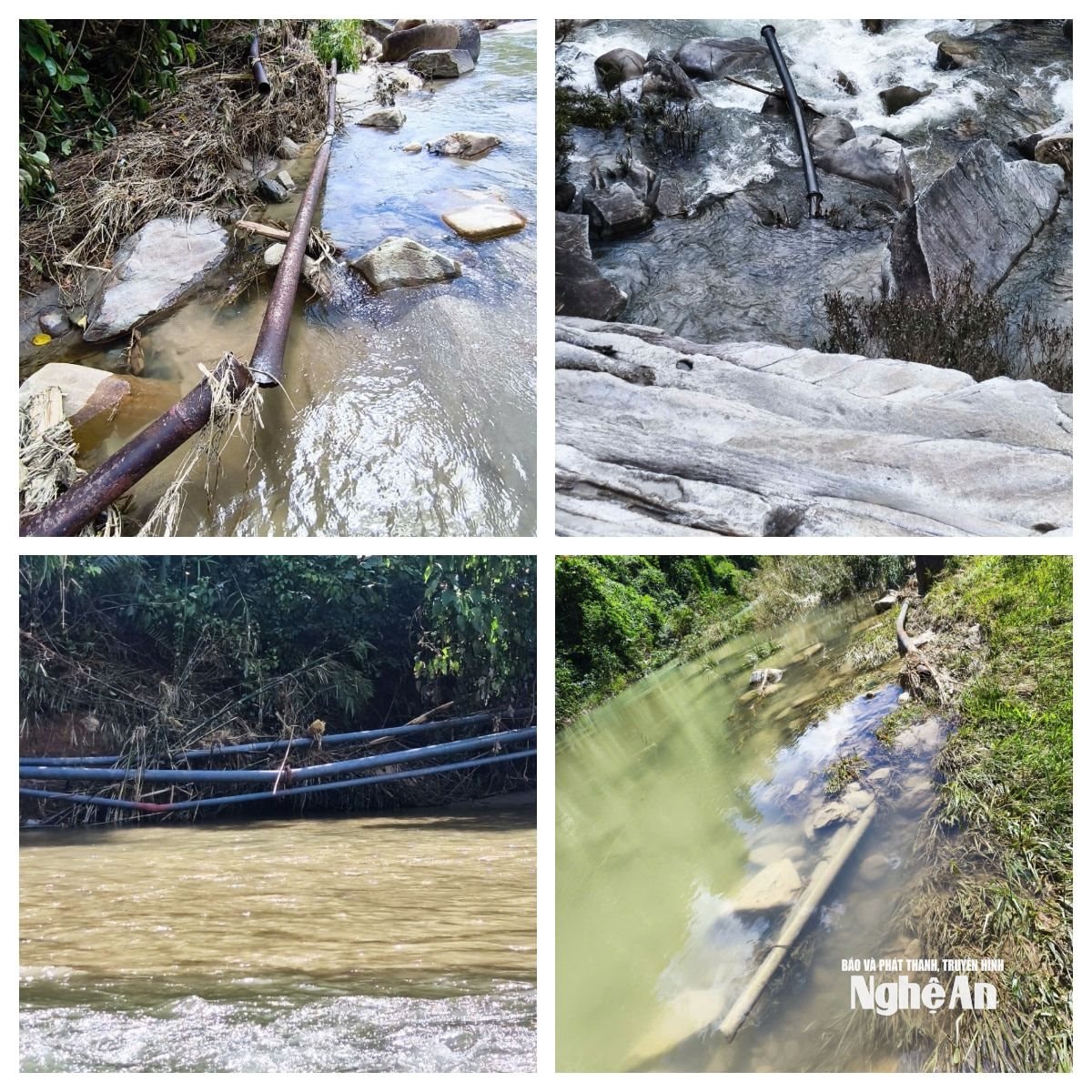
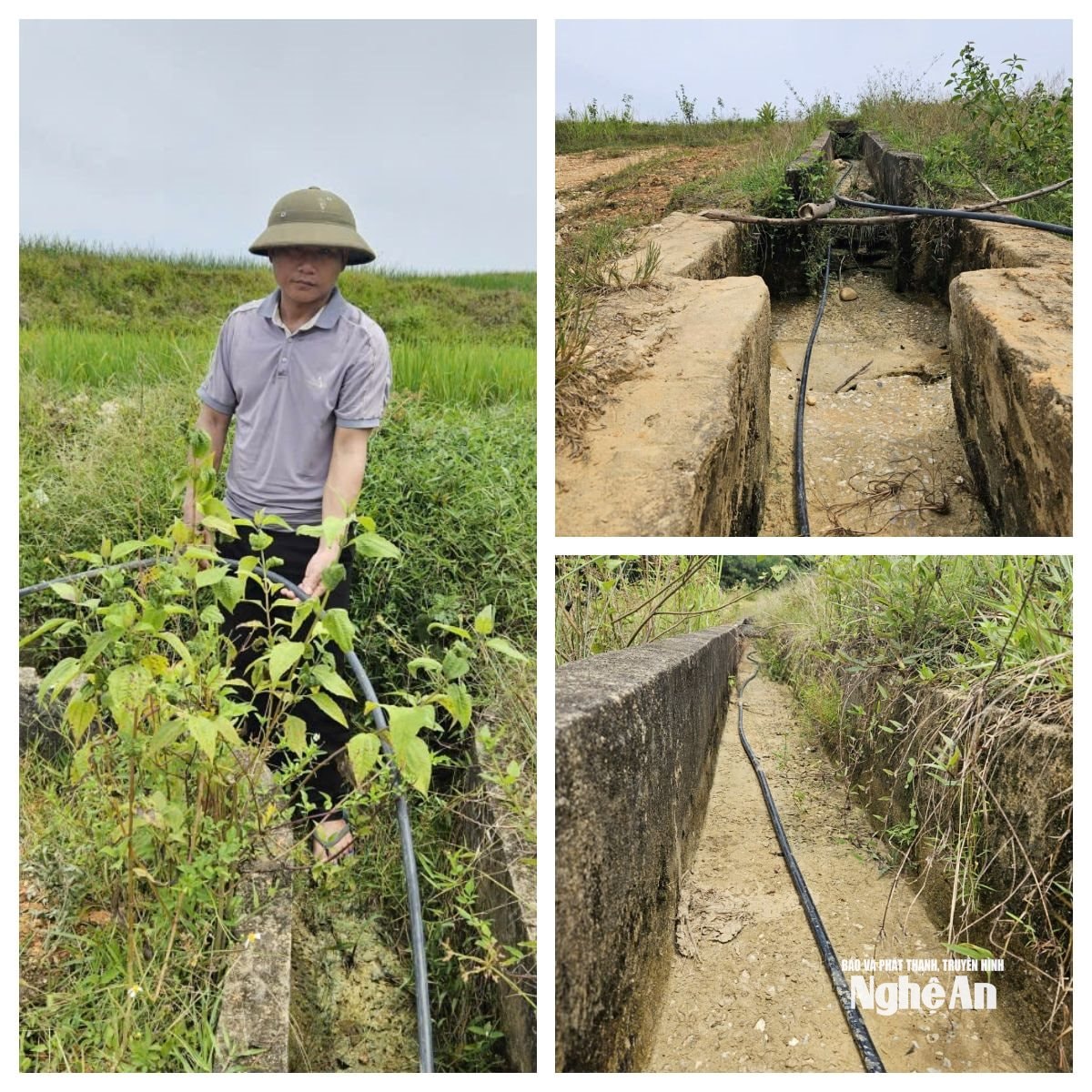
In Piêng Cu village, the Huôi Muồng irrigation dam, the main water supply facility for domestic and agricultural use, suffered damage to its body, wing walls, and water intake gates. The water pipeline system leading to the village was completely washed away, with many sections deformed and joints broken.
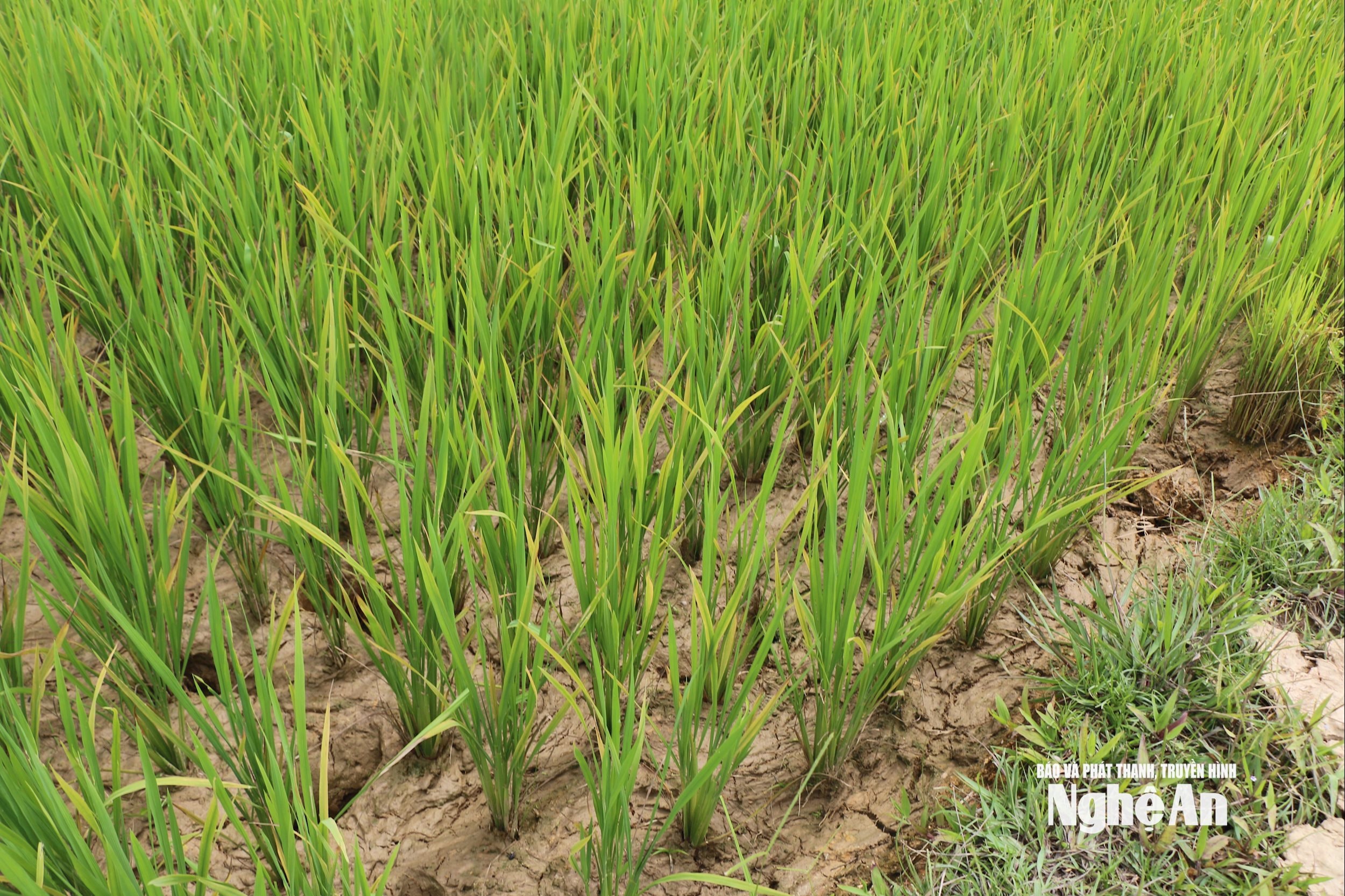
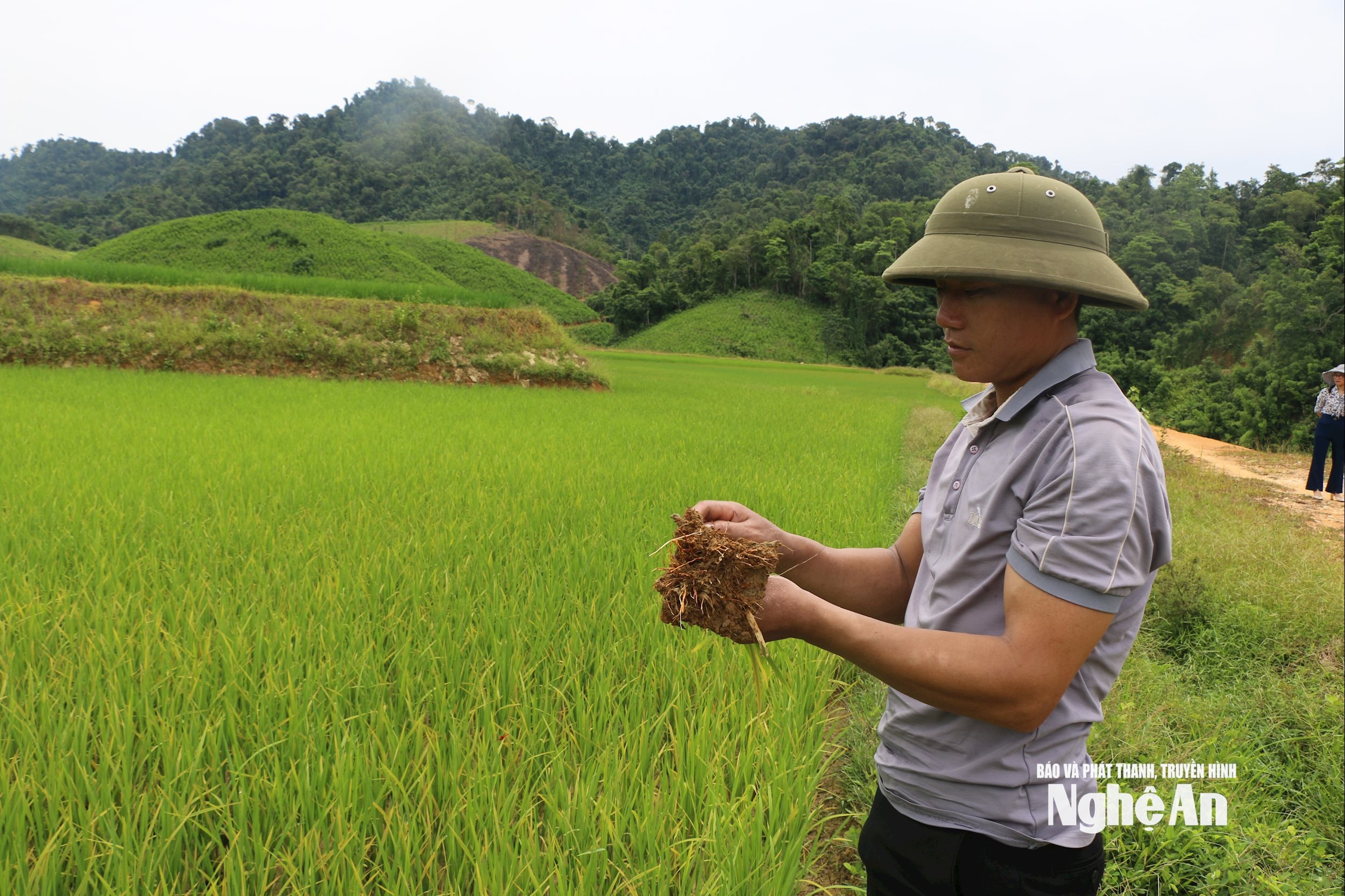
In early August, while visiting Piêng Cu village, we witnessed a heartbreaking scene on the terraced rice fields. Normally, at this time of year, the rice plants, in their prime, should be lush green and swaying in the wind, but many fields were now yellow and barren. Cracks, resembling bird's feet, spread across the fields, patches of dry, shriveled soil, and rice plants withered roots due to lack of irrigation water.
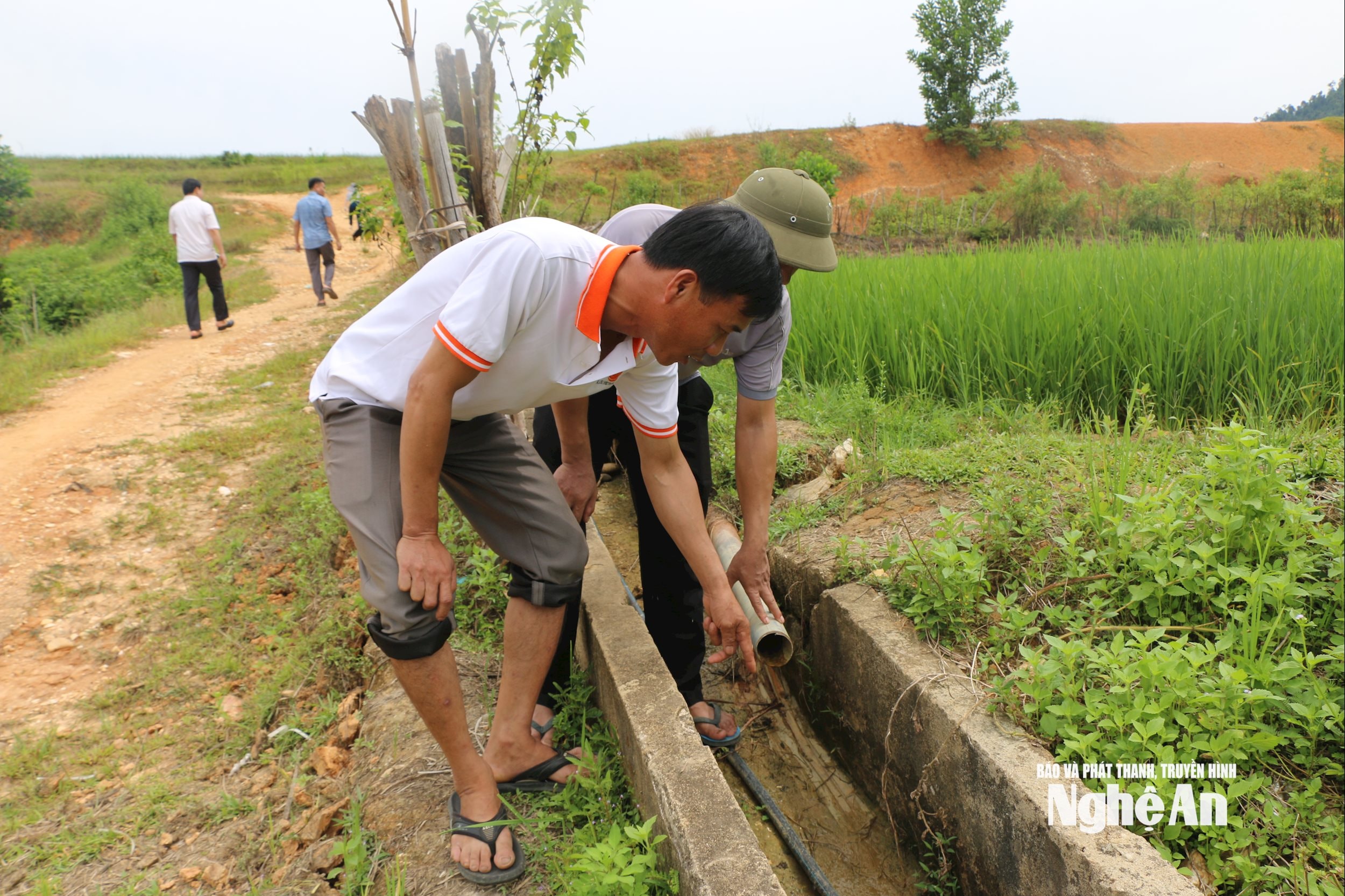
The once bustling irrigation canal system is now just dry, exposed earth, with water pipes lying haphazardly, not a single drop flowing to the fields. Lo Van Thuy, head of Pieng Cu village, sadly stated: “Since May, after the flash flood, the Huoi Muong dam was severely damaged, and the water supply pipes were completely swept away and broken. Since then, our villagers have had no water for both daily life and production. 142 households in the village are facing a serious water shortage, and 7.5 hectares of rice paddies are at risk of total loss.”
According to Mr. Thuy, the reason some rice fields are still green and healthy this season is thanks to the heavy rains at the end of July. However, the prolonged heatwave over the past few days has caused the water to evaporate quickly, leaving the fields dry. "If there is no rain or water from the dam, the entire rice crop will die from drought," he said.
Currently, the villagers only have the option of using collected rainwater or water from small streams for bathing and washing. Drinking water has to be transported in cans from other places, which is very difficult. If this situation is not rectified soon, next season, people will be forced to abandon rice cultivation and switch to growing dryland crops such as corn, peanuts, and cassava. But what worries the villagers most is the uncertainty of the market for these alternative crops.
The Huoi Muong Dam is an important irrigation project in Tien Phong commune, providing water for irrigating dozens of hectares of rice and other crops, as well as drinking water for many households, including those in Pieng Cu village. However, after two consecutive floods, the dam body, wing walls, and water intake gates were severely damaged and broken. Water can no longer be stored and regulated to the fields.
The water pipeline system from the dam to Pieng Cu village was also swept away, with many sections broken and deformed. The joints are scattered haphazardly along the stream bank. "Before, water flowed naturally to the fields and to each family's tank. Now the pipeline is dry, and the fields are cracked," shared Ha Van Phong, a villager.
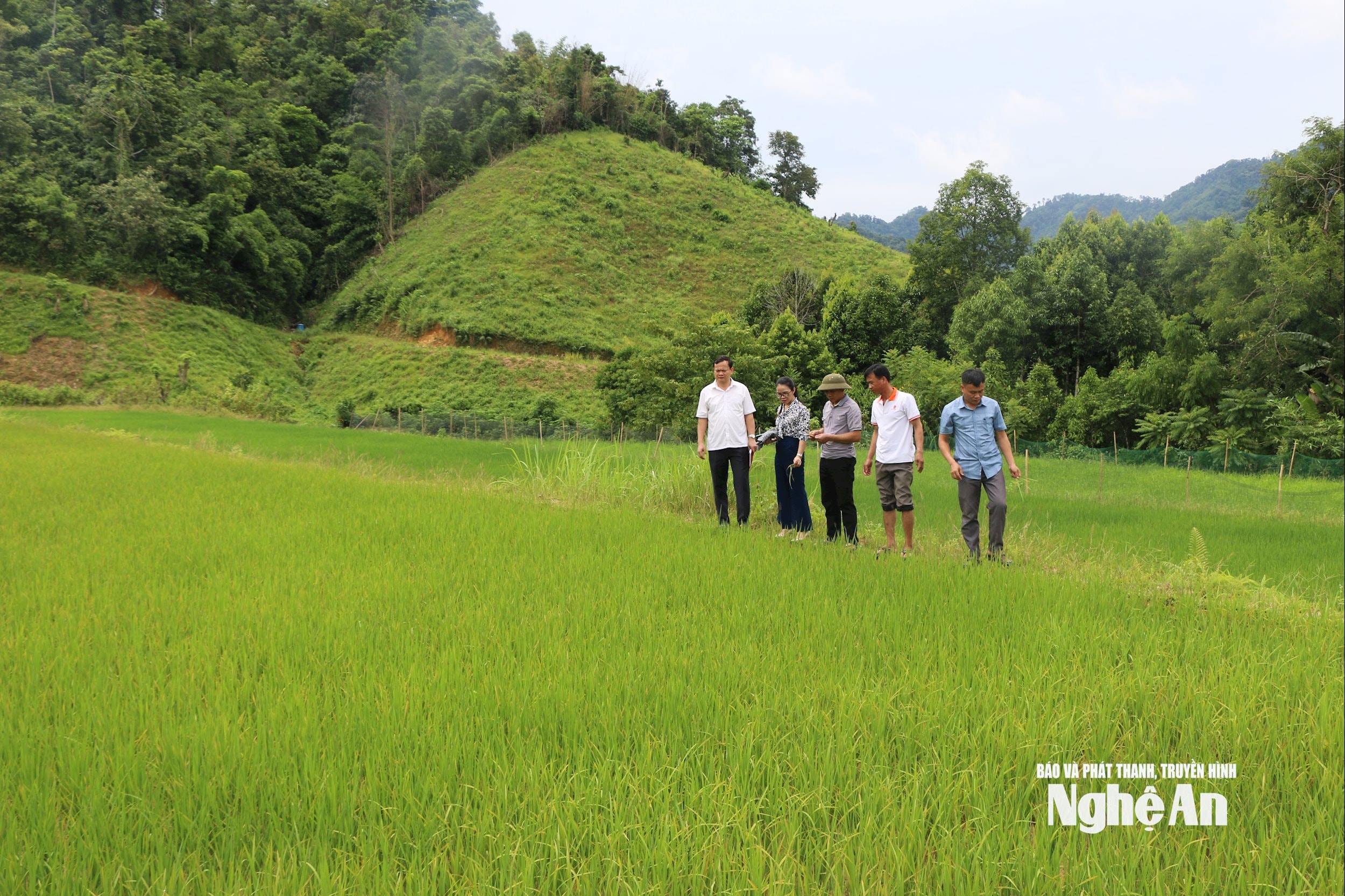
Faced with this situation, the Party Committee, People's Council, and People's Committee of Tien Phong commune held a meeting and sent a working group to the villages to assess the situation. Comrade Nguyen Minh Thuan, Deputy Secretary of the commune's Party Committee, stated: “We have received feedback from the people, conducted a direct on-site survey, and submitted a proposal requesting funding for the construction and repair of infrastructure damaged by the natural disaster. However, the necessary funds for remediation are substantial, exceeding the commune's budget capacity. The application has been submitted to the province and is awaiting approval.”
According to Mr. Thuan, repairing the Huoi Muong dam and water supply system is not only an immediate need but also an urgent requirement to ensure water security and long-term production stability. Any delay will lead to increasingly serious economic losses, unsafe living conditions, and a decline in people's livelihoods.
The dry season is still ongoing, and the terraced rice fields at the foot of the mountain are still cracked. In Piêng Cu, the people still look towards the Huôi Muồng dam every day, hoping that one day soon, the structure will be repaired, the water pipes will be connected, and water will flow again to irrigate the fields and serve the daily needs of the people.