

A new life on the summit of Pà Khốm
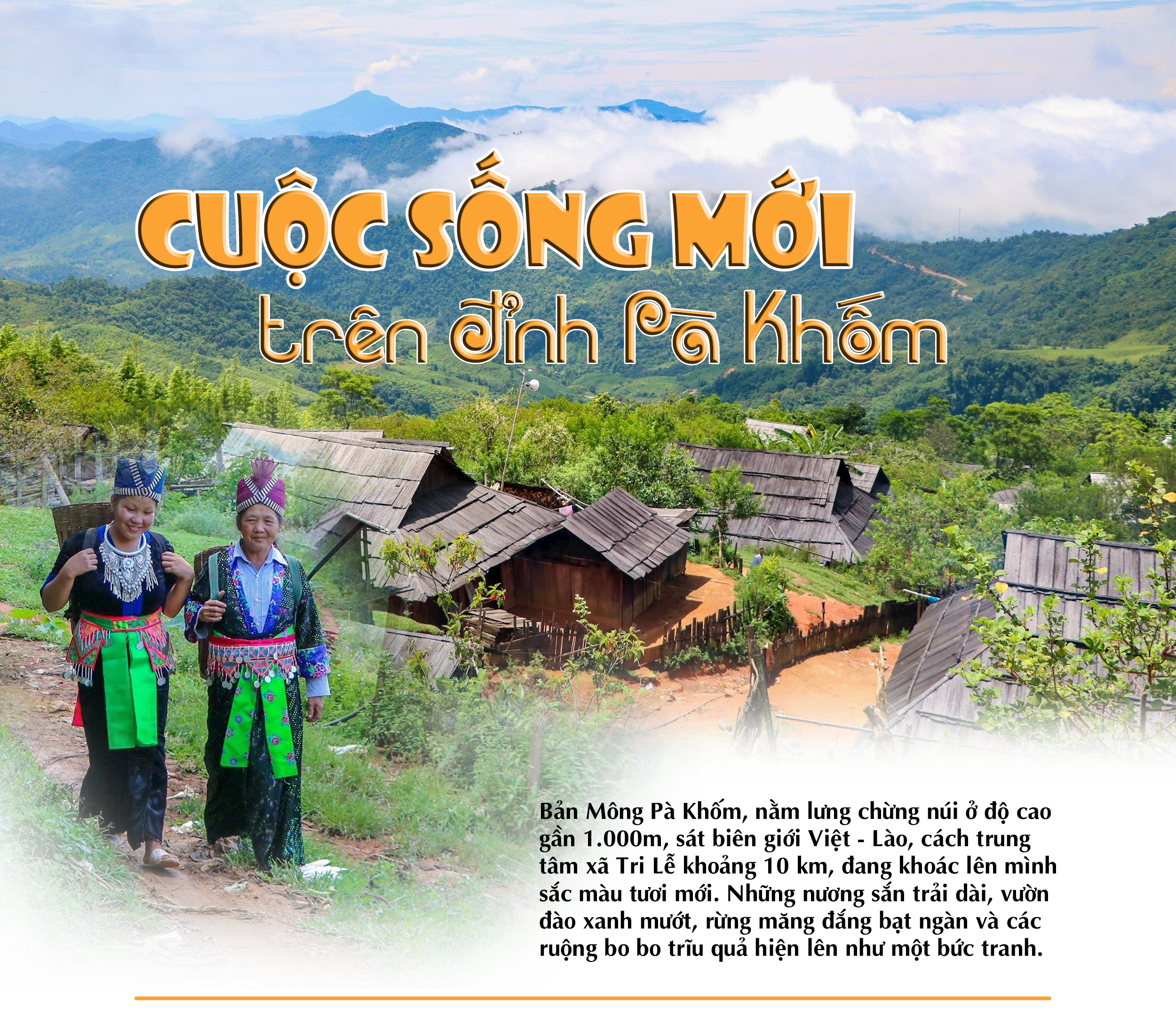
The Mong village of Pa Khom, nestled halfway up the mountain at an altitude of nearly 1,000m, near the Vietnam-Laos border, about 10 km from the center of Tri Le commune, is now adorned with vibrant colors. The sprawling cassava fields, lush green peach orchards, vast forests of bitter bamboo shoots, and fields of bo bo (a type of corn) laden with fruit appear like a beautiful painting.
Khanh Ly - Thanh Phuc /Technique:Hong ToaiAugust 18, 2025
This vibrant atmosphere stems from the political "nucleus" role of the village Party branch, where practical resolutions are implemented, gradually changing mindsets and practices, unleashing existing potential, and creating significant transformations in the lives of the Hmong people.
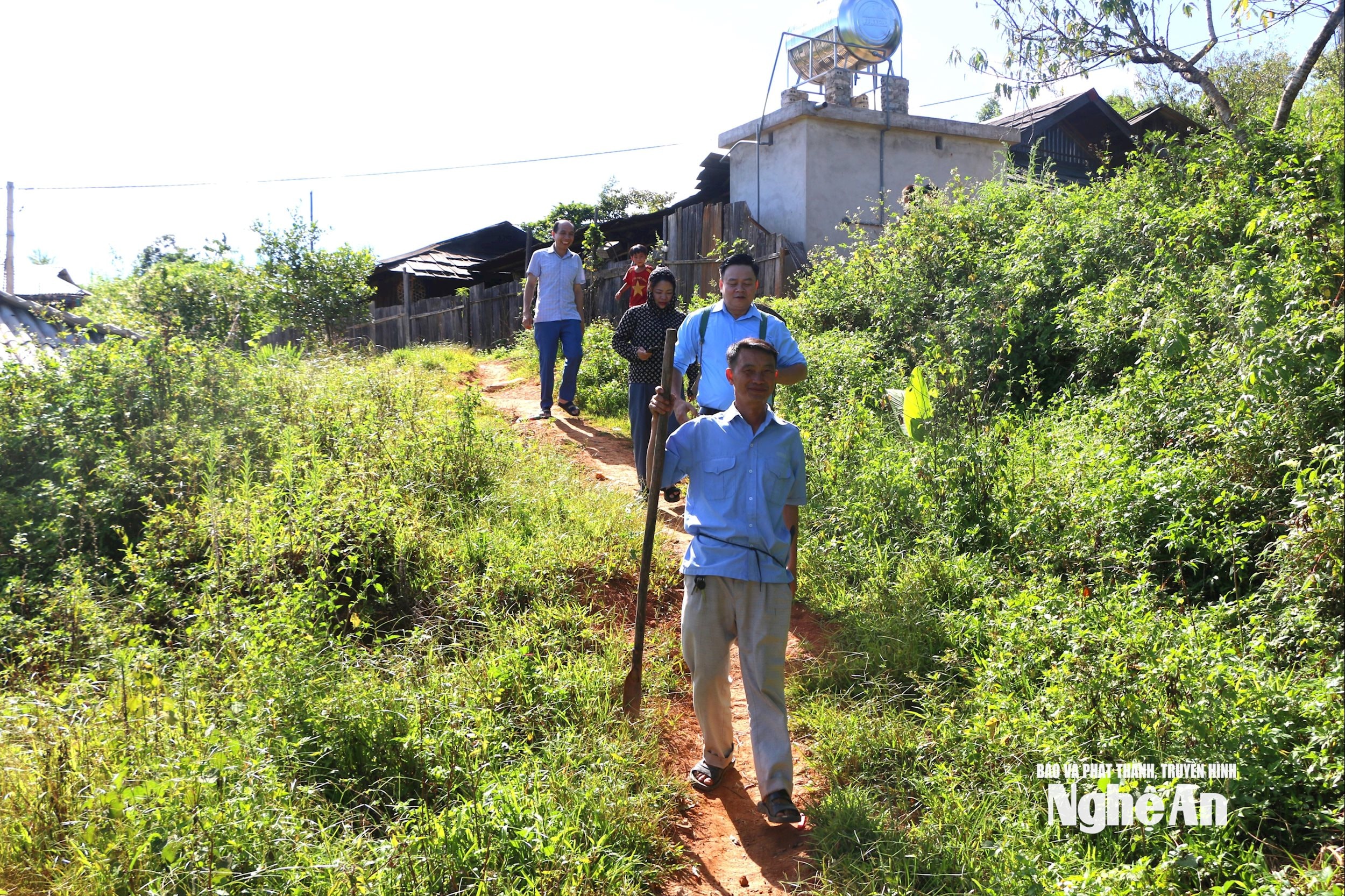
Following the working group from Tri Le commune, we navigated winding, narrow paths around the mountain slopes and ventured into the bitter bamboo forest at the end of Pa Khom village.
The guide, Party Secretary of Pà Khốm - Và Bá Dê, enthusiastically introduced: “Bitter bamboo shoots are a strength of our village. Previously, this plant grew naturally, with straight, tall stems. In the first month of the year, whenever there was the first thunder of the year, the bamboo shoots would sprout from the ground, and the villagers would take their hoes and go into the forest to harvest them.”
However, before the resolution was implemented, the local people's awareness of forest protection was limited, and many areas of bitter bamboo were cut down for slash-and-burn farming.
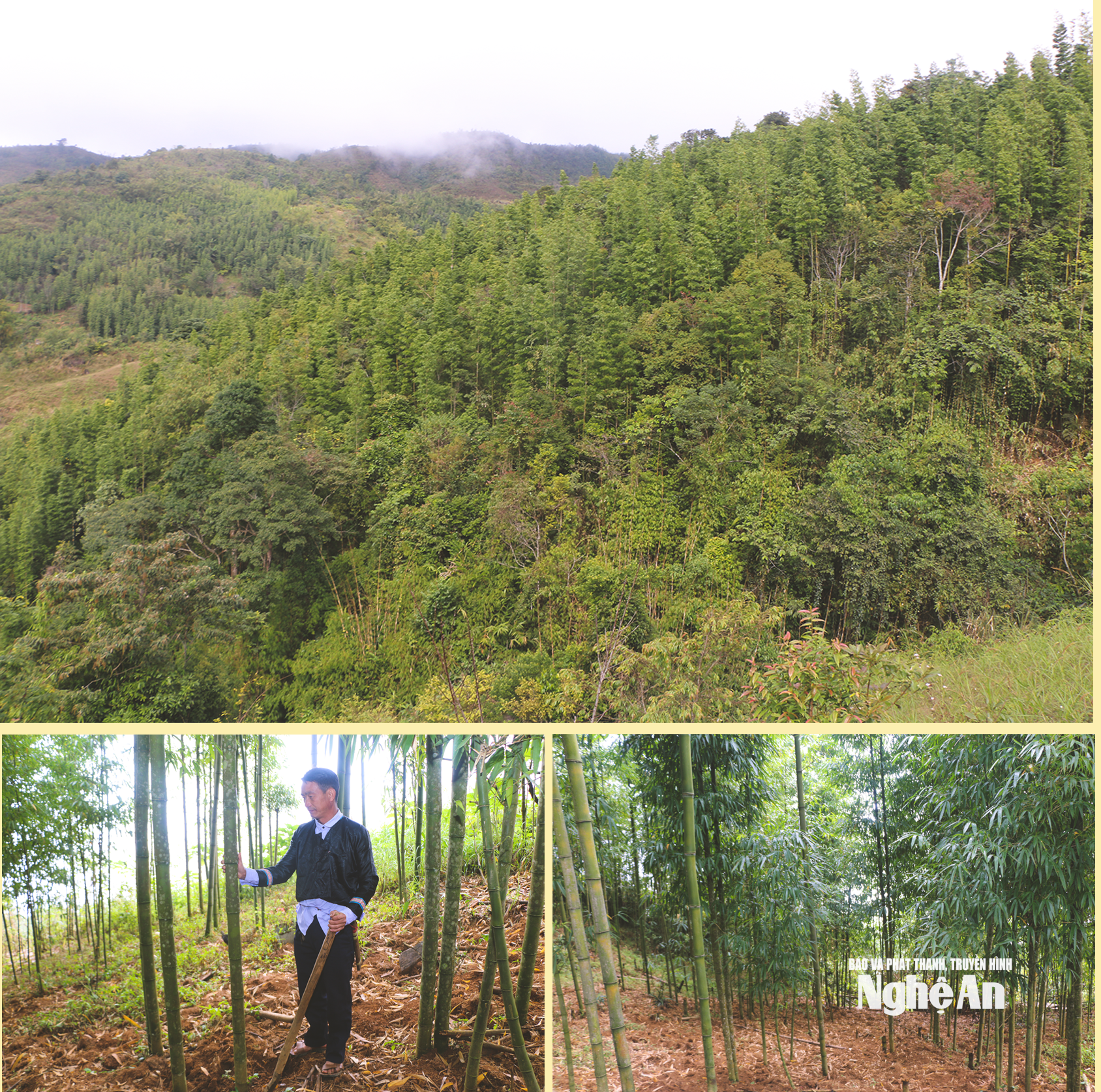
Recognizing this situation, since 2021, the Party Branch of Pà Khốm village has held meetings and unanimously agreed to issue a specialized resolution on the management, protection, and development of bitter bamboo shoots, aiming to both protect the environment and create sustainable livelihoods. The resolution stipulates that cadres and Party members must take the lead in disseminating information and mobilizing people to cultivate, protect, and care for bitter bamboo shoots.
Monthly, during Party branch meetings or village meetings, the Village Management Board reports on the results and evaluates the implementation process. Thanks to this, the area for cultivating bitter bamboo has gradually expanded from 5.3 hectares in 2018 to 13.3 hectares today. Many households have large areas dedicated to cultivation, such as Mr. Tho Nhia Thong with 2 hectares and Mr. Tho No Po with 1 hectare…
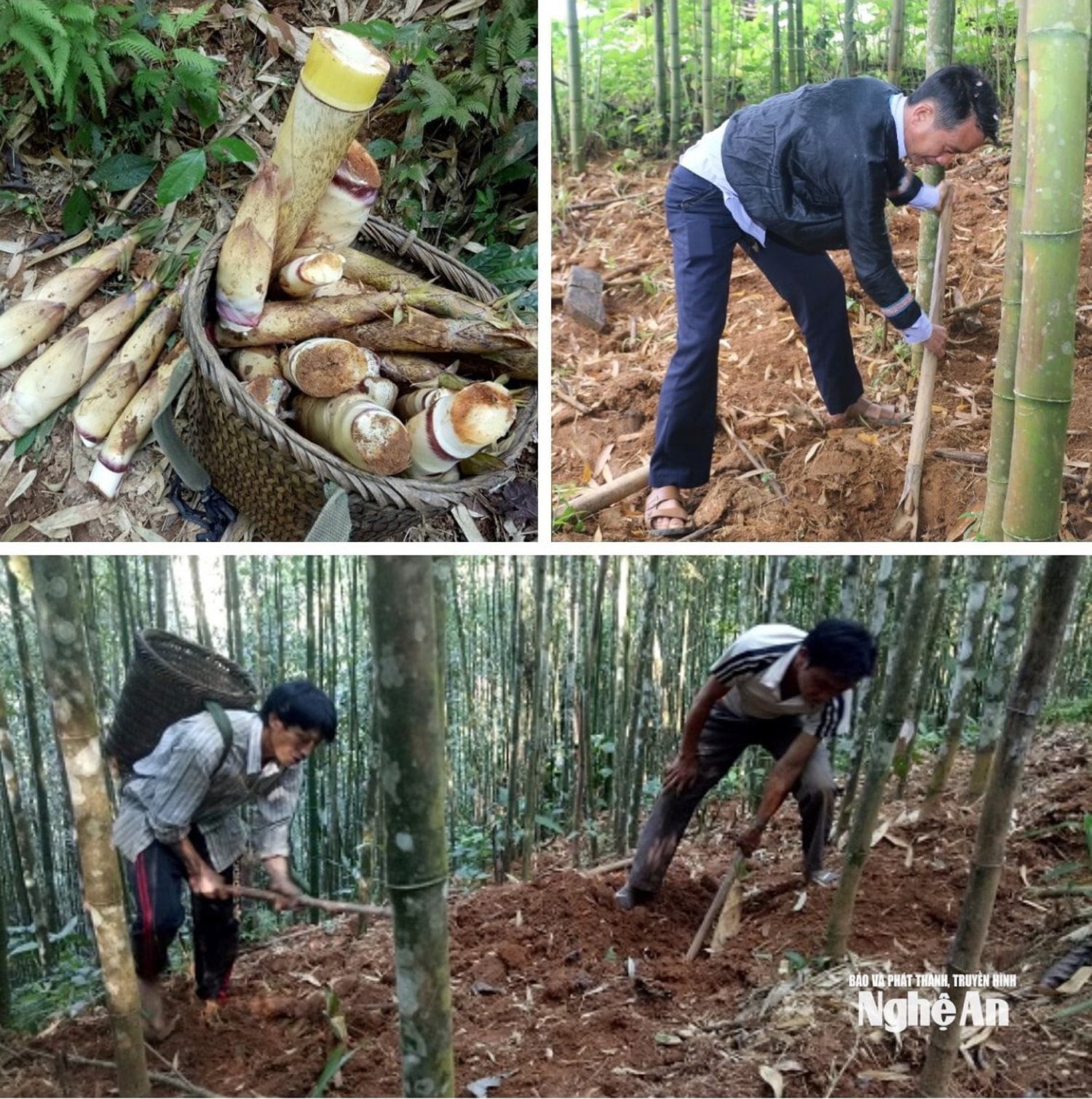
Pà Khốm bitter bamboo shoots are no longer just a familiar dish in mountain meals, but are gradually becoming a local specialty. More and more traders are coming to buy them, with an average price of 5,000 - 15,000 VND/kg, depending on whether it's the peak or end of the season.
On average, each household earns about 10 million VND per hectare per year. For people in border areas, this income is considerable, contributing to improving their living standards and fostering a proactive spirit in production.
Besides bitter bamboo shoots, the Pà Khốm Party Branch also issued a Resolution on the conservation and development of Mong peach trees, a species suitable for the soil and climate, providing both livelihood and high economic value.
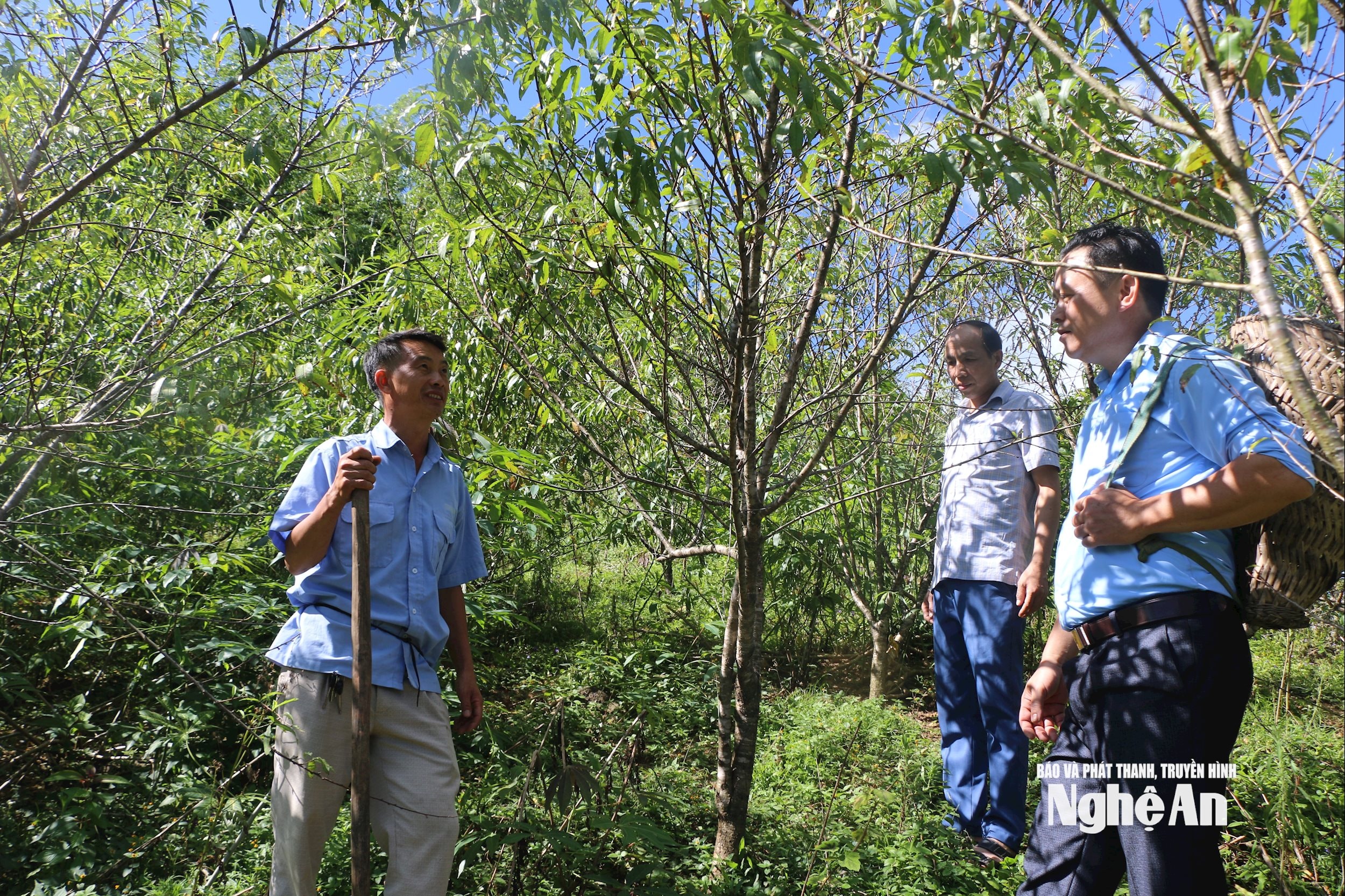
The entire village currently has over 6,000 peach trees. Some households, like Va Ba Da's, have up to 500 trees, while the Party Secretary Va Ba De's family has about 300. Every Tet holiday, customers come directly to the village to buy peach branches, bringing in tens of millions of dong in income for each family.
Furthermore, the Party cell of Pà Khốm village proactively grasps market needs and trends to guide and educate villagers to change their farming and production methods in order to increase the value of their products.
For example, sorghum, which grows naturally under the forest canopy, was previously harvested sporadically. When the economic value of sorghum became known, especially with the appearance of a purchasing, preliminary processing, and processing plant in the area, the Party branch directed the Village Management Board to encourage people to cultivate and grow it intensively, both to conserve it and to increase production.
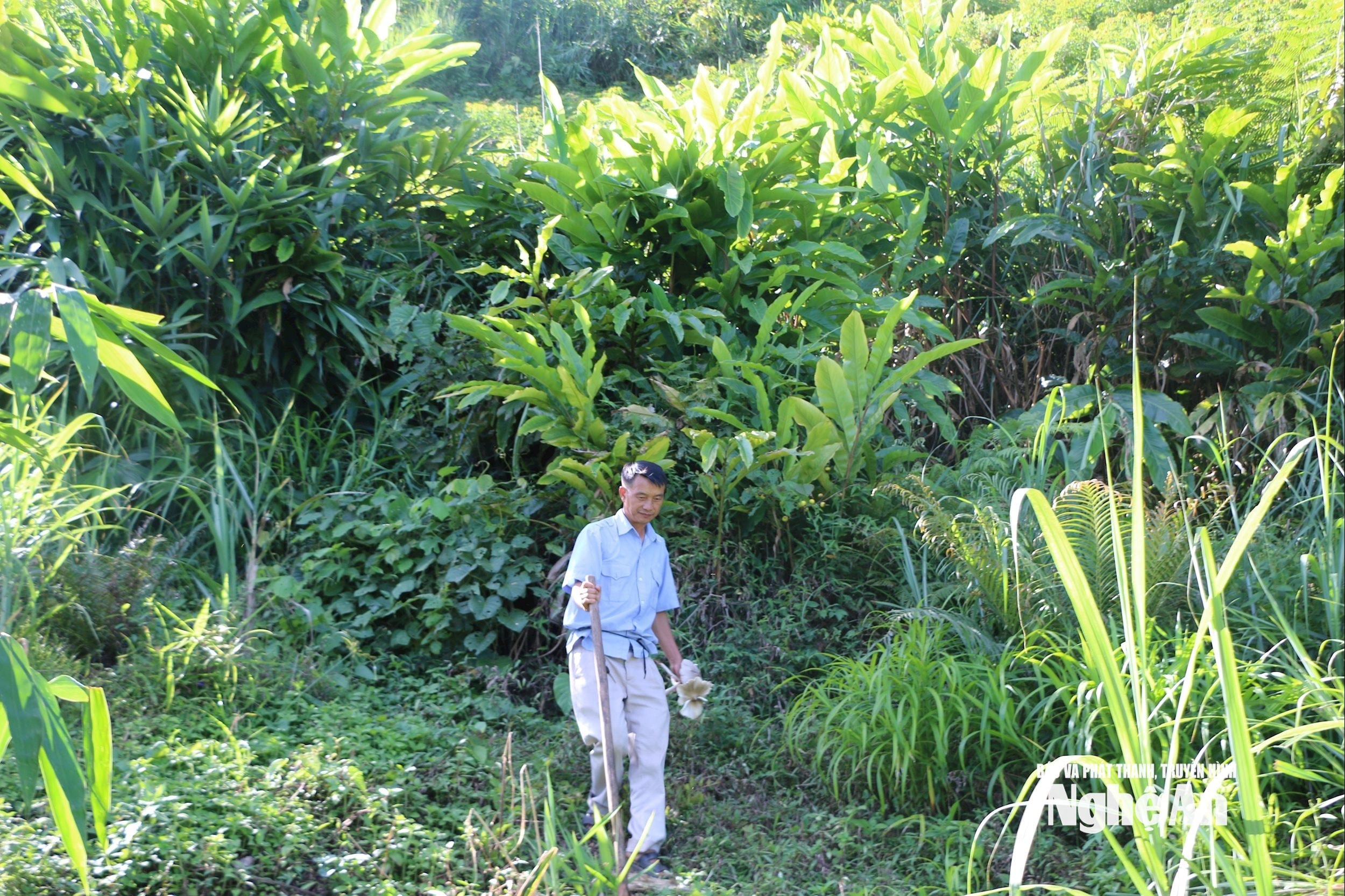
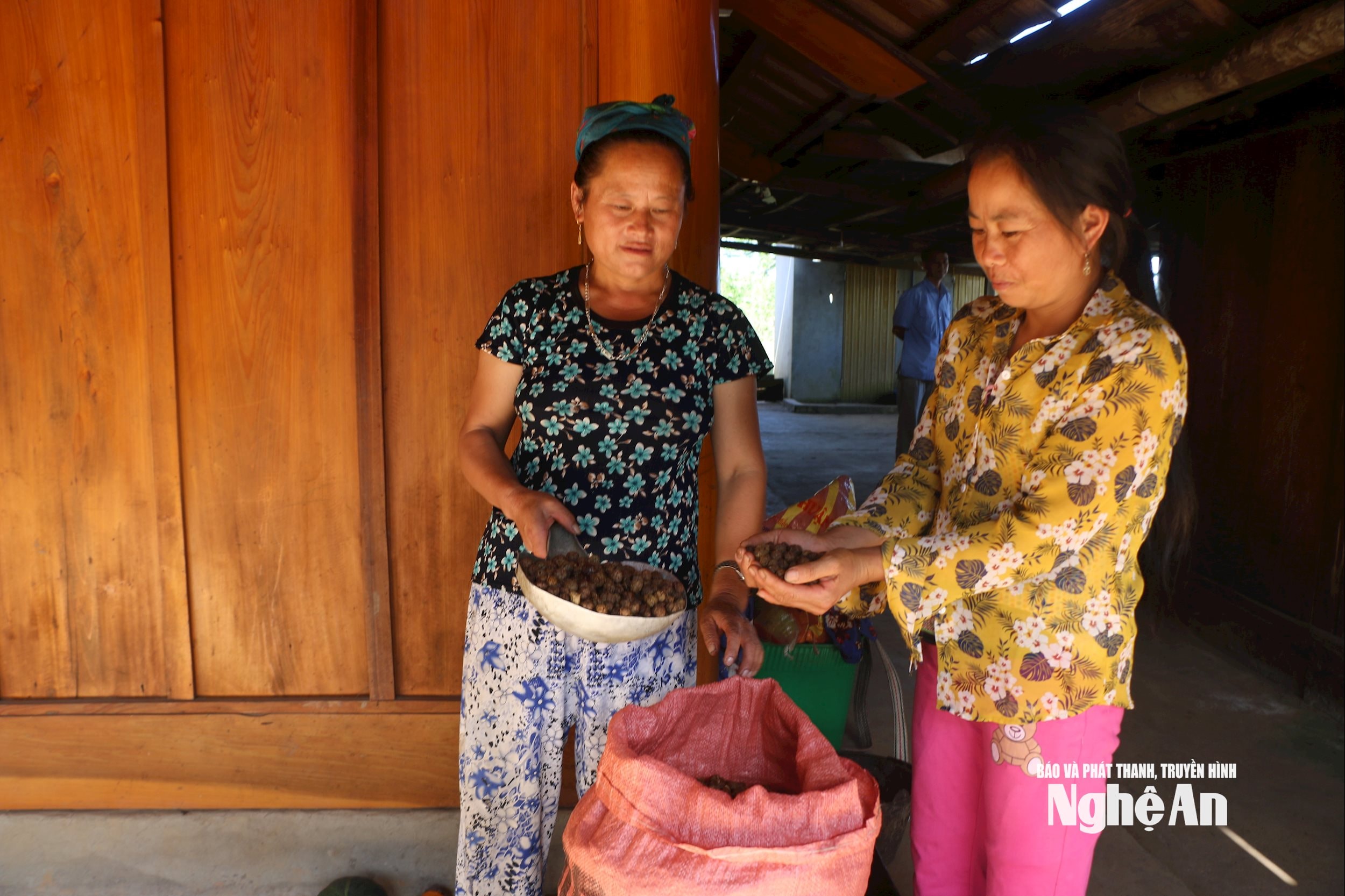
“Currently, it’s the harvest season for millet, and people are selling it fresh for 10,000 VND/kg. If peeled and dried, the price is even higher. In addition, they earn an extra 250,000 - 500,000 VND/day from peeling, drying, sun-drying, and packaging at the purchasing factory. Thanks to this, the villagers are very happy,” shared Mr. Tho Ba Nu, a resident of Pa Khom village.
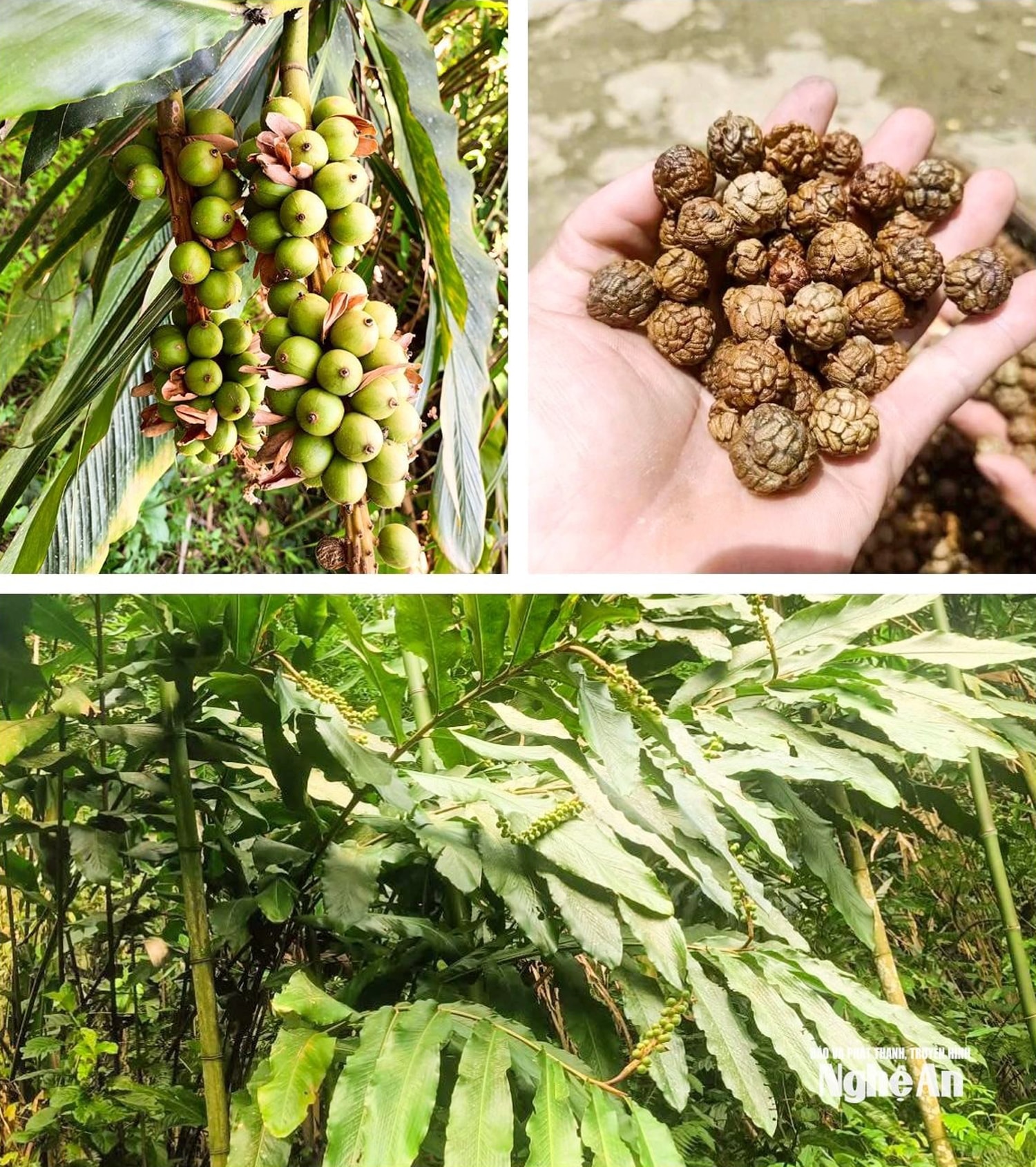
Speaking about the changes in the "mindset and way of doing things" of the people, Party Secretary Va Ba De, who has decades of experience as a village official, said: "Pa Khom village has 600 inhabitants, 99 households of Mong ethnic people living with 5 clans."
Previously, the village still maintained backward customs and traditions, its life depended entirely on the mountains and forests, few people were literate, the poverty rate was high, some households migrated freely, and they secretly cultivated opium poppies…
.png)
Currently, thanks to the attention and support of Party committees, government authorities, and functional forces, people have gradually changed their mindset of waiting and relying on others, boldly shifting their production and livestock farming, focusing on developing native plant and animal breeds to increase income.
The Party branch consistently adheres to practical realities, innovates its leadership, and issues resolutions "for the people," focusing on economic development and poverty reduction. The spirit of mutual support and assistance among the villagers is also fostered.
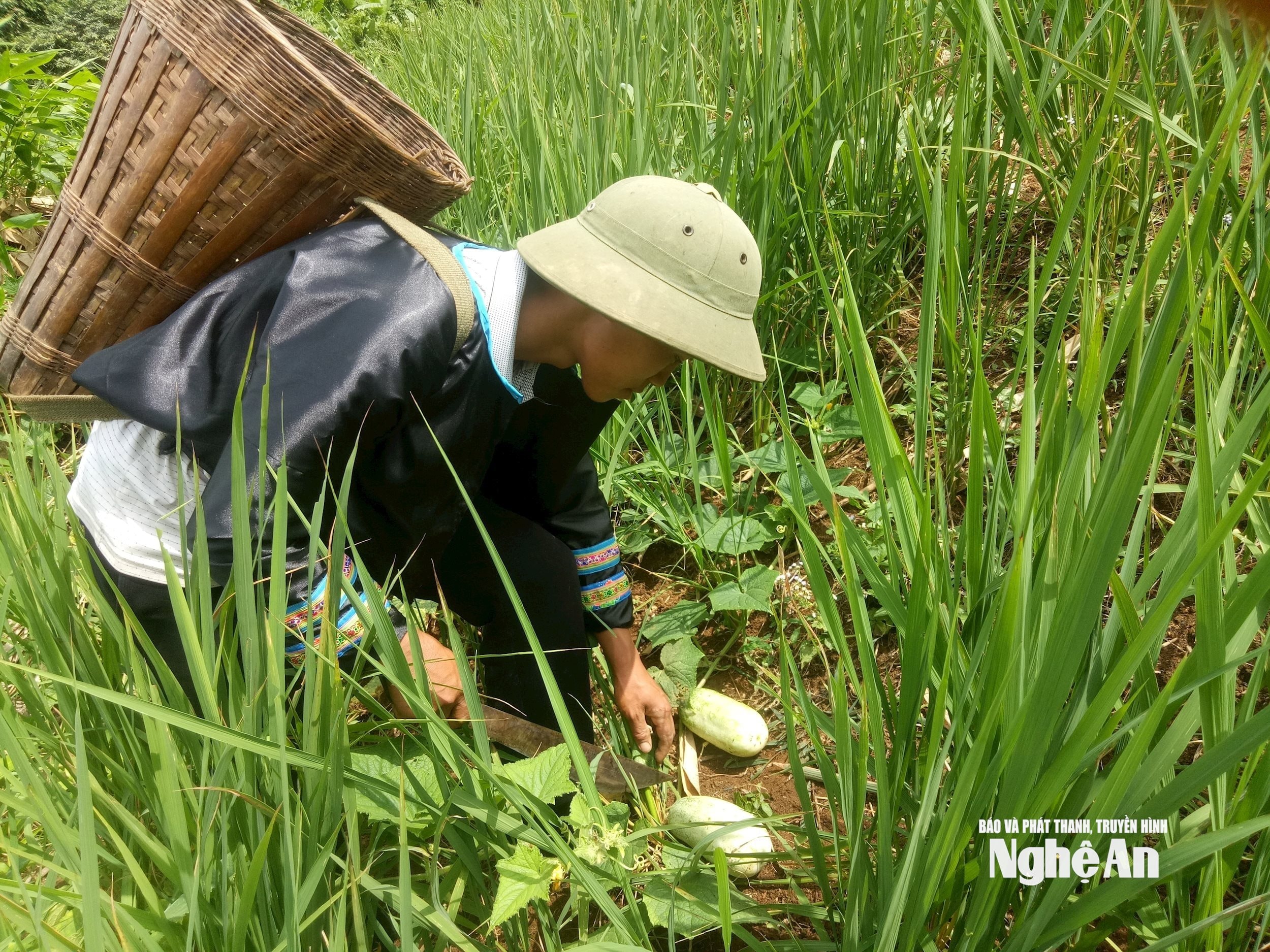
Accordingly, disadvantaged and single-parent households receive assistance from other households in harvesting crops and agricultural products, as well as support with livestock, production techniques, and animal husbandry. The 14 Party members in the branch always take the lead and set a good example in poverty alleviation, encouraging villagers to cultivate wet rice, expand vegetable crops, melons, cassava, taro, etc. The entire village currently has 7.69 hectares of wet rice; 4 hectares of corn; 48.9 hectares of cassava; 6 hectares of vegetables; and 7 hectares of taro.
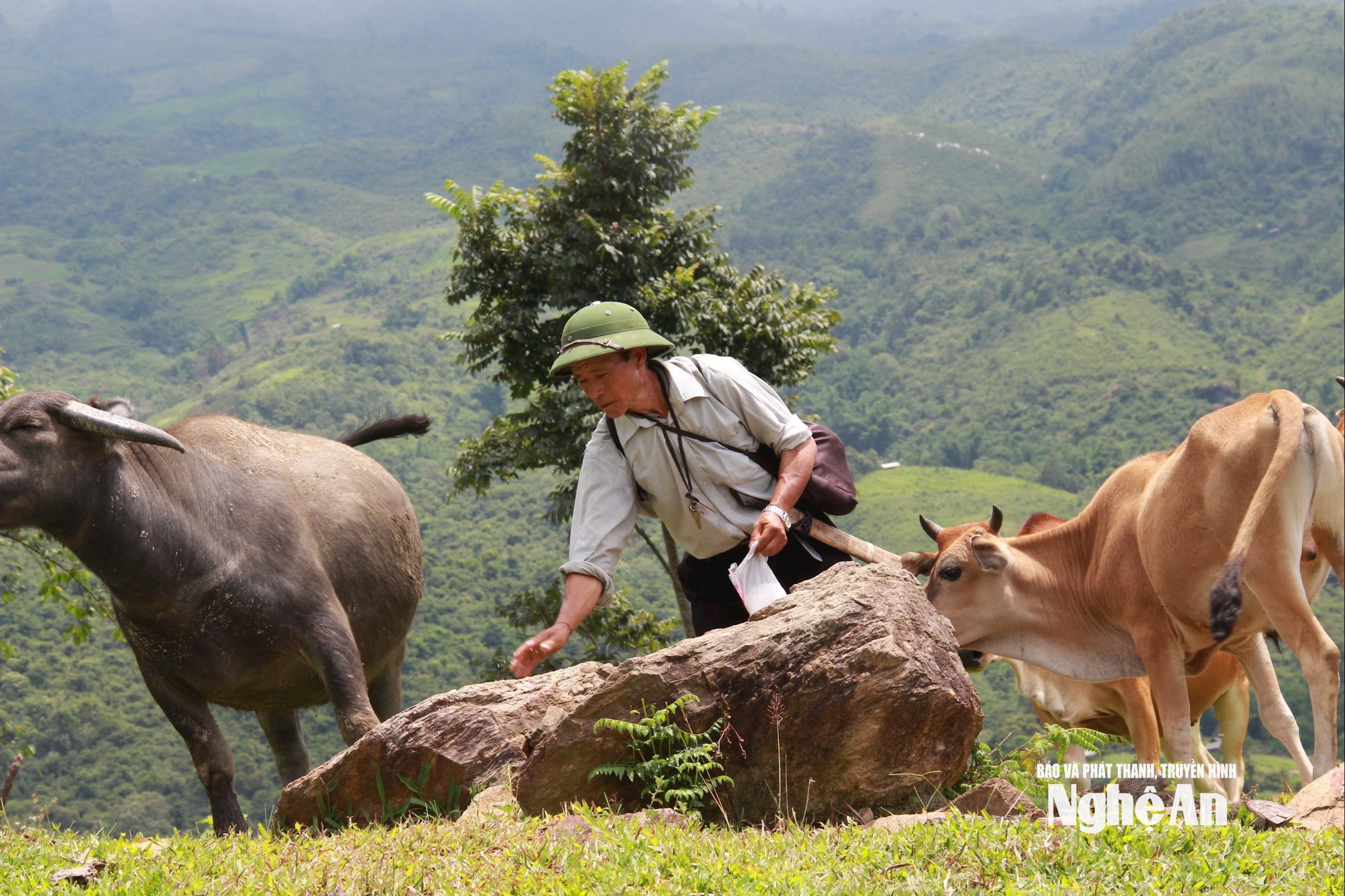
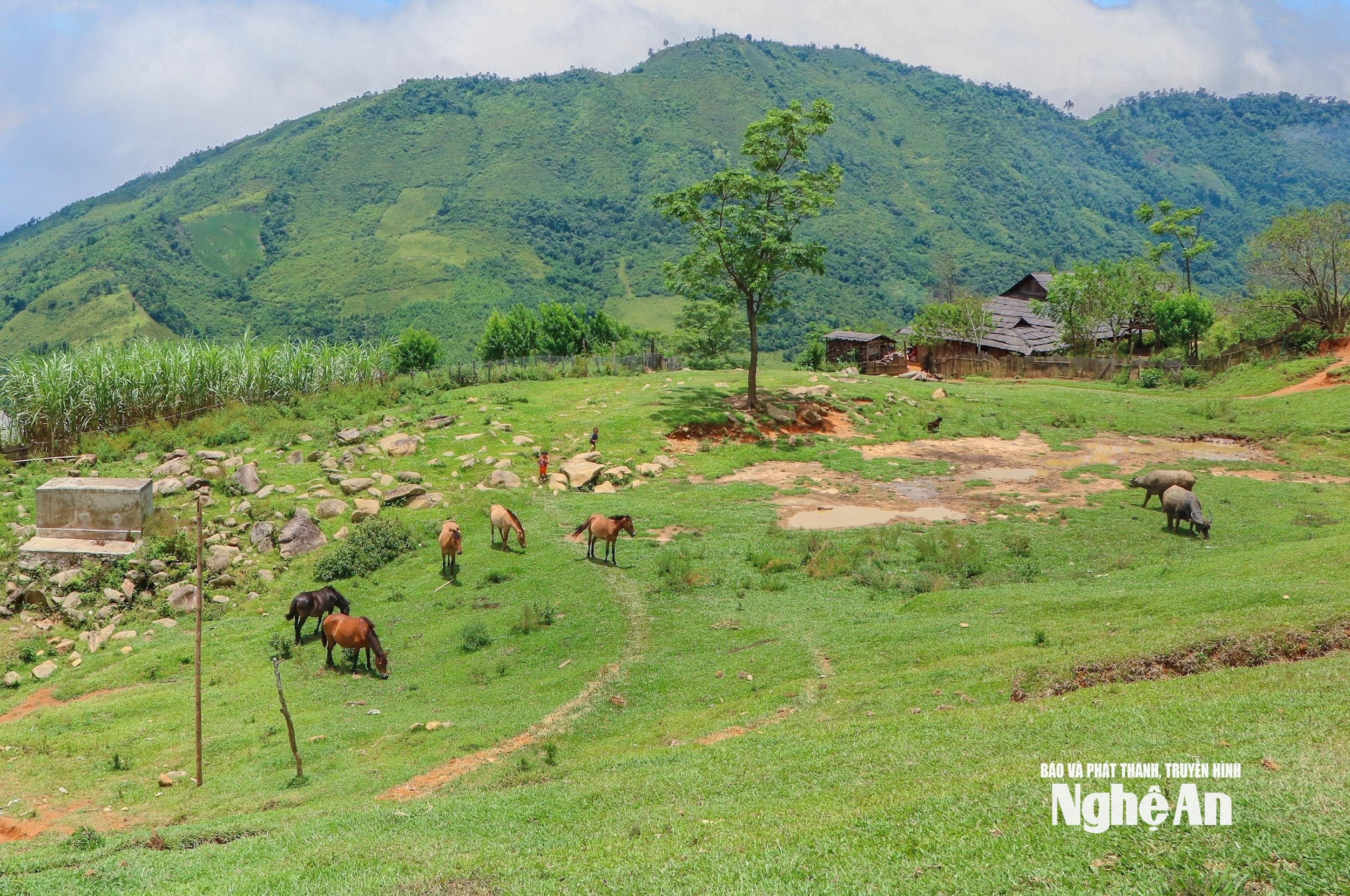
In livestock farming, the Party branch directed each clan and household to change from free-range grazing to confined, concentrated farming. As a result, the total number of buffaloes, cows, horses, and goats currently exceeds 349, with 50-60 animals sold annually, generating an income of 40-50 million VND per household. Many households have escaped poverty, and some have become "highland millionaires," such as the Ly No Po household with nearly 100 buffaloes and cows; and the Tho Giong Nu household with 50 animals…
According to Comrade Lang Van Loan, Head of the Party Building Committee of Tri Le commune: "Thanks to practical resolutions, the Party branch of Pa Khom village has created consensus between the Party's will and the people's aspirations, fostering a spirit of self-reliance and solidarity to eradicate hunger and poverty, and gradually build a new, prosperous life."
.png)
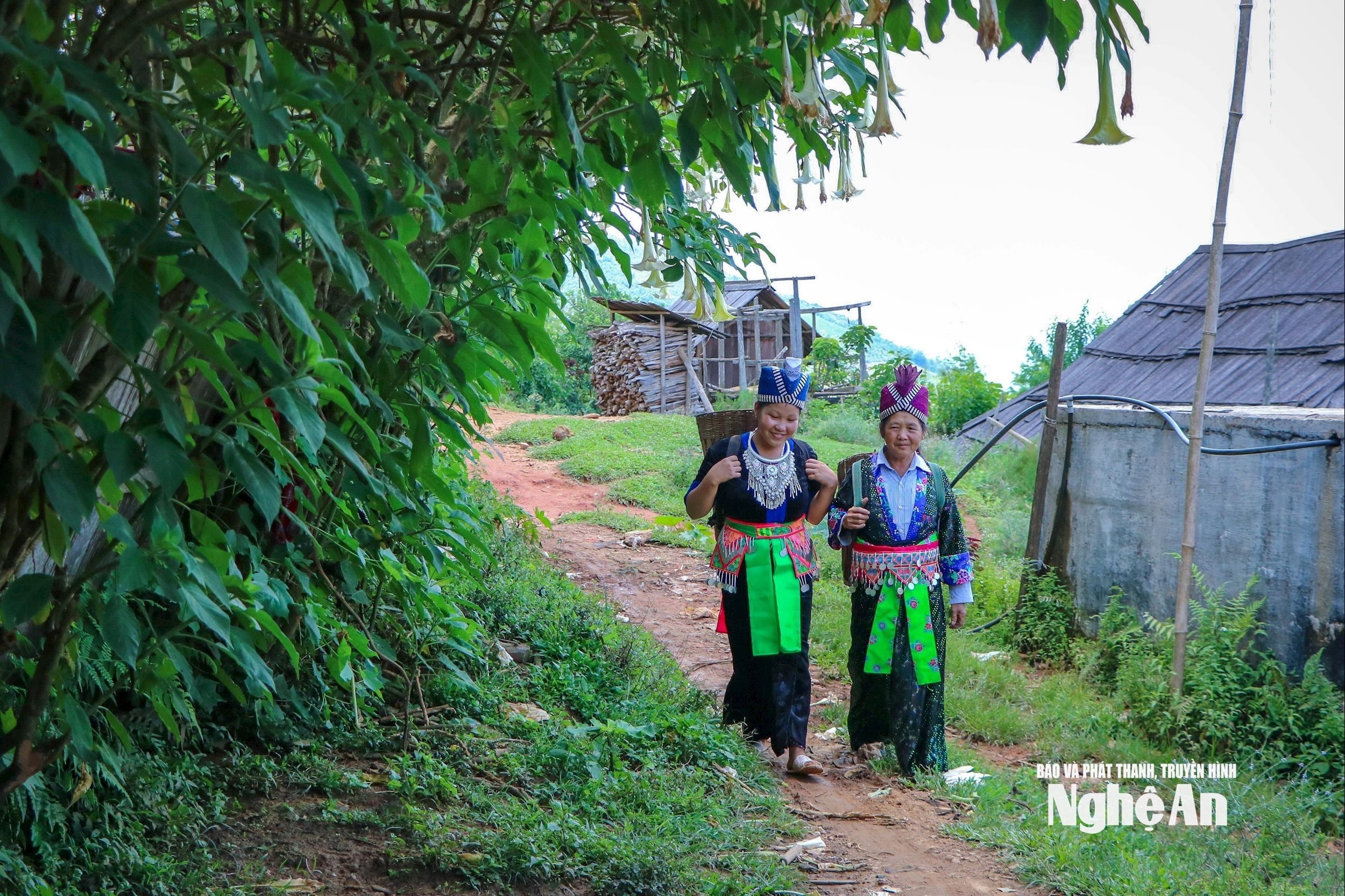
Visiting Pà Khốm today, one can already see the colors of prosperity brought about by the pioneering Hmong people. Alongside the ancient houses with their dark brown samu roofs and characteristic wooden fences, new houses in a modern style have appeared. The steep, winding dirt road leading up to the village has also been paved with concrete for over 600 meters.
In addition, the villagers themselves contributed to building 76 meters of concrete road leading to the community cultural center. The lives of the Hmong people have also gradually improved. For example, previously, most people had to walk a considerable distance to get to the central area, but now, the entire village has 98 households with motorbikes and 82 households with clean water pipes leading to their homes.
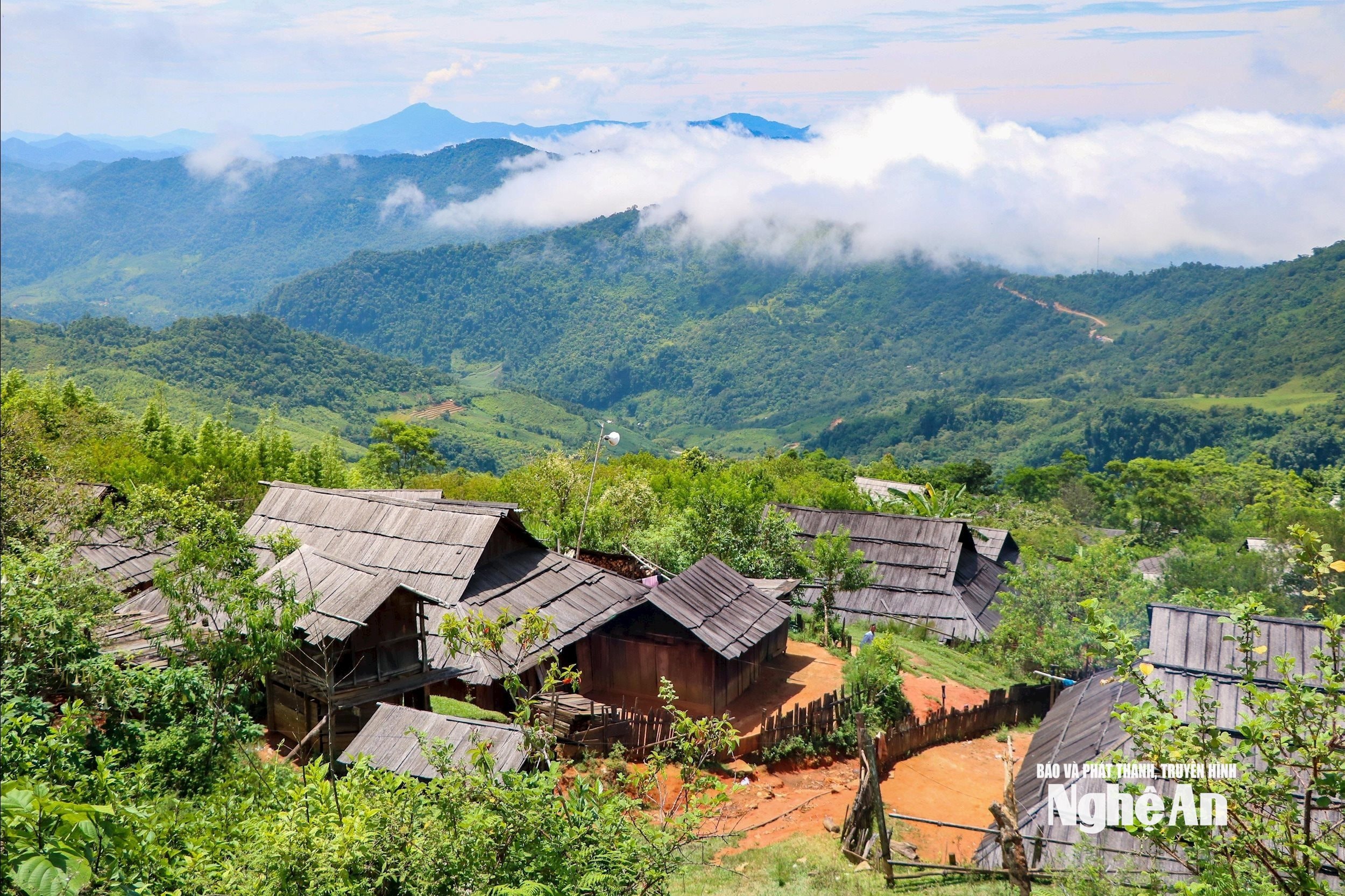
The villagers have also proactively invested in 35 plows and harrows, and 6 milling machines to serve agricultural production… Most gratifyingly, the children in the village are well cared for in their education, with no students dropping out midway through their studies; some even attend college and university. Even the women in the village actively participate in literacy classes organized by the Border Guard in coordination with the Education sector to set an example for their children to progress together.
Leading us on a tour around the village, Party Branch Secretary Va Ba De simply expressed: "To gain the people's trust and support, the Party branch's resolutions must stem from the people's desires and truly bring about change for the village. And cadres and Party members, especially those in leadership positions, must be the ones to 'lead the way and set the example'."
To develop ecotourism and community tourism, the Party branch directed the reforestation of bitter bamboo forests, planting hundreds of peach trees along the road to the village, and focusing on environmental sanitation and landscape. The resolution for the 2025-2027 term continues to direct the Management Board and mass organizations to mobilize the people to produce and raise livestock, focusing on native plants and animals: bitter bamboo, Mong peaches, taro, Mong cattle, black chickens, and sorghum…
At the same time, the area for aquaculture has been expanded to over 3,200 m², contributing to sustainable poverty reduction. Besides economic development, the Party branch maintains the Mong cultural identity with blacksmithing, traditional flute ensembles, performing arts groups, and traditional costume weaving and embroidery groups…
Looking up from the foot of the mountain, the peak of Pà Khốm today is lush and verdant amidst the forests of Tri Lễ. Tender cassava fields, bitter bamboo forests stretch along the hillsides, and peach orchards are a deep green under the autumn sun. Herds of buffalo, cows, and horses graze peacefully on the hillsides, and the diligent hands of the Hmong people are busy working in the fields… all blend together to create a vibrant picture of a new life.
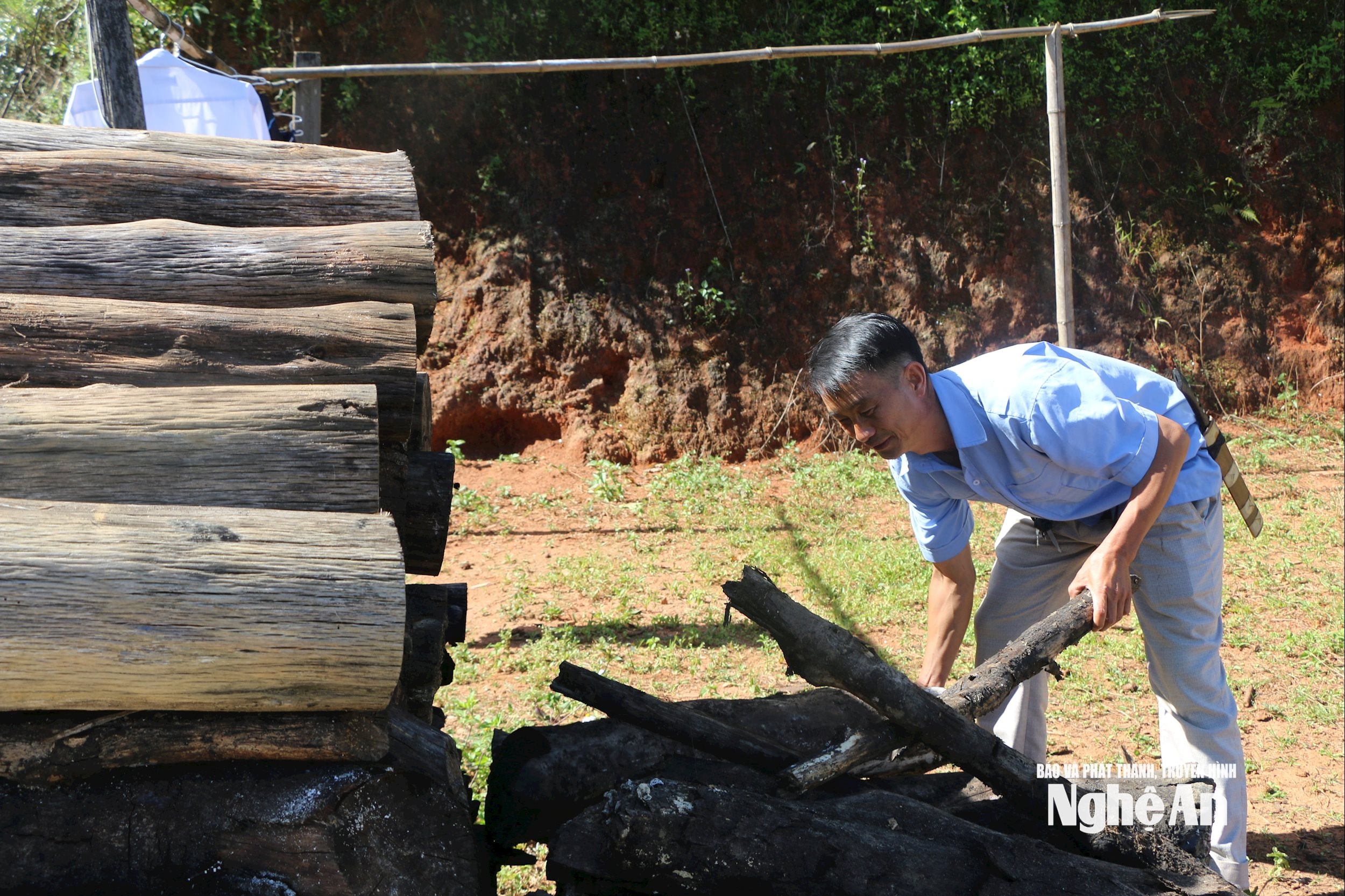
Watching the children happily playing on the concrete road leading into the village, the villagers diligently tending to each bitter bamboo shoot, the elderly women and girls meticulously harvesting sorghum and caring for their livestock, one can clearly see that the Party branch's resolution is not just a document, but has become the rhythm of life, the very breath of Pa Khom village.
The mindset and practices of the people have gradually changed; each family has learned to proactively engage in production, protect the environment, develop the economy, and preserve their cultural identity.
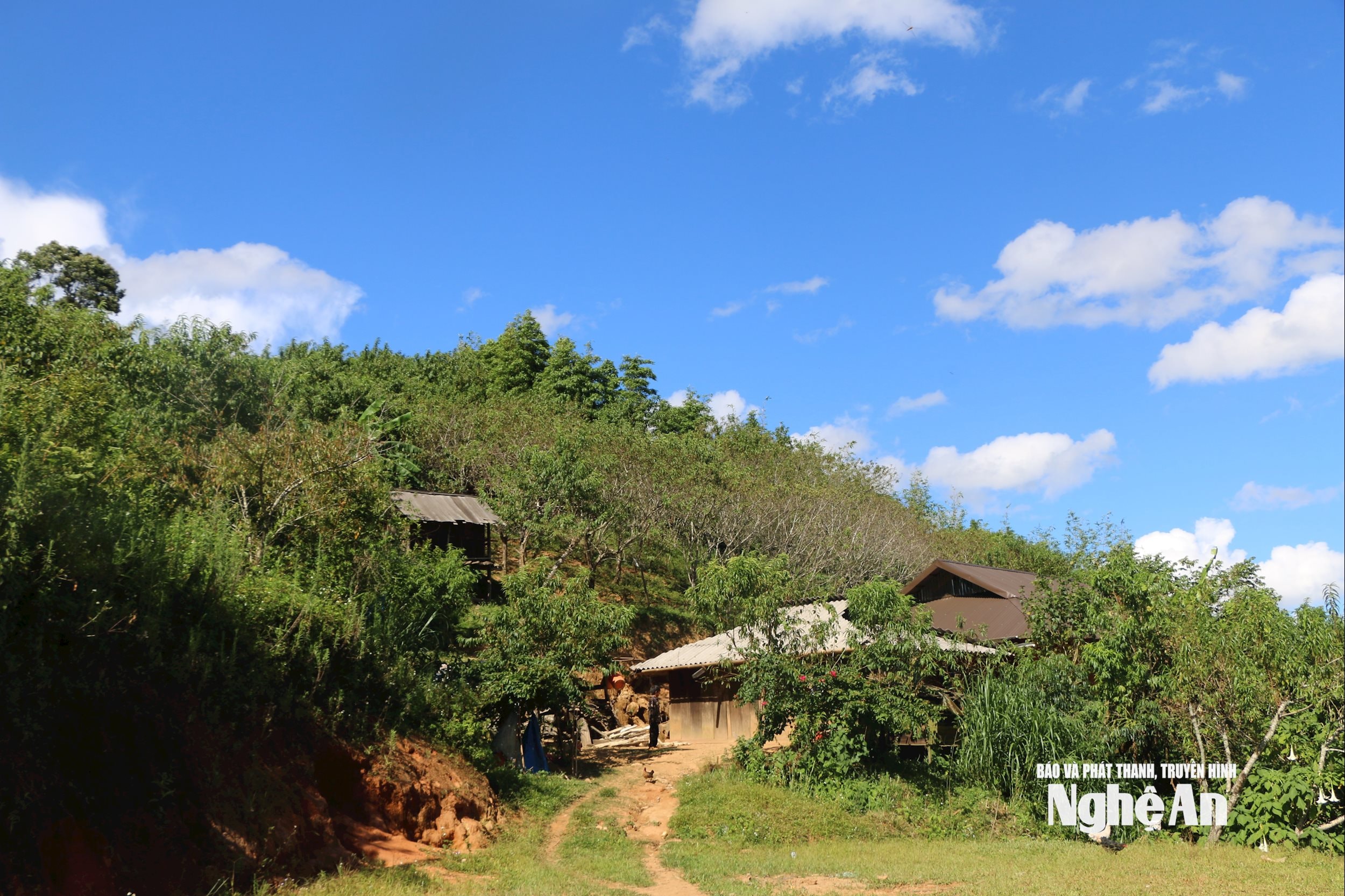
The transformation in Pa Khom village serves as a vivid testament to the strength of community solidarity and the pioneering spirit of its officials and Party members.
We believe that, with practical resolutions and the unity of the people, all difficulties will be gradually overcome, and the picture of life for the Mong people in Pa Khom village will be one of prosperity and peace…