

Continuing the story of peace in the revolutionary countryside.
Xuan Hoa Temple is located in Xuan Hoa village, formerly Hung Long commune (later Long Xa commune) and now Hung Nguyen Nam commune, Nghe An province. The temple was the starting point of the people's protests during the Nghe Tinh Soviet Uprising; it is also the site of many historical events. Currently, this historical relic complex has become a "red address" for educating about revolutionary traditions, so that future generations can continue to write the story of peace…
"Red address" - a convergence of historical events.
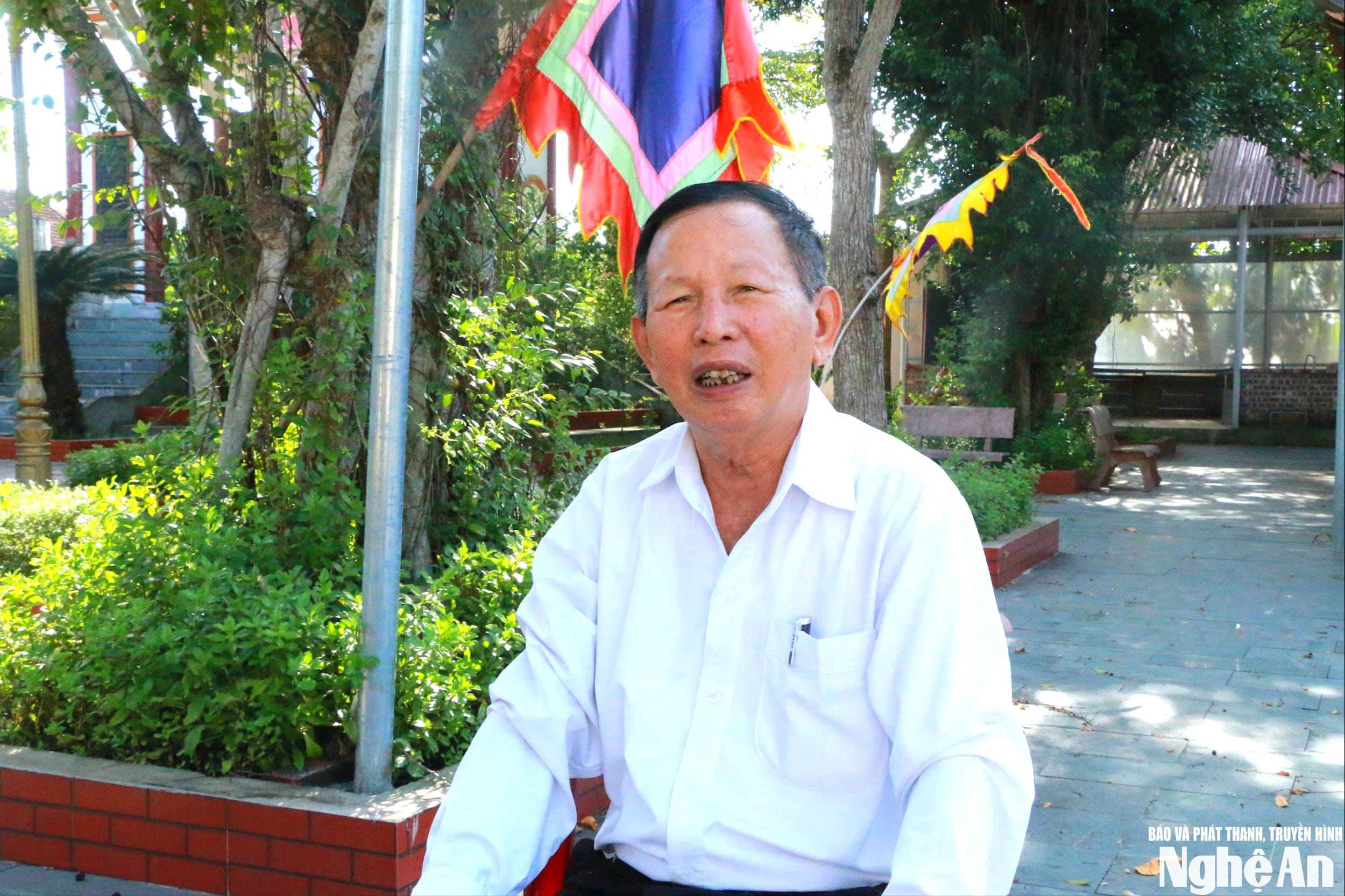
During the autumn days of August, visiting the historical and cultural site of Xuan Hoa Temple in a quiet, airy space, with the lingering scent of incense, Mr. Hoang Dang Hung (born in 1952), the manager and caretaker of Xuan Hoa Temple, said: The temple was built in the 17th century in Yen Phu village, Long Cu commune, Phu Long district, Hung Nguyen prefecture, Nghe An province.
The temple is dedicated to the village's guardian deity and the deities Cao Son and Cao Cac, two gods in folk beliefs who are credited with protecting the country and helping the people.
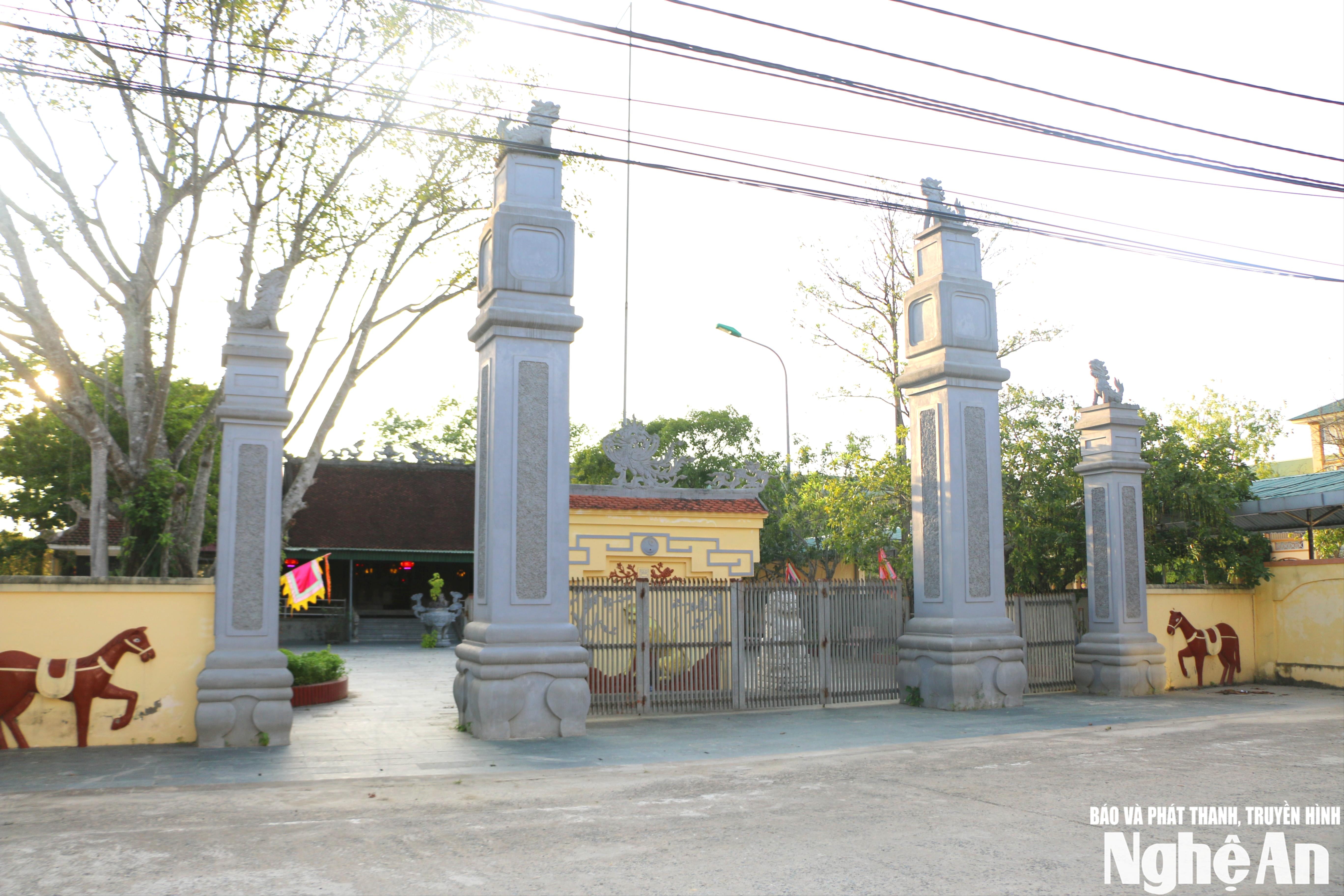
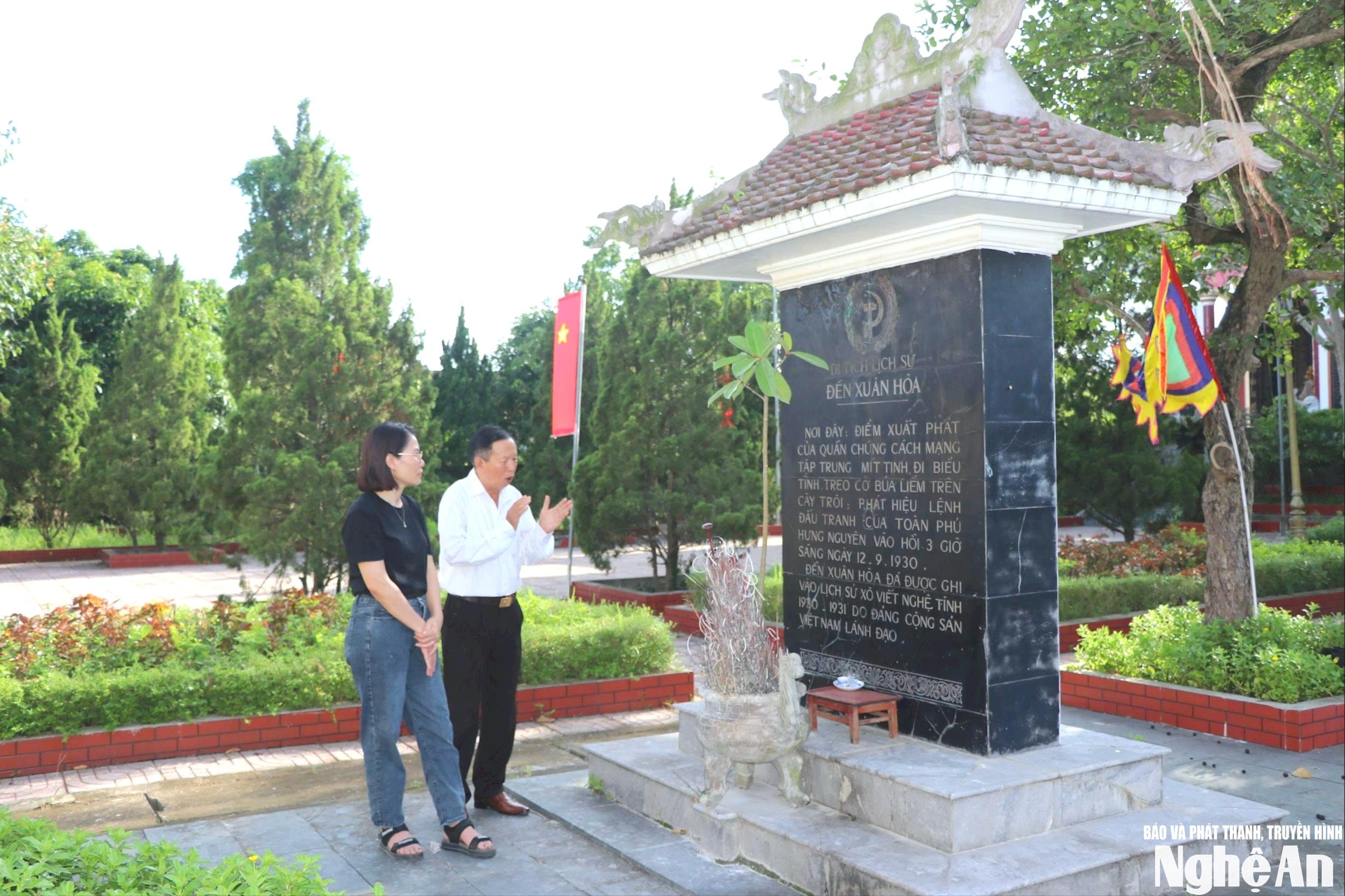
During the resistance war, the temple served as a gathering place for revolutionary cadres and a starting point for revolutionary masses to rally and demonstrate, hoisting flags and issuing orders for the struggle throughout Hung Nguyen district at 3:00 AM on September 12, 1930.
In the book "History of the Party Committee of Hung Long Commune (formerly)", the historical event of September 12, 1930 is recorded as follows:In response to the struggle movement of the people of Nghe Tinh, especially the peasant demonstrations in Nam Dan district on August 30, 1930 and September 6, 1930, Comrade Le Xuan Dao, a representative of the Central Committee of the Vietnam Fatherland Front, chaired an expanded meeting of representatives from grassroots Party organizations to discuss measures to organize a large-scale demonstration throughout Hung Nguyen district on September 12, 1930. Comrade Nguyen Ngoc Ngoan, a Party member from Xuan Hoa - Long Cu, was appointed as the overall commander. The Party flag was hoisted by Comrades Nguyen Vy and Nguyen Hy on the top of a floating tree at Xuan Hoa temple, signaling the start of the struggle throughout Hung Nguyen district."
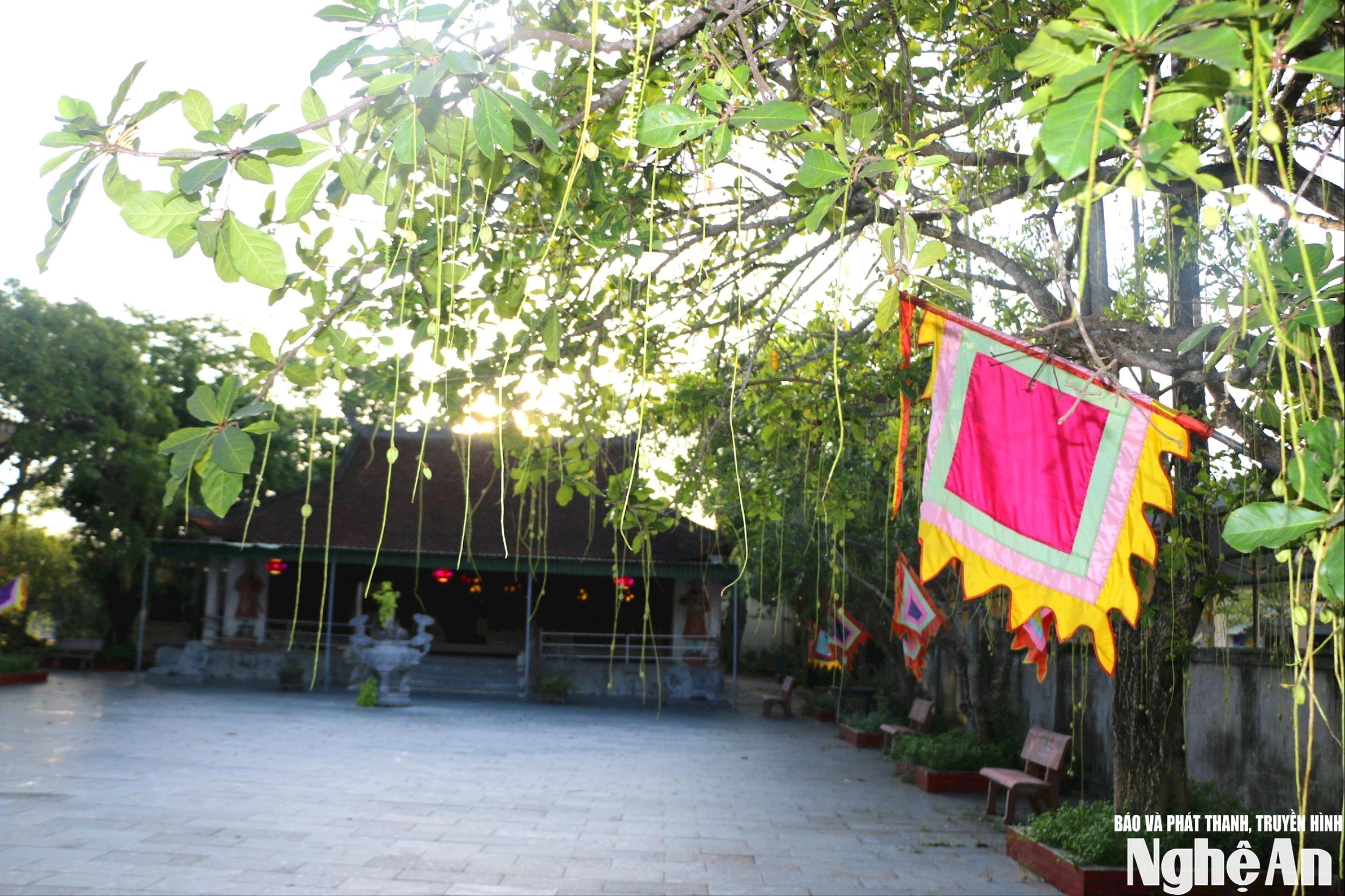
The image of that high-raised flag inspired the working people to unite, creating immense spiritual strength to fight against French colonialism and the puppet government, against exorbitant taxes and levies...
Mr. Hoang Dang Hung, the manager of the historical site and caretaker of Xuan Hoa Temple, shared that he heard from the elders in the village that: To prepare for the rally, according to the assignment of the Party branch, Party members and villagers cut down three old bamboo trees and joined them together to make a flagpole. The flagpole was attached to the top of an ancient banyan tree in front of Xuan Hoa Temple.
The red flag with the hammer and sickle was hoisted on the night of September 11th and the early morning of September 12th, 1930, flying high, signaling the start of a rally and demonstration by 8,000 people from Hung Nguyen, Nam Dan, and other areas.
The atmosphere of the rally was recorded in the History of the Party Committee of Hung Long (formerly) commune as follows:At 3:00 AM on September 12, 1930, a large crowd of farmers from Phu Long commune and surrounding areas, armed with sticks, spears, ropes, and red flags bearing the hammer and sickle, marched to Xuan Hoa Temple. They then proceeded to Yen Xuan train station, tied up the station master, and cut the telephone lines to disrupt enemy communication. Faced with the momentum of the demonstration, the French colonial authorities deployed a unit of soldiers to fire warning shots into the air, demanding the dispersal of the protest. However, the crowd remained in orderly ranks, marching straight towards the district capital. When the group reached Thai Lao, the French colonial authorities dropped bombs on the crowd, killing 217 people and injuring 125, including 43 from Phu Long commune.
According to documents from the Soviet Nghe Tinh Museum (now the Nghe An - Soviet Nghe Tinh Museum), the demonstration on September 12, 1930, attracted more than 8,000 people from the Phu Long, Thong Lang, and Nam Kim districts. The plan was for the masses to gather at Xuan Hoa communal house, march to Yen Xuan train station, and then proceed to Hung Nguyen district headquarters to present their demands to the district chief. However, this demonstration was brutally suppressed by the French colonialists and their collaborators.
On September 20, 1930, following the Party's directive, farmers from the villages of Xuan Hoa, Yen Tho, Thuan Duc, Nghia Son, and Yen Phu gathered at Xuan Hoa Temple to commemorate those who sacrificed their lives in the events of September 12, 1930.
From September 1930, the mass struggle movement transformed with a series of demonstrations by peasants armed with rudimentary weapons in many districts of Nghe Tinh (Nghe An and Ha Tinh provinces), relentlessly attacking district offices.
The ruling government was in disarray; French officials lived in constant anxiety, seeking refuge day and night. This struggle led to the collapse of many puppet regimes, resulting in the emergence of Soviet power.
By 1946-1947, the temple served as a weapons and ammunition forging facility (Pham Hong Thai Engineering Workshop), and later as a food warehouse to support the resistance against the French.
From 1955 to 1964, the temple served as a school for the children of Hung Long commune (formerly); in 1964, during the resistance war against the US, the temple was damaged by enemy bombing, so the people dismantled it to use as offices for the commune and hamlets, and some of the ritual objects were taken and stored at the ancestral temples of the families that had lived there before.
Later, the temple was restored and renovated, but sadly, the ancient banyan tree where the flag that rallied the people during the events of September 12, 1930, was hung is no longer there.
Right in front of the temple courtyard, a commemorative stele has also been erected, clearly stating:This place, the starting point for the revolutionary masses to gather for rallies and demonstrations, hoisting the hammer and sickle flag on a tree, and issuing the signal for struggle throughout Hung Nguyen district at 3:00 AM on September 12, 1930. Xuan Hoa Temple has been recorded in the history of the Nghe Tinh Soviet of 1930-1931 led by the Communist Party of Vietnam."
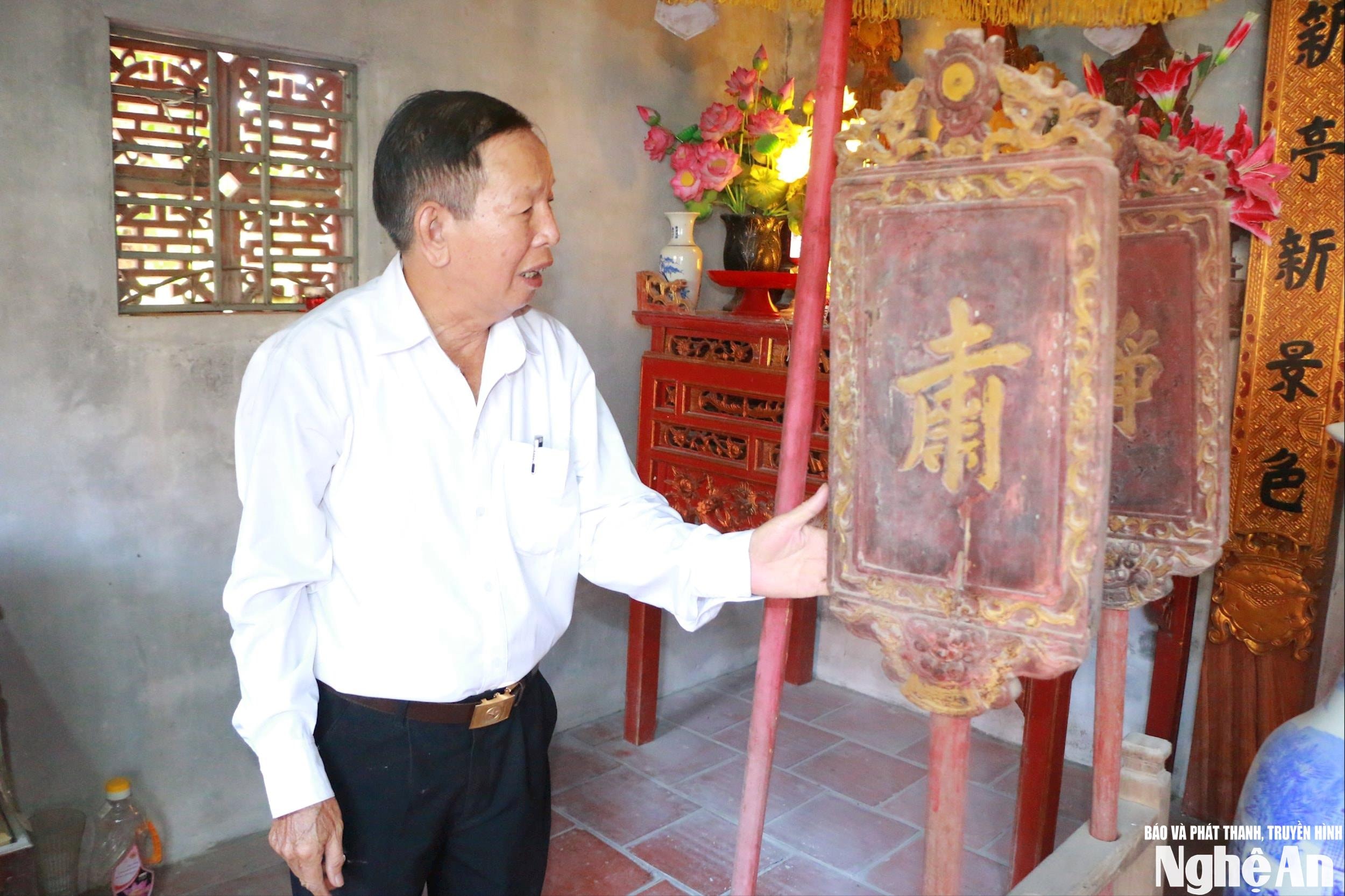
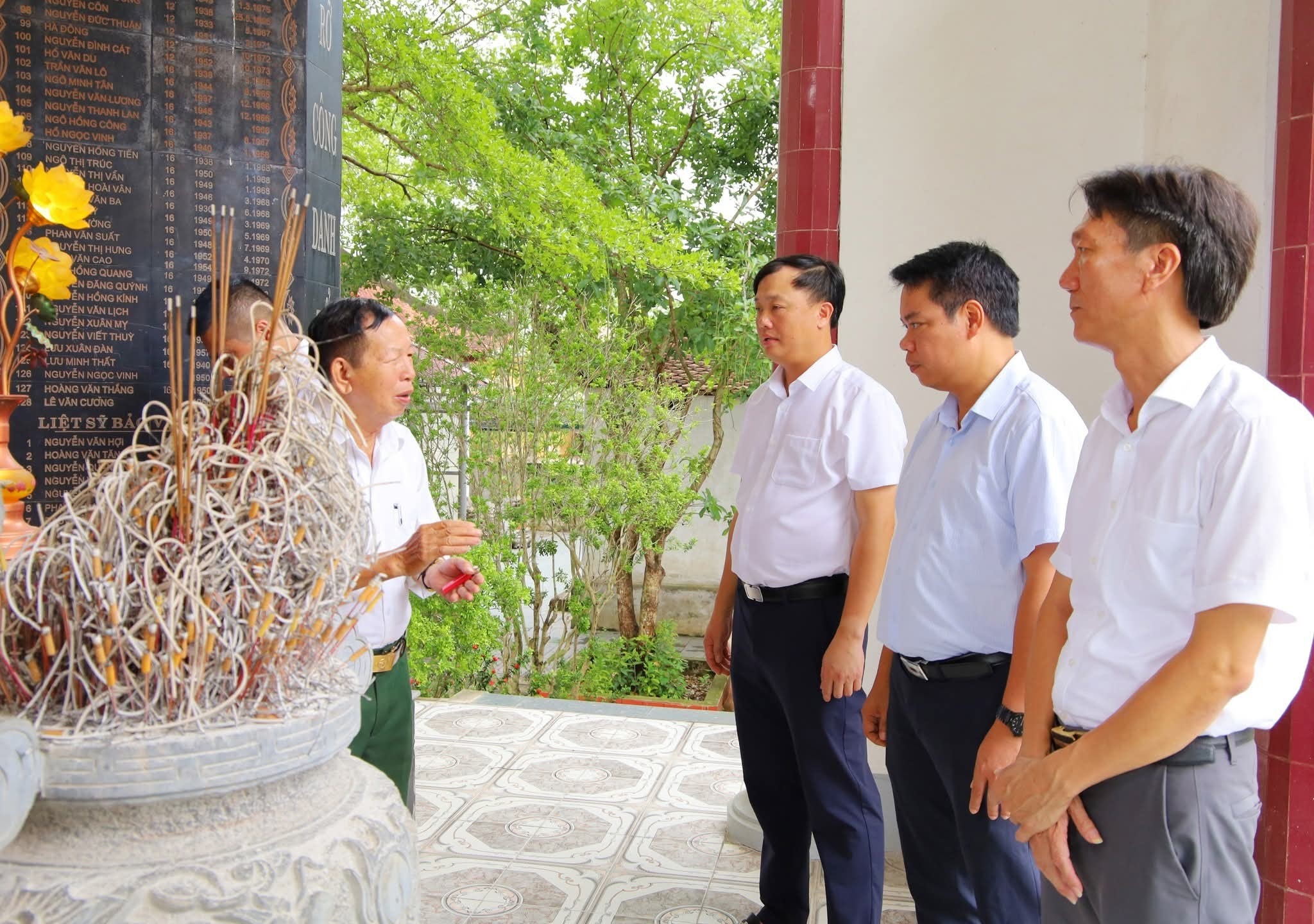
The Xuan Hoa Temple has been classified as a Provincial-level Historical and Cultural Relic according to Decision No. 6409/QD-UB dated December 30, 2010. Within the temple grounds, a memorial plaque for martyrs of the former Hung Long commune, now part of Hung Nguyen Nam commune, has been erected.
Today, this complex has become a historical, cultural, and spiritual destination, attracting many locals and visitors from afar to visit and offer incense.
Continue writing the story of peace.
Currently, the local Party committee and government are implementing a comprehensive set of solutions to better preserve, restore, and promote the historical value of Xuan Hoa Temple.
At the same time, it has also become a place for traditional revolutionary education and the spirit of struggle for generations, especially the youth and students in the area.
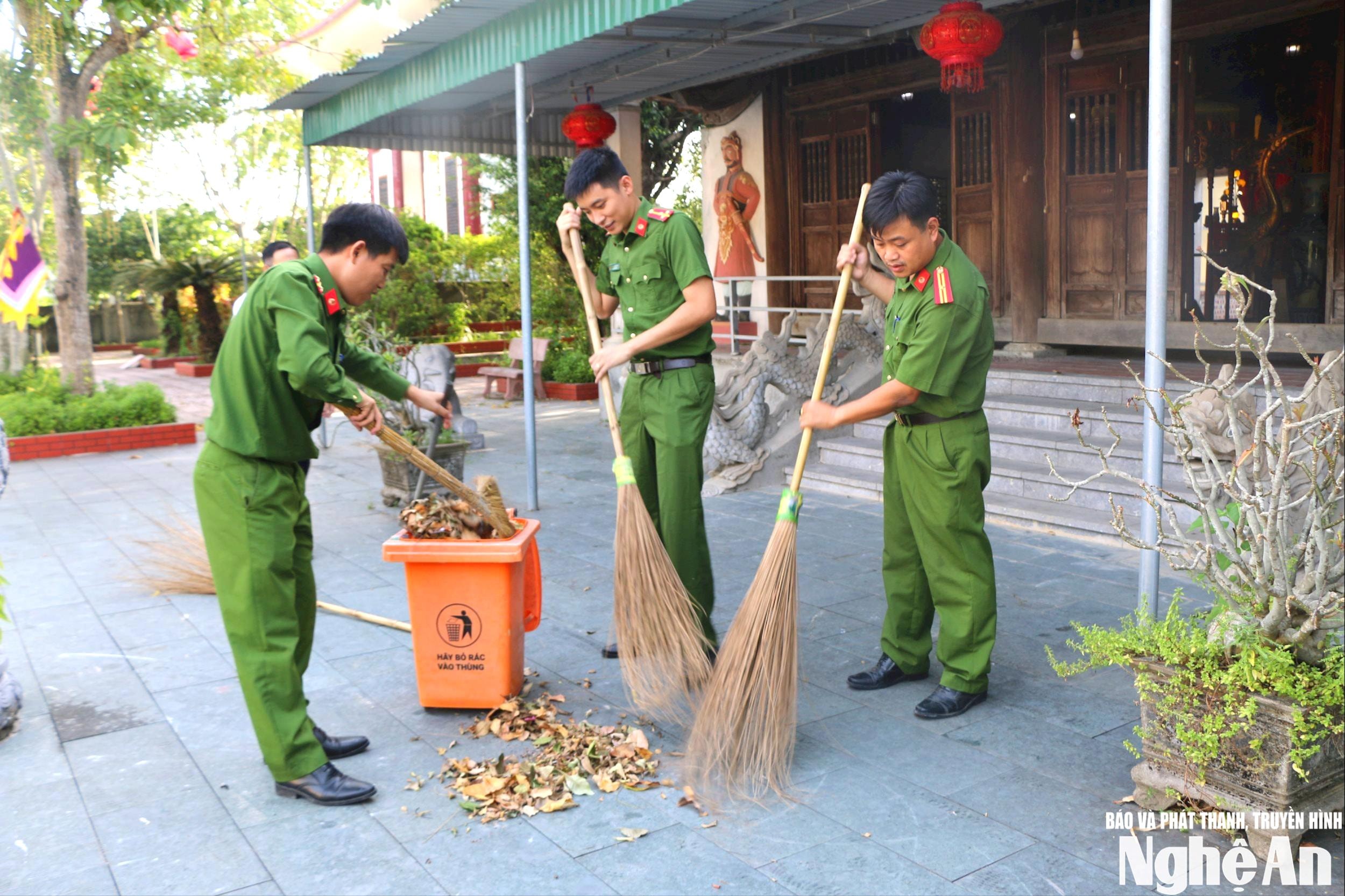
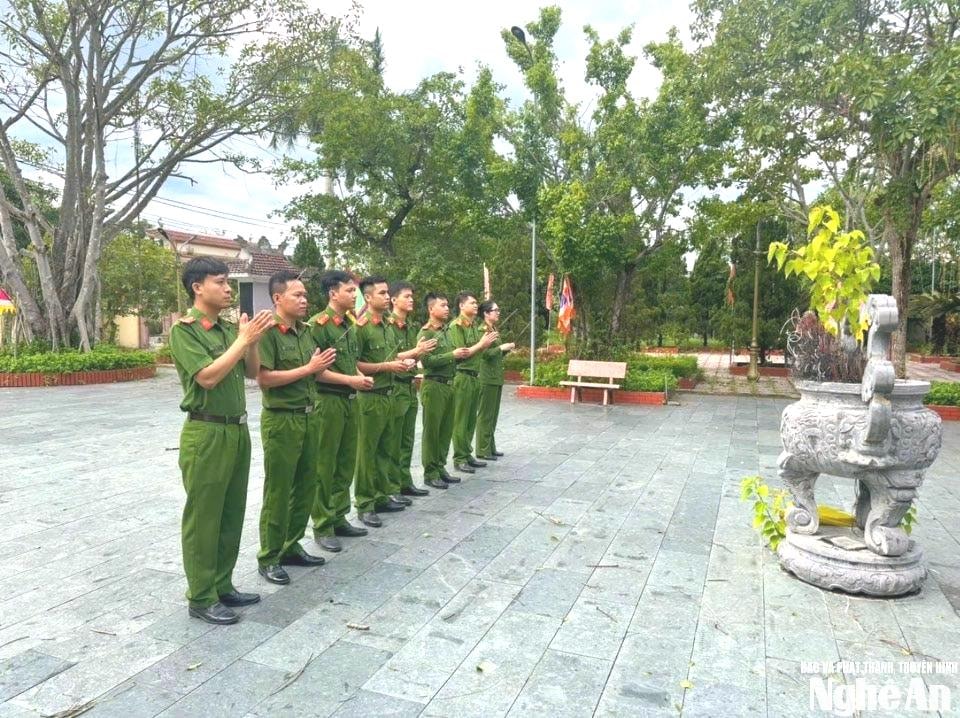
The temple is located right next to the grounds of the former Long Xa Primary and Secondary School. According to the temple caretaker and manager, this is where the school organizes traditional educational activities such as ceremonies for admitting new members to the Youth Union and Young Pioneers, and historical talks. During the school year, the school assigns students to clean the temple grounds weekly.
But from 2025 onwards, this task will be carried out by the Youth Union of the Hung Nguyen Nam Commune Police.
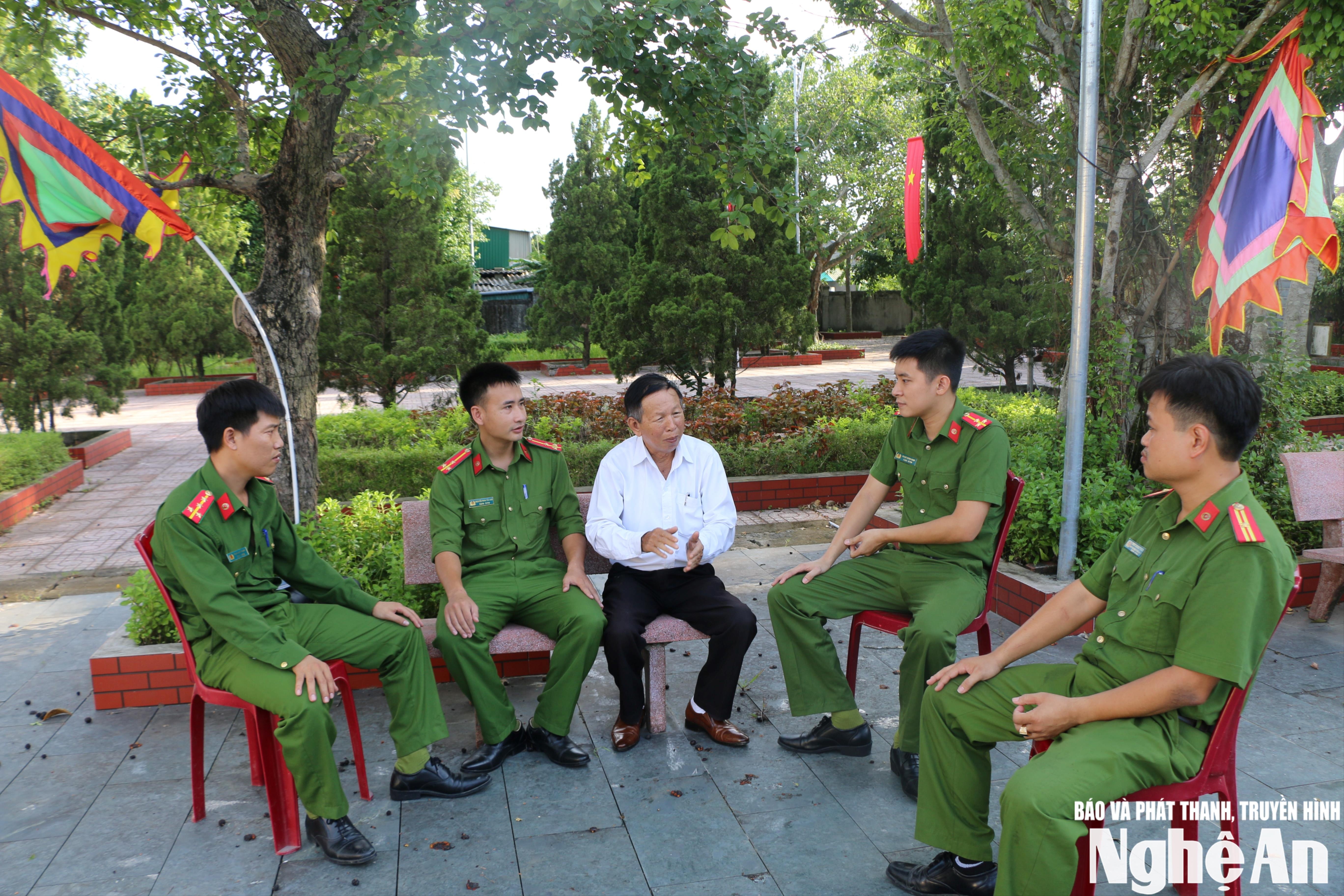
Speaking with us under the shady banyan tree in the temple grounds, Senior Lieutenant Nguyen Minh Tai Anh - Secretary of the Youth Union of Hung Nguyen Nam Commune Police - said: "In keeping with the principle of remembering our roots and repaying gratitude, as well as upholding the revolutionary traditions of our heroic Soviet homeland, the commune police force is responsible for caring for and protecting the historical and cultural relic of Xuan Hoa Temple and the memorial monument for martyrs of the commune."
Accordingly, on a weekly basis, the Youth Union of the Hung Nguyen Nam Commune Police organizes general cleaning and tree trimming. In addition, on the 15th and 1st of each lunar month, the unit organizes for officers and soldiers to offer incense and flowers, paying tribute and expressing their profound gratitude to the heroic martyrs who fought for national liberation and the protection of national peace.”
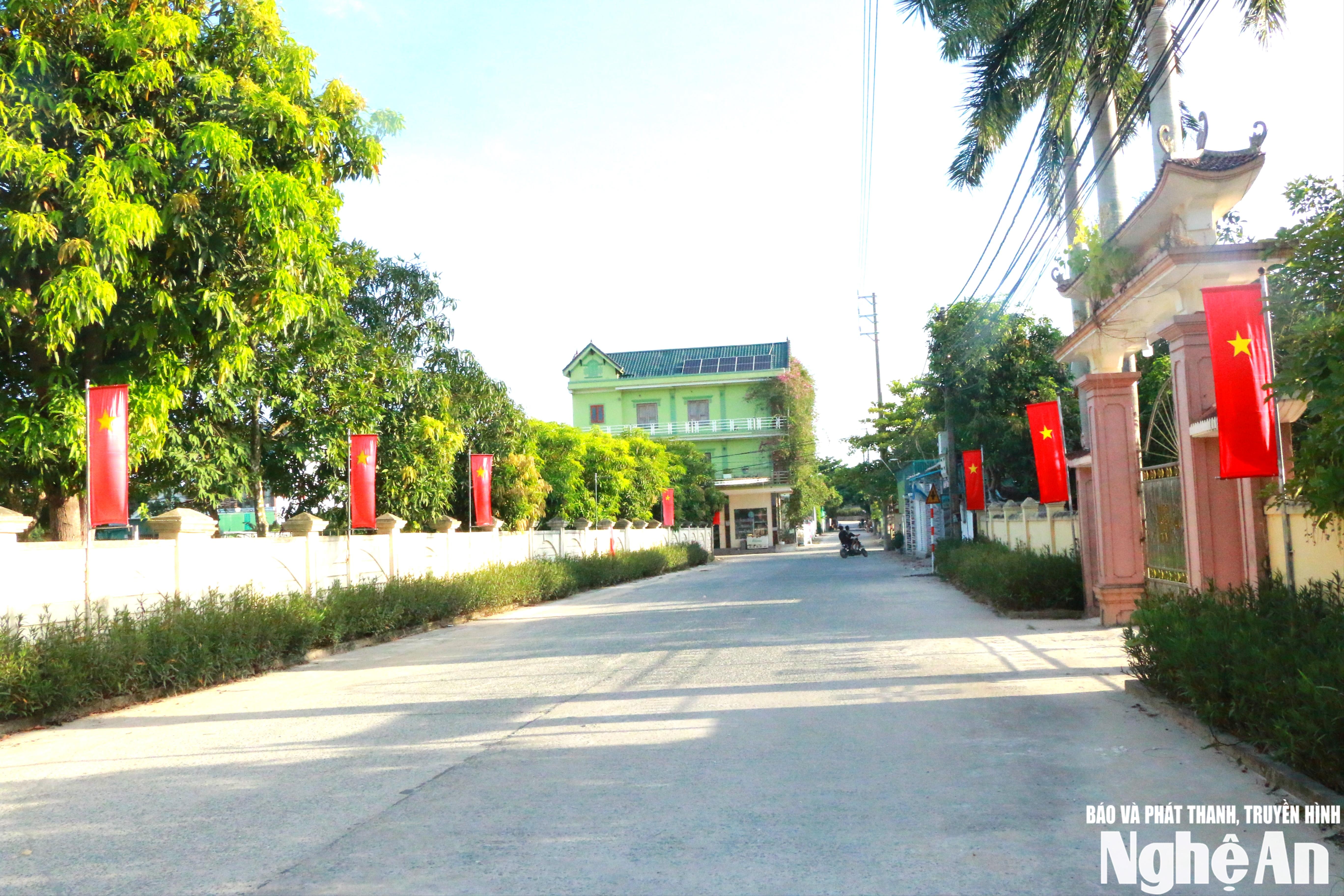
Proud of its revolutionary homeland's tradition of "leading the way," Xuan Hoa village today has also become a leading unit in building new rural areas in Hung Nguyen Nam commune, with its village roads and alleys paved with concrete, clean and tidy, and displaying the national flag to celebrate National Day.
Modern high-rise buildings have sprung up, yet the peaceful and tranquil atmosphere of a traditional countryside remains.
Mr. Le Minh Tai, Deputy Secretary of the Party Branch and Head of Xuan Hoa Hamlet, happily stated: "Continuing to uphold the revolutionary tradition, the Xuan Hoa Hamlet Party Branch always affirms its role as the political 'nucleus' in the hamlet, promoting the pioneering and exemplary spirit of cadres and Party members, and paying special attention to the work of creating a source of 'red seeds' for the Party."
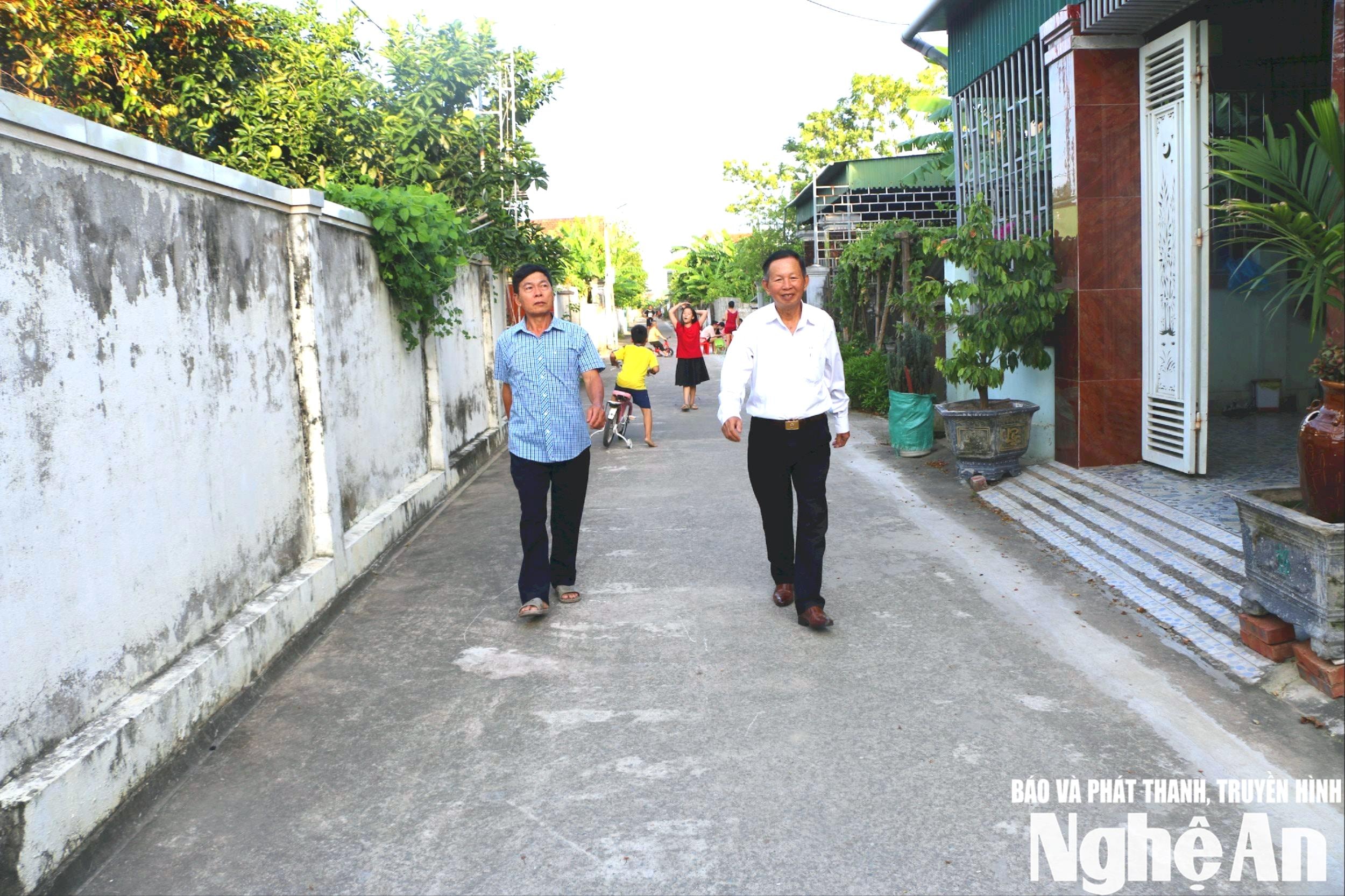
Currently, the Xuan Hoa hamlet Party branch has 40 members. As of 2025, the branch has admitted 2 new members (from the youth union and the farmers' association). Besides developing agriculture, the people in the hamlet are actively promoting overseas labor export. Nearly 200 people from the hamlet are working abroad. As a result, the people's lives are becoming increasingly prosperous.
In 2024, the total income of the hamlet reached 49 billion VND, with an average per capita income of 55 million VND/year. For 2025, the Party branch resolution sets a target of 76 billion VND in total income and an average per capita income of 65 million VND/year. Currently, the hamlet has 296 households, of which only 3 are poor, accounting for just over 1% (due to long-term illness or disability), with no new poor households emerging.
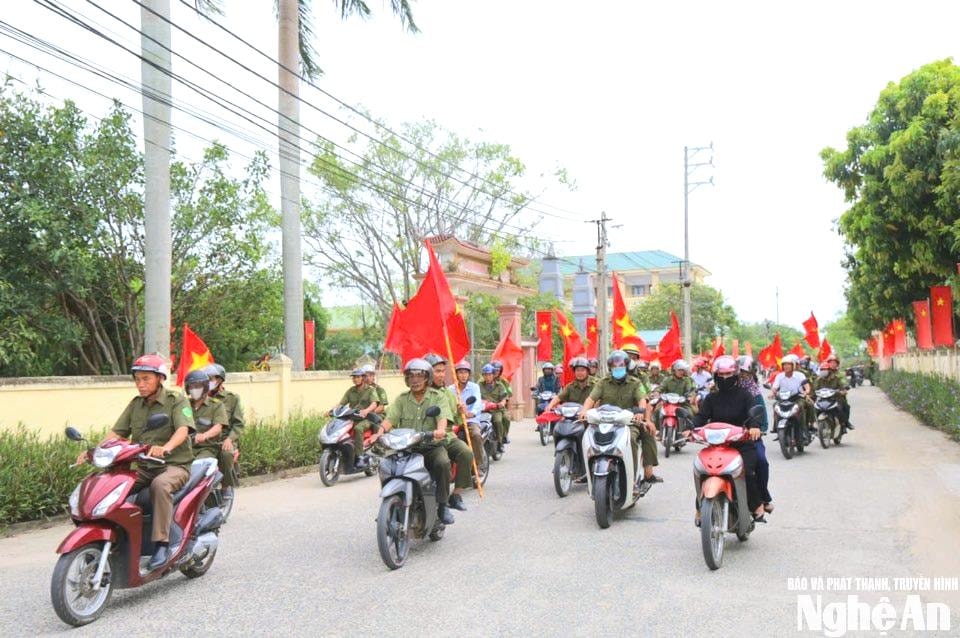
“The lives of the people are becoming increasingly prosperous. In 2024, the total income of the hamlet reached 49 billion VND, with an average per capita income of 55 million VND/year. In 2025, we set a target of a total income of 76 billion VND, with an average income of 65 million VND/person/year. Besides economic development, the hamlet also focuses on propaganda and education to cultivate virtue and talent, ensuring that wherever they are and whatever they do, they live up to the revolutionary traditions of their homeland. That is how today's and future generations will continue to write the story of peace of their ancestors,” said Hamlet Head Le Minh Tai.
In Hung Nguyen Nam commune, there are 9 classified historical sites, including 1 managed by the Provincial Relics Management Board; 8 managed by the commune; and 20 included in the inventory list according to Decision 201/2018/QD-UBND of the Provincial People's Committee. Immediately after the two levels of government stabilized, Hung Nguyen Nam commune held a meeting to discuss the preservation and promotion of the value of historical sites in the area; including the Xuan Hoa Temple Historical and Cultural site.
Accordingly, the commune directed the Department of Culture to establish a Management Board at each historical site, issue specific operating regulations; closely coordinate with the Hamlet Front Committee and other organizations in the work of caring for historical sites; and call for social resources to restore and protect historical sites.
Preserving historical sites not only safeguards cultural heritage but also contributes to tourism development and traditional education for the younger generation.
Ms. Hoang Thi Hoai Thanh - Member of the Standing Committee of the Party Committee, Vice Chairman of the People's Committee of Hung Nguyen Nam Commune