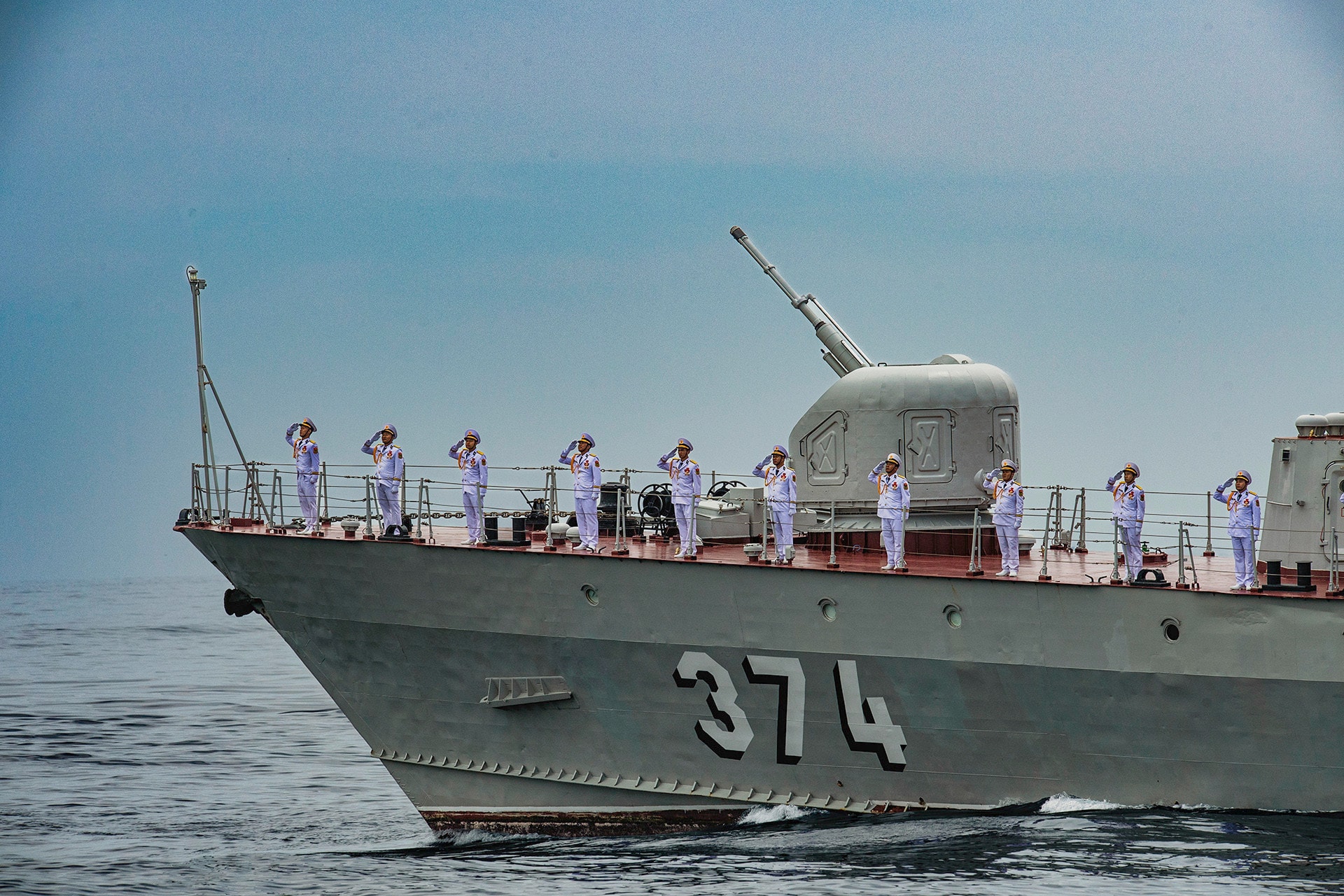
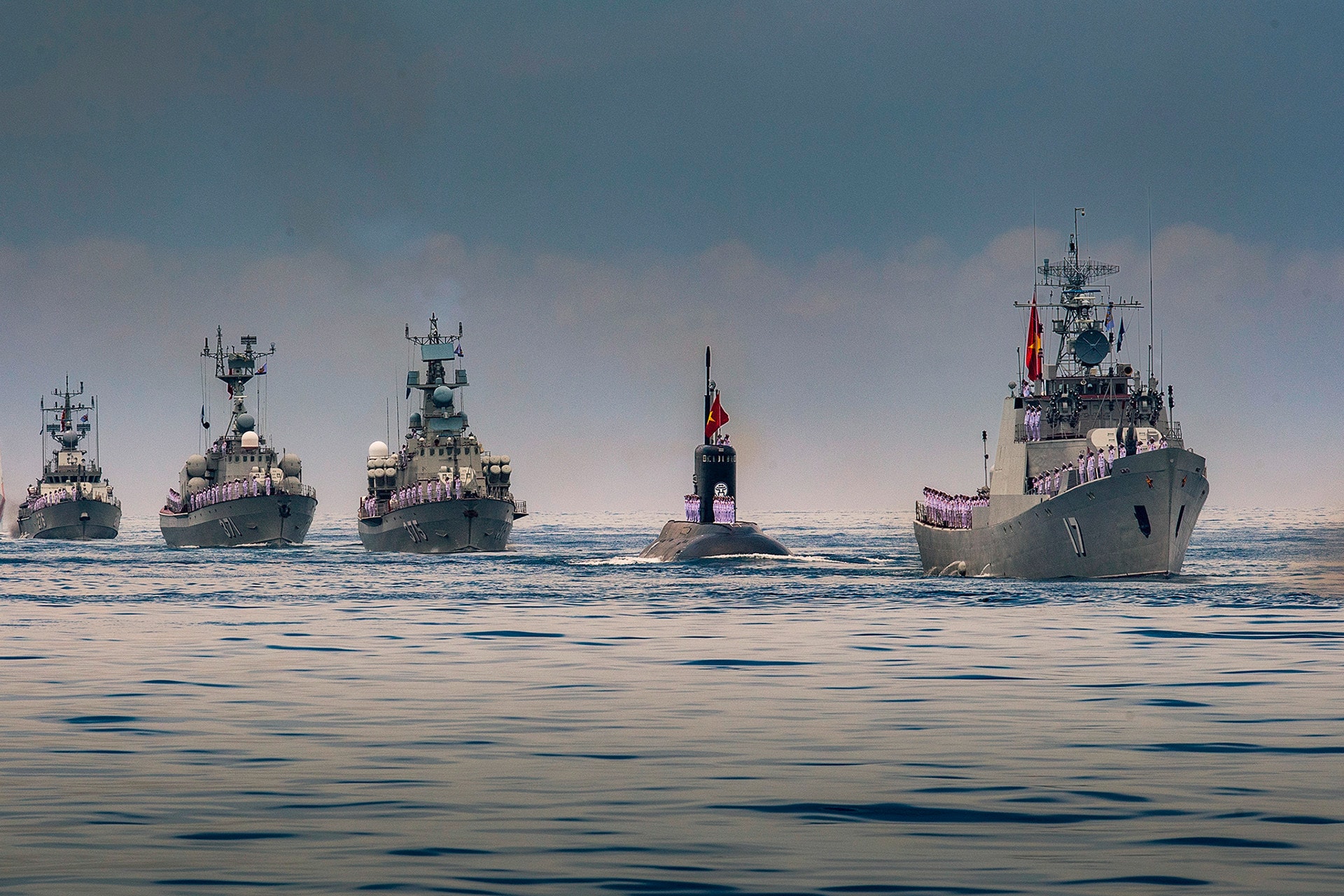
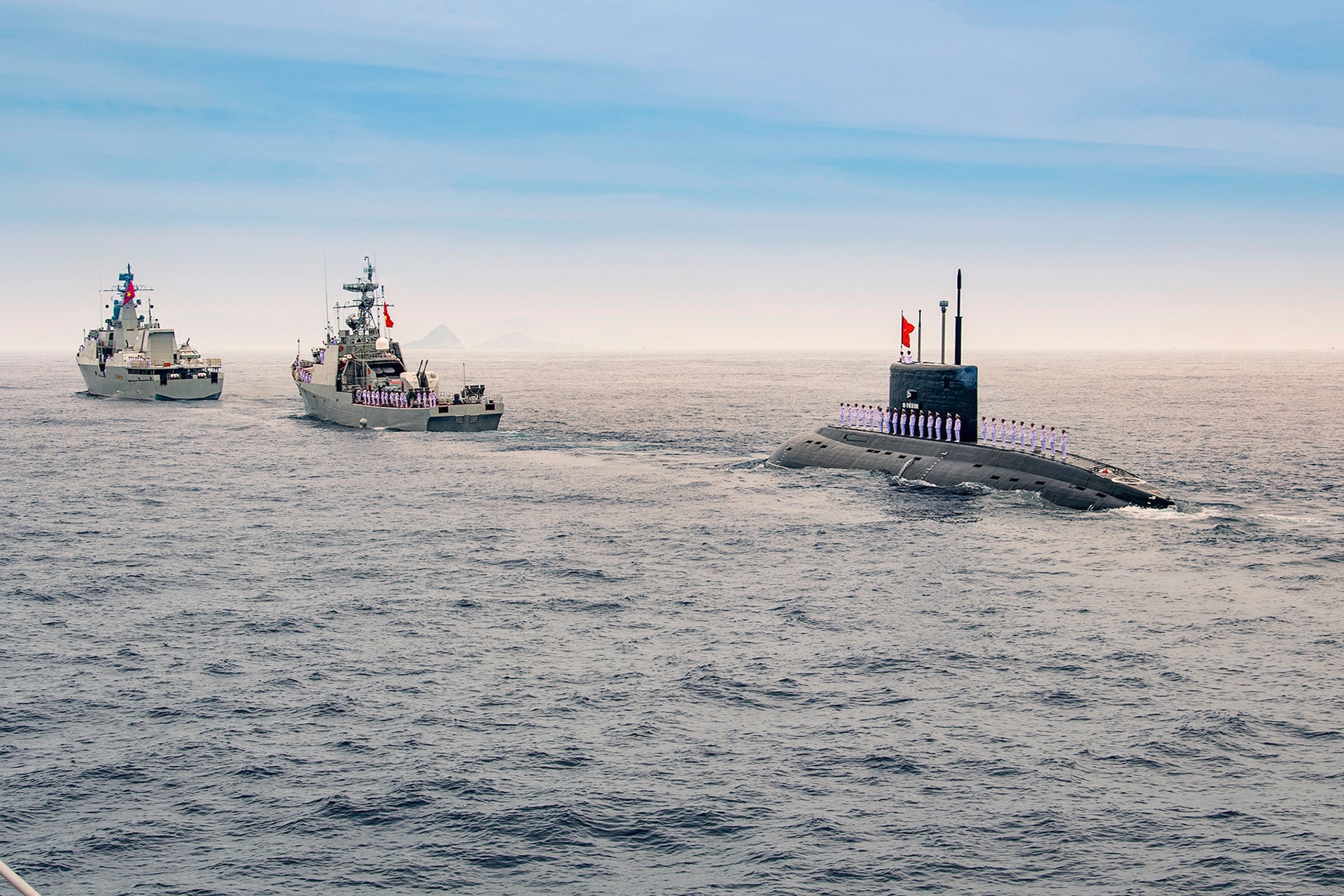
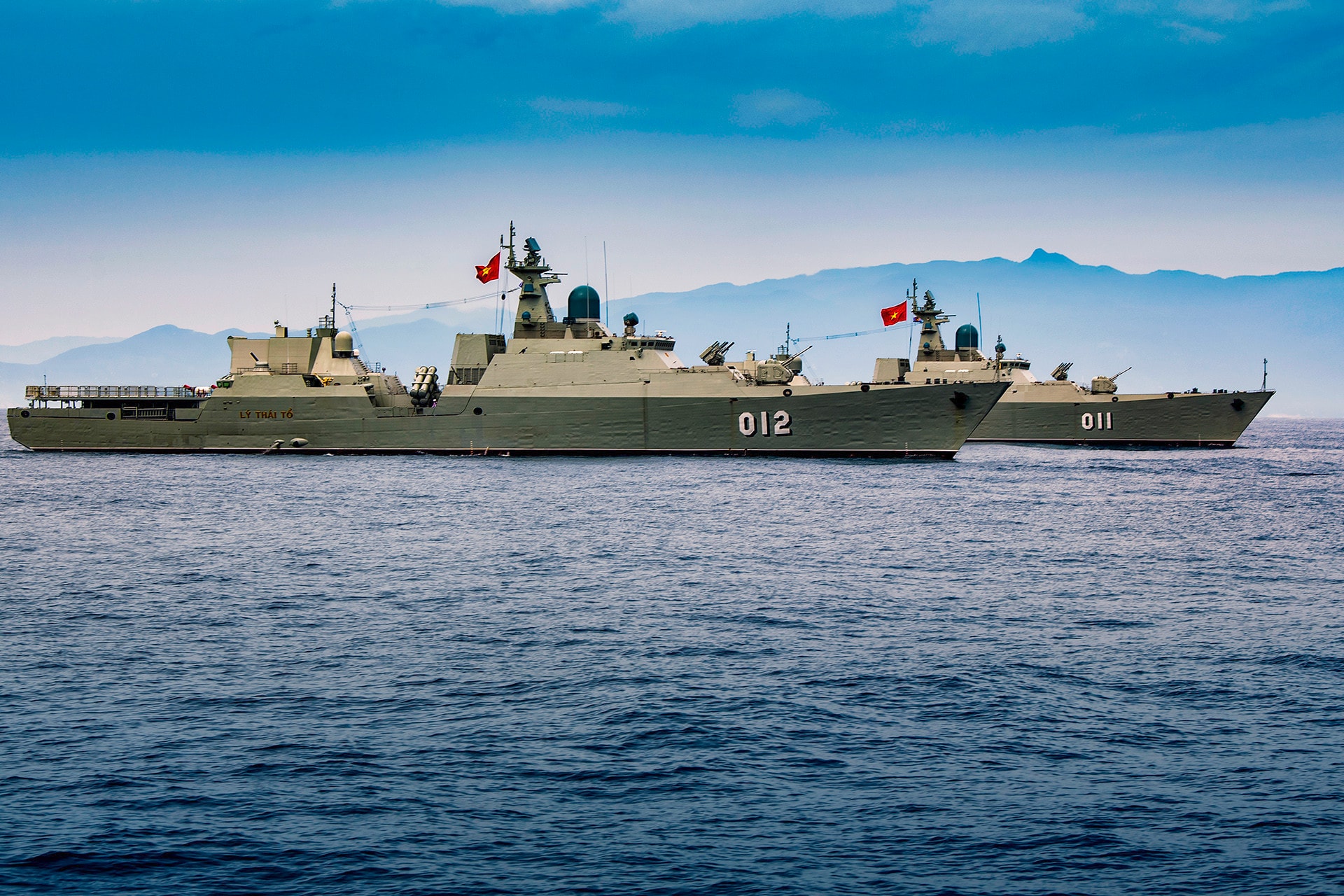
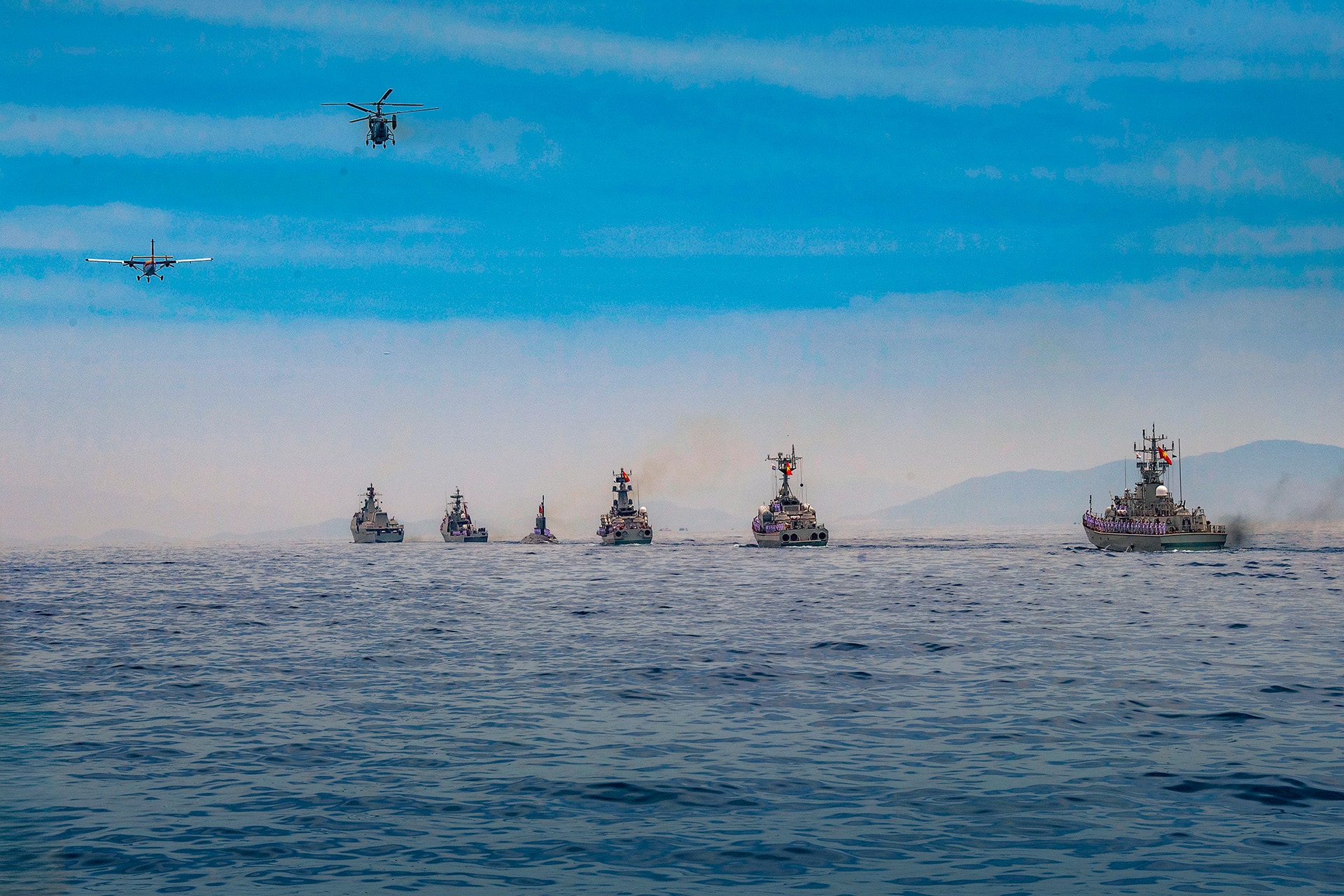
A panoramic view of the first-ever naval parade in Vietnam's history.
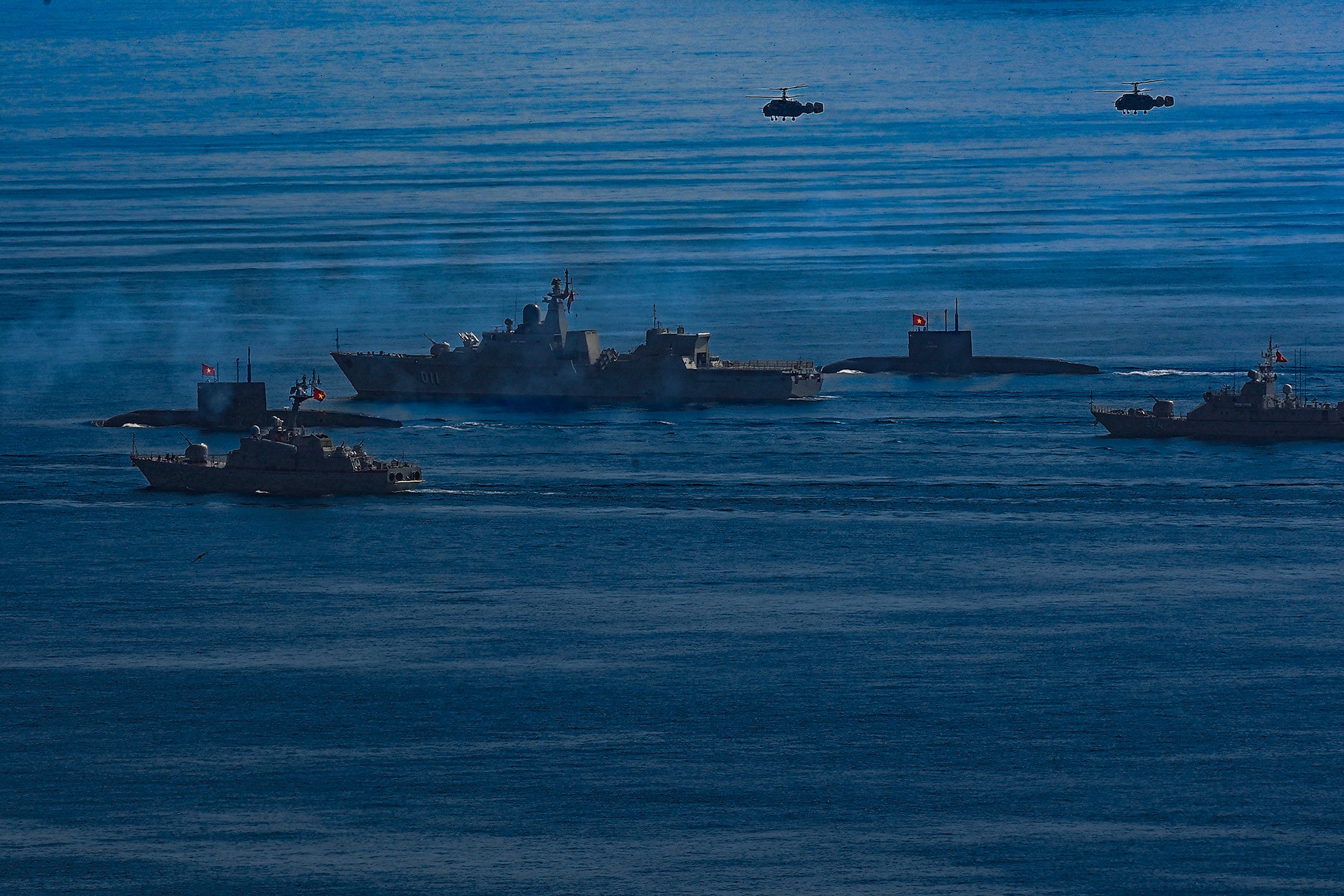
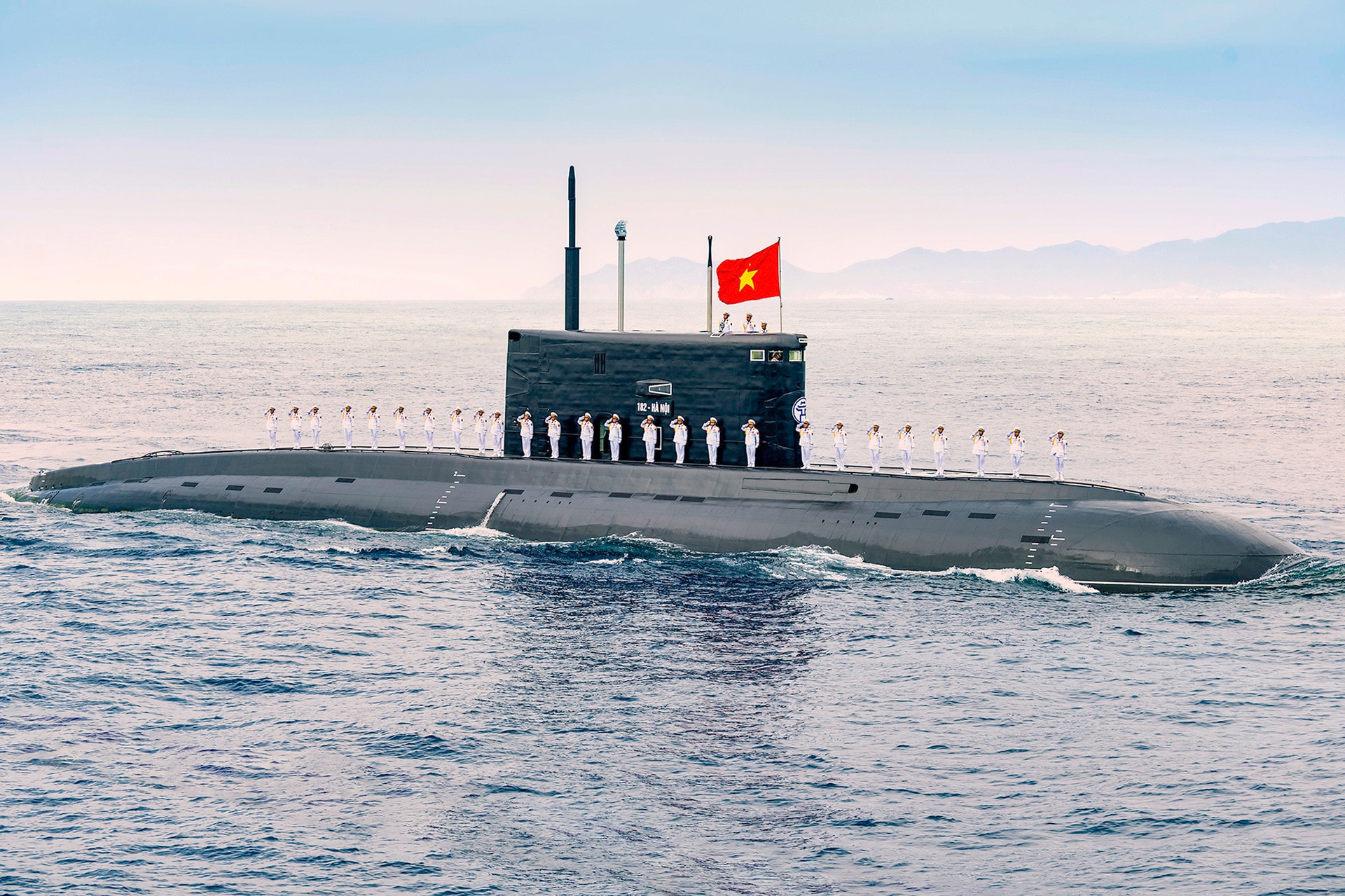
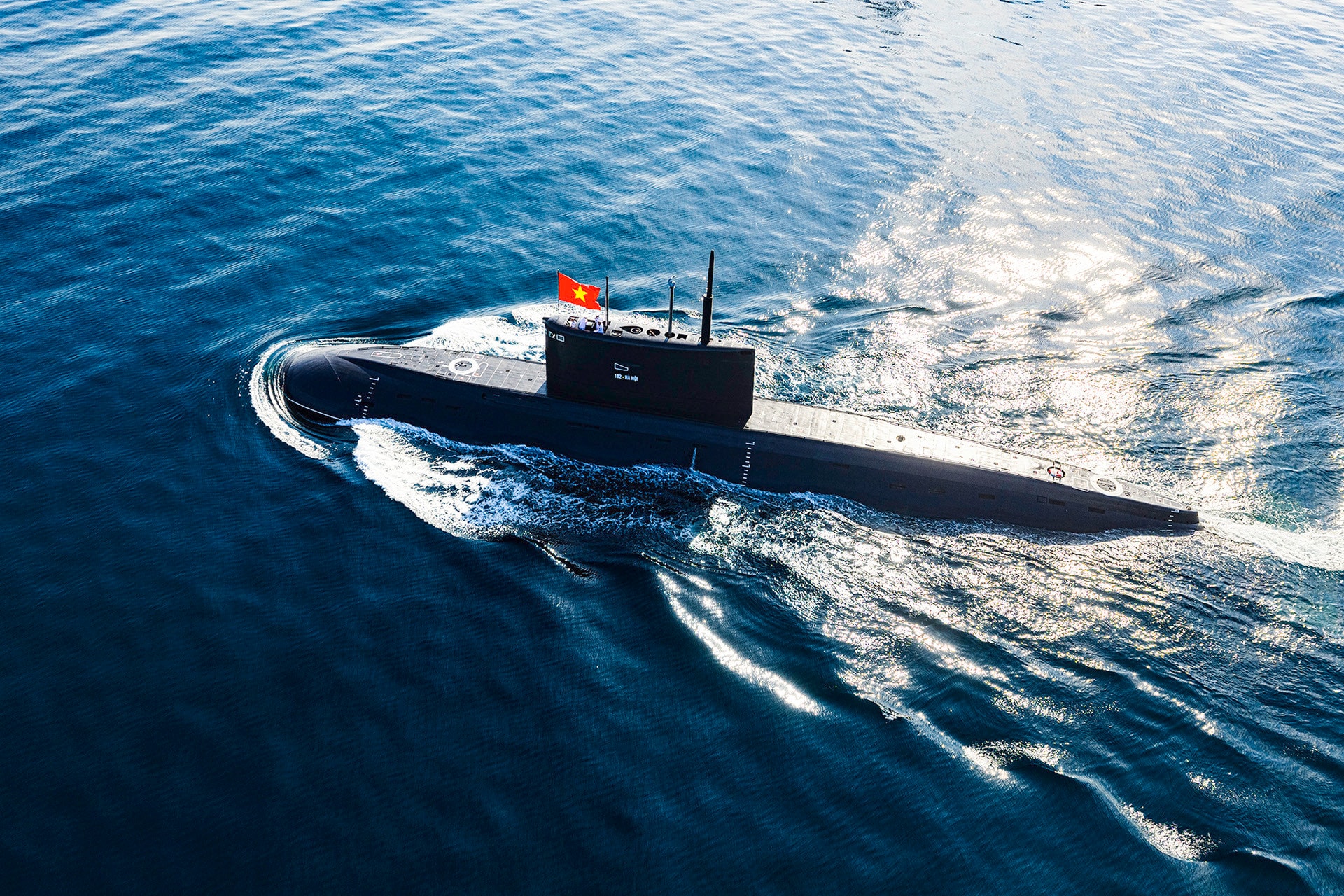
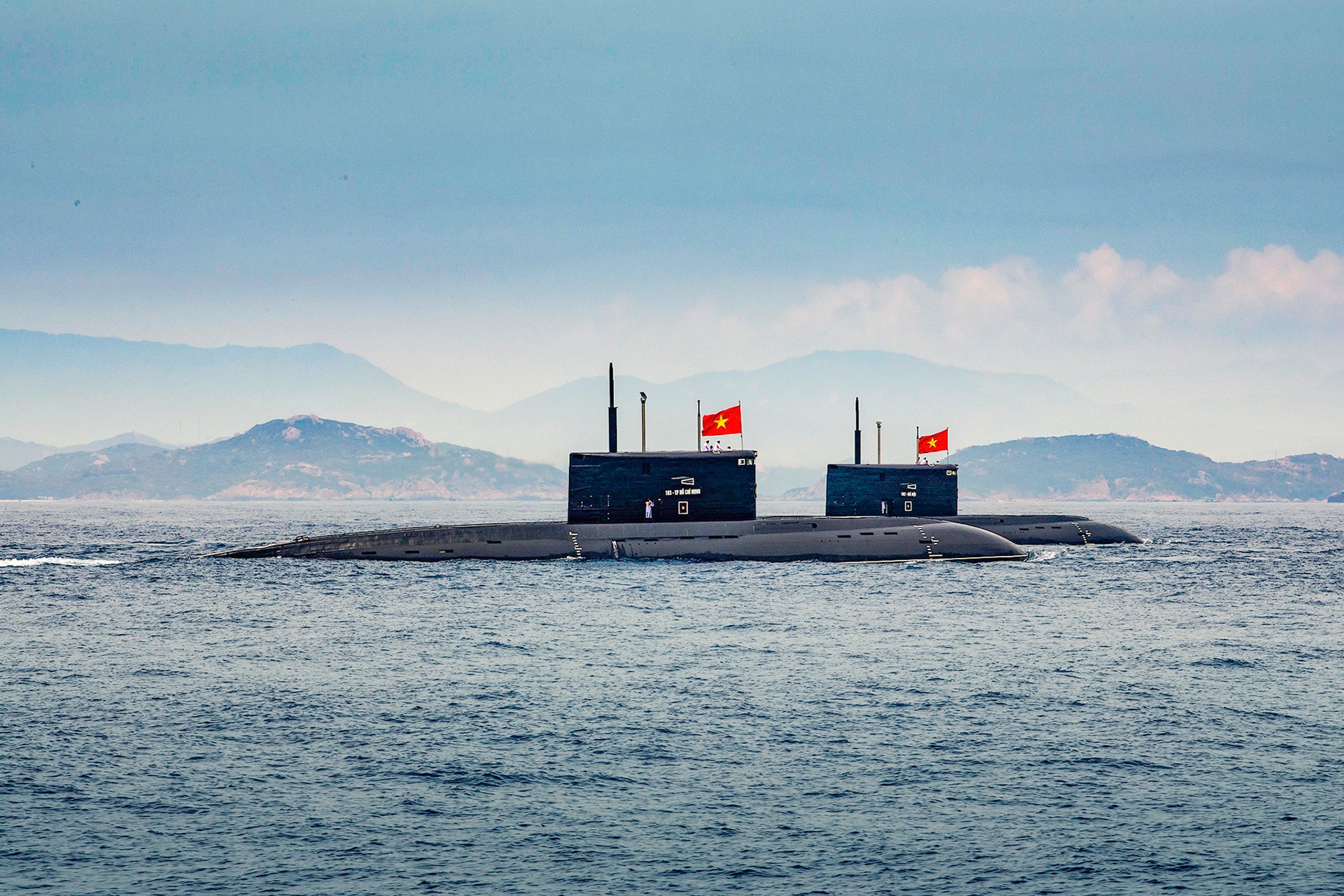
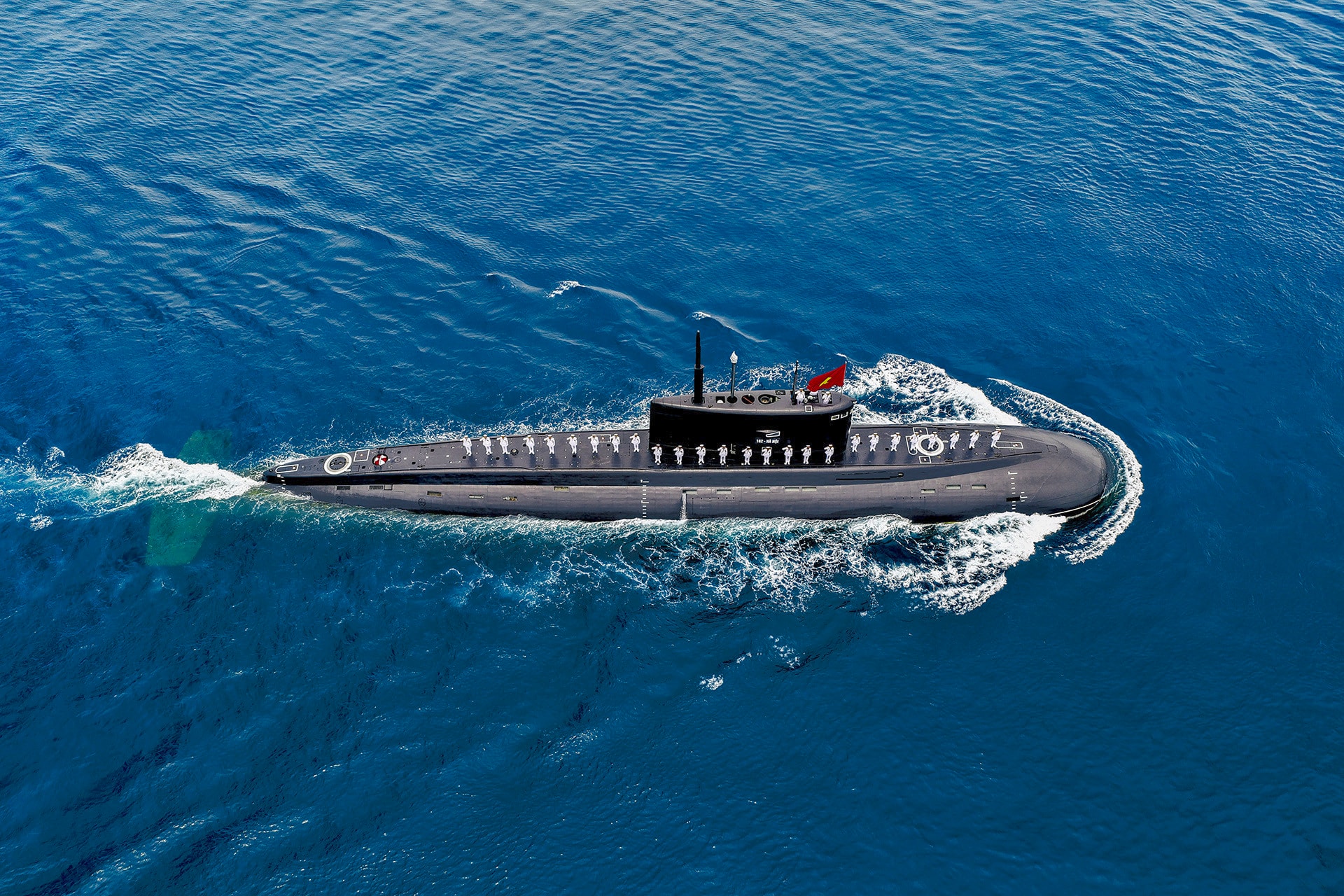
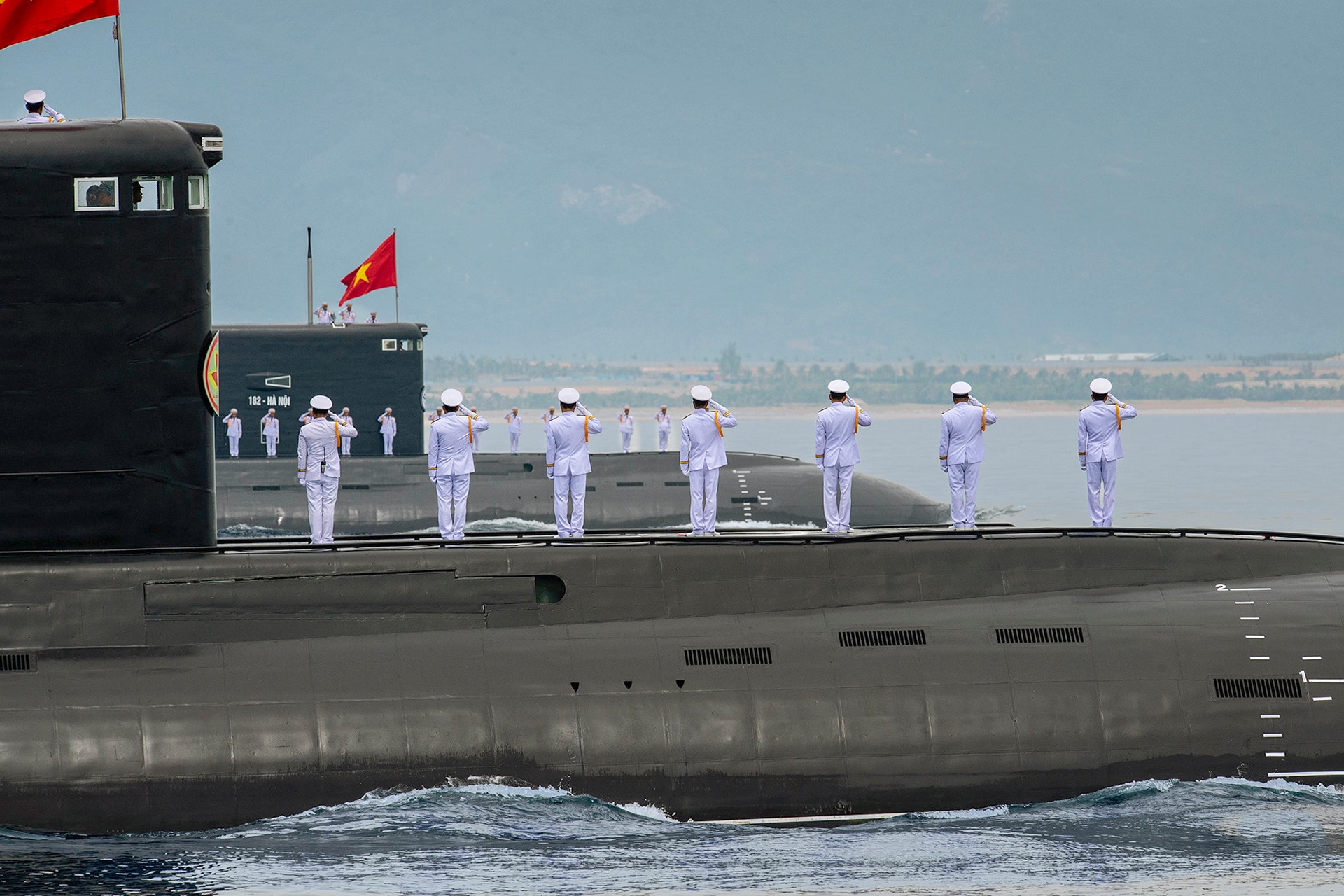
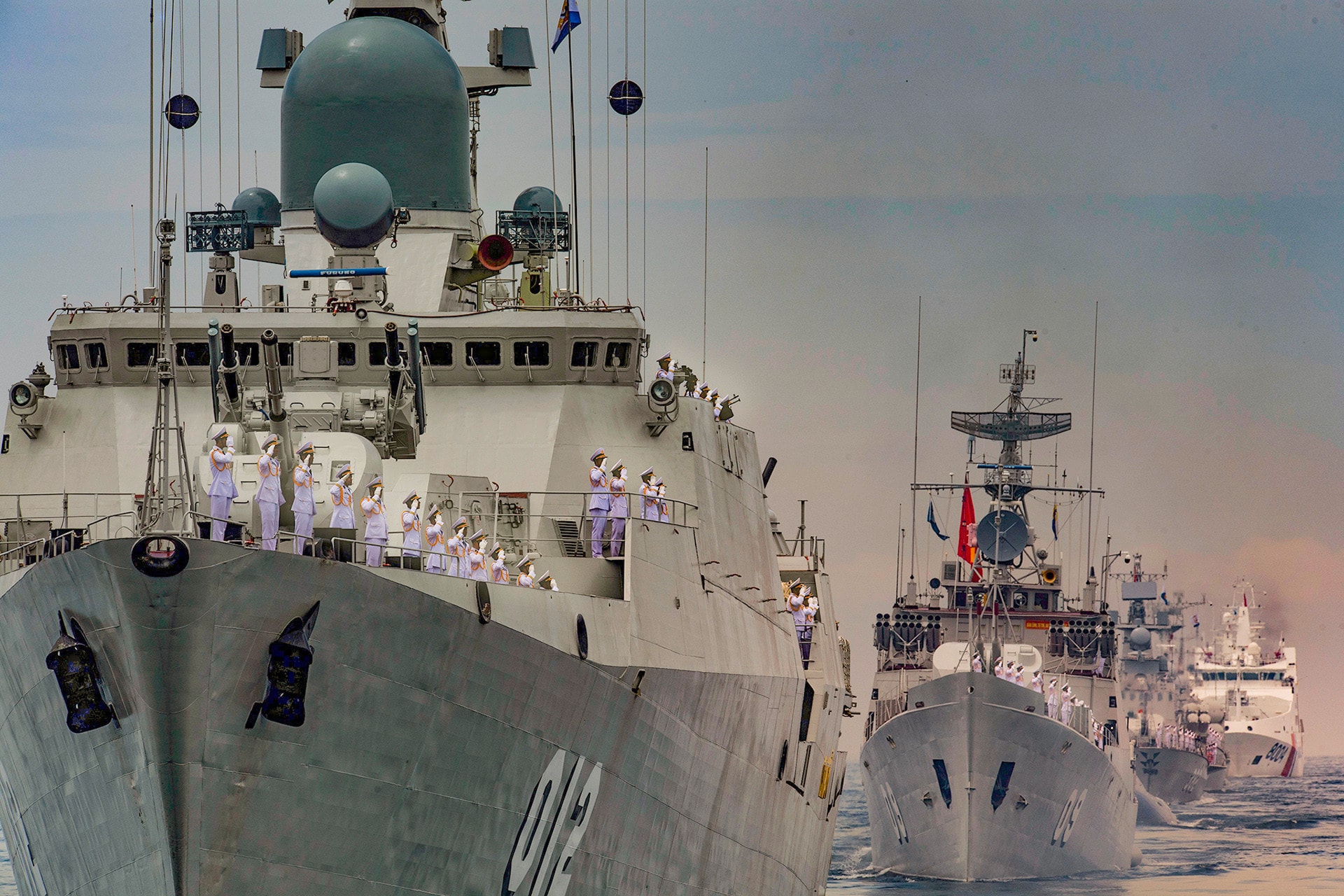
The Kilo 636 submarine, the Type 159 anti-submarine frigate, the Gepard 3.9 missile frigate, the DHC6 seaplane, the Ka28 anti-submarine helicopter... participated in the naval parade for the first time.
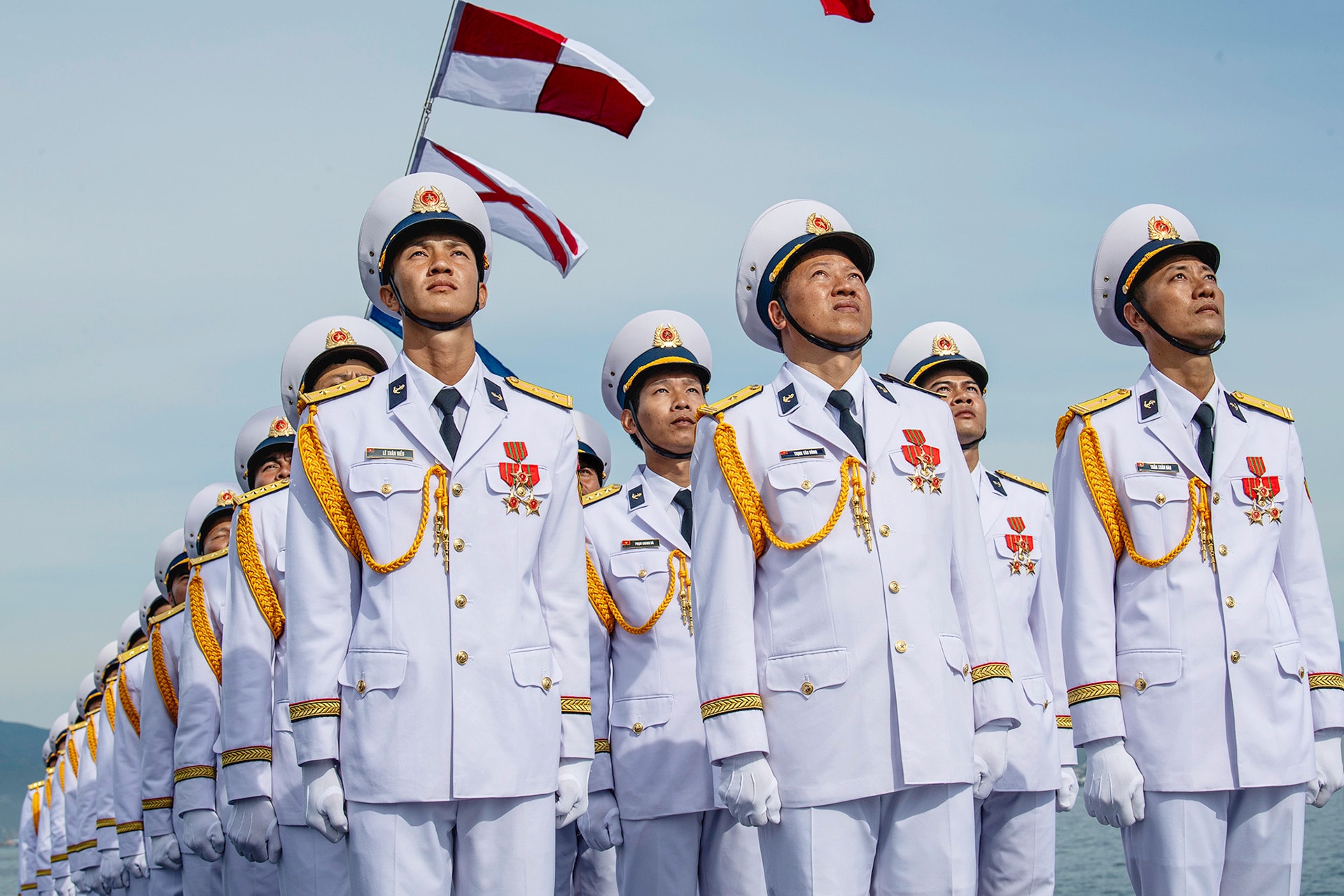
On the morning of September 2nd, in the waters off Cam Ranh (Khanh Hoa province), the Vietnam Navy presided over a parade of armed forces at sea, with the participation of the Vietnam People's Navy, the Vietnam Coast Guard, the Border Guard, the Permanent Militia Squadron, and many modern vehicles and equipment.
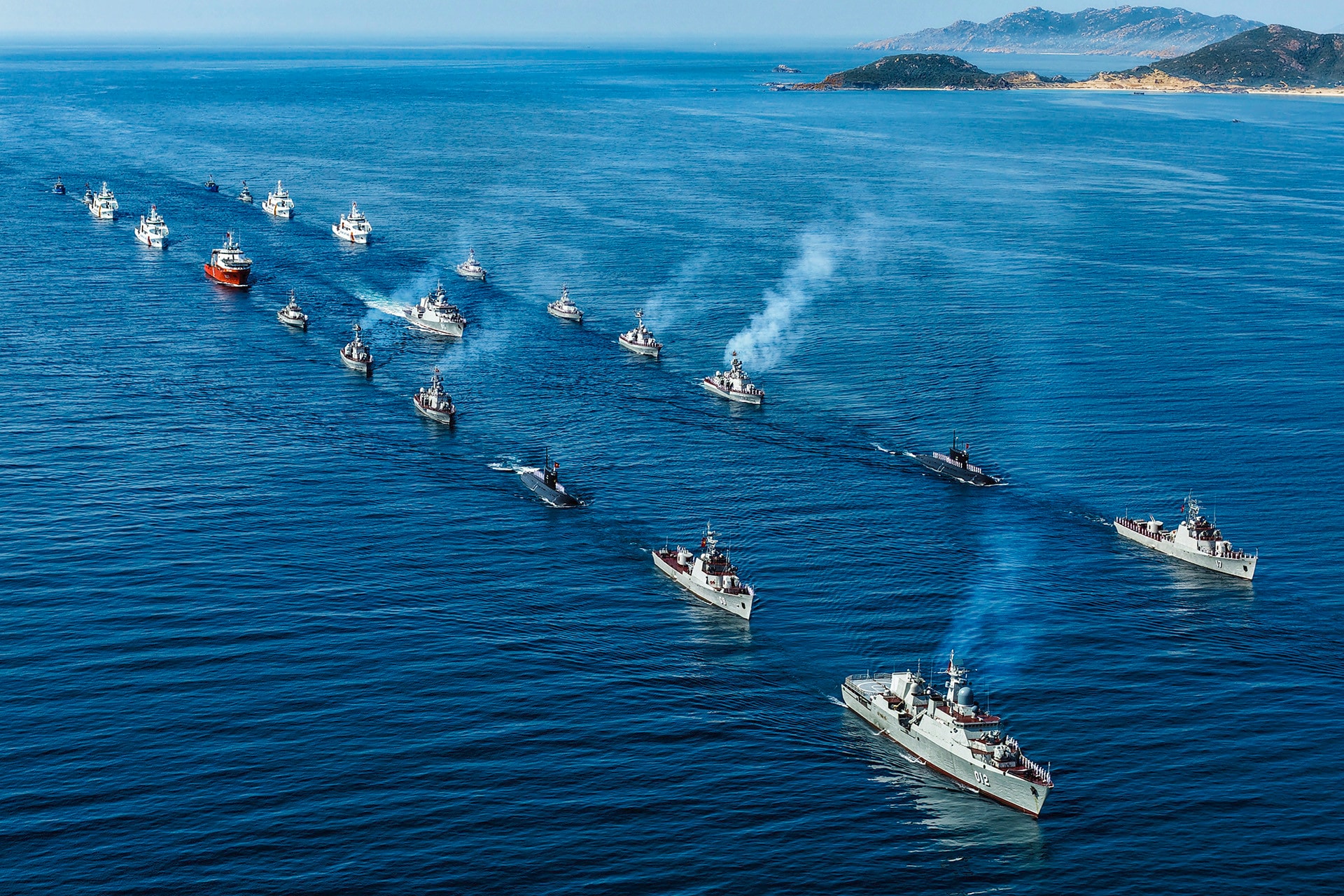
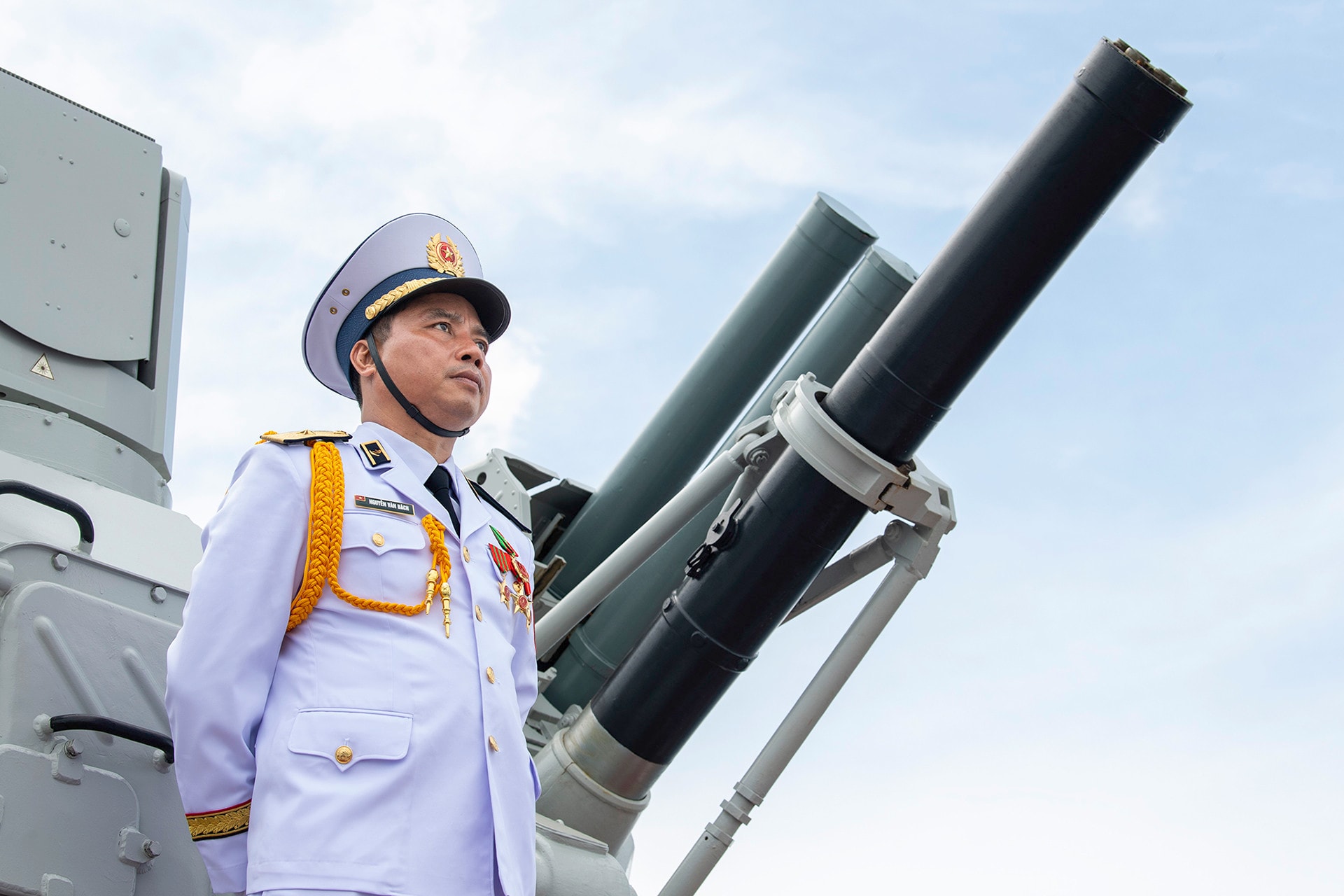
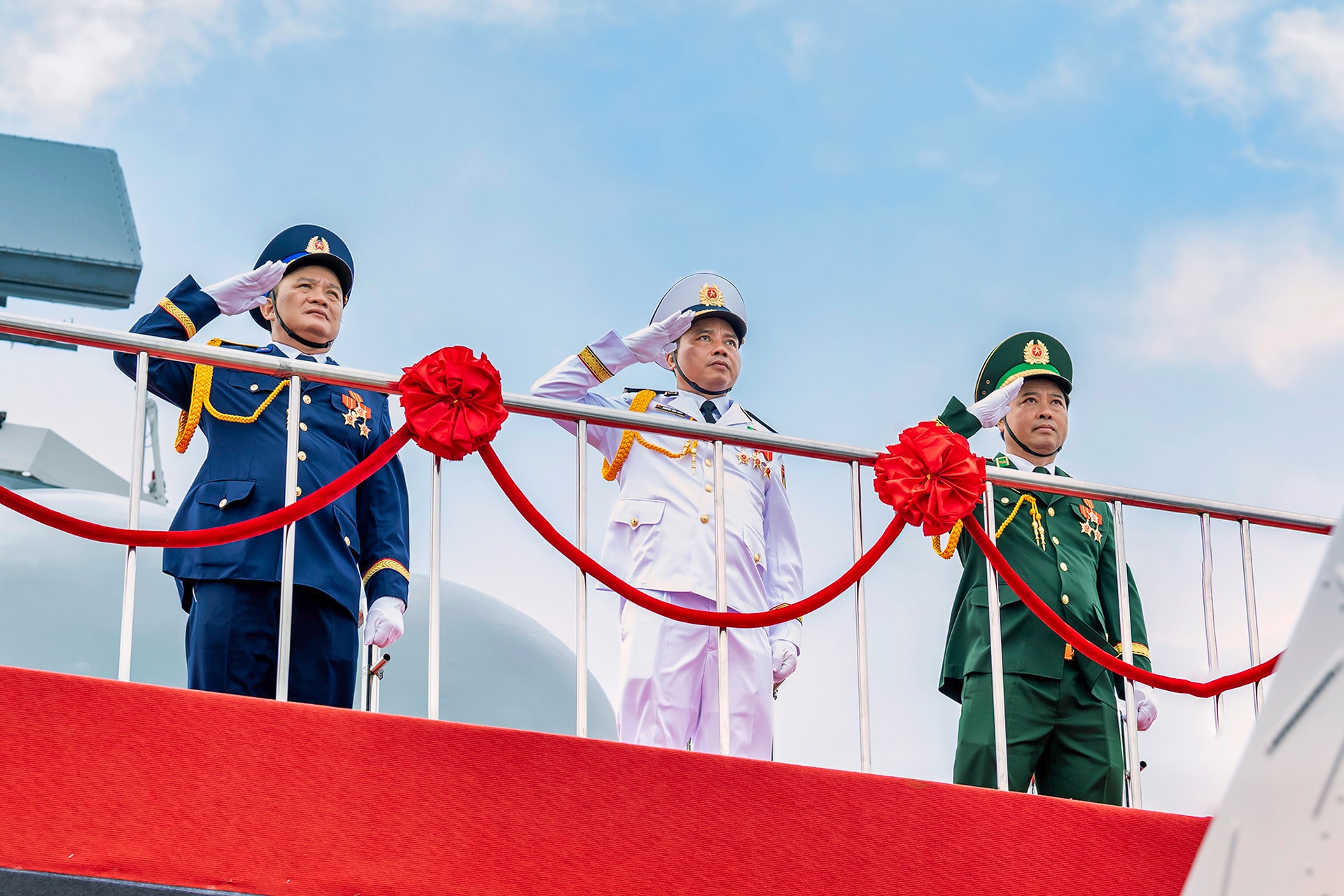
Commanding the naval parade forces aboard the Command Ship 015 - Tran Hung Dao were Rear Admiral Nguyen Van Bach, Deputy Commander and Chief of Staff of the Navy; Major General Tran Ngoc Huu, Deputy Commander of the Border Guard; the Commander of the Vietnam Coast Guard Command, along with representatives from various agencies and units representing the participating forces.
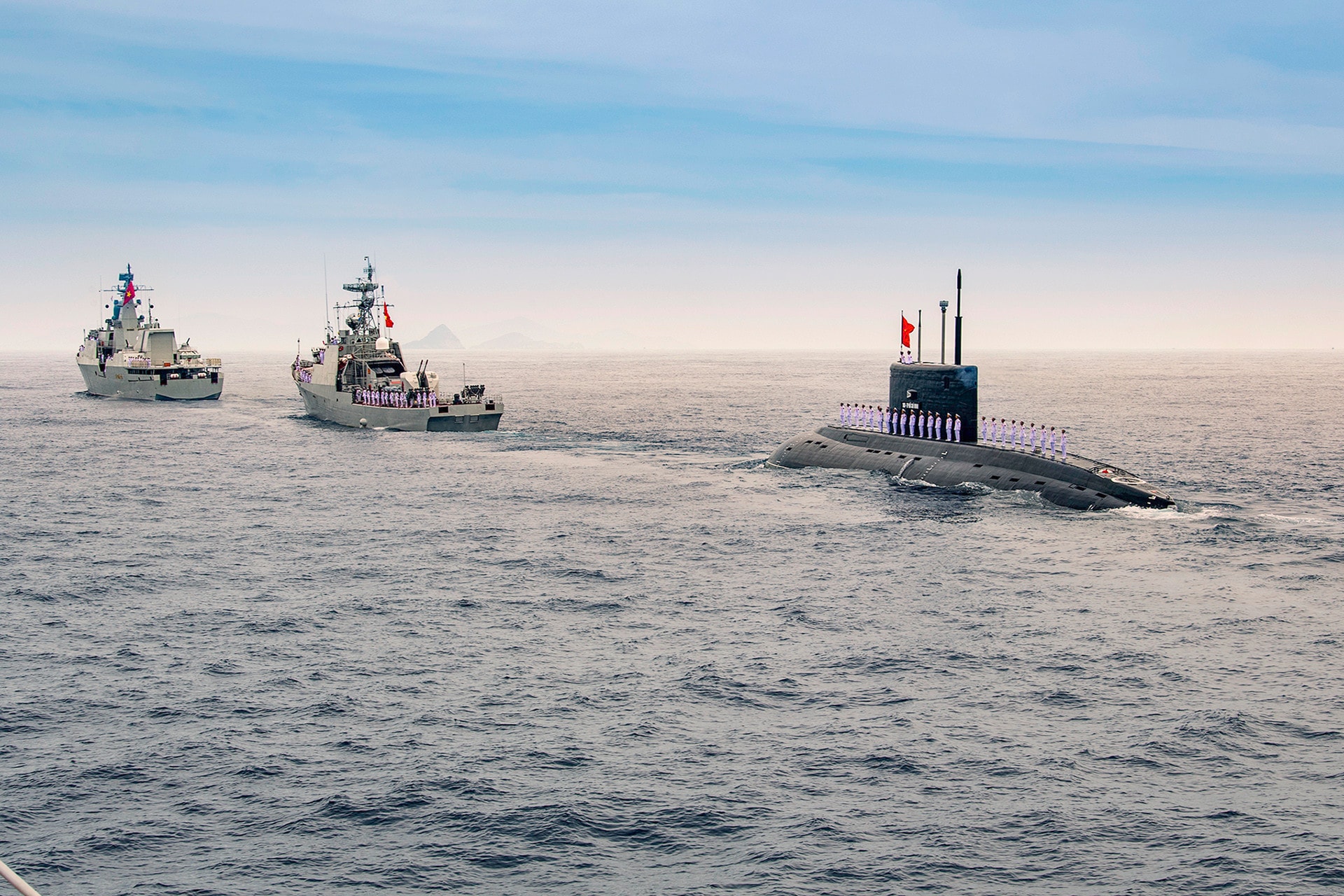
Simultaneously with the flag-raising ceremony at Ba Dinh Square, the naval and aircraft squadrons participating in the parade simultaneously saluted the national flag at sea. The image of the red flag with a yellow star fluttering in the open sea became an indomitable symbol of national will and pride, affirming the responsibility to inherit and promote the glorious traditions of previous generations. In the flag-raising formation, the naval squadrons marched in two columns, with the Command Ship 015 in the center and at the top.
The combined strength of the all-people national defense and maritime security posture.
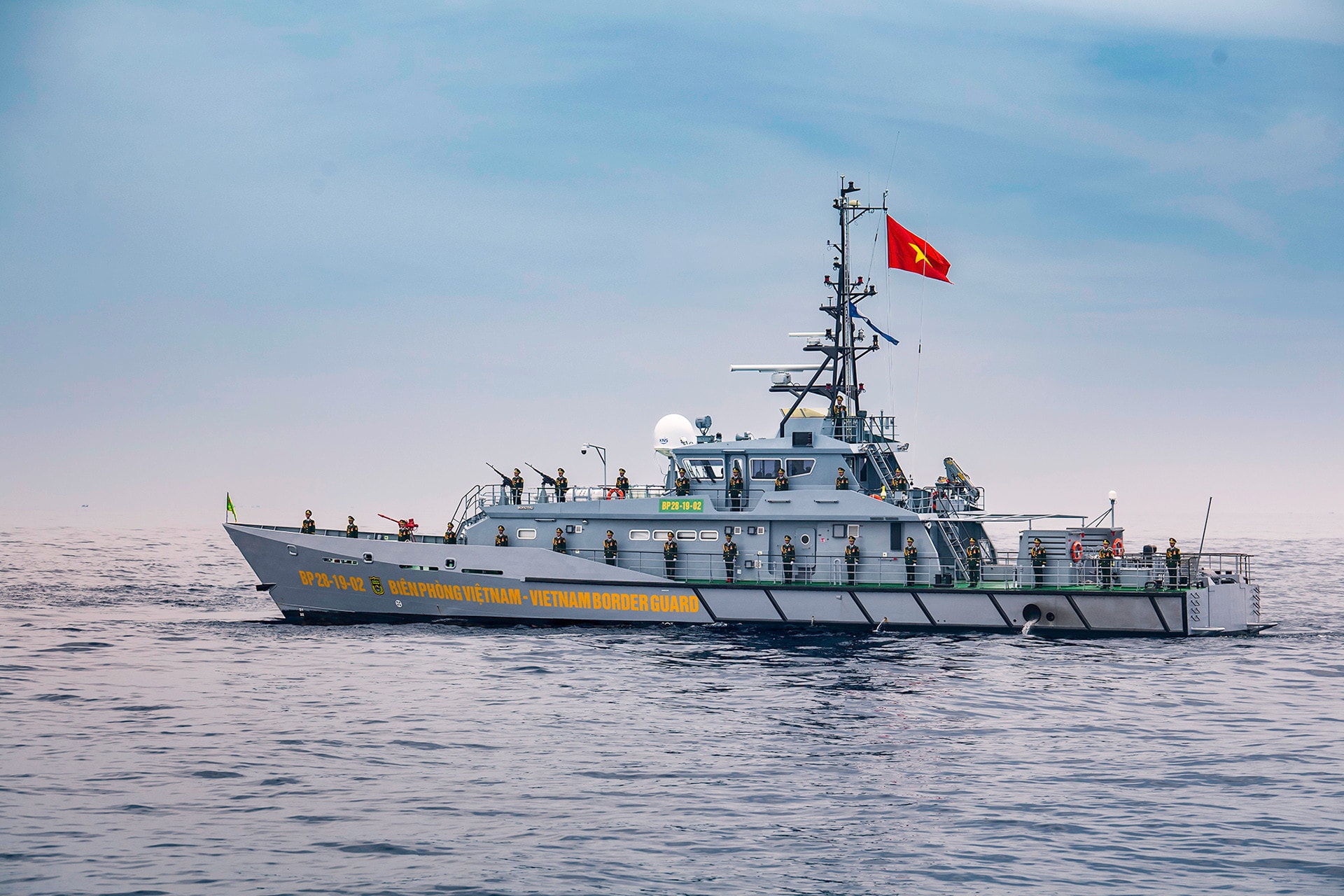
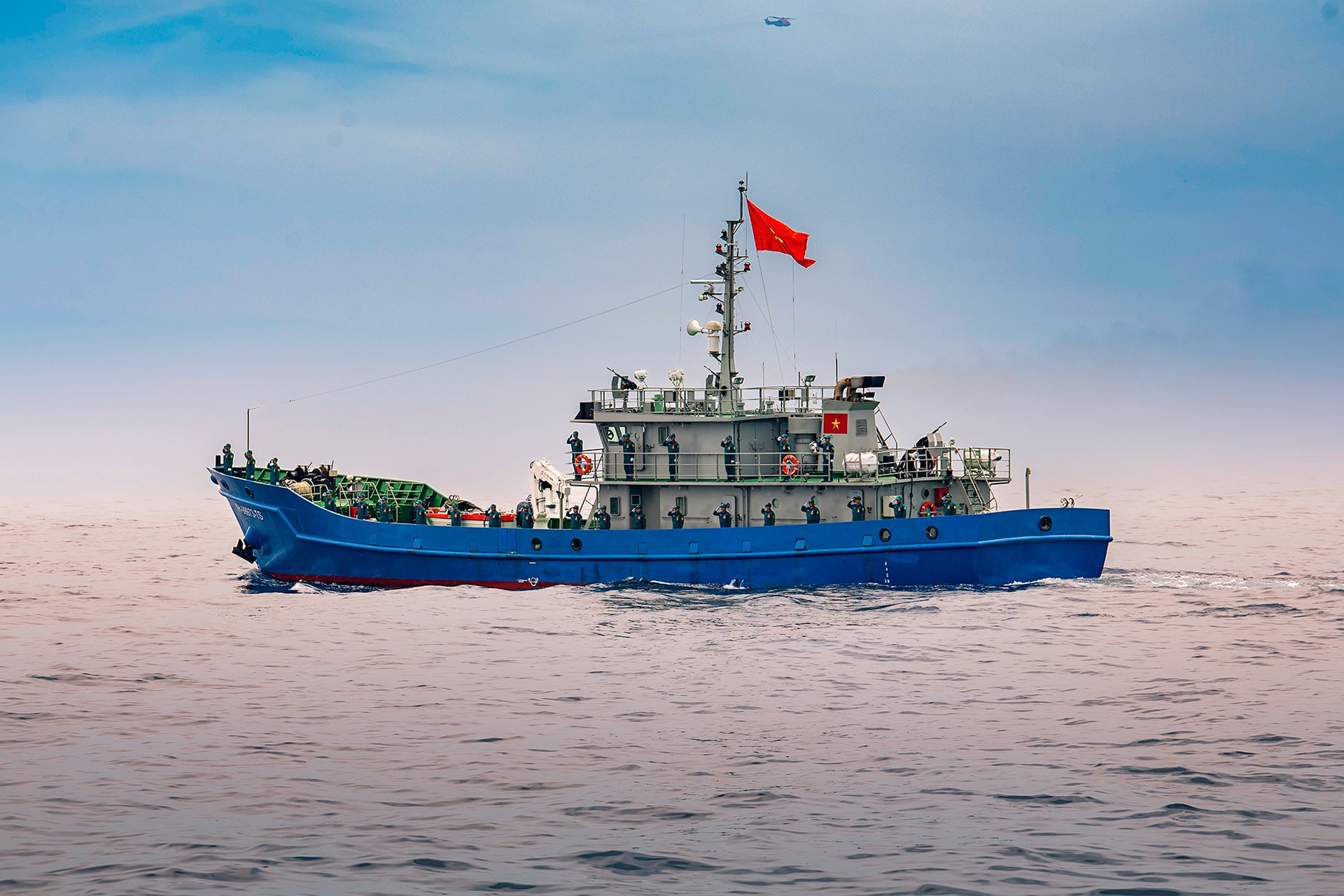
Immediately after the flag-raising ceremony, the command ship reviewed the naval parade formations at sea. The review order was as follows: the DHC6 seaplane squadron, Ka28 anti-submarine helicopter squadron, and multi-purpose rescue and support vessels of the Navy; the Permanent Militia Squadron; the SPA-4207 patrol vessel squadron of the Border Guard; the DN-2000 class multi-purpose patrol vessel squadron of the Vietnam Fisheries Surveillance and Coast Guard; the TT-400T gunboat squadron, 12418 and 1241RE missile boats, Kilo 636 submarines, 159-class anti-submarine frigates, and Gepard 3.9 missile frigates of the Navy.
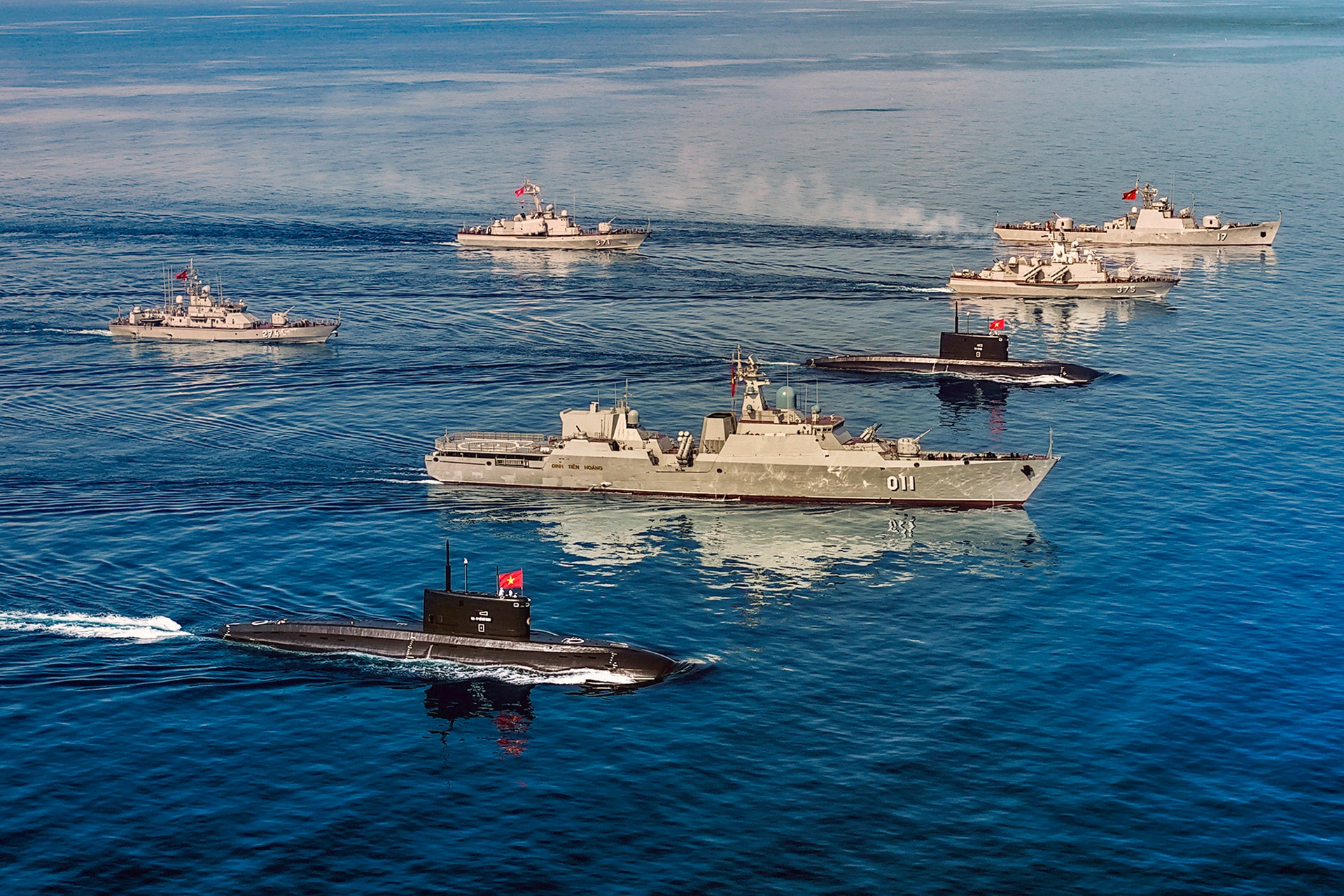
To demonstrate their ability to coordinate closely and their mastery of the sea and airspace, after the formation review, the squadrons began deploying A-shaped, V-shaped, and diamond-shaped combat formations.
In the A-shaped formation, ships with strong firepower, command ships, combat ships, transport ships, and support ships are distributed appropriately according to the formation's capabilities and combat effectiveness. This formation is designed to destroy enemy forces, enhance defense against attacks from the air, sea, and underwater, and firmly protect maritime and island sovereignty.
In a V-shaped formation, ships with reconnaissance capabilities, powerful firepower, transport ships, support ships, and command ships are arranged according to operational principles. This formation enhances the ability to observe and detect targets, destroy enemy forces, and simultaneously ensures a timely response to enemy attacks, preventing passivity and surprise in any situation.
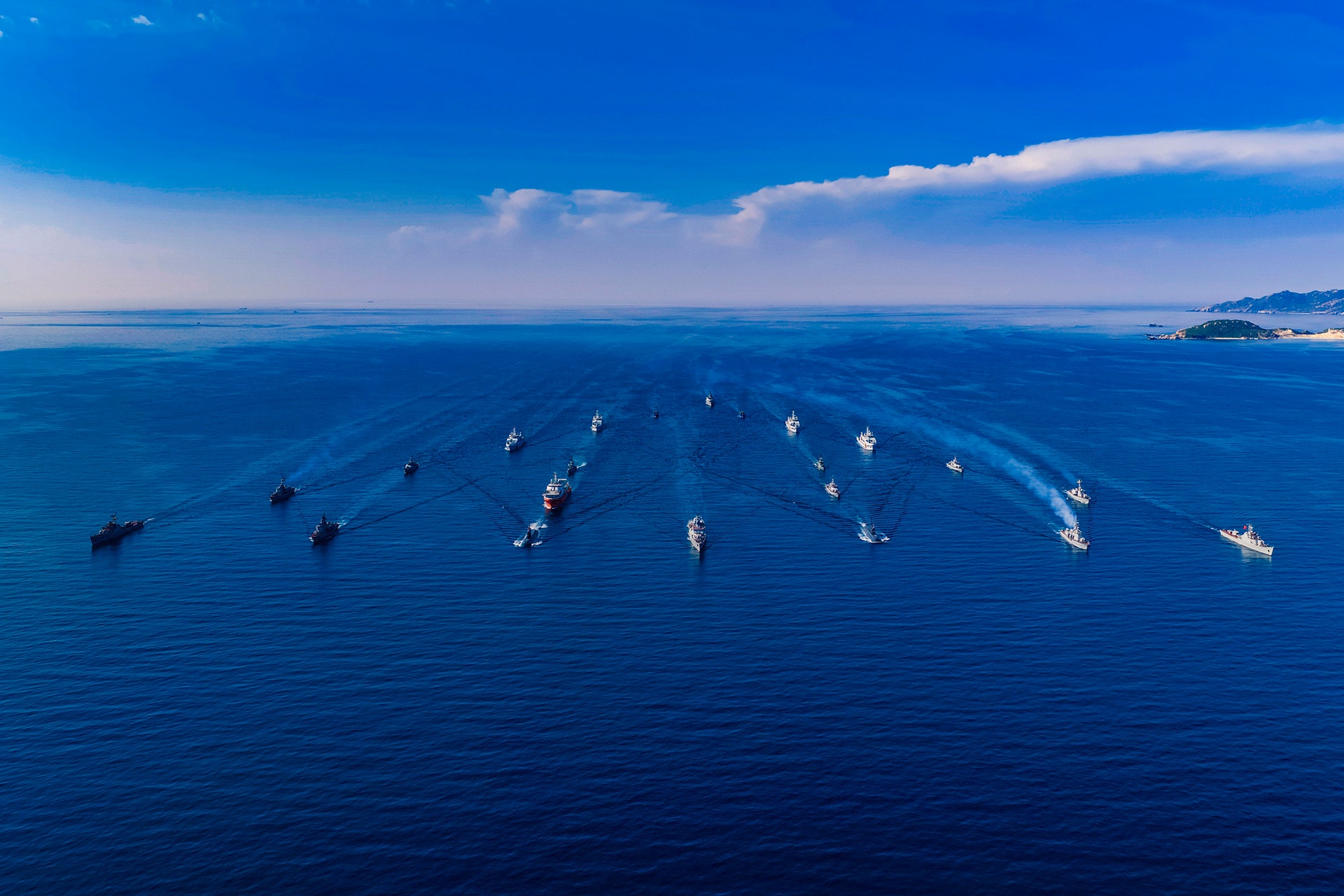
The diamond formation, on the other hand, is commonly used during naval operations, enhancing command and coordination capabilities to eliminate forces directly threatening our ships; protecting important vessels; countering surprise attacks from the air and sea; increasing maritime safety; overcoming minefields; and causing difficulties for the enemy.
The parade of armed forces at sea created a magnificent spectacle, showcasing the combined strength of the people's defense and security posture at sea. The event also sent a strong message: Vietnam cherishes peace but is resolute and persistent in protecting the sacred sovereignty of the Fatherland's seas and islands.
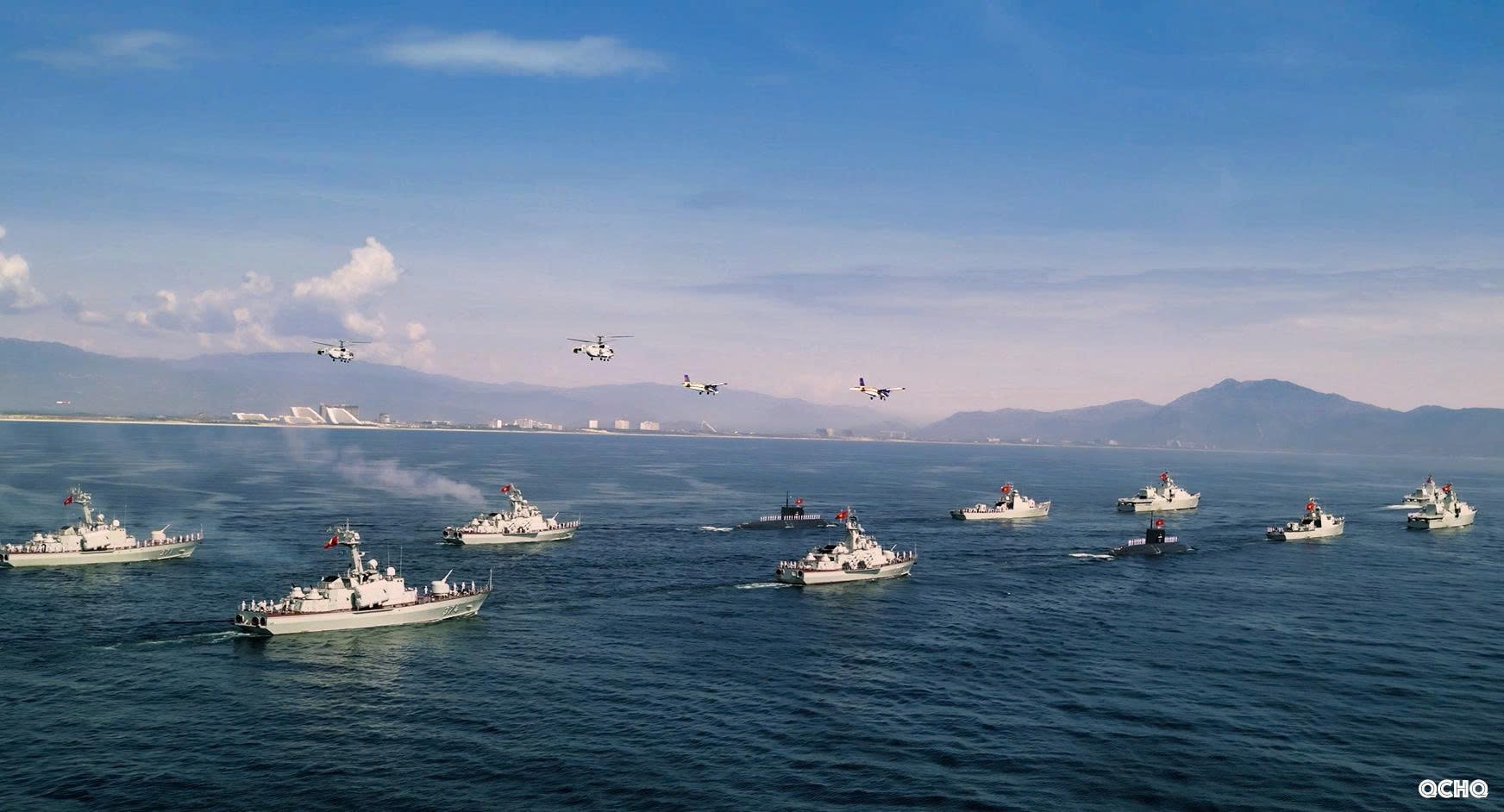
Here are some photos from the naval parade:
 |  |