Dai Dong, a land where aspirations for progress converge...
Thanh Phuc•August 31, 2025 08:18
Following the merger, Dai Dong commune became an administrative unit that combines the characteristics of a central urban area with the preservation of its rural traditions. In its new form, it possesses significant development potential while also facing numerous challenges. Looking back on a turbulent term and looking towards a new chapter, Dai Dong is moving forward with the aspiration to become a land of trust and prosperity.
Potential and challenges after the merger.
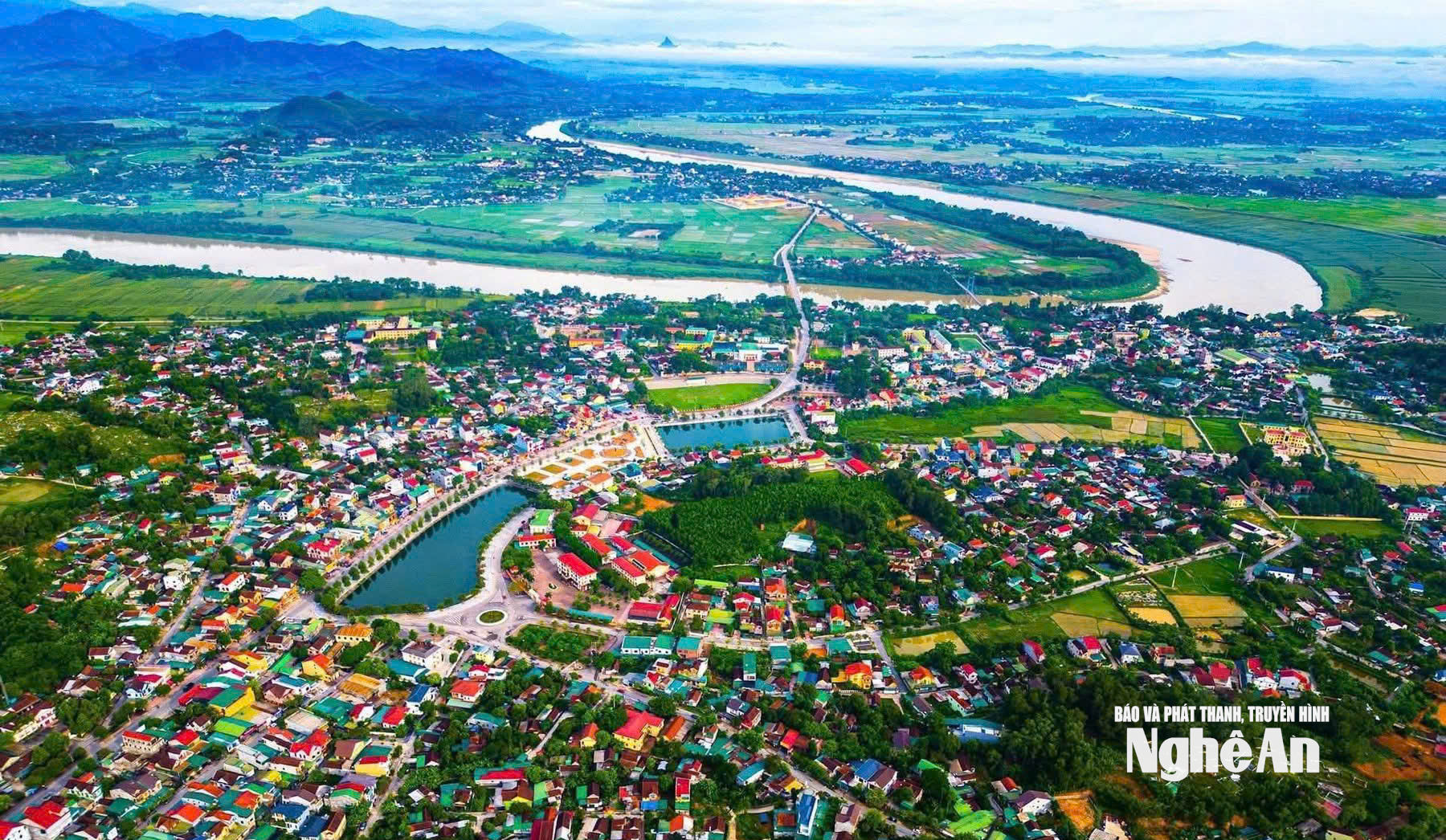
Dai Dong Commune Center. Photo: CSCC
Sitting on the embankment of the Lam River, watching the water flow gently, Mr. Nguyen Duy Hop, a resident of Phat Son village, Dai Dong commune, confided: “Dai Dong is now very large; it takes an hour to travel from one end of the commune to the other, even at a leisurely pace. But we are happy because this land is like a common home, where everyone can find themselves.” These simple words encapsulate a part of the new picture of Dai Dong commune, formed from the merger of five administrative units, with an area of nearly 78 km² and a population of over 63,000 people.
Located centrally, Dai Dong resembles the heart of the area, where major roads converge, connecting the mountains with the plains, and the countryside with the towns. The area now includes the former district capital, Dung town, along with sprawling, prosperous villages. This combination creates a "convergence zone" that is both bustling with market activity and peaceful with the tranquility of the countryside.
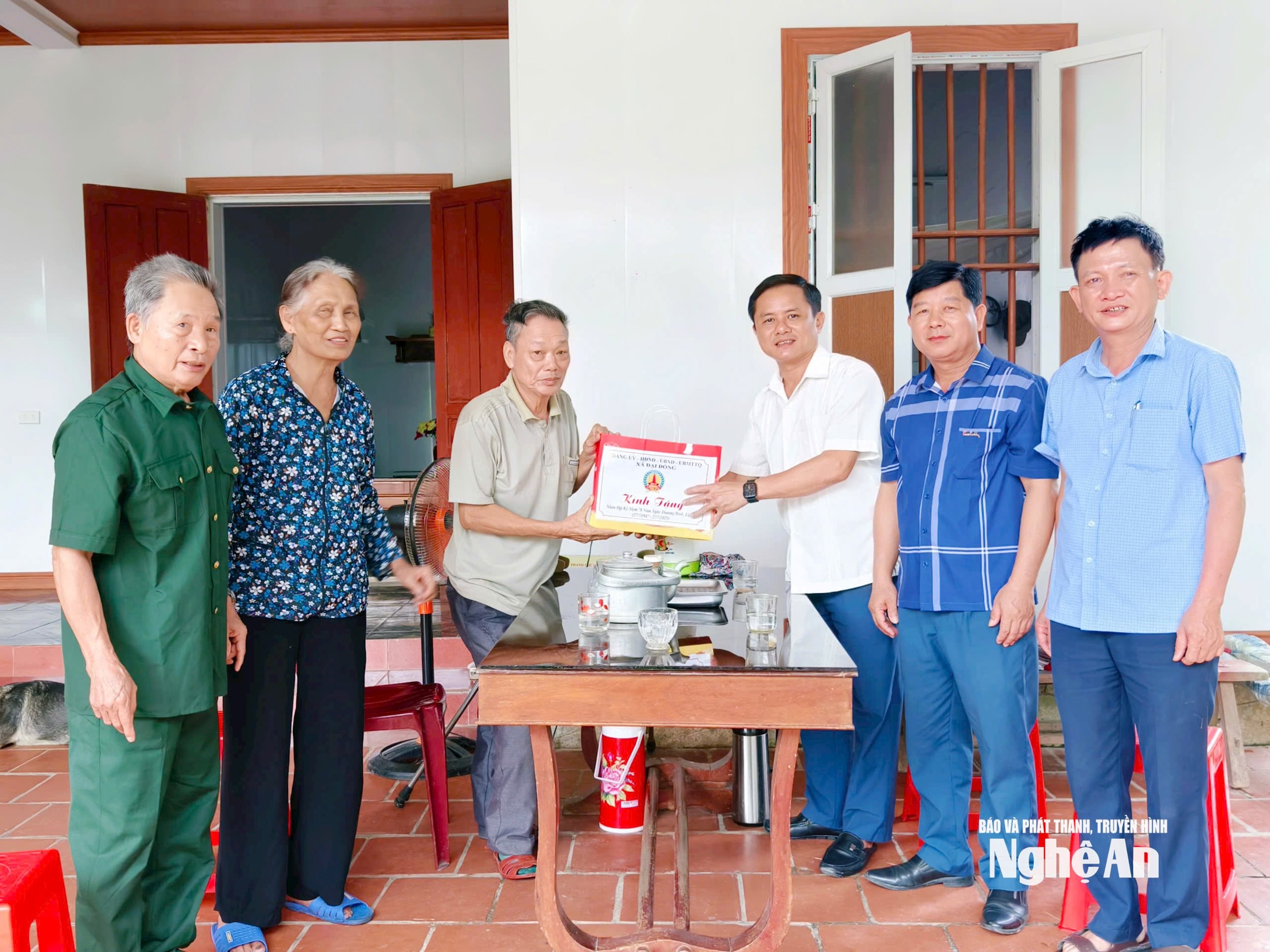
Officials from Dai Dong commune visit and present gifts to war invalids on July 27th. Photo: Public Security.
However, this very vastness and diversity also presents many challenges. Managing a large, densely populated community with diverse customs and lifestyles requires the government to be subtle in its administration, maintaining uniformity while respecting the unique characteristics of each region. Connecting infrastructure, unifying public services, and harmonizing development disparities between areas are all issues that require time and a long-term vision.
However, viewed from a positive perspective, this presents an opportunity for Dai Dong to unleash its great potential: a large agricultural land area for developing commercial agriculture; a convenient transportation location for expanding services and trade; and an abundant labor force to boost industry and handicrafts. More importantly, the establishment of the commune's Party Committee with over 3,700 members acts as a "political resonance," creating a strong sense of unity and cohesion for comprehensive leadership. Now merged, Dai Dong is like a large sail; with the right wind, it will soar high.
Outstanding features
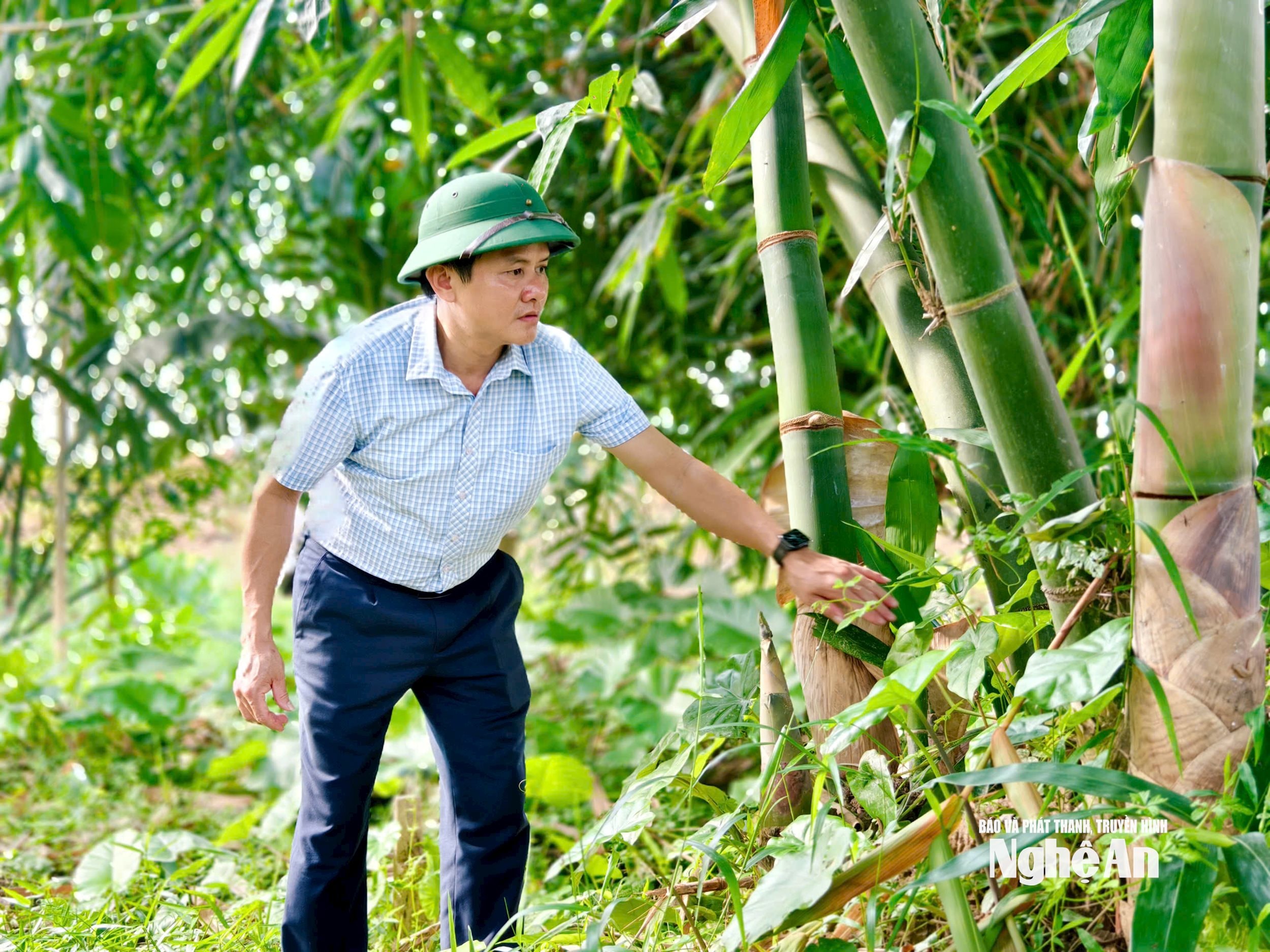
Model of growing sweet bamboo shoots on the alluvial plains of the Lam River. Photo: CSCC
When talking about the 2020-2025 term of Dai Dong commune, many people liken it to a journey through turbulent waters. The storms of the Covid-19 pandemic, the tempests of natural disasters, and fluctuating market prices. But in the face of hardship, the people of Dai Dong still know how to adapt, stand firm, and move forward.
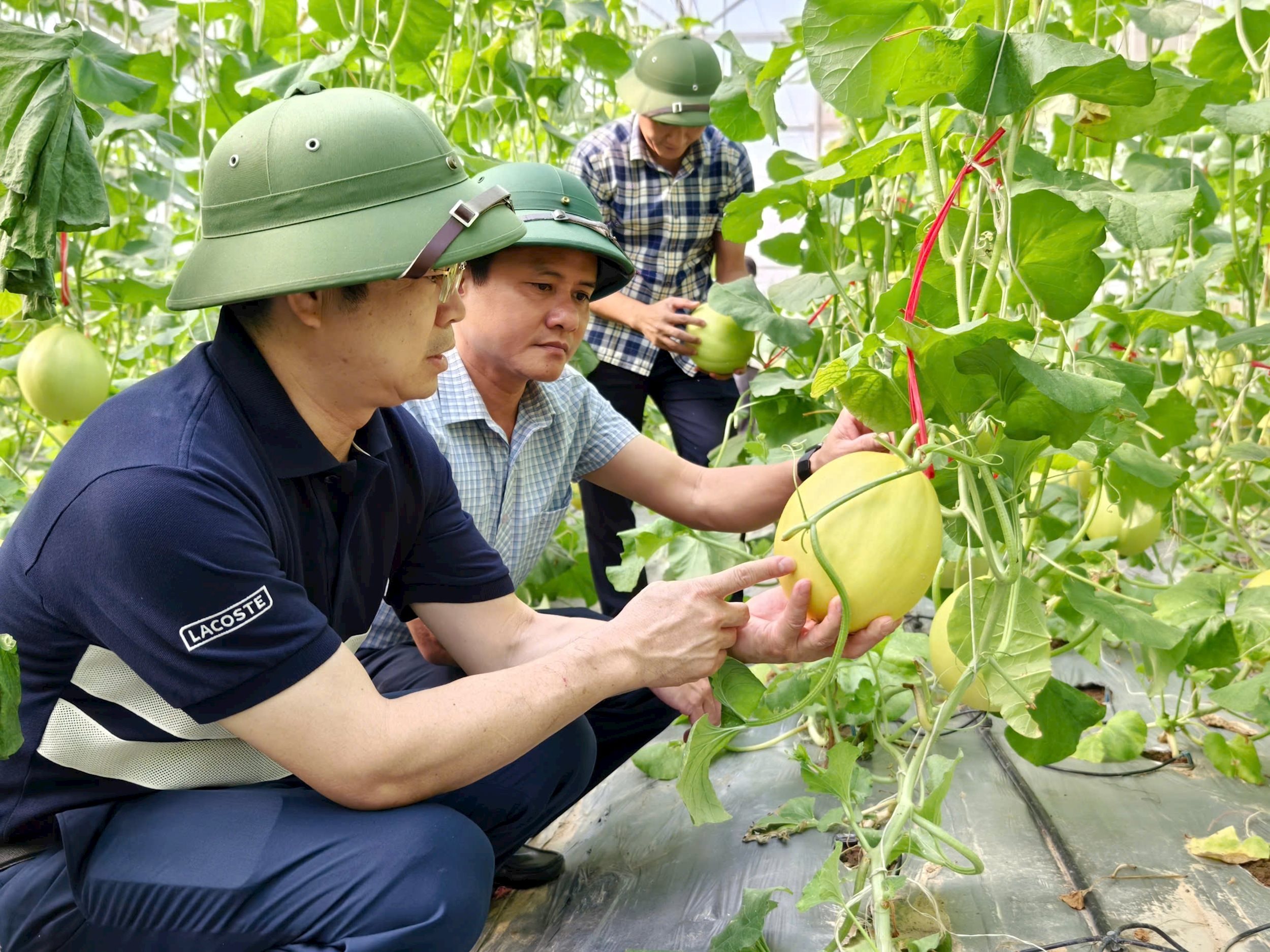
In the lowland areas, rows of corn, pumpkins, and vegetables are lush and green, irrigated by automatic sprinkler systems; in the hilly areas, chicken and cattle farms apply closed-loop breeding processes; on the outskirts of the village, orange and pomelo orchards are laden with fruit, grown according to organic and VietGAP standards, along with modern greenhouses and net houses... This is evidence of the efforts to transform from traditional agriculture to high-tech, commercial agriculture. The entire commune maintains an average economic growth rate of 9.88% per year, with an estimated 10.67% growth rate in 2025.
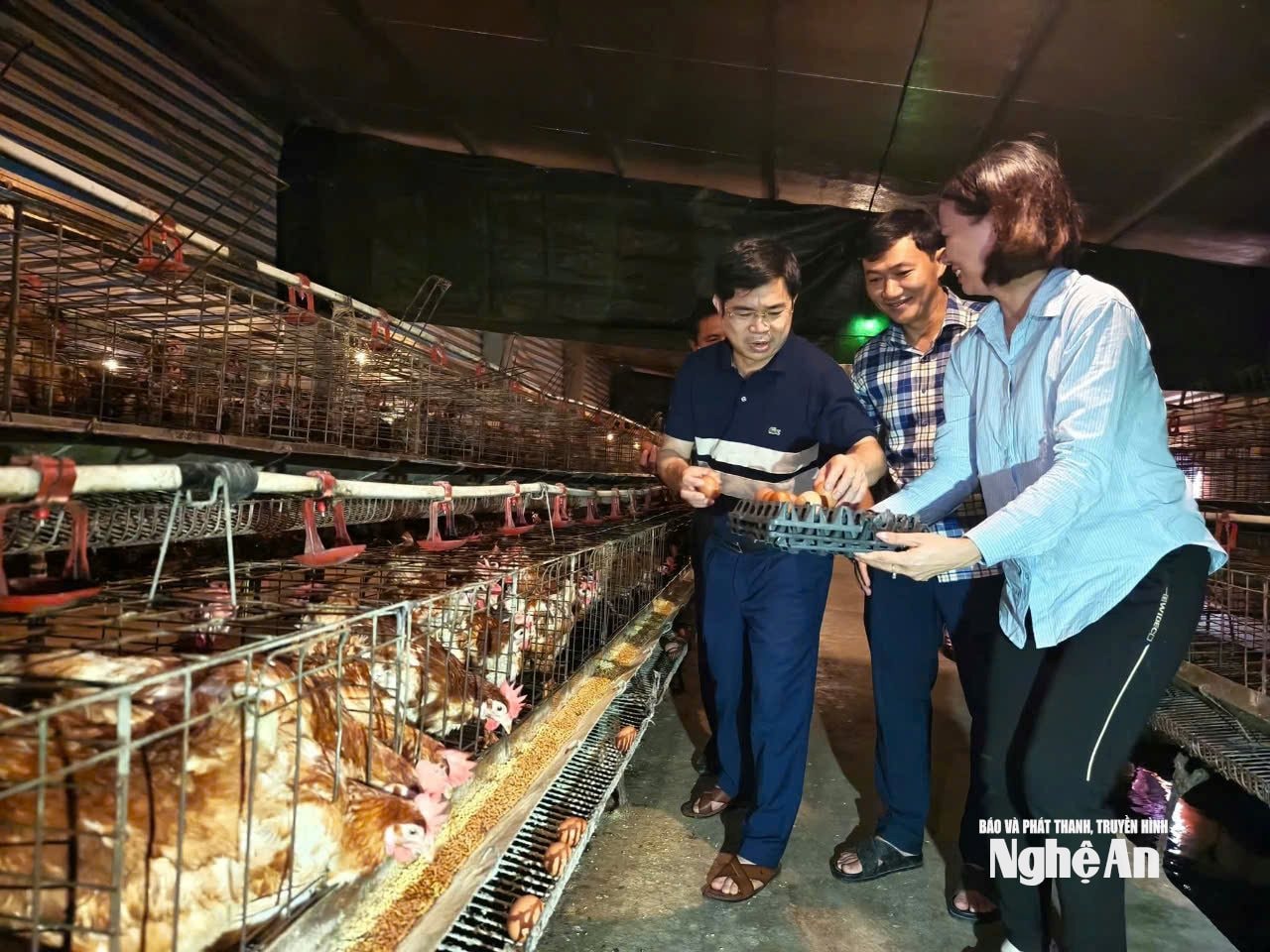
A large-scale laying hen farm owned by Mr. Tran Van Chung in Dai Dong commune. Photo: PV
Per capita income has increased rapidly, from over 50 million VND in 2020 to nearly 78 million VND in 2025. The economic structure has shifted positively: agriculture, forestry, and fisheries decreased from 23.57% to 19.73%, while industry and construction increased from 36.2% to 38.65%, and trade and services from 40.23% to 41.62%. But more importantly, there is a newfound confidence among farmers in commodity production, in "quality over quantity." People are not only growing for personal consumption or to sell in local markets, but also for wider markets, including supermarkets and e-commerce platforms.
The program for building new rural areas and civilized urban areas has also left many significant marks. Wide concrete roads extending to every hamlet, sturdy village gates, and schools meeting national standards are the result of collective effort. “On the day the roads were built, the people contributed labor and resources; whoever could do it did, and whoever could afford it contributed. A new commune, new houses, new roads – people's hearts are filled with joy,” said Ms. Nguyen Thi Lan, a local resident.
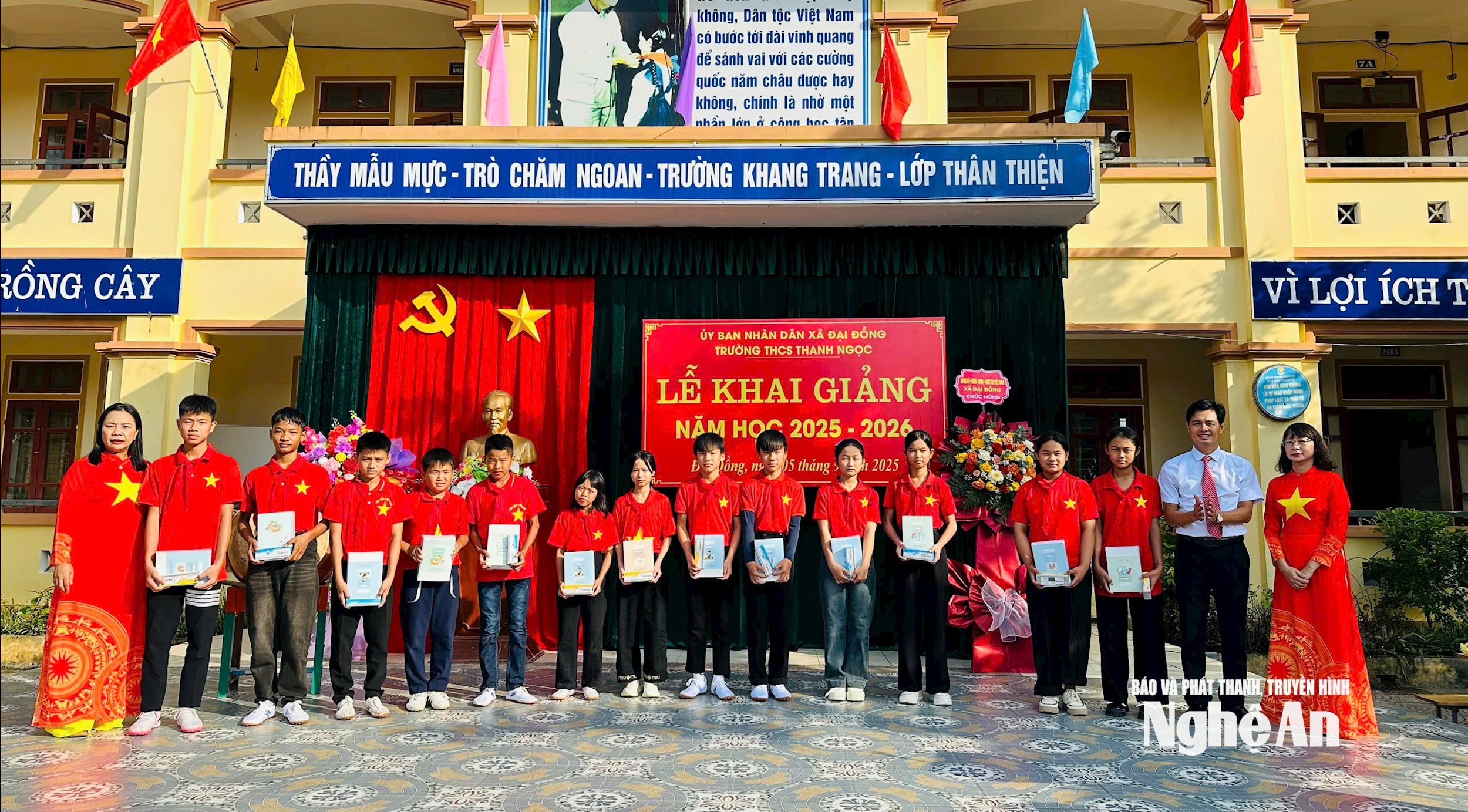
Education is a priority for the local government. (Photo: PV)
By 2025, the entire commune will have 5 out of 5 former units achieving the new rural standard; 1 unit recognized as a "civilized urban area"; and several communes achieving advanced standards. During the term, the commune will have 11 products recognized as 3-star OCOP products, ranging from rice vermicelli, oranges, and pomelos to fine art wood products, elevating the brand of local agricultural products. Cultural and social life has also seen many positive changes. Schools maintain high quality, with many students excelling at the provincial and national levels. The health station meets national standards, giving people more peace of mind regarding healthcare. Mass cultural and sports activities are vibrant, creating a sense of community cohesion. Social welfare is well taken care of, with hundreds of houses built for poor households, bringing warm smiles to those facing hardship.
These figures are not only proof of development, but also reflect the new vitality that is emerging, created by the consensus and unity of tens of thousands of people.
Party Committee Secretary:Trinh Van Nha
PBTTT:Nguyen Thi Phuong Mai
Chairman of the People's Committee:Tran Thanh Nga
The aspirations of a new land.
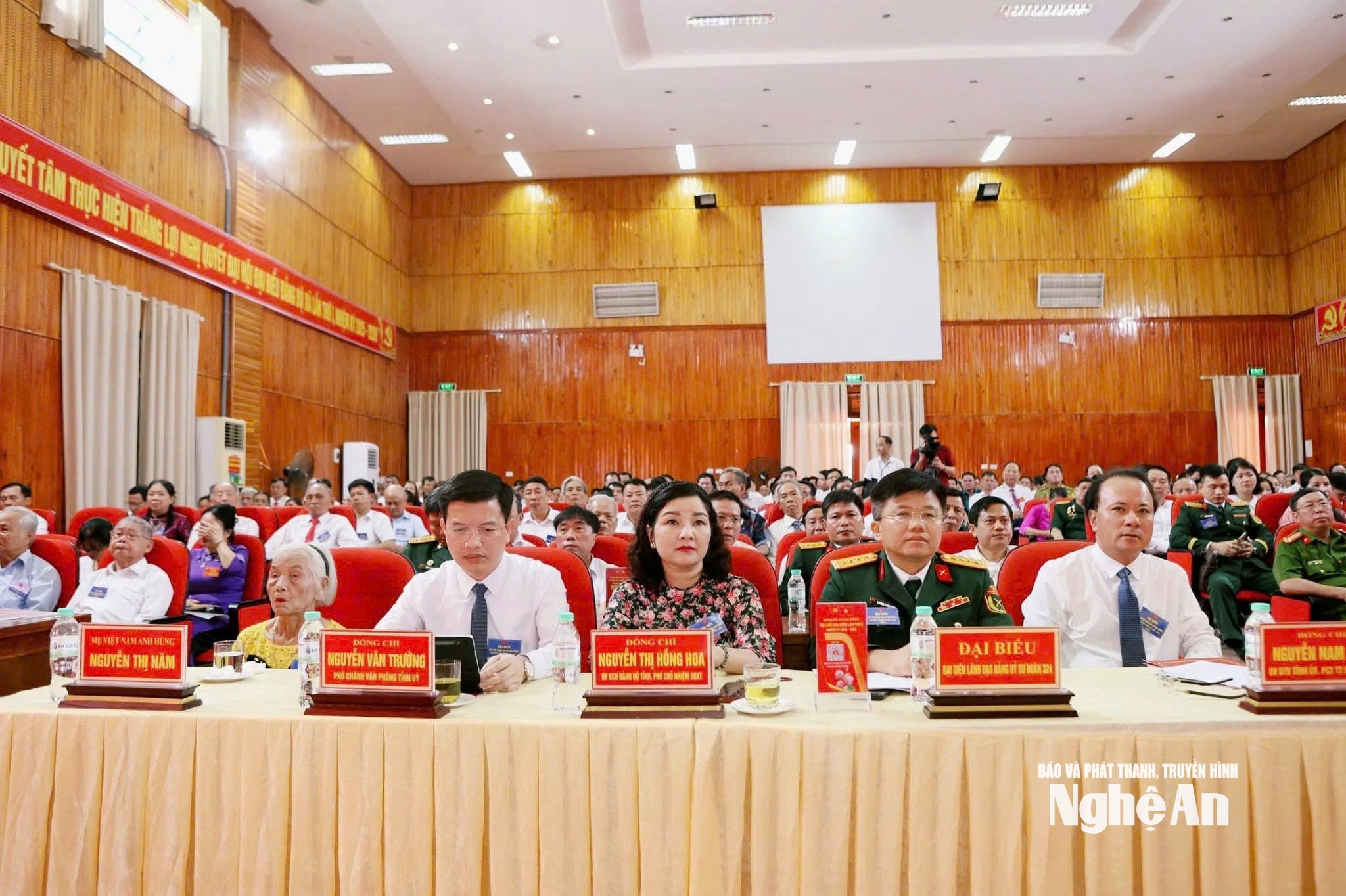
Entering a new term with a renewed spirit, the government and people of Dai Dong commune place their trust in the new resolution and its new goals. Photo: PV
Entering a new term with a renewed spirit, the government and people of Dai Dong commune place their trust in the new resolution, a resolution that not only sets out numbers but also outlines a future closely related to the lives of each individual. This aspiration is concretized in the vision for 2030: Average per capita income is targeted to reach 120-125 million VND/year, one and a half times higher than the current level; budget revenue exceeds 112 billion VND, many times higher than at the beginning of the previous term; and economic growth is maintained at 11-12%/year, creating a vibrant rhythm for a changing rural area.
The economic structure is also clearly depicted: Industry, construction, and trade and services account for over four-fifths, while agriculture's share is gradually decreasing but its quality is improving. Social life is comprehensively addressed, from education and healthcare to culture and social security. In particular, the commune aims to have at least 15 OCOP products with 3-4 stars by 2030, including products that can reach regional and national markets.
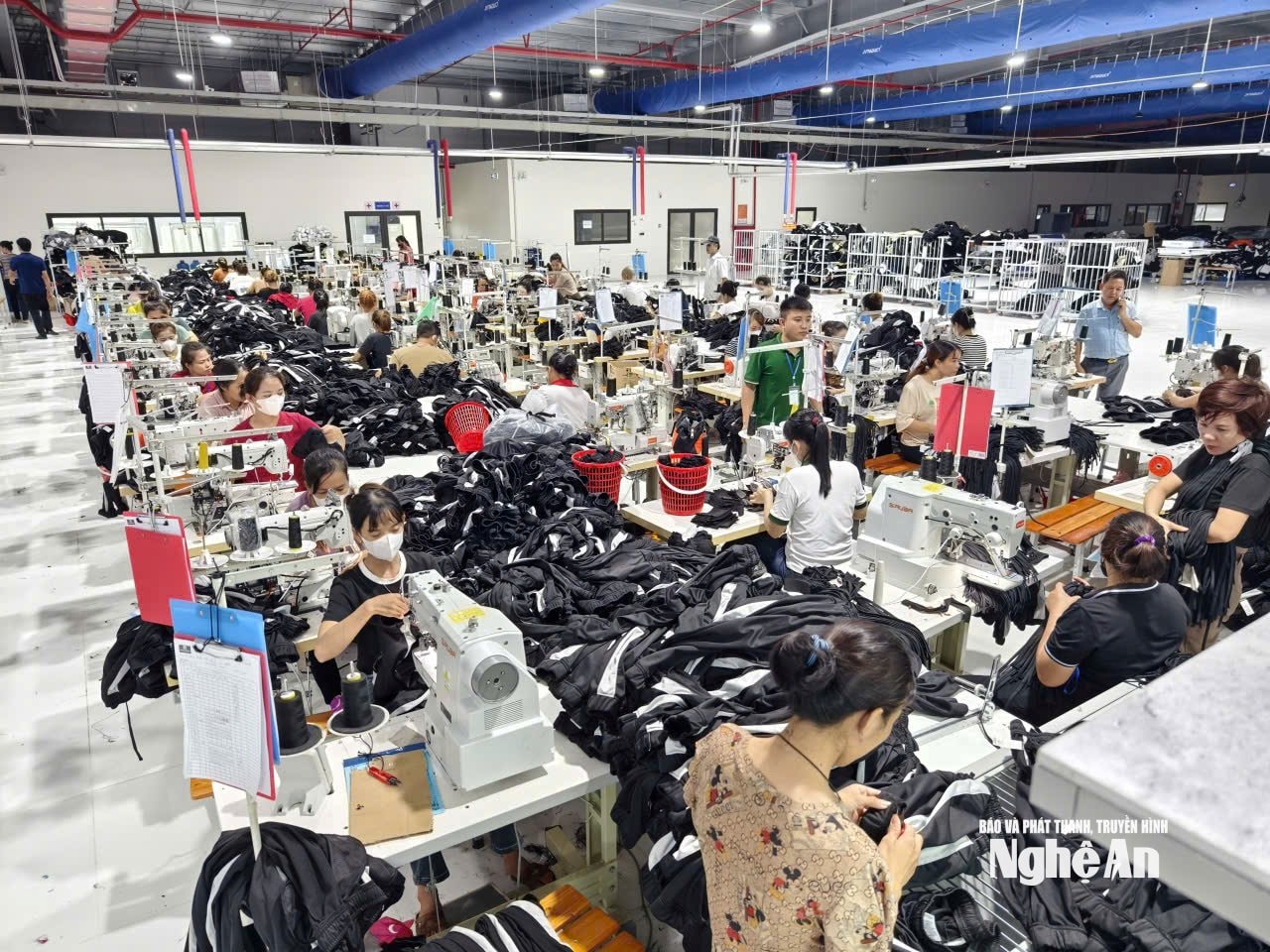
The Thanh Chuong Group's garment factory, located in Hamlet 4, Dai Dong Commune, provides employment for many local workers. Photo: PV
To realize this aspiration, Dai Dong has chosen specific steps, both short-term and long-term. First and foremost is infrastructure – the foundation for all development. Inter-commune and inter-village roads will continue to be expanded and reinforced; schools and health stations will be upgraded to high standards; 95% of villages and hamlets will have spacious cultural centers, creating a community space. Simultaneously, digital transformation and administrative reform will be accelerated to bring the government closer to the people, with transparent and streamlined administrative procedures, creating favorable conditions for citizens and businesses.
In the economic sector, the commune encourages the development of new-style cooperatives, linking farmers with businesses along the value chain. From fields and farms to the dinner table, Dai Dong's products will be strictly managed, traceable, and branded to reach a wider market. In addition, small-scale industries, trade, and services will be expanded, taking advantage of its central location within the district.
"The goal by 2030 is not just about income or budget figures, but more importantly, to build a civilized and modern Dai Dong that still preserves the essence of the countryside, so that every citizen feels proud and happy when talking about their homeland."
Comrade Tran Thanh Nga - Deputy Secretary of the Party Committee, Chairman of the People's Committee of Dai Dong Commune
Cultural and social life is identified as a pillar alongside economic development. The tradition of valuing education and the movement to encourage learning and talent will continue to be preserved and promoted. Cultural, artistic, and sports activities will spread widely, creating spaces that foster community cohesion. Social welfare will be prioritized with the goal of reducing multidimensional poverty to below 0.5%, ensuring that no one is left behind.
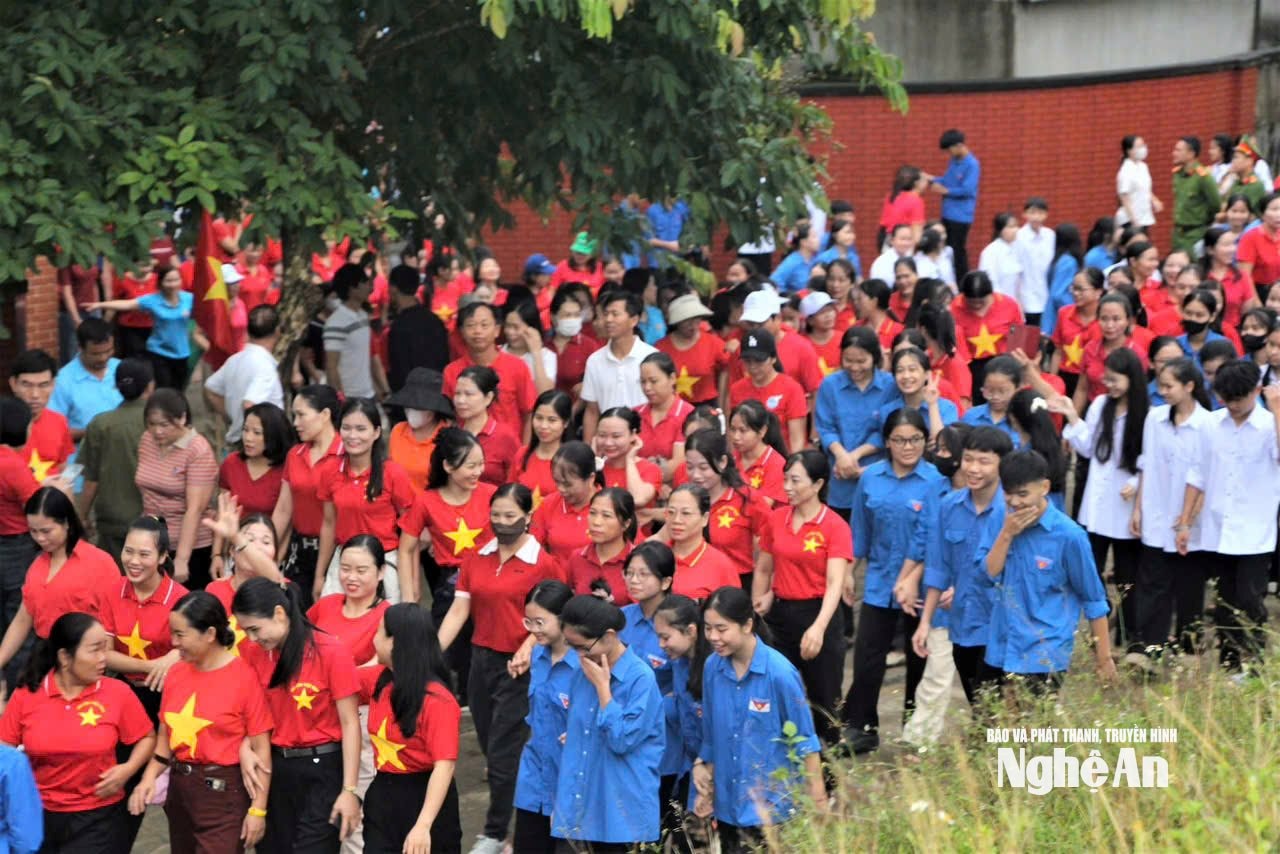
The work of educating the younger generation on ideology and fostering patriotism is given attention and care. Photo: PV
Above all, Party building and strengthening the political system remain the foundation. The Party Committee, with over 3,700 members, is expected to be the core of comprehensive leadership, continuing to promote unity, set an example, stay close to the people, and listen to their needs. Young cadres are being trained and nurtured to be capable of shouldering responsibilities in the new era.
Dai Dong today is a convergence of history and the present, of aspirations and faith. From vast fields to bustling markets, from the hardworking eyes of farmers to the confident smiles of young entrepreneurs, everything reflects a land undergoing a powerful transformation. The establishment of this new commune is not just a change on the administrative map, but also a catalyst to ignite a spirit of dedication, creativity, and collective effort in building a better future.
The road ahead is certainly fraught with difficulties: fierce market competition, climate change, regional disparities… But it is precisely in these challenges that Dai Dong gains even more motivation to prove its capabilities. The goals set, from income, budget, poverty rate, to infrastructure, culture, and education – are not simply numbers, but promises to the people, and the driving force for every official and every citizen to strive every day.
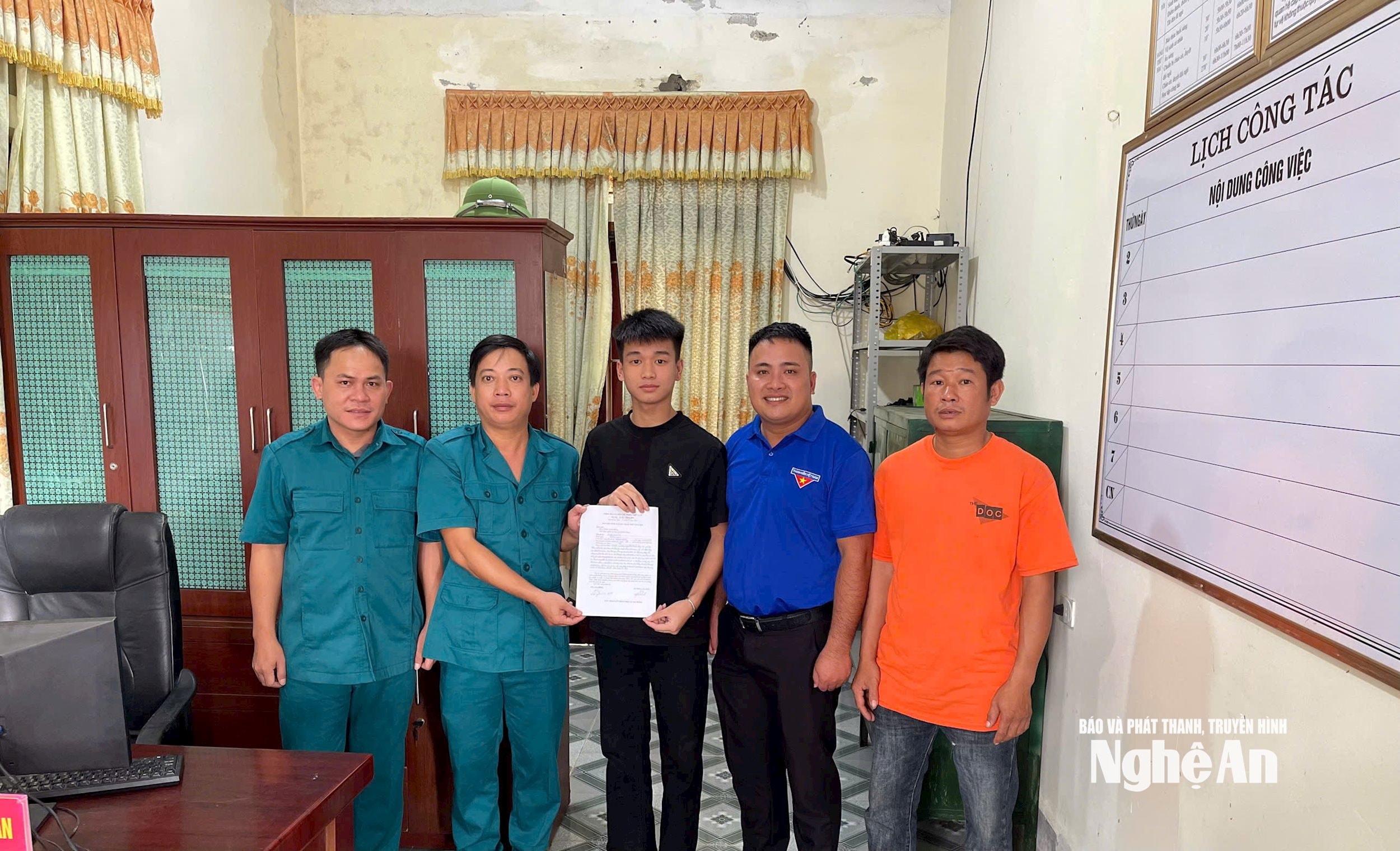
Citizen Nguyen Van Tien, born in 2007, residing in Hamlet 5A, Dai Dong Commune, has volunteered to enlist in the army. Photo: PV
That belief is being affirmed through every construction project, every production model, every classroom, every market. And if the flame of unity is maintained, and the inherent intellectual strength and unwavering will are unleashed, Dai Dong will not only be a top-performing commune in Nghe An, but also become a model of convergence and progress in the new era. It is a long journey, requiring perseverance and determination. But we believe that, with the foundation already built, with the burning aspiration, and with the belief nurtured every day, Dai Dong will write a new story – the story of a land constantly striving to integrate, develop, and spread the pride of Nghe An.
Dai Dong in impressive numbers
Natural area:77.88 km²
Population:63,131 people, 3–4 times the average size of a commune.
Party member:Over 3,700 people, one of the largest numbers in the entire province.
Average income in 2025:Nearly 78 million VND per person per year.
Economic growth rate:An average of 9.88% per year during the period 2020-2024.