

Mexico imposes a 50% import tariff on Chinese cars.
Mexico's decision to increase import tariffs on cars from China to 50% has shaken the market and sparked much economic and political debate.
The Mexican government has just announced plans to increase import tariffs on cars from China and several other Asian countries to a maximum of 50%. This is part of a comprehensive reform of import tariffs, aimed at protecting domestic jobs and responding to political pressure from the United States.
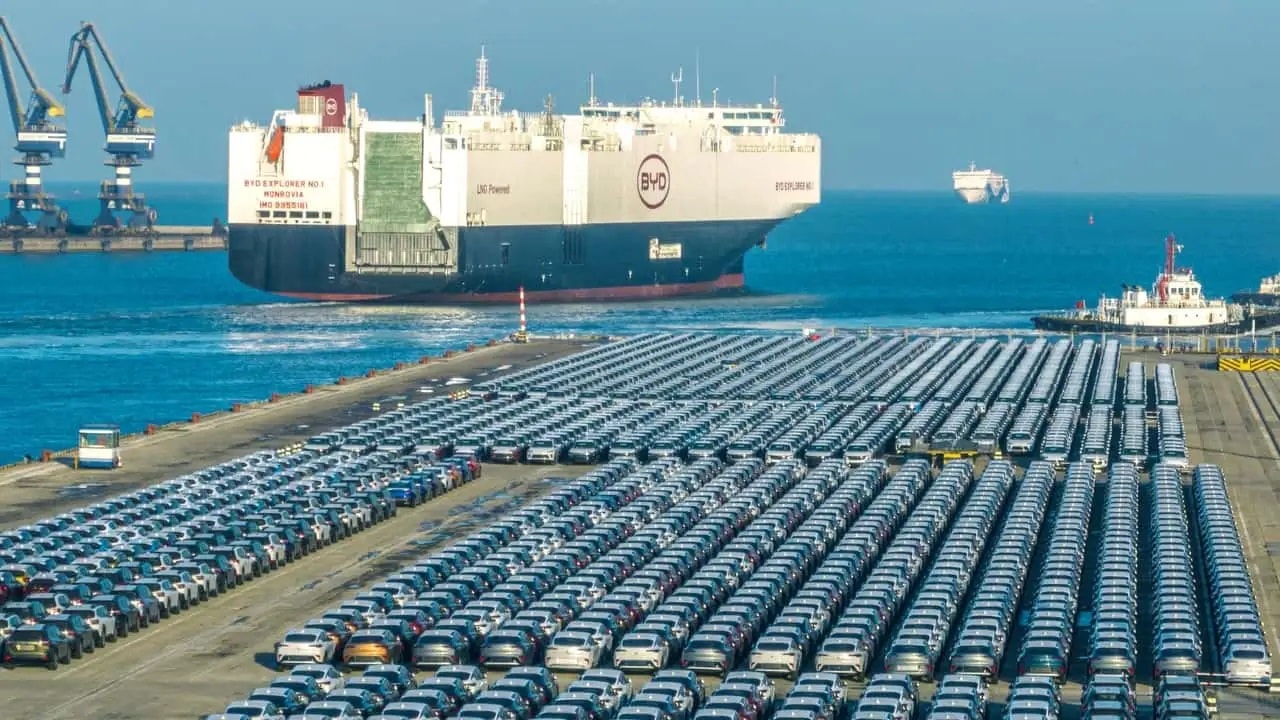
Previously, the tax rate on Chinese cars was only 20%. Economy Minister Marcelo Ebrard argued that without a specific tax barrier, domestic manufacturers would find it very difficult to compete when Chinese cars enter the market at prices lower than the reference price.
According to estimates, this latest tariff increase will affect more than $52 billion worth of imported goods, including various sectors such as steel, textiles, motorcycles, and toys. Specifically, steel and motorcycles will be subject to a 35% tariff, while textiles will be subject to rates ranging from 10% to 50%.
If approved by Congress, this plan would impact 8.6% of Mexico's total imports and protect approximately 325,000 jobs in the industrial and manufacturing sectors.
The Chinese Foreign Ministry stated its opposition to trade restrictions based on "forced" reasons. Spokesperson Lin Jian emphasized that Beijing will defend its legitimate interests and hopes Mexico will cooperate towards global economic recovery instead of imposing barriers.
Experts believe that Mexico's latest tariff increase is linked to pressure from the United States, which is competing with China for influence in Latin America. Washington fears that China could use Mexico as a "backdoor" to access the US market.
Meanwhile, Mexico is unwilling to lose the industrial strategy that has helped its economy grow steadily for the past 30 years, while also seeking to maintain its crucial trade relationship with the United States.
Analysts believe that the tax increase could boost demand for Chinese cars in the short term before the regulations officially take effect. However, in the long term, this measure will help Mexico increase its tax revenue and strengthen its political image, especially as the country expects to collect nearly $3.8 billion more in taxes next year.
The U.S.-Mexico-Canada Free Trade Agreement (USMCA) will be reviewed next year, and Mexico's latest move is seen as a strategic step to prepare for the difficult negotiations ahead.