

5 Android smartphones that can compete head-to-head with the iPhone 17 Pro.
The iPhone 17 Pro may be getting attention, but the Android world is not to be outdone. Many high-end Android smartphones offer powerful performance, sophisticated design, and a superior experience, making them strong alternatives to the iPhone 17 Pro.
Last week, the focus of the tech world was almost entirely on the launch of the iPhone 17 series, and that's not surprising. Apple cleverly generated buzz with a series of highlights, from the 120Hz display on the standard model and the ultra-thin design of the iPhone Air to the bold improvements on the iPhone 17 Pro.
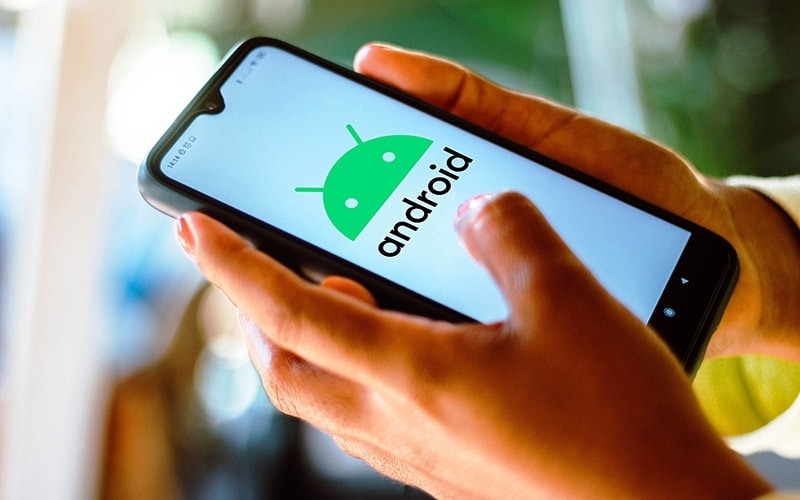
In the high-end iPhone 17 Pro, the camera system, inspired by the Google Pixel, opens a new direction, with a telephoto sensor promising an impressive photography experience, while the A19 Pro chip combined with a vapor chamber heat sink transforms the device into a top-performing machine.
It's safe to say the iPhone 17 Pro is one of the best smartphones currently available. However, if you think Apple is your only choice, you might be missing out on many superior Android models that are both powerful and worthwhile, capable of competing head-to-head with this "superphone."
1. Google Pixel 10 Pro
If the iPhone 17 Pro is considered the new benchmark in the world of high-end smartphones, then the Pixel 10 Pro is Google's powerful response. This is one of the rare Android phones capable of directly competing with Apple's latest flagship, in terms of design, features, and user experience.
Like Apple, Google offers two size options: the Pixel 10 Pro with a compact 6.3-inch screen, and the Pixel 10 Pro XL with a larger 6.8-inch screen. Both use LTPO AMOLED panels with superior brightness, even surpassing the iPhone 17 Pro. In terms of hardware, the Pixel 10 Pro boasts top-of-the-market specifications and, notably, is the only Android smartphone to support wireless charging with a magnetic accessory attachment system, similar to Apple's MagSafe.
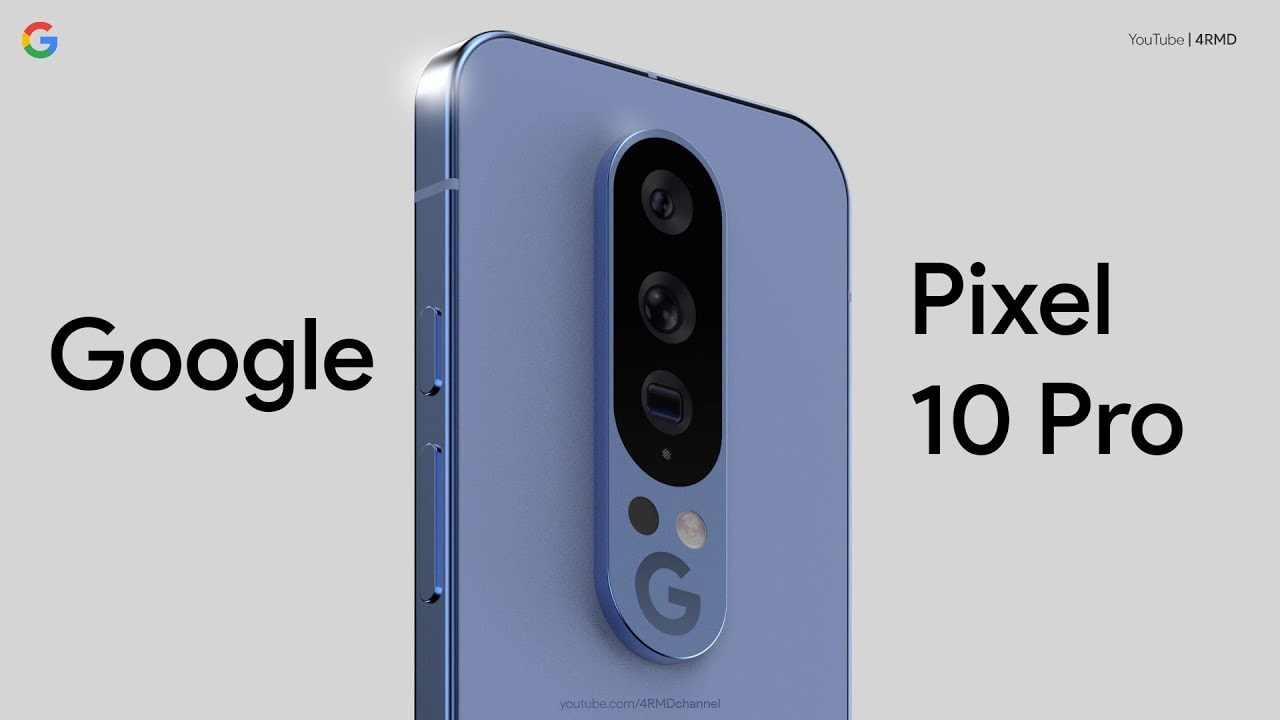
The biggest highlight, of course, lies in the camera. While the iPhone 17 Pro is highly praised for its new sensor array, the Pixel 10 Pro is equally impressive. In fact, during testing, the Pixel proved superior thanks to its optical and digital zoom capabilities of up to 100x, while the iPhone only goes up to 40x. Google's AI-based Help Me Edit feature also becomes a "secret weapon," continuing the tradition of making the Pixel the best camera phone on the market.
In terms of performance, Apple's A19 Pro chip is still considered the "king of speed," but Google's Tensor G5 has made a significant leap forward. For most users, the Pixel 10 Pro delivers a smooth, stable experience, and runs significantly cooler than previous Pixel generations.
But that's not all; Google is committed to supporting Android updates for 7 years, an advantage even Apple has to be wary of. Compact, powerful, with a top-tier camera, intelligent software, and full compatibility with the MagSafe accessory ecosystem, the Pixel 10 Pro is truly an ideal alternative if you don't want to "seal the deal" on an iPhone 17 Pro.
2. Samsung Galaxy S25 Ultra
If the Pixel 10 Pro still hasn't convinced you, then the Samsung Galaxy S25 Ultra is definitely a more compelling Android option. This isn't a complicated foldable phone, but rather a traditional flagship device that Samsung has poured its efforts into creating a worthy competitor to the iPhone 17 Pro Max.
The first highlight is the screen. The Galaxy S25 Ultra boasts a 6.9-inch LTPO AMOLED display, with a size and display quality almost identical to the iPhone 17 Pro Max. Both have an anti-reflective coating to enhance visibility in bright light, but the S25 Ultra has the advantage of being 15 grams lighter and slightly thinner, offering a more comfortable grip.
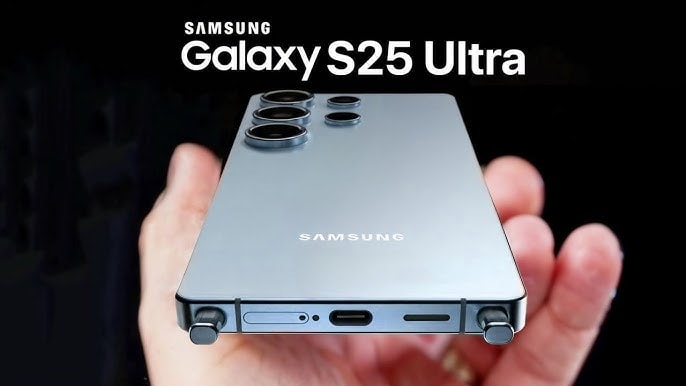
In terms of performance, the Galaxy S25 Ultra is equipped with the latest Snapdragon 8 Elite chip, outperforming the Google Tensor G5 in benchmark tests and even approaching Apple's A19 Pro in many real-world tasks. Combined with a 5,000 mAh battery and energy optimization capabilities, the device can easily last up to two days on a single charge.
The camera is another key weapon, featuring a 200MP main sensor, accompanied by two dedicated telephoto cameras, allowing for up to 100x spatial zoom. This is a significant leap forward from the 48MP camera on the iPhone 17 Pro. Added to this is a rich ecosystem of features such as the integrated S Pen, Samsung DeX which transforms the phone into a mini-computer, up to 16GB of RAM, and internal storage starting at 256GB.
Of course, the Galaxy S25 Ultra isn't cheap, but with everything it offers, it's Samsung's most comprehensive and premium smartphone of 2025, a worthwhile alternative for anyone considering the iPhone 17 Pro Max.
3. OnePlus 13
If you're looking for a smartphone with a large screen, top-tier performance, long-lasting battery, and impressive camera, but don't want to spend a fortune on Apple or Samsung, the OnePlus 13 is definitely a strong contender. At $899, it's $300 cheaper than the iPhone 17 Pro Max and $400 cheaper than the Galaxy S25 Ultra, yet still ranks among the best Android flagships to buy in 2025.
The first compelling feature is the 6.8-inch LTPO AMOLED display with a brightness of up to 4,500 nits, far exceeding the 3,000 nits on the iPhone 17 Pro, ensuring clear visibility even in bright sunlight. In terms of performance, the Snapdragon 8 Elite chip puts the OnePlus 13 on par with high-end competitors, while the 6,000 mAh battery provides comfortable two-day usage. Furthermore, 80W fast charging technology allows for a full charge in a short time, far surpassing the limited charging speed of the iPhone.
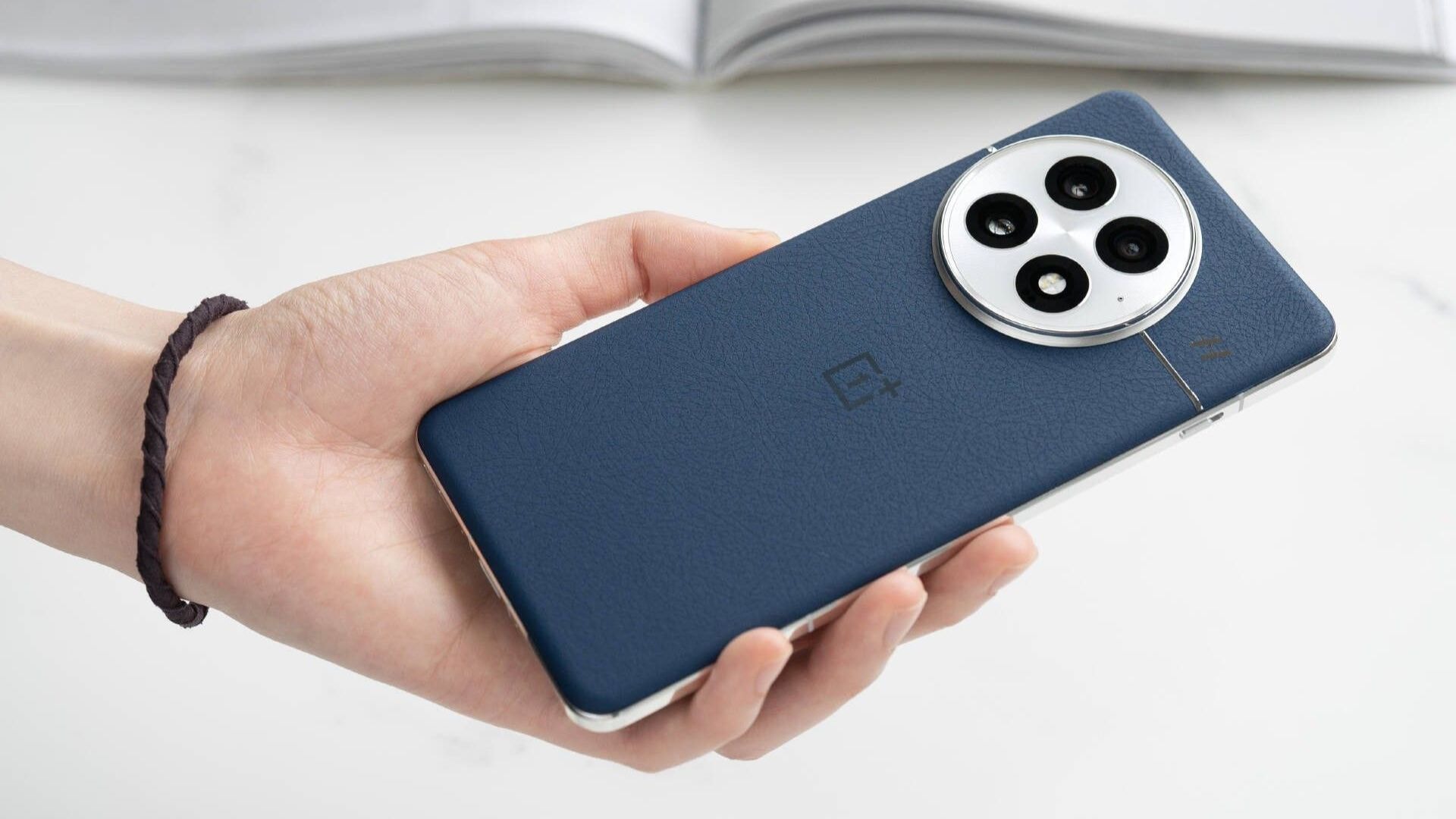
The camera is also a notable strength. The OnePlus 13 is praised for its excellent sensor system and image processing capabilities, delivering sharp photos with balanced colors. In fact, it's one of the camera setups that many tech reviewers have praised the most this year.
Of course, the attractive price comes with some trade-offs. OnePlus only commits to four major Android updates, significantly less than the seven years of support offered by Apple, Google, or Samsung. The phone's AI features also aren't particularly outstanding.
But if you need a true flagship – powerful, durable, with a large battery, fast charging, and a reliable camera – while still saving hundreds of dollars compared to the latest iPhone, then the OnePlus 13 is definitely an option you can't ignore.
4. Motorola Razr Ultra
The last two options on this list may not be for everyone, but if you're willing to step out of your iPhone 17 Pro comfort zone and explore the vast world of Android, they're definitely worth considering. And the first one is the Motorola Razr Ultra.
In terms of specifications, the Razr Ultra is in no way inferior to flagships like the Galaxy S25 Ultra or OnePlus 13. It boasts a 7-inch LTPO AMOLED display with 3,000 nits of brightness, a powerful Snapdragon 8 Elite chip, 16GB of RAM, 512GB of internal storage, a 4,700 mAh battery, and 68W fast charging. These are all features you would expect from a top-tier smartphone.
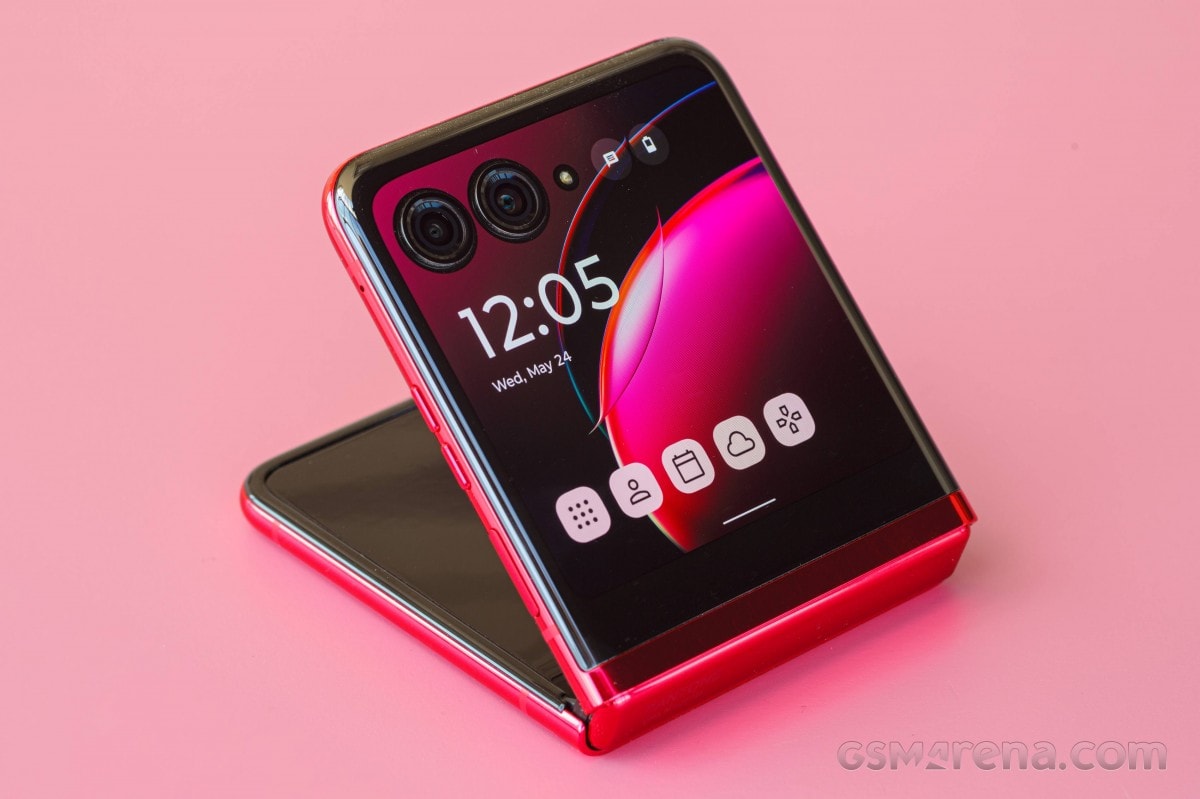
What sets the Razr Ultra apart and makes it so appealing is its foldable design. When unfolded, it looks exactly like a traditional high-end Android phone, but simply folding it down transforms it into a device that's half its size. Motorola also added a convenient 4-inch secondary screen so you can continue using it without opening the phone. This is an experience that the iPhone 17 Pro simply cannot offer.
Furthermore, the Razr Ultra impresses with its range of unique color options and finishes, from sophisticated wood trim to premium Alcantara. Clearly, Motorola aims to make this phone a fashion accessory in addition to its role as a technological device.
With a starting price of $1,299, the Razr Ultra was significantly more expensive than many other models. However, Motorola has now reduced the price to $1,099, comparable to the iPhone 17 Pro. When faced with two options in the same price range, many would likely agree that the Razr Ultra is the more interesting and worthwhile choice.
5. Samsung Galaxy Z Fold 7
Rounding out the list is the name for those who want to experience the future of smartphones - the Samsung Galaxy Z Fold 7. While the Razr Ultra focuses on compactness and style, the Fold 7 offers a completely different approach, transforming the phone in your pocket into a true mini-tablet.
When folded, the Galaxy Z Fold 7 looks no different from a traditional smartphone with a 6.5-inch outer screen. But once unfolded, users are greeted by a spacious 8-inch AMOLED display, ideal for multitasking, watching movies, or even playing games.
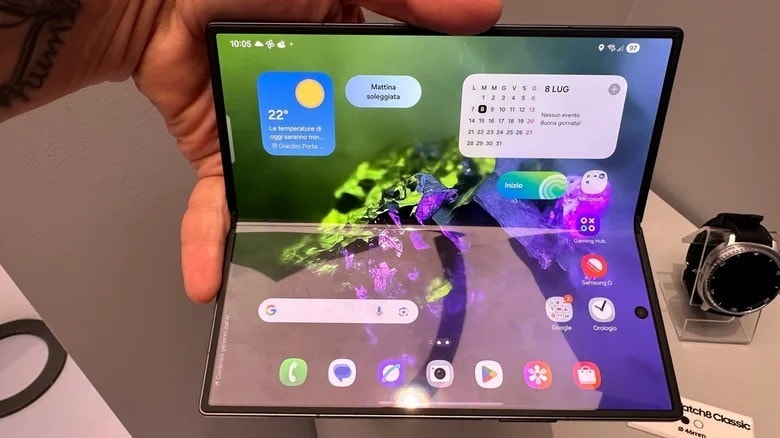
What's particularly impressive is how Samsung has refined the design to make the device significantly thinner and lighter: when folded, the Fold 7 is almost as wide as the iPhone 17 Pro Max but is 18 grams lighter, a remarkable feat considering it contains both devices in one.
In terms of specifications, the Galaxy Z Fold 7 is on par with any flagship, boasting a powerful Snapdragon 8 Elite chip, a 200MP main camera similar to the Galaxy S25 Ultra, impressive battery life, and a host of Samsung's signature AI features. All of this is integrated into a sophisticated foldable body.
Of course, this breakthrough comes with a hefty price tag of nearly $2,000. But for those willing to invest, the Galaxy Z Fold 7 is the clearest evidence of Samsung's innovative capabilities, a hybrid device between a phone and a tablet, offering an experience that the iPhone 17 Pro cannot compete with. If you want a truly unique smartphone, this is a hard-to-beat choice.