

Anh Son Commune: Breaking Through to Development
From the convergence of three regions: Phuc Son with its border gate, Duc Son bearing historical traces, and Kim Nhan once a bustling town, Anh Son commune was born as a promising piece of western Nghe An province. With an area of nearly 200 km², a long border, a network of rivers, streams, fields, and villages interwoven with rich culture, Anh Son commune is gradually becoming an economic and cultural center, where all resources can converge to create a breakthrough in the 2025-2030 term.
Strategic location and regional advantages converge.
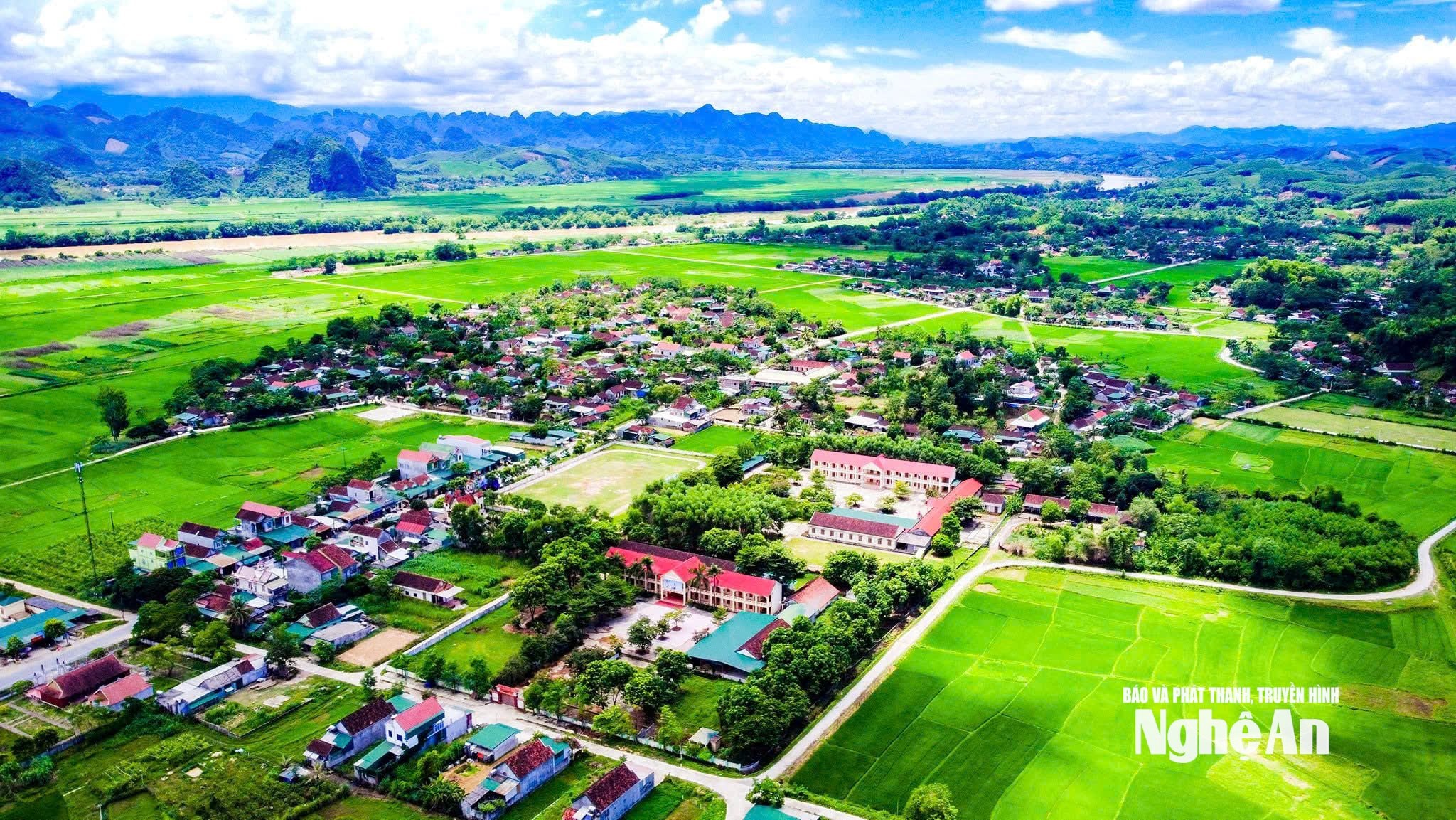
Standing on the road leading to the Cao Vều border gate, one can easily recognize that Anh Sơn commune is not just a simple border commune. It is a space brimming with trade and regional connectivity, where the plains embrace hills and planted forests, and where small rivers flow together, encircling a bustling town. The merger of Phúc Sơn, Đức Sơn, and Kim Nhan town has created an administrative unit with an area of nearly 200 km² and a population of approximately 29,500 people, giving Anh Sơn commune the stature of a region.
The greatest advantage of Anh Son commune is its location, a perfect combination of factors: the former Phuc Son commune, a land rich in revolutionary traditions, awarded the title of Hero of the People's Armed Forces, renowned for its studiousness and unwavering loyalty in the resistance wars; Duc Son, which preserves many historical and cultural relics; and Kim Nhan, once a bustling commercial center. The combination of these three areas creates a commune with all the necessary conditions for development. When these three elements are placed together, Anh Son commune has the potential to become a key hub connecting the western economic corridor of the province, serving as a gateway for businesses, farmers, and tourists to meet.
The diverse topography provides fertile land for diversified agriculture and abundant forest resources, but it also demands significant investment in rural transportation, irrigation, and environmental protection. Climate change, natural disasters, and livestock diseases have challenged the local production ecosystem; therefore, natural advantages must be combined with organizational and management capabilities and the application of science and technology to transform potential into sustainable wealth.
Tourism and service highlights in Anh Son commune
Cao Veu Border Gate: A gateway for trade with Bolikhamsai province (Laos).
Ban Veu ecotourism: The pristine green forest landscape, rivers, and streams are suitable for developing experiential and relaxing tourism.
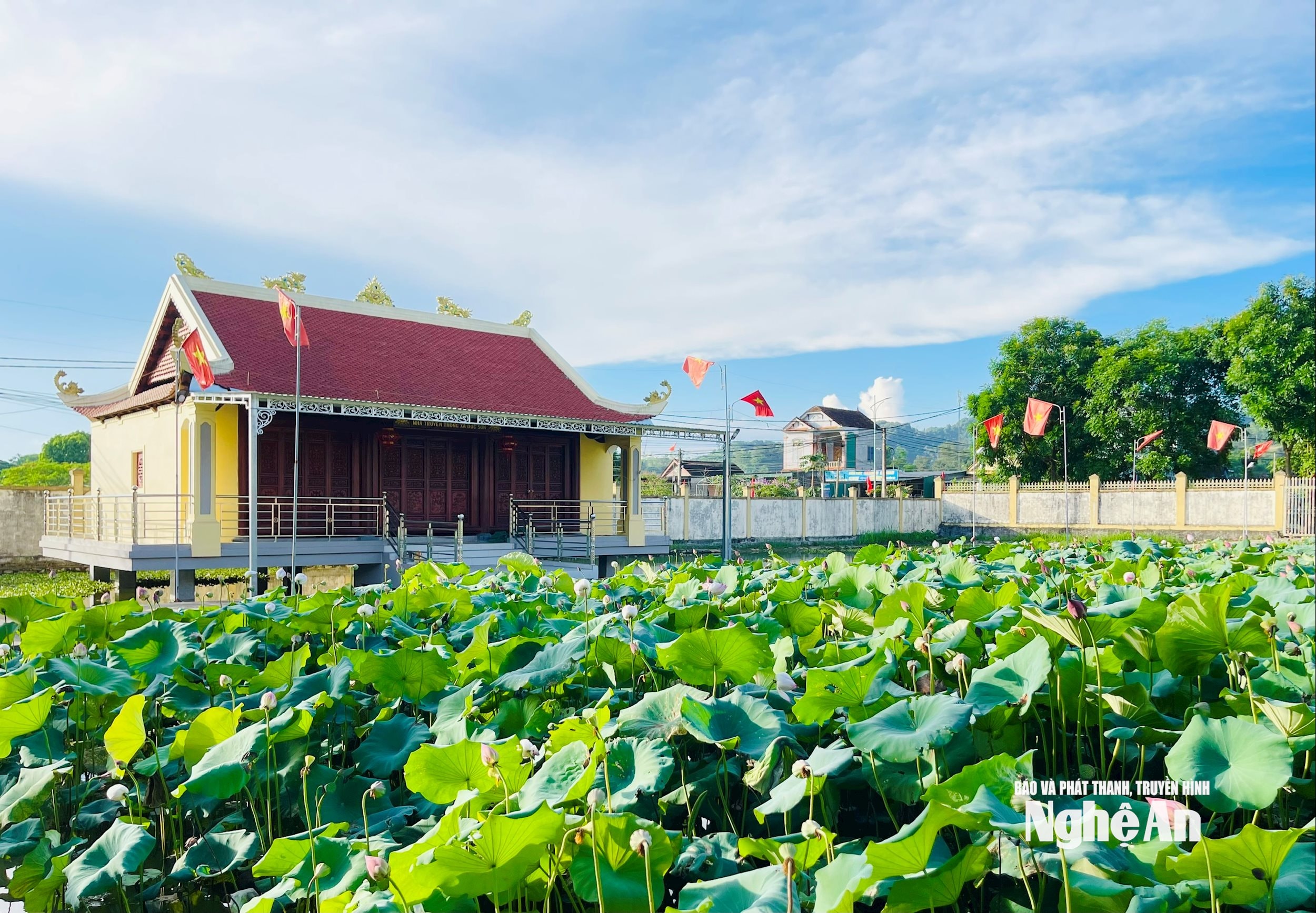
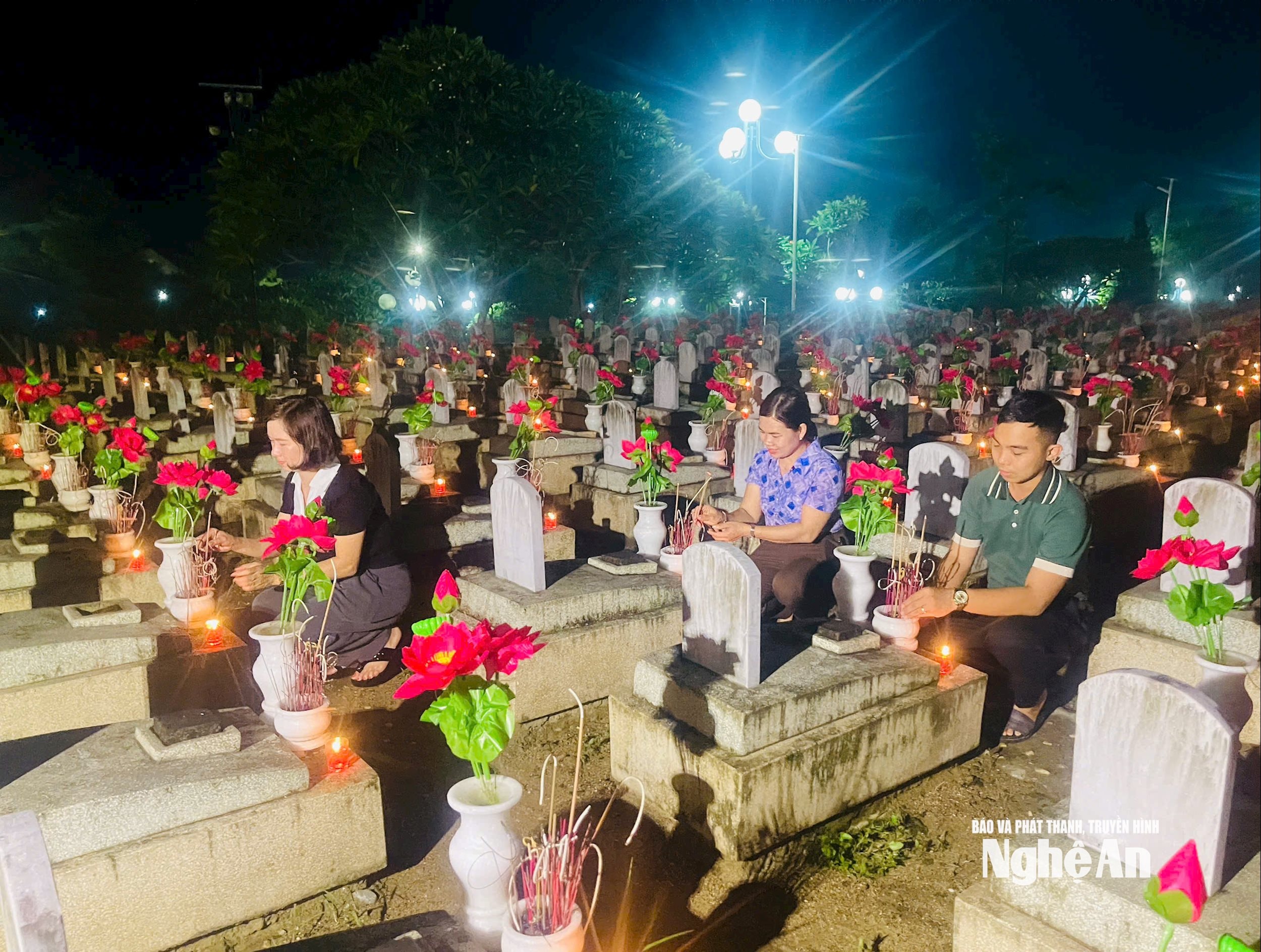
Spiritual and historical sites such as the Mother House Temple, Trung communal house, Thien Ton pagoda, Yen Phuc village communal house, and the Vietnam-Laos Martyrs' Cemetery are destinations that attract tourists seeking to connect with their roots.
The "Remembering Our Roots" festival and community cultural events contribute to promoting the image of the homeland, strengthening community bonds, and creating unique tourism products.
Commercial and culinary services: The former Kim Nhan Center and border markets are gradually becoming stops for tourists, creating momentum for the development of these services.
The mark of the term
During the period 2020-2025, Anh Son commune faced significant challenges: African swine fever, unusual natural disasters, and especially the prolonged Covid-19 pandemic. However, amidst these difficulties, the vitality of this central region has been affirmed by proud achievements.
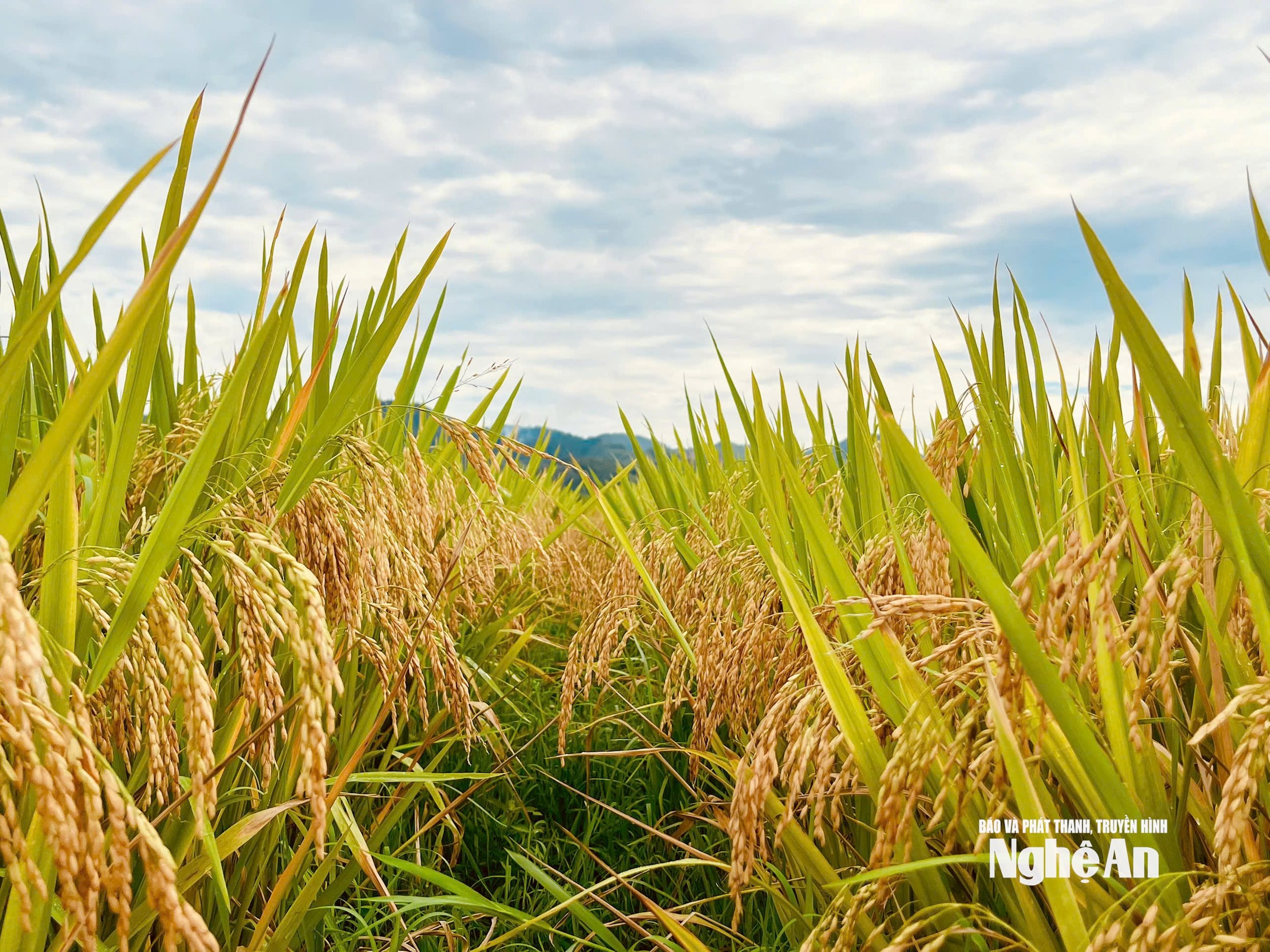
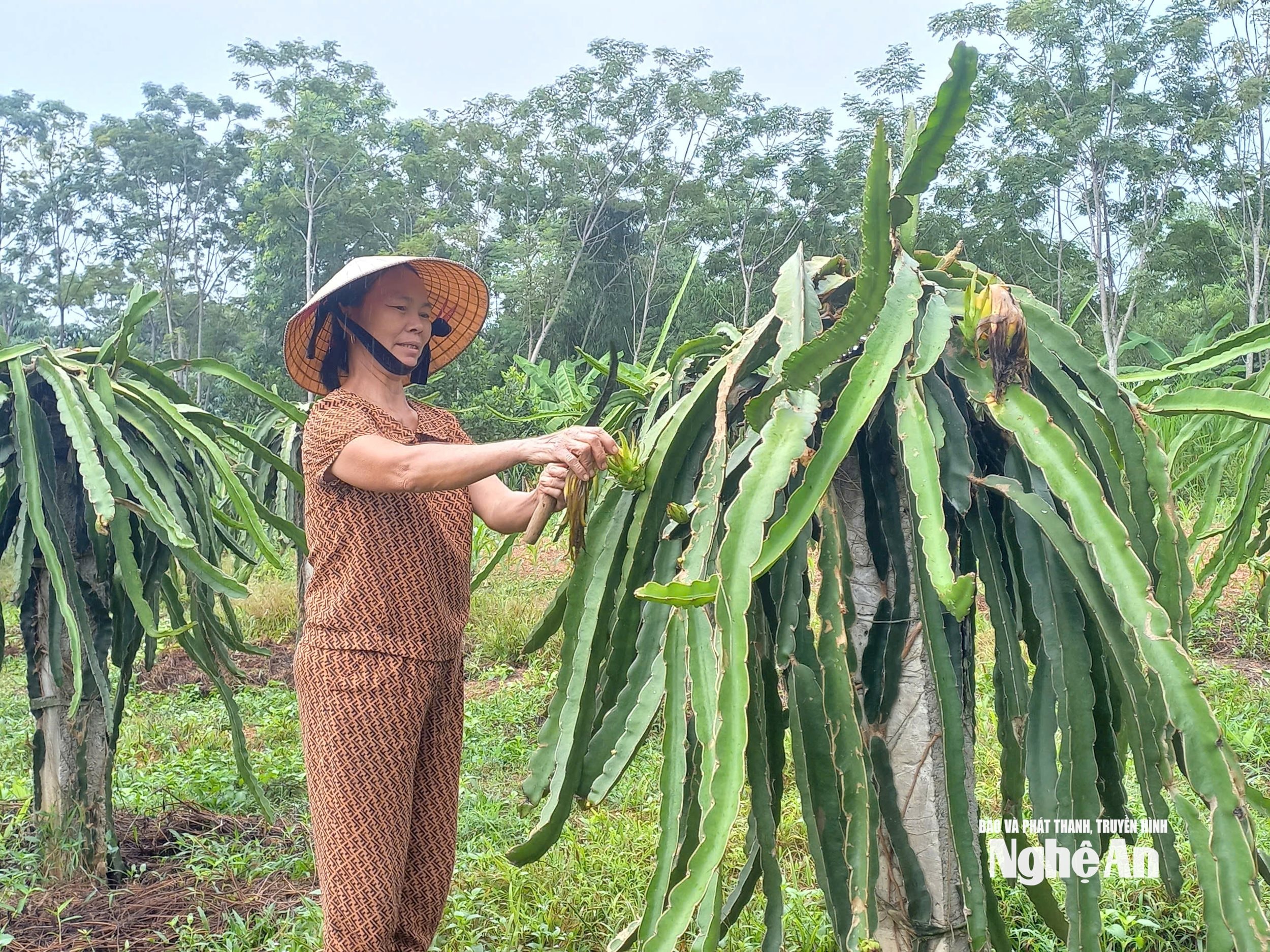
The economy maintained stable growth, averaging 6.3% per year. Per capita income reached 47.2 million VND per year, an increase of over 15 million VND compared to the beginning of the term. The poverty rate decreased to 3.8%, lower than the district-wide average. The total value of agricultural, forestry, and fisheries production reached over 1,200 billion VND, with many products becoming strengths: green tea, sugarcane, and plantation timber. Infrastructure was heavily invested in, with over 320 large and small projects. 85 km of roads were paved, and many concrete bridges connected remote villages to the center. The national power grid covered 100% of villages, and 95% of households used clean water. The irrigation system was reinforced, ensuring irrigation for nearly 3,000 hectares of rice and other crops.
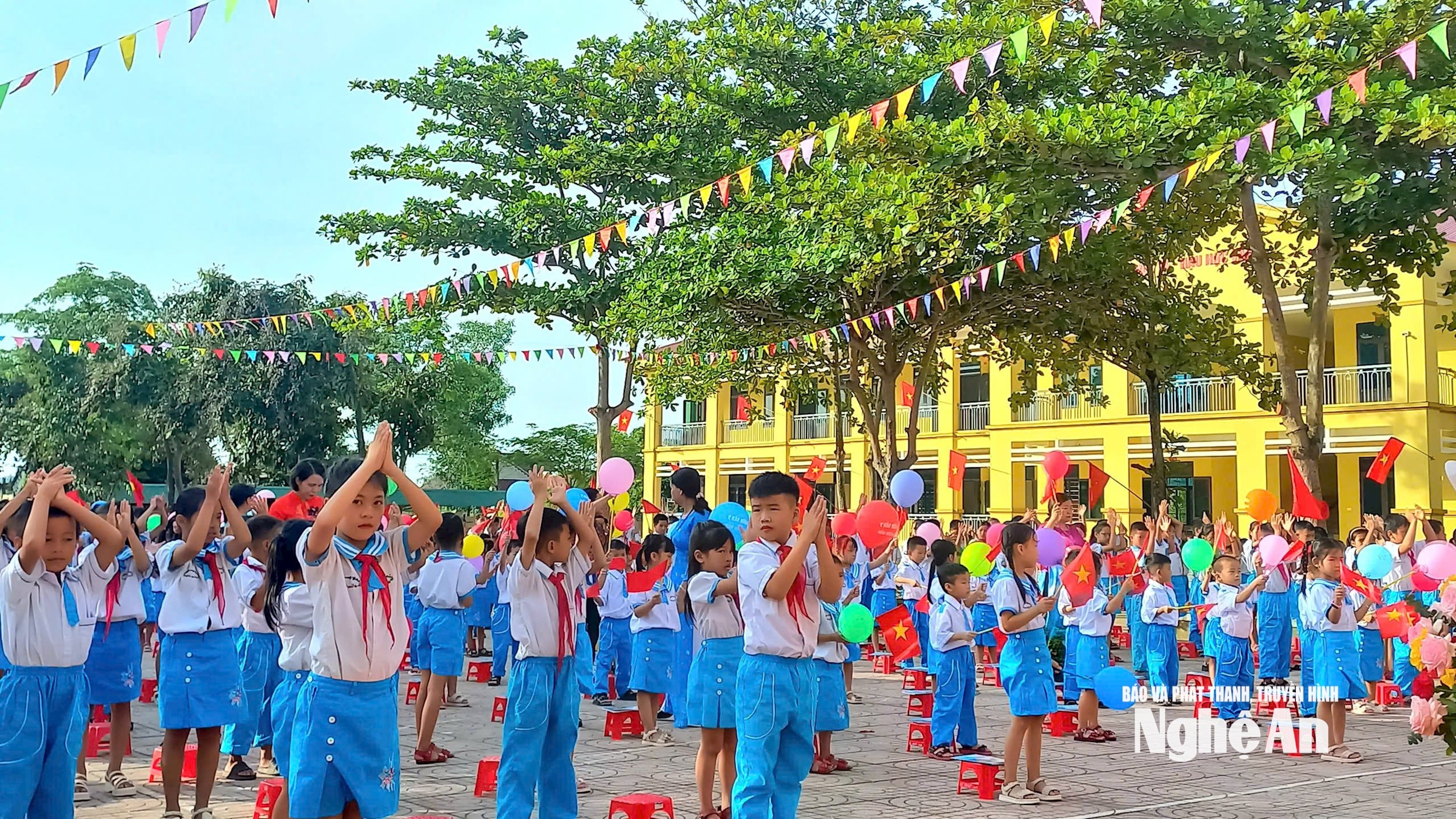
Education has made its mark with 10 out of 11 schools meeting national standards, and a 98% graduation rate from lower secondary to upper secondary school. Primary healthcare has been upgraded, with 100% of health stations meeting national standards, and over 95% of the population covered by health insurance. Social welfare programs have helped thousands of families improve their livelihoods, ensuring no one is left behind.
The socio-cultural sector has also made progress. Traditional festivals have been revived, and historical sites such as the Mother's House Temple, Trung communal house, and Thien Ton pagoda have been restored, creating spiritual and tourist destinations. Arts and sports activities have spread, fostering community cohesion and igniting pride in the homeland.
Security and national defense have been maintained. The commune has organized more than 50 border patrols, coordinating closely with functional forces on both sides. The "drug-free border commune" model has been implemented, contributing to maintaining peace in the villages. The friendly relations between the Vietnamese and Lao people have been maintained, and exchange and twinning activities have contributed to strengthening cross-border solidarity.
Nevertheless, there are still limitations: the processing industry has not developed to its full potential; some projects are behind schedule; and tourism services are only in their initial stages. These limitations serve as both warnings and motivations for Anh Son commune to adjust its direction in the coming period.
3 major directions for Anh Son to achieve a breakthrough.
If the past term was a preparatory phase, then the 2025-2030 term must be a breakthrough, transforming Anh Son commune into a true regional center, a hub for resource convergence, goods circulation, and service development linked to local values. To achieve this, the commune's leadership has identified strategic priorities: strengthening the capacity of the administrative apparatus, improving essential infrastructure, enhancing the quality of human resources, and developing key economic sectors along the value chain.
First, regarding management and human resources: Building a team of officials who are "close to the people" is considered key. This is not just about streamlining the administrative apparatus after restructuring, but about improving leadership capacity, administrative discipline, and service attitude. When officials are strong in their professional skills and proficient in digital technology, their ability to implement digital transformation programs, manage land, and attract investment will significantly improve. This will create a catalyst for resources from the province, businesses, and the community to truly flow into Anh Son commune.
Economically, the focus is on developing high-value-added agriculture and processing industries linked to readily available raw materials. Expanding specialized farming areas, promoting the construction of on-site processing facilities, and connecting with provincial and international markets through secondary border gates are feasible approaches. Accordingly, the commune will focus on expanding specialized high-tech agricultural farming areas, building brands for key products, and striving to increase the average production value to over 120 million VND/hectare/year.
The agricultural and forestry processing industry is encouraged to increase the value chain. Trade and services are promoted, leveraging the advantages of border gates, central markets, and the potential for eco-tourism and spiritual tourism. Simultaneously, developing eco-tourism and spiritual tourism around Bản Vều, the Vietnam-Laos Martyrs' Cemetery, and other historical sites will create additional attractions, extend the length of stay for tourists, and thus spread benefits to local services.
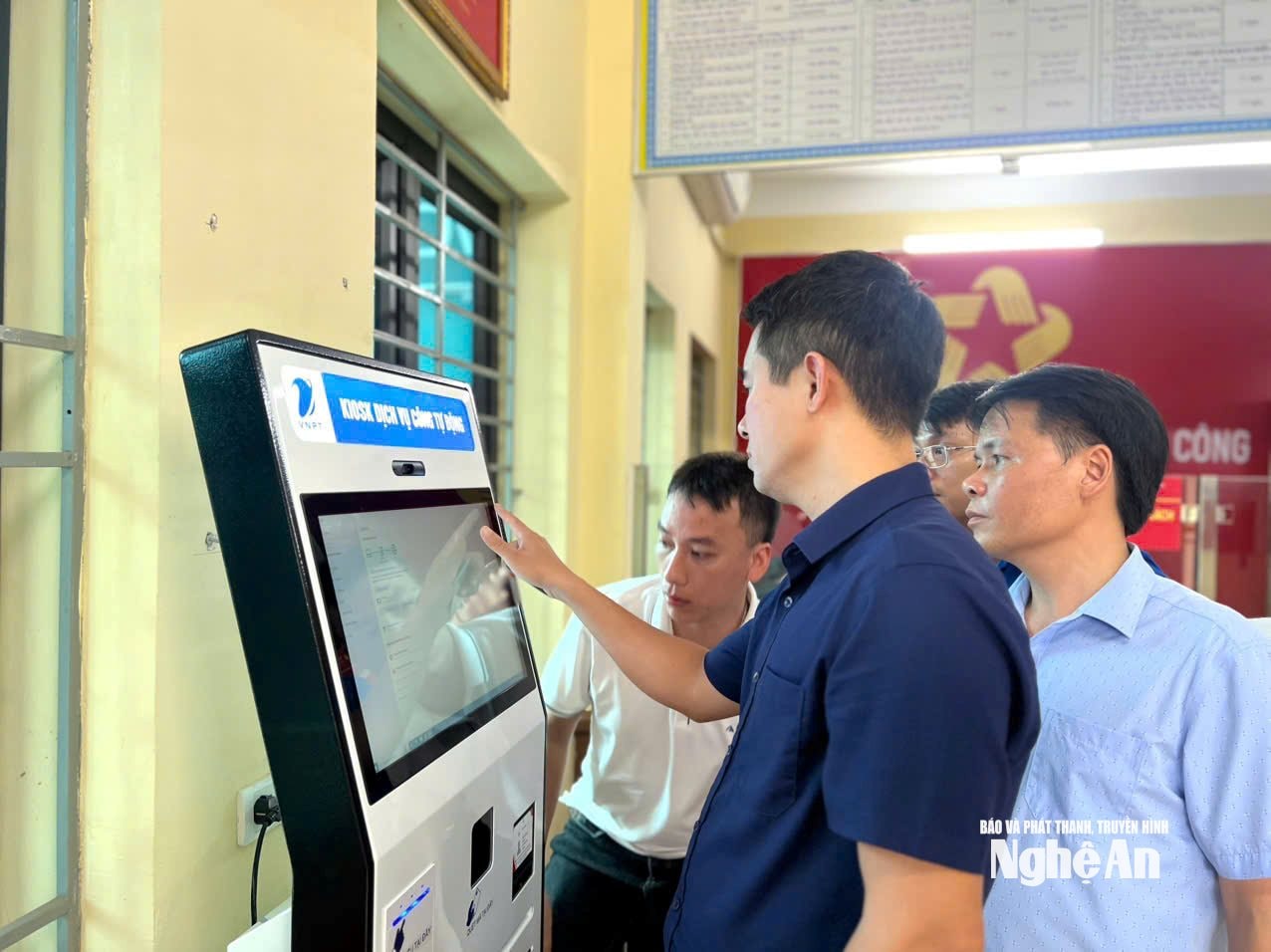
At the same time, Anh Son commune needs to complete its road network, standardize its drinking water supply, upgrade its waste treatment system, and develop digital infrastructure to promote digital government and online public services. When infrastructure is synchronized, investment attraction will increase, while simultaneously reducing costs for businesses and farmers. Anh Son commune has the advantage of planted forests and fertile land; preserving the landscape, restoring irrigation ditches, planting trees along roadsides, and controlling mineral exploitation are conditions for sustainable development. In particular, promoting agricultural models that apply technology, minimizing chemical use, and strengthening green value chains will enhance product value and expand markets.
Finally, to become a hub of convergence, Anh Son commune must focus on building mechanisms to stimulate regional linkages: creating bridges between businesses, cooperatives, scientists, and banks. The establishment of specialized farmers' clubs, a centralized distribution channel system, and trade promotion events will help transform local products into competitive brands. At the same time, the commune will accelerate digital transformation, build an e-government, provide online public services, and create favorable conditions for people and businesses.
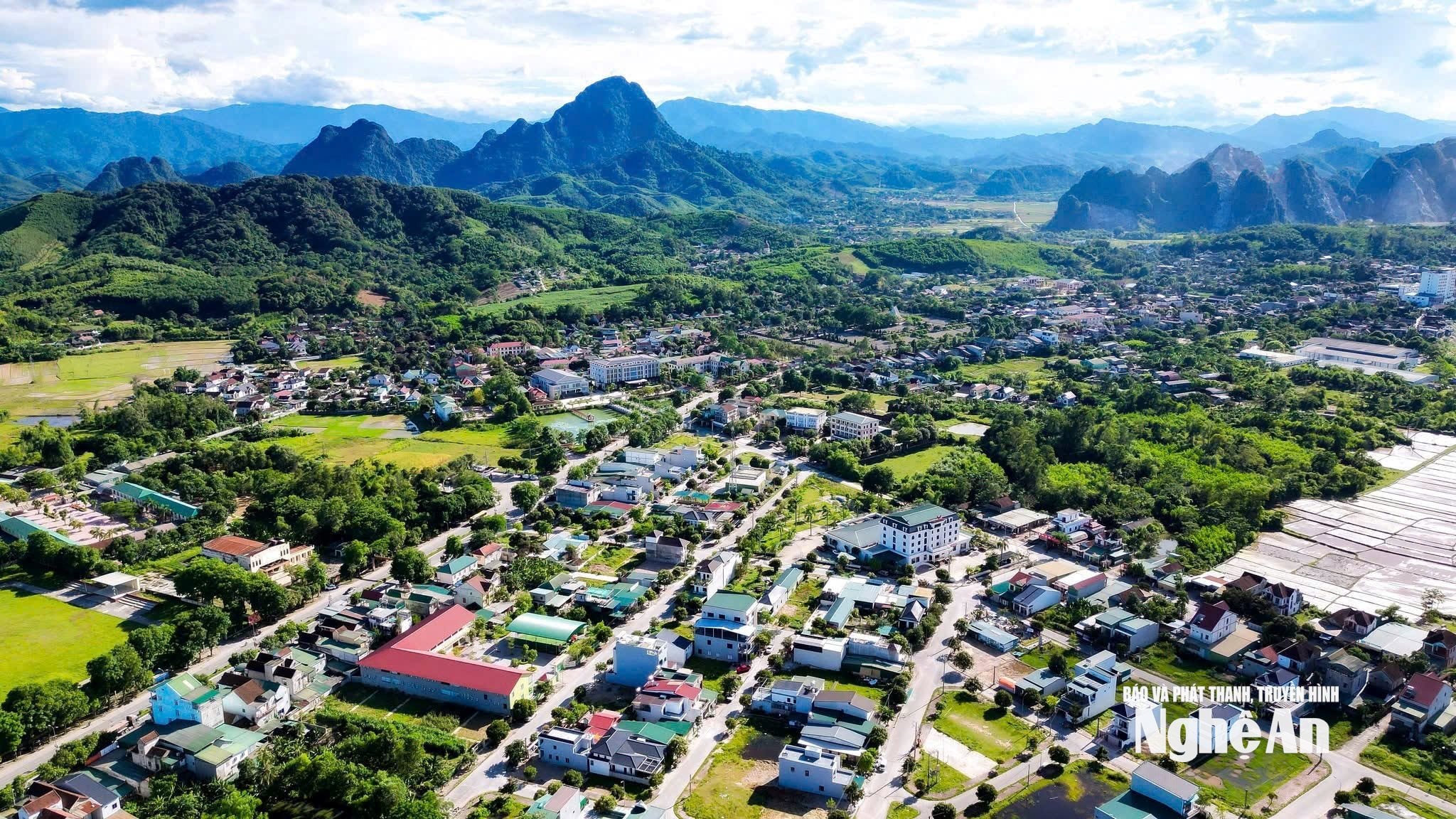
From a borderland rich in tradition, Anh Son commune is gradually shaping itself as a new convergence center of western Nghe An province. The achievements of the past period, along with clear aspirations and goals for the next term, provide a basis for believing that this area will rise strongly, becoming a true regional center – a place where all resources converge, spread, and develop. A border commune that is not only strong in security and defense, but also vibrant in economy, rich in cultural identity, civilized in lifestyle, and compassionate in community.
Mr. Son – Impressive Numbers
- Acreage: 199.65 km²
- Population: nearly 30,000 people
- border: 5.66 km, with the Cao Vều sub-border gate bordering Bolikhamsai province (Laos)
- Economic growth rateAverage 6.3%/year (2020–2025)
- Average income: 47.16 million VND/person/year (2025)
- poor householdsReduced to below 4%
- Infrastructure: 321 key projects invested in over 5 years; 85 km of new inter-village concrete roads opened.
- Education10 out of 11 schools meet national standards.
- Medical: 100% of health stations meet standards; health insurance covers 95% of the population.
- 2030 GoalsAverage income of 75 million VND/person/year; achieving the status of a new rural commune by 2028, and becoming a comprehensively developed commune by 2030.