

Film music - trends and symbiotic values
In recent years, many movie soundtracks have "escaped" the confines of the film to have a life of their own, becoming widely known on digital music platforms, covered on stage, and spread within communities, transcending the shadow of the original film. This is no longer a fleeting phenomenon, but is becoming a clear trend – the soul of a film can stand as an independent musical product.
When the soundtrack "breaks free from the film"
Recently, the theme song for the movie "Red Rain," performed by Hoa Minzy, is titled...Pain amidst peace(Composed by Nguyen Van Chung) attracted over 1.8 million views. The song was played at the end of the film when images of the two mothers scattering flowers on the Thach Han River appeared, further intensifying the emotions in the chorus for the moviegoers.

After the film was released in theaters, according to a digital music statistics website...KworbThe music video is the most viewed video onYouTubeVietnam's music video has topped the charts in the last 24 hours, and is also among the top 20 global music videos on this platform.
Hòa Minzy plays the role of a wife whose husband participated in the 81-day and 81-night battle to defend the Quang Tri Citadel. Director Nhu Đặng incorporated several segments from the film."Red Rain", such as the scene where Squad 1 opens fire in retaliation during an enemy sweep, and comrades close the eyes of a fallen soldier.
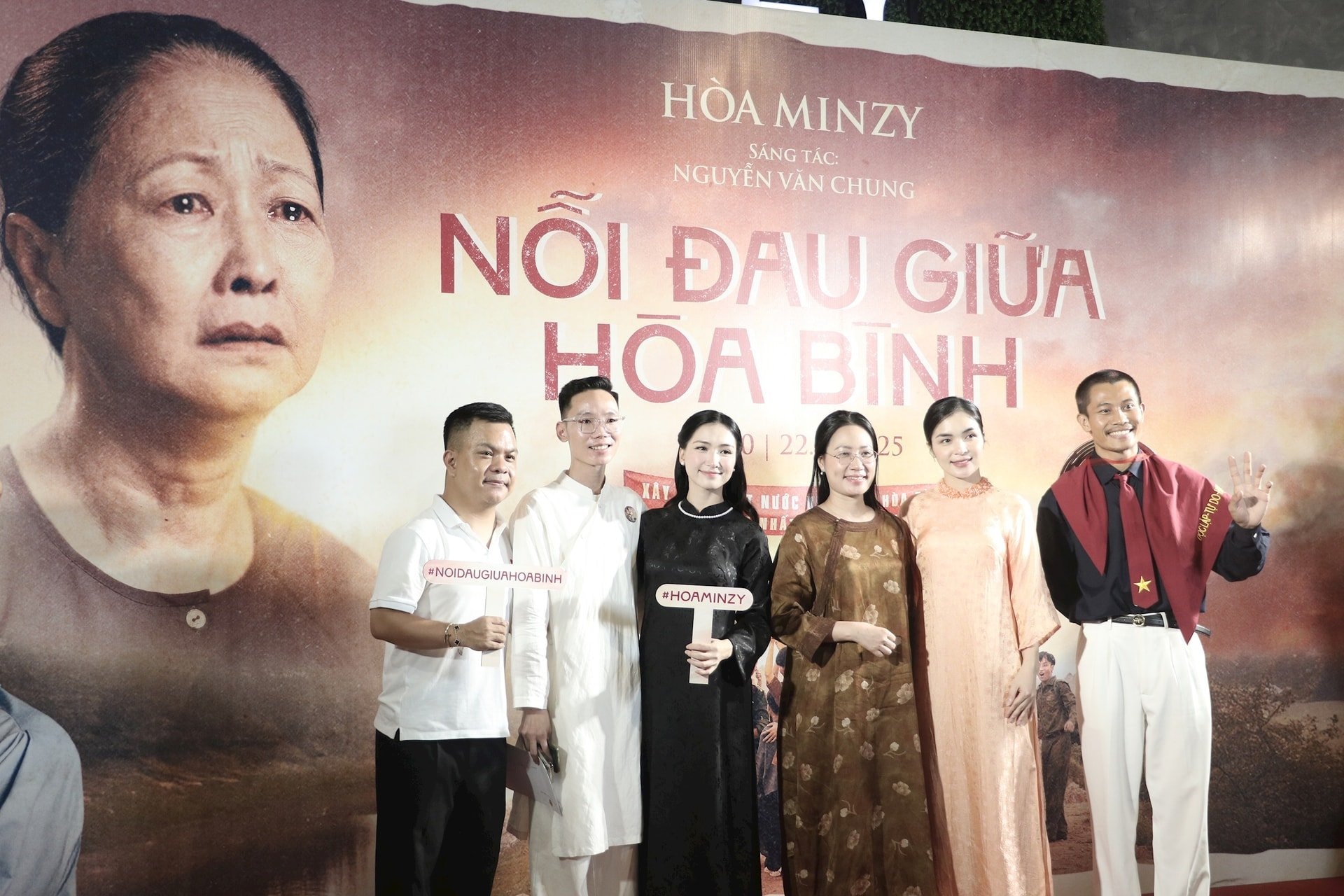
The song was widely appreciated for its lyrics and melody, along with the touching story in the music video. Many viewers said that when the song played in the theater at the end of the film, they cried because of the feelings of the mothers and wives of the soldiers who forever rest on the banks of the Thach Han River.
Director Dang Thai Huyen chose the song as the main theme song for the film because she appreciated its humane message and Hoa Minzy's emotionally rich vocals. In an interview, she said that she believed the song would have a life of its own, strong and lasting.
In the past, many movie soundtracks were sought after by audiences even before the film was released. For example, the film "Zippo, mustard, and meBefore its release, they commissioned three original songs to create a media buzz. Some of the standout soundtracks are even more memorable to audiences than the film itself: The song "Older brother"The film's name may have been forgotten, but the melody still resonates in people's memories.
Many filmmakers believe that composing music for television dramas is receiving more attention – many projects are willing to spend big to commission 3-4 songs to increase their reach. However, a paradox remains between quality and budget: Sometimes composers are only paid 1.8 million VND per episode (for background music + arrangement + singer), causing many to shy away from writing music for films.
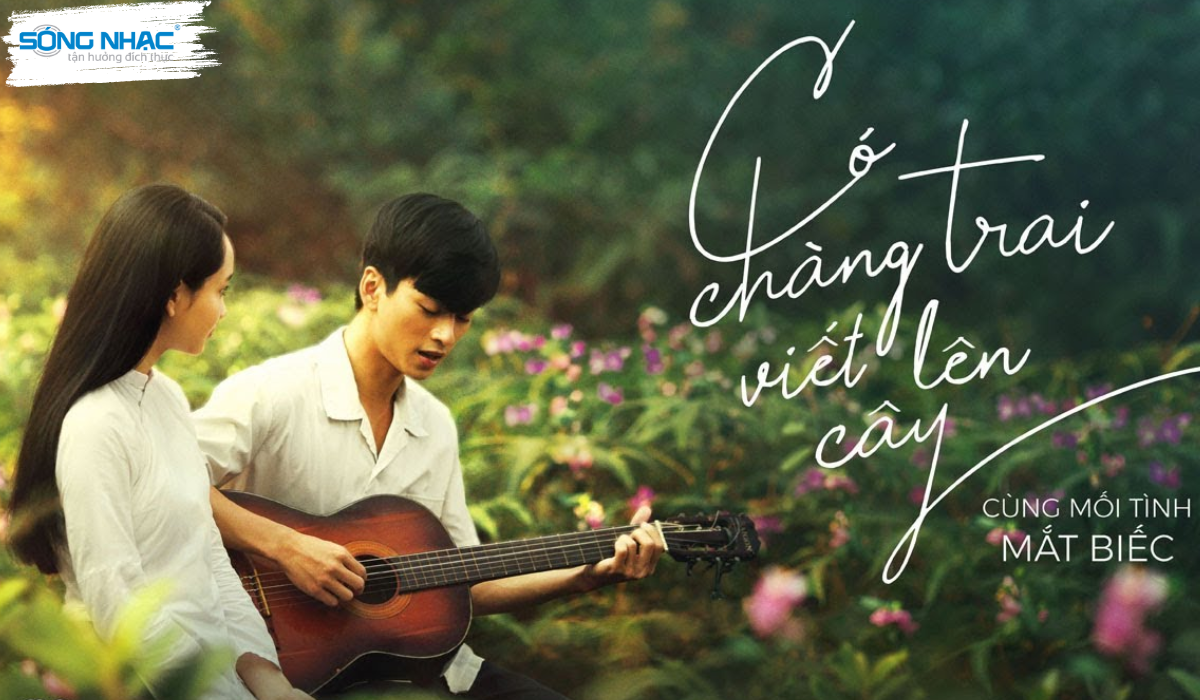
Interestingly, many movie soundtracks continue to thrive long after a film ends. ZNews lists 10 hit movie soundtracks such as:"Farewell to the past", ""A wish to relive old memories", "Where love begins- Those songs continued to be heard decades after the film had faded into oblivion.
Recently, a prime example is the article "Walking amidst the brilliant skyThe song, composed by Ngo Lan Huong, is the theme song for the film of the same name. It was not only praised for its emotional depth but also spread rapidly on social media – with over 53,000 TikTok videos using the song. At that point, the song "escaped the film" to become an independent musical product, performed at numerous events.
In the new soundtrack category, the song ""Alone Here"of the filmUt Lan: The Vengeful Spirit Guarding the Property”Composed by Bui Cong Nam and performed by Bui Lan Huong, the song also exemplifies the "transcendence" of the film. When the film was released, the song was already promoted, creating a media buzz; many viewers sought out the song even before knowing about the film.
The trend of "soundtracks transcending film" isn't limited to traditional films; with the development of web series, web dramas, and streaming, many OSTs (Original Soundtracks) are the original music tracks of a film or television program, released beforehand to pique curiosity and "tease" the film – similar to releasing a music video before its premiere. This is an example of how music and cinema coexist, supporting each other to spread more deeply into the lives of viewers. Therefore, it can be said that film music, when properly positioned, can become an official musical product, leading the market and spreading emotions much more powerfully than when it was only associated with the film.
New trends in movie soundtracks
Film music is no longer just "background music" but is becoming a strategic element in film production - from commissioning custom pieces and reimagining old songs to investing in meticulous arrangements and background music.
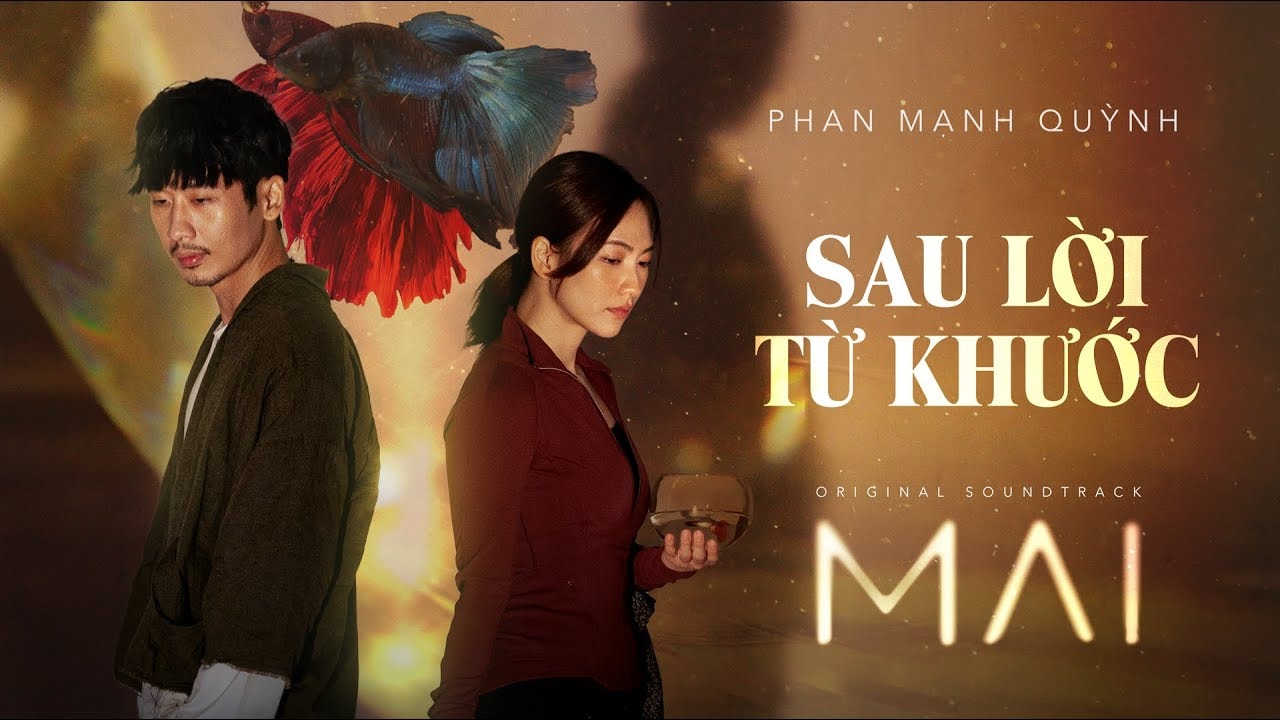
For example, director Trinh Dinh Le Minh once shared with the press that, for television dramas, he often incorporates background music and theme songs alongside scriptwriting, selecting emotionally charged scenes for the music to play appropriately. In Vietnam, film music now not only serves as a "spoken word" for images, but also plays a central role in evoking strong emotions, helping viewers remember each scene.
In the realm of television dramas, the song "Pain amidst peace(movieRed RainThe song was released at the same time as the film, creating a buzz and attracting attention – as viewers enjoyed the film while simultaneously seeking out the song. Film music now doesn't just wait for the film to be released; it's part of the overall marketing strategy.
Collaborating with renowned artists, creating professional music videos for film soundtracks, and performing the original soundtrack (OST) at off-screen events – all of these have become commonplace. Additionally, many films use old, already popular songs to create fresh versions, infusing nostalgia into the film and increasing its recognition. For example, the soundtrack for "Zippo, mustard, and meThey commissioned many new songs but also incorporated familiar background music to create an emotional connection.
Another new trend is the support of digital platforms, social media, and technology. Film soundtracks can now go viral on TikTok, YouTube, Spotify – spreading beyond theaters and television broadcasts. Producers often release original soundtrack songs before the film's release to "test tastes," assess feedback, and adjust their marketing campaigns. The song "Walking amidst the brilliant skyThis is proof: After the OST was released, the song spread rapidly across social media, contributing to attracting viewers to the film.
Along with that, film music production is becoming increasingly professional: Composers not only write theme songs but also compose background music throughout the film, meticulously arranging the music and mastering the sound to suit diverse viewing platforms (TV, theaters, streaming). However, a paradox still exists: many projects commission film music at low prices compared to the effort involved. Composer Xuan Phuong once shared in Thanh Nien Newspaper that he had to study each episode, write dozens of musical pieces, and compare scenes to choose the right music at the right time – a seemingly simple task but extremely arduous. And because of this significant investment, film music is being promoted by filmmakers before the film's release.
Vietnamese film music is gradually taking shape as an independent genre, with systematic and professional investment. Pre-release releases to create buzz and widespread reach through digital platforms, along with the trend of combining with mainstream music, have opened up clear symbiotic value. If continued focus is placed on improving the quality of composition, arrangement, and the consistent use of background music, Vietnamese film music has the potential to reach international standards in the future.