
Urgent efforts are needed to restore sugarcane fields damaged by flooding.
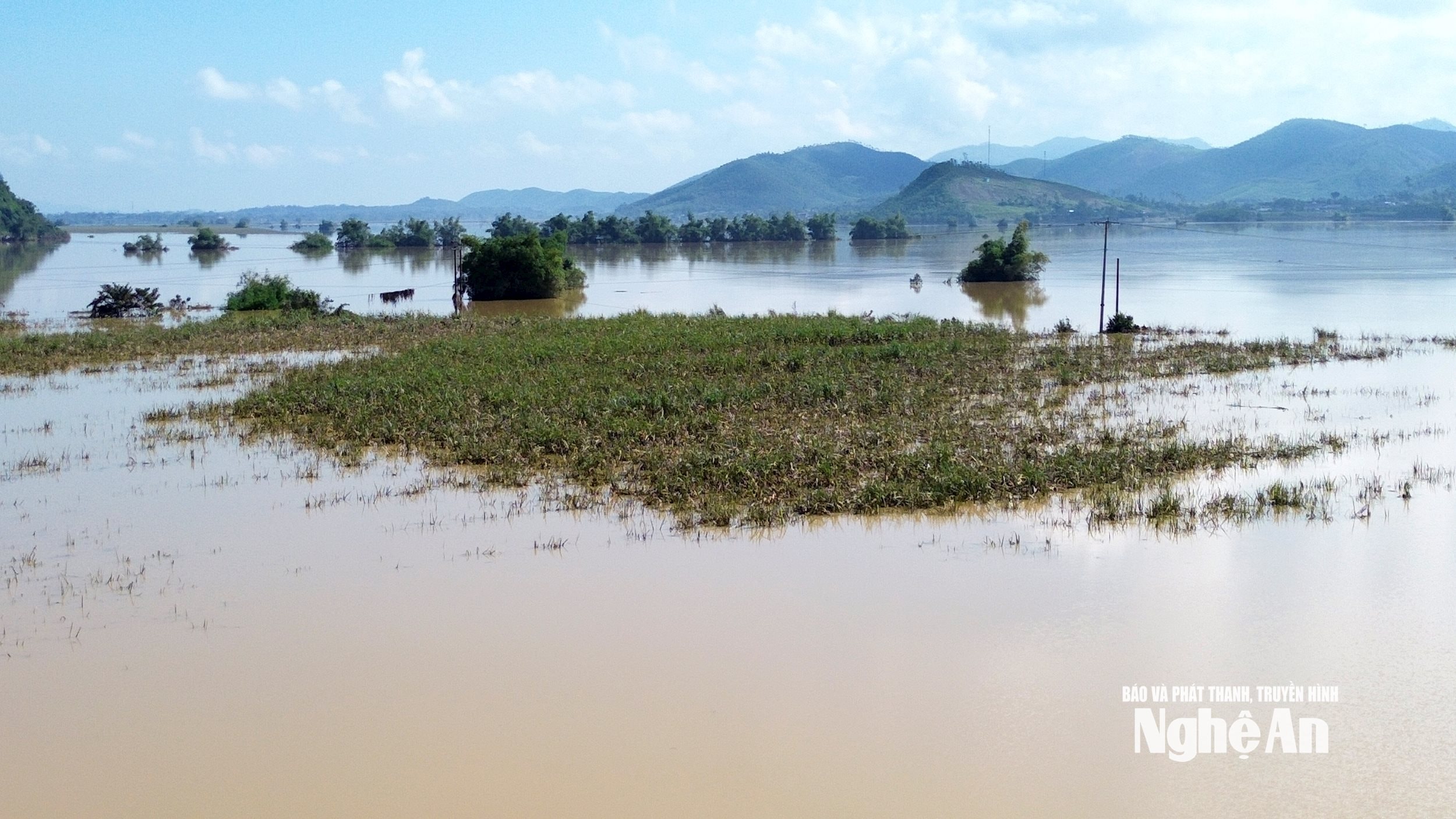
Following the historic floods in early October, the sugarcane growing area of Song Con Sugar Company suffered severe flooding. Hundreds of hectares of sugarcane were submerged in floodwaters for 3-5 days, posing a significant risk to yield. The urgent implementation of measures to restore and care for the flooded sugarcane fields is considered a critical task to ensure a supply of raw materials for the upcoming crushing season.
Sugarcane fields deeply submerged, concerns after the flood.
During the days when the Con River's water level rose, people in the communes of Nghia Dong, Tan Phu, and Tan An could only stand on the banks and watch their lush green sugarcane fields being submerged in the murky water. "This year, the sugarcane is in the stem-growing stage, and prolonged flooding will easily cause root rot and breakage, resulting in a total loss," worried Mr. Nguyen Huu Long from Hamlet 10, Nghia Dong commune. His entire 5 hectares of sugarcane were deeply submerged, with many areas inaccessible for reinforcement and drainage.
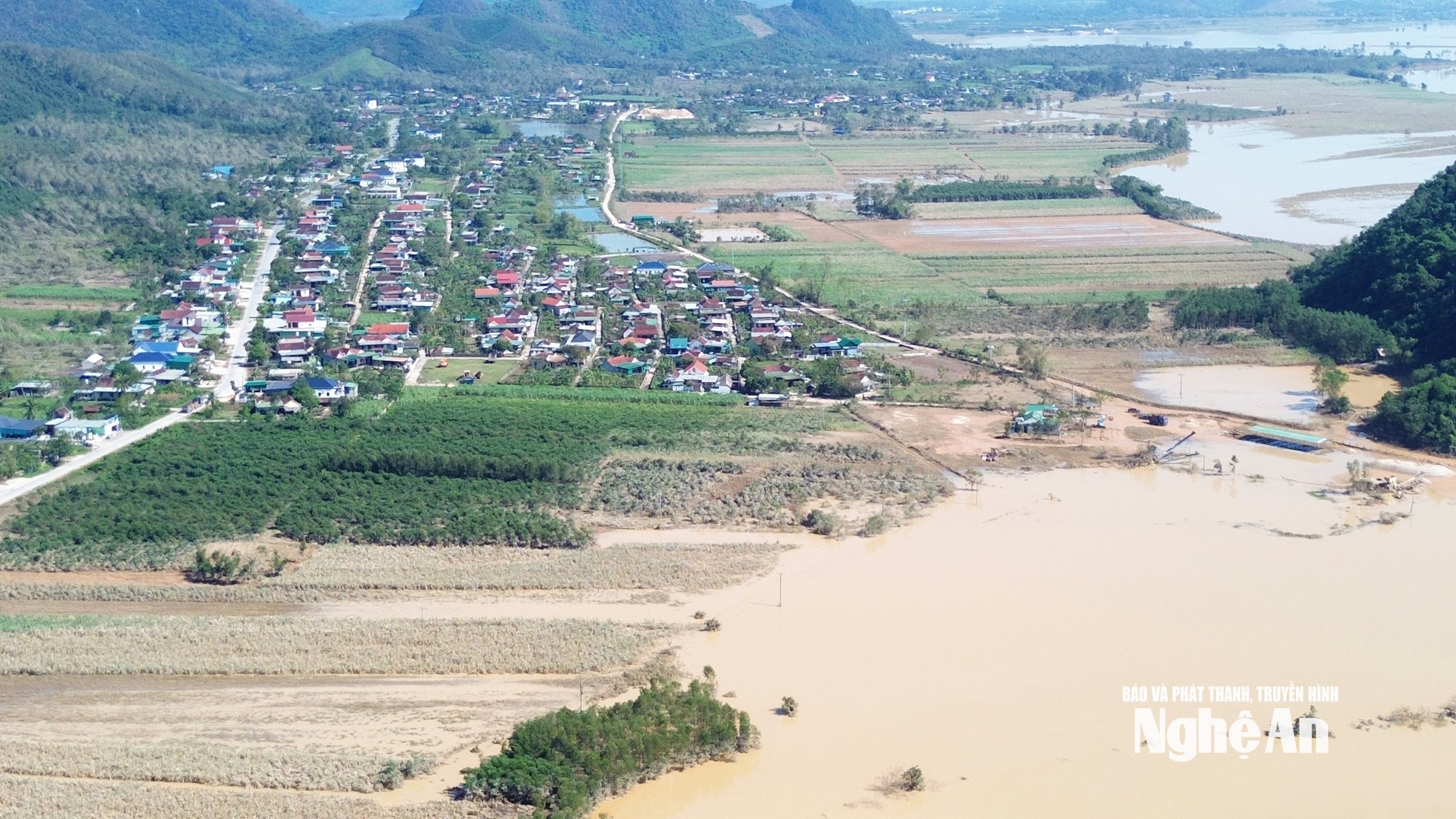
According to sugarcane farmers, the Con River has never risen so quickly and so high. In just one night, the entire sugarcane-growing area along the riverbank was submerged, in some places more than 2-3 meters deep. When the water receded, the sugarcane stalks were covered in gray mud, drooping and wilting, with many roots beginning to rot. The fields, once a vibrant green symbolizing hope, are now left desolate, burdened by the worry of crop failure.
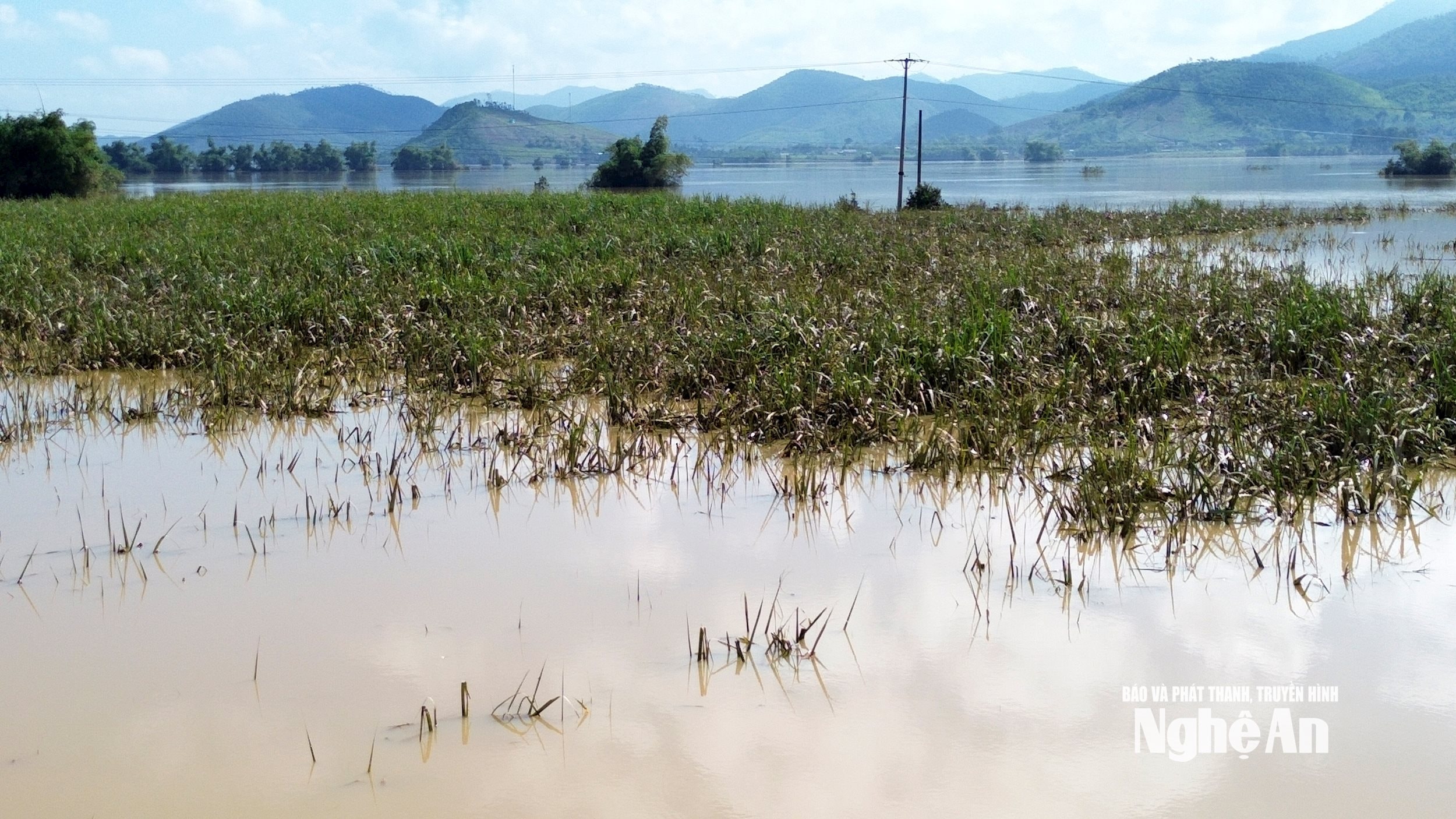
According to data from Song Con Sugar Corporation, the recent flood submerged 1,058 hectares of sugarcane, including 749 hectares completely submerged and 185 hectares flattened. Areas submerged for extended periods not only reduce yield but also significantly affect sugar content, a key factor determining the value of the raw material. When waterlogged, sugarcane plants develop many secondary roots, reducing photosynthesis, accumulating less sugar, and are even prone to widespread breakage and collapse.
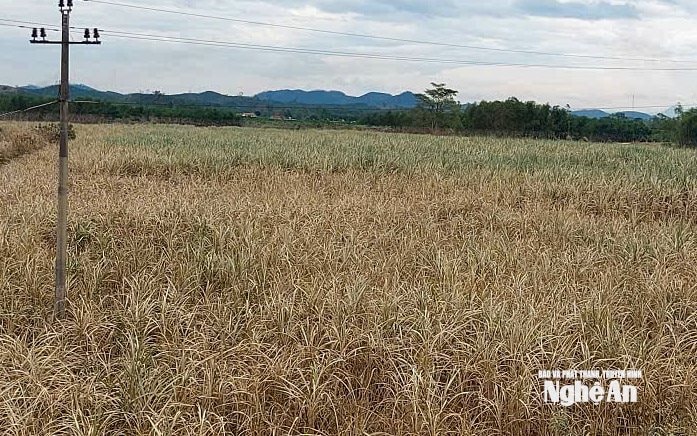
Efforts to save sugarcane after flooding.
Immediately after the floodwaters receded, Song Con Sugar Company sent technical staff to each area to guide farmers in overcoming the problem. Mr. Nguyen Ba Quy, Deputy Director of the company, said: “The first and most important measure is to drain the water thoroughly. We must clear the ditches, dredge the canals, and prevent water from accumulating in the fields for too long. In low-lying areas, we should use pumps to drain the water quickly.”
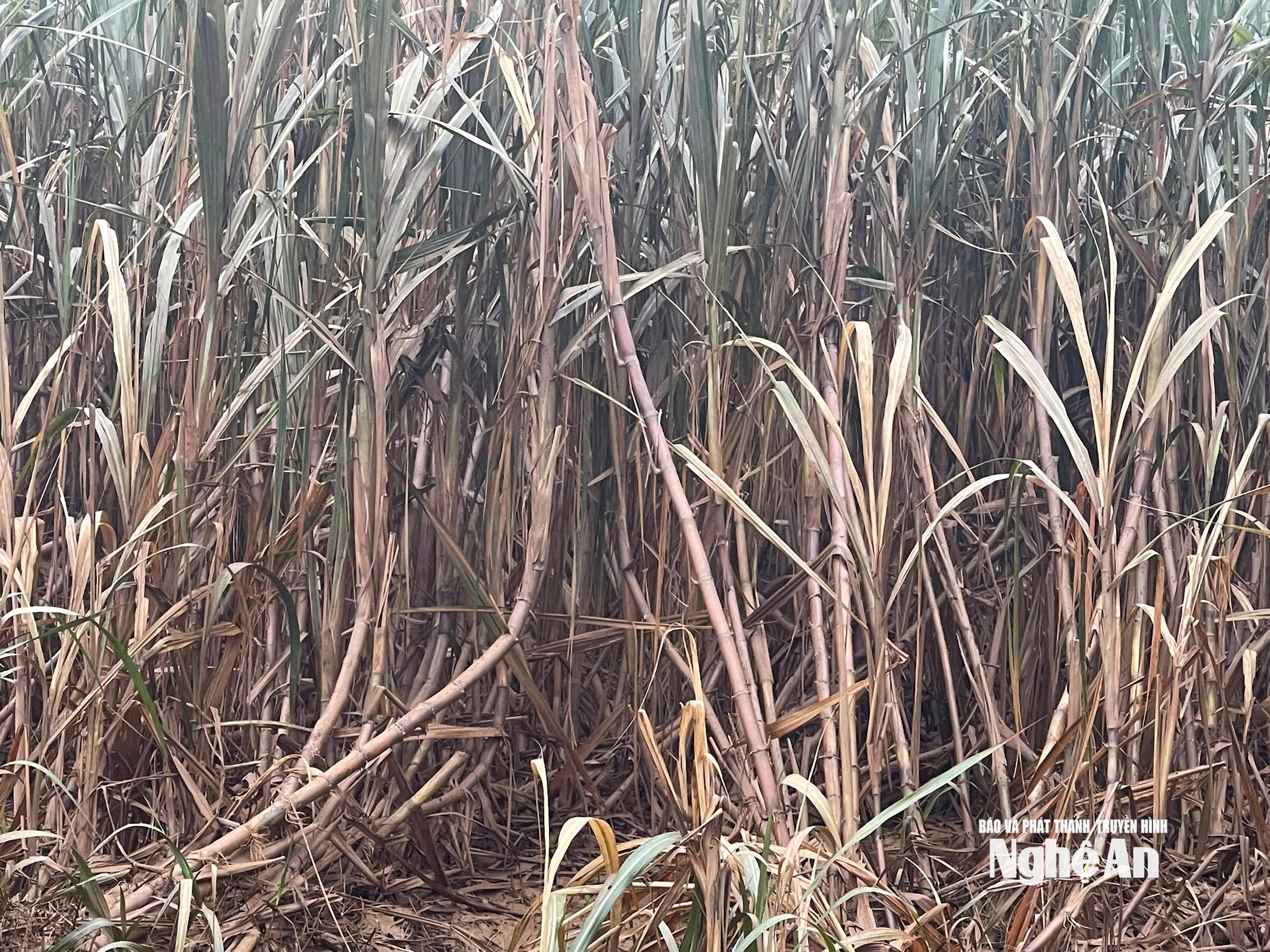
When the fields are dry, farmers need to lightly till the soil, breaking up the surface crust to increase aeration for the roots. For soil-damaged roots, they can supplement with lime powder or wood ash (30-50 kg/acre) to disinfect, limit fungal diseases, and stimulate new root growth. At the same time, clean the fields, remove old leaves, and clear weeds to prevent pests and diseases, especially whiteflies - a pest that thrives in humid conditions.
For areas where sugarcane has been flattened, farmers should re-erect, temporarily tie, or lightly support the plants in the first few days to help them stand upright and continue photosynthesis. After 7-10 days, when the sugarcane shows signs of recovery (new leaves turn green again, new roots grow), a balanced fertilizer should be applied, dissolving it in water and irrigating evenly around the base of the plants. During the internode elongation stage, the amount of potassium should be increased to enhance sugar content later on.
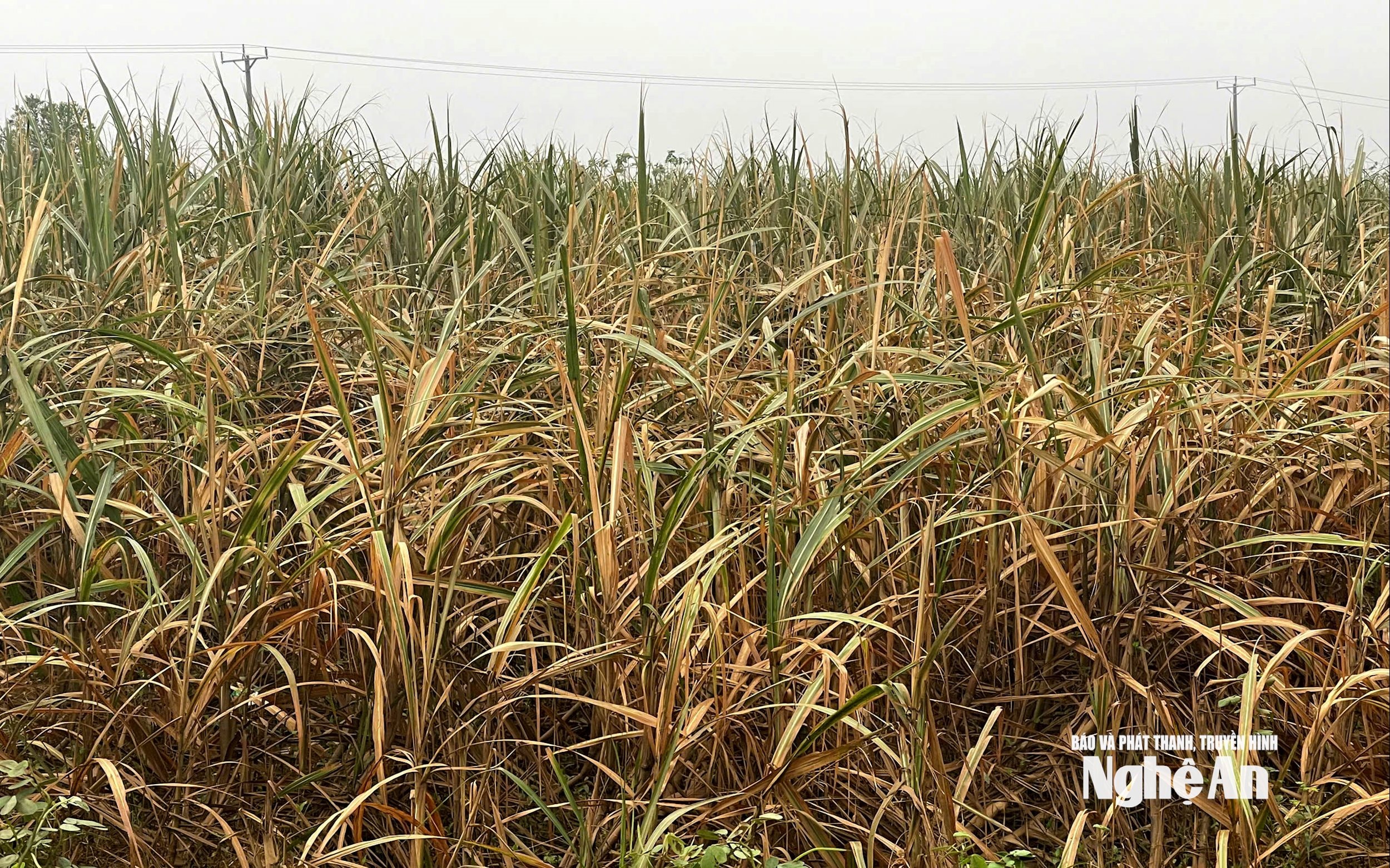
Flooding not only causes root rot and root death but also washes away nutrients, leading to deficiencies in nitrogen, phosphorus, and potassium. Therefore, timely and effective recovery through proper care is crucial. "If treated early, sugarcane can recover 60-70% of its original yield within 10-15 days after flooding. However, if treatment is delayed, root rot will spread, the plants will become exhausted, and the damage will be irreversible," Mr. Quy warned.
Sugarcane is a strategic crop in the former Tan Ky region, providing stable income for thousands of households and serving as the main raw material for the Song Con Sugar Factory. Each crushing season requires hundreds of thousands of tons of sugarcane, so any fluctuations in the fields directly impact production plans.
According to the company representative, they are coordinating with local authorities to organize awareness campaigns and guide farmers on how to recognize early signs of root rot, stem borers, whiteflies, etc., in order to ensure a stable and sufficient supply of raw materials for the next crushing season.
Many households said that despite heavy losses, they would not abandon their fields. “Sugarcane is the livelihood of my family. No matter how hard it is, we must restore it for the next crop,” shared Mr. Nguyen Huu Long, a sugarcane farmer in Nghia Dong commune. This spirit of staying rooted in the fields and not giving up on sugarcane is spreading throughout the region, becoming a driving force for reviving the fields after the natural disaster.
Sugarcane farmers suggest that, after addressing the damage, the local authorities should re-plan the drainage system, upgrade the field embankments, and expand the irrigation canals. Regarding varieties, businesses should gradually switch to types that are resistant to both waterlogging and drought.
Sugarcane is a highly resilient crop if properly cared for. However, to "reclaim the sweet harvest" after flooding, we cannot rely solely on nature; a coordinated effort from farmers, businesses, and the government is needed. Along with the application of technology, investment in drainage systems and accurate weather forecasting will help sugarcane growers be more proactive in the face of increasingly severe climate change.
Sugarcane is a strategic crop in the communes of the former Tan Ky district, providing a stable source of income for thousands of farming households. However, natural disasters and flooding always pose potential risks. Therefore, along with the proactive efforts of the people, the involvement of the government and businesses is a key factor in maintaining the stability and sustainability of the sugarcane growing area. Proper care after flooding not only saves the sugarcane plants but also saves an entire sugar harvest, a season of hope for sugarcane growers.
Xuan Hoang