
Notes: The "fire-lighter" at the border outpost
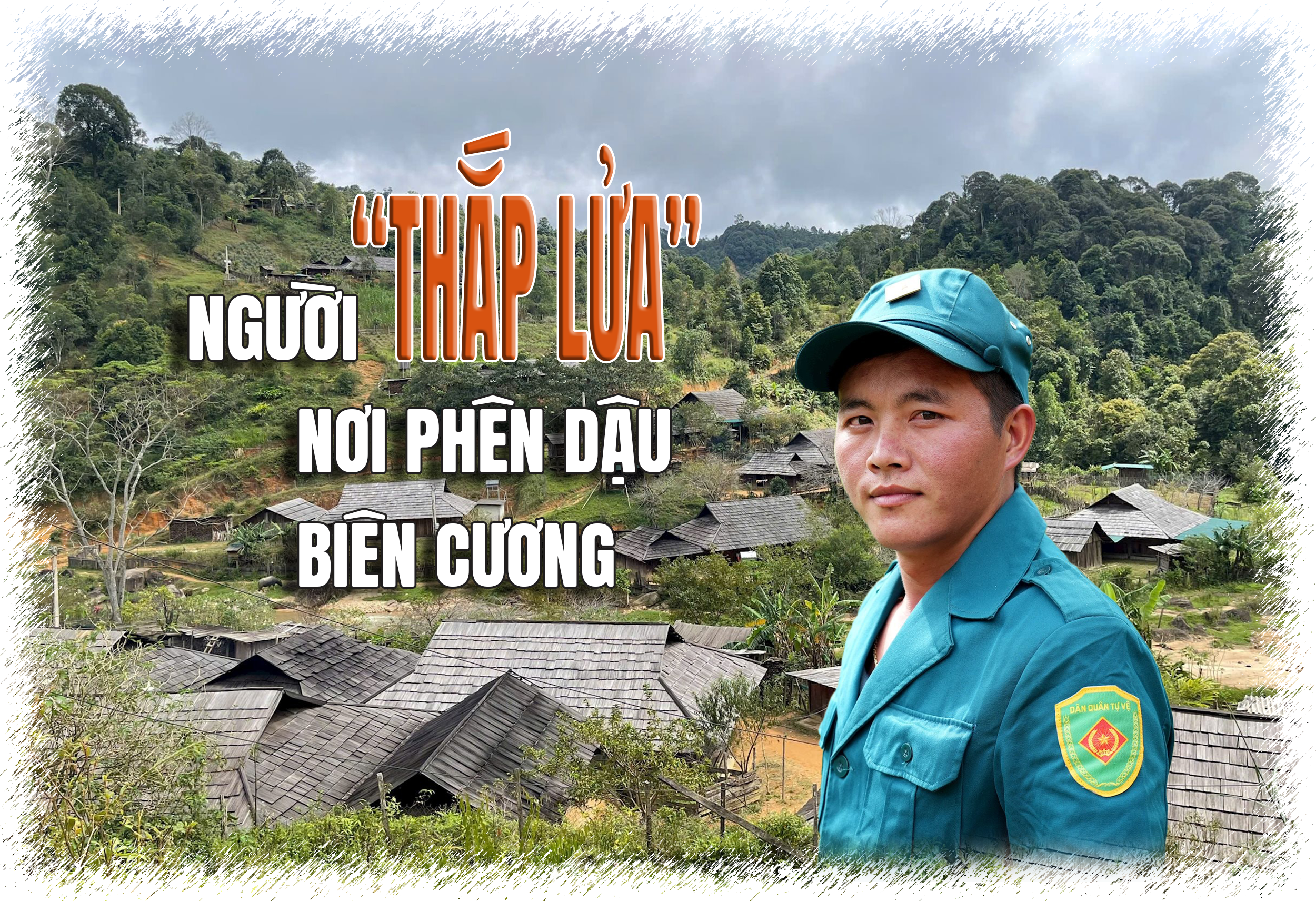
Thò Bá Của, a young Hmong man from Huồi Mới village, Tri Lễ commune (formerly Quế Phong district), Nghệ An province, once dreamed of becoming a teacher to bring literacy to his village. However, after completing his military service, he chose a different path: he donned the militia uniform, contributing to igniting a sense of responsibility and spreading the movement to protect the border and boundary markers of his homeland.
Tien Dong /Technique:Hong ToaiOctober 14, 2025
Thò Bá Của, a young Hmong man from Huồi Mới village, Tri Lễ commune (formerly Quế Phong district), Nghệ An province, once dreamed of becoming a teacher to bring literacy to his village. However, after completing his military service, he chose a different path: he donned the militia uniform, contributing to igniting a sense of responsibility and spreading the movement to protect the border and boundary markers of his homeland.
----------

Born in 1997 amidst the border mountains, Tho Ba Cua – a Hmong boy from Huoi Moi village, Tri Le commune (formerly Que Phong district) – once harbored the dream of becoming a teacher to bring literacy to his village. After graduating from high school, Cua bid farewell to his family and went to Vinh to study Primary Education at Nghe An College of Education (now Nghe An University).
During those years, the young man from the border region worked part-time while studying to support himself. Cua never gave up the idea that he had to study hard so that he could return later to teach children in his hometown.
However, life sometimes takes unexpected turns. In 2020, after graduating from college and returning to his hometown, Tho Ba Cua made a decision that surprised many: he temporarily set aside his dream of becoming a teacher to enlist in the army.
"I believe that in order to teach students to love their country, we ourselves must first understand and experience the values involved in defending the nation."
Tho Ba Cua
During his basic training, Cua gradually became accustomed to waking up at 4 a.m., marching and field exercises under the scorching sun, carrying backpacks weighing dozens of kilograms, climbing hills, traversing forests, and wading through streams. Nights of tactical training, digging trenches in the cold rain and biting wind caused his hands to blister and his legs to ache, but Cua never complained. After his training, he was assigned to the 414th Engineering Brigade (Military Region 4) and stationed in Quang Tri, a steadfast and loyal land.
The military environment transformed the gentle Hmong student teacher into a resilient, courageous, and highly responsible soldier. Thò Bá Của not only honed his combat skills but also matured in his thinking, character, and patriotism, preparing him for the great journey ahead.
After completing his military service and returning home, many thought he would find a stable job, perhaps continuing his teaching career. But Thò Bá Của chose a different path, one that was neither easy nor comfortable, but full of challenges and meaning: participating in the defense of his homeland's borders.
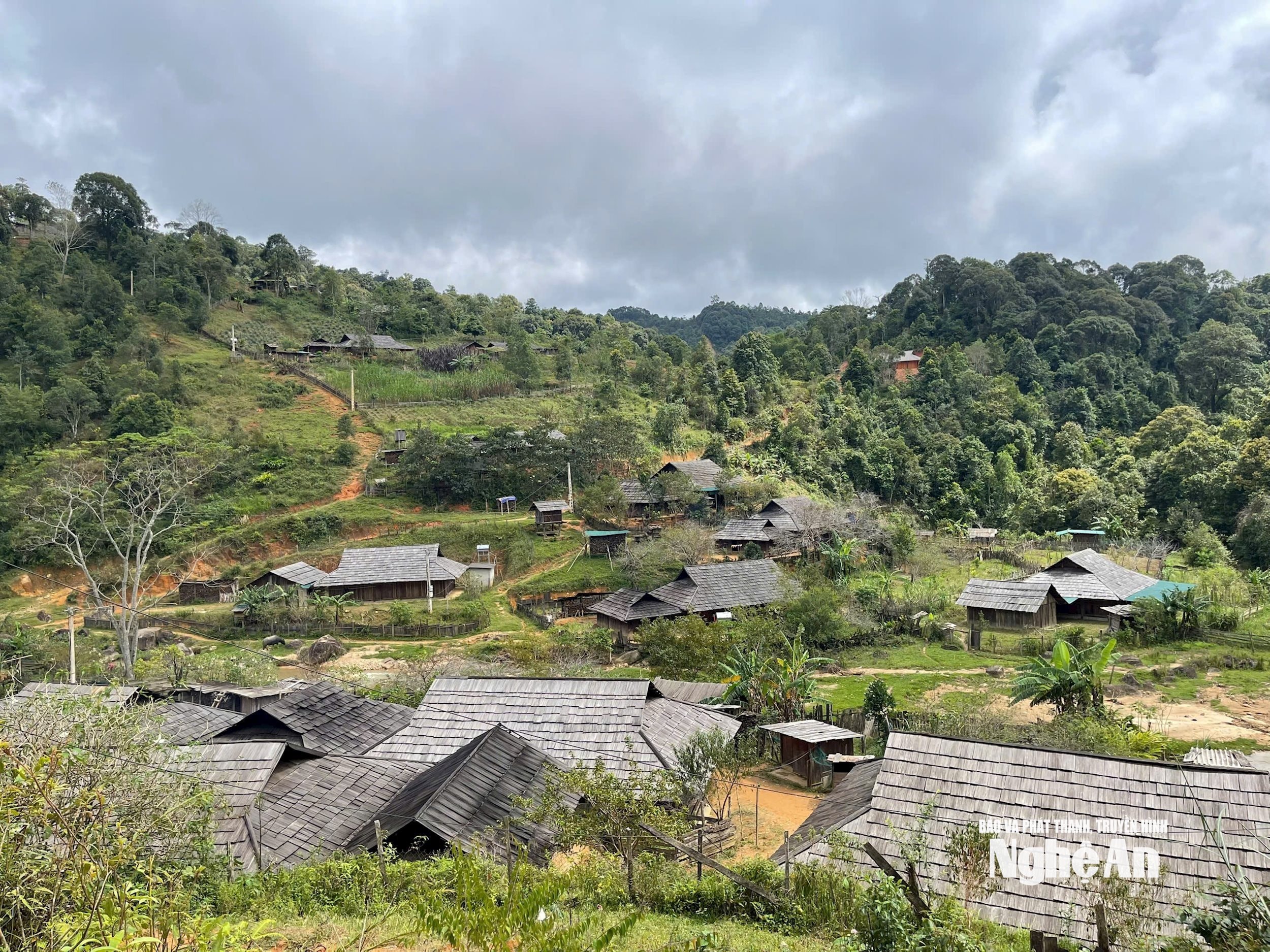
Recognizing that Huoi Moi village is located close to the border and faces many potential complexities, he understood that protecting sovereignty is not only the responsibility of the Border Guard force, but also the responsibility of every citizen in the border region. With the trust of the Party committee, the government, and the people, and thanks to his exemplary spirit, prestige in the community, and military experience, Tho Ba Cua was elected as the Village Militia Commander of Huoi Moi village. This is not just a title, but a heavy responsibility to bear in this challenging border region.
.jpg)

Tri Le is a large border commune, formed by the merger of the former Tri Le and Nam Nhoong communes of Que Phong district. The entire commune has 18.53 km of border with Laos and 8 border markers, but the village of Huoi Moi, where Cua lives, alone has over 15 km of border and 6 border markers – a significant number for a highland village. This means immense pressure on the task, especially since the border is closely linked to territorial security, preventing illegal border crossings, drug trafficking, and illegal migration…
After being appointed as the village militia leader of Huoi Moi village in 2022, Tho Ba Cua quickly got to work. He enthusiastically participated in all village activities, proactively connecting with the Tri Le Border Guard Post, the commune police, and other organizations to build a movement to protect the border and boundary markers.
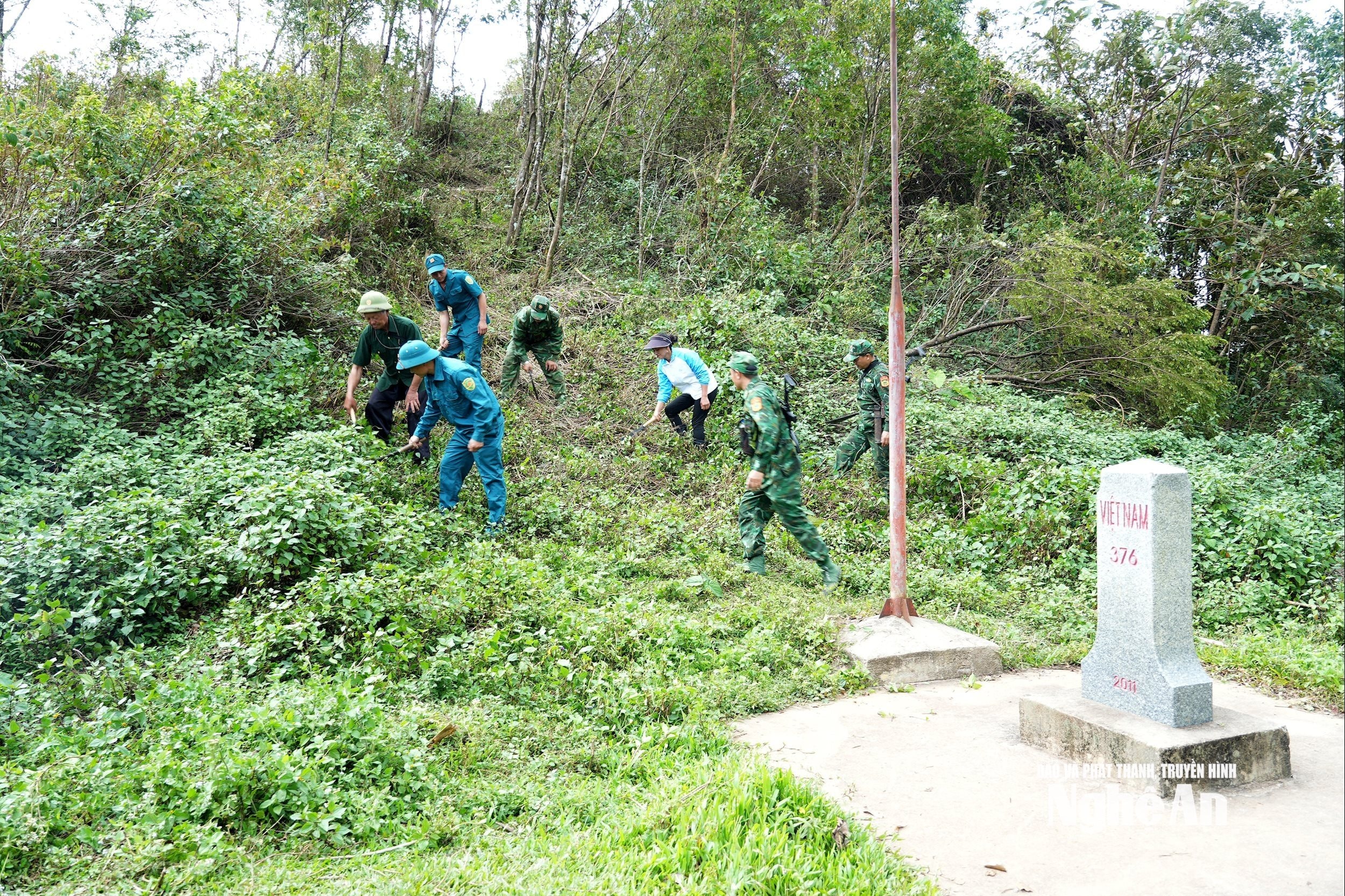
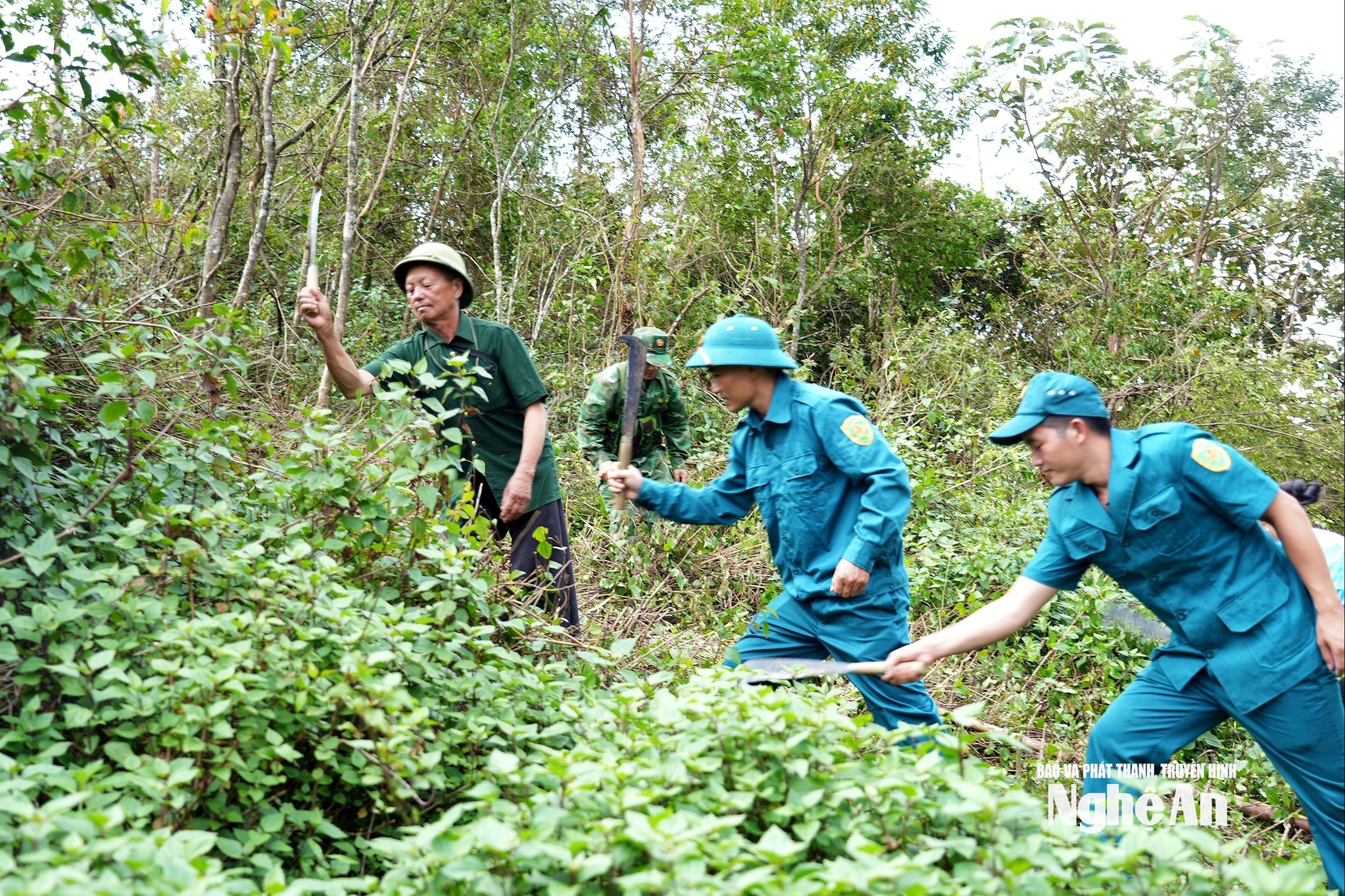
Without waiting for anyone to remind him, he went from house to house campaigning, explaining to the villagers the significance of the border and boundary markers; calling on young people to join the militia; and encouraging women and the elderly to participate in community activities. Thanks to his efforts, he successfully persuaded all 149 households in the village to sign a commitment to protect the Vietnam-Laos border markers.
But for Tho Ba Cua, commitment couldn't just remain on paper. He collaborated with the Tri Le Border Guard Post, the police, the village management board, and other organizations to hold 48 legal awareness sessions on border issues. Cua's enthusiasm and exemplary spirit breathed new life into Huoi Moi village. Previously sparsely attended movements became vibrant; tasks once considered "government responsibility" became "village and individual responsibility"; and from there, Tho Ba Cua's journey of "igniting the flame" to protect border sovereignty began to spread strongly.
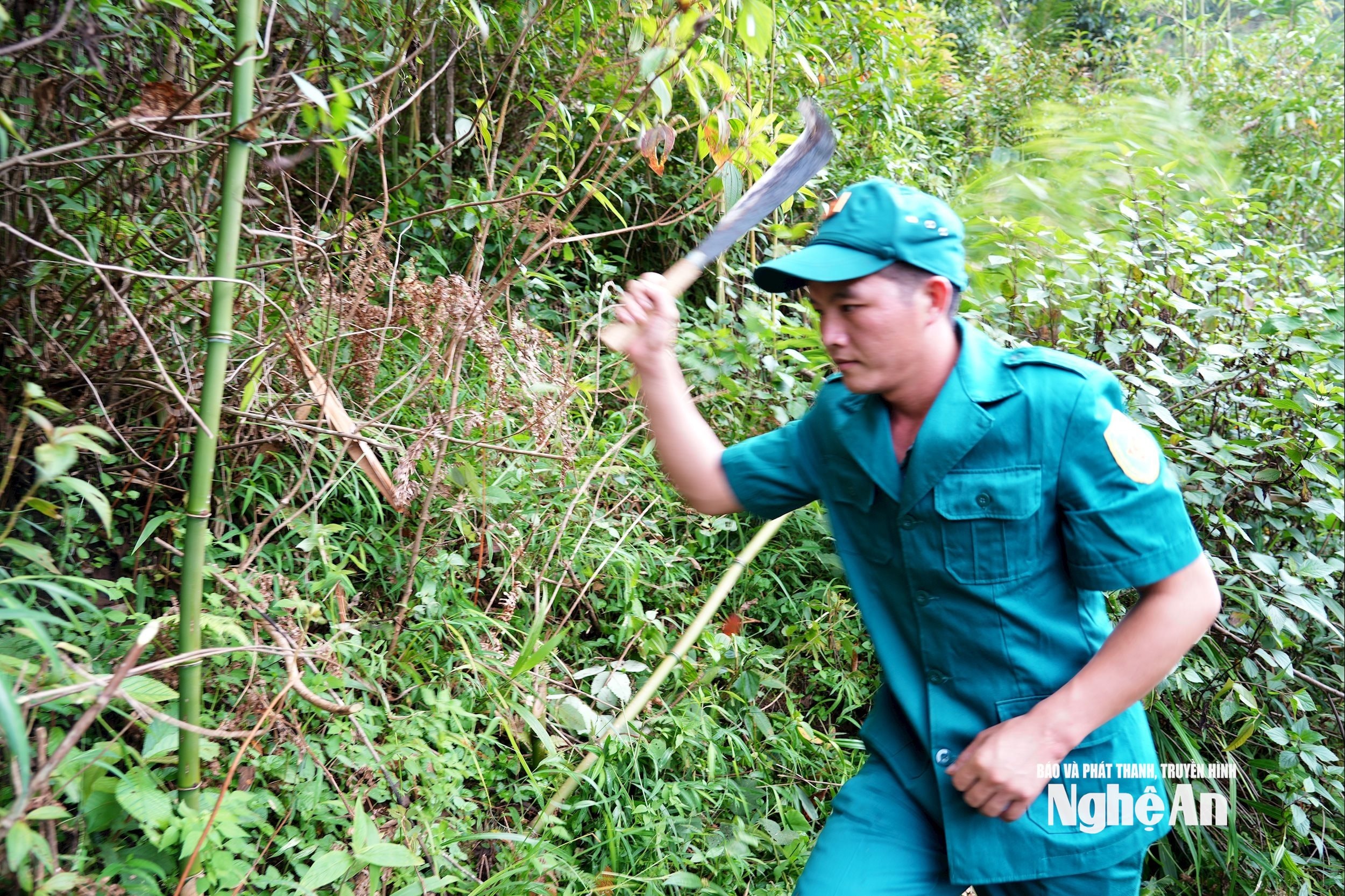
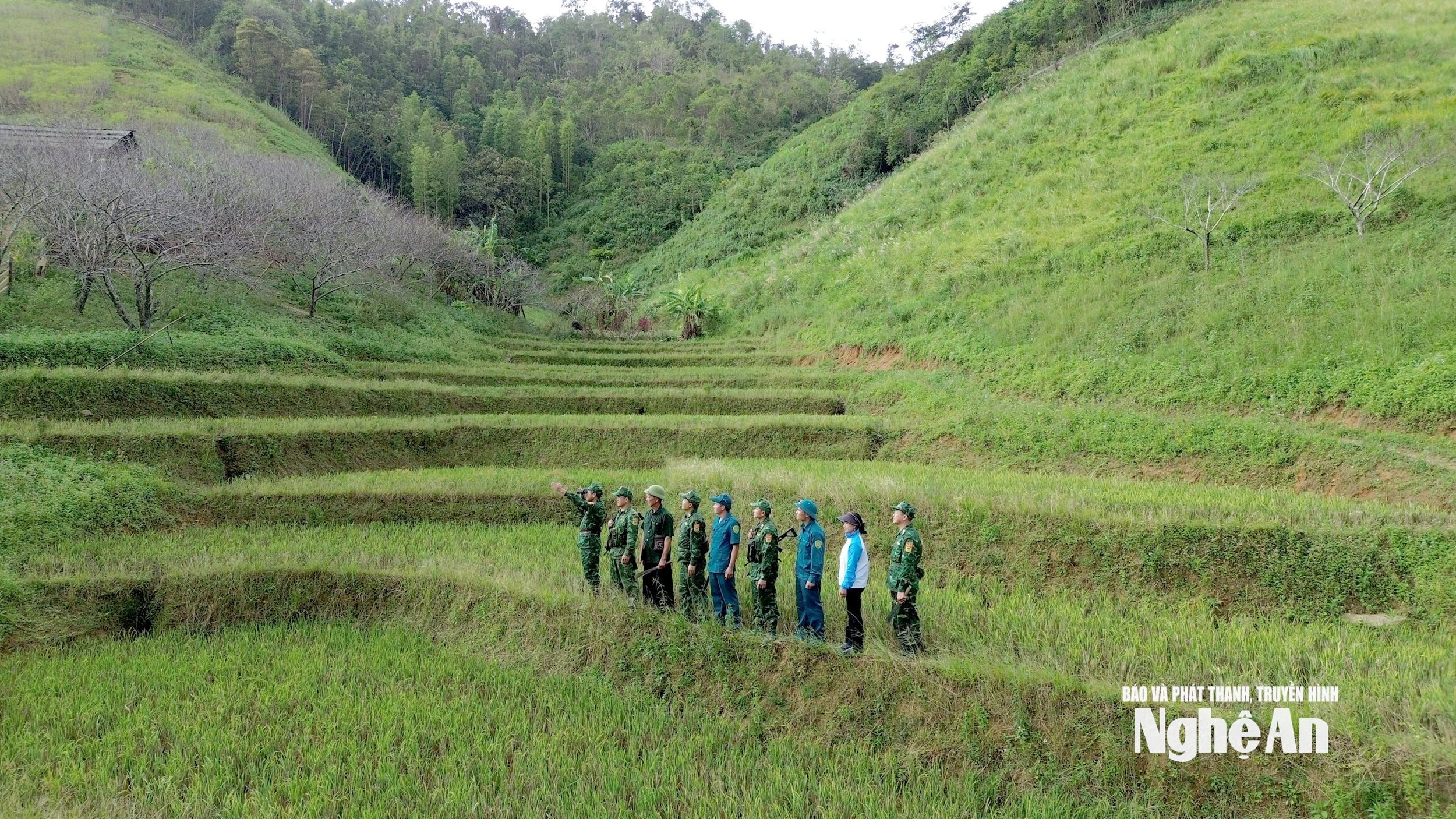
Not just with words, Tho Ba Cua acted with his feet and hands. In his short time as Village Team Leader, Cua mobilized 288 villagers to participate in caring for, cleaning, and clearing the area around the border marker, helping them understand the sacred value of every inch of borderland.
After each storm, the trees grow dense, the reeds and bushes grow taller than a person's head, many sections of the road to the border are eroded, muddy and slippery, and sometimes one has to cling to rocks or use vines to climb. But he never once faltered. "No matter how difficult it is, we must go, because protecting the border markers and keeping the border clean and clear is a sacred duty" – Cua's simple but proud words are the motivation that keeps everyone ready to keep going.
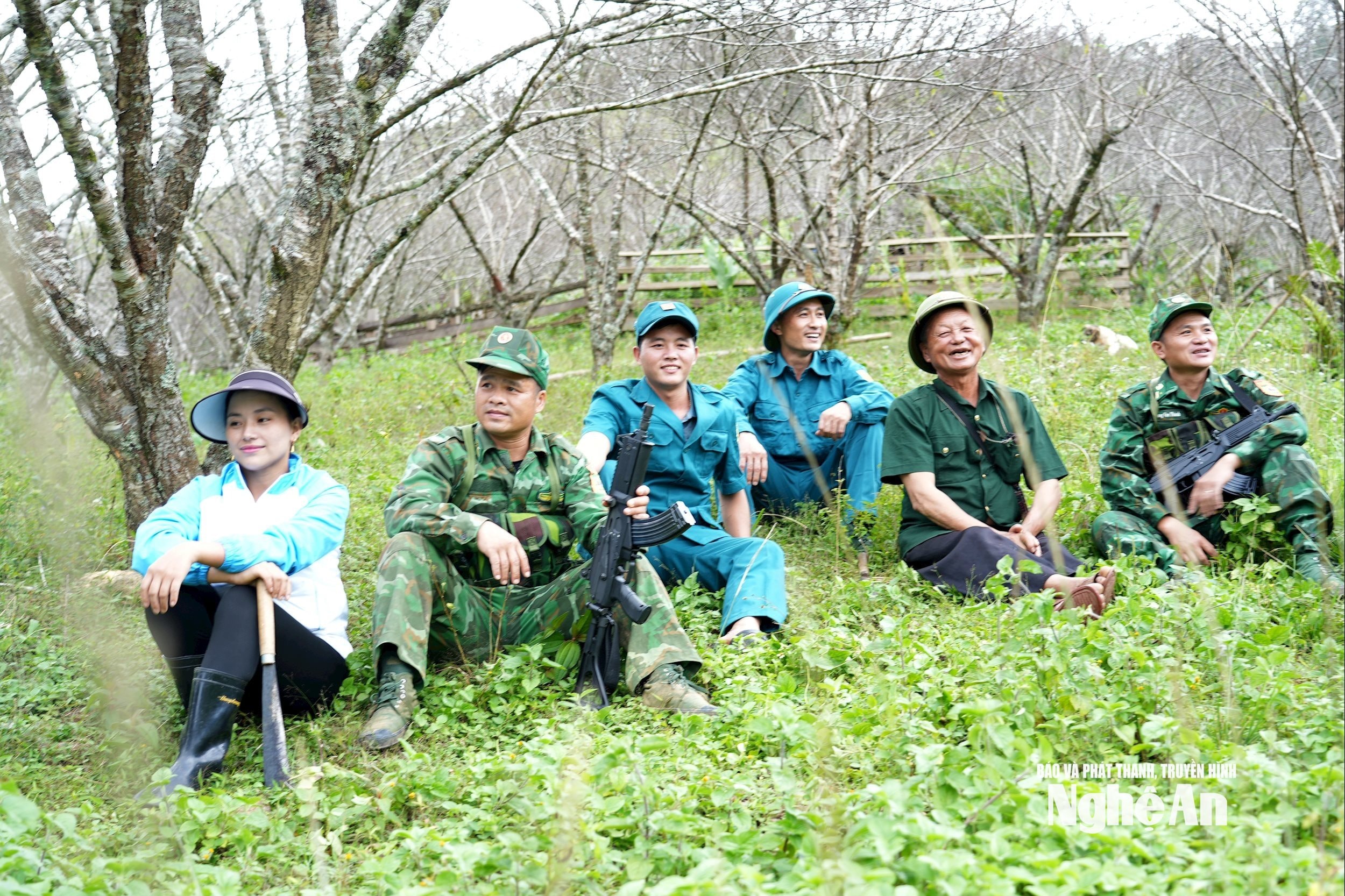
Recently, we had the opportunity to accompany the soldiers of the Tri Le Border Guard Post, along with the militia and people of Huoi Moi village, in cleaning and clearing the border and boundary markers after the rainy season. The road to the border during this season is very difficult, with many steep, slippery slopes and overgrown vegetation blocking the way; we had to use machetes to clear each path. But what truly surprised us was the enthusiasm of the people. From young men to women, and even the elderly in the village, everyone eagerly rolled up their sleeves and pitched in.
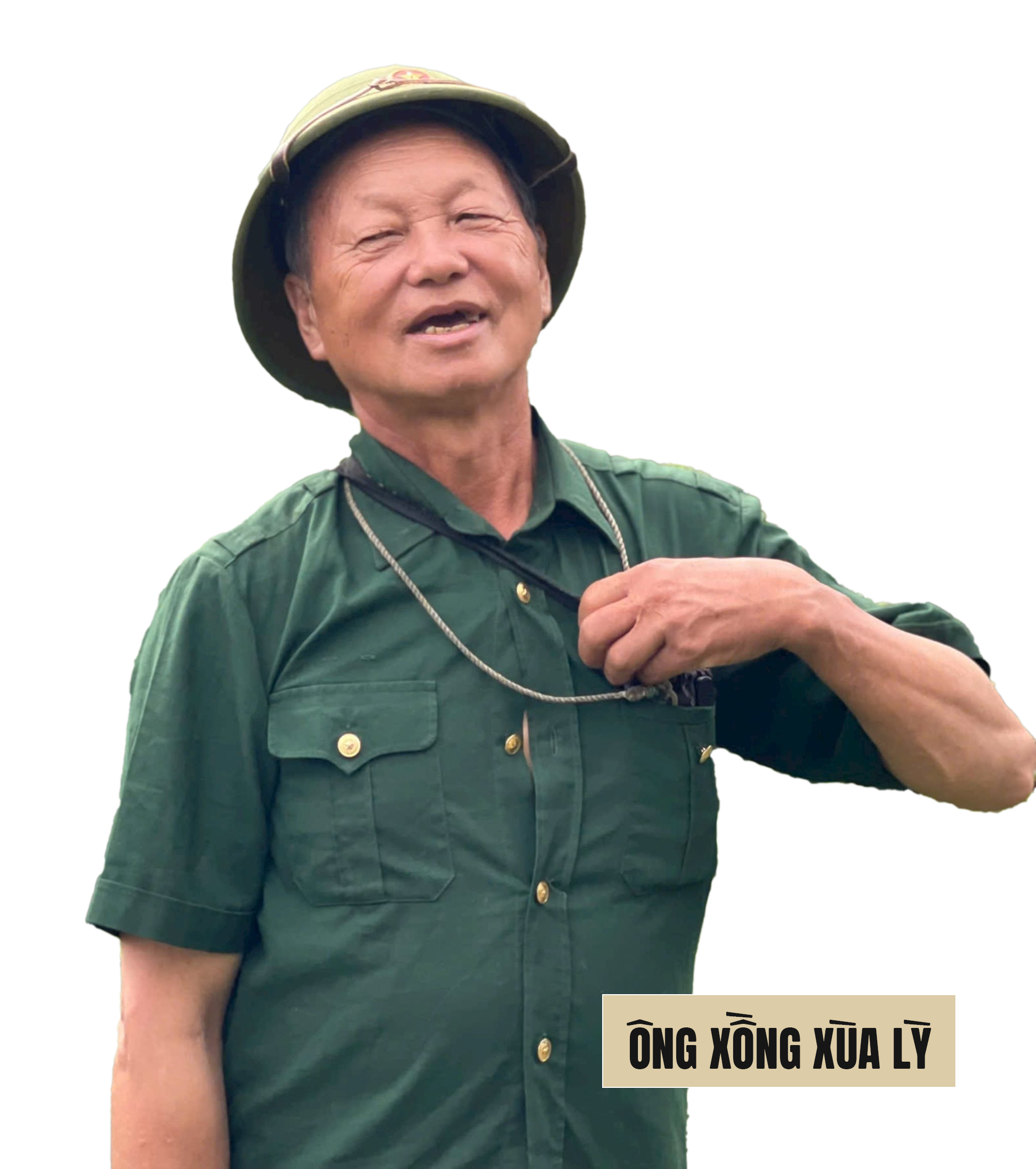
Mr. Xong Xua Ly, over 80 years old, lives in Huoi Moi village and is the oldest person in the group. His fields are located near border marker 376. Despite his advanced age, when his nephew Cua informed him that he needed to clear the border and the border marker, he immediately grabbed his machete and went. Watching Mr. Ly's nimble steps and strong arms wielding the machete to cut through the overgrown branches blocking the path, everyone was filled with admiration.
When asked about his feelings after each time he participated in protecting and cleaning the border and boundary markers, Mr. Ly just laughed heartily – "My whole life has been connected to this land, to every border and boundary marker. Taking care of the border and boundary markers with the villagers and the Border Guard soldiers is a sacred duty, and as long as I have the health, I will continue to participate." His words made the younger generation even more aware of their responsibility to their homeland.
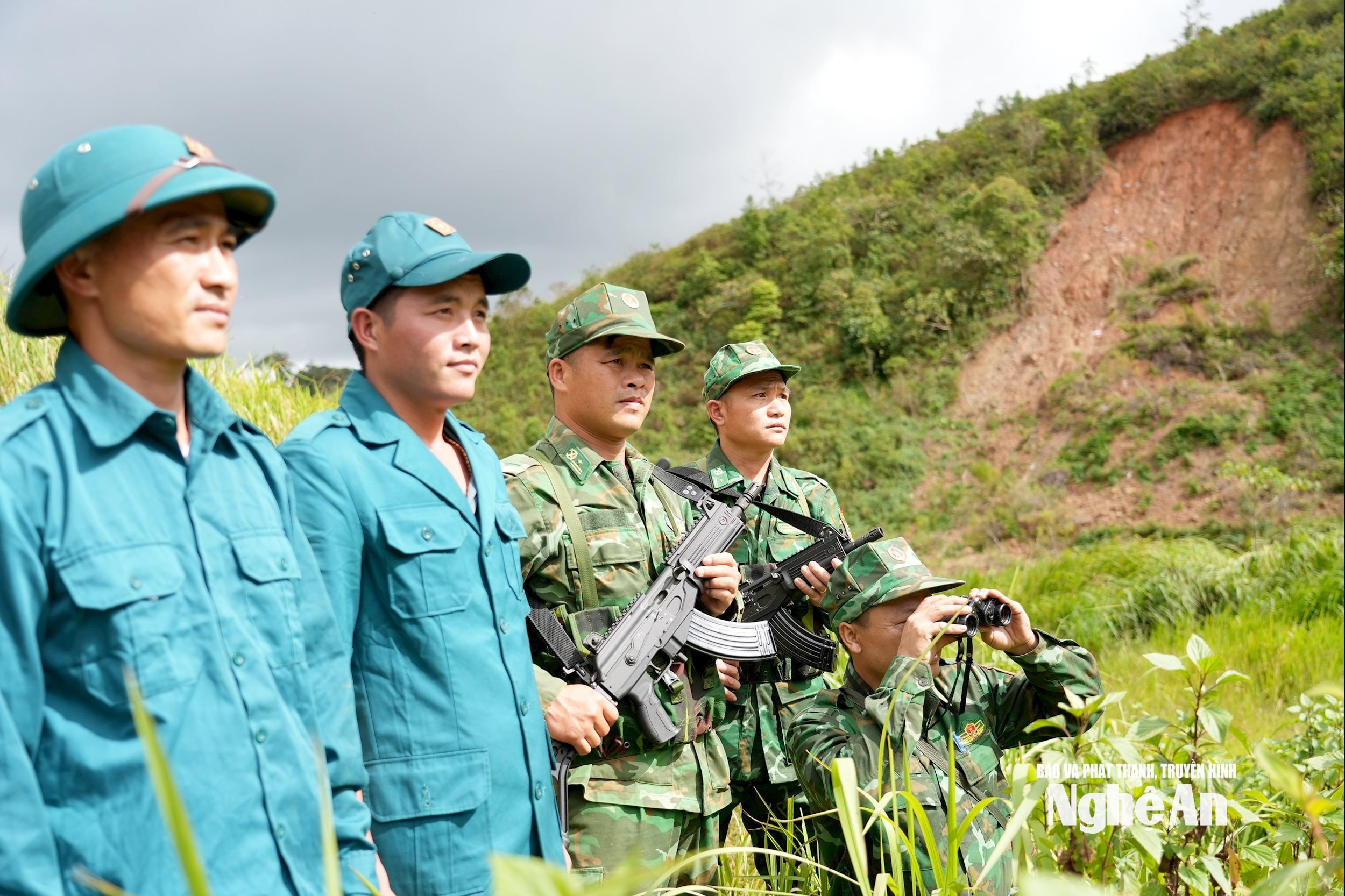
Besides maintaining and cleaning the border markers, Tho Ba Cua also directly participates in coordinating border patrols with the Border Guard force, promptly detecting and handling acts of damage to the border markers.
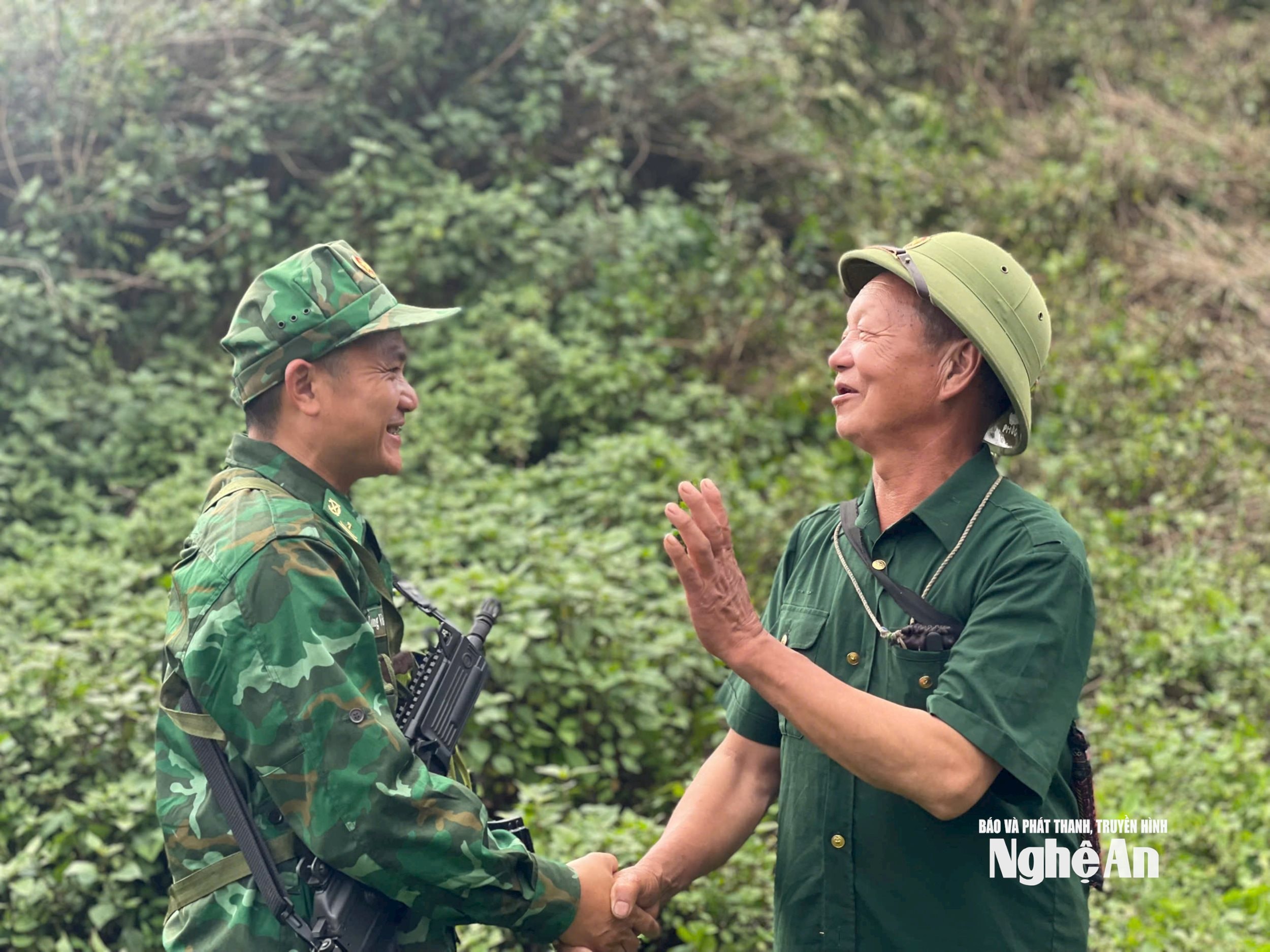

What sets Thò Bá Của apart is his approach to community outreach, delivered with the heart of a passionate young man. He integrates propaganda into village meetings and clan gatherings. He encourages his Hmong compatriots not to participate in or abet illegal activities in the border area. He regularly informs the local authorities about the situation in his village. He also reminds everyone to maintain the solidarity and friendship between Vietnam and Laos, especially with the people of Đèn Đín village, Phăn Thoong cluster, Mường Quắn district, Hủa Phăn province – on the other side of the border. Because he understands that "protecting the border is not just about fences, but about the human connection between the two sides."
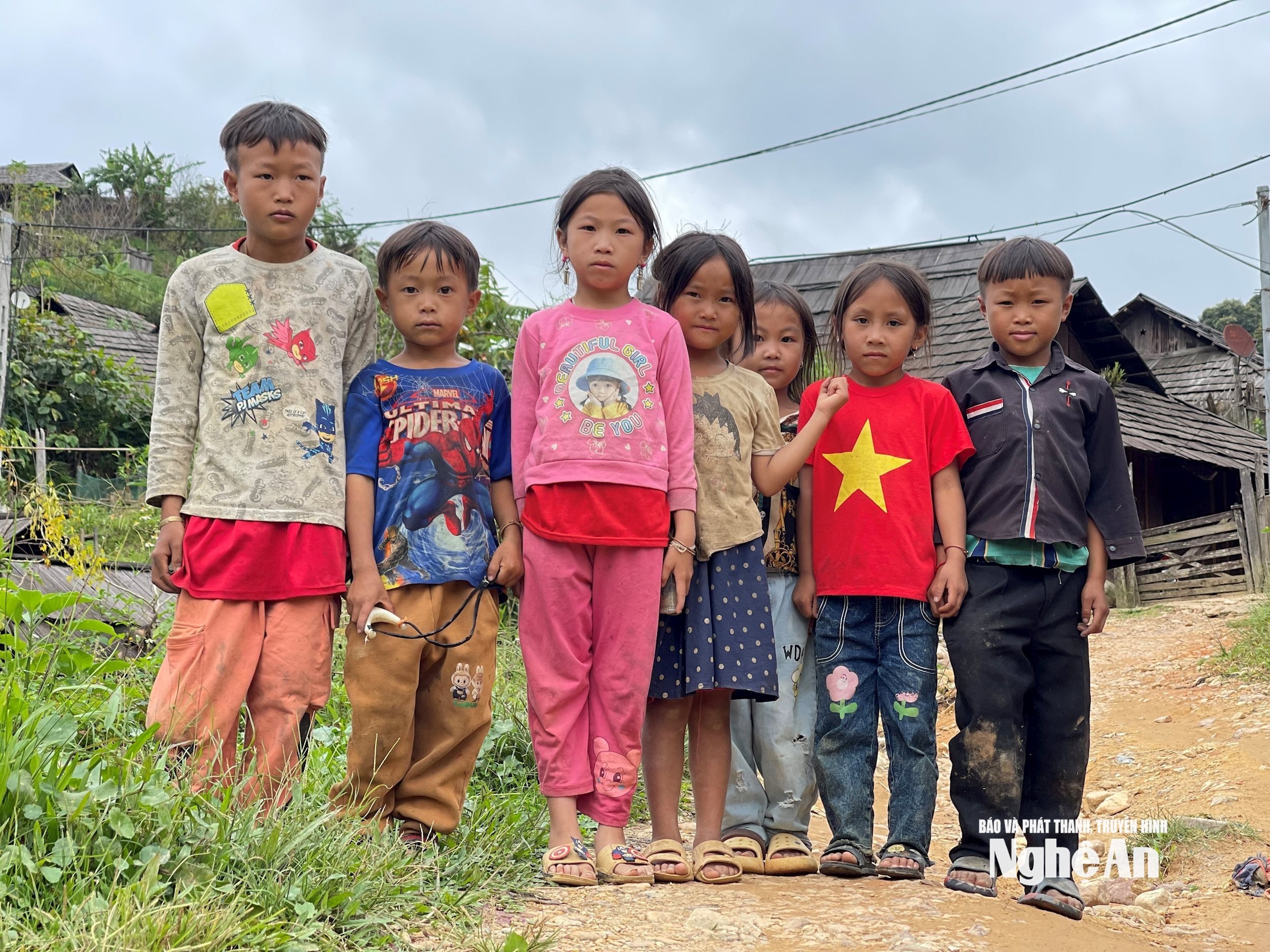
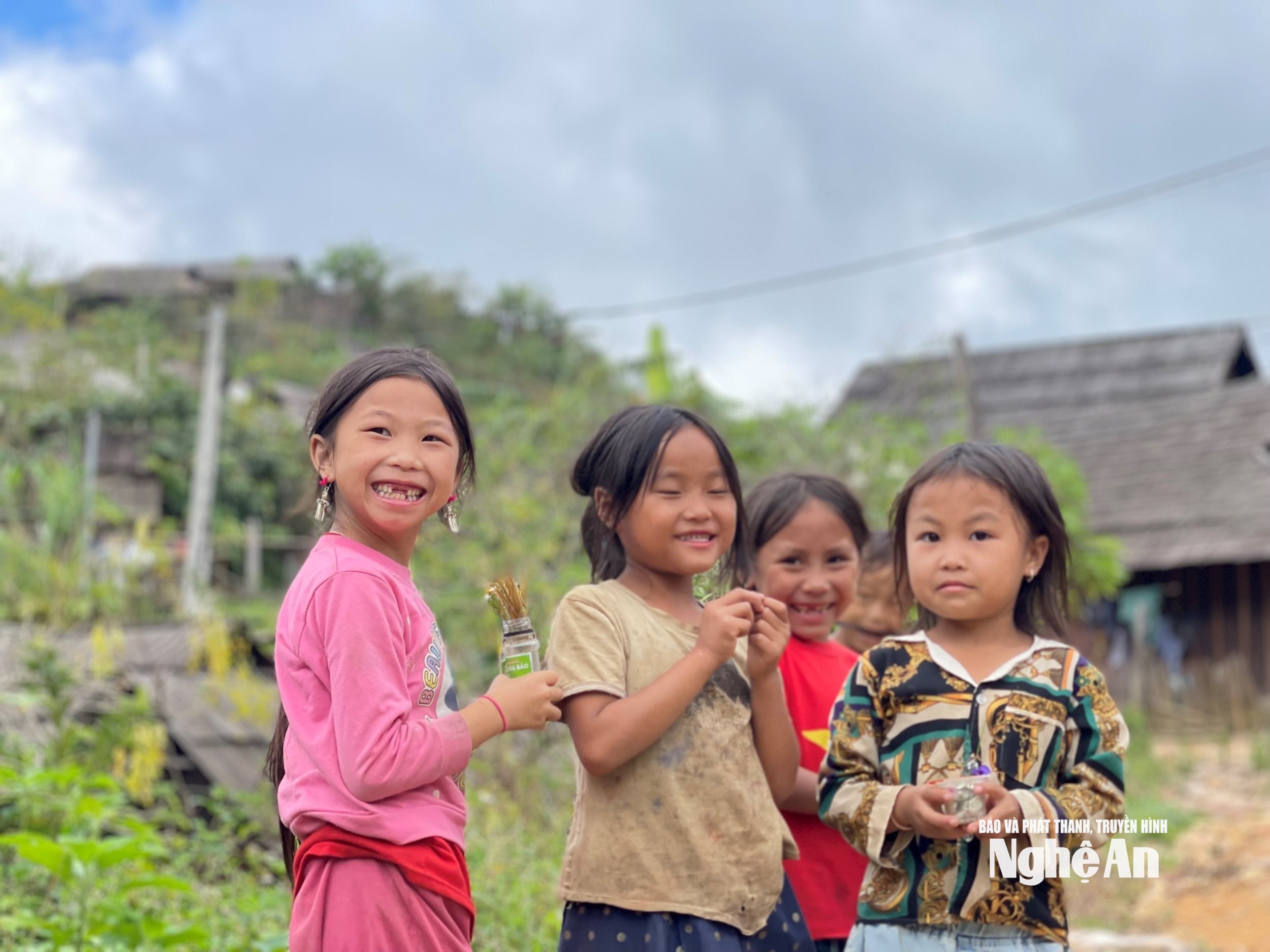
Thanks to this widespread impact, Huồi Mới, once a remote village where many border violations occurred, has now become a shining example in the movement to protect the border and boundary markers. The people not only "guard" the boundary markers but also "care" for them as if they were their own homes and gardens.
Tri Le is a large area, and the lives of the people are still fraught with difficulties. Illegal activities always pose many complex challenges. After each storm, the roads leading to the Mong villages near the border are severely damaged by landslides, causing significant difficulties for the Border Guard and the local people. In this context, building a movement for all citizens to participate in protecting the border and boundary markers will be very difficult without truly enthusiastic leaders at the grassroots level."
Lieutenant Colonel Ngo Xuan Thanh - Commander of Tri Le Border Guard Station
“Thò Bá Của is one such person. Của understands the people, speaks their language, and possesses the courage of a soldier, so the people listen and follow him. Thanks to Của's leadership, we can easily coordinate and carry out tasks, from disseminating legal information to caring for, patrolling, and protecting the border and boundary markers. It can be said that Của is an 'extended arm' of the Tri Lễ Border Guard Post at the grassroots level, a prime example in the movement to protect border sovereignty and security,” Lieutenant Colonel Ngô Xuân Thanh shared.

Leaving Huoi Moi, bidding farewell to Village Team Leader Tho Ba Cua, the border markers gradually faded into the distance. But amidst the border winds and mists, the image of Tho Ba Cua and the villagers clearing the border markers remains vividly etched in our memories. For the people of Huoi Moi, Tho Ba Cua is not just a Village Team Leader, but a "leader" in the movement to protect the border and border markers of the village. In that upstream area, for the border markers to always stand proudly amidst the wind and mist, there are people who silently safeguard them with their sweat, patriotism, and sense of responsibility. We call Cua the young man who silently "protects the land" with his sweat and faith - a flame that never goes out on the nation's frontier.
Tien Dong - Technical: Hong Toai