

What do children need most on the other side of the screen?
In this complex world, children don't need us to build a wall to separate them, but rather a firm hand to hold, a heart big enough to accompany them, and a clear mind to guide them.
I remember a friend once confided in me about her fifth-grade son. He was obsessed with online games and would often fall silent in his own world while holding his phone. My friend said she wanted to keep him away from the bad things online, but also feared becoming a "forbidden" person who would isolate him. I think that story isn't unique to anyone – it's a microcosm of a reality unfolding daily in many Vietnamese families today.
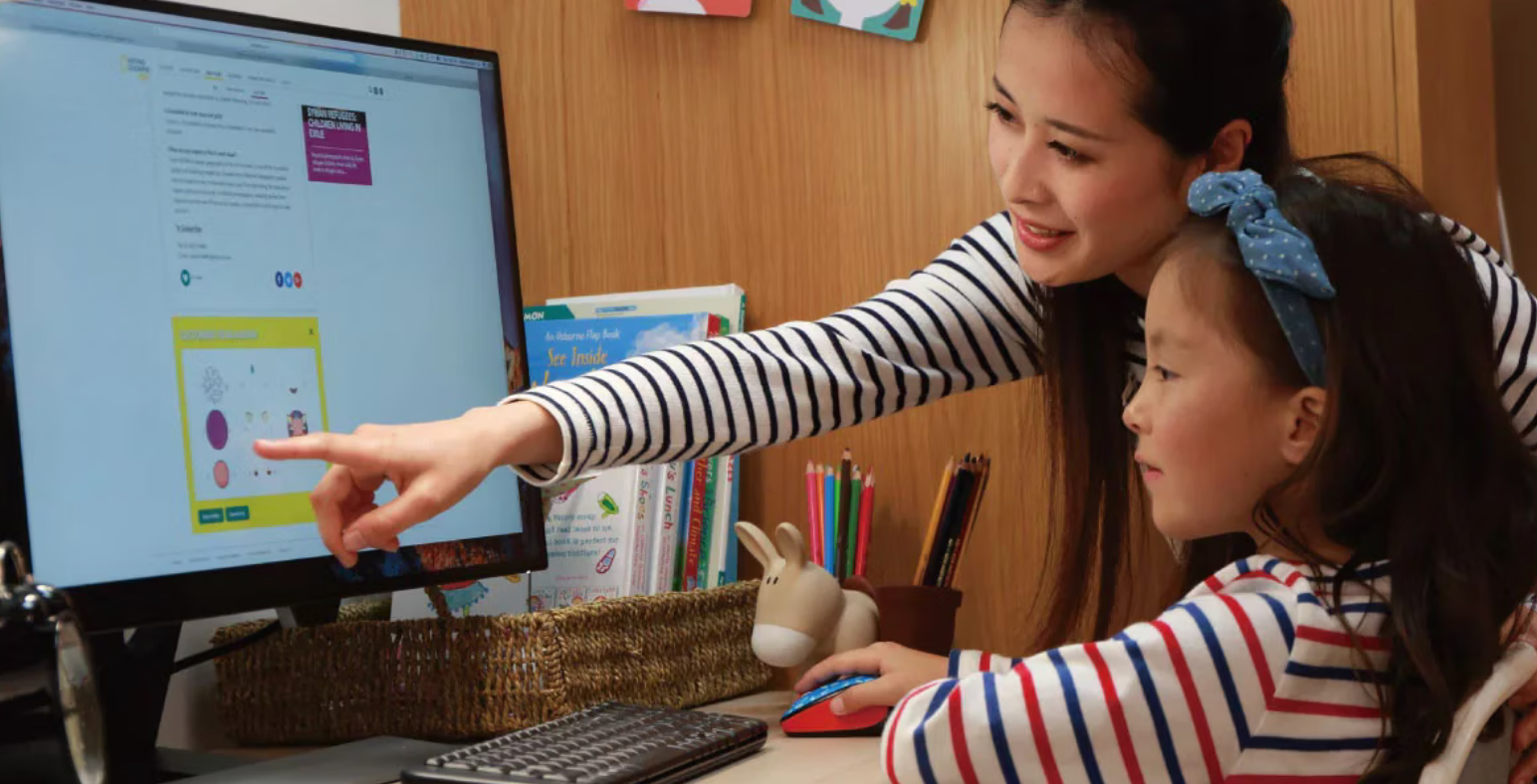
Social media and digital technology are opening a vast, promising door of opportunities for children. But this same door also leads to a complex world, sometimes filled with things that are not easily seen, not easily understood, and even harder to control. In the real world, parents can see the wounds on their children's skin and comfort them; but in the virtual world, the harm is often invisible, silently creeping into a child's soul through deceptive messages, offensive images, fake friend requests, or the loneliness and isolation of being bullied online.
Protecting children, therefore, is not simply about setting rules or closely monitoring their online activity every minute. It's a journey of understanding and genuine companionship. Children need to be listened to, not just with questions like "What are you doing?", but also with the unspoken feelings they have. Because in the online world, hesitation and shyness can be the biggest barrier preventing children from reaching out to their parents when they are in danger.
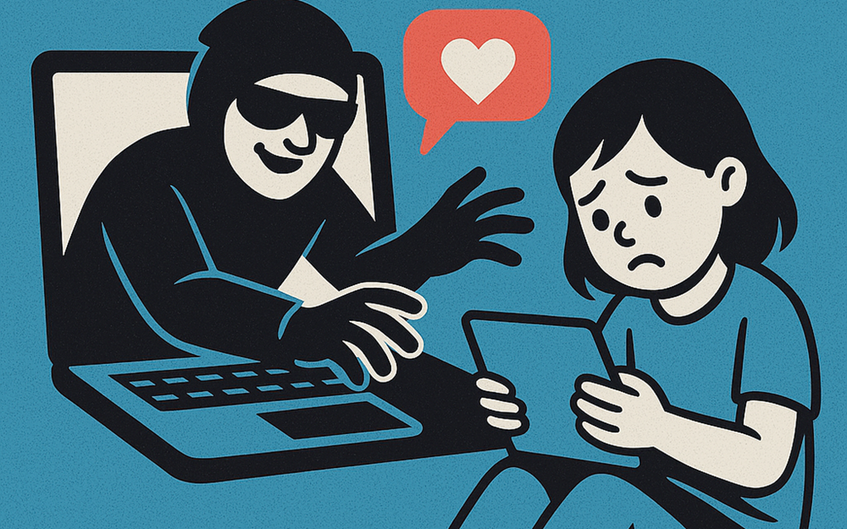
We used to tell children, "Don't talk to strangers," but in the digital world, who is a stranger and who is a friend? We used to teach children, "Don't trust strangers," but when all information can be faked, how can they tell the difference? Each of these questions is not only for children but also a challenge for parents, schools, and society. We must equip children not only with knowledge but also with awareness, confidence, and critical thinking skills to deal with information online.
I believe that, to sustainably protect children, we need to do more than just control them. Parents, teachers, and adults in society must become companions and subtle guides, helping children build a protective "wall" for their souls from within. A child who understands privacy, knows when to say "no," and knows how to refuse unsafe invitations will be a more resilient child in the treacherous world of the digital age.
Alongside family support, the online community also needs clearer regulations and mechanisms to protect children. Social media platforms and gaming apps cannot continue to be a "wasteland" for harmful content and for malicious individuals to exploit children's innocence. The government, social organizations, and technology companies must work together to build a healthy, safe digital environment with intelligent filters and effective feedback systems. Only then will protecting children no longer be the sole responsibility of families but a collective effort of the entire society.

There's one thing I've always pondered: Protecting children is protecting the future. But that future isn't about empty promises or meaningless slogans. It begins day by day, hour by hour, with concrete actions, patience, and empathy. A gentle conversation with a child, a sincere inquiry, unwavering companionship as they enter the digital world… These seemingly small things possess a miraculous power, building a bridge between the real world and the virtual world, between adults and children.
We love our children not only by organizing games, small parties, and buying lots of expensive gadgets... but also by constantly asking ourselves what we have done to ensure our children's safety and happiness. Do we have enough patience to listen to them? Do we have enough knowledge to support them? Do we dare to face the truth that the online world is not just a place for fun, but also contains complex challenges that our children must learn to overcome?
Protecting children online is not a solitary task, nor is it the responsibility of any one individual. It's a sustained journey involving families, schools, communities, and society as a whole. Each of us holds the key to the safety and healthy growth of our future generations. Let's not let protection remain just empty words; let's translate it into real action – from teaching children how to set boundaries to promoting laws that protect children in the digital environment, and above all, creating a loving and understanding environment where no child is left behind.
In this complex world, children don't need us to build a wall to separate them, but rather a firm hand to hold, a heart big enough to accompany them, and a clear mind to guide them.