

Cadillac Escalade IQ 2028: Goodbye CarPlay, Android Auto
GM has confirmed it will remove Apple CarPlay and Android Auto from new models, starting with the computing-centric platform launching on the 2028 Cadillac Escalade IQ; petrol vehicles will switch later.
The 2028 Cadillac Escalade IQ will be General Motors' first model to launch its internally developed centralized computing platform, marking the beginning of a phased removal of Apple CarPlay and Android Auto from new models. CEO Mary Barra confirmed this roadmap in The Verge's Decoder podcast, emphasizing that the transition will not happen immediately and will not occur within the next two years.
GM's electric vehicle models have discontinued support for these two phone mirroring platforms. With the new hardware, GM is switching to a Google-based infotainment system, applicable to both electric and internal combustion engine vehicles at their respective upgrade cycles. This is a controversial move: advantageous for Android users, but raises questions about the experience for the large iPhone user base.
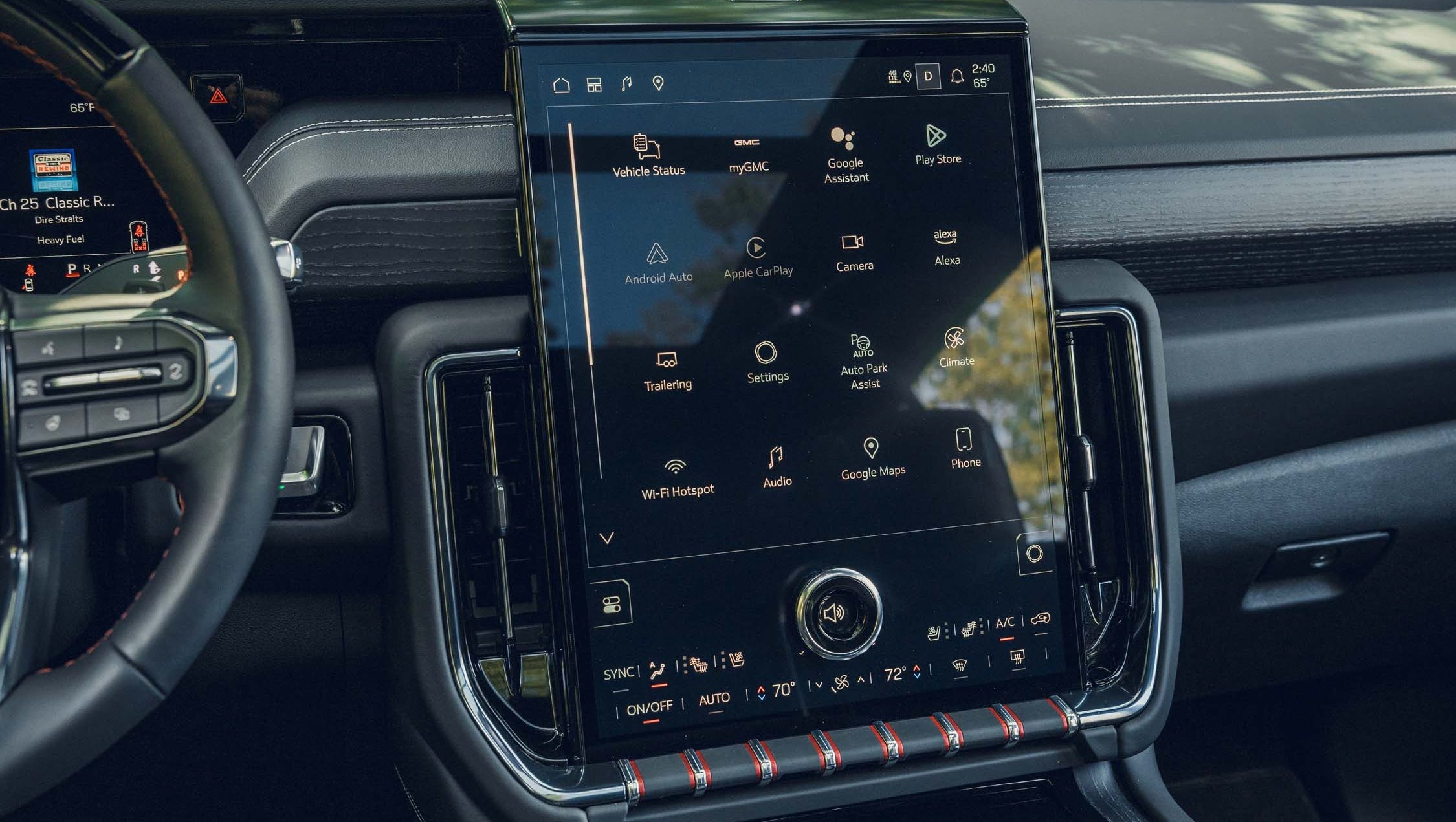
Tech landscape: from phone mirroring to integrated platforms
For years, CarPlay and Android Auto were the "shortcuts" to bringing phone interfaces to the center console, leveraging familiar app ecosystems. GM chose a different approach: developing a central hardware and software system that deeply integrates navigation, entertainment, and connectivity functions, independent of phone mirroring. The new platform is confirmed to debut on the 2028 Escalade IQ before expanding to the Cadillac lineup and other GM brands.
From a product philosophy perspective, this approach positions the vehicle as a more autonomous "digital device," reducing its reliance on smartphones. In return, responsibility for performance, stability, and user experience rests with the manufacturer's system, rather than being shared with Apple or Google through mirroring mechanisms as before.
Experiential language: Google's interface and the changing role of the phone.
GM's new system is based on Google software. This promises familiarity for users of the Android ecosystem, especially in terms of navigation, music, and search. However, for iPhone users, the lack of CarPlay means losing the direct connection between the phone and the car's screen. The phone's role shifts to data connectivity and contact/library synchronization (if supported), while presentation and control are handled by the car's native interface.
The requirements for GM were to maintain consistent control logic, simplify operation, and ensure that core functions (maps, calling, hands-free messaging, music playback) worked smoothly even without mirroring.
The cockpit: the dashboard is the control center.
Although GM hasn't released details of the interface design, the focus will be on the digitized dashboard and central display screen. With a non-reflective approach, menus, voice navigation, and data connectivity must play a pivotal role. The user experience will depend on how GM optimizes the operation path, the ability to personalize driver profiles, and compatibility with popular services.
Maintaining seamless integration between features is key: call forwarding, continuing an open route on your phone (if supported), playlist syncing… Everything needs to work consistently to replace long-standing CarPlay/Android Auto habits.
Centralized computing platform: system performance is the measure.
GM has confirmed a new “centralized computing platform” will launch with the Escalade IQ 2028. While hardware specifications haven't been announced, technical priorities are likely based on three criteria: interface responsiveness, connection stability, and the ability to handle multitasking (navigation, entertainment, calls) in real time. By eliminating mirroring, any performance bottlenecks are directly apparent in the original system.
Software updates over time also become crucial, as the original interface needs regular improvements and bug fixes to keep up with user expectations. Cold boot speed, touch smoothness, and stable data connection are practical tests that determine daily user experience.
Safety and supporting technology: awaiting official data.
Aside from information about the computing platform, GM has not yet released details regarding the driver assistance systems or independent safety ratings associated with the new hardware. Therefore, any assessment of the impact on ADAS or safety ratings will have to wait for official announcements when the 2028 Escalade IQ is launched.
Utility value during the transitional period
The transition isn't happening immediately. According to CEO Mary Barra, this roadmap won't take the next two years, so buyers still have time to own GM vehicles that support CarPlay/Android Auto before the feature disappears from new models. As the new platform becomes more widespread across internal combustion engine models, gasoline vehicles will also stop supporting the two mirroring systems.
In terms of value proposition, GM's approach emphasizes a unified user experience and gives the manufacturer control over the software. The benefits can come from a consistent interface and deep integration between vehicle functions. On the other hand, iPhone users need to consider the trade-off of familiar CarPlay for a native, Google-based system.
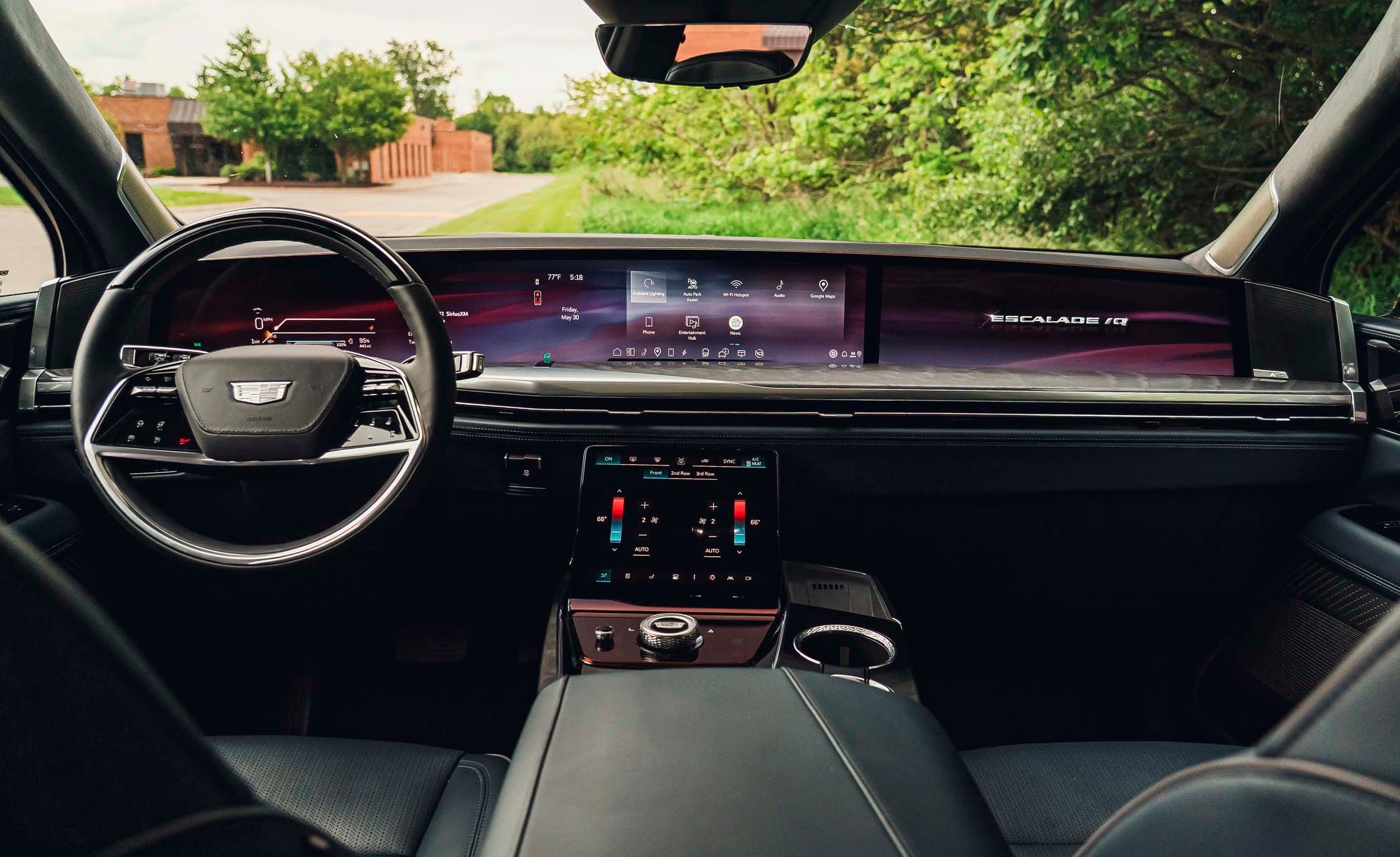
User experience: things to watch out for at launch.
With the 2028 Escalade IQ as the starting point, real-world testing should focus on: reliable navigation (route search and updates), hands-free calling/texting integration, digital audio quality, and seamless switching between cellular and Wi-Fi networks. Voice control capabilities are also key to reducing driver distractions.
More broadly, the success of the transition depends on whether the original system feels "familiar yet new": intuitive enough that users don't have to relearn everything, and intelligent enough to surpass the convenience that is the reason CarPlay/Android Auto exists.
In conclusion: innovation or gambling, the answer lies in practical application.
The 2028 Cadillac Escalade IQ marks a technological turning point for GM with its centralized computing platform and infotainment system based on Google software. This is a unified experience, reducing reliance on phone mirroring, but at the same time, it presents the challenge of convincing iPhone users.
Advantage
- The in-car native experience can be more unified and deeply integrated between navigation, entertainment, and communication.
- Complete control over the hardware/software chain creates a foundation for long-term improvement and updates.
- This is advantageous for Android users who are already familiar with the Google ecosystem.
Limit
- Apple CarPlay and Android Auto will no longer be available on new models according to the roadmap, significantly impacting iPhone users.
- The performance, stability, and user-friendliness of the original interface must be proven through real-world experience.
- The transition period requires buyers to carefully consider their current connectivity needs.
When the Escalade IQ 2028 officially launches, the ultimate answer will come from real-world tests: speed, stability, ease of use, and quality of integrated services. That will be the decisive measure for an ecosystem that no longer relies on phone mirroring.