

Gemini's Nano Banana: storage for iterative photo editing
Gemini's Nano Banana stands out thanks to its contextual memory and previous edits, which helps maintain subject consistency, target details using natural language, combine up to three images, and restore old photos.
Gemini's Nano Banana is gaining attention for its ability to remember context and previously made edits. Unlike many AI image creation tools that treat each command as a new session, Nano Banana retains the context, allowing users to make multiple edits without having to repeat lengthy descriptions. This effectively addresses the need to fine-tune small details while maintaining the overall structure of the image.
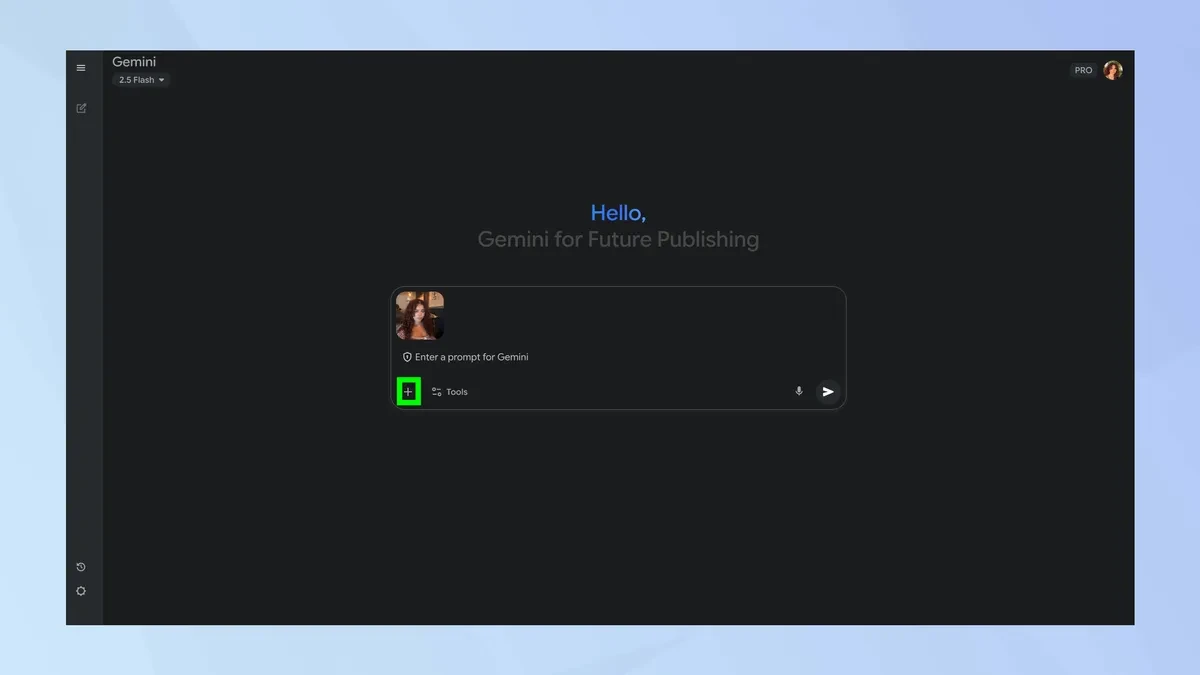
Session memory in Nano Banana: the mechanism that delivers consistency.
According to the source description, Nano Banana remembers the user's previous edits and context. This is a key difference from tools like Midjourney or ChatGPT, which often treat each command as a separate request. Thanks to session memory, Nano Banana retains the core appearance of the subject, context, and constraints established in the previous step, thus avoiding "breaking" the layout when the user only wants to make minor changes.
From a process perspective, users begin by logging in, attaching or creating a base image, then entering a concise command into the chat box and submitting the request. Each subsequent editing step is understood within the existing contextual flow, allowing for rapid iteration without needing to re-describe the entire image.
Key capabilities worth noting
| Features | Short description |
|---|---|
| Consistency between subject and context | Change the character's clothing, pose, lighting, or background while maintaining their core recognizable appearance. |
| Local editing using natural language. | Target specific elements (curtain color, bed linens, decorations, etc.) without affecting the rest. |
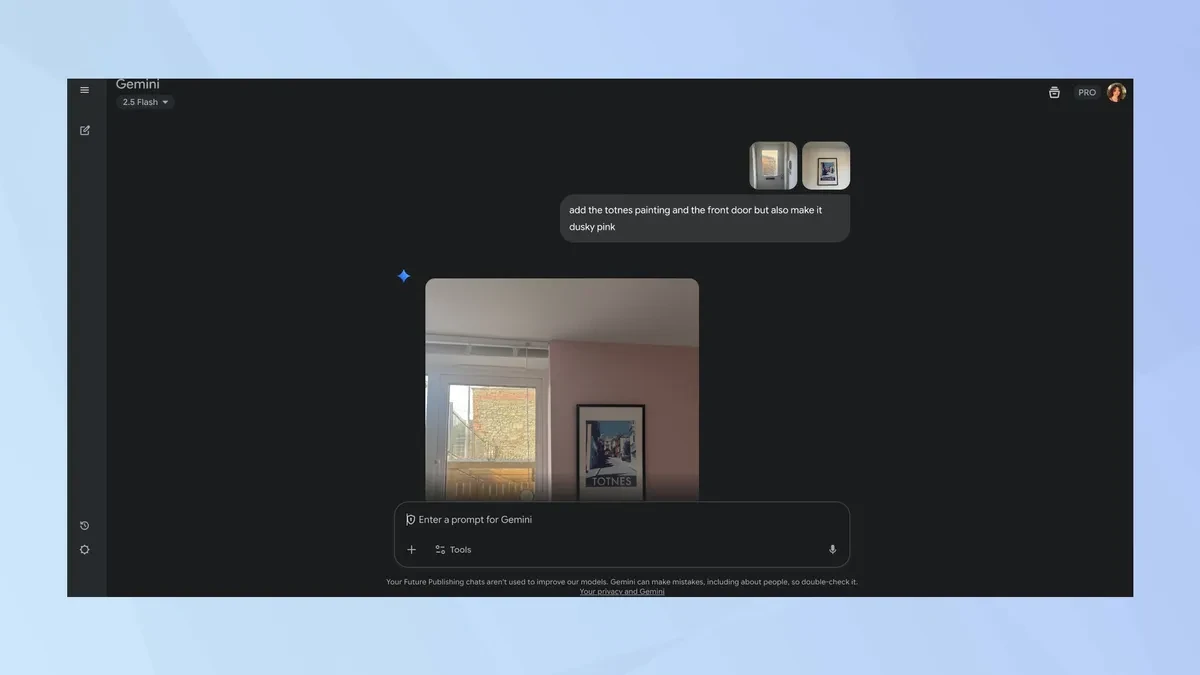
| Combine up to three images | Integrate elements from multiple sources, blending objects and textures in a seamless manner. |
| Restoring and coloring old photos | Applying an understanding of the real-world context and historical period to reproduce color and detail. |
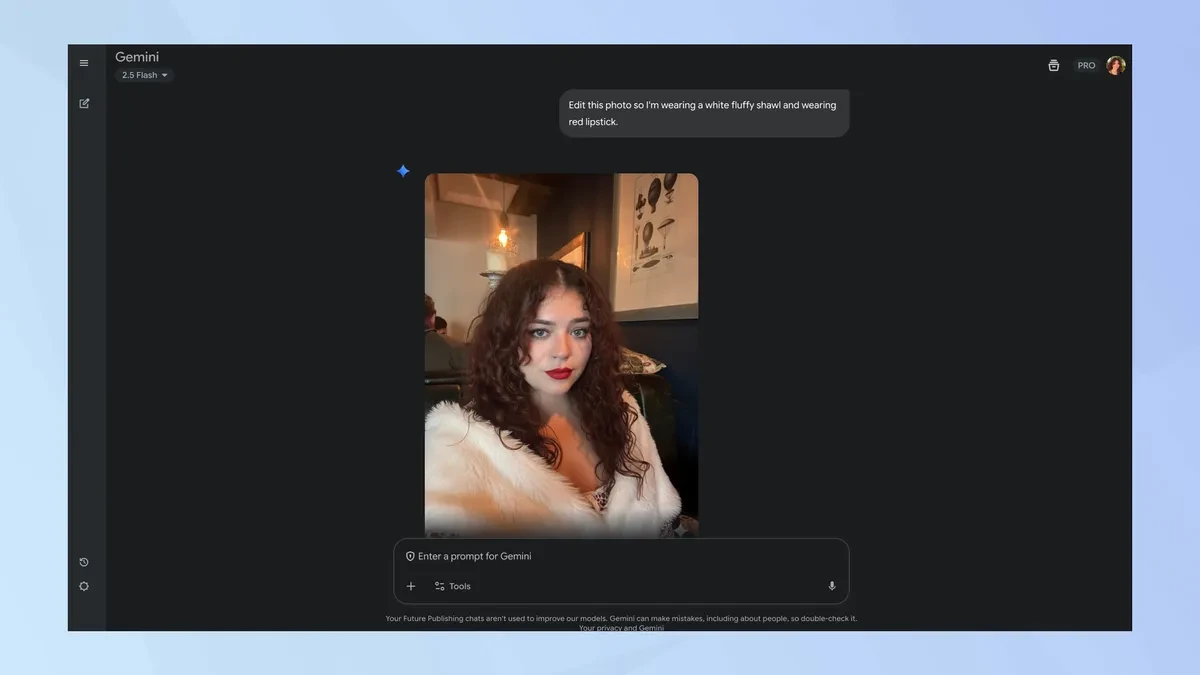
Technical benefits and utility value
- Reduced descriptive costs: No more repeating lengthy descriptions to maintain style or layout; session memory preserves context.
- Fast iteration speed: Easily experiment with small variations (wall color, lighting, decorations, etc.) without disrupting the overall design.
- Precise local control: Natural commands like “change curtains to gray” allow for detailed targeting, avoiding complex selection and masking operations.
- Combining capabilities: Combine up to three images to create a new layout, seamlessly transferring textures from one image to the subject in another.
- Visual heritage restoration: Coloring and restoring old photos with historical contextual reference, useful for archiving and visual storytelling.
Limitations and precautions for use
- Statement clarity depends on the source: It is recommended to keep statements concise and to the point; overly long or vague statements can cause the model to infer itself.
- Image import scope: Combine up to three images when creating a new artwork; this dictates how users plan their collage scenarios.
- Consistency has its limits: While the model maintains its core appearance very well, overly extreme change requests still require manual verification of the results.
Compare this to other common approaches.
Sources indicate that many leading tools like Midjourney or ChatGPT often treat each command as a new starting point, forcing users to re-describe details when wanting to change even a small element. Nano Banana differs in that it saves context and turns it into an advantage for iterative editing, reducing the burden of the description.
| Criteria | Nano Banana | Common approach |
|---|---|---|
| Context handling between commands | Remember the previous edits and context. | Each command is a new session, with minimal context inheritance. |
| Required descriptive volume | In short, conversational. | It's often necessary to repeat lengthy descriptions when changing minor details. |
Typical use case
Maintain character consistency across multiple settings.
Starting with a base image, users can change the clothing, pose, lighting, or even the entire background while the subject remains a recognizable person/character. This is useful when multiple angles or styles of the same person are needed.
Precise local editing using natural speech
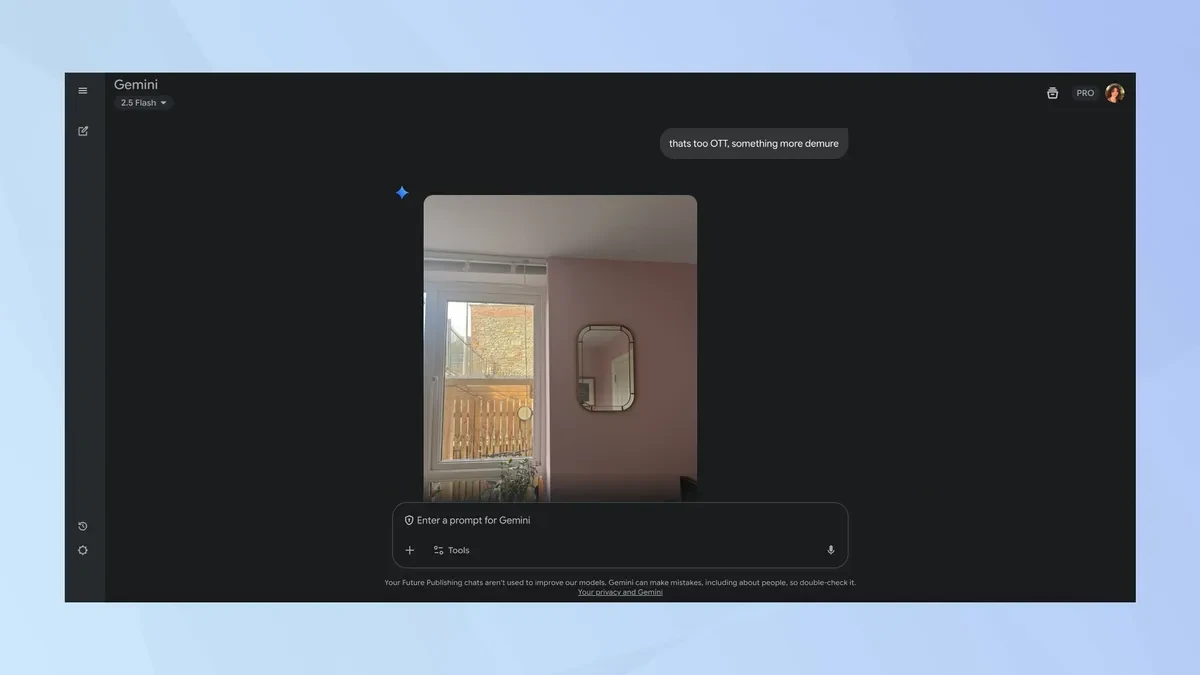
For example, changing the wall color from cream to teal, then to muted pink; adding an Art Deco-style mirror and fine-tuning the level of "ostentation" to suit the occasion—all done with a series of short, concise commands.
Combining photos and restoring old photos.
When creating a new scene, Nano Banana allows you to combine up to three images to merge elements, objects, and textures in a logically consistent way. With archived images, the model can be colored and restored based on an understanding of the relevant historical period.
Brief practice suggestions
- Start with the base image, then repeat in small steps to avoid disrupting the background.
- Write short, clear commands; specify the items to be changed (curtain color, material, additional items needed, etc.).
- When combining multiple images, identify the role of each image (object source, texture source, etc.) so that the model understands the unification goal.
In summary, Nano Banana's key feature lies in its contextual memory throughout the workflow. This enables iterative editing, detail targeting, and efficient image merging, significantly reducing the effort required for repetitive description writing—a practical step forward for AI-powered editing and creative workflows.