

Unraveling the Google Pixel 10: Upgrades to the Limit, Experience the Real Thing
The Google Pixel 10 runs Android 16 QPR1 and features the Tensor G5, a 10.8MP telephoto lens, and MagSafe-compatible PixelSnap accessories. However, the 128GB version lacks fast storage, resulting in less smooth performance, making the $799 price tag unconvincing.
The Google Pixel 10 represents the biggest leap forward for the standard line since separating from the Pro line, but it's also a somewhat restrained upgrade. After a week of real-world use, the device shows many worthwhile innovations such as Android 16 QPR1, a new telephoto lens, and the PixelSnap magnetic accessory system; however, configuration decisions like slow storage on the 128GB version or modest charging speed result in an uneven experience, especially at the $799 price point.
Design, display, and magnetic accessories: fewer replacements, but the right fit.
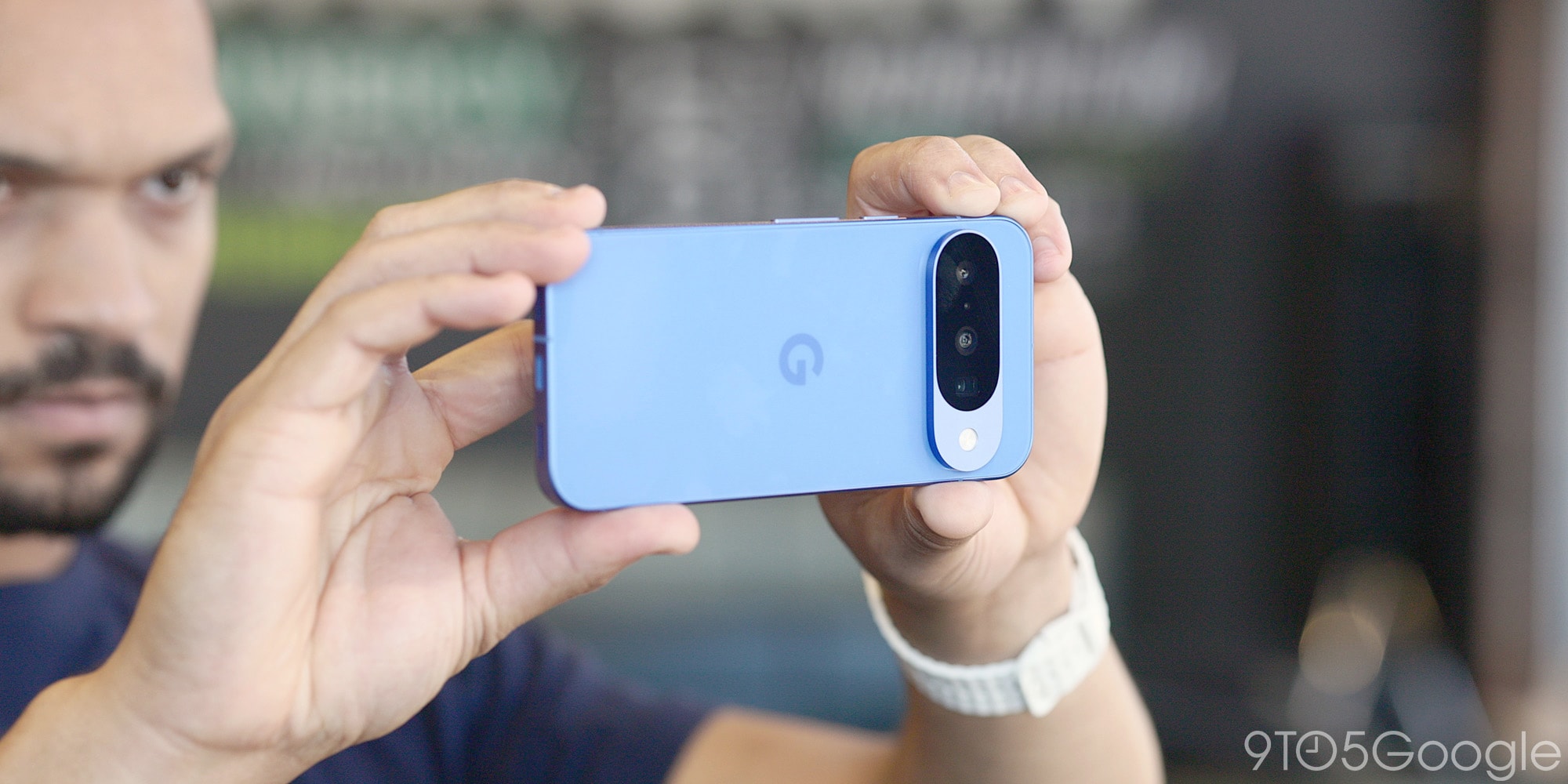
In terms of appearance, the Pixel 10 retains almost the same style as the Pixel 9. The biggest difference lies in the thicker camera bar with a larger glass cover within the metal frame. The SIM tray has been moved to the top edge on international versions, resulting in a more symmetrical notch at the bottom; the speaker has been repositioned and the microphone is swapped sides.
The display continues to deliver good quality for its price range: bright, smooth, wide viewing angles, and a reliable in-display fingerprint sensor. However, the device still defaults to 60Hz out of the box, a confusing choice as users have to manually activate a higher refresh rate to fully utilize its potential.
A notable new feature is PixelSnap – a magnetic solution for accessories compatible with the MagSafe ecosystem. Some MagSafe accessories may appear bulky or not adhere securely to the glossy surfaces of the standard version; the magnetic attraction is sometimes not very strong, especially with accessories that have a soft coating. In contrast, the Moft MagSafe wallet offers very secure attachment, especially when used with a PixelSnap case or attached directly to the back of the device.

Performance and Software: Tensor G5 Under Real-World Testing
The Pixel 10 ships with Android 16 QPR1 – a clear upgrade from the Pixel 9's start on Android 14. The new Material 3 Expressive interface is fresh, sharp, and seamlessly integrates with Google apps.
In terms of the chip, the Tensor G5 doesn't deliver the leap forward that was expected. Although Google claims a "34%" performance improvement over the previous generation, the actual user experience isn't explosive. The noticeable difference comes from storage speed: the 256GB version uses faster memory for shorter app load and refresh times; while the 128GB version takes a few milliseconds longer – enough to feel less than instantaneous.
This tiered storage approach creates a mismatch in experience between versions right from day one, and can impact performance longevity in the long run. In the context of 2025, not equipping the base model with fast memory is a regrettable compromise.
| Category | Details from real-life experience. |
|---|---|
| Foundation | Android 16 QPR1 pre-installed; Material 3 Expressive syncs with Google apps. |
| Processor chip | Tensor G5 – improvements, but not a quantum leap; Google claims a +34% increase. |
| Storage | 128 GB: slower storage; 256 GB: faster storage, shorter loading times. |
| Screen | Good quality, default 60 Hz out of the box. |
| Accessory | PixelSnap is compatible with some MagSafe accessories; adhesion varies depending on the surface/accessory. |
AI and user experience: helpful but not overwhelming.
AI features are included from the start but in an "optional" way, not encroaching on the user experience. Magic Cue is useful for convenience, currently limited to the Google app and not yet working with the beta version of Phone/Messages. Daily Hub doesn't appear at the top of the Discover page under certain usage conditions, instead appearing in the At a Glance widget. Pixel Journal shows potential thanks to its concise summaries and suggestions, promising usefulness when it launches widely.
This approach helps prevent AI from becoming overwhelming, but it also means that the "game-changing" benefits are not yet clear at this point.
Battery and charging: sufficient for daily use, but charging is still slow.
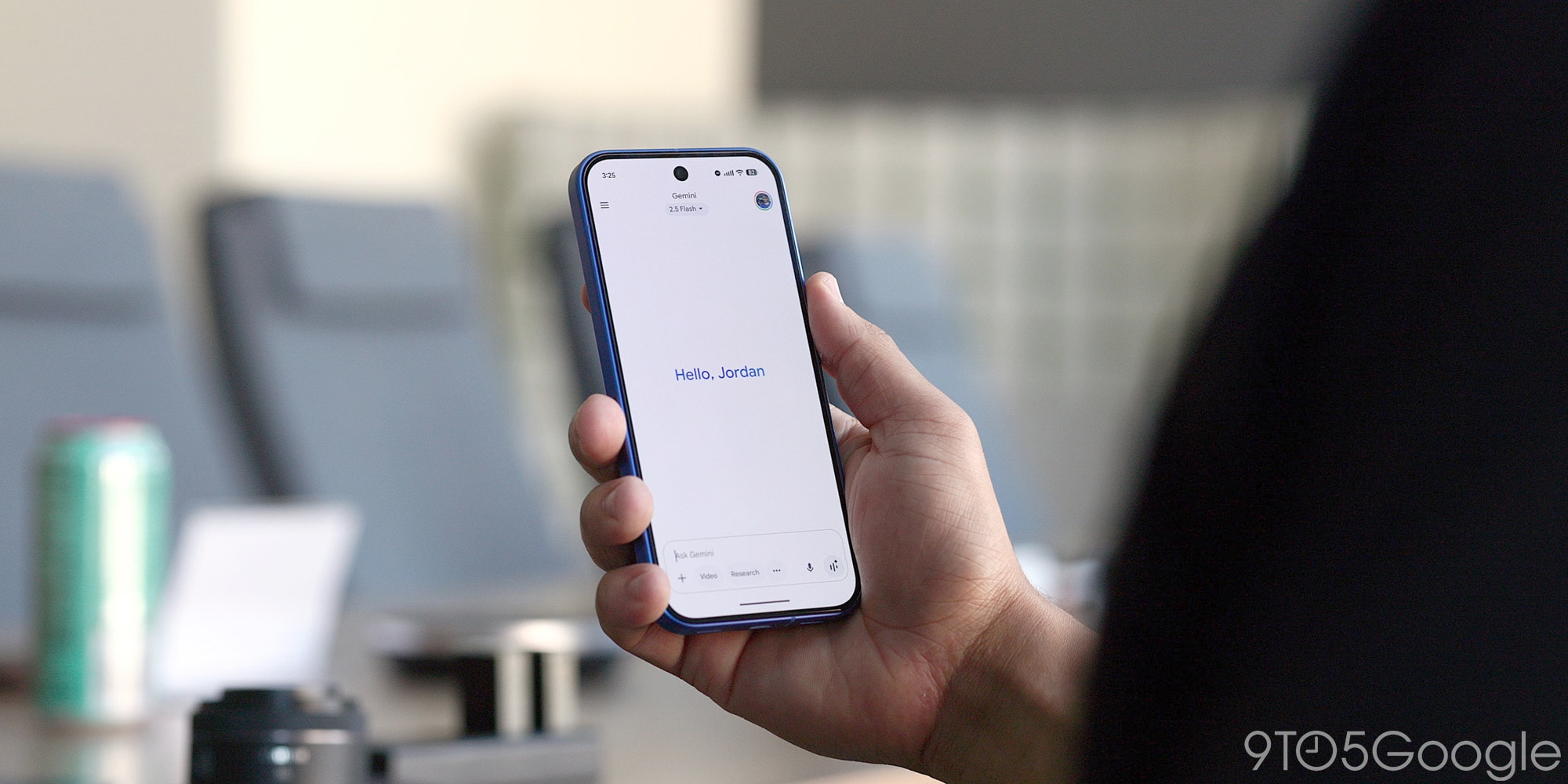
A week is enough time to recognize a "bad" battery – and the Pixel 10 doesn't fall into that category. It performs well through a day of use; sometimes, after taking many photos, it needs an extra charge before evening. The phone doesn't get very hot, only warm during the initial setup process, like most other phones.
Charging speed is still slow compared to competitors. However, if this helps control heat and reduce battery drain, it's an acceptable trade-off – but not yet a major advantage.
Camera: 10.8 MP telephoto lens for a wider field of view.
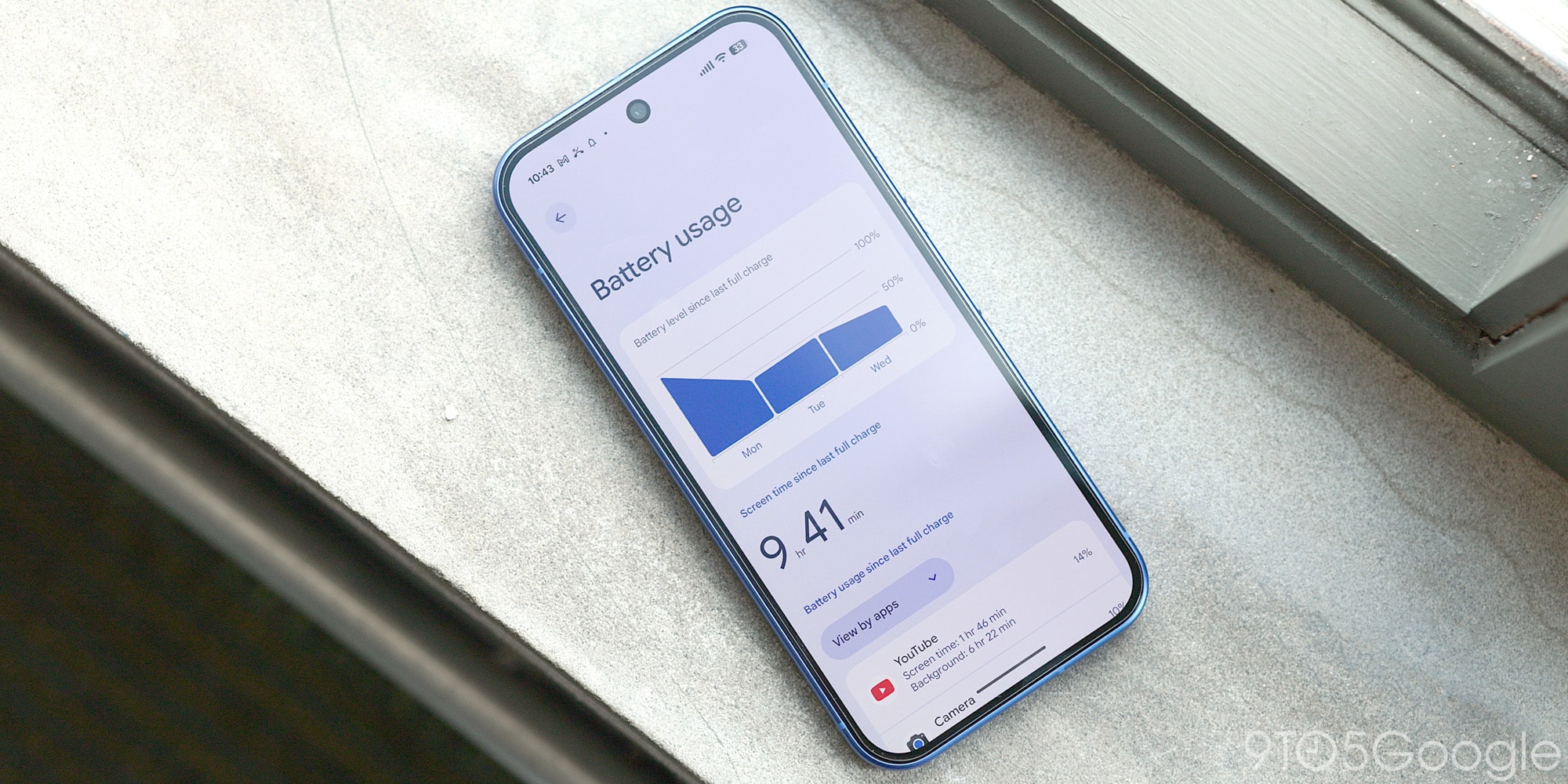
The telephoto lens, making its debut on the standard model, is a worthwhile upgrade. Despite concerns about the 10.8 MP sensor, the telephoto image quality remains good, delivering commendable results at 20x zoom and approaching the experience of the Pixel 10 Pro XL (though slightly softer at the highest limits).
With the main and ultrawide cameras, the experience is similar to the Pixel 9a. Compared to the Pixel 9's main lens, the Pixel 10 produces images with higher contrast, richer colors, and deeper blacks; the bokeh effect is more natural despite the smaller sensor, sometimes with less background blur. In low light, the two phones are neck and neck, but the Pixel 10 handles strong light sources better with less glare. Software refinements continue to be the main "weapon" to compensate for the hardware shortcomings.

Comparison and positioning: between Pixel 9a and the Pro duo
The Pixel 10 series creates a clearer line between the models: the 9a is like an appetizer, the Pixel 10 is a simplified main course, and the Pro/Pro XL is the full option. Compared to the 9a, the Pixel 10 is a significant improvement thanks to its new AI and telephoto capabilities. However, when compared to the Pixel 10 Pro, the standard version becomes less recommended due to slower storage on the 128GB model and other hardware compromises.
In terms of price, the $799 mark makes the Pixel 10 less compelling. At $599, it would be a bargain; while for users upgrading from Pixel 6 to Pixel 8, the Pixel 10 remains a solid choice.
Future and recommendations
The Pixel 10 shows Google is applying a formula of small but practical upgrades, targeting users who haven't recently upgraded their phones – similar to what some manufacturers have done with their "S" series. To fully take advantage of the software strengths and the promise of long-term updates, the 256GB version with fast storage is a good option to consider if you prioritize smooth performance for many years.
In short: The Pixel 10 is a limited but balanced upgrade; strong in camera versatility, the Android 16 QPR1 platform, and its magnetic accessory ecosystem, weak in price and the 128GB storage experience. The decision depends on what you're willing to compromise on for a $799 phone.