

The highlight of President Trump's Asia trip.
US President Donald Trump is about to begin a major trip to three Asian countries: Malaysia, Japan, and South Korea, to attend the ASEAN Summit and the Asia-Pacific Economic Cooperation (APEC) Forum. The White House occupant's trip takes place against a backdrop of complex geopolitics, a packed agenda, and the most pressing issue being the summit meeting between Trump and Chinese President Xi Jinping.
Hottest topic: US-China summit
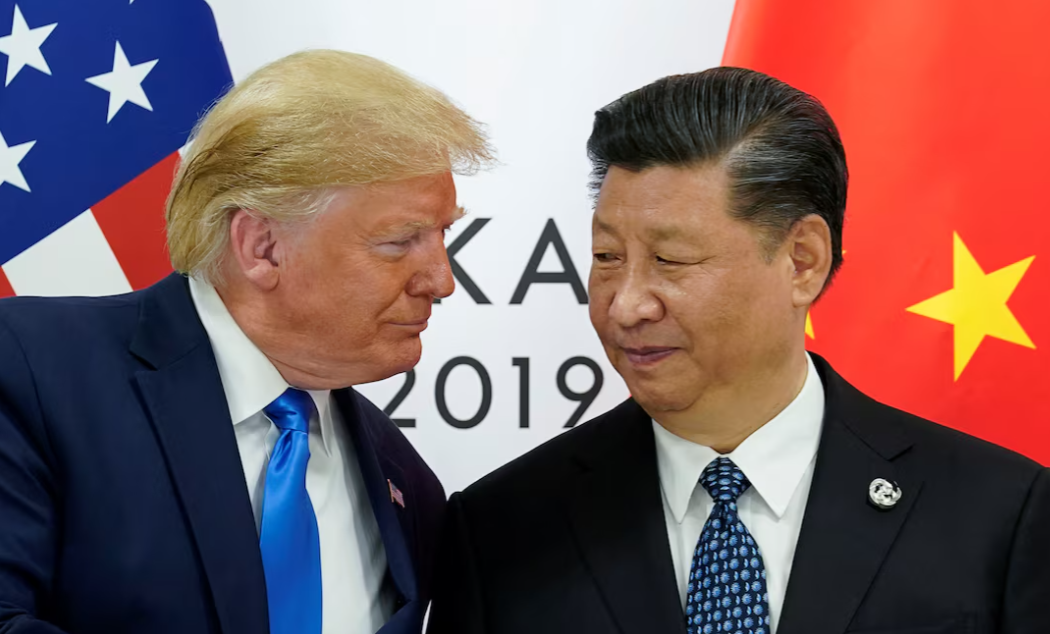
After much speculation, the White House has officially confirmed that President Trump will hold a bilateral meeting with Chinese President Xi Jinping on the morning of October 30th in Busan, South Korea. The meeting takes place just before the official opening of the APEC Summit. Notably, this is the first face-to-face meeting between the two leaders since the G20 summit in Osaka, Japan, in 2019. The context of this meeting is a stark contrast to the atmosphere six years ago. Instead of seeking a "truce" as in Osaka, which led to the Phase One Agreement in 2020, this time, the two sides meet in an atmosphere of deep suspicion, following a series of aggressive tit-for-tat actions. The fragility of the relationship is clearly evident: just one month ago, after the Madrid negotiations and a phone call with Xi Jinping, President Trump had praised "progress" on a range of issues. But that glimmer of "dawn" quickly vanished in early October.
Simmering trade tensions have flared up again as Beijing unexpectedly significantly expanded its export controls on rare earth minerals. This is seen as a direct retaliation for the US increasing the number of Chinese companies banned from purchasing its technology. With over 90% of the world's processed rare earth production, Beijing is not only tightening control over these crucial minerals within its borders but also extending its reach beyond. Experts believe this represents an expansion of its tools for resolving trade disputes, highlighting Beijing's intention to use its dominance of the supply chain as a weapon. According to Reuters, the Trump administration was caught off guard by the scope and scale of this move. A source close to the US administration revealed that cabinet ministers in Trump consider this an act of "full-scale economic warfare." "The prospect of escalation is very serious," the source added. "There is no easy fix like another 90-day pause."
In response, Trump threatened the meeting might not happen and reiterated his threat to impose 100% tariffs on Chinese exports. Notably, these new tariffs (if implemented) would take effect just two days after the planned meeting between the two leaders. Now, the world's two largest economies are scrambling to salvage the summit. To pave the way for the meeting and find a last-minute solution, US Treasury Secretary Scott Bessent and Chinese Vice Premier He Lifeng met in Malaysia just days prior.
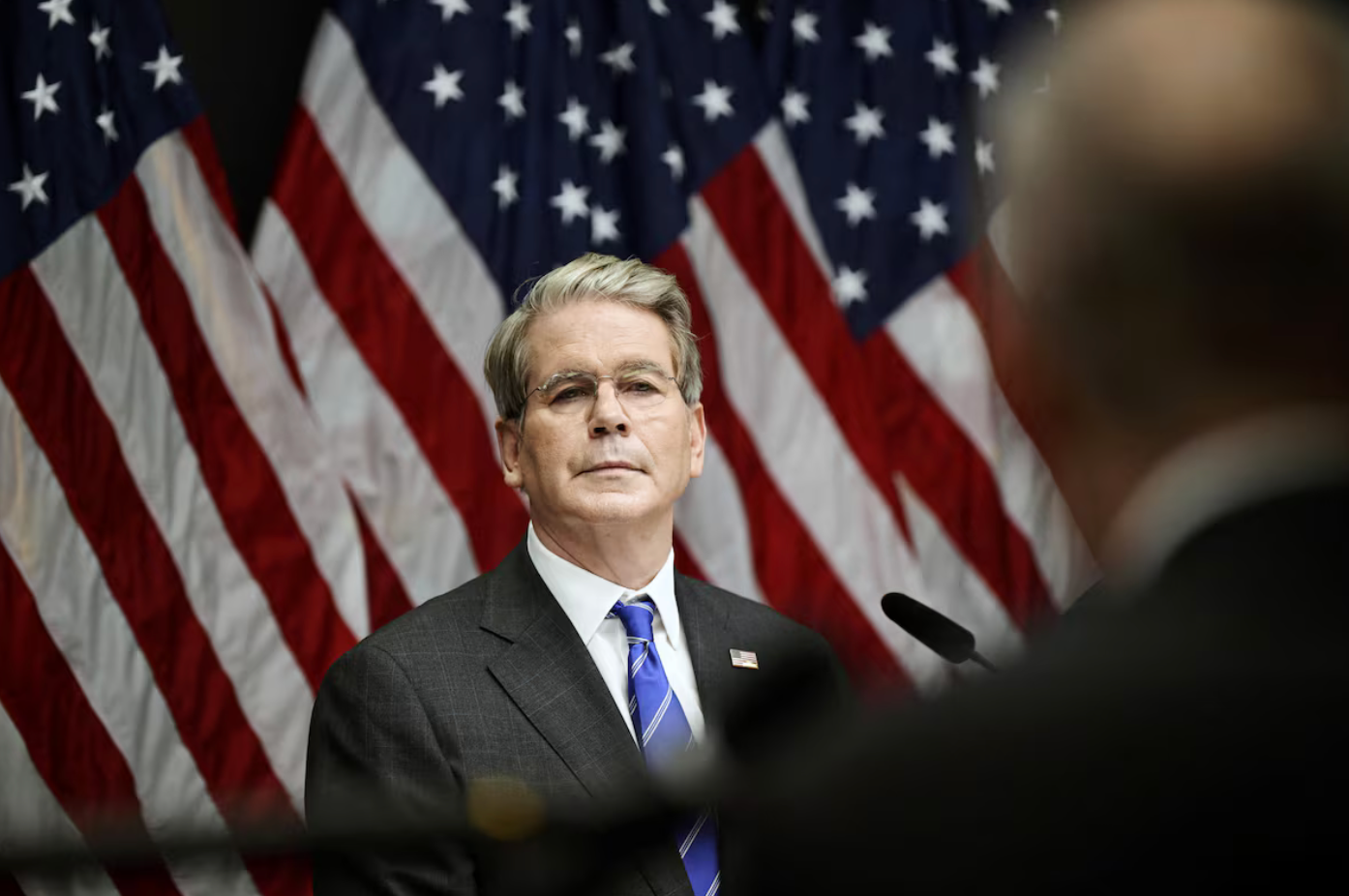
Analysts in Washington are warning to keep expectations low. The biggest challenge, according to Michael Hart, president of the American Chamber of Commerce in China (AmCham China), speaking to Reuters, is that both sides seem to believe they have the upper hand. "In our discussions with Chinese officials, they expressed confidence in their own economy and believed that the US economy and political system are in disarray. Therefore, they felt they were in a strong negotiating position," Hart said. "Conversely, US officials also felt confident in their own economy and believed that the Chinese economy was weakening."
A former senior US official commented in the South China Morning Post (SCMP) that this is a "very, very dangerous place" where both sides believe they have "the ability to prevail in escalation." China's assertiveness has also been pointed out by experts. Wu Xinbo, director of the Center for American Studies at Fudan University, stated: "China believes that negotiations alone are not enough and that effective countermeasures are needed to prevent US pressure."
Although White House Press Secretary Karoline Leavitt did not provide details about the meeting's agenda, recent statements from Trump and sources have outlined a thorny agenda. President Trump stated he would raise the fentanyl issue as "the first question." On trade, Trump wants concessions from Beijing, including resuming purchases of US soybeans and lifting restrictions on rare earth exports. The Taiwan issue is also expected to heat up. Additionally, Trump indicated he intends to address China's purchase of Russian oil and expressed hope that Xi Jinping "now wants to see that war (in Ukraine) end."
The most optimistic scenario, according to Peter Harrell, a former international economic official, is "confidence-building measures and more directives to negotiate an agreement" following the 2020 Phase One Agreement.
Itinerary of stops
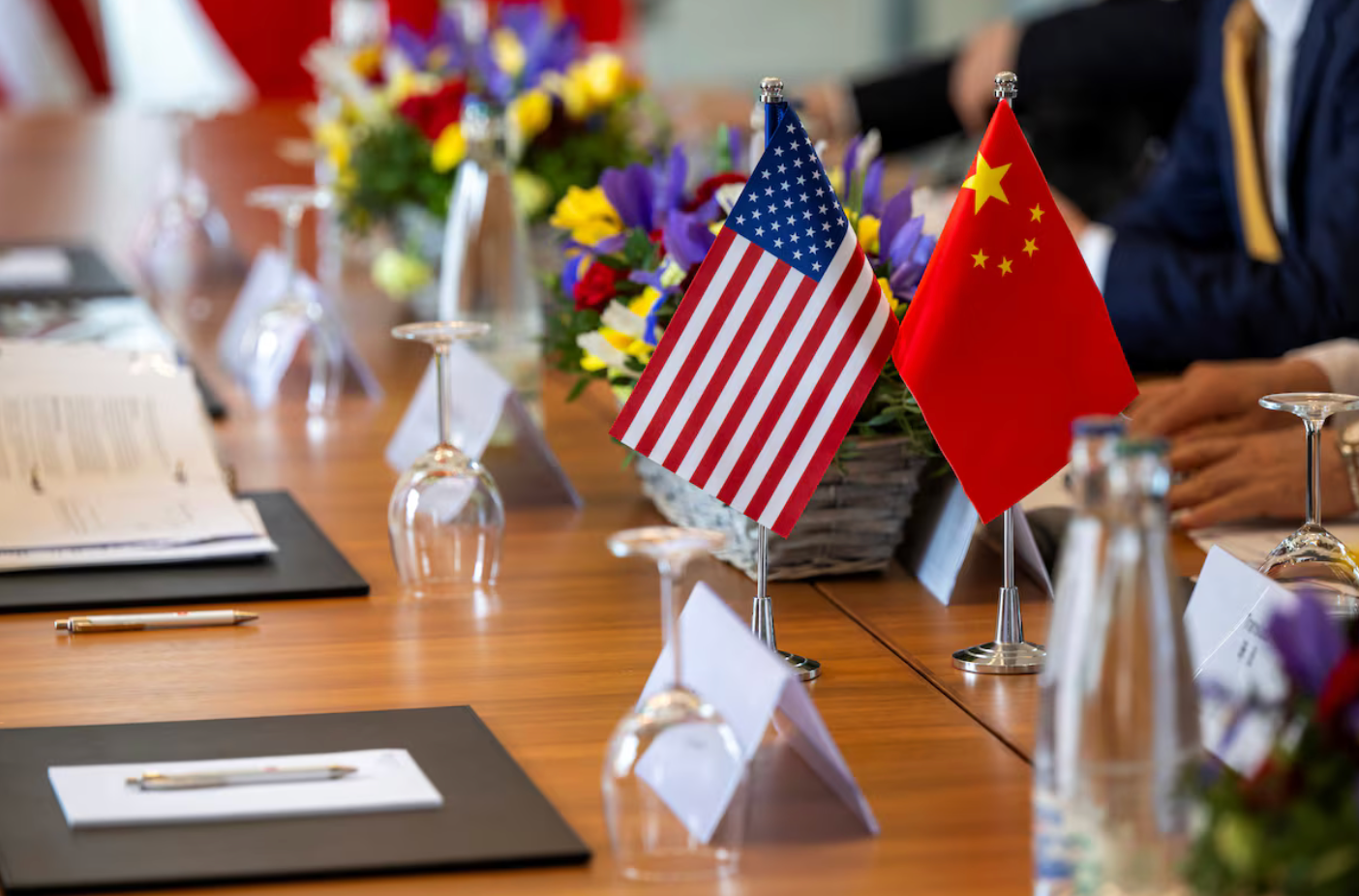
Besides the main event, a meeting with Xi Jinping, Trump's trip also includes several other important stops with allies and partners in the region. He will begin his trip in Kuala Lumpur, Malaysia, to attend the ASEAN Summit. This marks his first attendance at this important event since 2017, a move seen as a reaffirmation of his commitment to the region. The visit comes at a crucial time, as the US is the bloc's largest export destination (reaching $312 billion last year, a sharp increase from $142 billion in 2017). However, Trump's "America First" policy with its reciprocal tariffs ranging from 10% to 40% has caused concern among ASEAN leaders. They issued a joint statement expressing concern about "protectionism," which they believe "poses significant risks to the multilateral trading system."
After Malaysia, President Trump will fly to Japan to meet with the new Prime Minister, Sanae Takaichi. This is an important meeting to strengthen the bilateral alliance amidst regional instability. In South Korea, in addition to APEC and a meeting with President Xi Jinping, President Trump will have a bilateral meeting with the host country's President, Lee Jae Myung. This alliance has recently faced difficulties following a raid by the U.S. Immigration and Customs Enforcement (ICE) on a South Korean battery factory under construction in Georgia. The incident, which resulted in the arrest of approximately 300 South Korean citizens on charges of illegal employment, has caused widespread anger in Seoul.
Observers suggest Seoul could use this incident as leverage to push through pressing economic issues. The two sides are trying to finalize a $350 billion investment deal by South Korea in the US economy, which has been stalled due to disagreements. In return, Seoul wants Washington to lower tariffs on South Korean cars from 25% to 15% (the same rate as for Japan and the EU).
A question that always lingers during Trump's Asian tours is whether he will have another surprise meeting with North Korean leader Kim Jong-un. Although CNN reported that US officials have "discussed" the possibility of arranging a meeting, observers believe this is not the right time for Trump to meet with the North Korean leader. The trip, therefore, will focus on economic powers and complex trade challenges, culminating, as mentioned, in a face-to-face meeting with Chinese President Xi Jinping.