

Chinese vehicles are gaining traction in Asia, Africa, and South America.
Affordable prices and electric vehicles have helped Chinese manufacturers accelerate their growth in emerging markets, achieving over 30% market share in Thailand, Israel, and Chile; 9.1% in Brazil; and 16.7% in Australia.
Chinese automakers are rapidly expanding in Asia, Africa, and South America thanks to their competitive pricing and electric vehicle technology. Recent data shows market share has exceeded 30% in key markets such as Thailand, Israel, and Chile, while also growing rapidly in Brazil and Australia.
Affordable prices and electric vehicles: the cutting edge of the competition.
Cost advantages from domestic battery production and an optimized supply chain allow Chinese electric vehicles to be more competitively priced compared to products from Japan, South Korea, Europe, or the US. This gives consumers in price-sensitive economies more affordable options for electric vehicles.
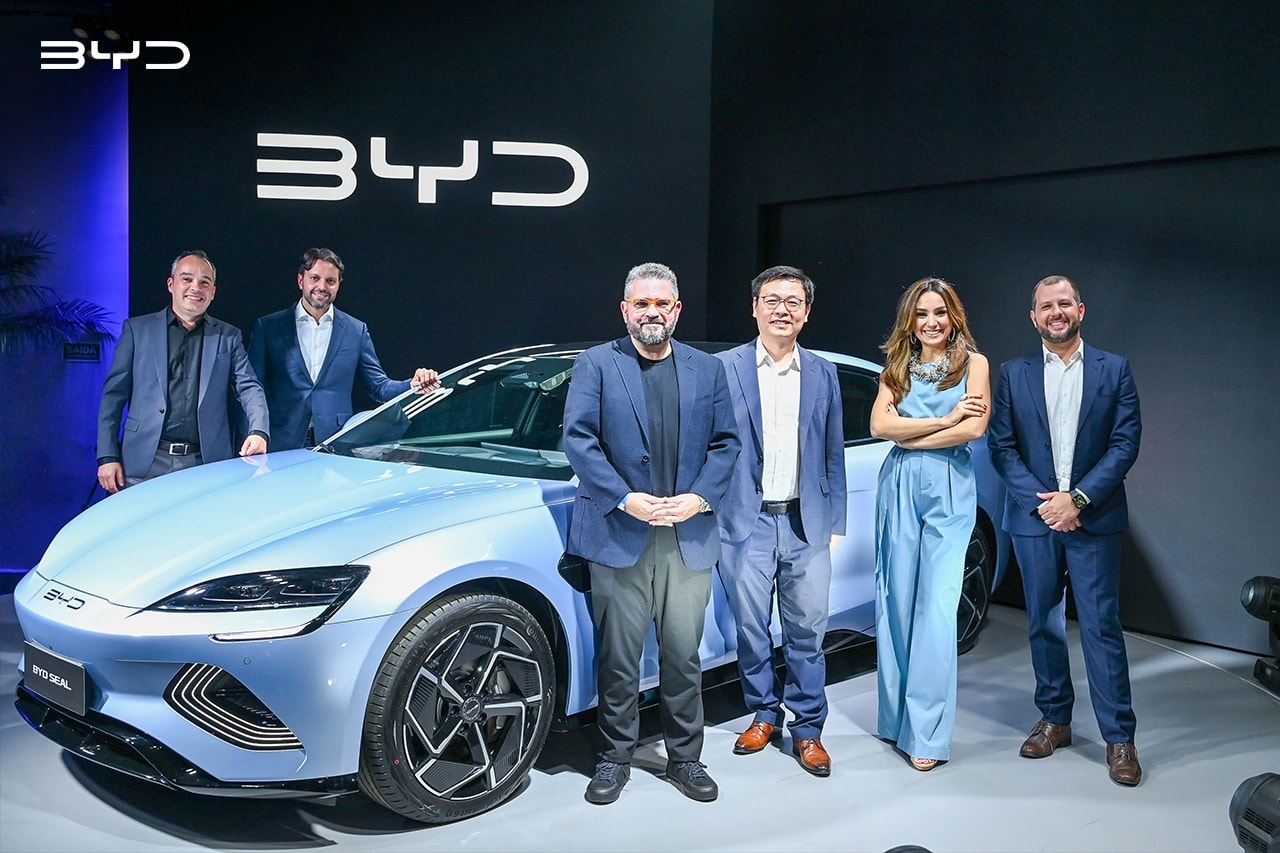
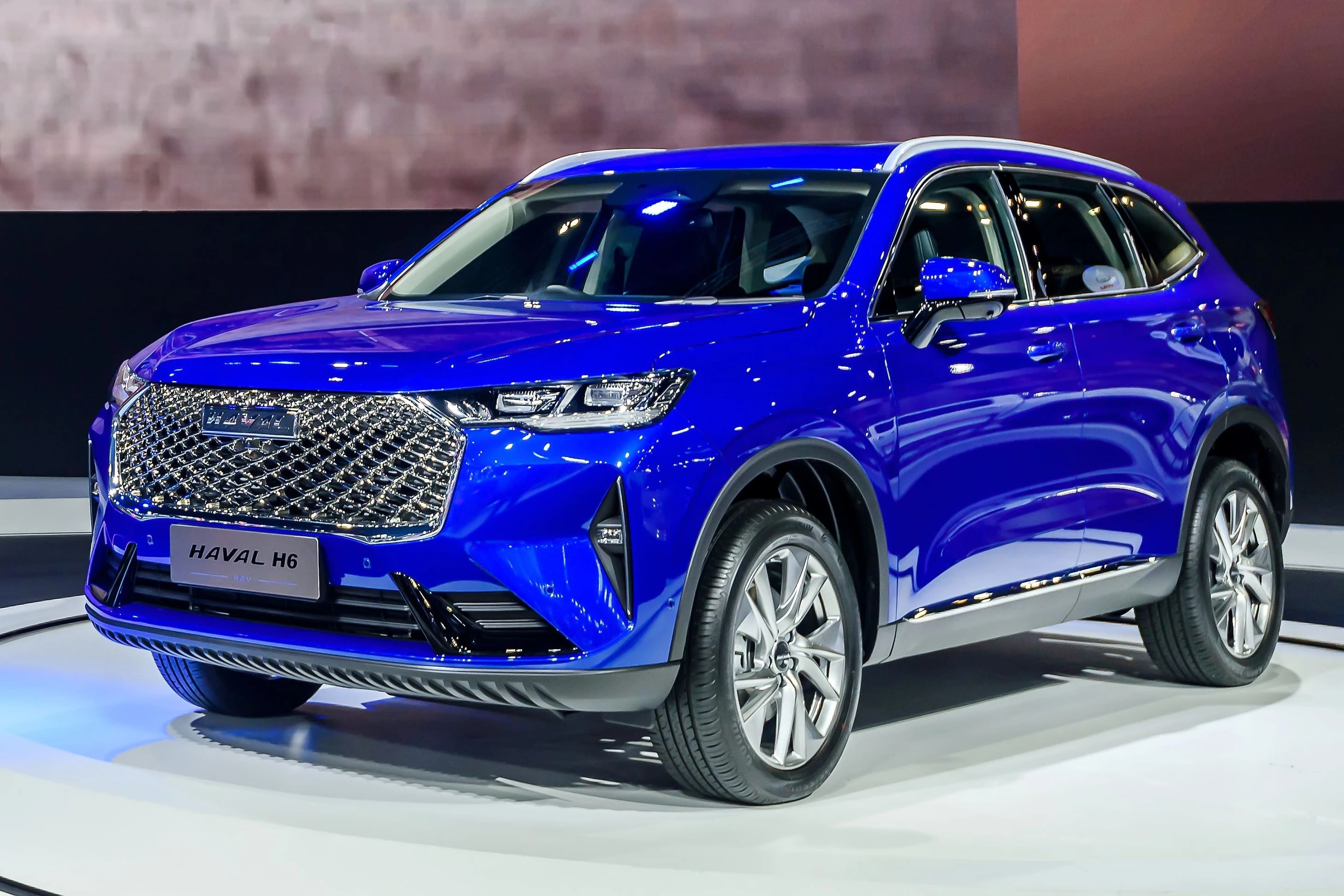
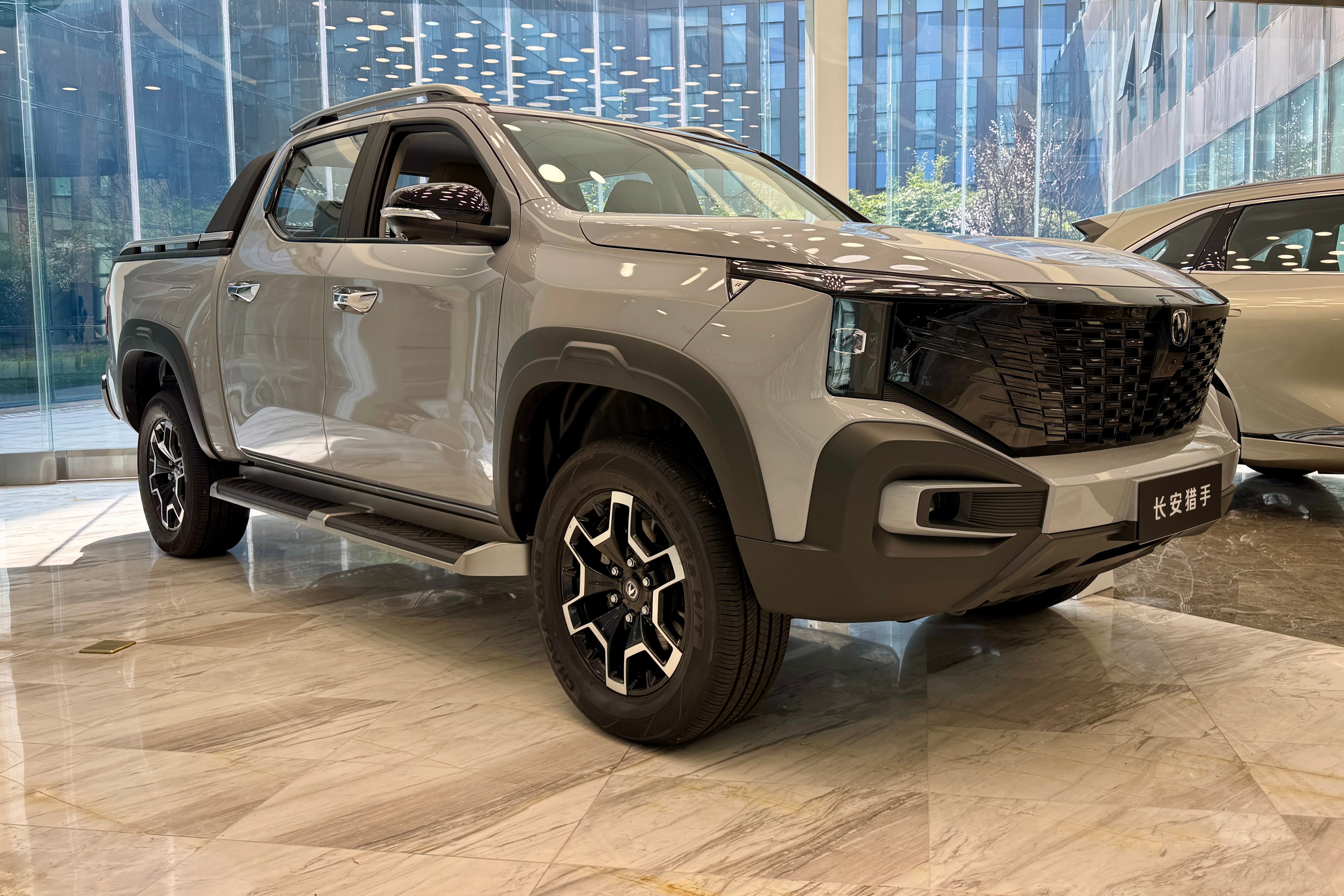
BYD, Changan, GWM, and MG are expanding their presence in Brazil, Thailand, Israel, Indonesia, and other countries. The BYD Seal all-electric vehicle has been available in Brazil since 2023, demonstrating a strategy of penetrating emerging markets with a competitively priced electric vehicle lineup.
Market share is shifting rapidly in emerging markets.
The influx of Chinese cars is taking market share from established brands like Toyota, Nissan, Honda, Mitsubishi, Suzuki, Hyundai, Kia, Fiat, Renault, Volkswagen, Chevrolet, and Ford in many countries.
- Brazil: market share increased from 6.8% (9 months of 2024) to 9.1% (2025), ranking fourth in the overall market after Fiat, Volkswagen, and Chevrolet.
- Australia: Chinese car market share to increase from 11.4% to 16.7% by September 2025.
- Chile: Chinese brands achieve 30.9% market share.
- Thailand, Israel: market share over 30%.
- UAE: approximately 16–17%.
- South Africa, Indonesia: over 12%; in Indonesia, BYD rose to 6th place in the overall market.
- Ukraine: BYD increases market share from 3% to 7.7%.
Key figures for 2025
- Uruguay: Chinese car market share to increase by 12.6% compared to 2024.
- Israel: increased by 11.5%.
- Indonesia: up 6.5%.
- Ukraine: up 6.2%.
- Australia: up 5.3%.
| Market | Market share/volatility | Note |
|---|---|---|
| Thailand | Over 30% | Chinese car market share |
| Israel | Over 30% | Chinese car market share |
| Chile | 30.9% | Chinese car market share |
| Brazil | 6.8% (9M/2024) → 9.1% (2025) | The Chinese company ranks fourth in the overall market. |
| Australia | 11.4% → 16.7% (September 2025) | Rapid growth expected in 2025 |
| UAE | Approximately 16–17% | Chinese car market share |
| South Africa | Over 12% | Chinese car market share |
| Indonesia | Over 12% | BYD ranks 6th in the overall market. |
| Ukraine | BYD 3% → 7.7% | BYD's market share |
Capacity investment: BYD opens factory in Brazil
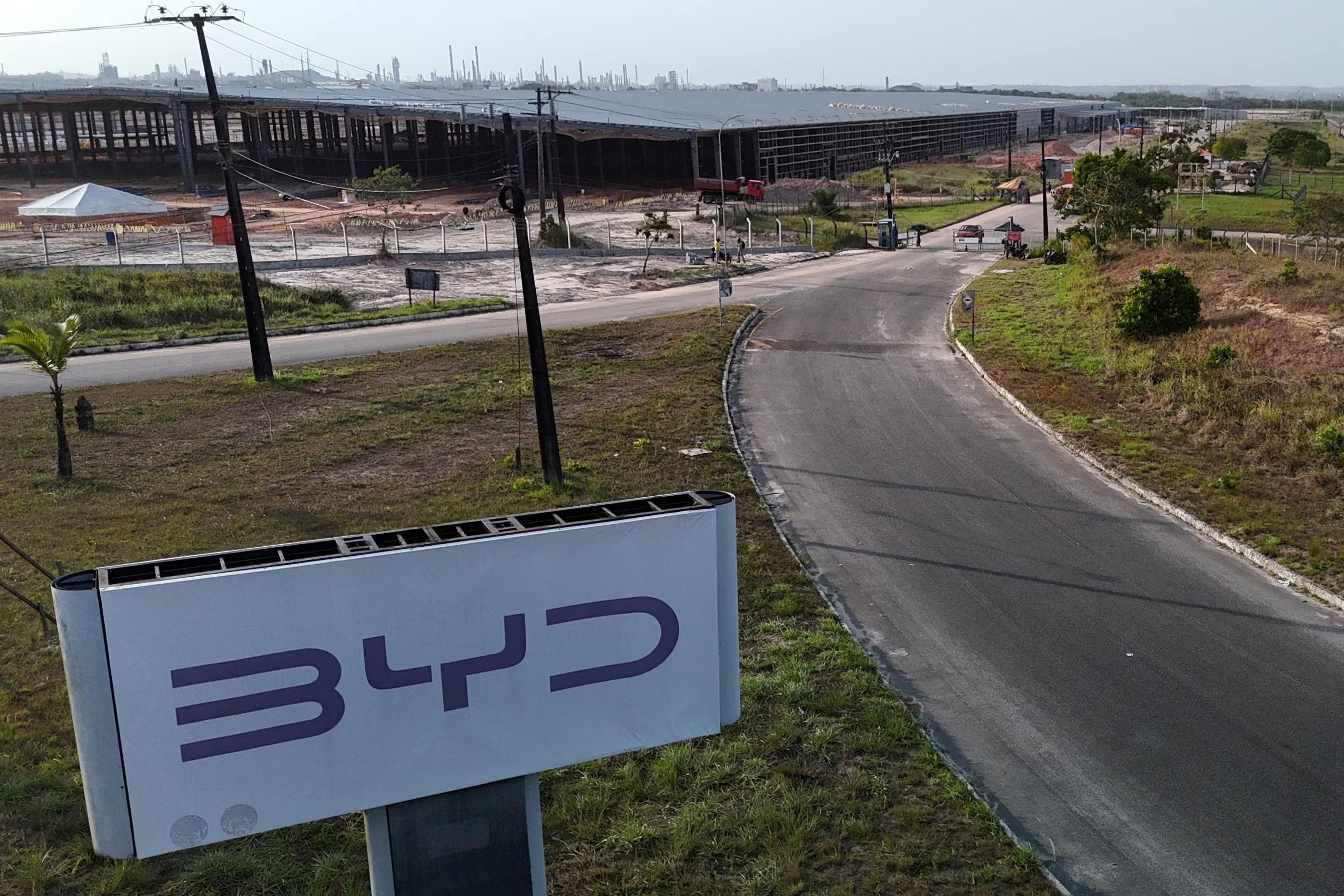
BYD's Camacari plant in Brazil is expected to begin operations in late 2026 and could create an additional 10,000 jobs. Construction had previously been temporarily halted due to allegations of labor abuse.
Impact on traditional brands
The rise of Chinese cars is changing the competitive landscape. In Chile, Chevrolet is losing market share to GWM and Changan; in Colombia, Ford has been pushed out of the top 10 by BYD; Australia is seeing a significant increase in Chinese car market share, reaching 16.7% by September 2025. Japanese, Korean, European, and American manufacturers are facing pressure in both the mainstream and electric vehicle segments.
Challenges remain.
Despite strong growth, Chinese companies still face challenges regarding brand trust and safety standards in developed markets. However, in emerging economies, their cost advantages and speed of product launch are making them the preferred choice.
Prospects
With its growing market share in Asia, Africa, and South America, coupled with a flexible expansion strategy and a focus on electric vehicles, it's only a matter of time before China becomes the world's number one automotive exporter.