

Google Pixel 9a: Unique flat design, creating a distinct identity.
With its completely flat design, larger battery, and improved camera, the Pixel 9a is no longer a scaled-down version but has become a standalone, distinct option in Google's product line.
The Google Pixel 9a marks a significant shift for the A-Series. Instead of being a stripped-down version of the flagship, the 2025 Pixel 9a asserts its own identity with a unique design and significant hardware upgrades, offering an attractive option in the mid-range segment.
A design overhaul: Goodbye to the protruding camera module.
The biggest and most impressive change on the Pixel 9a is its design. Google has completely removed the distinctive protruding camera module, a hallmark of its 2021 model, creating a nearly perfectly flat back. This decision not only provides symmetry and a cleaner look but also significantly improves the feel in the hand.
Weighing just 185.9 grams, significantly lighter than the Pixel 9 (198 g) and 9 Pro (199 g), the phone feels light and comfortable to use for extended periods. The flat, textured frame provides stability in the hand and resists fingerprints. The matte composite (plastic) back makes it easily distinguishable from the glossy glass front and offers increased durability compared to a fragile glass back.

This minimalist design allows users to focus entirely on the screen, providing a feel as if they are holding only a display panel. This is a distinct difference, creating a unique identity for the Pixel 9a within Google's entire product line.
Display and performance: A worthwhile upgrade.
The Pixel 9a features a 6.3-inch pOLED display, slightly larger than the 6.1-inch screen of its predecessor. A significant upgrade is in brightness, with the new Actua display being 35% brighter than the Pixel 8a, improving outdoor visibility.
| Parameter | Pixel 8a | Pixel 9a |
|---|---|---|
| HDR brightness | 1400 nits | 1800 nits |
| Maximum brightness | 2000 nits | 2700 nits |
In terms of performance, the Pixel 9a uses the Tensor G4 chip, similar to the flagship Pixel 9 and 9 Pro models. Despite having only 8GB of RAM, the device still handles everyday tasks well, and background apps rarely need to reload. Google claims web browsing is 30% faster than the Pixel 8a. Real-world testing shows app launch and processing speeds are comparable to the Pixel 9 Pro.
Another notable upgrade is the IP68 dust and water resistance rating, higher than the IP67 rating on the Pixel 8a, providing greater peace of mind during use.
Battery life and charging speed: Exceeded expectations.
With its 5,100 mAh battery, the largest ever on a Pixel phone, Google confidently claims the Pixel 9a can last for "over 30 hours." Real-world testing shows the device can last for 1.5 days with typical usage. With about 4 hours of screen time per day, the battery still has around 40% remaining at the end of the day.
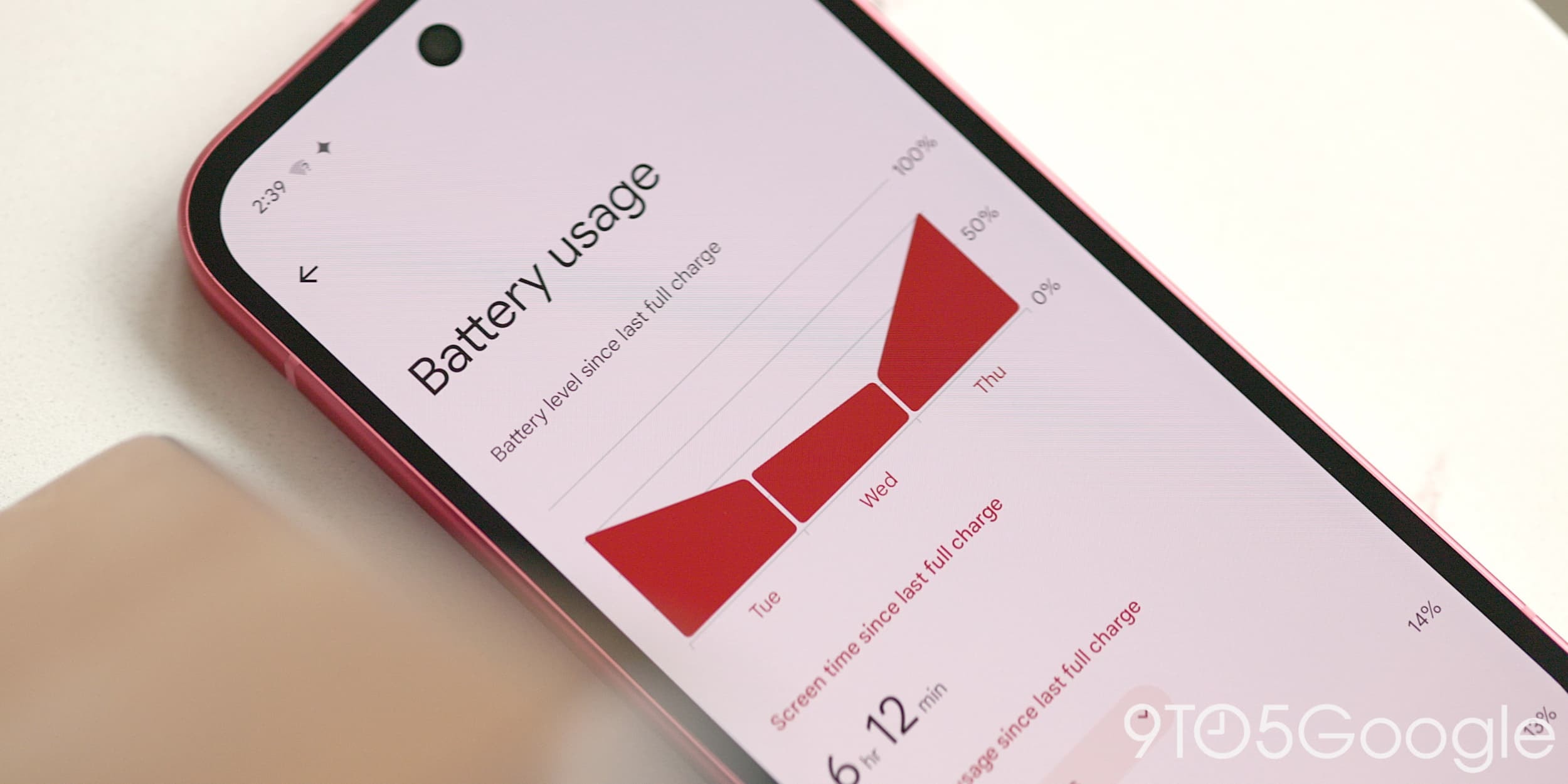
Wired charging speeds have been upgraded from 18W to 23W, while wireless charging remains at 7.5W. Although wireless charging speeds aren't particularly impressive, the excellent battery life compensates for this weakness.
Camera system: Sharper, smarter
The Pixel 9a features a new 48MP main sensor, similar to the one on the Pixel Fold but slightly smaller. This upgrade results in significantly sharper images and better control over highlights compared to the Pixel 8a, retaining more detail and color in brighter areas of the photo.
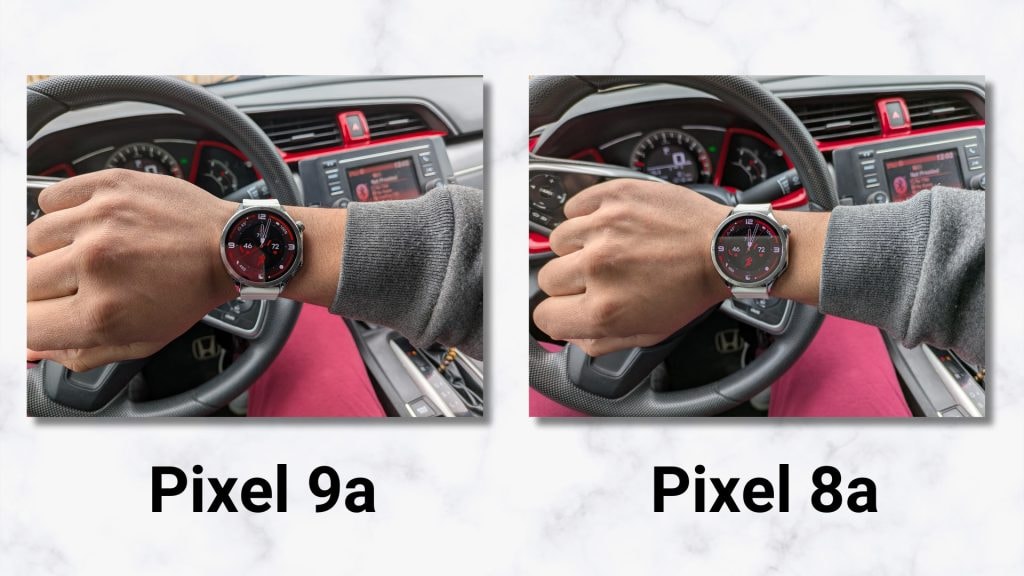
A notable new feature is Macro Focus, integrated directly into the main camera's autofocus system. This feature automatically activates when the user brings the camera within 5 cm of an object, allowing for detailed close-up shots. Familiar AI features like Best Take are retained, helping to create perfect group photos.
However, there are some cutbacks, such as the removal of HDR video recording. Even so, important shooting modes like Night Sight and Astrophotography are still present, providing a comprehensive photography experience.
Software and the limitations of AI
The Pixel 9a runs Android 15 QPR1 out of the box. A drawback is that, due to the 8GB RAM limit, it lacks some newer AI features that require more powerful hardware, such as Pixel Screenshots. However, core AI features and exclusive apps like Pixel Studio, Recorder, and Call Screen still work effectively.
Pixel 9a users still benefit from AI features processed on Google's servers, such as free access to Gemini Live. This ensures that despite some hardware limitations, the signature intelligent experience of the Pixel line is maintained.
Conclusion: A distinct identity within the Google product line.
At $499, the Google Pixel 9a is no longer just a "good value for money" phone. It has become a product with its own distinct identity, distinguished by its unique flat design, impressive battery life, and high-quality camera system. It's a different kind of phone, aimed at users who prioritize comfort, practicality, and a minimalist, clean design. Instead of being overshadowed by flagship models, the Pixel 9a confidently stands as an independent and worthwhile option.