

A Gen Z girl from Nghe An leaves the city to return to her hometown and become a "storyteller of agricultural products".
While most of her friends chose to stay in the city to seek stable career opportunities, Ngoc Ha, a graduate of Ho Chi Minh City University of Law, took a different path, deciding to return to her hometown in Nghe An to connect agricultural products with the market through digital platforms.
Without owning farmland or directly producing crops, Ha chose to become an "agricultural product storyteller," using TikTok and Facebook as e-commerce platforms to bring local specialties directly to consumers nationwide.
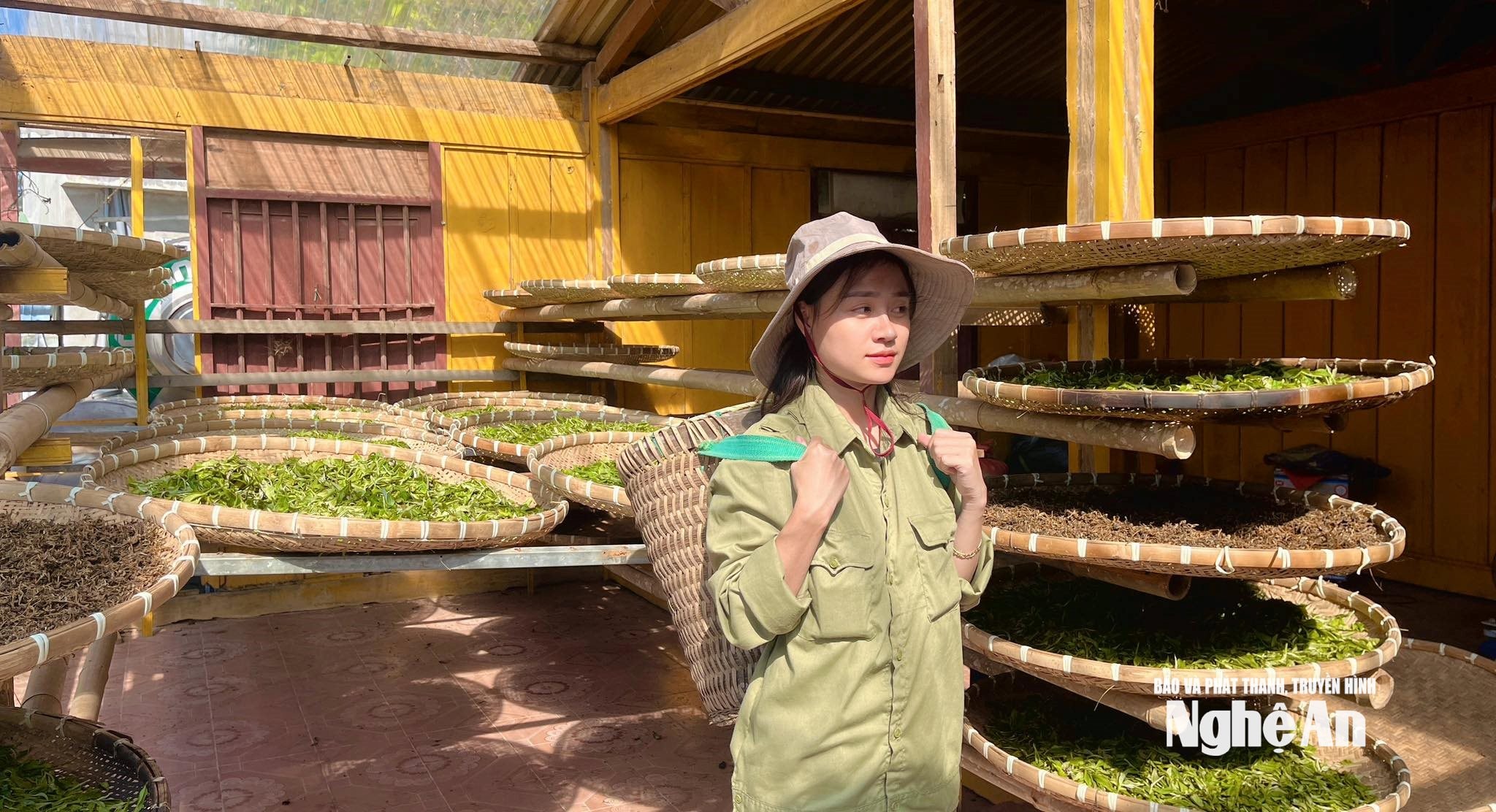
Born in 2001 in Tay Hieu ward (Nghe An province), Ngoc Ha graduated with honors from Ho Chi Minh City University of Law and quickly became a source of pride for her family when she received job offers from many large companies. Her career path opened up promisingly, perfectly aligning with the "future roadmap" for a young, dynamic, and ambitious law graduate.
However, during her time back home to avoid the Covid-19 pandemic, Ha witnessed a reality that troubled her: local farmers were producing clean, high-quality products but were struggling to sell them. They were still selling in the traditional way. Meanwhile, in many other places, young people, with just a phone and a few videos introducing agricultural products, were able to generate significant revenue and bring their hometown products to the whole country.
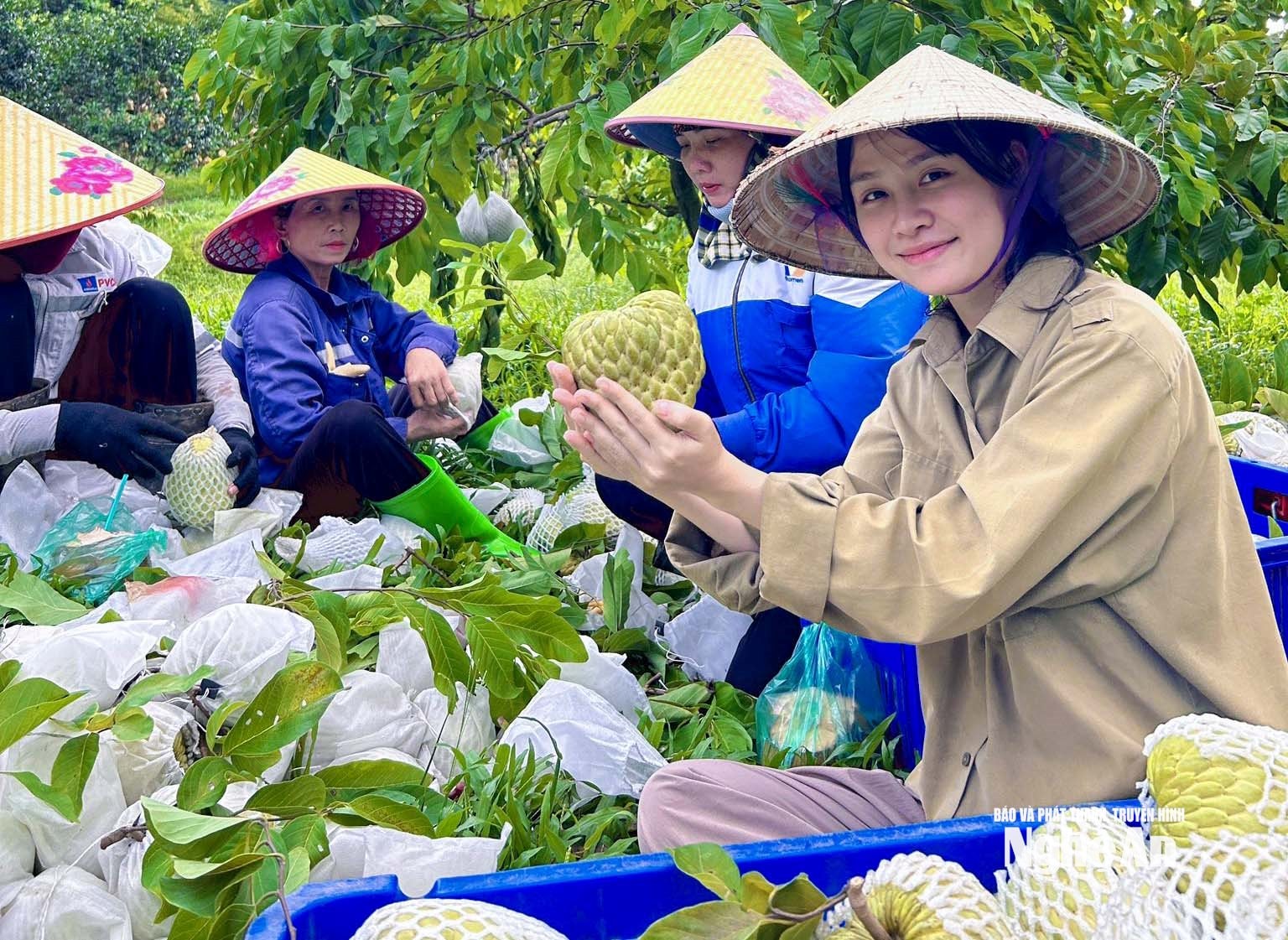
"I wondered, if others can do it for their hometown, why can't I do it for mine?" Ha shared. From that thought, she decided to return to her hometown and start her entrepreneurial journey with nothing but her bare hands, no capital, no experience, and only the belief that technology would be the key to changing the way farmers sell their products.
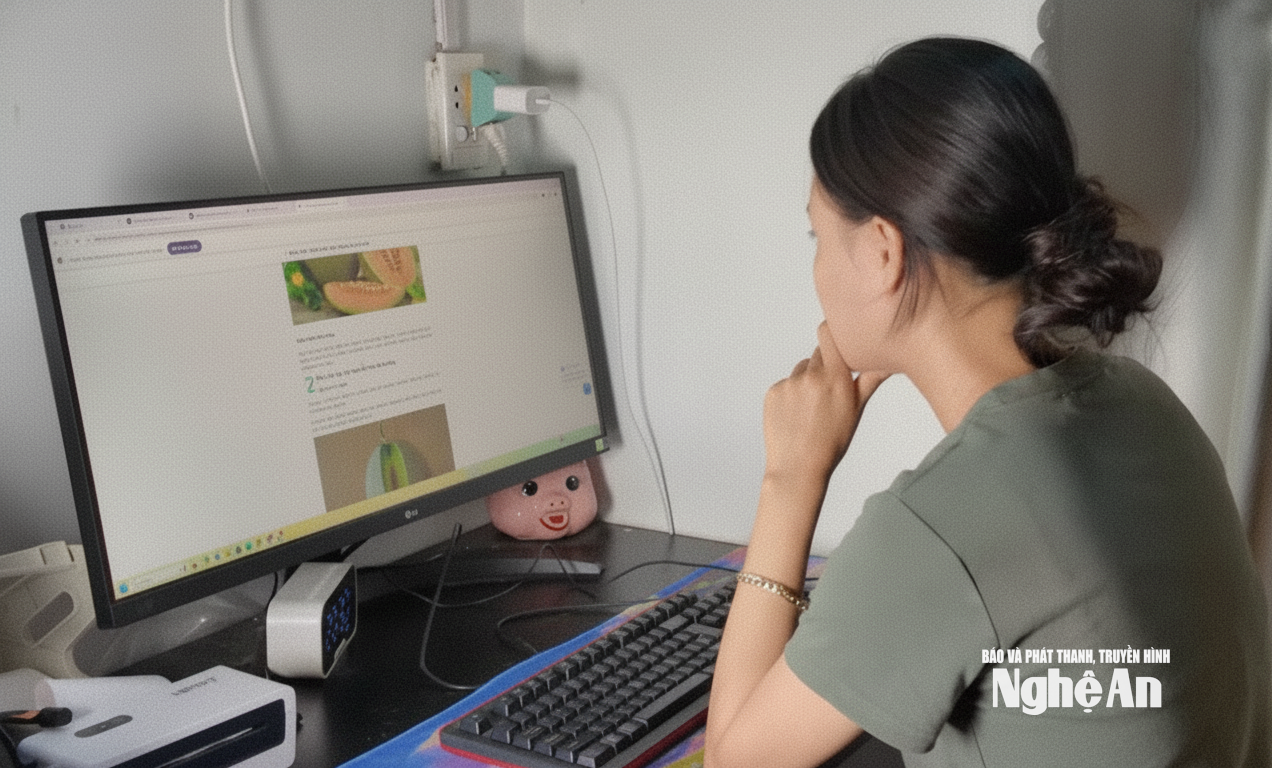
In 2024, Ha traveled extensively through the mountainous communes of Nghe An province, visiting individual households to learn about the products. Ha didn't give up, persistently learning how to create content, produce videos, and research consumer psychology on digital platforms.
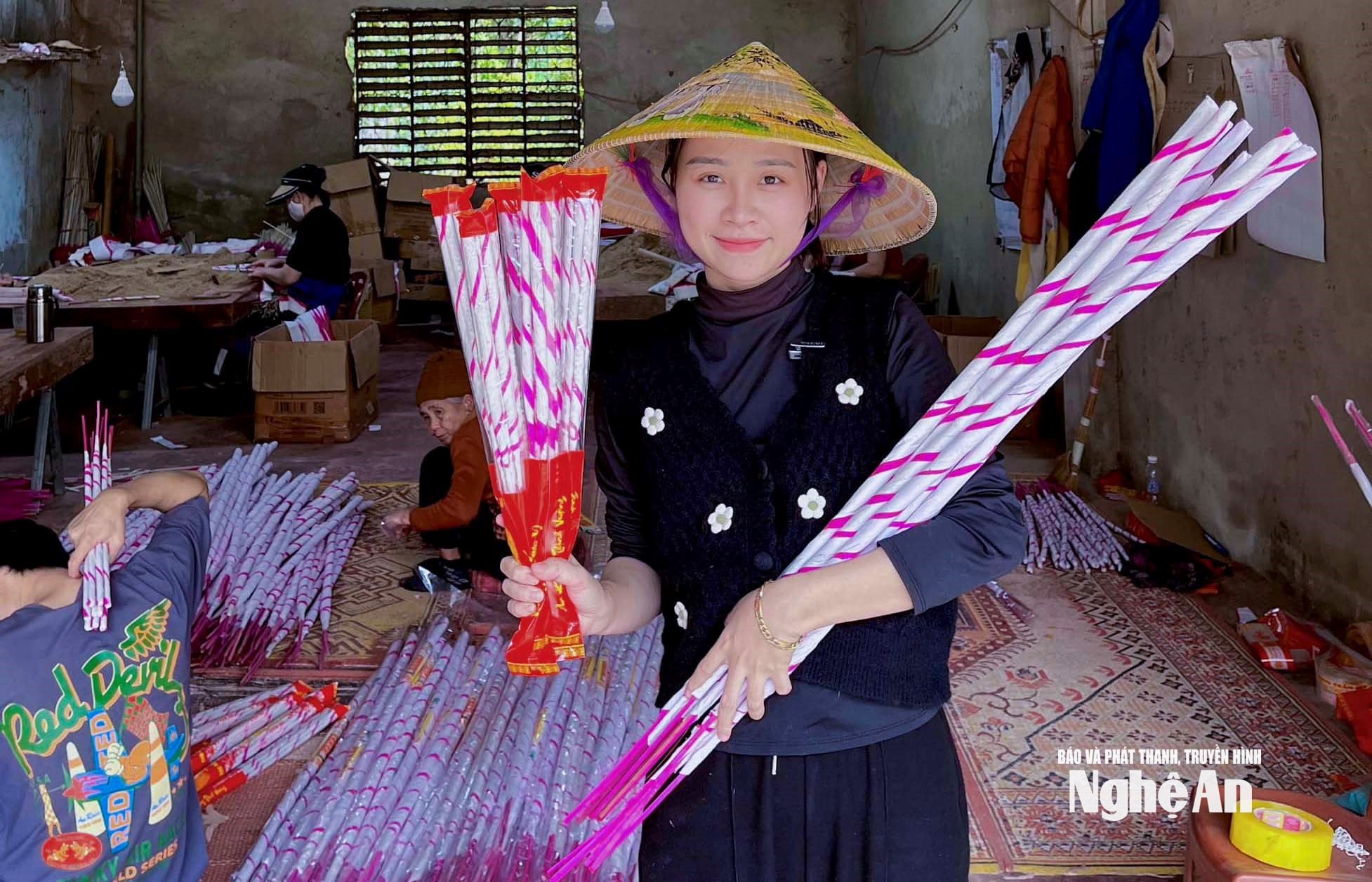
The turning point came when Ha experimented with selling incense products from the Quy Chau craft village on TikTok. Instead of commercial advertising, she chose to tell the story of the traditional incense-making craft, filming scenes of villagers hand-rolling incense sticks and drying them in the golden sun. The authenticity and emotion attracted hundreds of orders in just a few days. Building on this success, Ha continued to collaborate with cooperatives and households to distribute products, expanding her sales model through digital content.
When her daughter returned to her hometown to work in agriculture, Ha's mother was initially worried. "Anyone would be surprised if she studied law and then became a farmer. I was afraid she would struggle and have no future. But when we saw her working diligently, having a clear plan, being able to support herself, and having orders from all over the country, we were very happy and relieved," Ha's mother shared.
To build trust with consumers, Ha doesn't use fancy techniques or complex advertising strategies. She films everyday life: wearing a hat in the fields, helping villagers harvest, and packaging each order. Each product has a clear journey: who produced it, in which village, and at what time it was harvested, so that customers can feel the true value. "Buyers don't just buy because of the quality, but because they trust the seller," Ha affirms.
Thanks to this model, Ha's TikTok channel has gained tens of thousands of followers, with each product introduction video generating high engagement and converting into actual orders. Many households that previously relied solely on traders now have a stable, even 20-30% higher, income thanks to their products being sold at fair prices.
From Ha's story, it's clear that agriculture is no longer just a "manual labor" industry but is becoming a promising sector of the digital economy.