

Wild birds, still finding their way… to the market
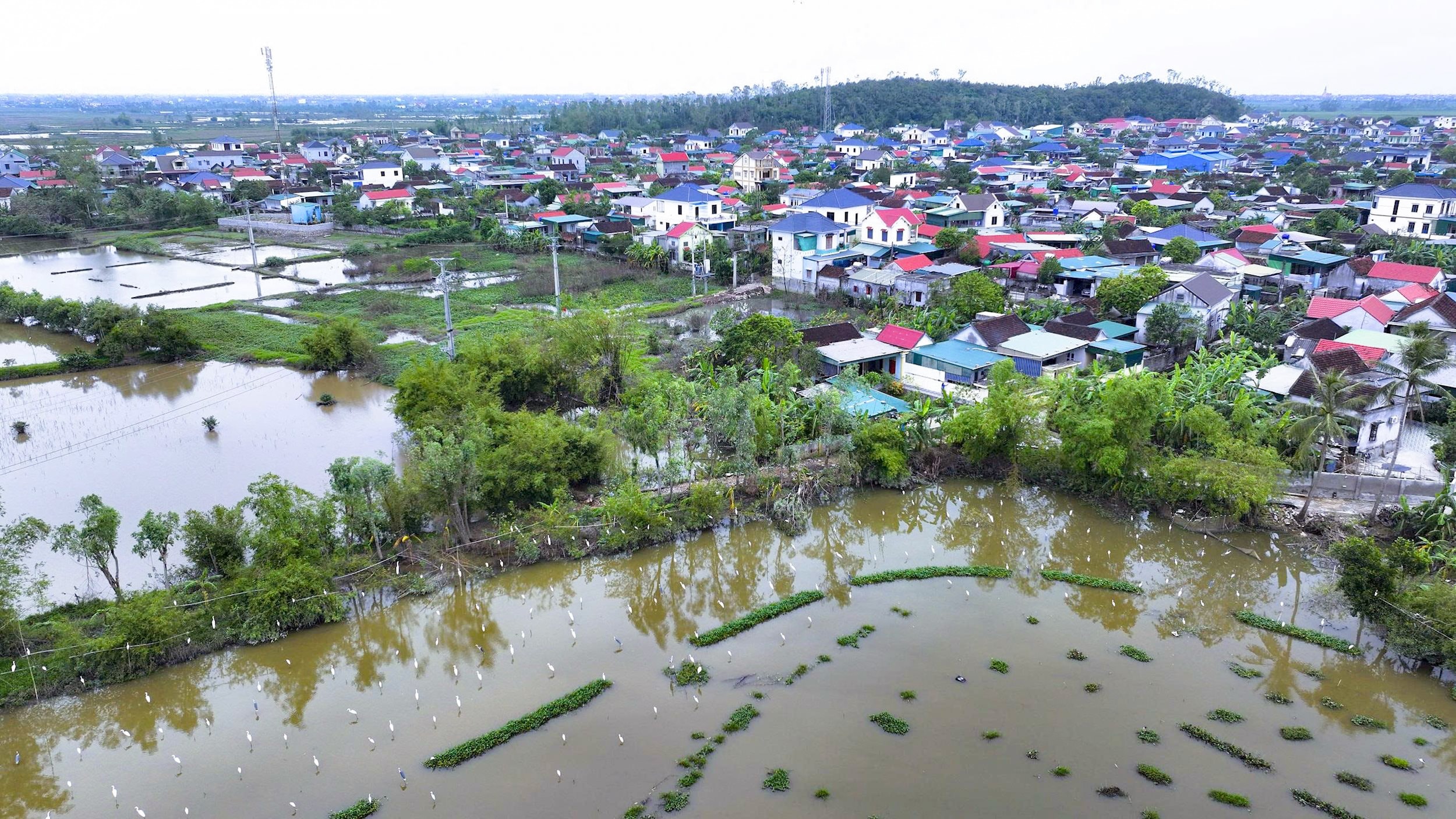
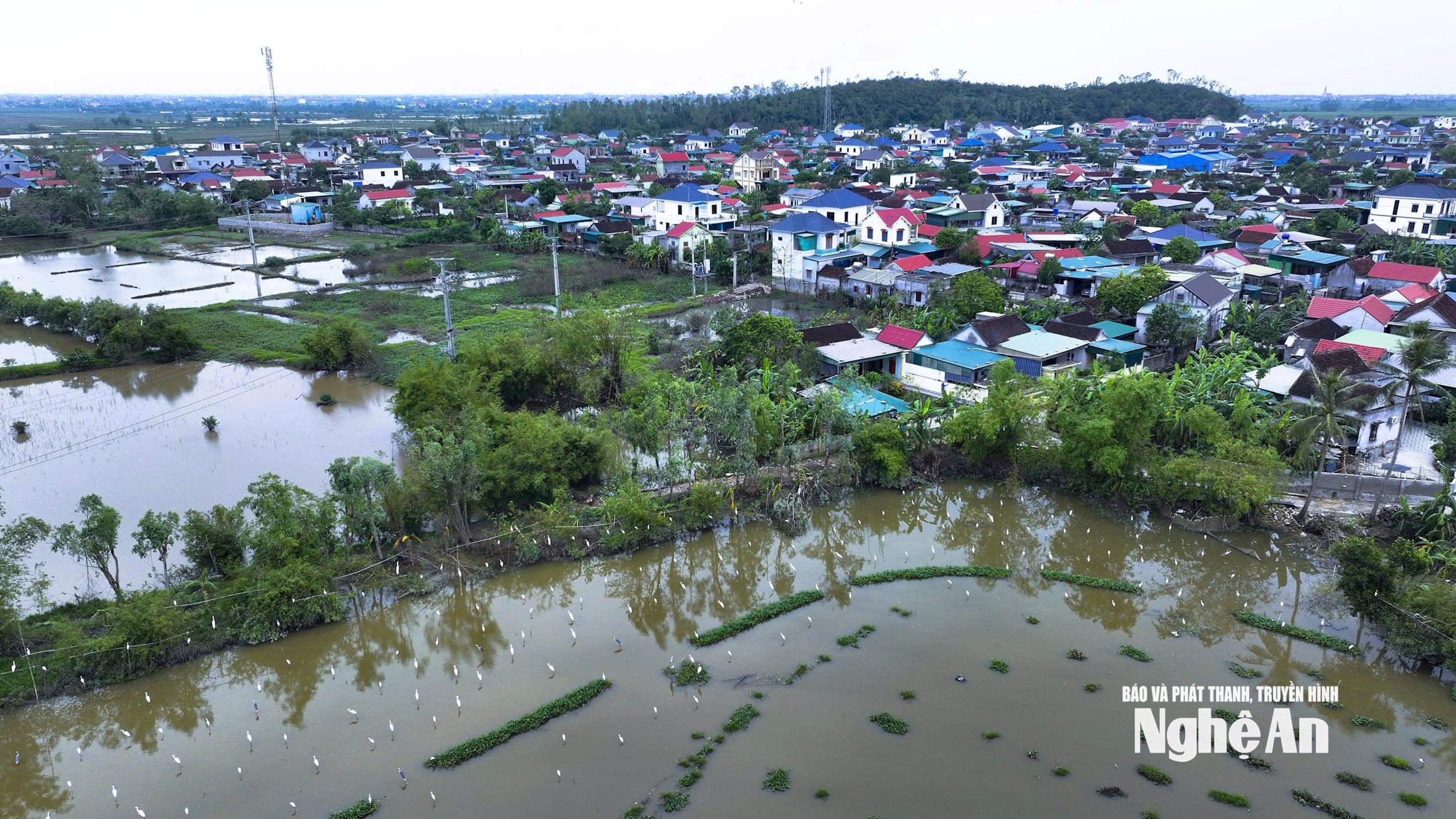
Looking down from the North-South Expressway, near the Dien Chau toll station, you'll see shimmering white birds and egrets scattered across the ponds and green fields. It might seem like a peaceful rural scene where migratory birds have come to roost, but no…

***
Looking down from the North-South Expressway, near the Dien Chau toll station, you'll see shimmering white birds and egrets scattered across the ponds, lakes, and green fields. It might seem like a peaceful rural scene where migratory birds have come to roost, but no…
Nhat Lan - Dao Tuan - Vo Hai• November 3, 2025

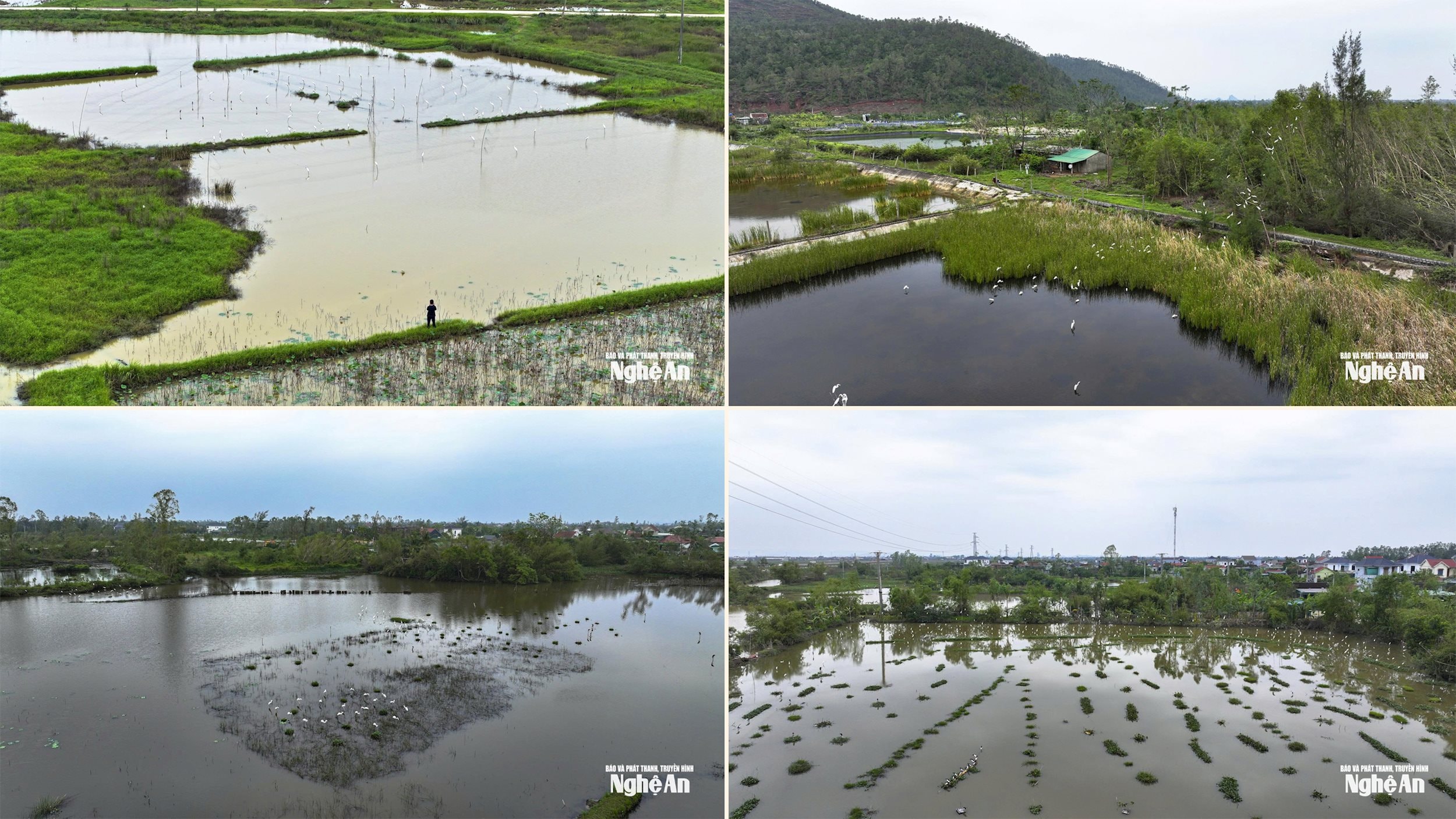
On October 25, 2025, while traveling on the North-South Expressway near the Dien Chau toll station, observing the residential areas on both sides for a distance of over 1 km, I unexpectedly discovered 8-9 spots around ponds, lakes, and rice fields where large flocks of egrets were gathered. The number of egrets at these points was so large that it was striking, their white color overwhelming the green vegetation.
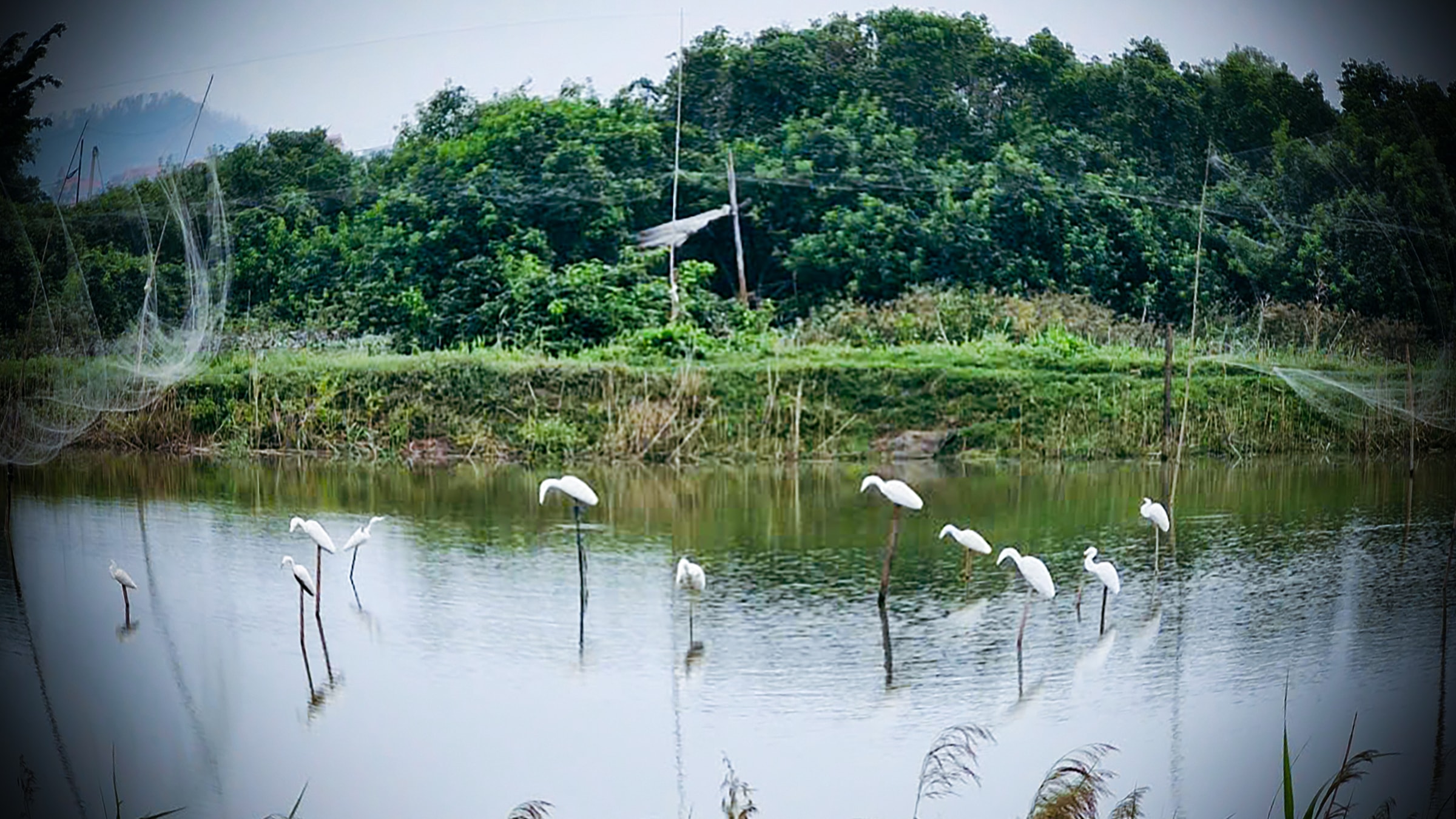
Imagining the peaceful countryside welcoming flocks of migratory birds seeking refuge, we returned to the area on October 27th. Following the service road parallel to the North-South expressway, the flocks of egrets, blanketing the ponds, lakes, and rice fields, were still there. But upon closer inspection, we discovered they were fake egrets, decoys designed to lure wild birds into nets and plastic traps. These decoy egrets were particularly numerous in the vicinity of Hamlet 1, formerly Dien Tho commune (now Tan Chau commune). Here, decoy egrets were placed haphazardly on the surface of ponds and lakes with large clumps of trees. Some ponds had hundreds of fake egrets, herons, pelicans, and other birds.
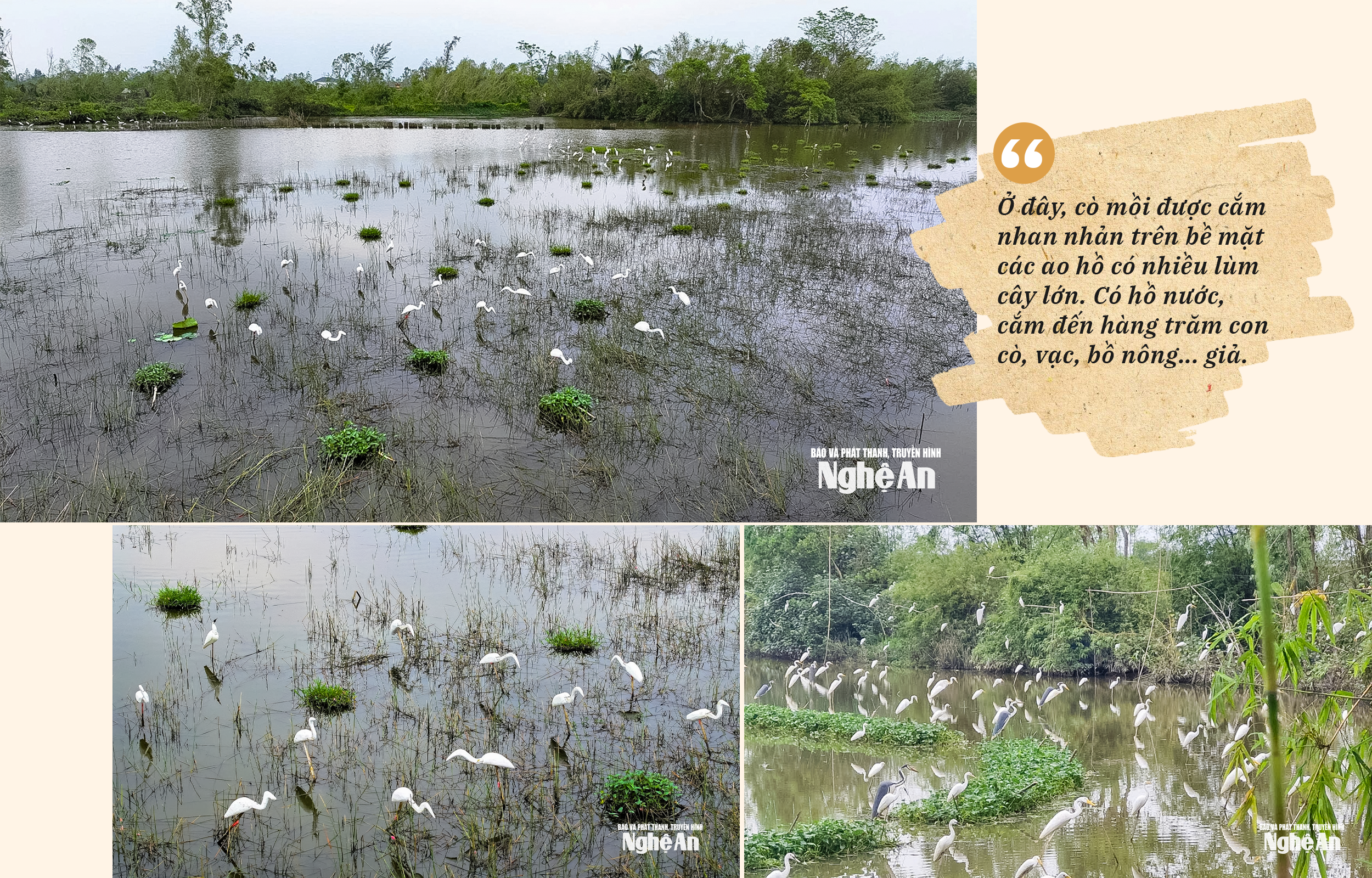
Following the narrow paths through the residential area to the lakes, we found decoy birds made of sturdy, smooth foam, in various standing and perching positions, meticulously painted on their heads and beaks for a lively appearance. The lower body of each decoy bird was firmly attached to a long stick, planted about 40cm above the water's surface, or tied discreetly to the bushes surrounding the lake. Green stakes were also planted next to each decoy bird on the lake's surface. Above, surrounding the decoy birds and bushes, about 1.5m above the water's surface, were layers upon layers of fine, transparent mesh, barely visible unless one looked very closely.
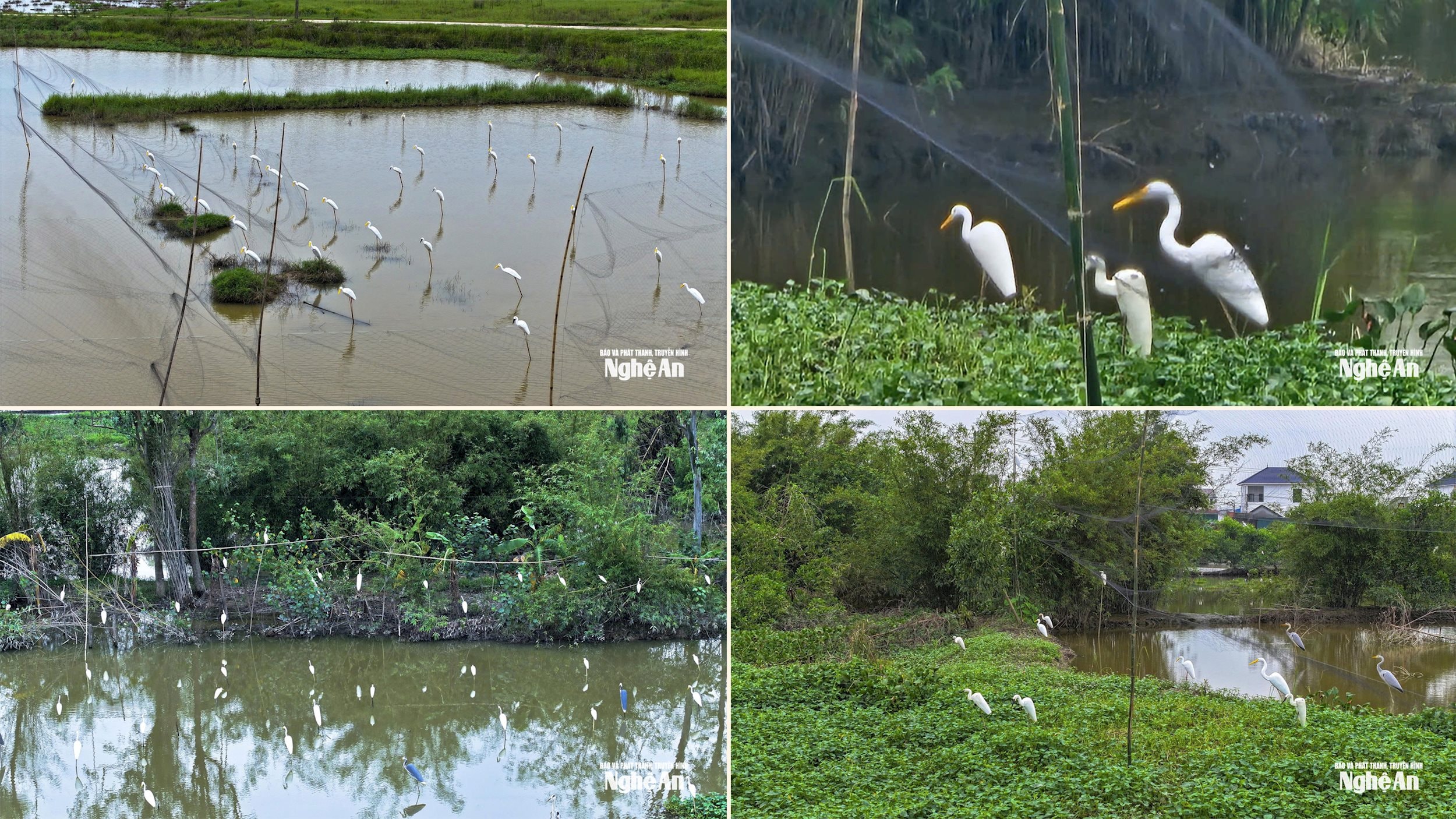
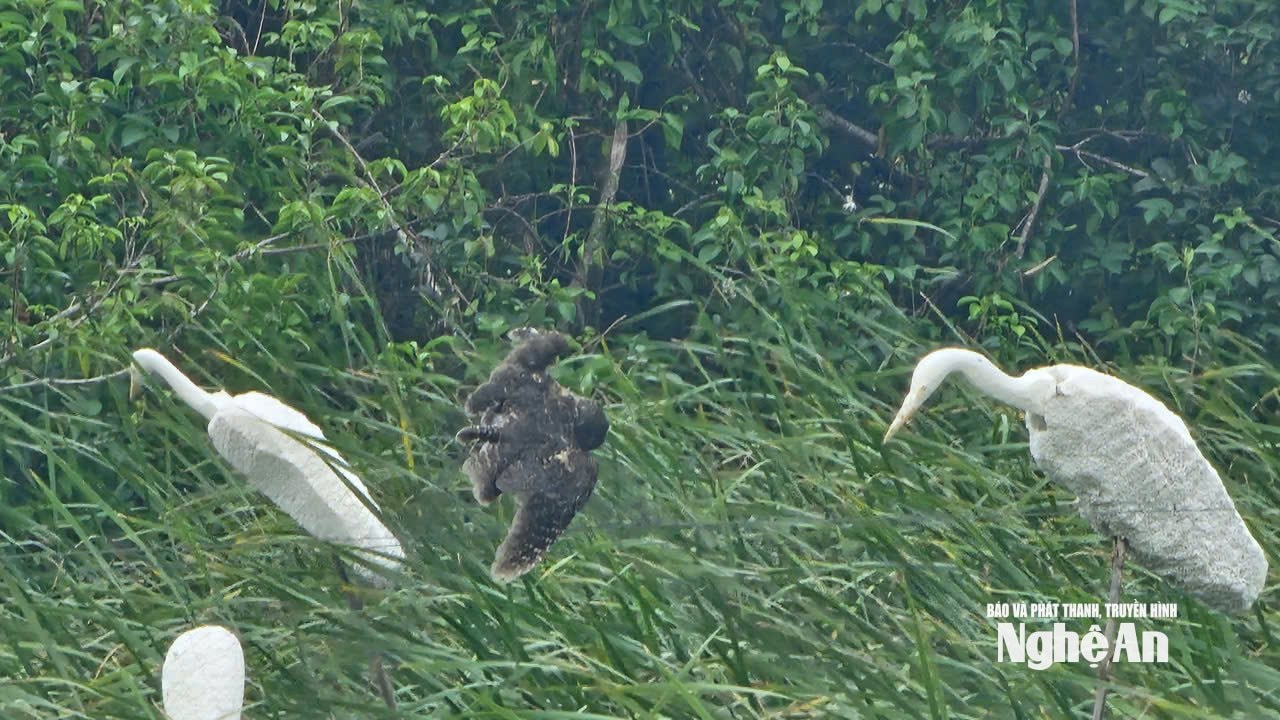
Down in the rice paddies, the scene is similar. The decoy birds are placed in areas with deep water and abundant vegetation. They are surrounded by stakes with nets attached, and smaller stakes. A local woman explained that the nets are used to catch smaller birds, while larger birds like herons and egrets, when they stray into ponds or lakes, get stuck in the resin applied to the stakes surrounding the decoy birds and cannot escape.
Leaving the former Dien Tho area, we visited many other areas in the former Dien Chau, Nghi Loc, and Cua Lo districts, such as Dien Loi, Dien An, Nghi Thiet, Nghi Thu, Nghi Huong… From the observations we made, it can be confirmed that the problem of hunting wild birds remains the same as it was in the past. Wherever there are rice paddies, ponds, and dense vegetation, flocks of decoy storks will appear to lure wild birds. And perhaps, coastal areas have a higher density. When I told some people knowledgeable about hunting wild birds, I received the advice: If you go to Ha Tinh, go to Nghi Xuan. And if you go to Nghe An, you should visit Quynh Thanh. That's the "capital," the "origin" of the wild bird hunting profession…
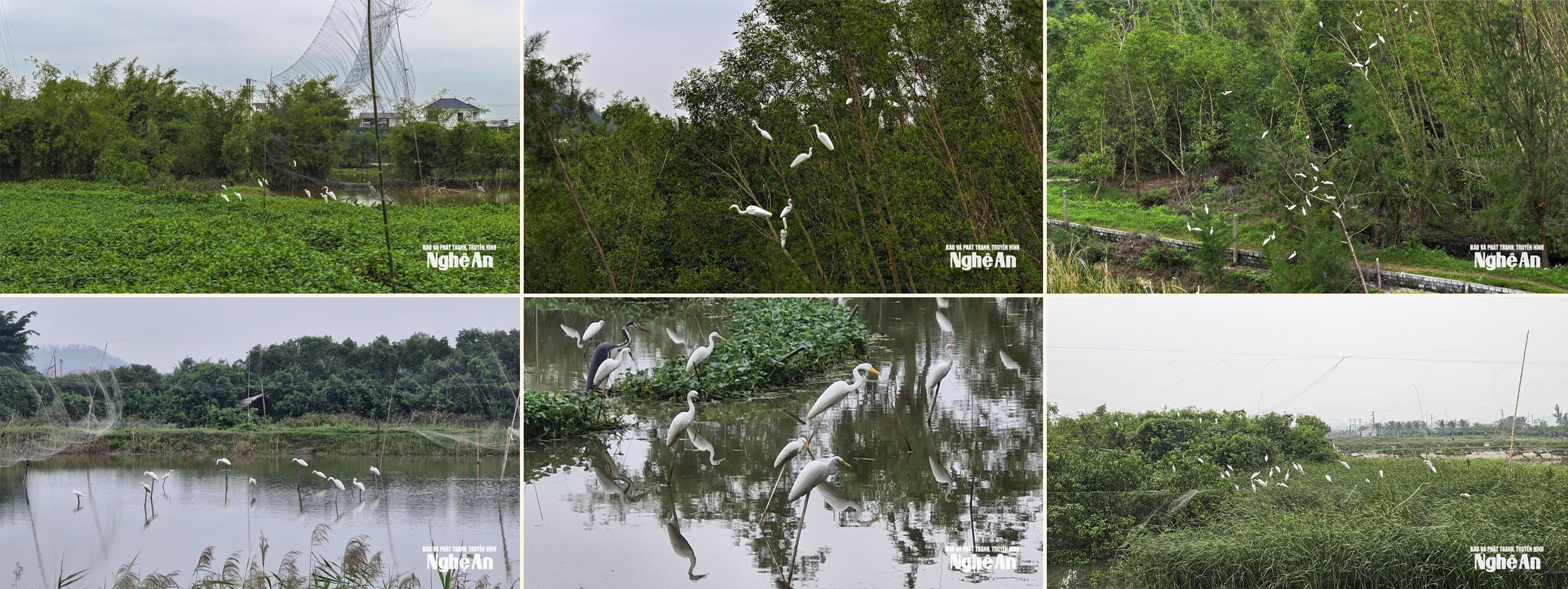
Once again, I hurried to visit Quynh Thanh, now part of the new Quynh Anh commune. Walking along the border between the old Quynh Thanh and Quynh Bang areas, I witnessed the poaching of wild birds everywhere. Many shrimp ponds and surrounding groves of trees were filled with decoy birds and nets. In the rice paddies, along the rural roads, numerous stakes were erected to hold nets, and small huts served as resting places for bird hunters. At these locations, the sounds of birds calling to their flocks could always be heard emanating from hidden loudspeakers…
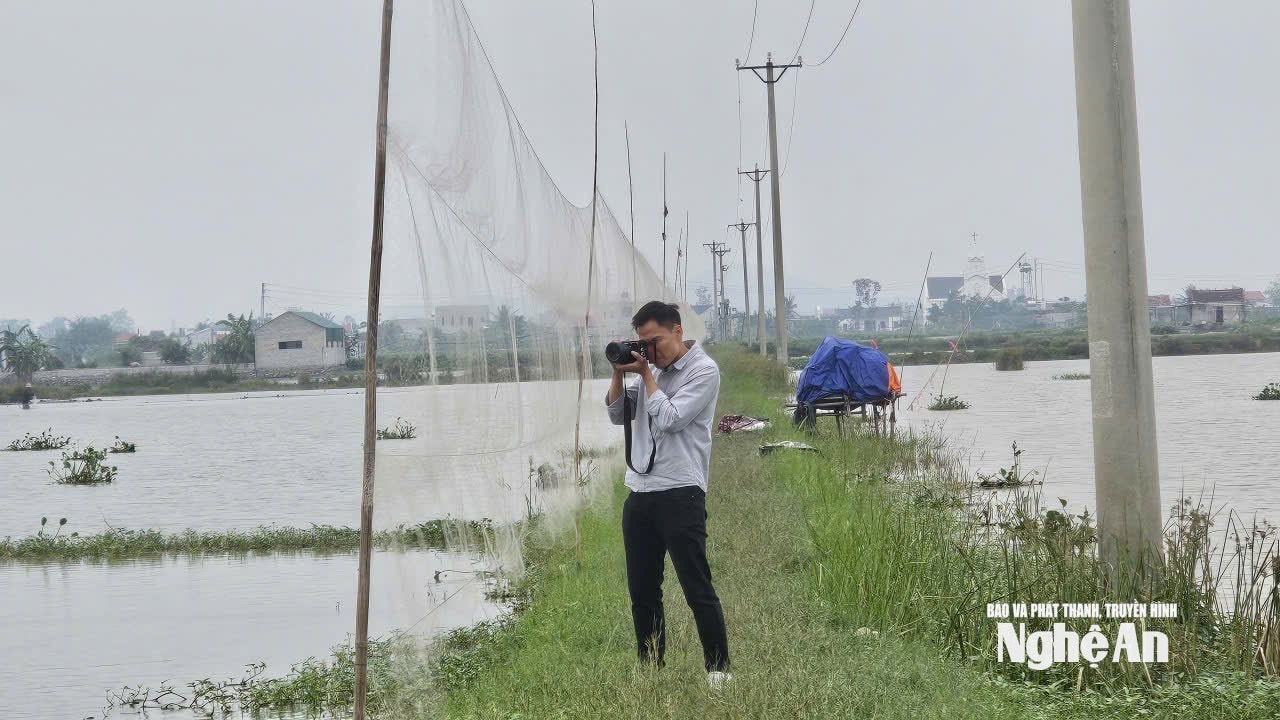

During our visit to Dien Tho, we inquired about buying wild birds. The locals said that you can find them at the market. For example, at Si Nam market, from around 3:30 PM onwards, there are many birds; traders collect wild birds from the locals, bring them directly to the market to pluck their feathers, and roast them alive…
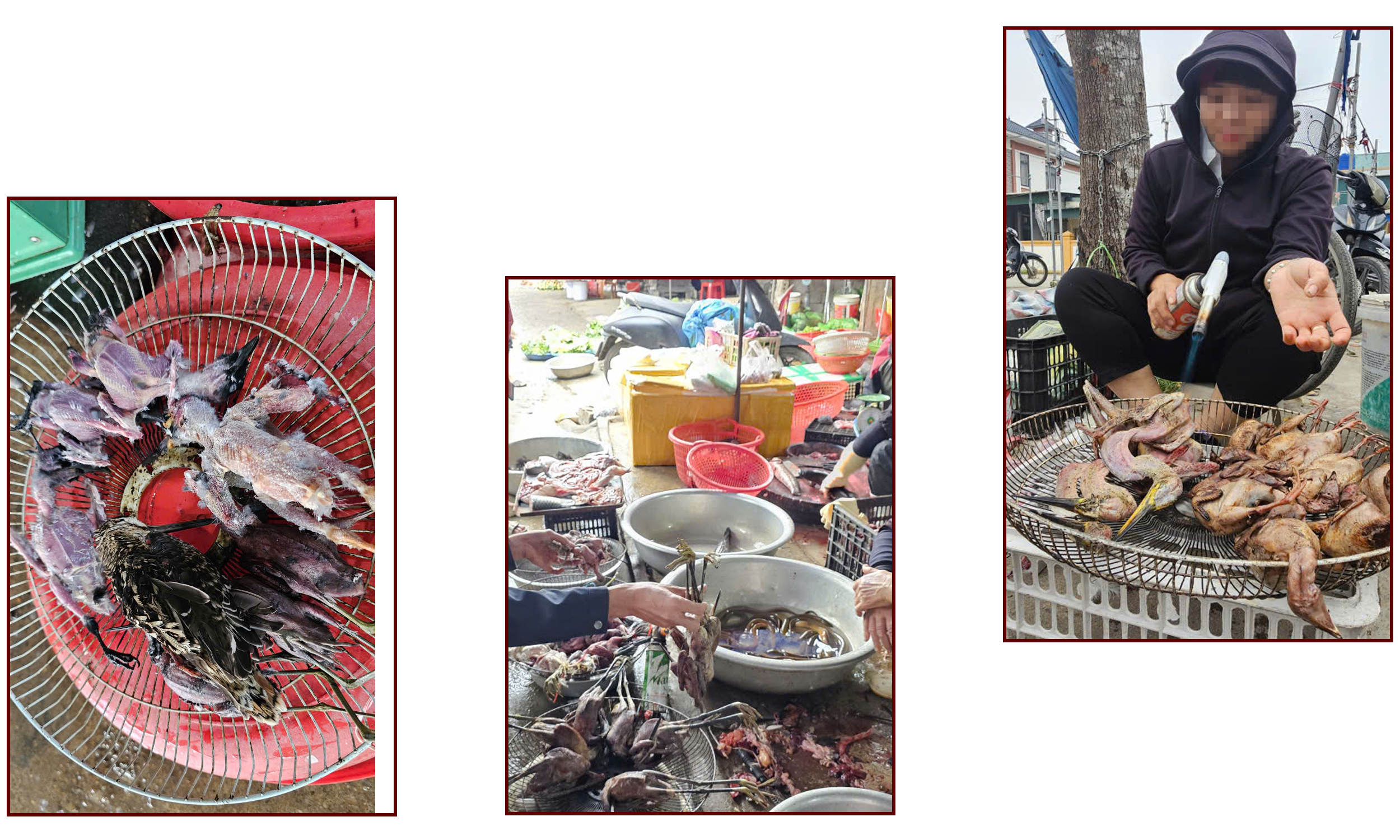
At 10:00 AM on October 29th, I visited Phu Dien market. Although not numerous, there were stalls openly selling wild birds. There were quite a variety of wild birds, varying in weight. According to one vendor, the birds for sale included egrets, herons, and storks… Each type had a different price; storks cost 40,000 VND/bird; egrets cost 70,000 VND/bird for the large ones and 50,000 VND/bird for the smaller ones. The prices were non-negotiable. Some birds had already been plucked and roasted; others had been plucked but not roasted. Some birds, though plucked, were still alive, their bodies bleeding, their bare wings flapping as if trying to escape their restraints and find freedom. When asked where these wild birds came from, they didn't answer. Responding from coastal areas like Dien Thanh and Dien An, the vendors affirmed, "During the rainy season, many birds come back. People catch them and gather them to sell to those who need them. Wild birds are not like poultry. Their meat is delicious and sweet, and you don't have to worry about feed for birds..."
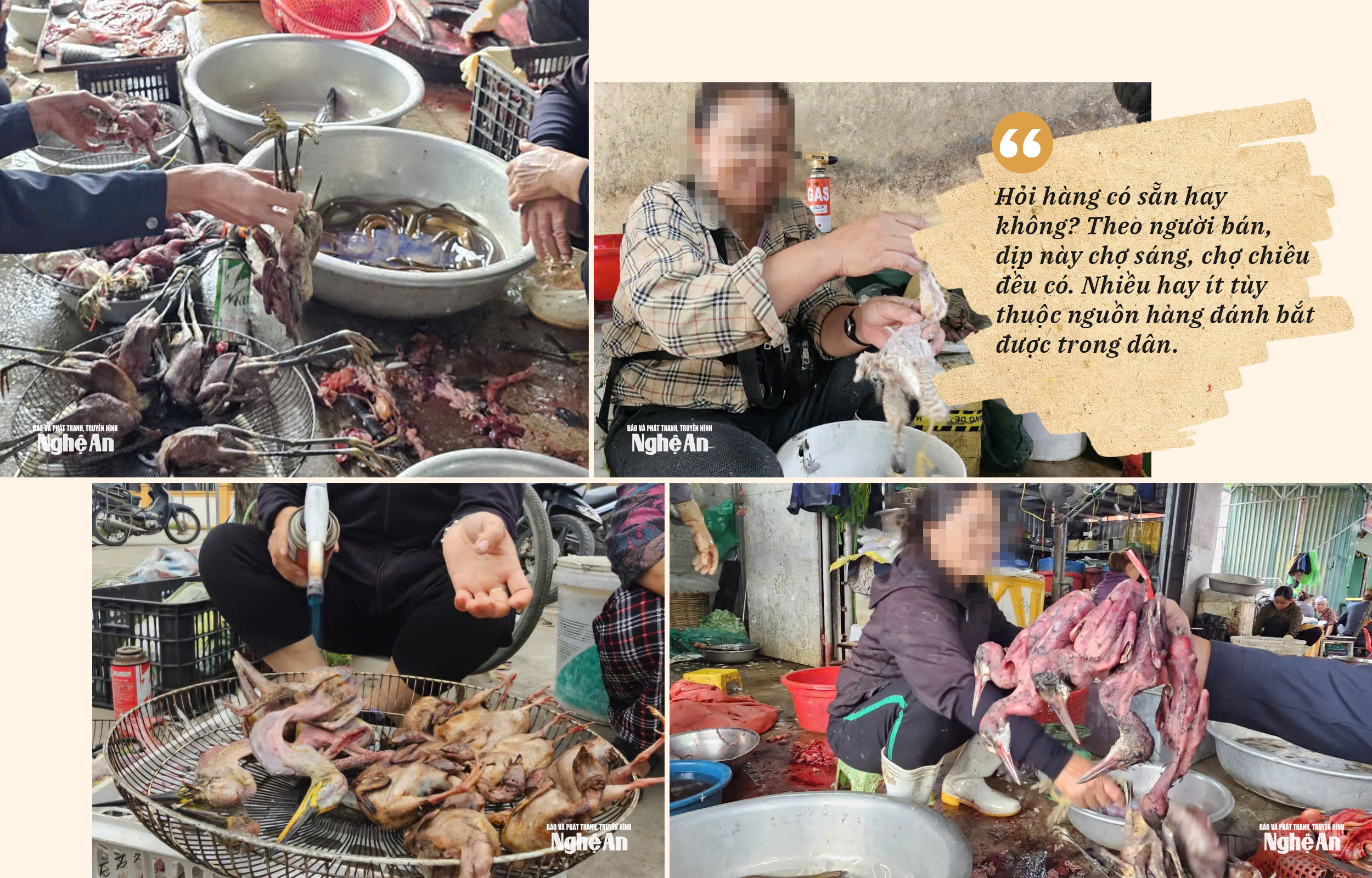
The Quỳnh Thanh market, located next to the headquarters of the Fatherland Front Committee of Quỳnh Anh commune, also has a good supply of wild birds. At 11:30 AM on October 29th, various types of wild birds such as egrets, herons, and bitterns were being sold. The vendors, seemingly unfamiliar with the area, enthusiastically provided detailed instructions on how to prepare them. For example, egrets should be stir-fried with sour starfruit; herons should be seasoned with a sweet and salty sauce, marinated with lemongrass, chili, and lime leaves, then deep-fried until crispy; and bitterns should be cooked in a mock-dog stew with galangal and lemongrass. When asked if the birds were readily available, the vendors said that both the morning and afternoon markets had birds. The quantity depended on the supply caught by local people. One vendor even said: "You can buy fresh birds at the market. But if you live far away and can't come to the market, you can order them online; frozen birds will be shipped to you…"
At 3:30 PM on October 29th, I visited Si Nam market, and it was exactly as the locals in Dien Tho had told me. Even though buyers hadn't arrived yet, several stalls were already selling wild birds. Some were already prepared, ready to be packed and taken home after the price was agreed upon. Others were still alive, freshly plucked, and only after the transaction was complete would the sellers use a blowtorch to singe them and remove the internal organs on the spot. One stall had two fairly large herons, weighing 0.4-0.5 kg each. When I asked the price, the owner replied 110,000 VND per bird. Then, the owner held up the pair of live, plucked herons, admiring them and asserting that they were rare. She said, "A customer from Vinh ordered 15 of these the other day, but I only managed to get 8. When they received them, they scolded me, saying I didn't keep my word…" Then she sighed, "These are wild birds, not farm-raised chickens or ducks that you can just order and get…"
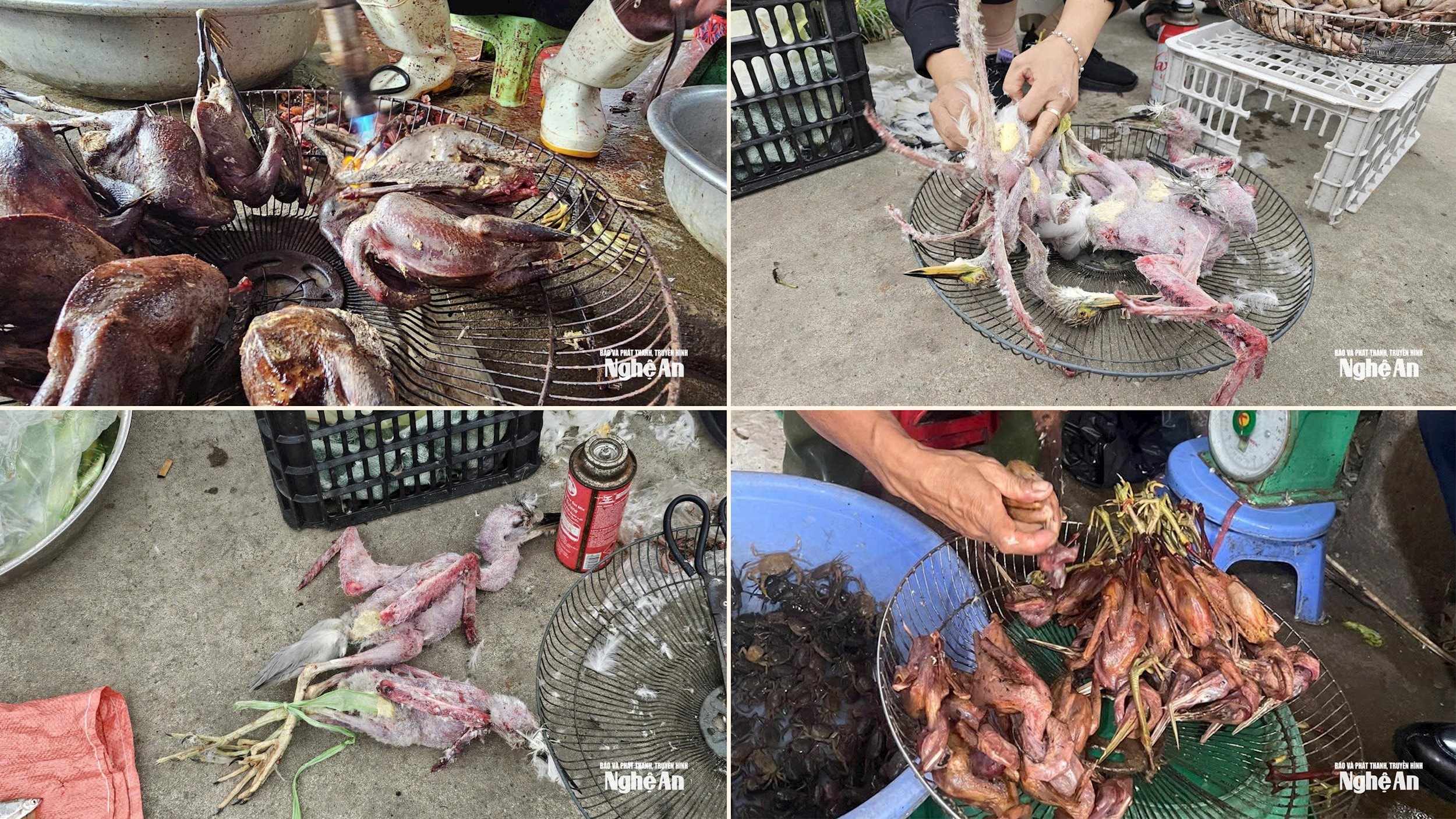
I told my colleague that wild birds are always readily available at the markets in the old Dien Chau and Quynh Luu areas. My older brother laughed and said, "These birds aren't rare at the markets in the wards of the old Vinh city either. It's just that they're rarely fresh..." Visiting a few places in the markets: Hung Dung, Quang Trung, Doi Cung..., it's true that wild birds are sold there. Upon inquiry, I found that the wild birds in these markets are mainly brought in by people from Nghi Xuan district, Ha Tinh province.

For many years, recognizing the importance of wildlife protection, Vietnam has participated in international conventions such as the Convention on International Trade in Endangered Species of Wild Animals and Plants (CITES) and the Convention on Biological Diversity. In addition, it has developed a national strategy for the conservation and sustainable use of biodiversity; and established and maintained legal regulations to protect wildlife.
Recently, on October 17, 2025, the Ministry of Agriculture and Environment and the Ministry of Public Security signed a cooperation plan to combat and prevent violations of laws related to wildlife protection in Vietnam. According to this plan, from October to December 2025, nationwide efforts will focus on raising awareness, inspecting, and handling violations of laws related to wildlife protection. Specifically for awareness campaigns, a national communication program will be implemented with the message:"No hunting – No consumption – Protect wildlife, migratory birds, and aquatic resources."Launching a mass movement to encourage people to report and prevent violations of wildlife laws, urging them not to hunt, trap, or capture wild animals and migratory birds; and establishing a hotline to receive information, investigate, and handle violations of the law."
We present this information to affirm that all acts of hunting and trading wild birds are violations of the law and will be severely punished if discovered. Based on the situation we have observed, the problem of hunting and trading wild birds in the province remains complex and widespread. It is possible that some in society still view hunting and trading wild birds as a hobby or a means of livelihood at certain times. But whatever the reason, change is necessary. Change is needed to raise awareness of the importance of protecting wildlife and to understand the relevant laws. This will help avoid unfortunate risks for individuals and families, and to ensure that the rural areas of Nghe An province have peaceful spaces to welcome migratory birds.