
Ford F-150 Lightning: High attention, low sales due to price.
JD Power noted that the F-150 Lightning was highly considered but sold slowly due to its realistic price of $60,000–$80,000. Ford lowered its target, temporarily halted assembly, and is now focusing on a 2027 EV platform priced at around $30,000.
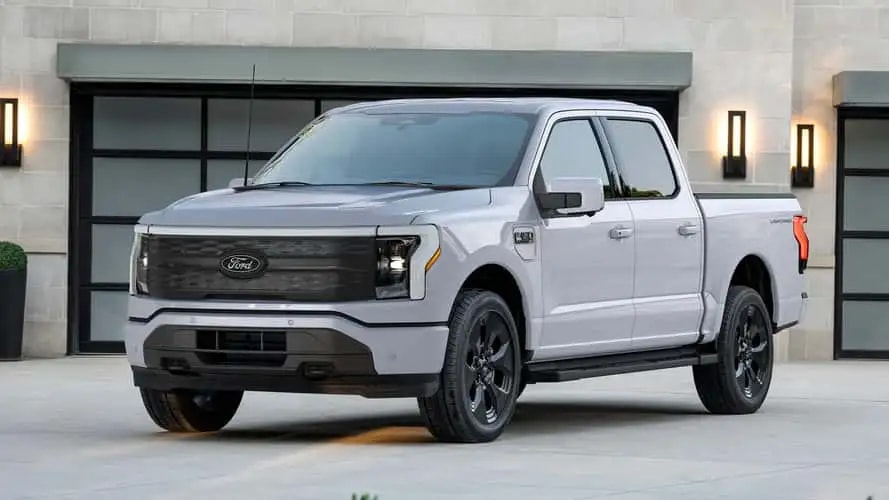
The Ford F-150 Lightning is becoming a prime example of the dilemma facing electric pickup trucks: high interest but low conversion rates due to cost. According to Brent Gruber, head of electric vehicles at JD Power, the Lightning is typically among the most considered vehicles in the EV market, yet sales have fallen short of expectations. With Ford constantly adjusting production targets and temporarily halting assembly to prioritize gasoline-powered vehicles due to aluminum shortages from supplier Novelis, the core story revolves around the price and cost structure of first-generation electric trucks.
JD Power data: high attention, low conversion
According to JD Power data cited by insideevs, the F-150 Lightning typically ranks second or third on the list of EVs considered, behind only the Toyota bZ4X and Honda Prologue. The issue isn't about brand recognition or product appeal, but about the ability to convert interest into actual orders.
Ford had set ambitious sales targets for the Lightning: from 40,000 vehicles per year, then to 80,000 and finally 150,000. However, last year the company only sold 33,510 units despite offering numerous incentives. The Lightning remains the best-selling electric truck in the US, but the overall size of this segment is still very small compared to gasoline-powered vehicles.
The cost problem: the biggest obstacle.
The Lightning and Tesla Cybertruck were advertised with a starting price of $40,000. In reality, the "adequate" configurations typically cost around $60,000, and with higher range options and a full equipment package, the total cost can reach $80,000. This price difference causes many to hesitate.
Brent Gruber stated that 70% of customers considering the Lightning have household incomes below $100,000 per year (approximately 2.5 billion VND) – a group particularly sensitive to price. While EV energy costs may be lower, the initial investment difference between the Lightning and a gasoline-powered F-150 is too large to recoup over time. At the same time, displaying electric and gasoline vehicles side-by-side at dealerships inadvertently draws buyers toward the cheaper, more familiar gasoline version, resulting in better profit margins for the distribution network.
Large batteries, high costs: the reality of first-generation electric pickup trucks.
To meet expectations for range and durability, electric pickup trucks must use large-capacity battery packs – meaning high costs. This is the bottleneck that makes it difficult for the first generation of electric pickup trucks to reach mass market prices. As a result, manufacturers have to both maintain technological appeal and struggle with profit margins.
A temporary solution is a hybrid powertrain: reducing range concerns and not requiring users to change their charging habits. However, hybrids don't offer the full advantages of EVs, such as instantaneous power or optimized powertrain maintenance costs. Another option is the extended-range pure electric configuration (EREV) – where the gasoline engine only acts as a generator. Even so, the price of EREV pickup trucks and the willingness of users to switch remain uncertain.
Production and supply: strategies must be flexible.
Ford has cut its F-150 Lightning production targets and recently halted assembly to prioritize the more profitable gasoline-powered vehicles, following aluminum shortages from Novelis. This demonstrates the dual pressure from market demand and supply chain risks, forcing the company to adjust its production pace to optimize its finances.
Market size: EVs are still too small compared to gasoline cars.
Lightning sales highlight a significant disparity in scale. Last year, Ford sold 765,000 gasoline-powered F-Class vehicles; Chevy and GMC sold nearly 900,000 Silverado and Sierra models; and Ram exceeded 300,000. Meanwhile, Lightning achieved 33,510 units – the highest among electric pickup trucks, but still just a drop in the ocean compared to the entire US pickup truck market.
| Target | Quantity |
|---|---|
| Lightning's (initial) production target | 40,000 vehicles/year |
| The goal is to raise | 80,000 vehicles/year |
| Maximum lift target | 150,000 vehicles/year |
| F-150 Lightning sales (last year) | 33,510 vehicles |
| Sales figures for gasoline-powered F-series (last year) | 765,000 vehicles |
| Chevy Silverado + GMC Sierra (gasoline) | nearly 900,000 vehicles |
| Ram (gasoline-powered) | over 300,000 vehicles |
Long-term direction: mass pricing and sustainable profitability.
A sustainable solution for electric pickup trucks is to achieve a price point that is acceptable to both individual and business customers, while still allowing manufacturers to make a profit. Ford is pursuing this direction with its affordable electric truck project, "skunkworks," and a new mainstream EV platform, expected to launch in 2027 with a starting price of around $30,000.
Beyond the product itself, the policy environment also plays a role. Federal tax credits for EVs are reportedly nearing their expiration, while emissions regulations are easing – factors that could alter the short-term supply and demand dynamics. According to Brent Gruber, to remain competitive, Ford may have to consider lowering the price of the Lightning, similar to what Tesla did with the Model 3 and Model Y.
Conclude
The F-150 Lightning illustrates the core challenge of electric pickup trucks: large batteries drive up costs, making it difficult to bridge the price gap with gasoline-powered vehicles despite the clear operational benefits of EVs. When market demand hasn't caught up, the sensible strategy is to optimize costs, ensure production flexibility, and move towards an affordable EV platform. The solution will only become clearer when the product reaches an acceptable price point, or when policy conditions and battery costs change in a positive direction.
CTVX