

What direction should Vinh's pedestrian street take?
Once considered the "spearhead" of the night-time economy, a hub of culture, cuisine, and tourism in the former Vinh City, the Vinh pedestrian street is gradually losing its appeal after more than three years of operation. Shops and restaurants are deserted, the atmosphere is quiet, and operation is facing many difficulties…
Operating at a reduced capacity.
In April 2022, Vinh's pedestrian street began trial operation after a period of investment and upgrading. One year later, in May 2023, the former Vinh City officially inaugurated the first pedestrian street in Nghe An province. Comprising four streets – Ho Tung Mau, Nguyen Van Cu, Nguyen Tai, and Alley 2 of Nguyen Van Cu connecting to Nguyen Trung Ngan – it was once expected to become a highlight of urban tourism, contributing to revitalizing the night-time economy.
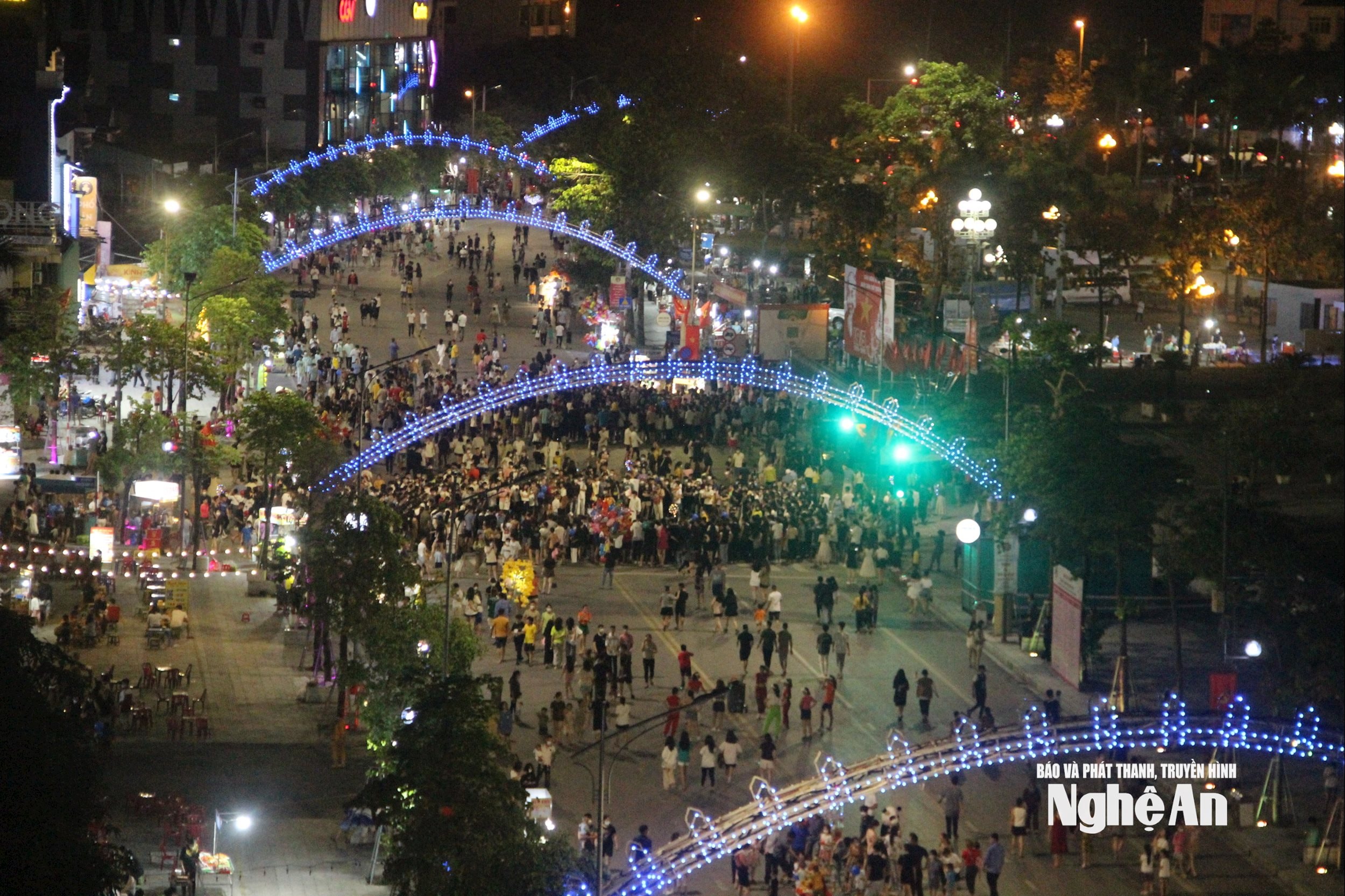
In fact, in the early days, the atmosphere on the pedestrian street was very lively and bustling. On weekend nights, people flocked there in large numbers; music, lights, and diverse programs filled the streets. It is estimated that on peak occasions, the streets attracted tens of thousands of visitors each evening. Shops and stalls sprang up side by side, and buyers and sellers created a vibrant atmosphere in the heart of the city.
However, after three years of operation, that appeal has gradually faded. The once bustling streets are now deserted. According to observations by reporters in November 2025, out of the four streets, only Ho Tung Mau Street maintained a relatively stable number of customers; the remaining streets, Nguyen Van Cu and Nguyen Tai, were almost completely empty.
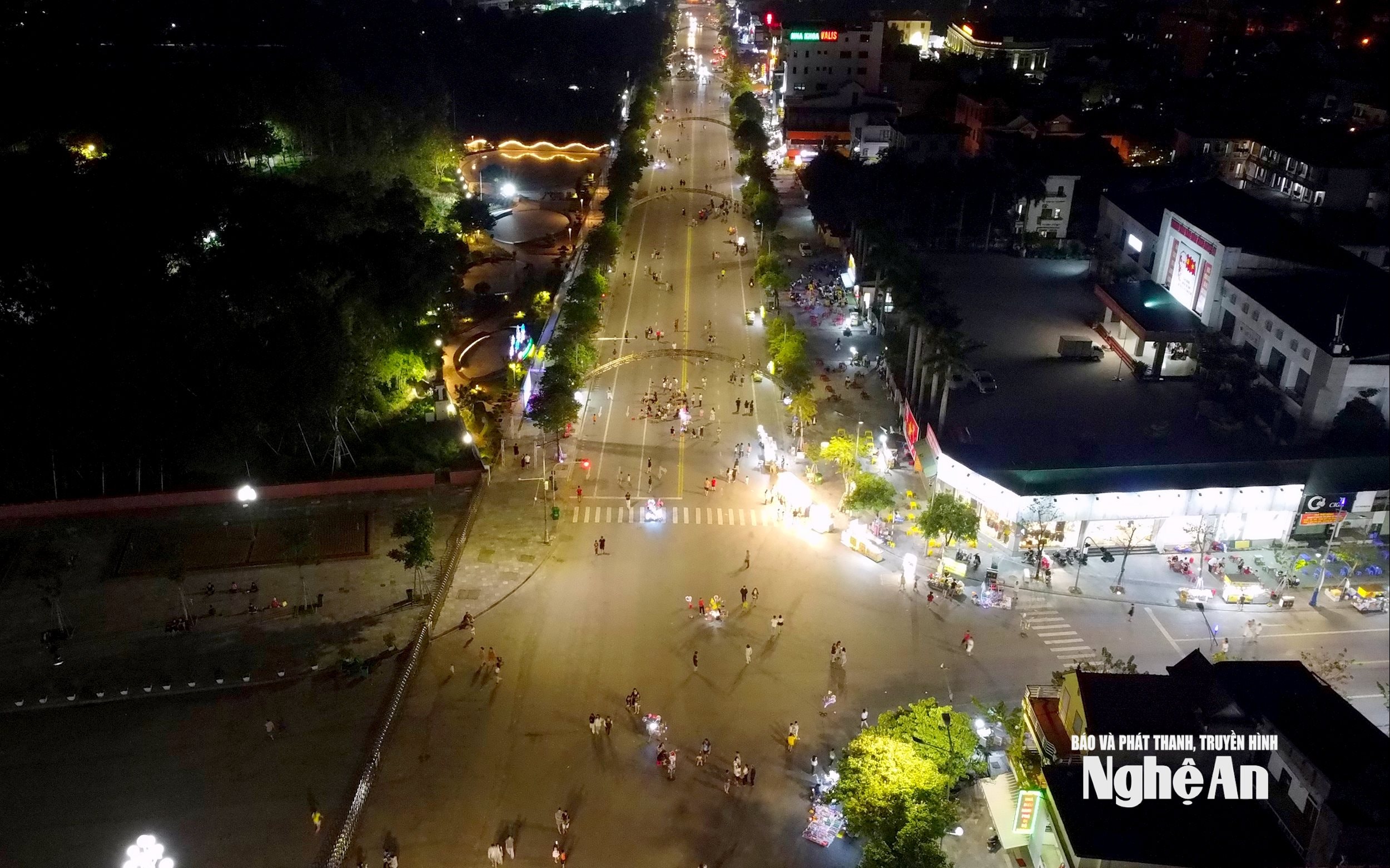
Mr. Nguyen Van Trung, residing in Truong Vinh ward, shared: “My house is near the pedestrian street. Before, every weekend evening I would take my wife and children there to enjoy the view and buy some snacks. But lately, the street has become much quieter. It only gets a little crowded when a famous singer performs; otherwise, it's very sparsely populated.”
Not only the residents, but also the business owners themselves are acutely aware of the dwindling number of customers. Ms. Nguyen Thi Hai, a food vendor, shared: “In the beginning, everyone was excited, believing that the pedestrian street would open up new business opportunities. But then the number of customers gradually decreased, and some nights we didn't even sell a few tens of thousands of dong. Many people were forced to close their stalls, rent out their premises, or quit altogether. I'm still trying to hold on, but it's really getting harder and harder.”
According to statistics from Truong Vinh ward, the total number of fixed and mobile businesses on the pedestrian streets initially exceeded 200, but by the end of 2024, that number had halved. To date, only a few dozen businesses remain operational.
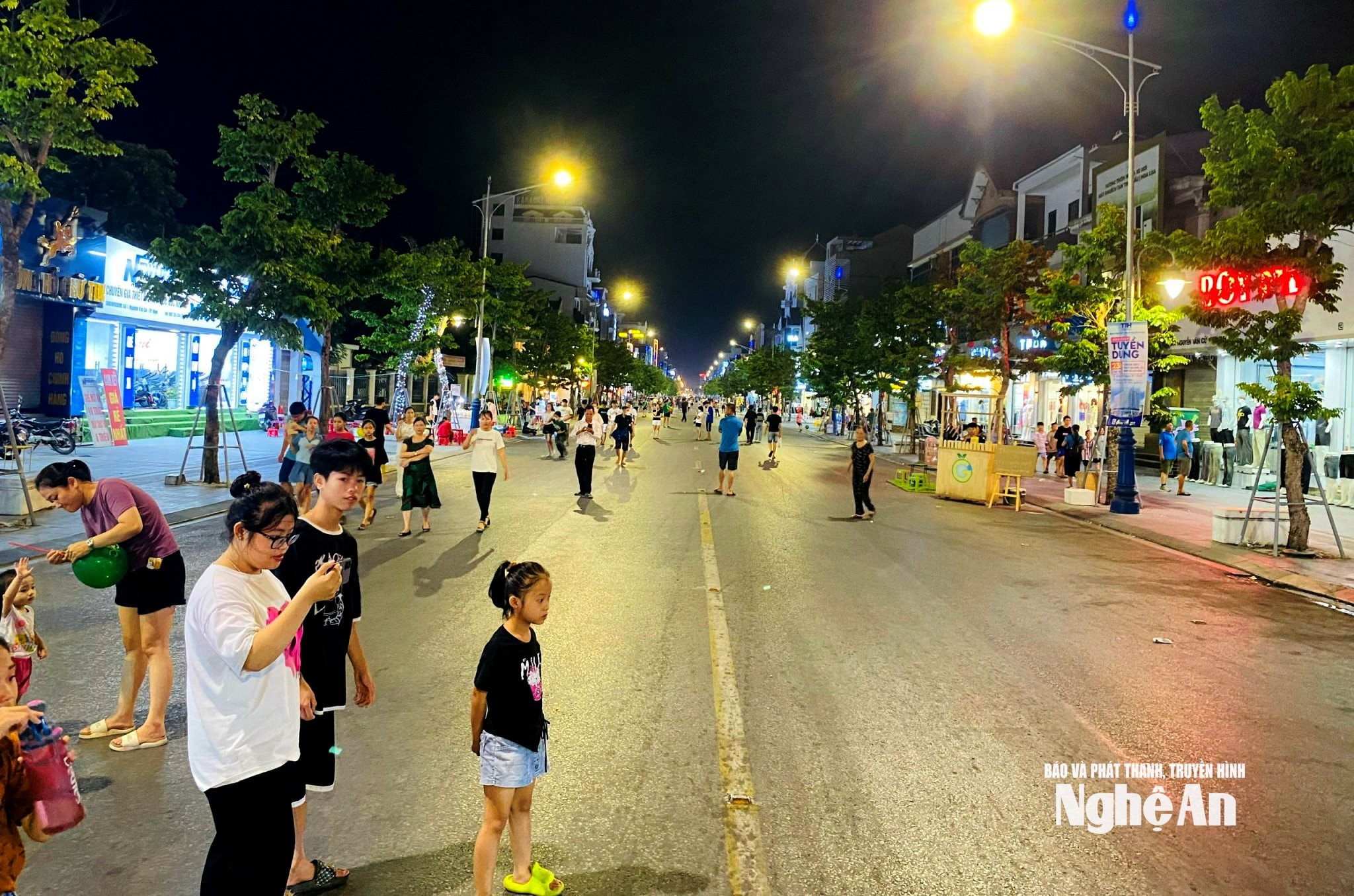
Mr. Duong Van Chuyen, Head of Block 2, Truong Vinh Ward, said: “We have Nguyen Tai Street located within the pedestrian zone. Initially, the old Vinh City designated it as a food street, but very few shops opened, and there were few customers. Residents complained a lot because the nighttime vehicle ban was inconvenient, and the benefits were minimal. We have proposed removing Nguyen Tai Street from the pedestrian zone so that people can return to their normal lives.”
Mr. Nguyen Son Tung, Deputy Head of the Economic, Infrastructure and Urban Planning Department of Truong Vinh Ward, stated: "In reality, operating the pedestrian street currently faces many difficulties. After the merger, the workload of the ward increased, while human resources are limited, so the management of the pedestrian street has not received adequate attention. In addition, the ward's investment resources are very limited, insufficient to regularly organize large-scale cultural and artistic activities."
The difficulties also stem from objective factors. The number of tourists visiting the old Vinh City is still modest, especially those staying overnight, while this is the main customer base for the night-time economy model. Furthermore, Nghe An's harsh climate, with hot summers and long, cold, rainy winters, has led to the temporary suspension of pedestrian street activities or events held in sparsely populated areas on many nights.
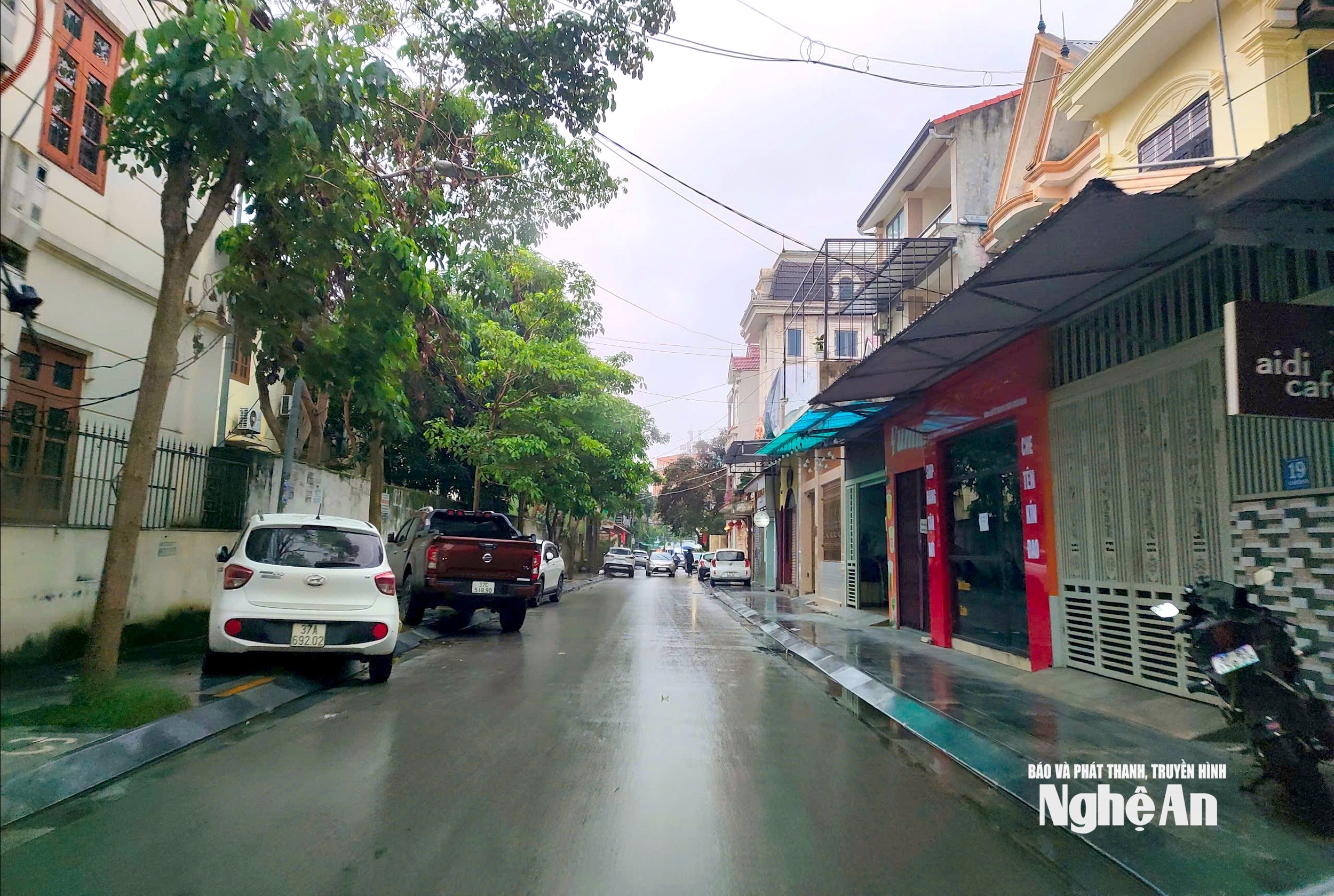
Previously, the pedestrian street was managed by the former Truong Thi ward, then transferred to the former Vinh City Culture, Sports and Communications Center. After the implementation of the two-tiered government system, management was transferred to Truong Vinh ward in coordination with the center. However, coordination between the units is still not very smooth; the operational model remains heavily administrative, dependent on budget and functional forces, while the role of businesses and the community remains unclear.
All these factors have made the once brightly lit space now quiet and subdued. The pedestrian street is lacking "soul," lacking distinctive cultural activities, lacking identity, and lacking highlights to retain locals and tourists.
We need to change to adapt.
Despite a period of stagnation, Vinh's pedestrian street is still seen as a model with potential. According to Ms. Nguyen Thi Minh Hong, Head of the Tourism Management Department of the Nghe An Department of Culture, Sports and Tourism, although the pedestrian street's activities have slowed down somewhat, this is also an opportunity to review, adjust, and orient its long-term development.
Ms. Hong believes that to revive Vinh's pedestrian street, several key solutions need to be implemented simultaneously, including: Renewing the content and space to make it more accessible and attractive. This space should become an "open stage" for Nghe An culture, regularly hosting folk art performances, street music, fashion shows, and street performances. Regular weekly performances will keep the street vibrant and create a familiar destination for locals and tourists.
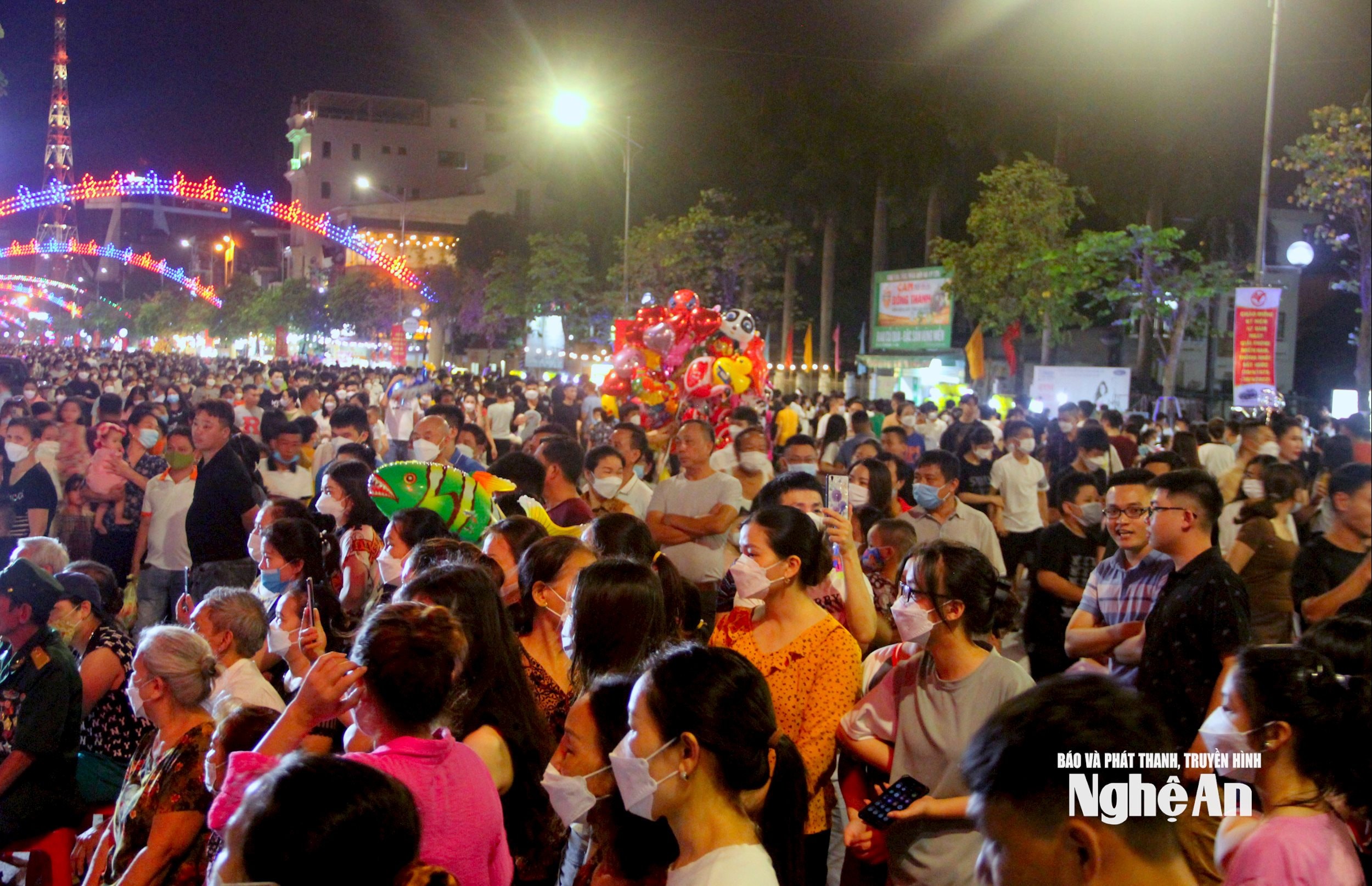
Simultaneously, it is necessary to promote the development of weekend tourism, incorporating pedestrian streets into nighttime experiences for tourists visiting Nghe An. Connecting routes and destinations such as President Ho Chi Minh's birthplace, Cua Lo beach, Ho Chi Minh Square, traditional night food streets, and accommodation establishments will create a closed-loop service chain of "eating - entertainment - shopping - relaxation," contributing to the formation of a distinctive nighttime economic space for the city. Furthermore, the operational model needs to be strongly socialized, encouraging businesses to invest in infrastructure, artistic lighting systems, and check-in spaces, while the government focuses on supporting procedures, security, order, and environmental sanitation.
For businesses, training is necessary on layout, service, price listing, and building their own brand. The street could be re-planned according to themes such as "Nghe An Culinary Street," "OCOP Product Booths," "Souvenir Area," "Young Innovators' Corner," etc., to enhance the visitor experience. In addition, the image of Vinh pedestrian street should be promoted on digital platforms. Events, festivals, and performances need to be systematically communicated, linked to the province's tourism campaigns, creating a ripple effect and attracting locals and tourists.
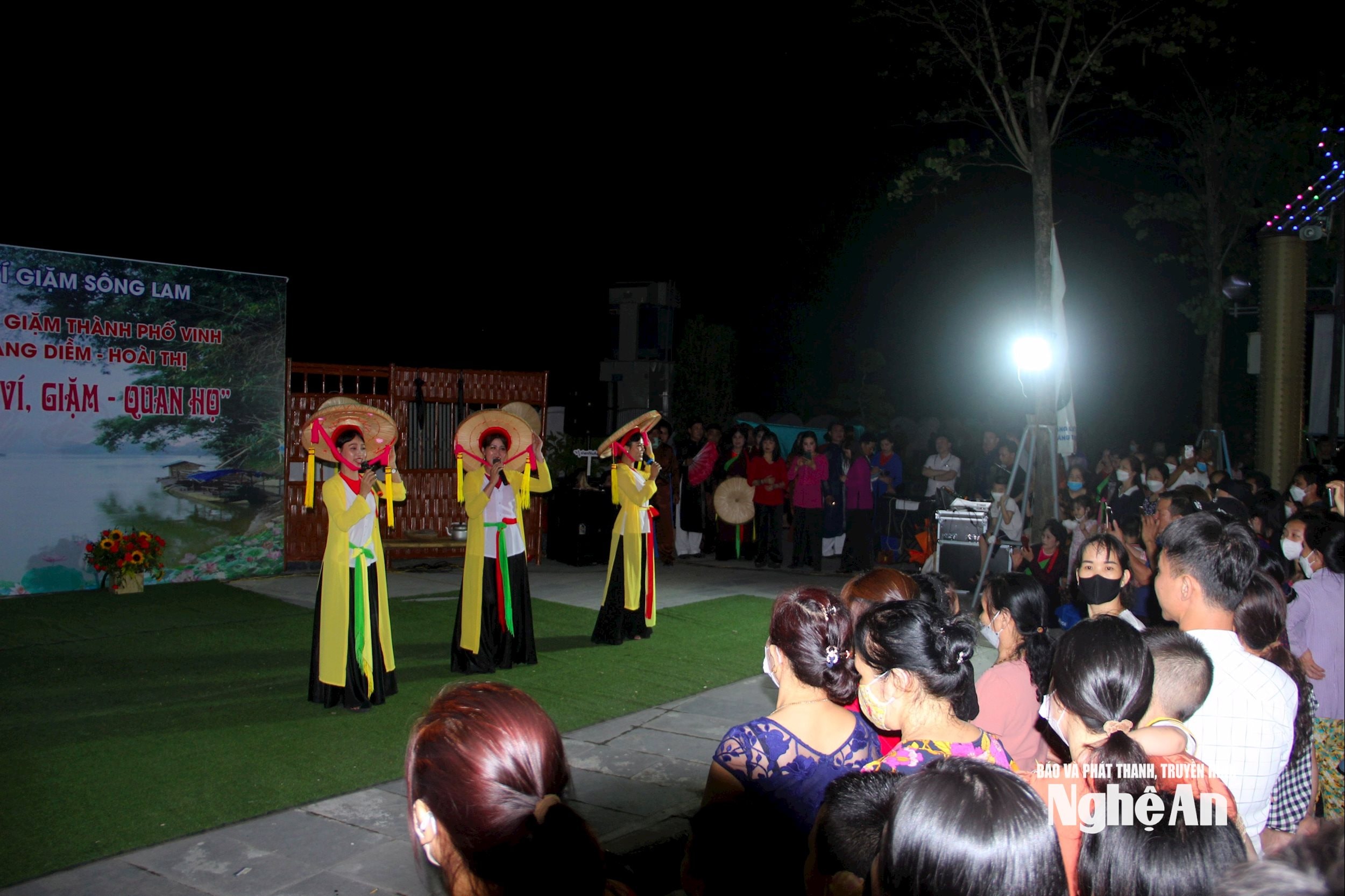
After more than three years of operation, Vinh pedestrian street is experiencing a period of stagnation. However, with belief and a change in management methods, the pedestrian street still has the opportunity to revive. When the local government coordinates smoothly with businesses and the community, this space can become vibrant again, preserving the identity of Nghe An province and becoming a regular destination for locals and tourists.