

Chery 600 Wh/kg solid-state battery: potential range of 1,300 km.
Chery has introduced a prototype solid-state battery module with a density of 600 Wh/kg, double that of common EV batteries, promising a range of 1,300 km, faster charging, and greater safety. However, the current cost is 2.8 times higher, and sulfide materials remain a barrier to commercialization.
Chery Automobile has unveiled a prototype solid-state battery module with an energy density of up to 600 Wh/kg, significantly higher than current common electric vehicle batteries. According to the announcement, this density could extend driving range to approximately 1,300 km per charge, while also improving safety and charging speed. However, high production costs and material challenges remain major obstacles before commercialization.
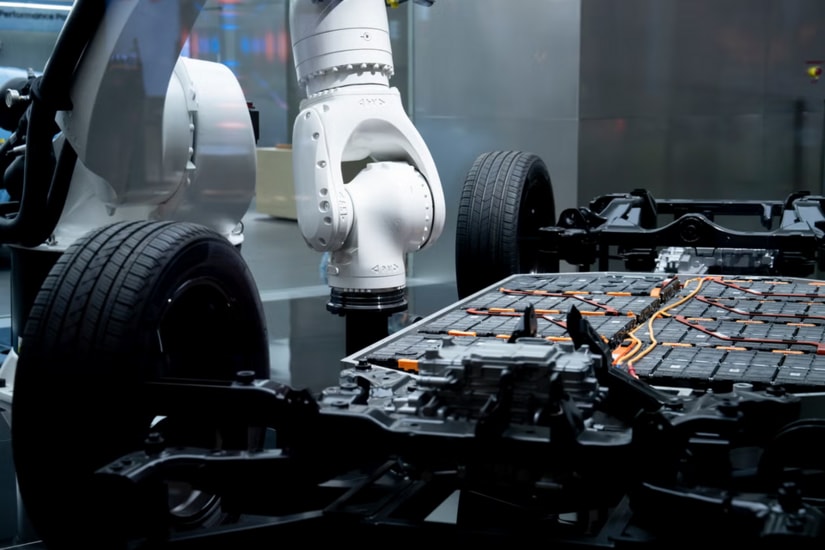
600 Wh/kg and its significance for the operating range.
Energy density is a key variable determining the range and weight of the battery pack. Compared to the nickel-cobalt-aluminum (NCA) batteries in some Tesla models, which typically achieve 200–260 Wh/kg, the 600 Wh/kg of the Chery prototype represents a significant leap. In theory, high density allows for a reduction in battery pack weight while maintaining capacity, or to maintain a similar weight but extend the driving range.
According to Chery, with a Wh/kg energy density, the driving range could reach approximately 1,300 km per charge. This figure surpasses many current models; for comparison, the Lucid Air Grand Touring achieves over 500 miles per charge. This difference demonstrates the potential of high energy density in practical applications.
Safe against punctures, flexible battery pack design.
A key advantage of solid-state batteries is safety: solid electrolytes are less flammable, reducing the risk of fire and uncontrolled overheating. According to Chery's tests, the module can withstand punctures or drilling without igniting or producing smoke. This is a significant difference from many liquid battery systems, where mechanical failure easily triggers a thermal reaction.
Solid electrolyte structures also open up greater formability, allowing manufacturers to arrange battery packs into complex shapes to optimize chassis space. If implemented, this could offer benefits in packaging, weight distribution, and cooling system efficiency.

Fast charging 4–6 times and expected durability.
Chery stated that solid-state batteries can charge 4–6 times faster than traditional lithium-ion batteries, thanks to the stable solid environment that supports the flow of lithium ions. In addition, solid-state technology is expected to improve performance and extend lifespan over time. However, detailed figures on charge-discharge cycles or degradation levels are not included in this announcement and will need to be verified before commercial products are released.
Costs, sulfide materials, and trade barriers.
Despite their advantages in density, safety, and fast charging, solid-state batteries currently have estimated production costs approximately 2.8 times higher than the more common lithium-ion technology. Furthermore, the sulfide materials involved in solid-state electrolytes are considered complex to manufacture. These two factors represent significant barriers to scaling up and reducing costs.
Therefore, commercialization progress depends on the ability to simultaneously solve two problems: process optimization and material supply chain management. If the prototypes overcome this hurdle, the benefits in range, charging speed, safety, and design potential could create a major shift for electric vehicles.
The tech race: patents show it's heating up.
Not just Chery, but major manufacturers are investing significantly in solid-state technology. Toyota currently leads in the number of patents, with over 1,700 related patents, reflecting the intensity of competition in this field. According to Popularmechanics, if prototypes are commercialized soon, solid-state technology could be the next tipping point for the electric vehicle industry.
Summary of key data by publication/source
| Category | Information |
|---|---|
| Module energy density | Up to 600 Wh/kg (Cherry) |
| Reference comparison | NCA on some Tesla models: 200–260 Wh/kg |
| Potential scope | Approximately 1,300 km per charge (according to Chery) |
| Charging speed | 4–6 times longer than traditional lithium-ion batteries. |
| Safety | Withstands penetration/drilling without igniting or producing smoke (Chery test) |
| Current production costs | Approximately 2.8 times higher |
| Related patents | Toyota holds over 1,700 patents. |
Conclude
Chery's 600 Wh/kg solid-state battery prototype paints a compelling picture of the future of electric vehicles: longer range, faster charging, and greater safety. However, cost and sulfide material barriers may determine the speed at which this technology is brought to commercial vehicles. If overcome, solid-state batteries have the potential to become the next-generation battery platform, reshaping how electric cars are designed and operated in the coming years.