

SIPRI: Global arms sales to reach record high in 2024
According to the SIPRI report, revenue from weapons and military services of the top 100 companies reached $679 billion in 2024, a 5.9% increase. The US and Europe led the way; Asia-Pacific declined due to China; SpaceX entered the top 100 for the first time.
Revenue from arms sales and military services of the world's 100 largest defense corporations is expected to reach a record $679 billion in 2024, a 5.9% increase from 2023, according to the Stockholm International Peace Research Institute (SIPRI). The main drivers are the conflicts in Gaza and Ukraine, rising geopolitical tensions, and higher defense spending.
Picture by region and business
The US and Europe were the two main drivers of growth, while revenue in the Asia-Pacific region declined due to the weakening of Chinese manufacturers. Russia recorded growth, despite sanctions.
| Area/Group | Revenue 2024 | Change level | Note |
|---|---|---|---|
| Global (Top 100) | $679 billion | +5.9% | According to SIPRI |
| USA (39 companies) | 334 billion USD | +3.8% | 30 out of 39 companies increased revenue. |
| Europe (excluding Russia) | $151 billion | +13% | 26 companies, 23 of which saw increased revenue. |
| Asia-Pacific | $130 billion | -1.2% | Revenue of 8 Chinese companies decreased by 10%. |
| Russia (2 companies) | $31.2 billion | +23% | Rostec, United Shipbuilding Corporation |
| Japan (5 companies) | $13.3 billion | +40% | Domestic and European demand |
| South Korea (4 companies) | $14.1 billion | +31% | Hanwha's revenue increased by 42%, more than half from exports. |
US: High revenue but facing delays
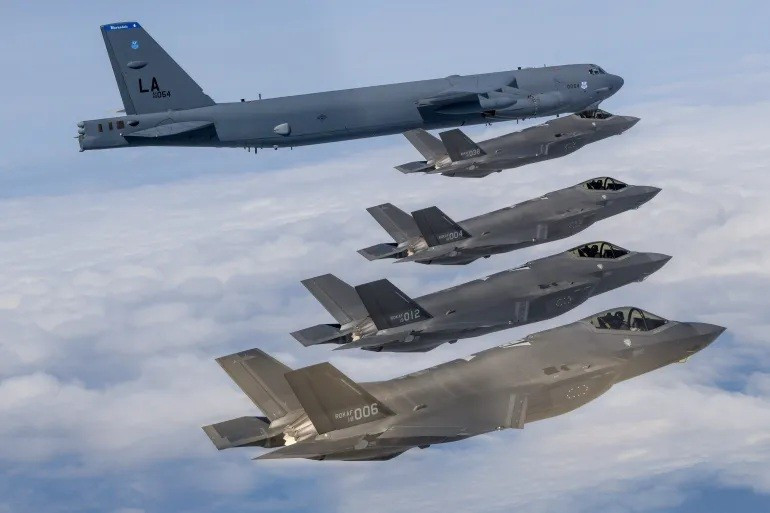
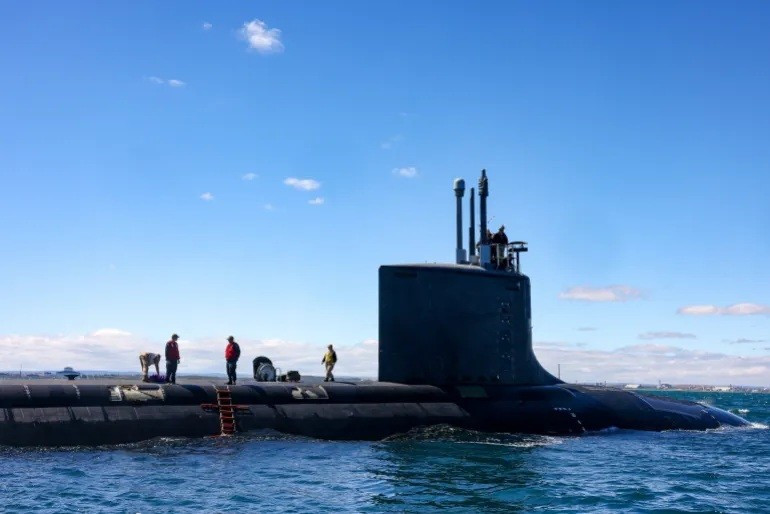
In the US, Lockheed Martin, Northrop Grumman, and General Dynamics led the growth; total arms revenue for the top 100 US companies reached $334 billion, up 3.8%. However, SIPRI noted that many key programs continued to fall behind schedule and exceed budgets, including the F-35, Columbia-class and Virginia-class submarines, and the Sentinel intercontinental ballistic missile. SpaceX made its first appearance on the list with defense revenue reaching $1.8 billion, more than double that of 2023.
Europe and Ukraine: Expanding production capacity, high demand for ammunition.
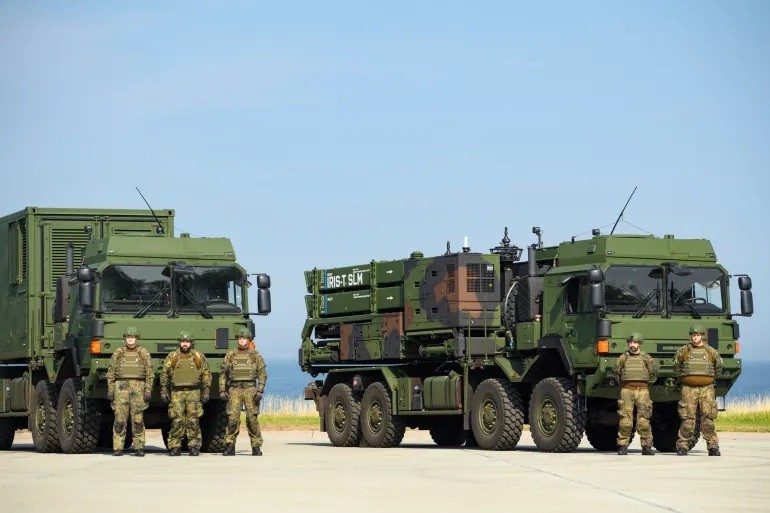
Europe (excluding Russia) has 26 companies in the top 100, with 23 companies seeing revenue increases; totaling $151 billion, up 13%. Czechoslovak Group of the Czech Republic saw a 193% increase to $3.6 billion thanks to the production of artillery shells for Ukraine. The Ukrainian Defense Industry Corporation (JSC Ukrainian Defense Industry) increased its revenue by 41% to $3 billion amid ongoing fighting in the East.
SIPRI said European companies are investing in expanding production capacity to counter Russia, but warned of growing challenges in the supply of materials, especially critical minerals, as China tightens export controls.
Russia: Increased revenue despite sanctions.
Two Russian companies, Rostec and United Shipbuilding Corporation, still saw their combined revenue increase by 23% to $31.2 billion, despite sanctions related to the conflict in Ukraine.
Asia-Pacific: Decline due to China, while Japan and South Korea move in opposite directions.
Revenue for arms manufacturers in the Asia-Pacific region reached $130 billion, down 1.2% from 2023. The main reason was a 10% drop in revenue for eight Chinese companies on the list; NORINCO saw a 31% decrease.
Nan Tian, Director of the Military Expenditure and Arms Production Program at SIPRI, said: “A series of corruption allegations in China’s arms procurement have led to the postponement or cancellation of many large contracts in 2024. This increases uncertainty surrounding China’s military modernization process and when new capabilities will emerge.”
Conversely, Japan and South Korea saw strong growth driven by domestic demand and European investment. Five Japanese companies increased their combined revenue by 40% to $13.3 billion; four South Korean companies increased by 31% to $14.1 billion. Hanwha saw a 42% increase, with more than half of its revenue coming from exports, amid tensions surrounding Taiwan (China) and North Korea.
Industrial perspective and impact
SIPRI data reveals a dual trend: high demand is driving manufacturers in the US and Europe to expand capacity, while supply chain uncertainties and strategic materials could slow delivery speeds. Delays in some major US programs highlight the need to strengthen project governance and contractor capabilities.
In Europe, orders for ammunition and military equipment for Ukraine continue to be the main driver. In the Asia-Pacific region, the opposite effect is evident: China faces contract delays, while Japan and South Korea capitalize on regional demand and exports for growth.
According to SIPRI and Al Jazeera.