

North Korea shows off new drone, Germany deploys first Arrow 3.
Saebyeol-4 and Saebyeol-9 are displayed with combat markings, simulating the RQ-4/MQ-9; Germany activates the first Arrow 3 battery in Europe; Indonesia prepares to put the Rafale F4 into service from 2026.
Today's military news highlights three notable developments: North Korea publicly unveiled two long-range UAV prototypes, the Saebyeol-4 and Saebyeol-9, modeled after American designs; Germany is preparing to activate the first Arrow 3 missile defense battery in Europe; and Indonesia is nearing the stage of commissioning the Rafale F4 fighter jet.
North Korea unveils Saebyeol-4 and Saebyeol-9 UAVs.
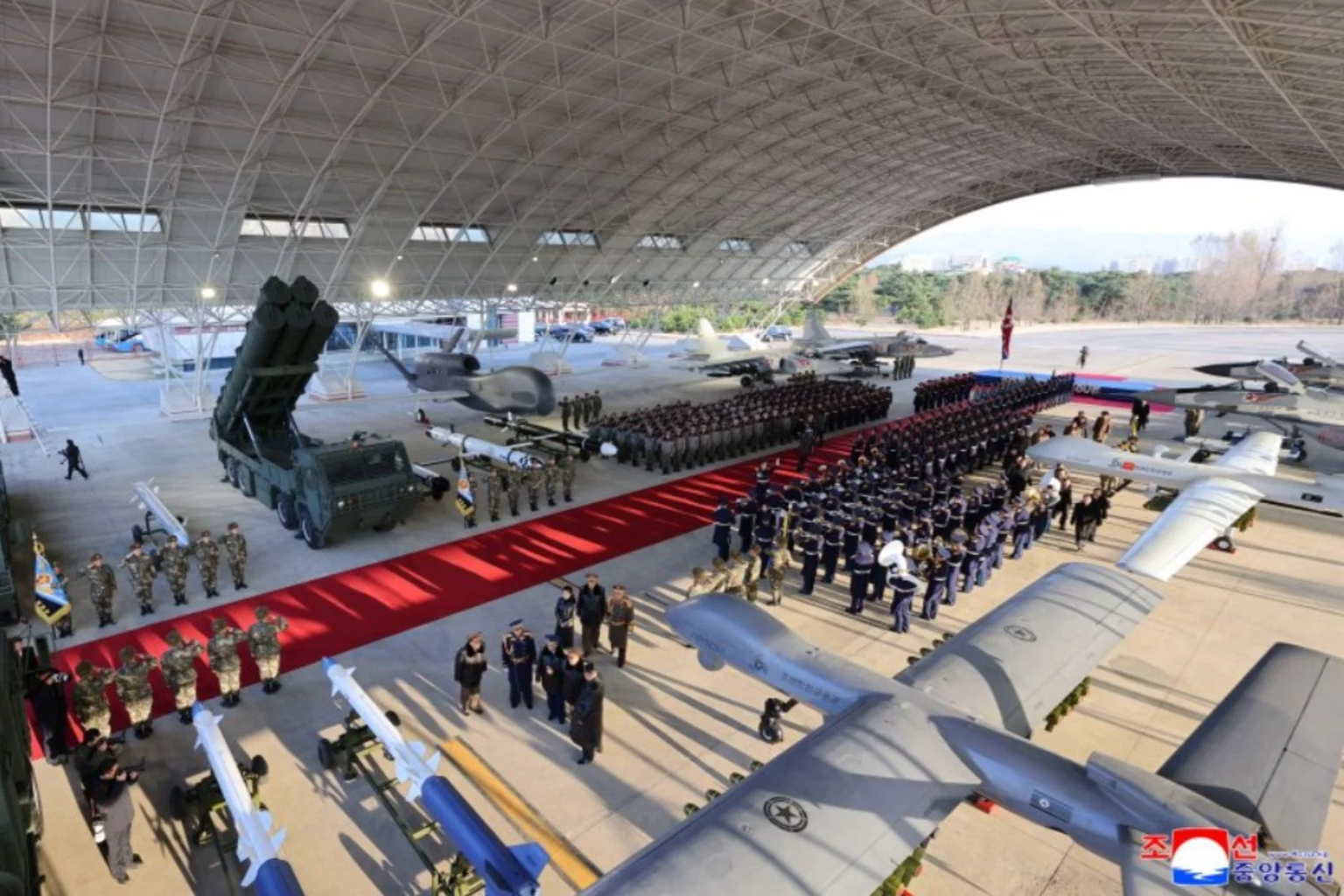
On November 28, North Korea displayed the Saebyeol-4 and Saebyeol-9 drones at Kalma Air Base during the 80th anniversary celebration of its air force. State media announced that the drones belonged to the 59th Gil Yong Jo Hero Regiment, bearing full combat markings, indicating their operational roles rather than being prototypes for display.
The two UAV models are believed to be based on the designs of the RQ-4 Global Hawk (Saebyeol-4) and MQ-9 Reaper (Saebyeol-9), reflecting North Korea's priority for unmanned systems in its air force strategy.
Technical specifications (according to source)
- Saebyeol-9 (attack): publicly unveiled in 2023 (satellite detected since 2022); similar in size to the MQ-9 Reaper, approximately 9m long with a 20m wingspan. Features underwing hardpoints for weapons or mission packages; various variants available in fuselage color, wing shape, and antenna. Expected operational time exceeds 10 hours, depending on engine and data link.
- Saebyeol-4 (long-range reconnaissance): design reminiscent of the RQ-4 Global Hawk; wingspan 30-35m, length 10-15m; weight under 9 tons. The landing gear system is believed to be taken from the J-7 fighter; satellite antennas appear on some models, geared towards long-range control.
Program context and operational implications
- The development orientation aligns with Chairman Kim Jong Un's 2021 directive on offensive capabilities with a range of 500km.
- Test evidence from Panghyon dating back to 2023 and a visit to the UAV production facility in September indicates continued investment in the program.
- The fact that the UAVs are fully marked with combat insignia and assigned to the regiment indicates that they are considered ready-to-operate equipment.
Germany is preparing to deploy Arrow 3 in Europe.
According to The Jerusalem Post (November 30), Germany is preparing to put its first Arrow 3 air defense missile battery into operation, marking the first time the Israeli-made system has been deployed in Europe. This move adds a new layer of high-altitude interception for NATO and demonstrates Berlin's growing role in European security.
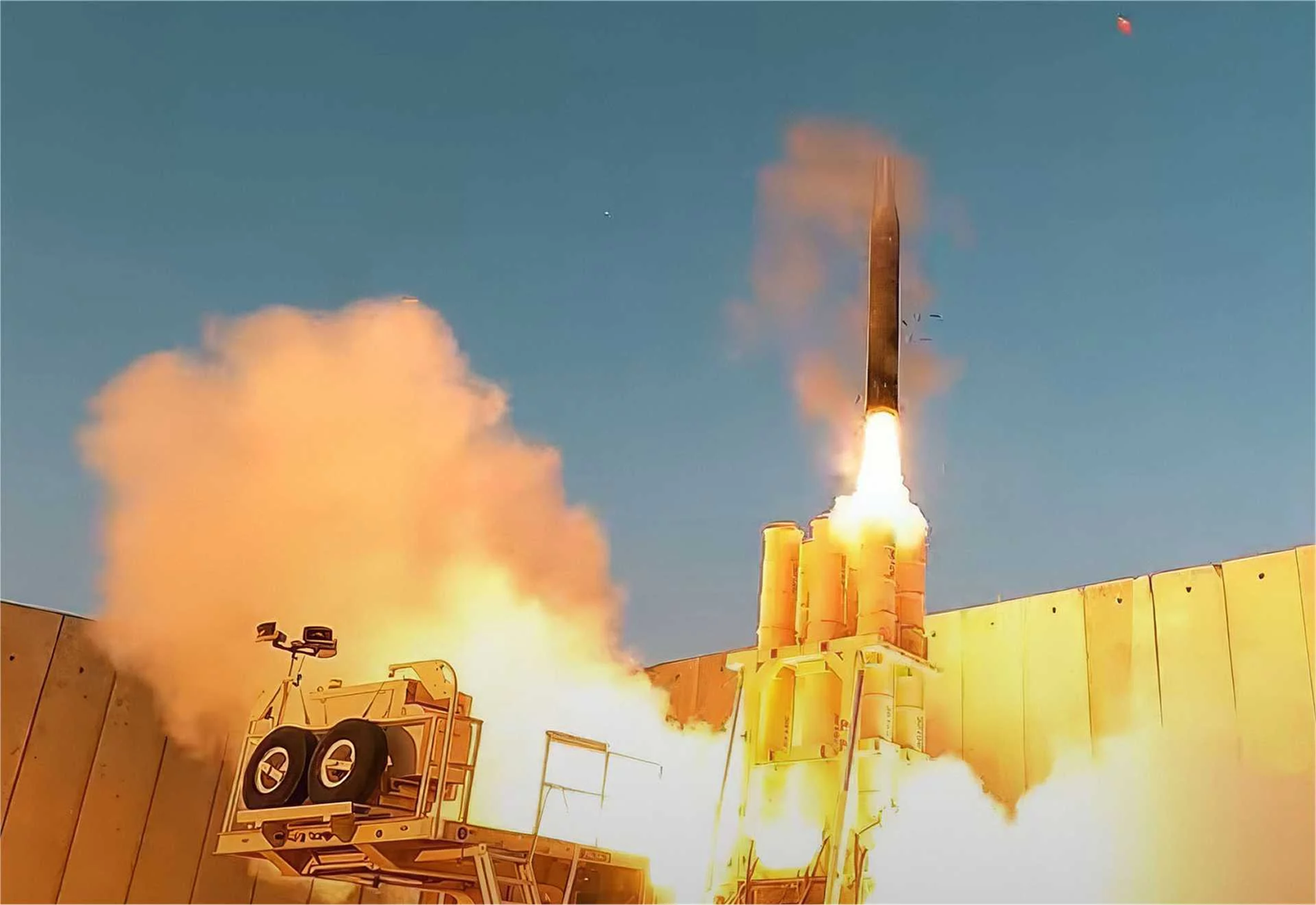
The Arrow 3 purchase contract, signed by Germany, Israel, and the United States on August 17, 2023, under the Foreign Military Sales program, is worth approximately 4 billion euros (5.2 billion USD) and represents Israel's largest defense export deal. Germany received four complete systems, including launchers, interceptor missile depots, the EL/M-2080S Super Green Pine long-range radar, and the Citron Tree combat management system. The first battery is expected to achieve initial capability in early 2026; deliveries will extend until 2030, integrating into NATO's common missile defense network.
Technical capabilities and position within the defense network
- Arrow 3 is Israel's highest-level interceptor, capable of destroying ballistic missiles during their mid-flight phase, at altitudes above 100km and outside the atmosphere.
- The hit-to-kill mechanism, interception through high-velocity collision, allows for engagement of targets at short to medium-to-long ranges, including those carrying unconventional warheads.
- Compared to the Patriot PAC-3 MSE, the Arrow 3 has interception capabilities in space that the Patriot lacks. THAAD has a high interception ceiling but has never been delivered to a European country for independent operation. Systems like the S-500 and HQ-19 lack verifiable data and real-world operational performance for allied countries.
- Arrow 3 fills the missing high-altitude layer, working in conjunction with Patriot and IRIS-T SLM within the framework of the German-led European Sky Shield Initiative (ESSI) since 2022.
Rafale F4 in Indonesia's modernization plan.
Indonesia is preparing for the early commissioning of the Rafale F4. On September 16, Rafale T-0301 underwent runway testing; its first test flight took place on September 19 in Merignac, France. The aircraft bears the livery and insignia of the Indonesian Air Force and the emblem of Squadron 12 of the 6th Air Wing, indicating that it will be the first unit to receive the Rafale.
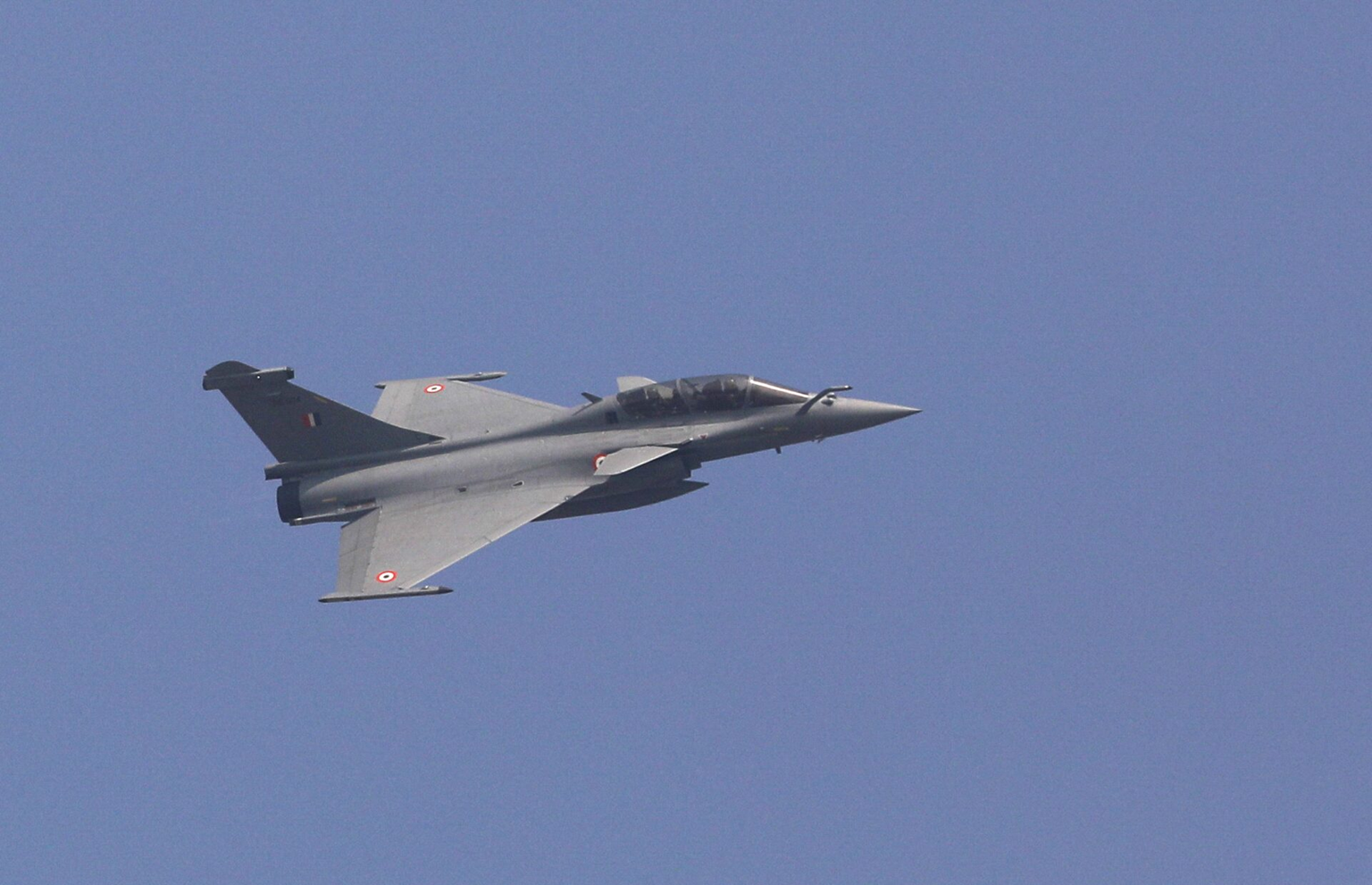
Simultaneously, Indonesia sent four pilots and twelve technicians to France for months of training, including systems theory, avionics, weapons; mission and emergency situation simulations; and training flights at Saint-Dizier base.
Key specifications of the Rafale F4 (according to source)
- Two Safran M88 engines; 15.3m long; 10.3m wingspan; empty weight approximately 10 tons.
- Maximum speed is approximately Mach 1.8 (2,205 km/h); operational radius is approximately 1,850 km depending on mission configuration.
- 14 hardpoints, carrying a maximum of 9.5 tons of weapons and equipment; AESA radar, sensors, 30mm cannon, digital flight control.
The first three aircraft are scheduled to depart France for Indonesia in January 2026, a multi-stage journey with in-flight refueling via A330 MRTTs. Upon arrival in Indonesia, the aircraft will undergo technical inspections and operational preparation at Squadron 12. Roesmin Nurjadin Air Base in Pekanbaru, the initial deployment location, was assessed for readiness at the end of 2025 (maintenance, fuel depots, weapons storage, technical support).
Indonesia has ordered a total of 42 Rafale aircraft in three phases (2022–2024), along with training, simulation, and logistical support, worth approximately US$8.1 billion. As subsequent batches are delivered starting in early 2026, the Indonesian Air Force will establish initial operational capabilities, expand training, and integrate the Rafale into its mission network.