

Egypt introduces the Deterrence 300, a modular vehicle with a range of 300 km.
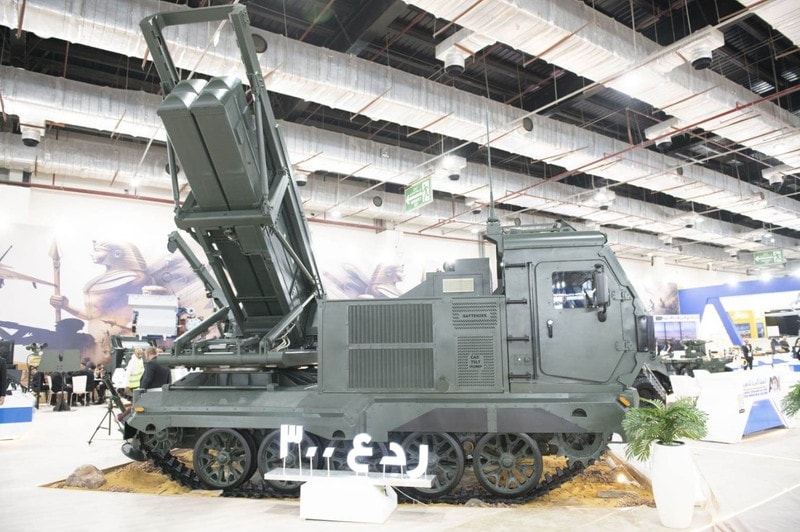
At EDEX-2025, Egypt unveiled the Deterrence 300 missile system with a range of 300 km. Its modular design allows it to carry four high-precision missiles or 20 unguided munitions; the platform is developed from Soviet technology.
At the EDEX-2025 defense exhibition, Egyptian companies showcased the Deterrence 300 missile system with a maximum range of 300 km. The system uses a modular design, allowing it to carry either four high-precision missiles or 20 unguided munitions. This represents a modernization based on Soviet technology, combined with new advancements from the Egyptian defense industry.
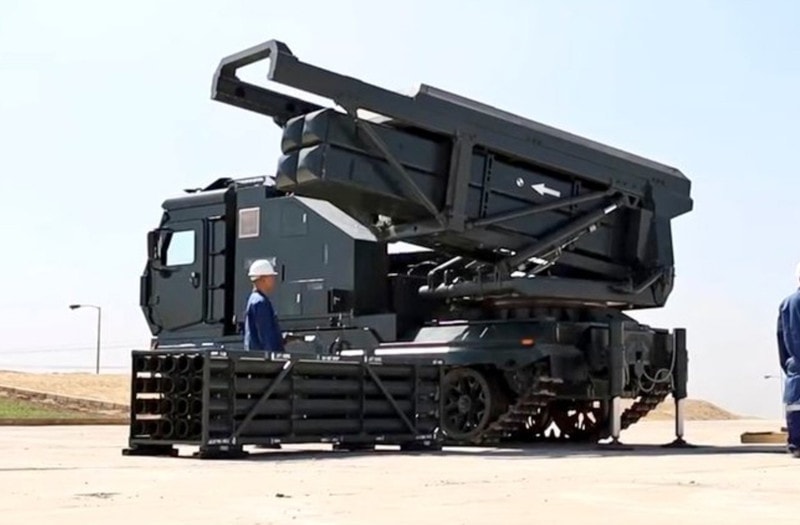
Overview of the Deterrence 300 system
The Deterrence 300 is developed using a modular architecture, prioritizing ammunition loading flexibility. Two configuration options – four high-precision missiles or 20 unguided munitions – meet two different operational needs: long-range precision fire and wide-area fire. Published information emphasizes a range of 300 km, suggesting a direction for increasing range with guided munitions.
Architecture and technology platform
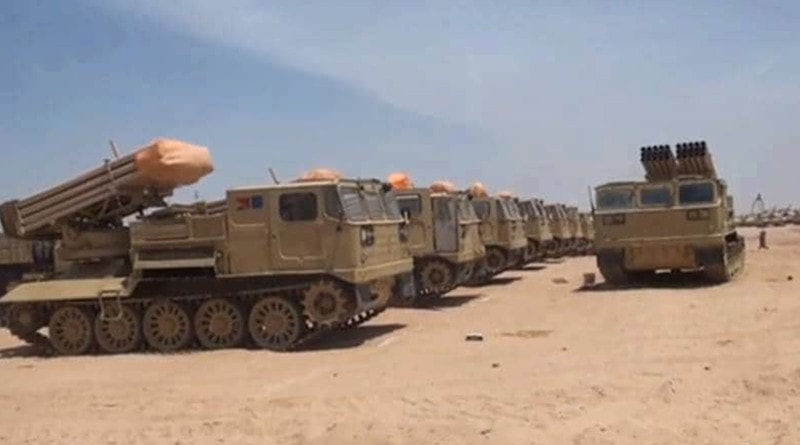
According to the information on display, the Deterrence 300 was developed from the ATC-59G towed vehicle, incorporating the BM-21 Grad and BM-11 launchers. Egypt had ordered 100 122 mm launchers in 1967 (delivery by 1972) and subsequently modified them to fit full-rotation launchers. This process provided the technological foundation and accumulated experience for the localization of launchers and missile development.
Published specifications for the Deterrence 300
| Category | Value |
|---|---|
| Maximum range | 300 km |
| Ammunition loading configuration | 4 high-precision missiles |
| Ammunition loading configuration | 20 unguided bullets |
| Design | Module |
| Legacy platform/launchpad | ATC-59G; BM-21 Grad; BM-11 |
Precedent: the RAAD 200 system
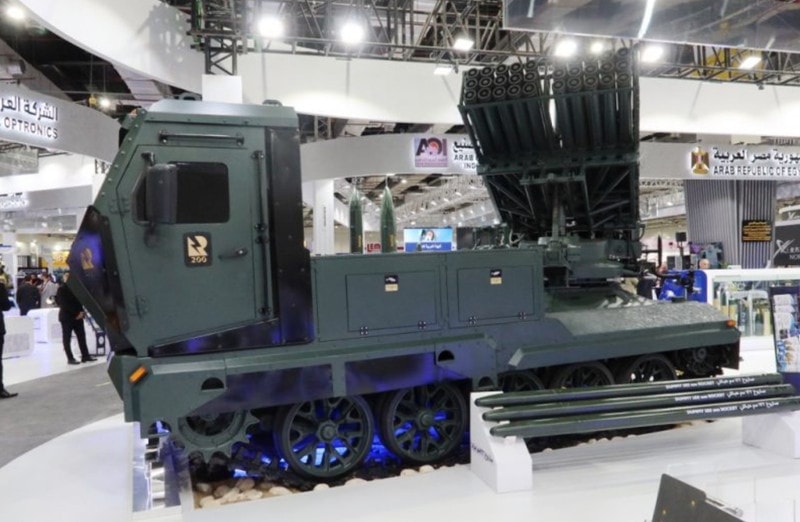
Prior to the Deterrence 300, Egypt had developed the RAAD 200 – a 122 mm multiple rocket launcher system with 30 launch tubes. The vehicle used a 385-horsepower HD12ZLG-M diesel engine. This was a modernization based on older technology but with significant improvements in mobility and combat capabilities.
RAAD 200 mobility specifications
| Category | Value |
|---|---|
| Number of launch tubes | 30 (size 122 mm) |
| Engine | Diesel HD12ZLG-M, 385 horsepower |
| Maximum speed | 46 km/h |
| Hill climbing ability | 35° |
| Crossing deep water | 1.1 m |
| Operating range | 350 km |
Technical evaluation
- The modular architecture expands the range of missions: from precision strike (4 high-precision missiles) to saturation fire (20 unguided munitions).
- Leveraging the legacy of the BM-21/BM-11 and the ATC-59G platform helped shorten development time and take advantage of existing maintenance chains.
- The independent development of missile ammunition demonstrates a crucial direction towards localization, enhancing logistical independence and maintaining combat capabilities.
More detailed specifications regarding the type of warhead, guidance system, chassis, and electronic configuration of the Deterrence 300 are not included in the source data. This article uses only information provided by the source.