
So that "integration" is no longer just a slogan.
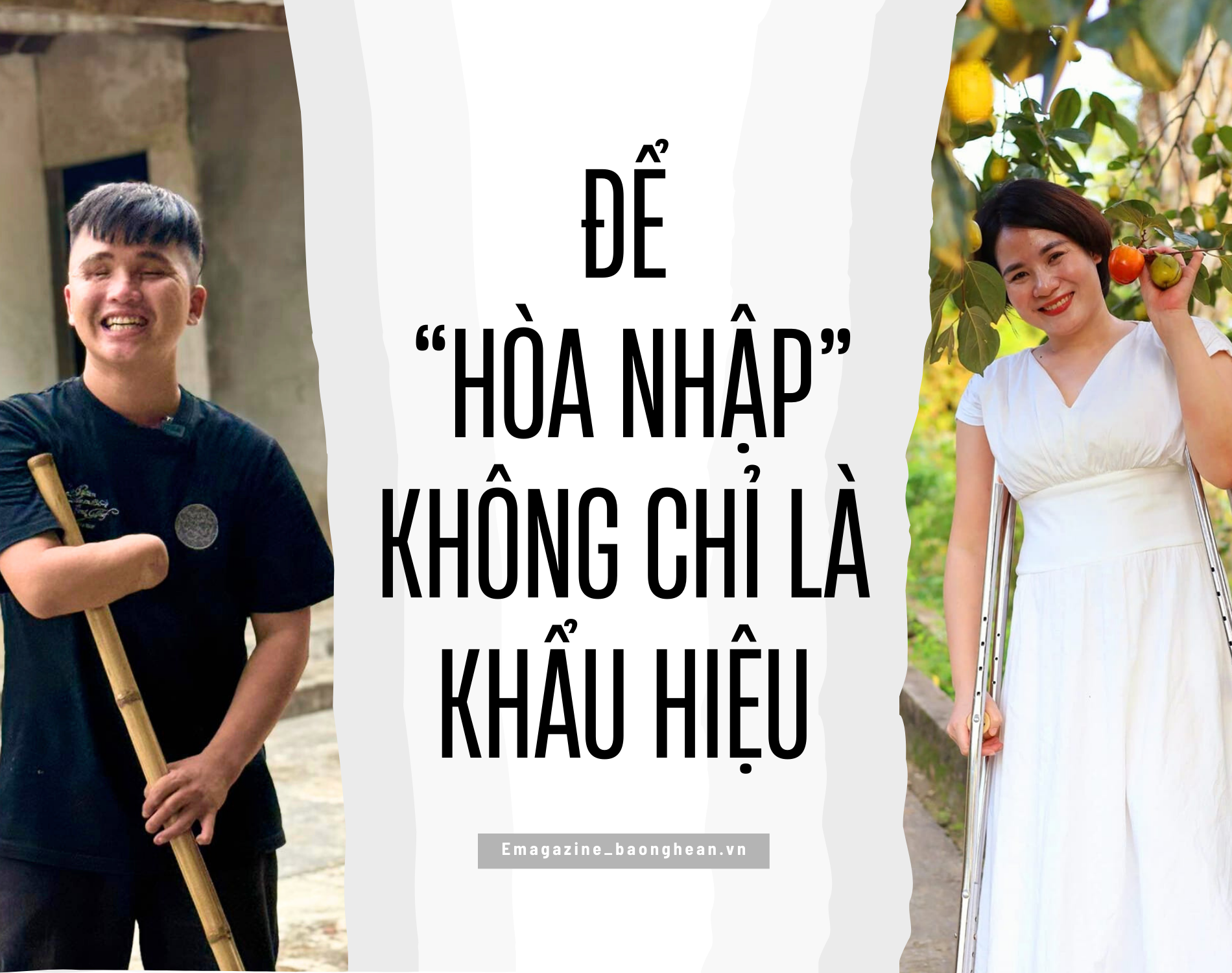
Overcoming adversity, Ms. Nguyen Dai Trang (born in 1980, Cua Lo Ward) and Mr. Nguyen Sy Phi Sang (born in 1998, Thanh Binh Tho Commune) represent the spirit of never giving up, transforming difficulties into motivation to take control of their lives and create value for the community. On the occasion of International Day of Persons with Disabilities on December 3rd, reporters from Nghe An Newspaper and Radio and Television had a conversation with Ms. Nguyen Dai Trang and Mr. Nguyen Sy Phi Sang.
Prepared by: Diep Thanh | Publication date: December 3, 2025
Overcoming adversity, Ms. Nguyen Dai Trang (born in 1980, Cua Lo Ward) and Mr. Nguyen Sy Phi Sang (born in 1998, Thanh Binh Tho Commune) represent the spirit of never giving up, transforming difficulties into motivation to take control of their lives and create value for the community. Leading up to International Day of Persons with Disabilities on December 3rd, reporters from Nghe An Newspaper and Radio & Television had a conversation with Ms. Nguyen Dai Trang and Mr. Nguyen Sy Phi Sang.
__________
.png)
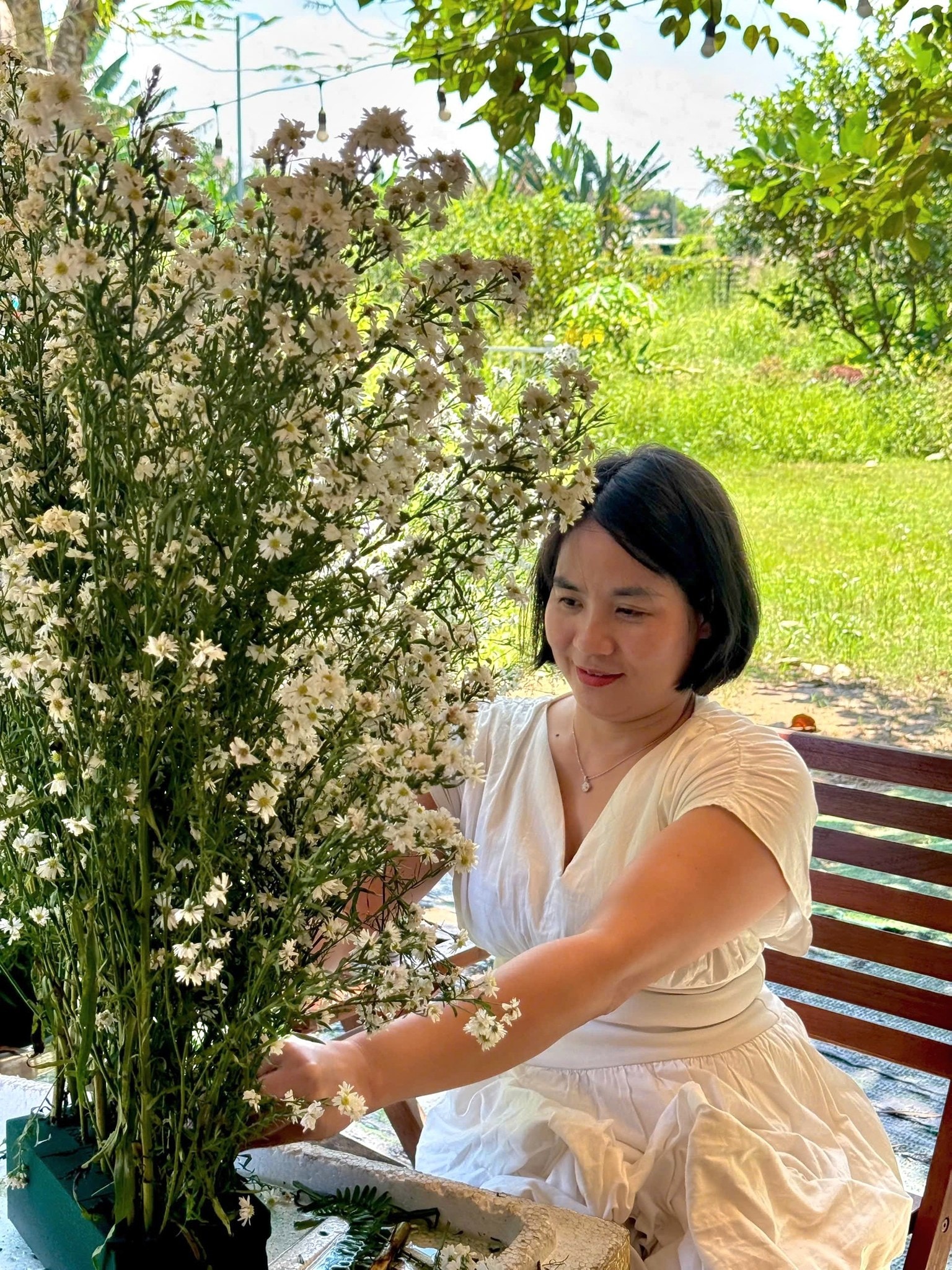
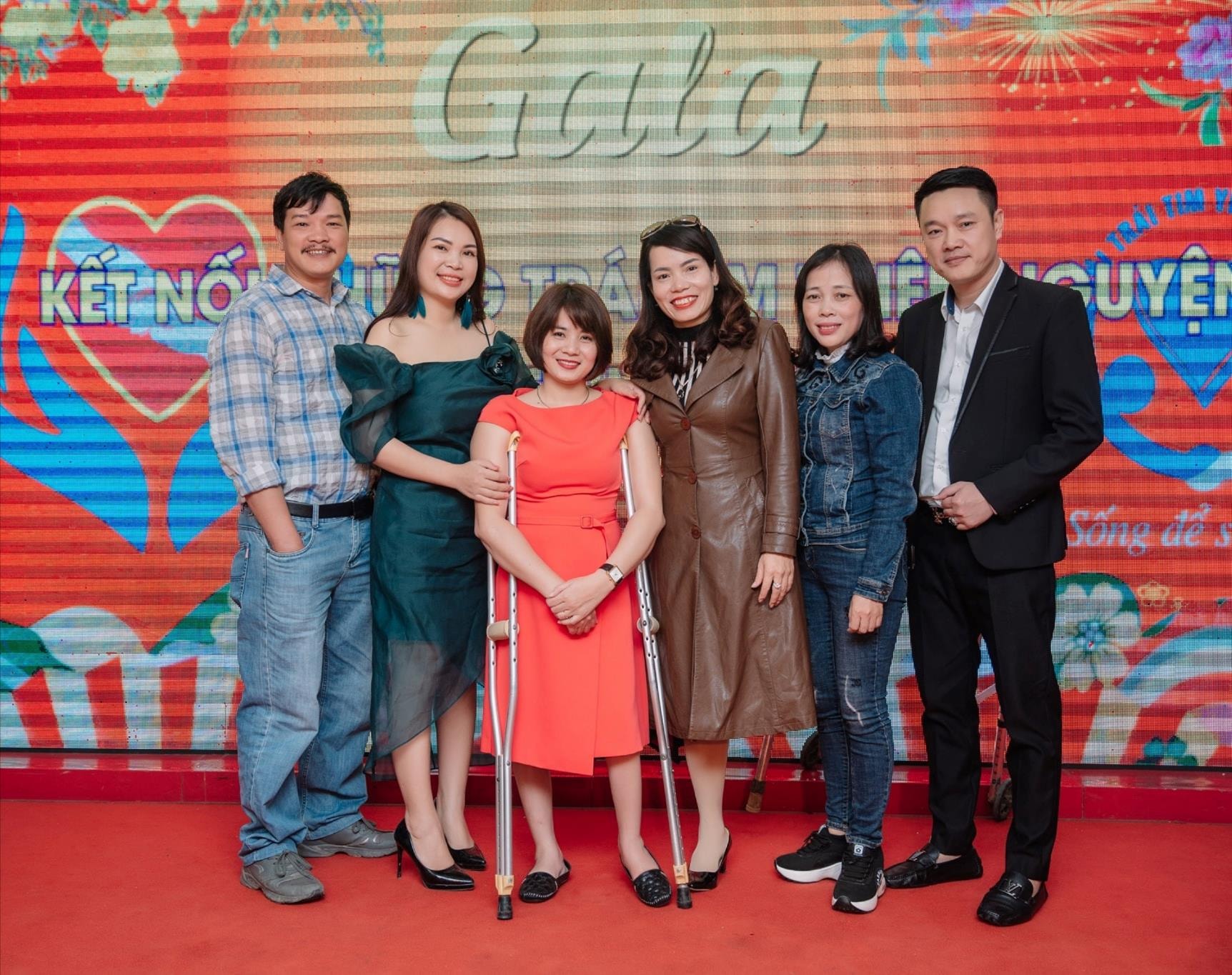
La people with mobility disabilitiesHaving studied information technology and worked at a well-known media corporation, Ms. Nguyen Dai Trang is also known as the founder and operator of many reputable restaurants and businesses in Ha Tinh province.
.png)
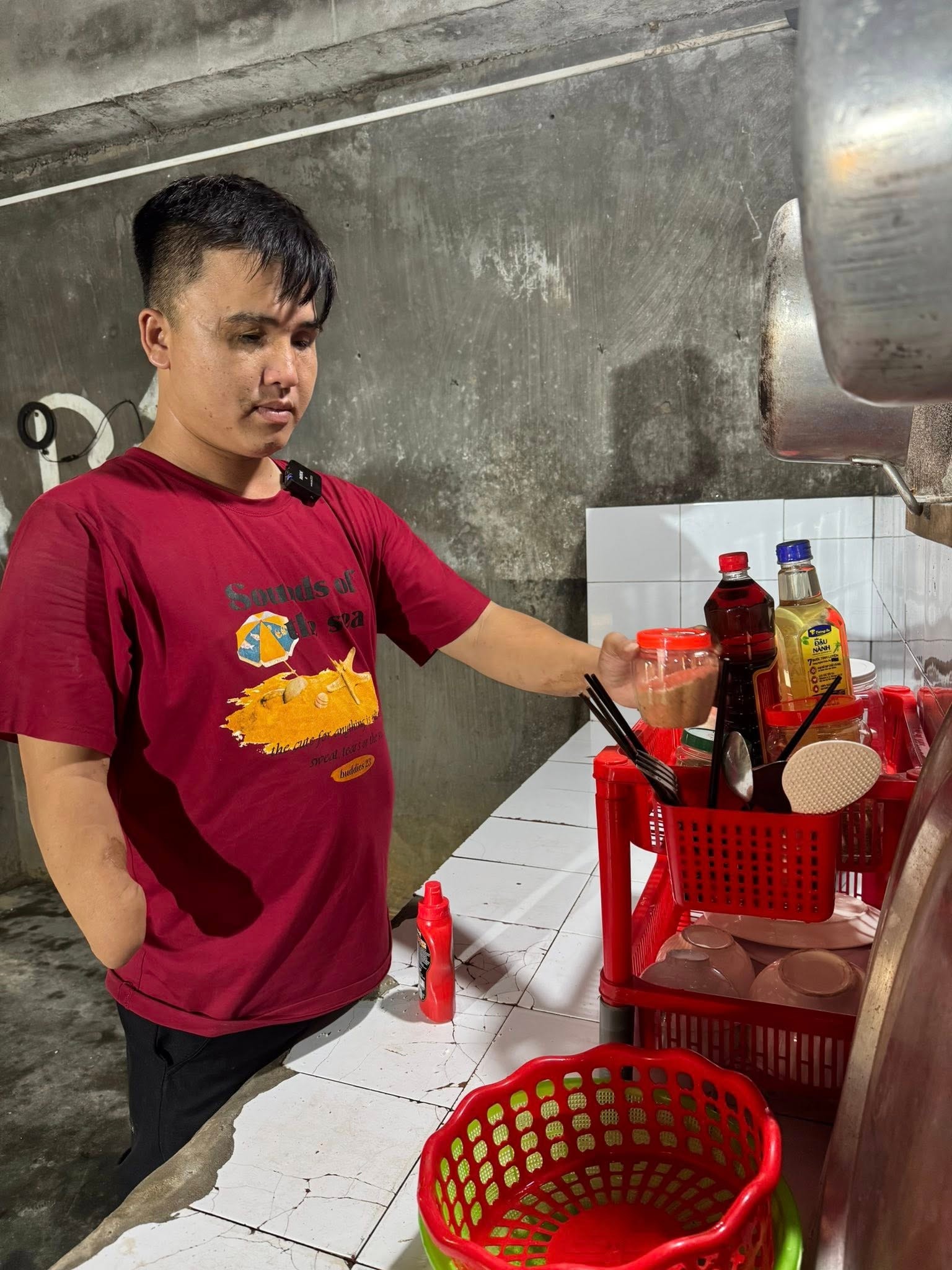
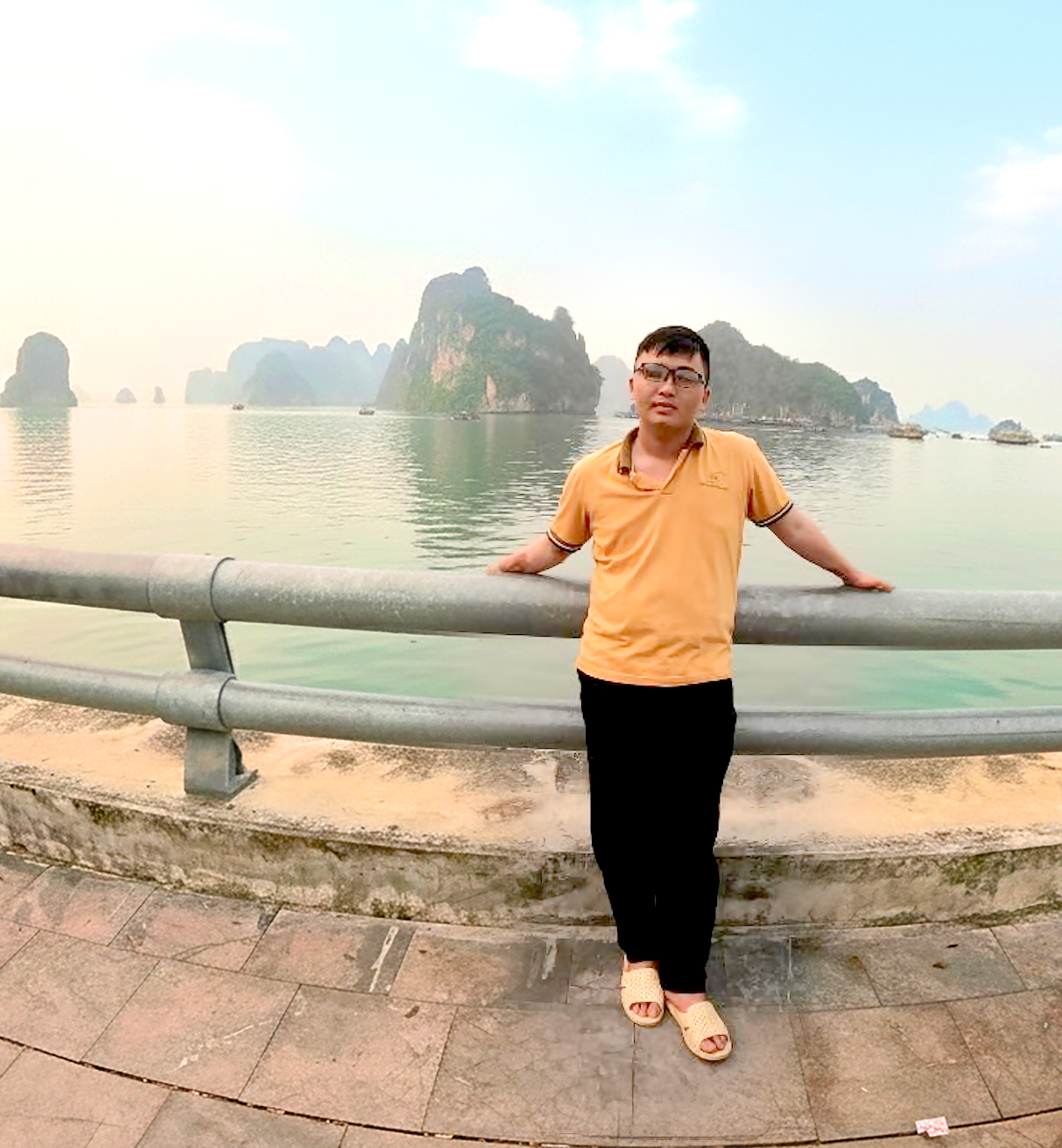
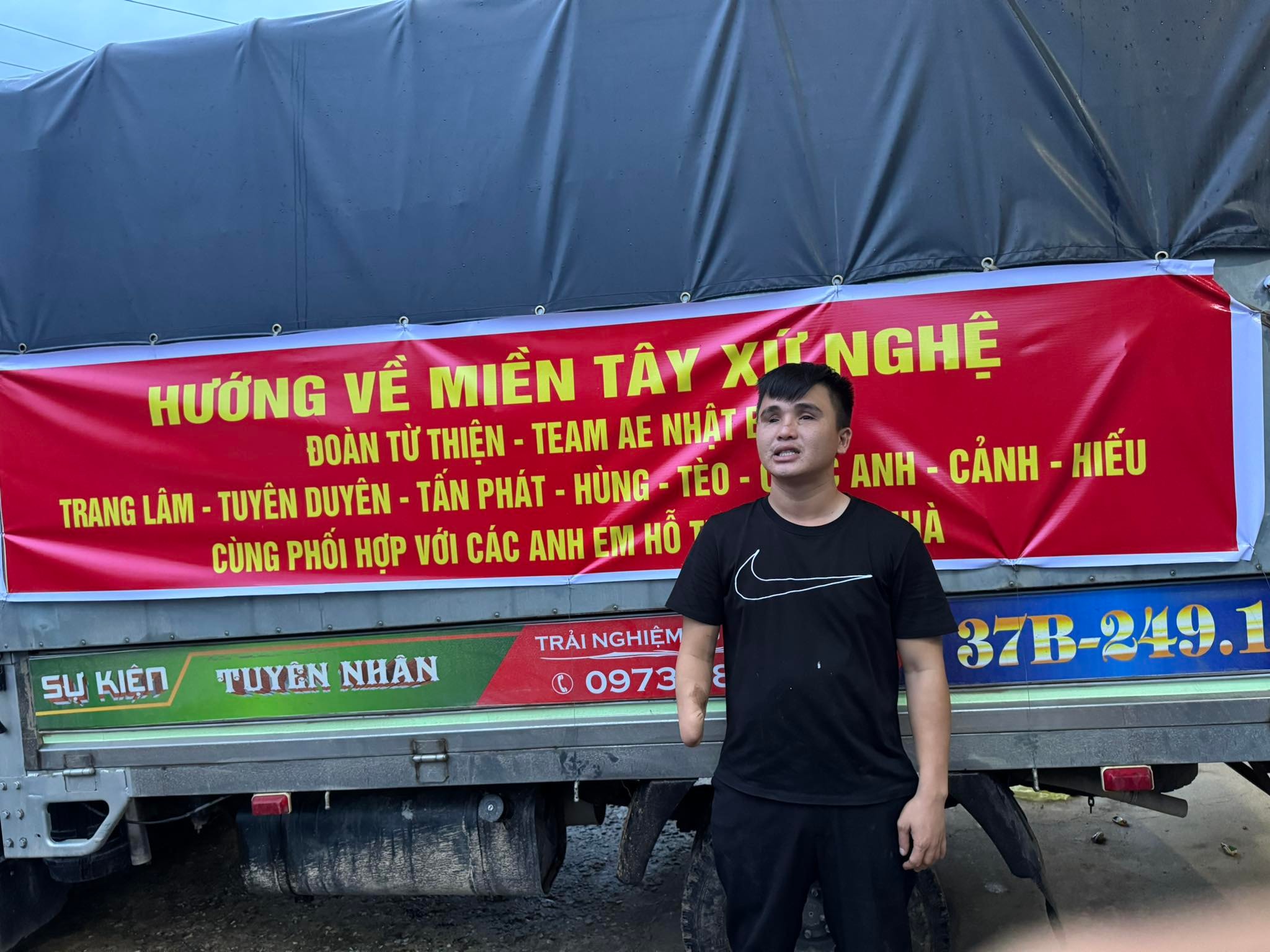
Nguyen Sy Phi Sang is a visually impaired content creator who gained recognition after his cross-Vietnam charity fundraising trip, helping those in similar circumstances and inspiring others to overcome their challenges.

PV: Known as inspiring examples of resilience in overcoming adversity, if you had to choose a moment that created a "turning point in your perspective" that led you to decide not to accept your fate but to take control of your own life, what would that moment be?
Ms. Nguyen Dai Trang:Having suffered polio at the age of 3, the muscles in my legs atrophied, leaving me unable to walk. My turning point in life came very early. When I was about 6 years old, I saw my peers, who used to play normally, carrying school bags, while I didn't. I felt incredibly disappointed and confused. I thought, "Am I any different from those other children? I should be able to go to school like them." So I insisted that my parents let me go to school. Although they loved and worried about me, my parents hesitated for a long time, and only reluctantly agreed two years later, when I was 8 years old. I believe that moment of insistence on going to school opened a different path for me. For me, literacy is not just about learning, but about light. Thanks to going to school, I had the opportunity to step out into the world, understand what I could do, and confidently take control of my life as I do today.
Mr. Nguyen Sy Phi Sang:Unlike Trang, my tragedy happened when I was 23, costing me my eyesight and my right hand. The life-changing moment came during those late nights and early mornings when my father thought I was asleep. I lay still, listening to him silently weeping at the foot of the bed. His cries were a worry for my future, a fear that I would face many difficulties in life. My heart ached, and I thought deeply. I knew that if I remained silent, my father would continue to cry for me. So I decided to change, become independent, and start rebuilding my life from scratch. Those nights of my father's silent weeping became my greatest motivation, opening the door to my journey of "not giving up."
PV: Ms. Trang sees literacy as her light, while Mr. Sang draws motivation from the tears of his loved ones. So, when faced with the biggest obstacle, what was the spiritual "anchor" that helped you both make decisions and maintain that flame of motivation over the years?
Mr. Nguyen Sy Phi Sang:My anchor point probably comes from optimism, willpower, and spirit. When faced with doubt from others or a lack of resources, I often stop and ask myself why I started. I tell myself that giving up won't help, and all previous efforts will become meaningless. Thanks to that optimism and willpower, I maintain my determination and continue moving forward, even though the road ahead is full of challenges.
Ms. Nguyen Dai Trang:For me, the biggest obstacle was my extremely low starting point – a lack of resources, capital, and connections. I struggled for a long time and had to move forward little by little. During the most difficult times, my spiritual anchor was always very clear: my family and my children. It was my love and responsibility towards my loved ones that kept me going. For me, the motivation wasn't something grand, but the desire to provide my family and children with a more stable life. It was these simple, everyday things that became the most enduring flame, helping me persevere for many years.
.jpg)

PV:With that unwavering determination, he,She has become an inspiration to the community. The feelings and pressures of being one."representative”What does it mean to be a "source of inspiration" for hundreds or thousands of people with disabilities? And...with him, sheWhat is the most difficult thing about helping others?
Ms. Nguyen Dai Trang:Actually, I don't feel any pressure being called an "inspiration" or "representative." I just live the way I need to live, trying a little harder than others because I'm living in less-than-normal conditions. I don't aim to be a role model. If my journey of effort, my stumbles and getting back up, helps someone gain more confidence, then that's a source of happiness, not a burden. And if I were to talk about the most difficult thing in my journey of accompanying and helping others, it would be helping them believe in themselves. Many people don't lack ability; they just lack a little confidence.
Mr. Nguyen Sy Phi Sang:I completely agree with Ms. Trang on the aspect of instilling confidence. When the videos of my cross-Vietnam journey became widely known, I was unintentionally seen as a representative of people with disabilities overcoming adversity. At that moment, I felt that what I had done and was doing was no longer just my own personal matter. Every action, word, or video could influence how others perceive people with disabilities. The most difficult thing is how to inspire, to help people see that they can be independent, confident, and move forward on their own, without imposing or doing things for them. Sometimes, inspiring is more important than solving all their difficulties. Realizing this is both a pressure and a motivation, helping me to continue striving.
PV: Ms. Trang and Mr. Sang both emphasized the importance of instilling confidence and empowering people with disabilities to become independent. Currently, technology is a powerful tool for this self-reliance. From Mr. Sang's perspective...,Sister, how is technology changing the lives of people with disabilities, and what needs to be done to ensure that all people with disabilities benefit from this progress?
Mr. Nguyen Sy Phi Sang:For me, technology has opened up many opportunities, especially opportunities for online learning and work, and communication. But from the perspective of a visually impaired person, I see many specific gaps in accessing technology. Firstly, in remote areas, many places lack signal coverage, and technological devices are not yet widespread, which is a barrier in terms of infrastructure. Secondly, even though blind people can use smartphones, very few know how to use them, there are few suitable supporting applications, and no one has provided practical guidance on how to use them. For everyone to benefit, it is necessary to: the government, organizations, and the community provide support with devices, and importantly, to train and guide visually impaired people on practical usage.
Ms. Nguyen Dai Trang:Mr. Sang correctly pointed out the material difficulties and usage guidelines, which are fundamental issues that need to be addressed. From the perspective of a business owner implementing a digital business model, I would like to add a viewpoint on sustainability and policy. I see technology opening very real doors, but there are still bigger barriers than just a lack of equipment. These are: high costs (equipment and internet connection), digital skills (having tools but not knowing how to use them effectively to generate income), and inclusive design (many apps/websites are still not user-friendly). And finally, technology cannot replace respect and genuine job opportunities from society. I think three things are needed: Hands-on digital skills training at the local level; implementing policies to subsidize/lend equipment/internet; and encouraging inclusive design from the outset – treating people with disabilities as standard users, not as a "special" group added later.
PV:All of your projects require sustainability to maintain and grow. In the next 5-10 years, what kind of "legacy" do you envision leaving behind?
Mr. Nguyen Sy Phi Sang:Currently, I'm working on social media and some small projects to help people with disabilities become more independent. I have bigger projects in mind, aiming to build a place that can support and create opportunities for more people with disabilities. In the next 5-10 years, what I hope to leave behind is not just concrete results, but also a spirit: never giving up, being independent, and striving to overcome difficulties. When people look at me, they'll see that even in the face of hardship, one can still stand up, live confidently, and create value. Sang wants people to understand that effort, perseverance, and willpower can be passed from one person to another, helping to change lives for the better.
Ms. Nguyen Dai Trang:For me, I hope that the mark I leave will be truly concrete and scalable in economic practice. In the next 5-10 years, I hope my impact will not only be a business or a project that survives, but a sustainable inclusive model that others can learn from and follow. And I hope to find suitable people with disabilities to partner with, train them, and enable them to work and be respected like anyone else.
PV:Success is not a destination, but a stopping point for resetting goals. If we consider each achievement as a milestone..."landmark”That's a big goal, so what's your next big goal?
Ms. Nguyen Dai Trang:In my staffing model, I am deeply concerned and am striving to expand suitable employment opportunities for people with disabilities. I want them not only to have jobs to make a living, but also an environment where they can take an active role in work and business, have a stable profession, and a longer-term career development path.
Mr. Nguyen Sy Phi Sang:Ms. Trang's goal of expanding job opportunities is truly meaningful, and I am also aiming to create practical career opportunities, but in a different way to diversify resources. My next big goal is to further develop stronger social media channels, both to spread inspiration and to create opportunities for people with disabilities to learn and become independent. At the same time, I am planning to open a high-end massage parlor for the blind, so they can have real jobs, express their abilities, and live confidently. The goal is not only to build a successful project, but also to change society's perception of people with disabilities, helping them see that blind people can create value, live confidently, and contribute to the community.
PV:With the common goal of creating a change in awareness and employment opportunities, on the occasion of International Day of Persons with Disabilities on December 3rd, he, she hasWhat message I want to convey this message to employers/government agencies and the community as a whole.Are not?
Mr. Nguyen Sy Phi Sang:I hope that employers, government agencies, and everyone will view people with disabilities fairly, giving them opportunities to try their hand and contribute. Society should change its perspective, not only seeing their limitations but also their potential and abilities. When trusted and given opportunities, people with disabilities can learn, become independent, and create value for themselves, their families, and their communities. The important thing is to work together to build an equal environment where everyone can live, work, and contribute fully.
Ms. Nguyen Dai Trang:I fully support Mr. Sang's message about fairness. However, to achieve that fairness, we need to start with a change in societal mindset. I was almost completely rejected when applying for jobs, so I think we need more equitable opportunities. Employers should assess skills first, then disability. If the work environment were a little more accessible and the recruitment process a little more open, people with disabilities would reciprocate with perseverance, responsibility, and genuine labor value. As for society in general, the biggest change I want is in perspective: Don't view people with disabilities as "objects in need of assistance," but as citizens who can contribute. When we see them that way, we will naturally create the right conditions. And then, "inclusion" will no longer be a slogan, but a way of life.
PV: Thank you, Trang and Sang, for the conversation!
Diep Thanh