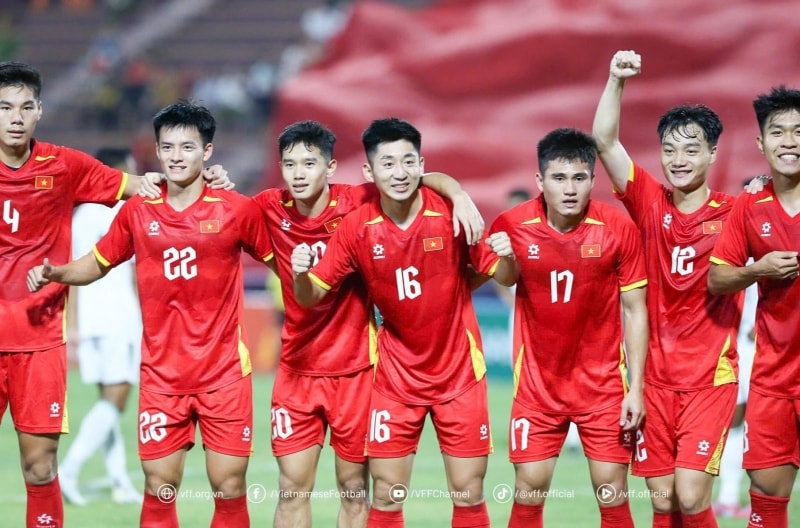
Did Thailand change their group to avoid facing Vietnam U22?
After Cambodia withdrew from the men's football tournament at the 33rd SEA Games, Thailand did not redraw the draw but instead moved Singapore from Group C to Group A. This decision was controversial as it could help the host nation avoid Vietnam U22 until the final.
Instead of redrawing after Cambodia withdrew, the host nation of the 33rd SEA Games chose to adjust the draw: moving Singapore from Group C to Group A. Thailand's swift move minimized disruption to the schedule, but immediately sparked controversy over fairness and its implications for the entire bracket.
The decision to organize the event and the wave of debate.
The Thai side explained that this was an "organizational convenience" option, minimizing schedule changes. However, many fans in the region countered: if Cambodia, a team in the second seed group, withdrew, the logical replacement should have been a representative from group 3, instead of putting Singapore – a team from group 4 – into Group A. The result is an imbalance between the groups, while some strong teams face a more difficult path than expected.
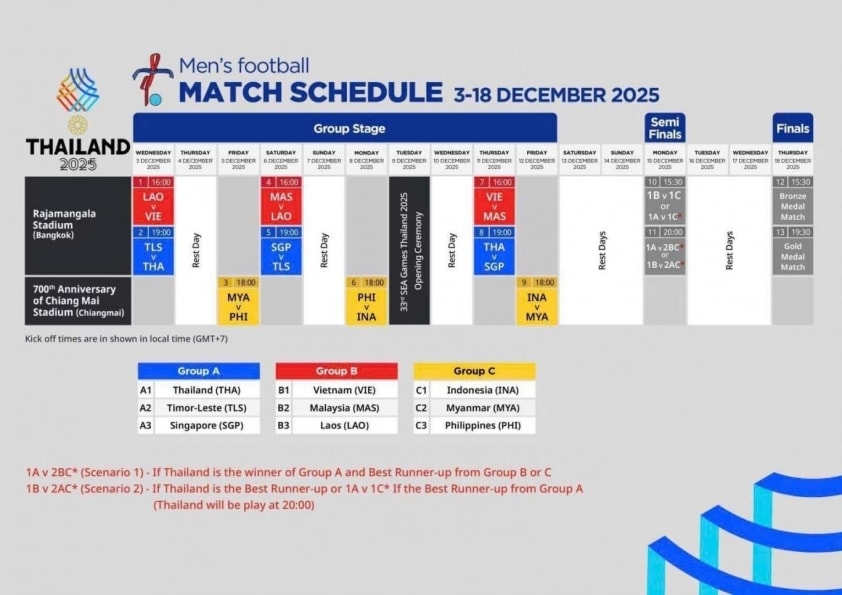
Tournament bracket and hypothetical scenarios to avoid the Vietnam U22 team.
Many Southeast Asian fans believe this adjustment inadvertently opens up a scenario that benefits the host nation: if Thailand finishes top of Group A, they will not face the winner of Group B in the semi-finals – a position highly predicted to go to Vietnam U22. Conversely, a redraw could place Vietnam in Group C, increasing the likelihood of the two teams meeting early in the semi-finals. Maintaining the current situation means the real chance of a clash is only in the final.
It's important to emphasize: this is a widely discussed theory among fans, not an official statement from the organizers. However, it reflects a reality: at the youth level, the Vietnam U22 team is one of the most unpredictable opponents in the region.
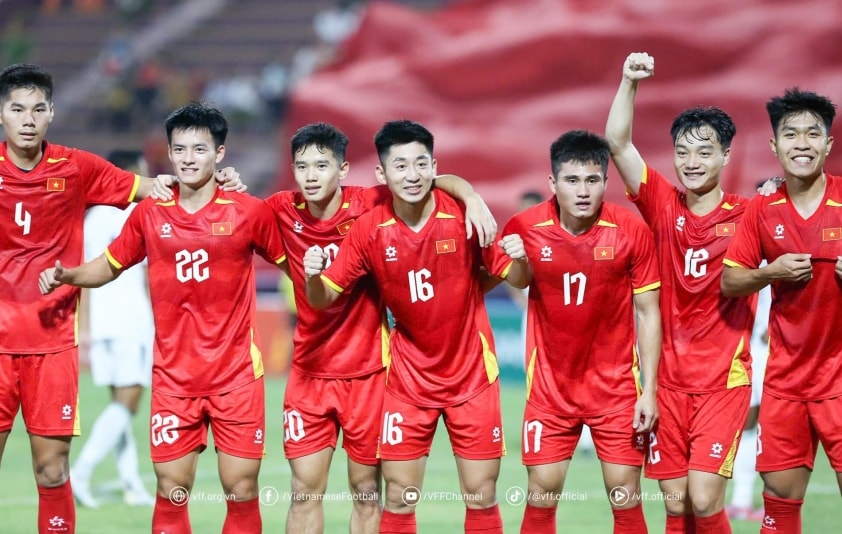
Why is the Vietnam U22 team a tough challenge?
In recent years, Vietnamese youth teams have consistently posed a challenge to Thailand. Vietnam has won the U23 Southeast Asian Championship three times in a row, the SEA Games twice, and has eliminated Thailand numerous times at the continental level. From the perspective of short-term tournaments, their strengths lie in tactical discipline, high-intensity pressing, and the ability to quickly adapt to a packed schedule – factors that are particularly important in knockout rounds.
While Indonesia is rising strongly with a squad of players competing in Europe, many still believe that Thailand's biggest rival at the U22/U23 level is Vietnam – a stable, resilient, and experienced team in regional competitions. From a tactical perspective, choosing the less risky option of postponing a confrontation with the most difficult opponent is an understandable approach, even if it comes at the cost of controversy.
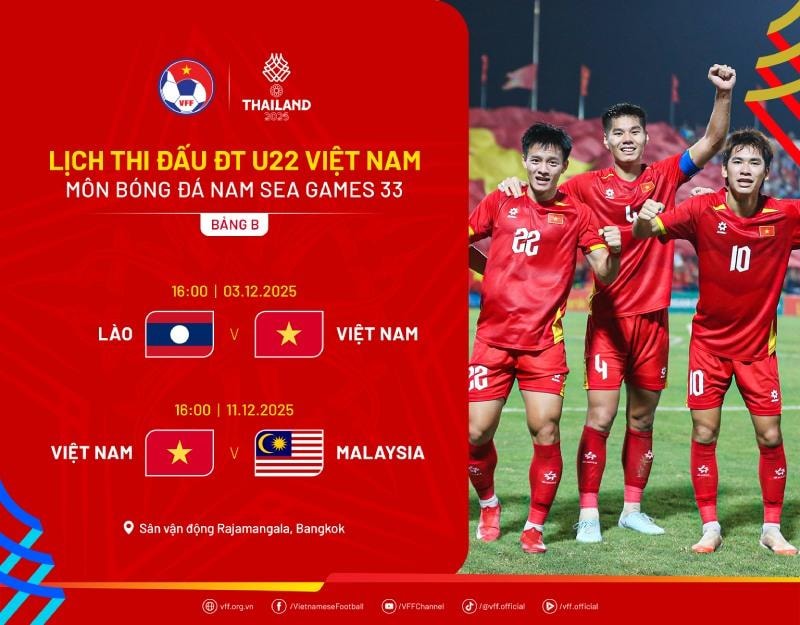
Competitive impact: organizational convenience vs. fair sportsmanship
From an operational standpoint, the reassignment saves time and resources. But from a sporting perspective, it touches upon the seeding principle – which aims to distribute strength relatively evenly and reduce the risk of being placed in the wrong group. When Singapore, the weakest team in the seeded group, is placed in Group A, opponents in other groups (such as Indonesia) may face a more difficult path. This is the core reason why the debate continues to rage.
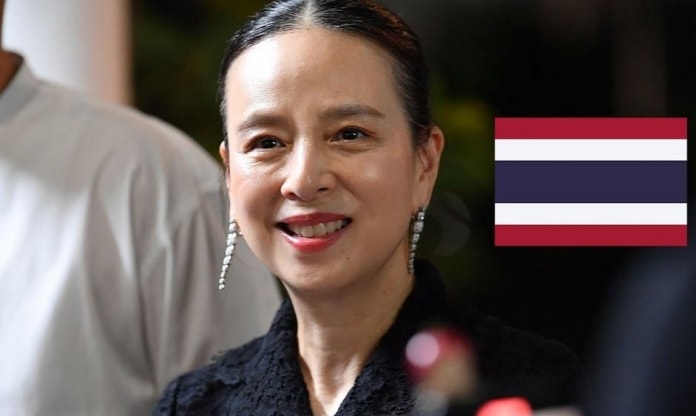
The message sent from the decision
Whether the official reason was convenience or technical, the decision not to redraw went beyond purely organizational considerations: it outlined how Thailand perceived the current balance of power. At the youth level, their most formidable opponent wasn't necessarily the rising Indonesian team, but rather Vietnam – a team accustomed to pressure and often performing well in knockout rounds. As the competition neared the knockout stages, every small detail of the bracket could become a strategic advantage.