

APKWS II: An affordable weapon that helps Ukrainian F-16s destroy UAVs.
Field photos confirm Ukrainian F-16s are equipped with LAU-131 missiles, using Sniper lasers to illuminate APKWS II rockets (~$30,000/round), a cost-effective solution to counter swarms of inexpensive UAVs.
Authentic images from Avia OFN show Ukrainian F-16s carrying LAU-131/A launchers with 70mm Hydra-70 rockets integrated with APKWS II laser guidance kits, combined with AN/AAQ-33 Sniper targeting pods. This is a low-cost configuration for intercepting low-altitude UAVs, aimed at countering Russia's swarm tactics without expending expensive air-to-air missiles.
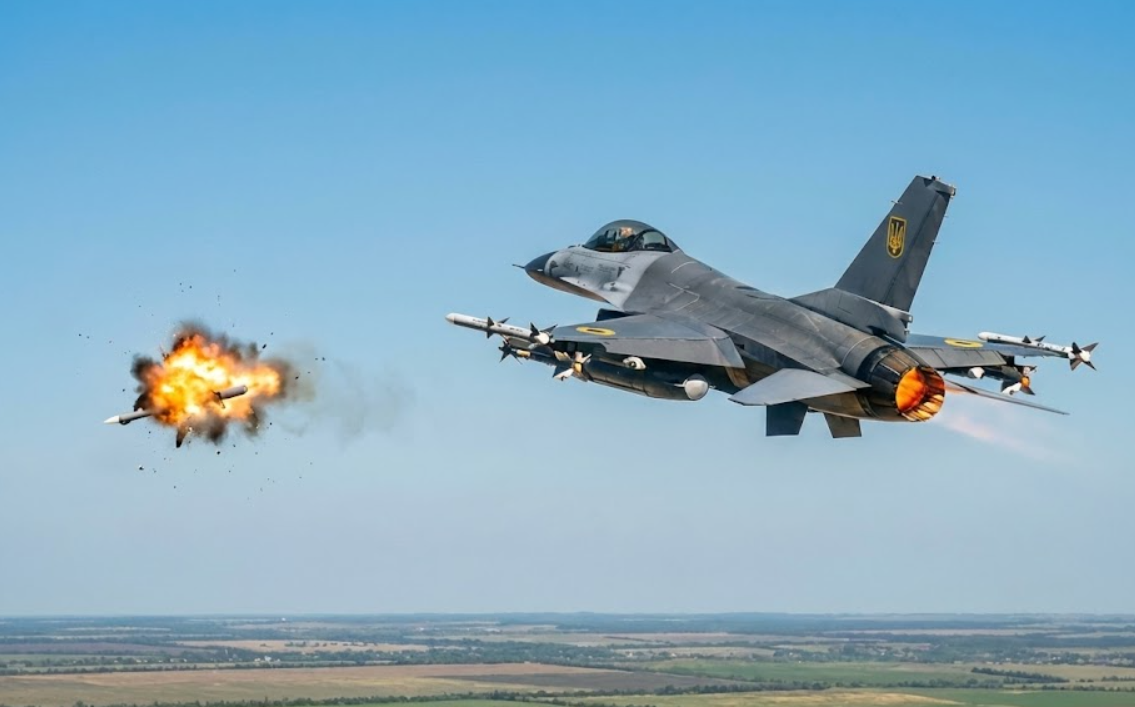
Evidence from the field
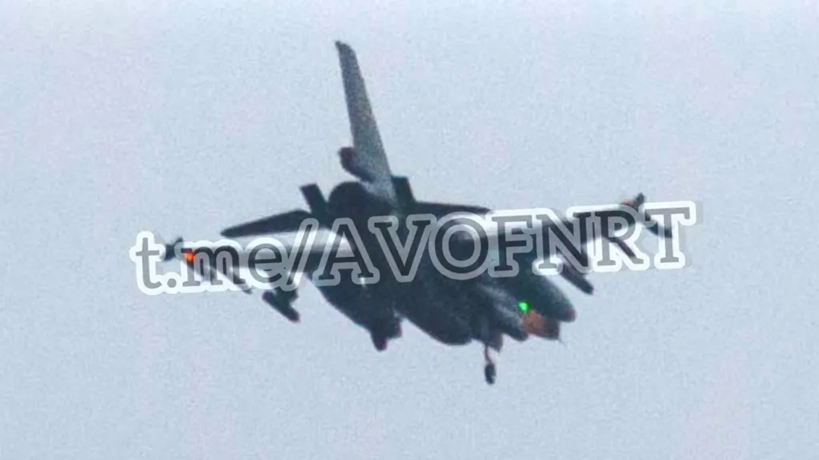
Avia OFN posted close-up photos of the weapon pylons on an F-16AM, where military image analysis groups (OSINT) identified the LAU-131/A launcher for 70mm Hydra-70 rockets. Each wing carries a cluster of LAU-131 rockets containing 7 rockets. The rocket heads have laser guidance systems, confirming they are the APKWS II variant.
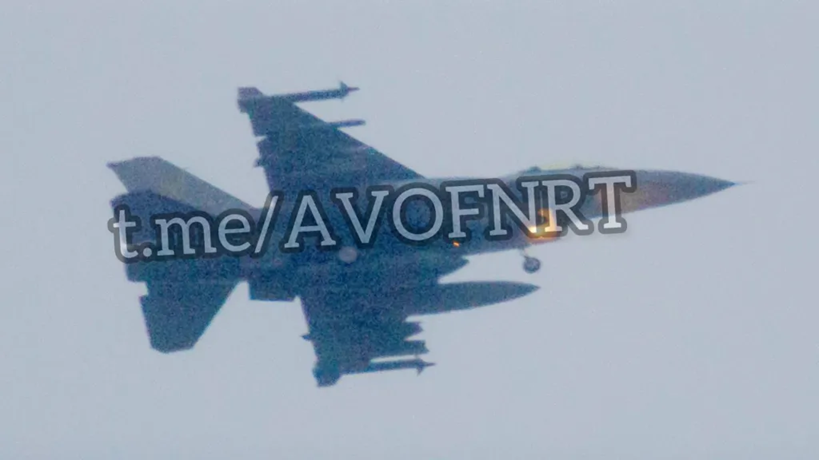
The F-16 also carries AIM-9 Sidewinder missiles at the wingtips and an ATP sniper pod under the fuselage for laser targeting of the APKWS II. According to observers, this configuration is likely to be widely deployed, not just at the testing stage.
Technical analysis: from Hydra-70 to "precision strike"
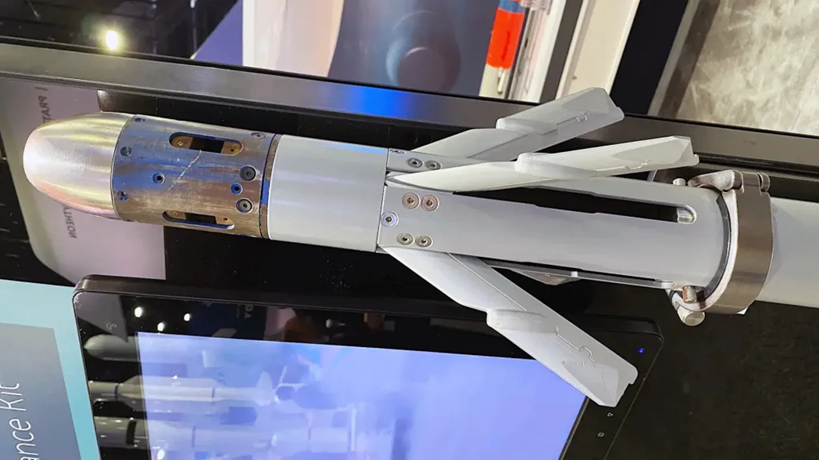
The APKWS II upgrades the unguided Hydra-70 rocket with a WGU-59/B guidance kit located in the middle section of the rocket body, adding control fins and a semi-active laser seeker. Upon launch, the control fins deploy; the seeker tracks a continuous laser beam from a Sniper pod or ground forces. This transforms the dispersed projectile into a highly accurate weapon, suitable for destroying slow-moving targets such as UAVs and light armored vehicles.
Cost problem: escaping asymmetry
Russia uses Shahed-136/131 (Geran-2) suicide drones and newer models like Gerbera, which cost an estimated $20,000–$50,000 each. Previously, Ukraine repeatedly had to use AIM-9X (approximately $400,000–$500,000 each) or AIM-120 AMRAAM (over $1 million each) to shoot them down – which is not economically sustainable.
According to recent Pentagon contracts, each APKWS II rocket has a unit price of approximately $30,000–$31,000, creating a favorable cost-effectiveness when countering inexpensive UAVs. This allows the F-16 to reserve its AIM-120/AIM-9 for higher-value targets such as the Su-35, Su-34, or Kalibr cruise missiles.
| System | Type | Estimated cost/unit | Note |
|---|---|---|---|
| Shahed-136/131, Gerbera | Suicide UAVs | 20,000–50,000 USD/unit | Estimates based on sources in the article. |
| APKWS II (Hydra-70 Guided) | 70mm laser-guided rocket | ~30,000–31,000 USD/fruit | According to a recent Pentagon contract. |
| AIM-9X Sidewinder | Heat-seeking air-to-air missile | ~400,000–500,000 USD/fruit | Price data in the article |
| AIM-120 AMRAAM | Active air-to-air missile | >1,000,000 USD/piece | Price data in the article |
Tactic: Increase "magazine depth" to counter swarms.
Each LAU-131 tube carries 7 rockets; the F-16 can carry 2–4 tubes, equivalent to 14–28 APKWS II rockets per sortie. With accurate firepower and large numbers, a formation of two F-16s can create a dense enough fire network to disrupt and neutralize low-flying UAVs.
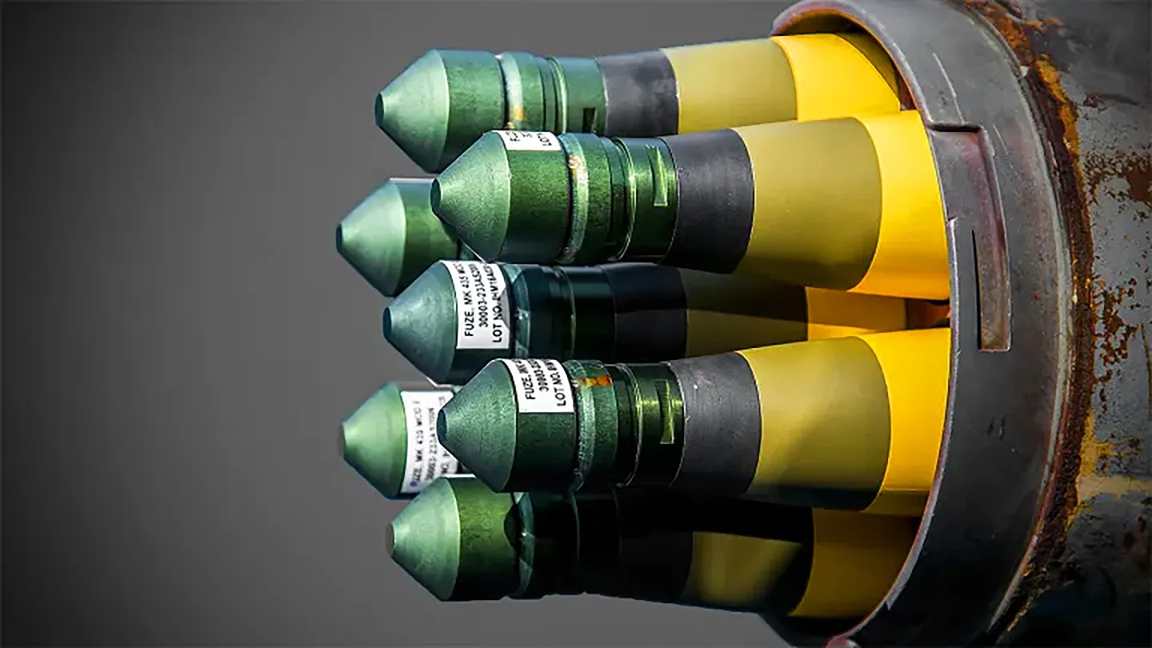
Limitations: APKWS II is not a "fire-and-forget" system. The aircraft needs to continuously illuminate the target with its laser until it hits, making it difficult to engage multiple targets simultaneously. A "buddy lasing" system (one aircraft illuminates, the other fires) or future upgrades could mitigate this limitation.
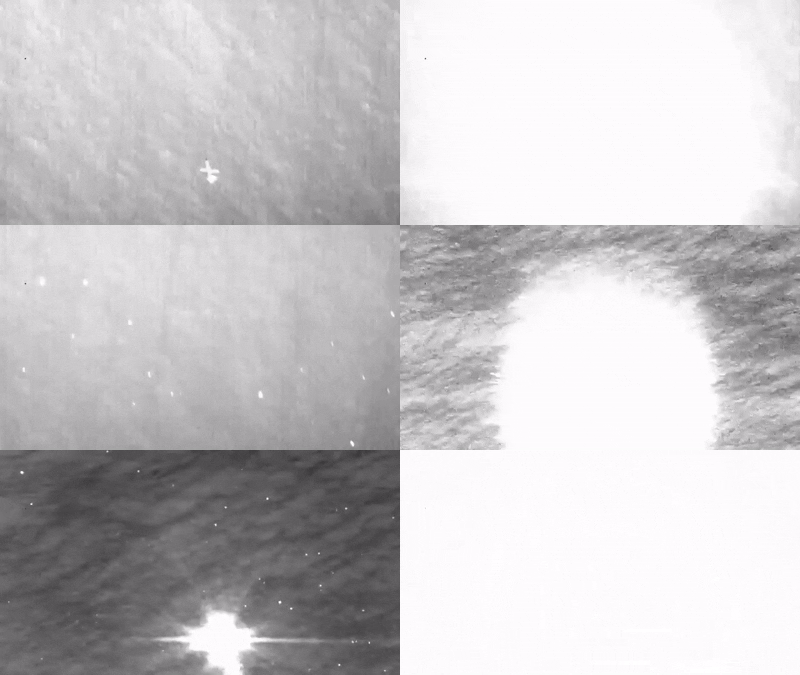
The operational context and the need to share the burden of air defense.
According to the Ukrainian side, in an overnight attack over the weekend, Russia deployed a total of 653 drones and 51 missiles. President Volodymyr Zelensky said the main targets were energy facilities; he noted that the central railway station in Fastiv was attacked by drones and caught fire; Chernihiv, Zaporizhzhia, Lviv and Dnipropetrovsk also reported infrastructure damage.
Russia claims its attacks target military infrastructure linked to Ukraine and asserts it is not aimed at civilians. While Patriot and NASAMS systems remain effective, they are short on ammunition and cannot cover the entire territory; aid from the US is hampered and has shifted to the PURL mechanism, disrupting direct supplies. Therefore, the F-16s sharing interception missions with inexpensive weapons is significant in reducing the burden on ground-based defenses.
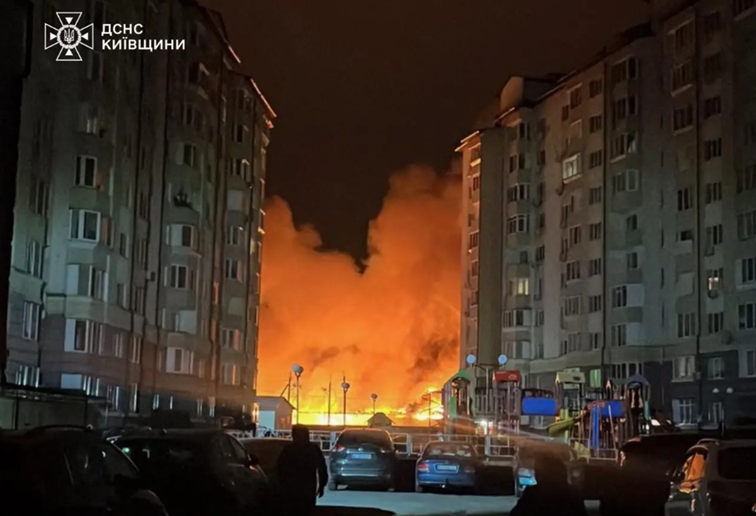
Force outlook: F-16 and air force modernization.
The integration of APKWS II is part of President Volodymyr Zelensky's stated goal of building a force of approximately 250 modern fighter jets, including the American F-16, the Swedish Gripen, and the French Rafale. According to Le Monde (France), Ukraine has so far received around 70 F-16s from Denmark, the Netherlands, and Greece. With the ability to reach Mach 2 (2,550 km/h) and equipped with an active electronically scanned array (AESA) radar, the F-16 continues to be a core component of the Ukrainian Air Force.
Conclude
The APKWS II creates a cost-effective low-altitude air defense option for Ukrainian F-16s: utilizing the Hydra-70 rocket arsenal, increasing the number of missiles carried, and reducing reliance on expensive air-to-air missiles. Although still constrained by the requirement for continuous laser targeting, the LAU-131 + Sniper + APKWS II configuration is a practical addition to countering swarm UAVs in a high-intensity conflict environment.